
[CEADs] International Energy-Water-Climate Nexus Forum Held in Cambridge, UK
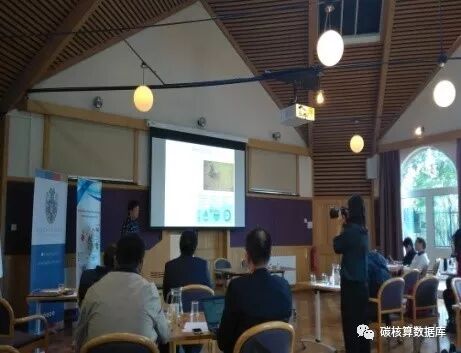
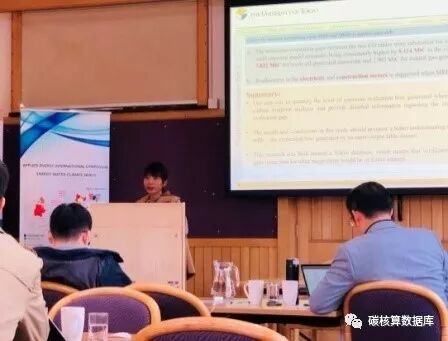
From September 30 to October 3, 2018, the Applied Energy International Symposium (AEIS 2018) Energy-Water-Climate Nexus international forum, organized by the CEADs team, was held at Hughes Hall, University of Cambridge. Participants came from more than 20 universities, research institutes, and publishers in China and abroad, including Professor Klaus Hubacek of the University of Maryland, Academician Tao Shu of Peking University, Academician He Kebin of Tsinghua University, Professor David Reiner of the University of Cambridge, Professor Steven J. Davis of the University of California, Nature senior editor Juliane Mössinger, Nature Communications editor Dr. Xia Yang, Journal of Cleaner Production co-editor Professor Cecilia M. V. B. Almeida, and Researcher Wang Yutao. During the four-day meeting, invited experts delivered five keynote reports and held extensive exchanges and in-depth discussions on the theme of the energy-water-climate nexus.
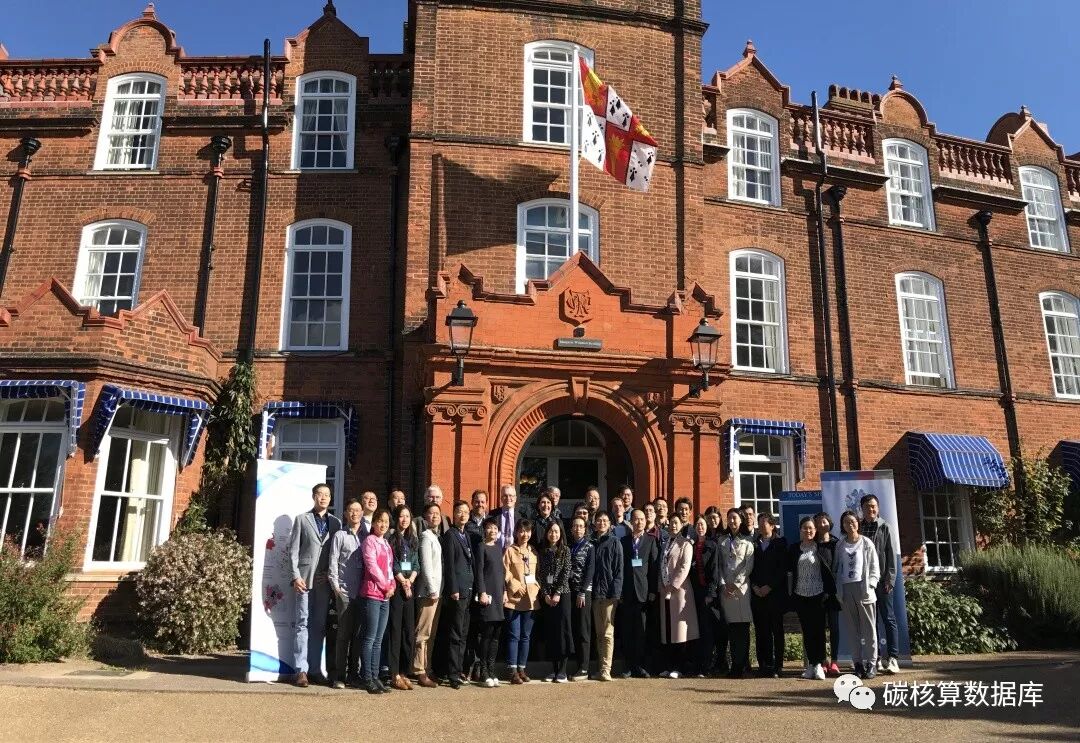
September 30 (Day 1)
At 9:00 a.m., Professor Guan Dabo chaired the opening ceremony, introduced the conference agenda, and extended a warm welcome to all participants.
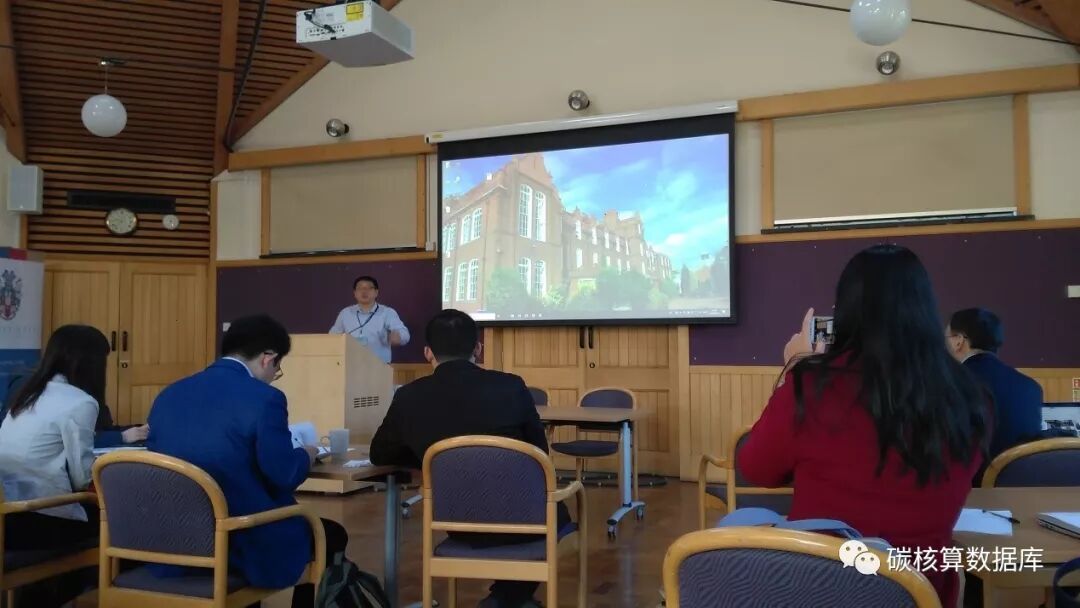
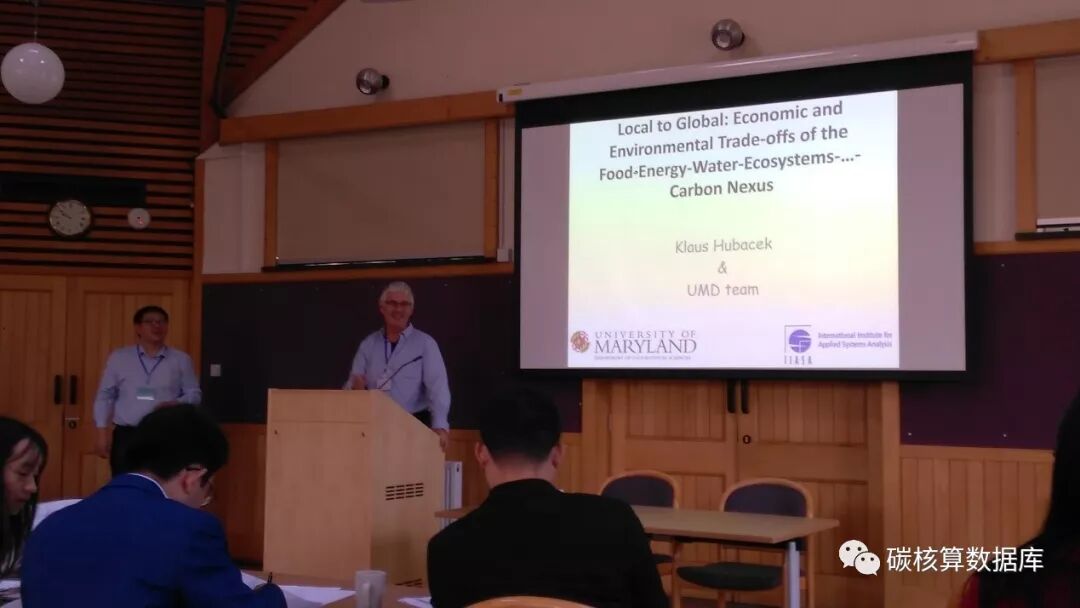
Professor Klaus Hubacek from the University of Maryland then analyzed the economic and environmental trade-offs among food, energy, water resources, and carbon emissions from regional to global perspectives. Professor Hubacek reviewed the rapid growth of nexus research in recent years, discussed the many dimensions involved in nexus studies, and shared recent progress from their research on clean air policy.
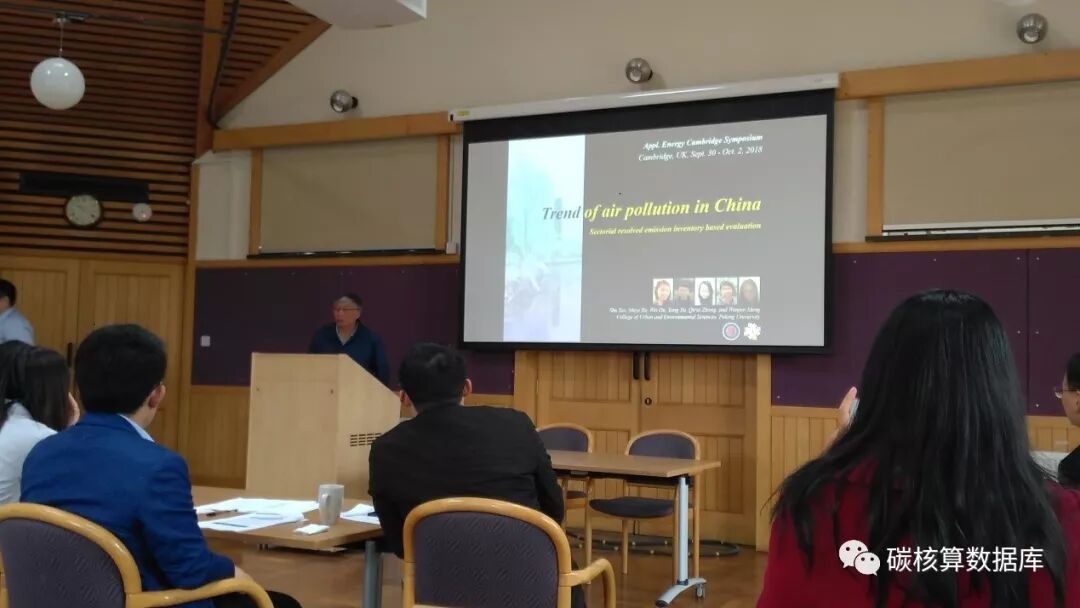
Academician Tao Shu from Peking University analyzed trends in domestic air pollution. Starting from the 1960-2014 emissions inventory developed by his team, Academician Tao introduced their work on transport and indoor air pollution modeling, climate change and health impacts, and assessments of related policies.
Academician He Kebin from Tsinghua University noted that rapid industrialization and urbanization have brought rapid motorization, leading to severe haze problems. He also introduced the current state of emissions control and future directions for governance.
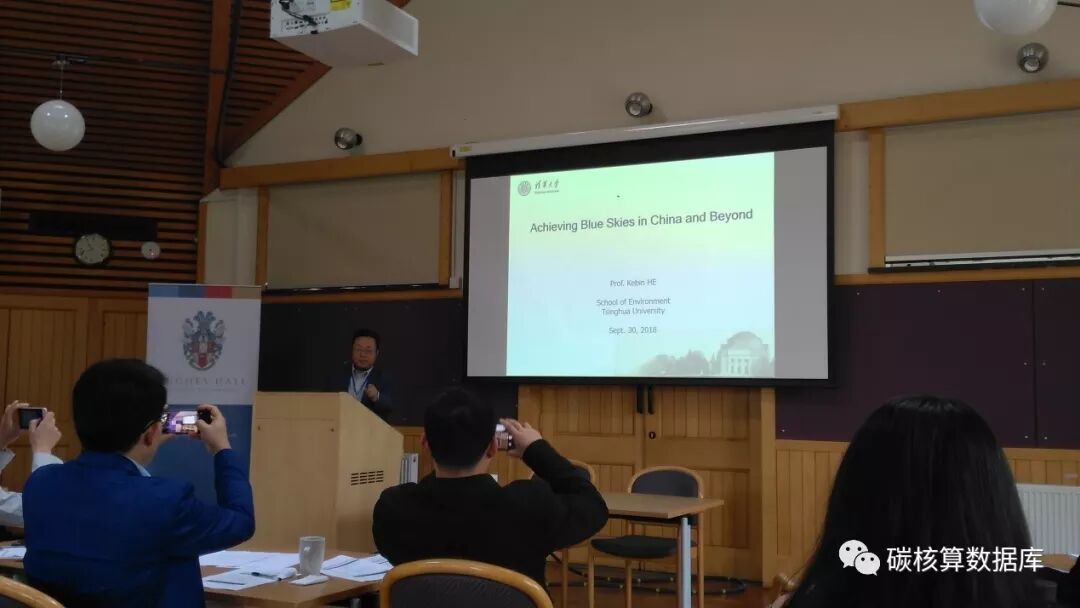
Professor Cecilia M. V. B. Almeida, one of the co-editors of the Journal of Cleaner Production, introduced ways to promote a balance between climate regulation and the municipal costs of urban parks. Associate Professor Li Huajiao from China University of Geosciences (Beijing), on behalf of Professor An Haizhong and their team, reported on research into energy-related CO2 flows in China. Associate Professor Wang Yu from Tsinghua University shared research on carbon allowance allocation and trading in the Chinese power sector. Dr. Xia Yang, an editor at Nature Communications, presented the journal handling process and the research areas currently receiving major attention from Nature.
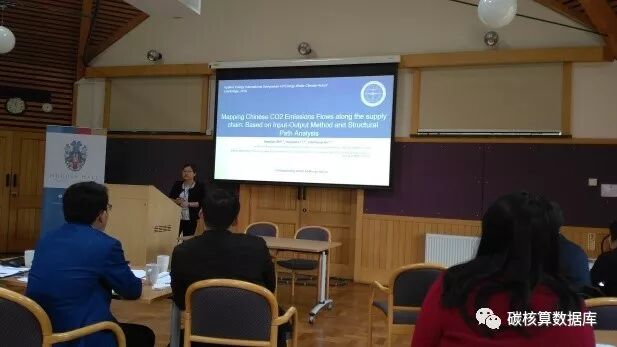
Associate Professor Li Huajiao
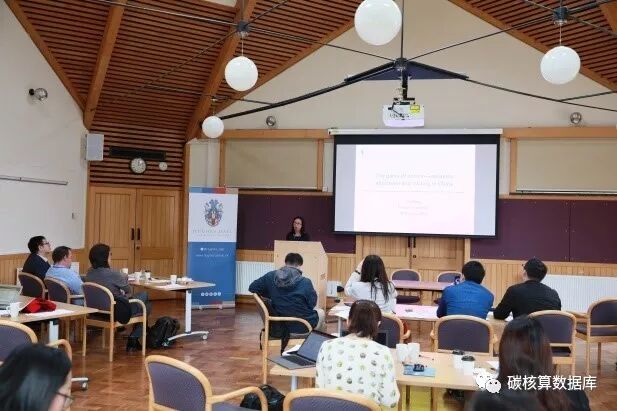
Associate Professor Wang Yu
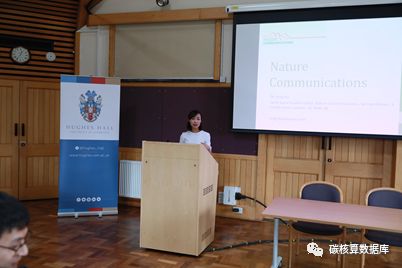
Dr. Xia Yang
In the afternoon, Professor Guan Dabo and the conference team led participants on a walk to the River Cam for a visit and punting activity. The participants were divided into amateur and experienced punting groups. The amateur Team 1 led by Academician Tao was the first to set off and the first to return, with everyone enjoying the outing on the river.
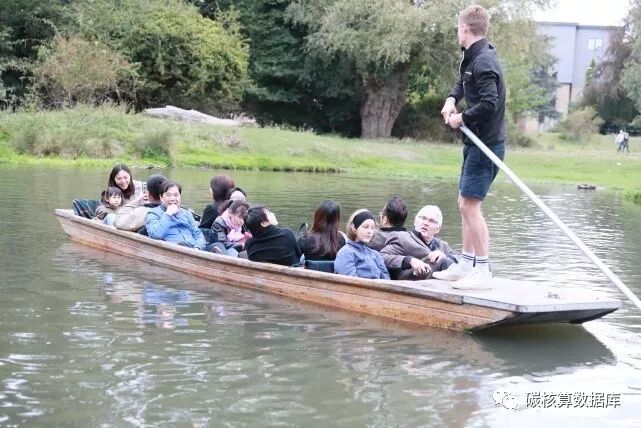
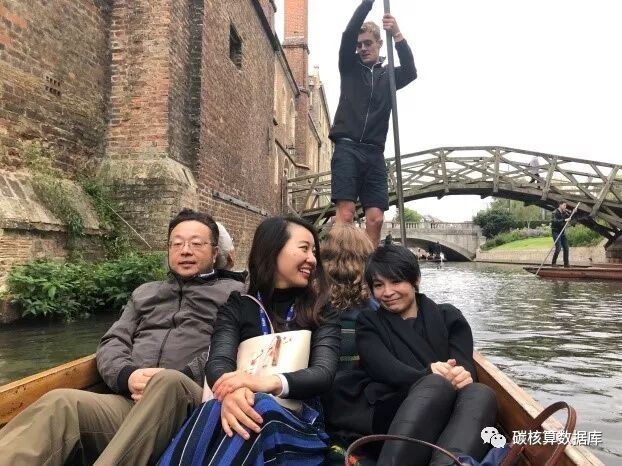
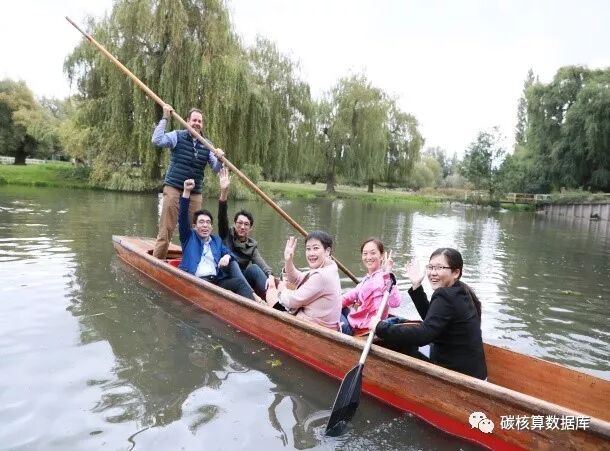
The academic boat trip set off in high spirits.
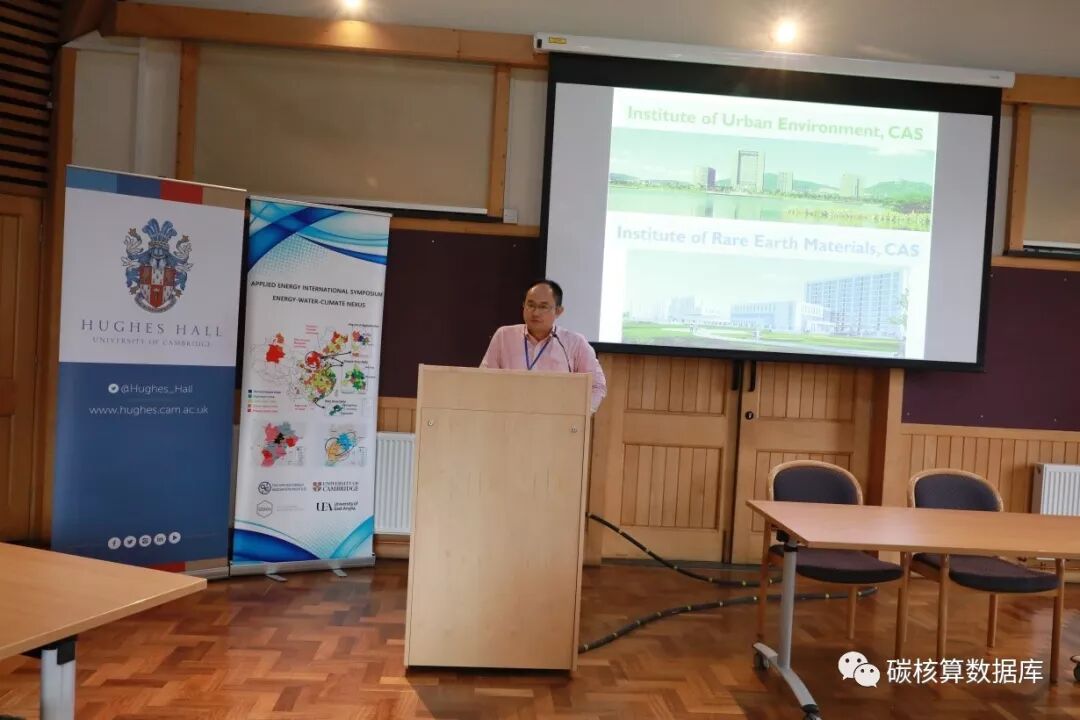
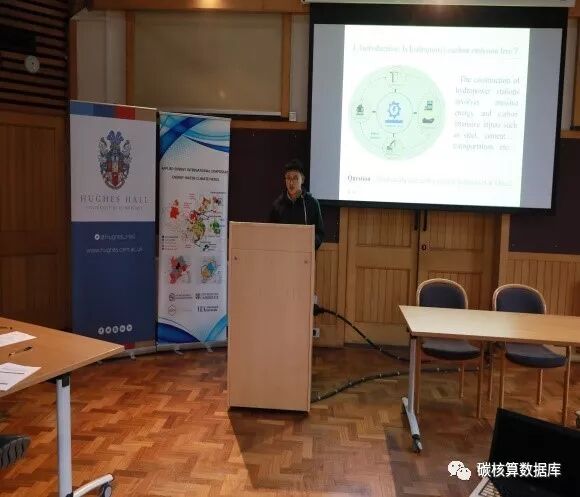
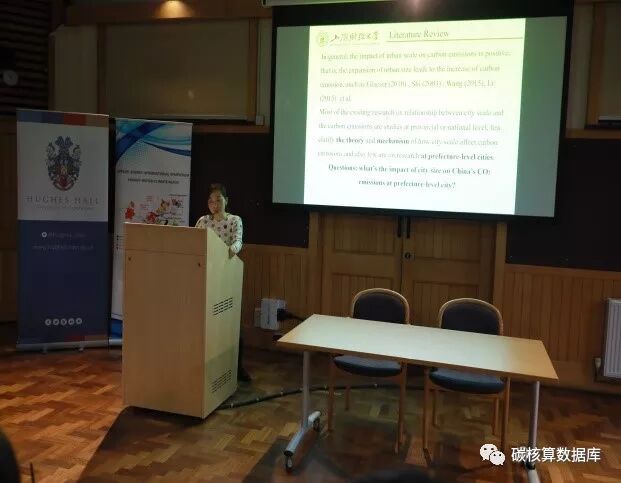
After the punting activity, participants returned to the venue with great enthusiasm. Researcher Chen Weiqiang from the Institute of Urban Environment, Chinese Academy of Sciences, first introduced the research areas of his group and discussed the impacts of urbanization and sustainable development from a material perspective. Dr. Li Jiashuo from Huazhong University of Science and Technology then reported on progress by his group regarding embodied carbon emissions in hydropower infrastructure in China. Finally, Associate Professor Liu Jianghua from Shanghai University of Finance and Economics discussed the impact of city size on carbon emissions.
October 1 (Day 2)
At the start of the meeting at 9:00 a.m., Researcher Dan Li from the Institute of Atmospheric Physics, Chinese Academy of Sciences, used climate models to simulate carbon and nitrogen characteristics and their interaction processes. Dr. Lin Lü from China University of Petroleum (Beijing), representing his research group, then analyzed carbon emissions generated by regional industrial transfer from 2007 to 2010. Next, PhD student Li Xian from the University of East Anglia shared progress on water use in the energy sector and energy use in the water sector in the Beijing-Tianjin-Hebei urban agglomeration.
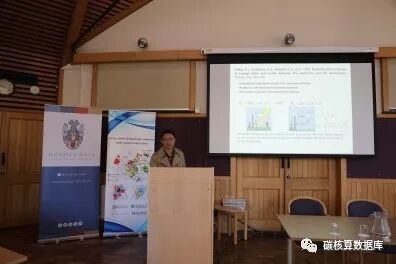
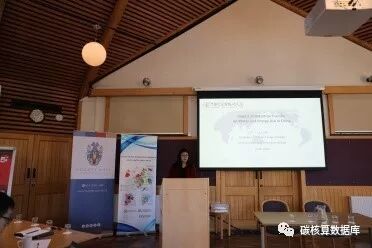
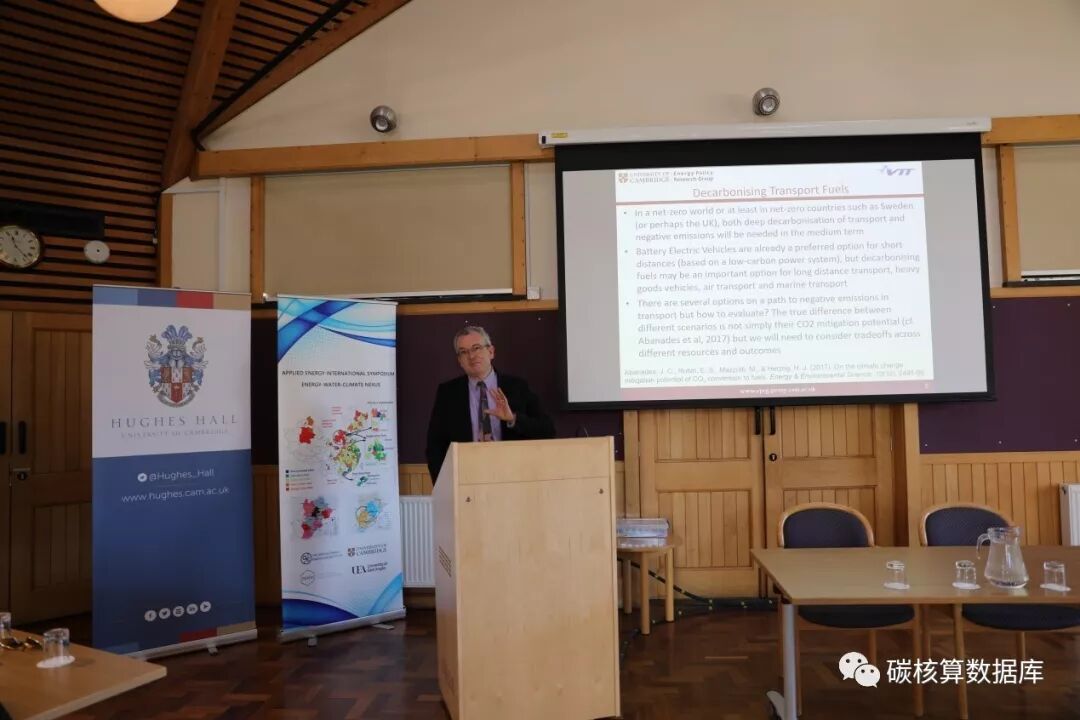
After the coffee break, Professor David Reiner from the University of Cambridge shared insights on exploring the balance of negative emissions from biomass energy. PhD student Zhang Zongyong from the University of East Anglia then reported progress on compiling water inventories for 200 cities in China. PhD student Long Yin from the University of Tokyo discussed the carbon footprint generated by consumption in Tokyo. Finally, Dr. Han Mengyao from the Institute of Geographic Sciences and Natural Resources Research, Chinese Academy of Sciences, discussed embodied resources in global trade and found that the structures of embodied resource transfers differ across countries.
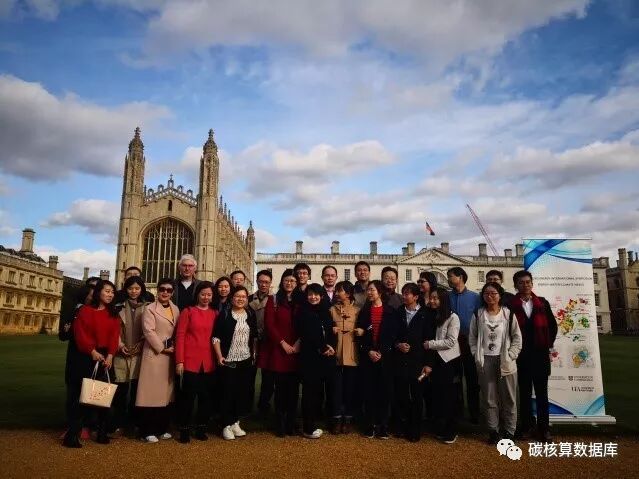
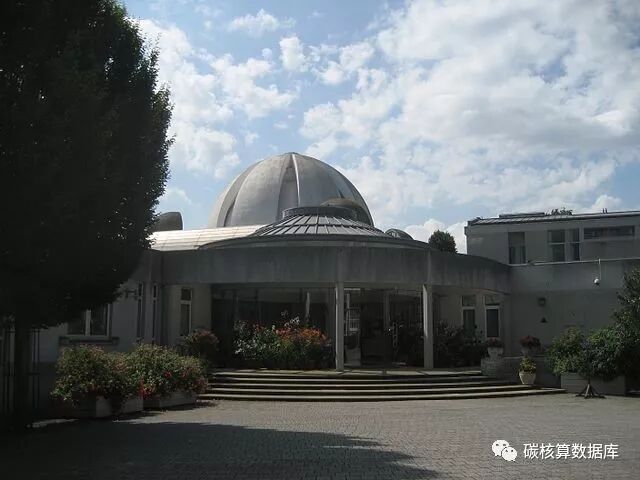
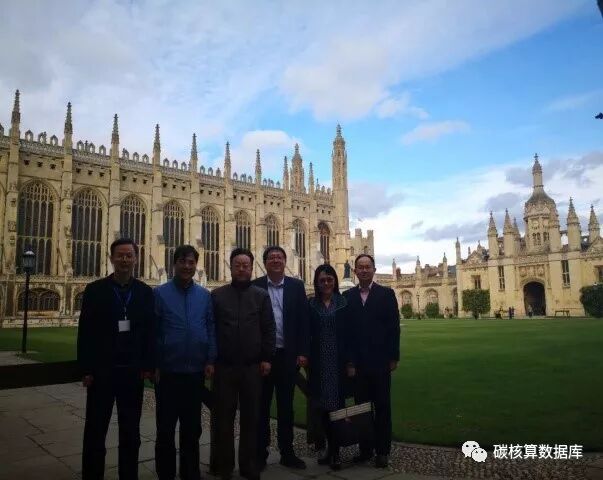
In the afternoon, Professor Guan Dabo and the conference team led participants on visits to famous colleges and landmarks of the University of Cambridge, including King's College, Trinity College, Newton's apple tree, the Xu Zhimo memorial stone, Murray Edwards College, and St Edmund's College.
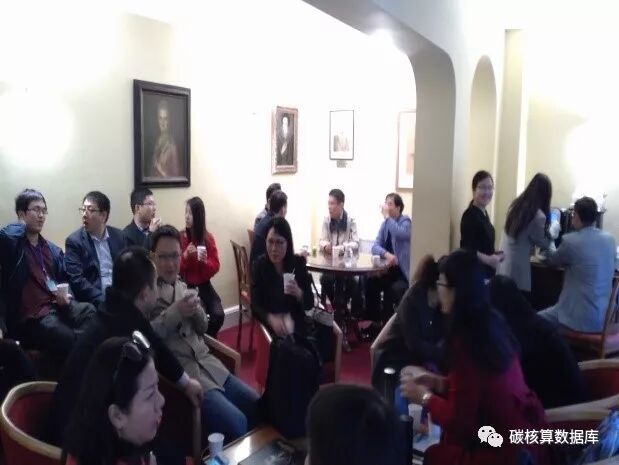
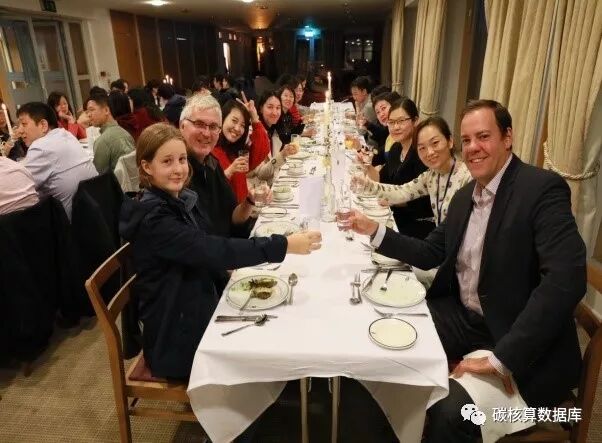
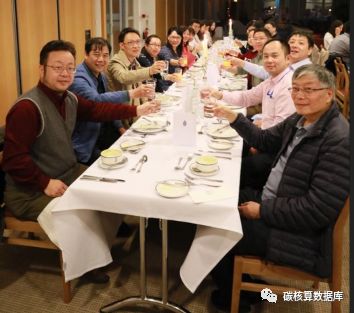
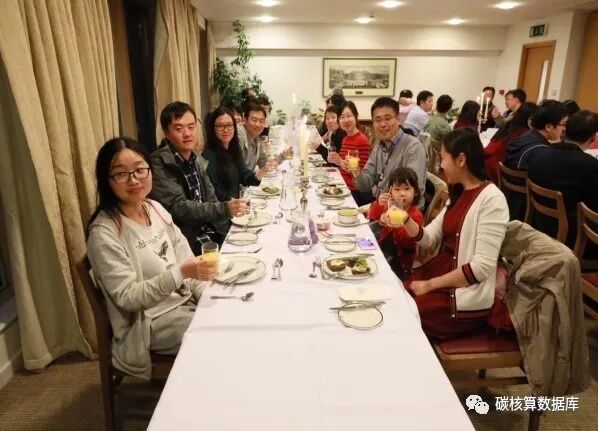
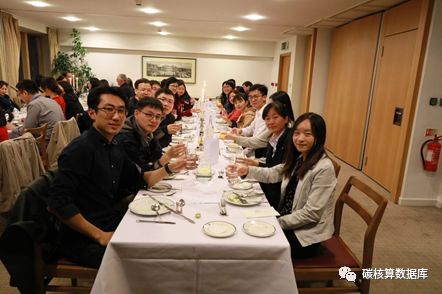
At 6:30 p.m., everyone enjoyed an authentic British formal dinner at Hughes Hall, a rare and memorable experience.
October 2 (Day 3)
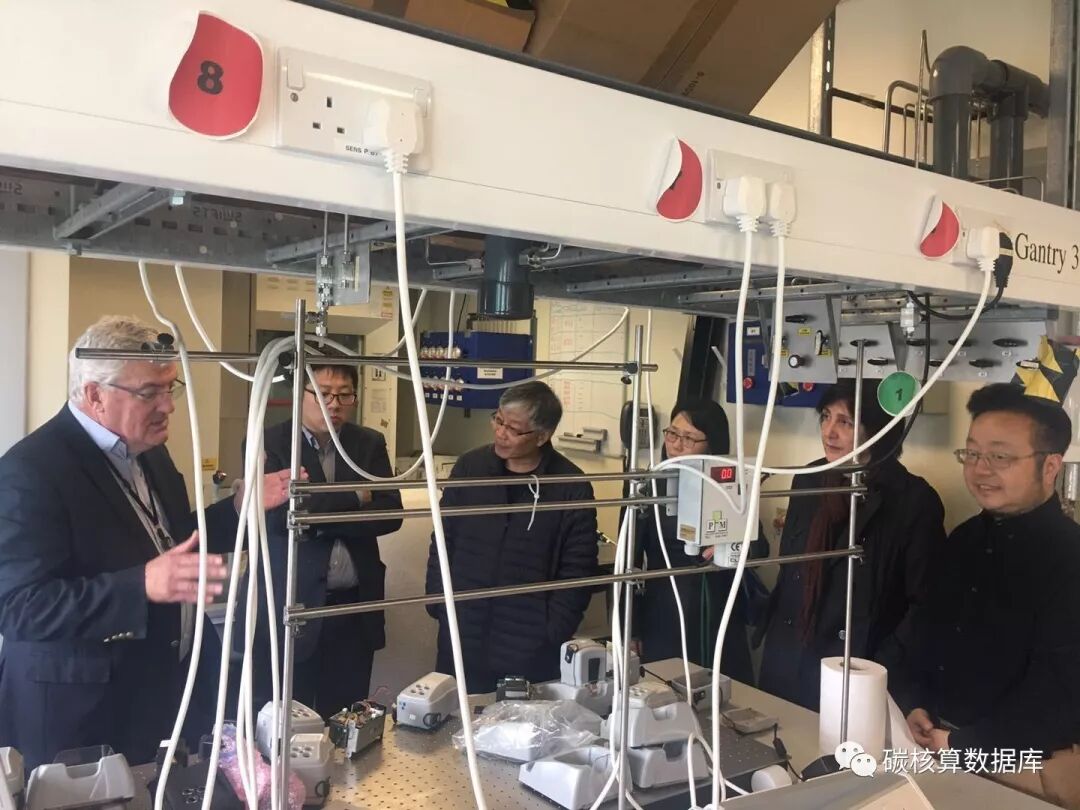
In the morning, Professor Guan Dabo and the conference team led participants to visit the Department of Chemistry at the University of Cambridge. Professor Rod Jones and his team introduced the manufacturing design and process flow of advanced atmospheric gas composition detection and carbon emissions monitoring equipment.
After the visit, participants returned to the venue to continue listening to the presentations by experts. First, Nature senior editor Juliane Mössinger introduced Nature selection criteria, processing procedures, and other points to note when submitting manuscripts.
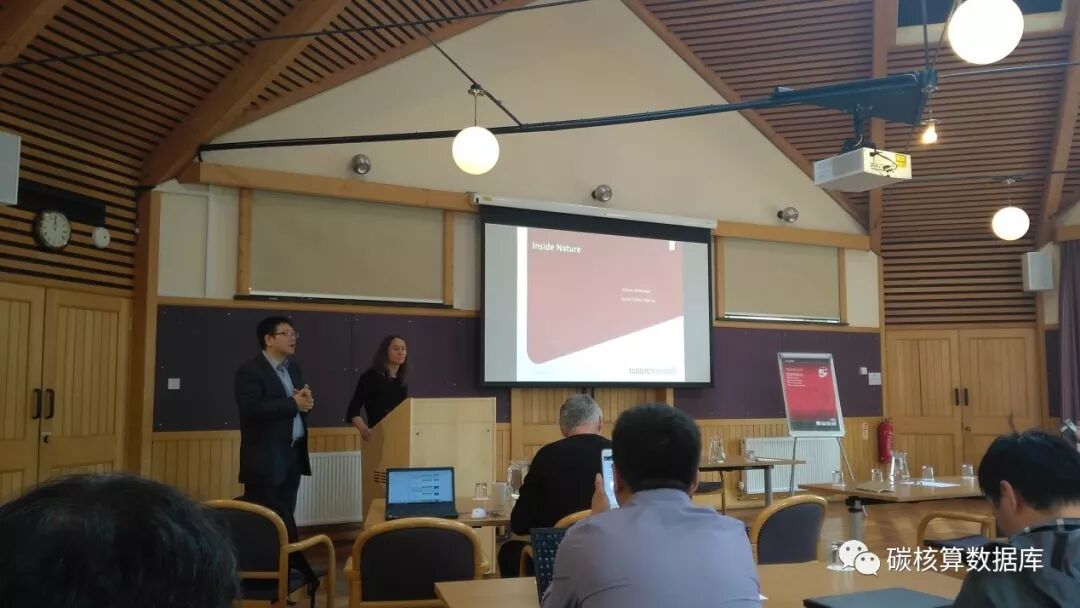
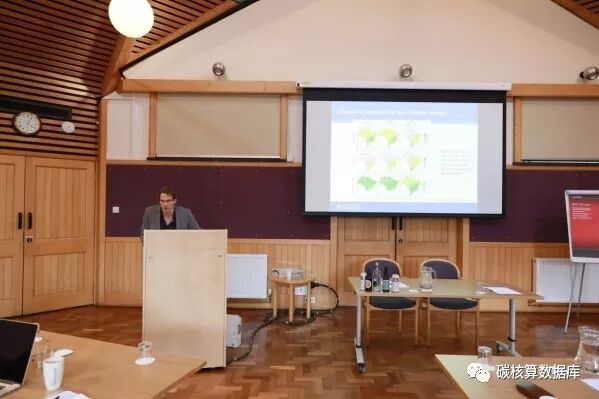
Professor Guan Dabo then introduced the CEADs database, carbon emissions trends, and key areas of focus for the team, including city-scale carbon emissions, climate change, and disaster footprints. Using beer as an entry point, he discussed the effects of climate change on beer production and consumption under different scenarios.
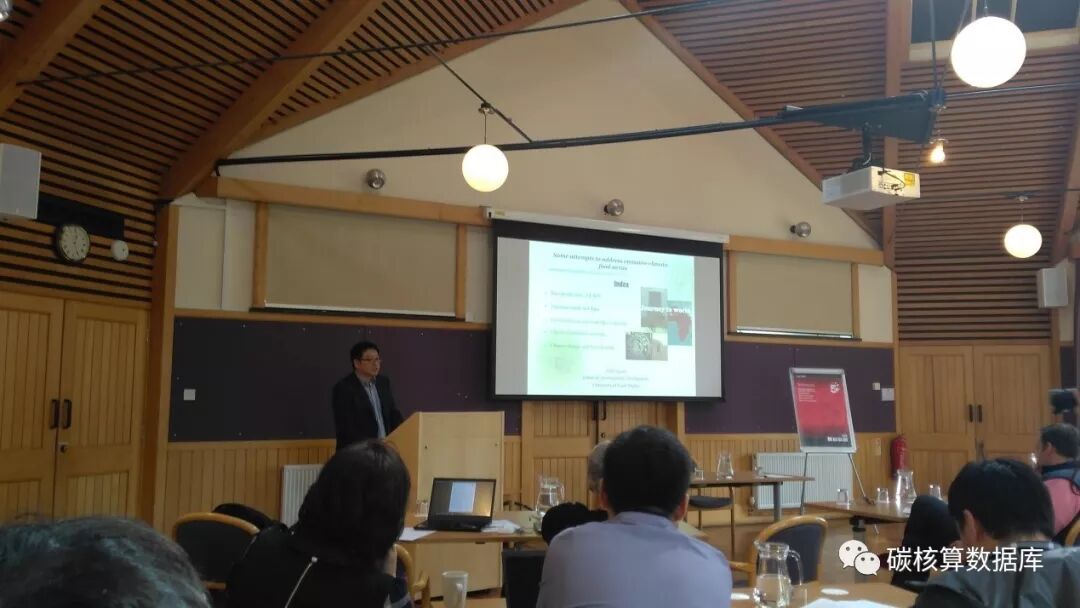
Professor Steven J. Davis from the University of California then shared his team research on the resilience and vulnerability of global water resource use. Based on different dimensions, Professor Davis constructed a water resource vulnerability index and discussed patterns of water resource utilization.
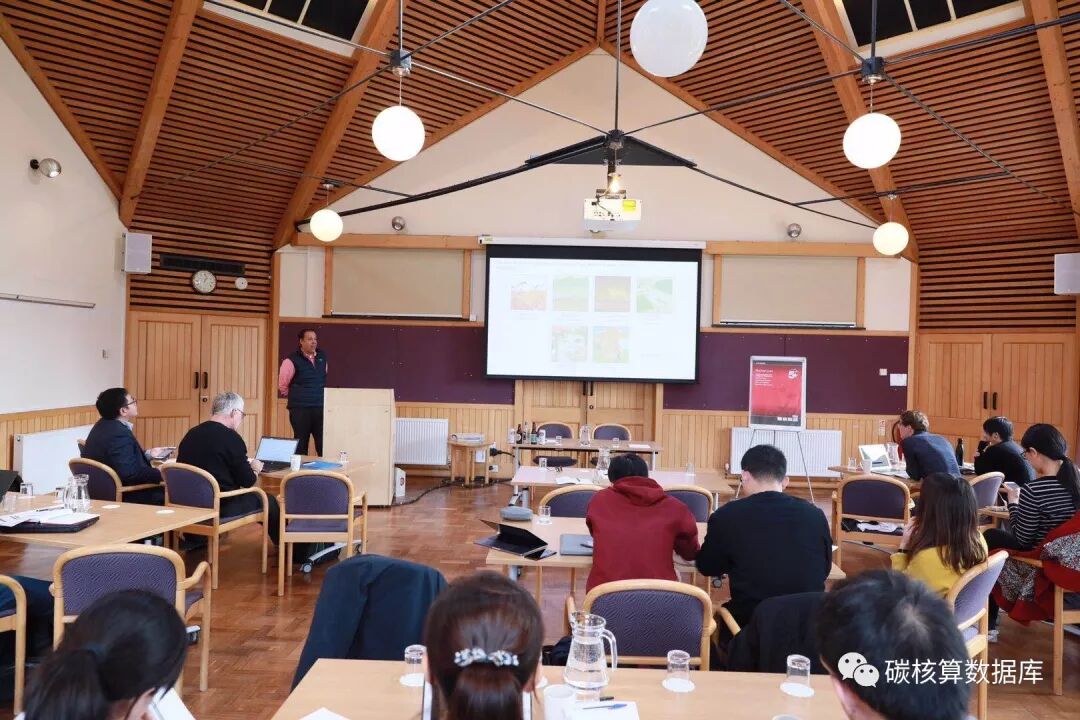
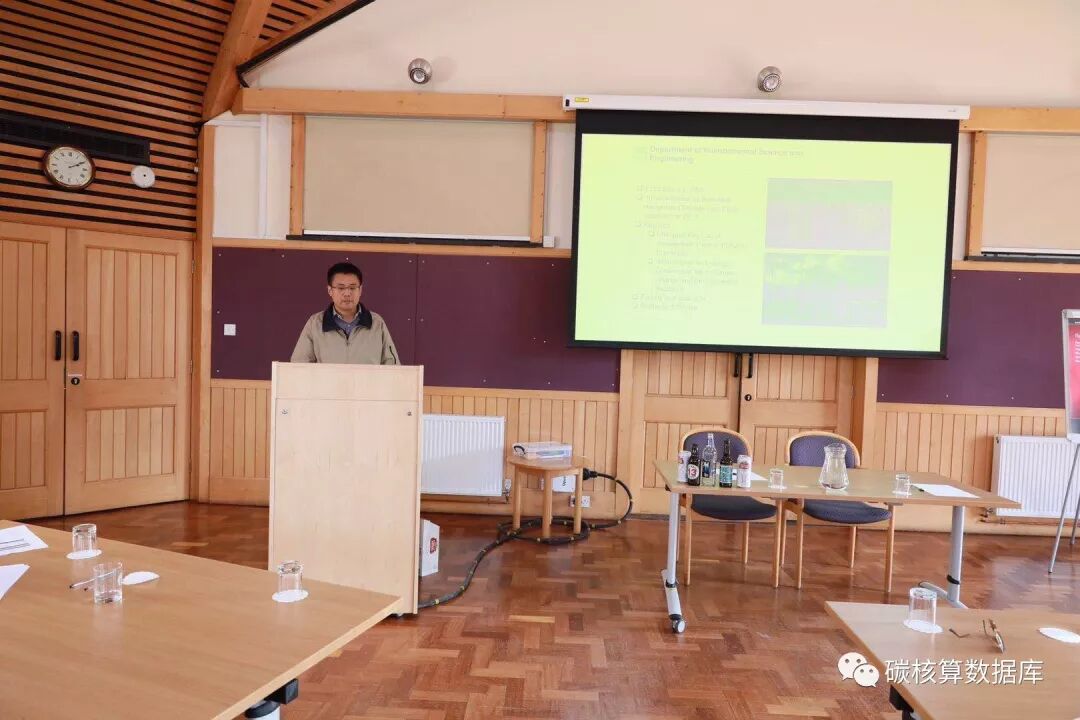
In the afternoon, Researcher Wang Yutao from Fudan University, a co-editor of the Journal of Cleaner Production, introduced the background to the conference and its initiators. He also presented the main areas of focus of their team, including regional coupled ecosystem simulation and application analysis, ecological assets and ecological compensation mechanisms, climate change policy and adaptation, cleaner production and circular economy research, and environmental sustainability assessment.
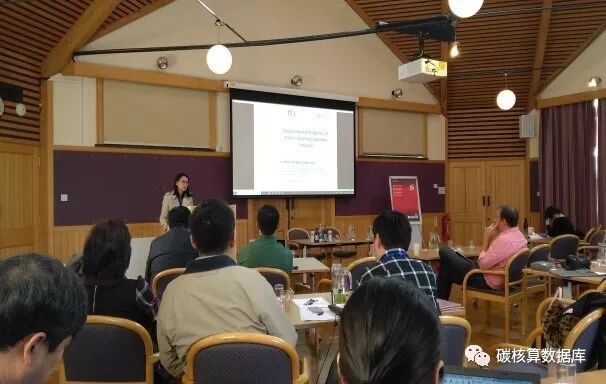
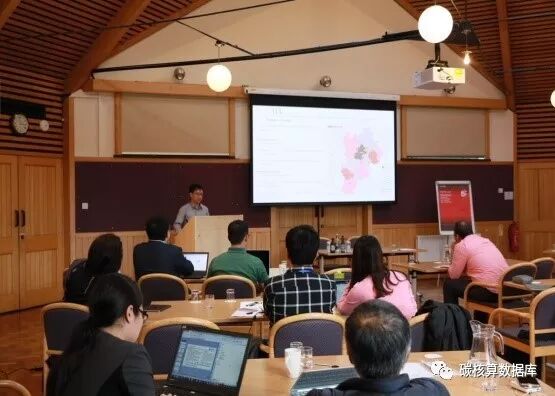
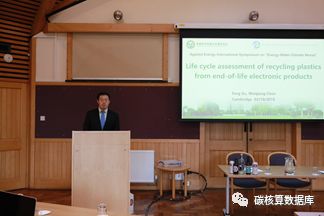
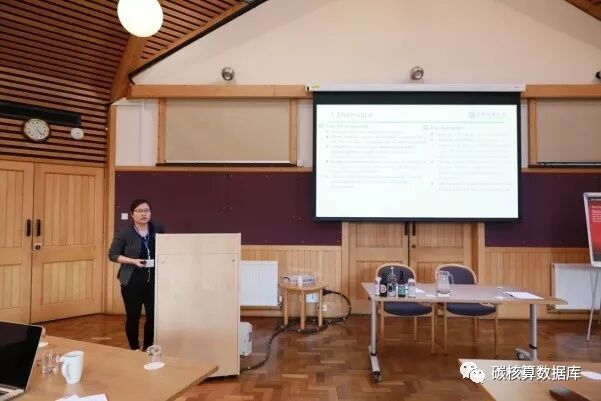
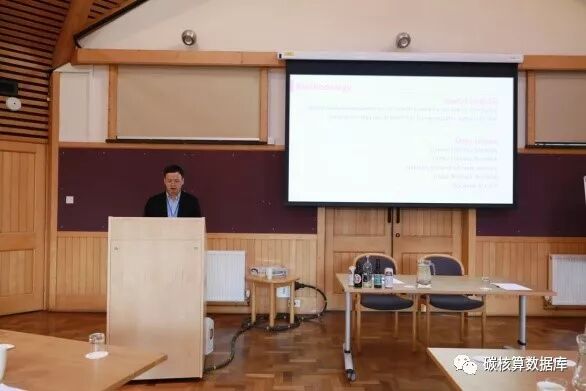
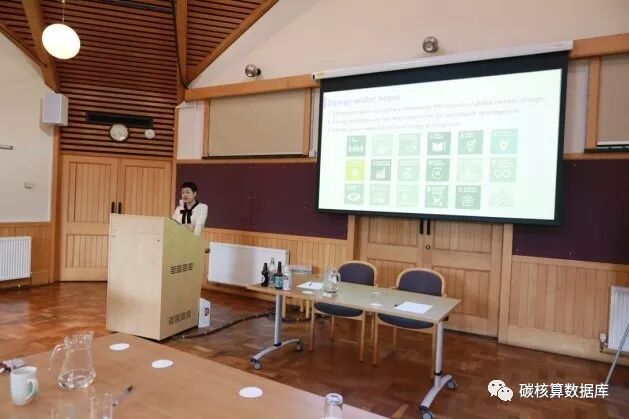
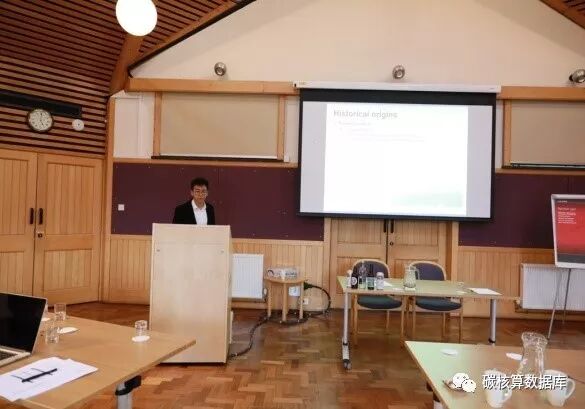
Associate Professor Zhou Ya from Guangdong University of Technology shared the environmental impacts of the rapidly growing food delivery industry. PhD student Zheng Heran from the University of East Anglia discussed carbon chains and water chains in northern Chinese urban agglomerations from the perspective of urban sustainable development. Dr. Xu Tong from the Institute of Urban Environment, Chinese Academy of Sciences, shared life-cycle assessment research on recyclable plastics in waste electronic products. Dr. Soeren Lindner from Radboud University Nijmegen in the Netherlands discussed system complexity and policy integration challenges in the energy-water-food nexus in Brazil. Associate Professor Li Huajiao from China University of Geosciences (Beijing) shared research on urban-scale networks of energy-related embodied water flows. Next, Associate Professor Wang Hongtao from Tongji University and Su Jun from Wuhan University of Technology jointly shared their research on spatiotemporal relationships in the water-energy nexus of wastewater treatment plants. Finally, PhD student Wu Xudong from Peking University discussed global trade imbalances caused by the use of energy, water, and land resources as well as carbon emissions.
October 3 (Day 4)
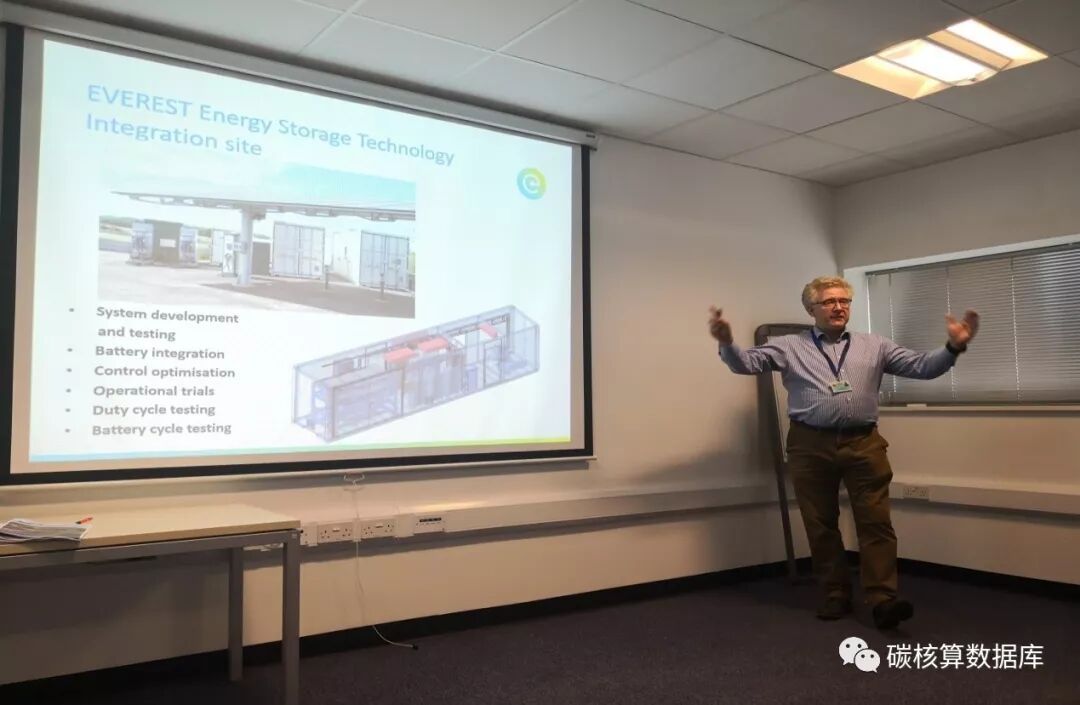
At 9:00 a.m. on the final day of the meeting, Professor Guan Dabo and the conference team led participants to visit the Hethel High Tech Centre in Norwich. The head of the centre introduced the energy enterprises in the business incubation centre, and participants visited the centre laboratories. Guided by staff from the Geely automobile factory, participants also visited its charging facilities and learned about frontier developments in the industry.
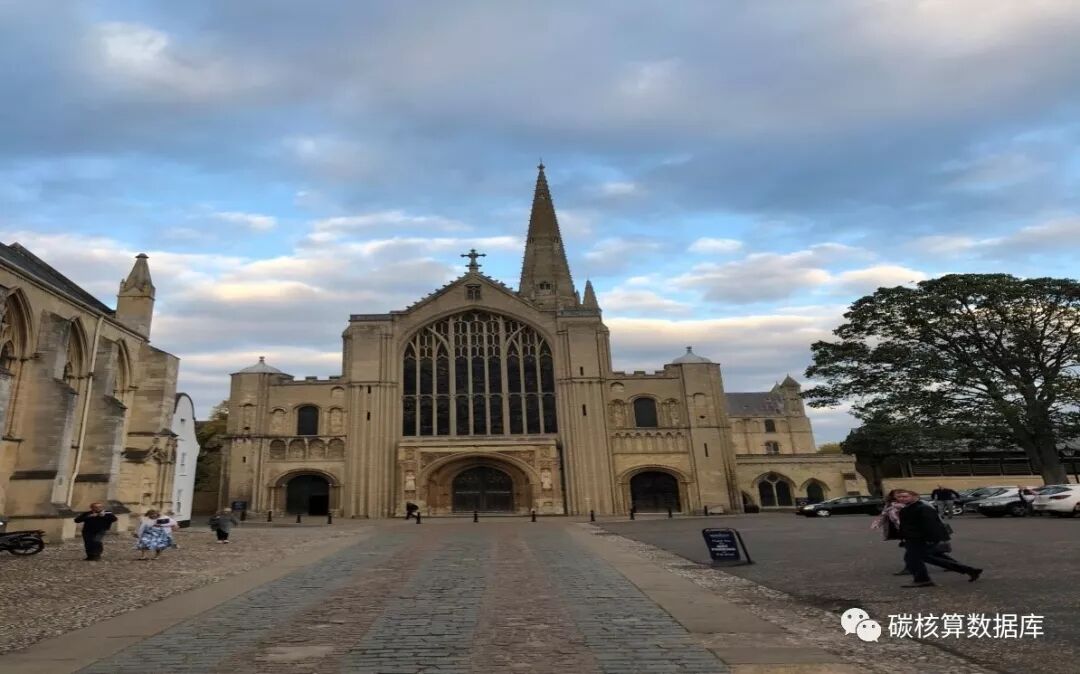
In the afternoon, participants visited Norwich Cathedral with great interest. After the visit, everyone happily began the return journey. The CEADs Applied Energy Cambridge Forum came to a successful close, and participants looked forward to meeting again next year.
See you next year.