CEADs and the NSFC Major Integrated Project Hosted the 2019 Cambridge Big Data Forum
CEADs, together with the Major Research Plan integration project funded by the National Natural Science Foundation of China (Innovation Models and Integrated Demonstration Platform for Public Management Decision-Making Driven by Big Data), hosted the 2019 Cambridge Forum, the international symposium on Big Data-Driven Management and Decision Making. We sincerely invite experts, scholars, teachers, and students from China and abroad to attend.
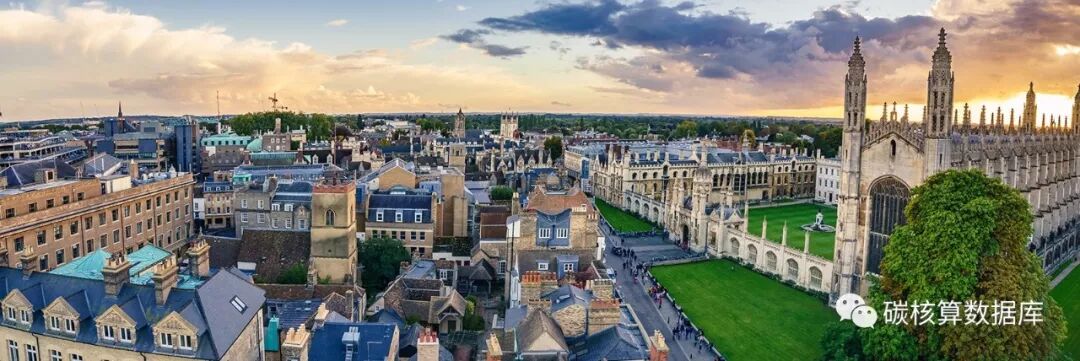
Forum venue: St Edmunds College, University of Cambridge.
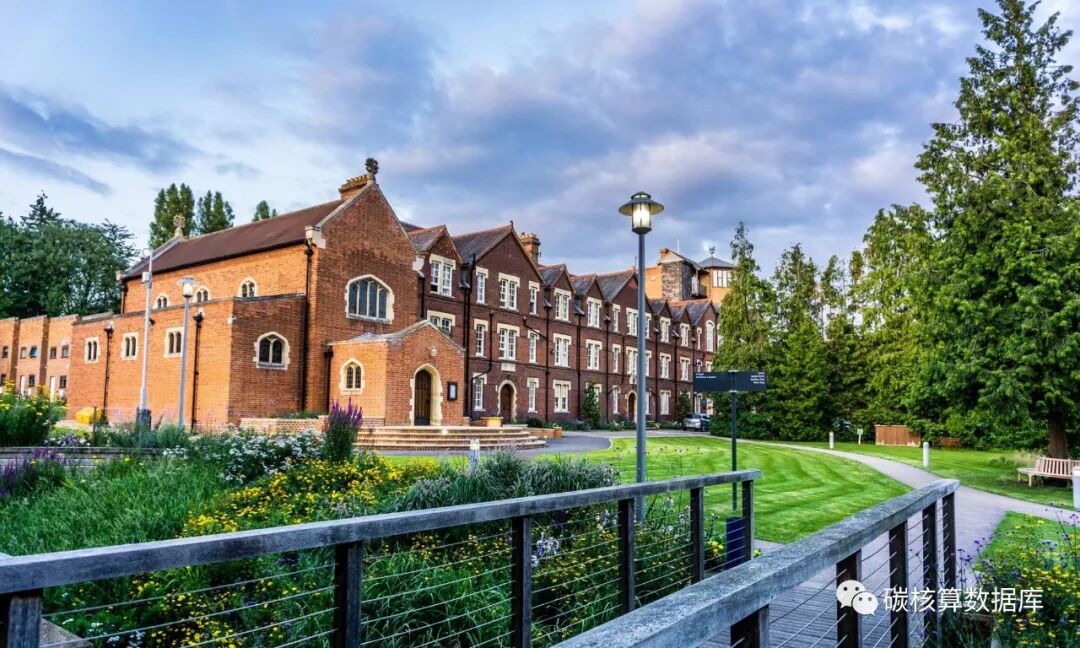
Scholars interested in registering for the 2019 Cambridge Forum, the International Symposium on Big Data-Driven Management and Decision Making, please submit your paper title and abstract by May 15, 2019. Accepted papers will be invited to give oral or poster presentations at the forum. Due to venue constraints, the forum will invite 20 oral presentations and 40 poster presentations.
Conference Information
Abstract submission: May 15, 2019
Notification of acceptance: May 31, 2019
Forum dates: September 30, 2019 (arrival) - October 5, 2019 (departure)
Forum address: St Edmunds College, Cambridge.
Registration fee: GBP 550 (before June 30); GBP 650 (on-site).
The registration fee will be collected after abstract acceptance and covers the traditional Formal Dinner at St Edmunds College, University of Cambridge, visits to King's College and Trinity College, and a punting tour on the River Cam.

Accommodation: The forum organizers have reserved 20 twin rooms at St Edmunds College, University of Cambridge, at GBP 100 per night. First come, first served. To reserve a room, please contact the organizers in advance. Early autumn is the peak travel season in Cambridge, and hotels are hard to book. If you are attending, please book early.
Contacts: Dabo Guan (dabo.guan@uea.ac.uk); Yuli Shan (y.shan@uea.ac.uk)
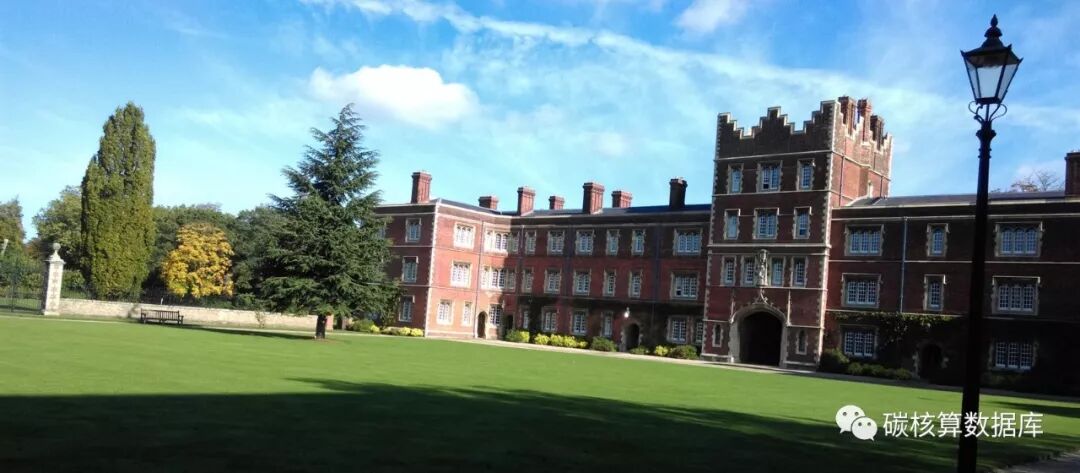
Review of the 2018 Cambridge Forum
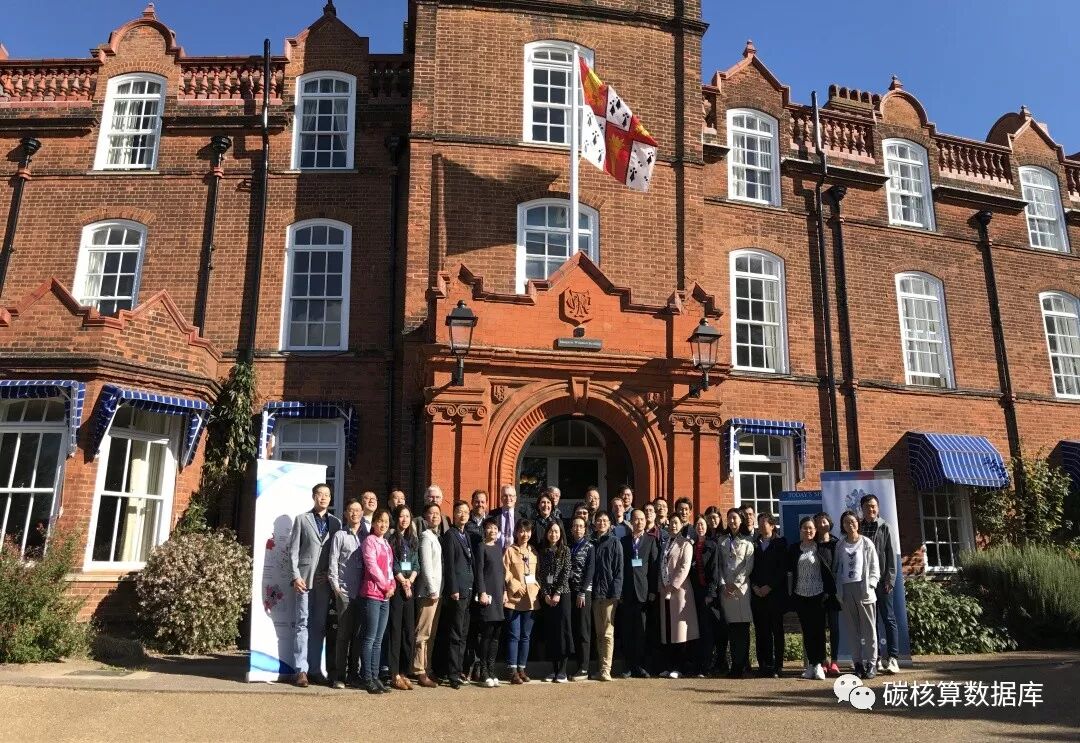
From September 30 to October 3, 2018, the CEADs team hosted the Applied Energy International Symposium (AEIS 2018), Energy-Water-Climate Nexus, at Hughes Hall, University of Cambridge. Participants came from more than 20 universities, research institutions, and publishers in China and abroad, including Professor Klaus Hubacek of the University of Maryland, Academician Shu Tao of Peking University, Academician Kebin He of Tsinghua University, Professor David Reiner of the University of Cambridge, Professor Steven J. Davis of the University of California, Senior Editor Juliane Mössinger of Nature, Dr. Xia Yang of Nature Communications, Professor Cecilia M. V. B. Almeida, Co-Editor-in-Chief of Journal of Cleaner Production, and Researcher Yutao Wang. Over the four-day conference, the invited experts delivered five presentations and engaged in extensive exchanges and in-depth discussions on the nexus of energy, water resources, and climate change.
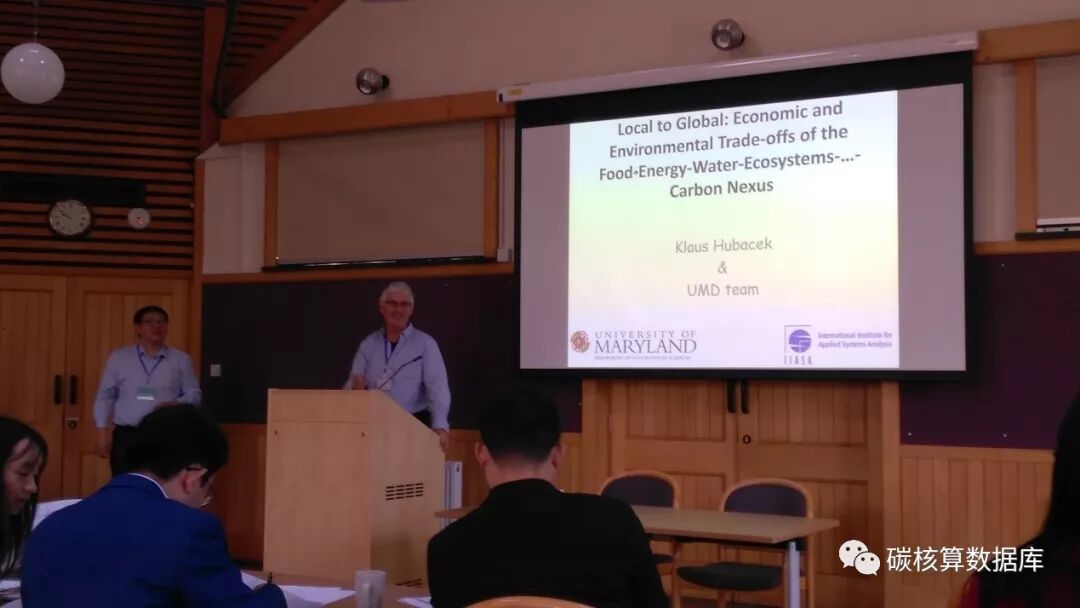
Professor Klaus Hubacek of the University of Maryland analyzed economic and environmental trade-offs among food, energy, water resources, and carbon emissions at regional and global scales. He reviewed the rapid growth of nexus research in recent years, the many dimensions involved, and their recent work on clean air policy.
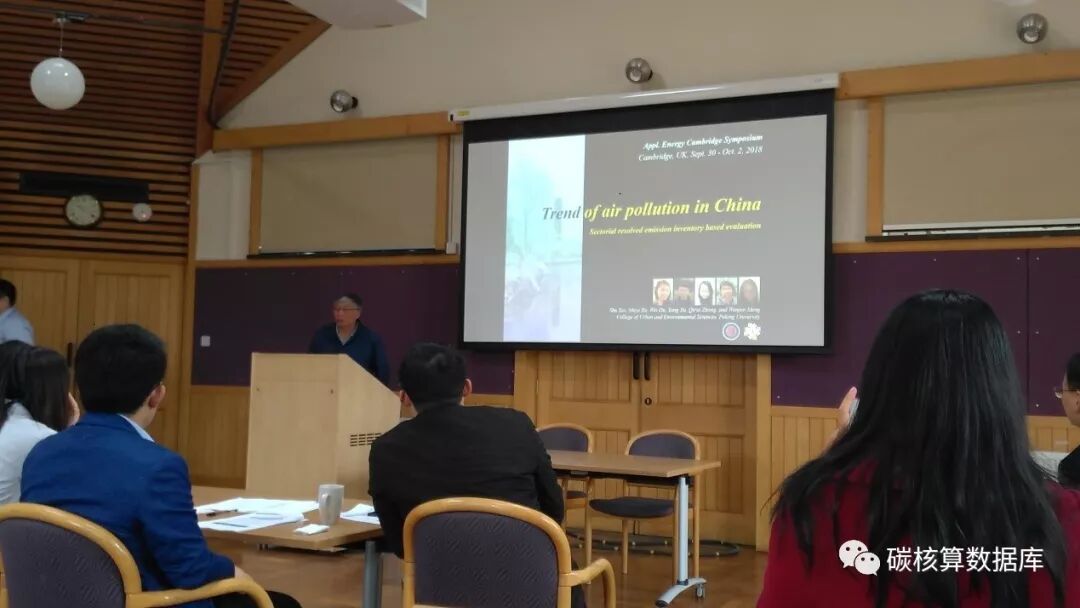
Academician Shu Tao of Peking University discussed trends in air pollution in China. Based on an emission inventory from 1960 to 2014 compiled by his team, he introduced research on transportation and indoor air-pollution modeling, climate change and health impacts, and evaluated relevant policies.
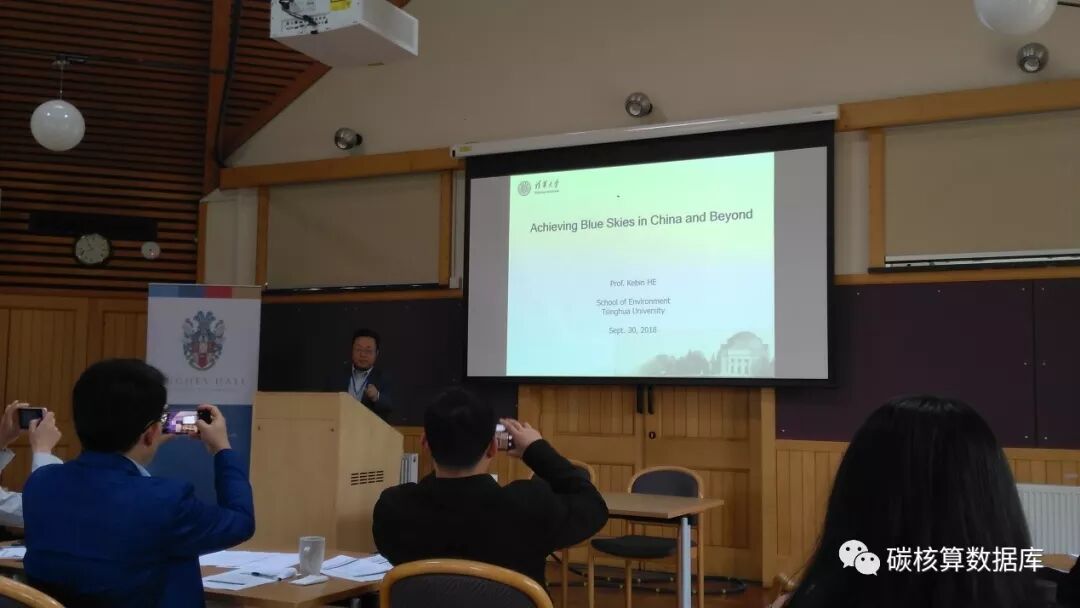
Academician Kebin He of Tsinghua University noted that rapid industrialization and rapid urbanization have brought about rapid motorization and severe smog, and he introduced the current status of emission control as well as future directions.
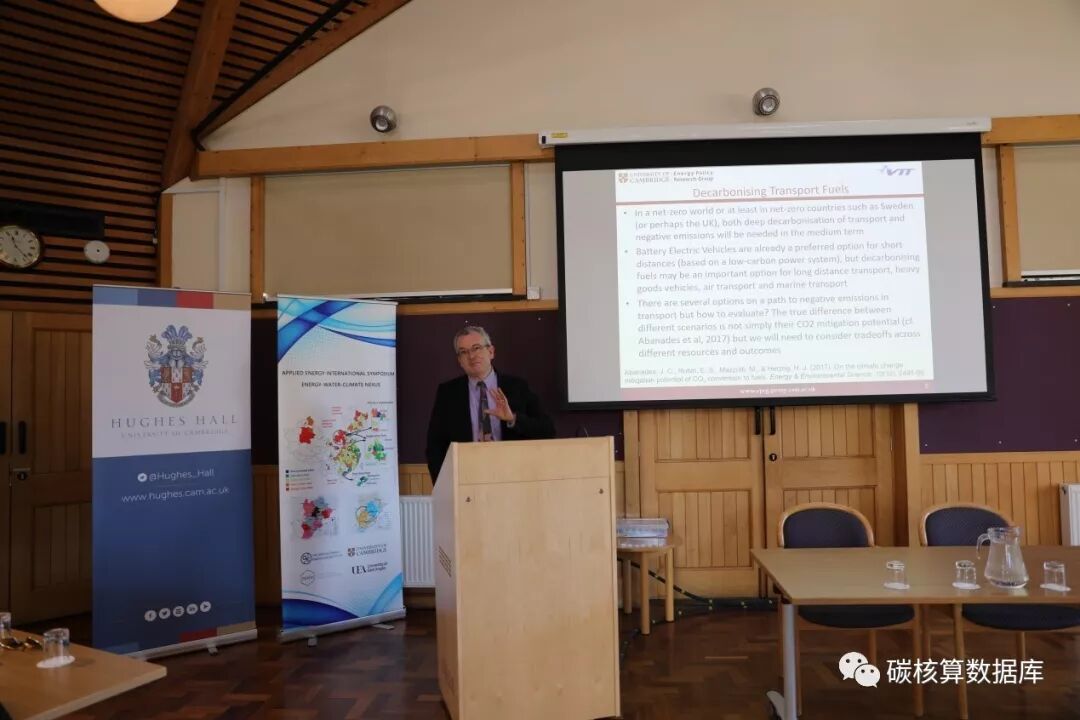
Professor David Reiner of the University of Cambridge shared how to explore balance in negative emissions from biomass energy.
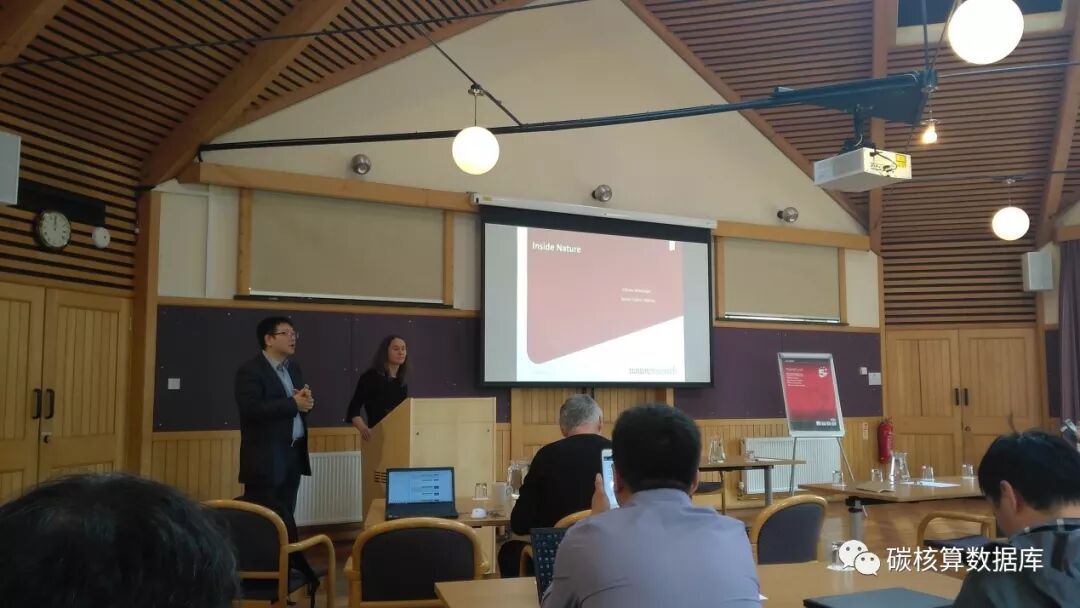
Juliane Mössinger, Senior Editor at Nature, introduced Nature's article-selection criteria, handling process, and other submission considerations.
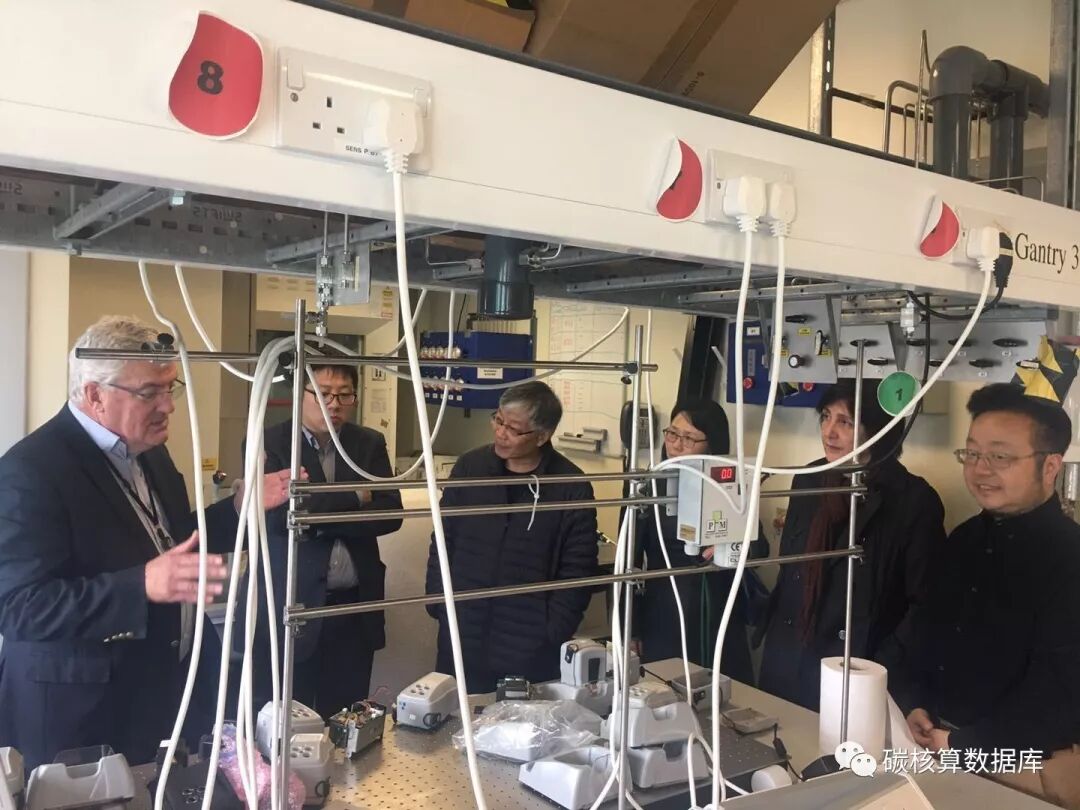
During a visit to the Department of Chemistry at the University of Cambridge, Professor Rod Jones, Fellow of the Royal Academy of Engineering, and his team introduced the design and manufacturing process of cutting-edge instruments for detecting atmospheric gas composition and monitoring carbon emissions.