China-UK Joint Seminar on Opportunities for Cooperation in the Transition to Carbon Neutrality Held Successfully

Transition to Carbon Neutrality: Opportunities for China-UK Cooperation
Transition to Carbon Neutrality:
Opportunities for China-UK Cooperation
At 2:00 p.m. on September 1, 2023, the China-UK Joint Seminar on "Transition to Carbon Neutrality: Opportunities for China-UK Cooperation" was successfully held at the Tsinghua Institute for Carbon Neutrality. More than 20 Chinese and British government officials and experts from the British Embassy in China, UK Research and Innovation China, University College London, and Tsinghua University attended in person. In addition, more than 70 participants from various sectors registered for the event to learn about the latest carbon-neutrality technologies and information.
Opening Remarks and Keynote Speeches
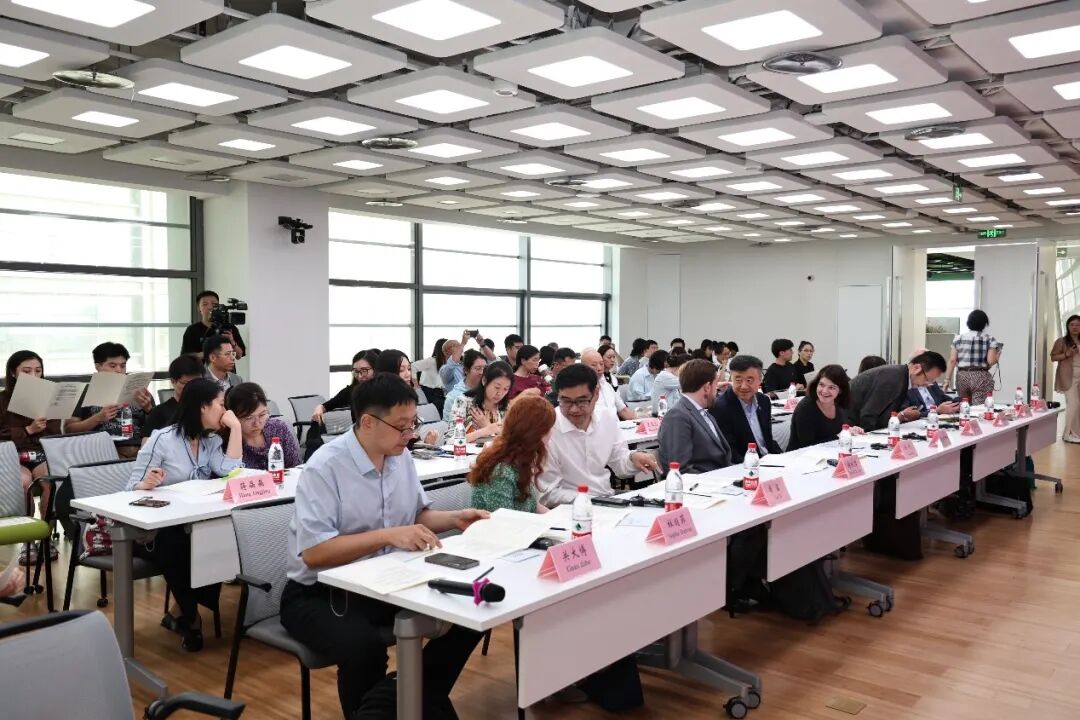
Figure 1. Conference venue
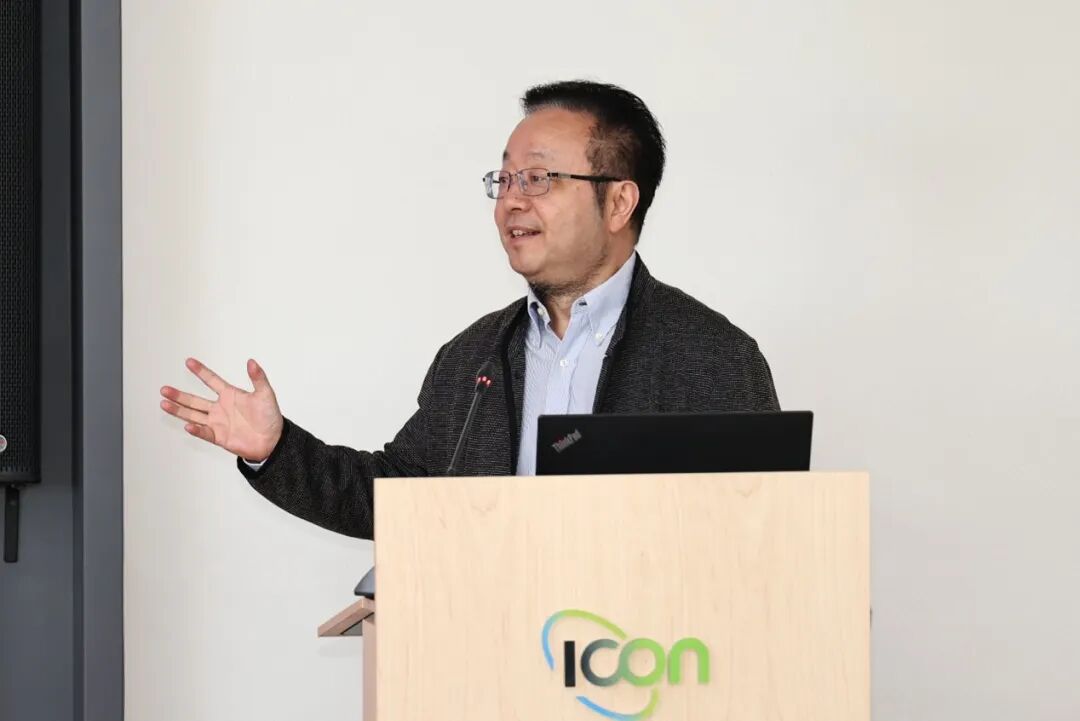
The event was chaired by Professor Guan Dabo, Chair Professor at Tsinghua University and Fellow of the Academy of Social Sciences in the UK. The first part of the event featured opening remarks and keynote speeches. Professor Yang Bin, Vice President of Tsinghua University, delivered the opening remarks first. He said that climate change is a major challenge facing human society today, and that Tsinghua University takes national sustainable development and the future of humanity as its responsibility. It has achieved a series of research advances in addressing global climate change and making breakthroughs in the basic theories and key technologies for carbon neutrality. Yang also noted that exchanges and cooperation between countries, and between universities, are an inevitable choice for humanity in responding jointly to the challenge of climate change.
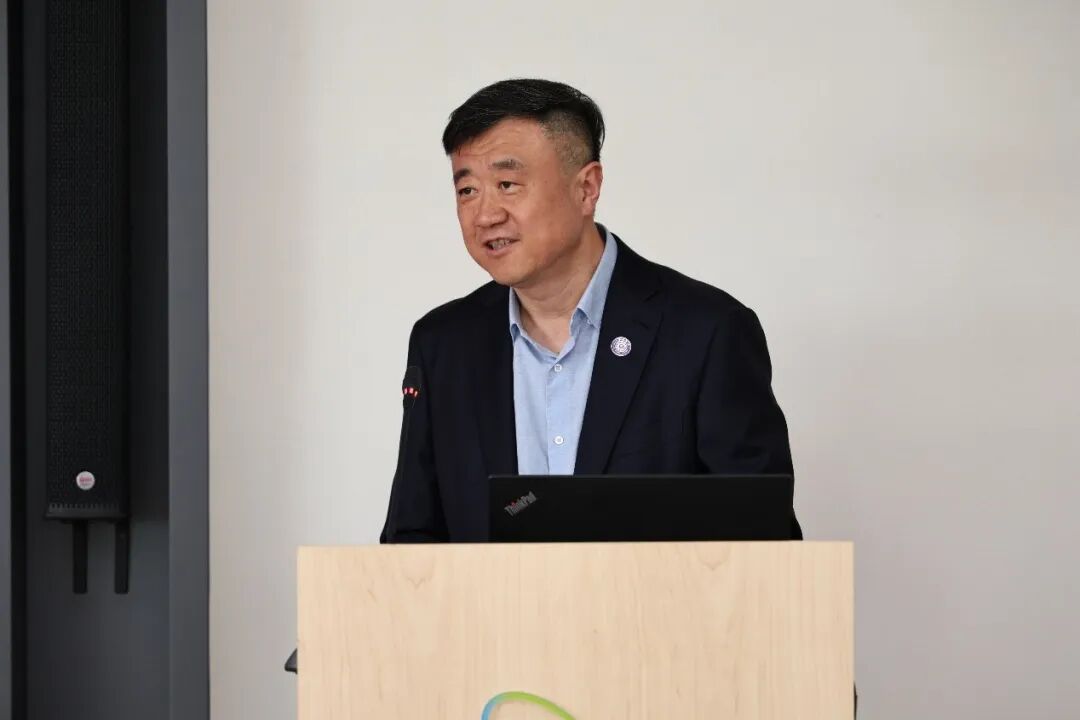
Figure 2. Vice President Yang Bin of Tsinghua University delivers opening remarks
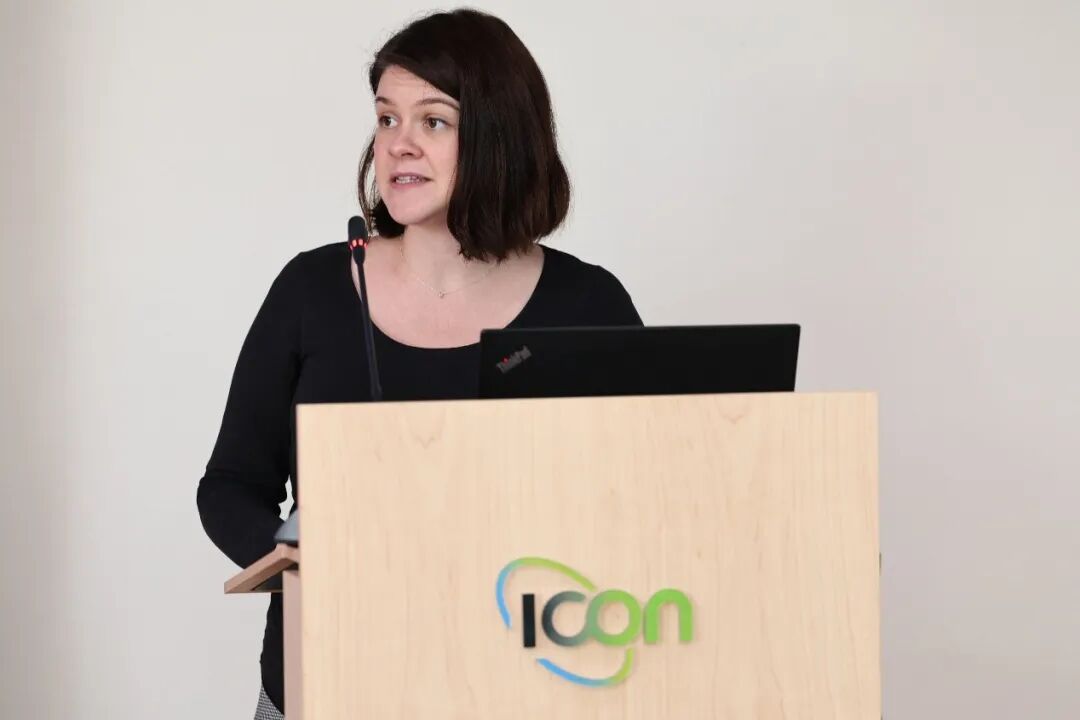
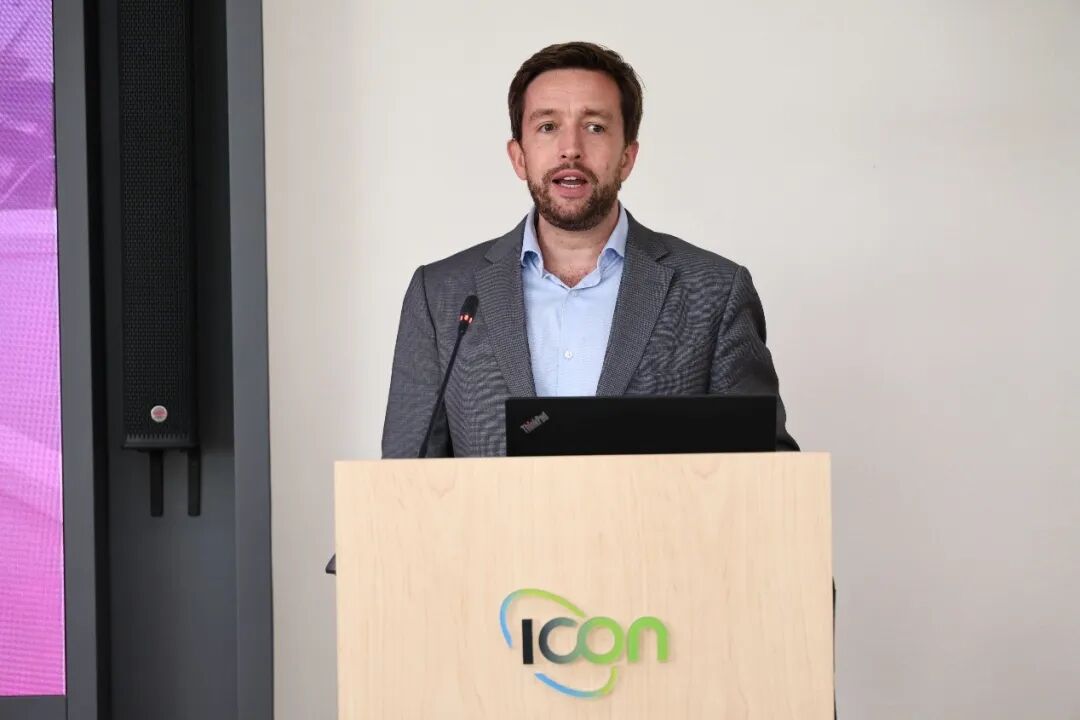
Next, Ms. Grace Carey, Science and Technology Counsellor at the British Embassy in China, and Dr. Daniel Brooker, Director of UK Research and Innovation China, delivered opening remarks as representatives of the UK side. They said that China and the UK have already achieved advanced and innovative results in several core carbon-neutrality areas, and expressed hope that both sides would continue to strengthen exchanges and cooperation in the field of carbon neutrality, jointly discuss key issues of common concern in the process of climate change and carbon-neutral transition, and keep exploring possible areas of cooperation at different levels, thereby contributing in their own ways to the global carbon-neutrality cause.
Keynote Presentations
The second part of the event was the keynote presentation session, chaired by Professor Lu Xi, Assistant Director of the Tsinghua Institute for Carbon Neutrality. Four experts from China and the UK gave frontier presentations on climate change and carbon-neutrality research progress.
Professor He Kebin, Academician of the Chinese Academy of Engineering and Dean of the Tsinghua Institute for Carbon Neutrality, delivered a presentation titled "Challenges and Systematic Solutions for the Multiplicative Development of Renewable Energy in the Context of Carbon Neutrality." He emphasized the current global trend toward carbon neutrality and the challenges it faces, pointed out the role of renewable energy in the future carbon-neutrality process, and proposed systematic solutions such as regional wind power complementarity, regional solar power complementarity, transport integration, and building integration.
Professor Priti Parikh, Dean of The Bartlett School of Sustainable Construction at University College London, gave a presentation on "Infrastructure, Climate, and Sustainability in Resource-Constrained Areas." Professor Parikh introduced the Centre for Engineering for International Development (EFID), which focuses on providing solutions for environmental protection in low- and middle-income countries, especially resource-scarce countries. She also drew on her own experience working in Africa to explain the difficulties faced by low- and middle-income countries in addressing climate change and the possible solutions.
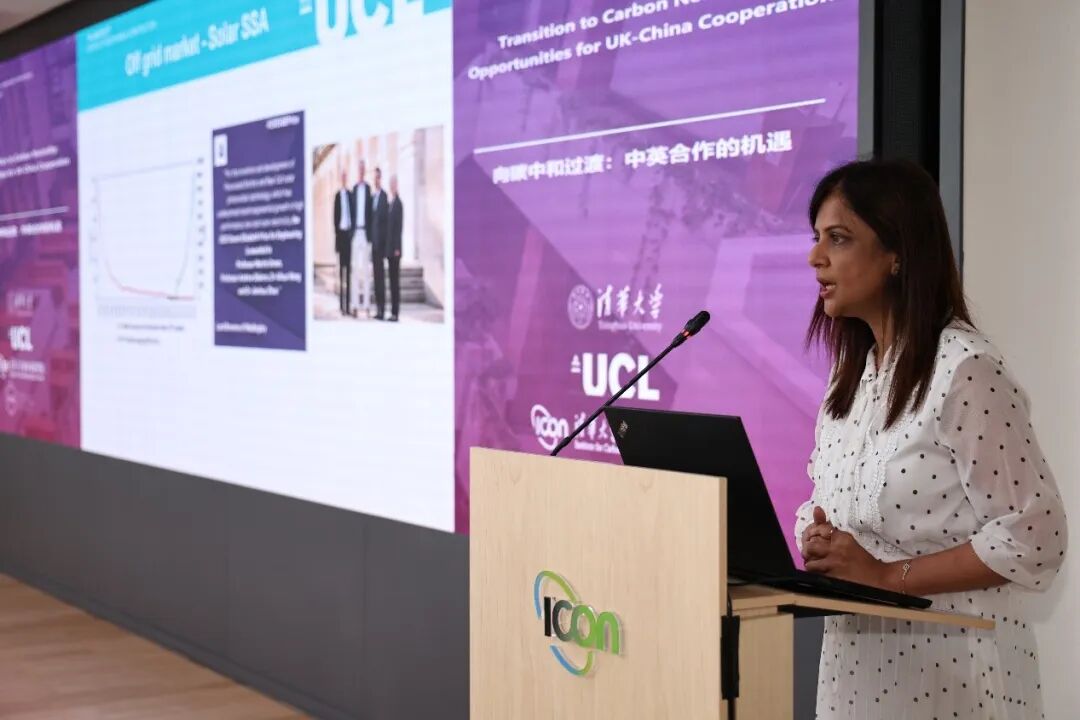
Professor Priti Parikh delivers her presentation
Professor Tim Broyd, Fellow of the Royal Academy of Engineering and Director of the UCL Institute for Digital Innovation in the Built Environment, gave a presentation on "Digital Transformation and Large-Scale Projects." Decarbonizing the construction industry is an important part of achieving the goals of peaking carbon emissions and reaching carbon neutrality. Professor Broyd introduced Building Information Modeling (BIM) and discussed its practical applications in the construction field.
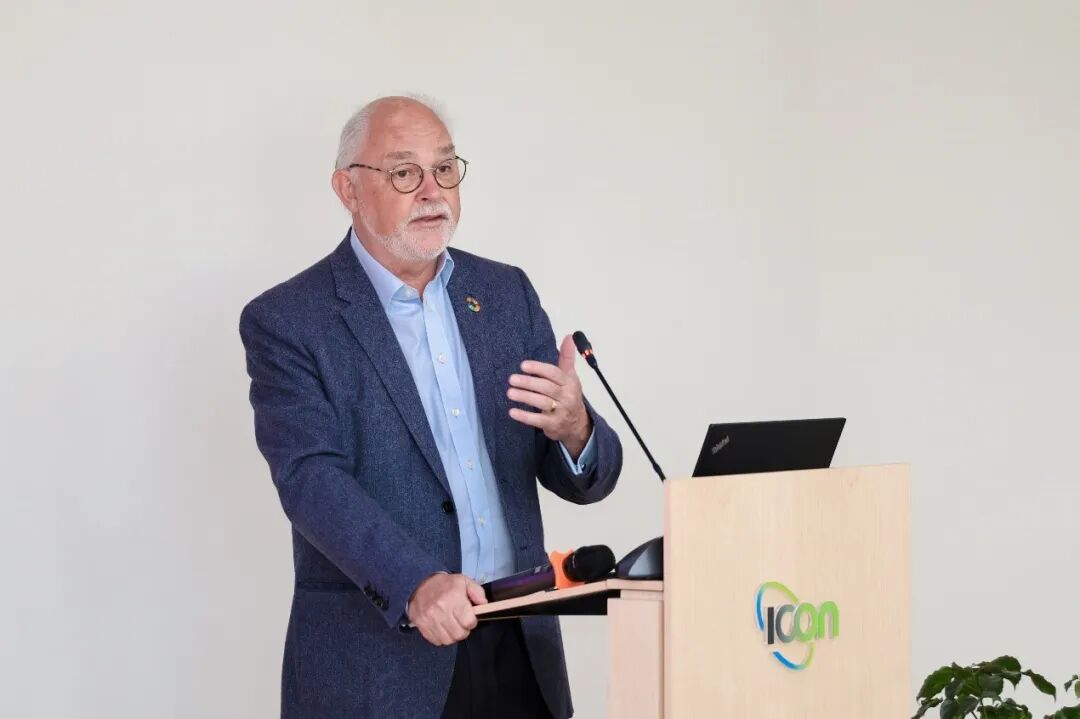
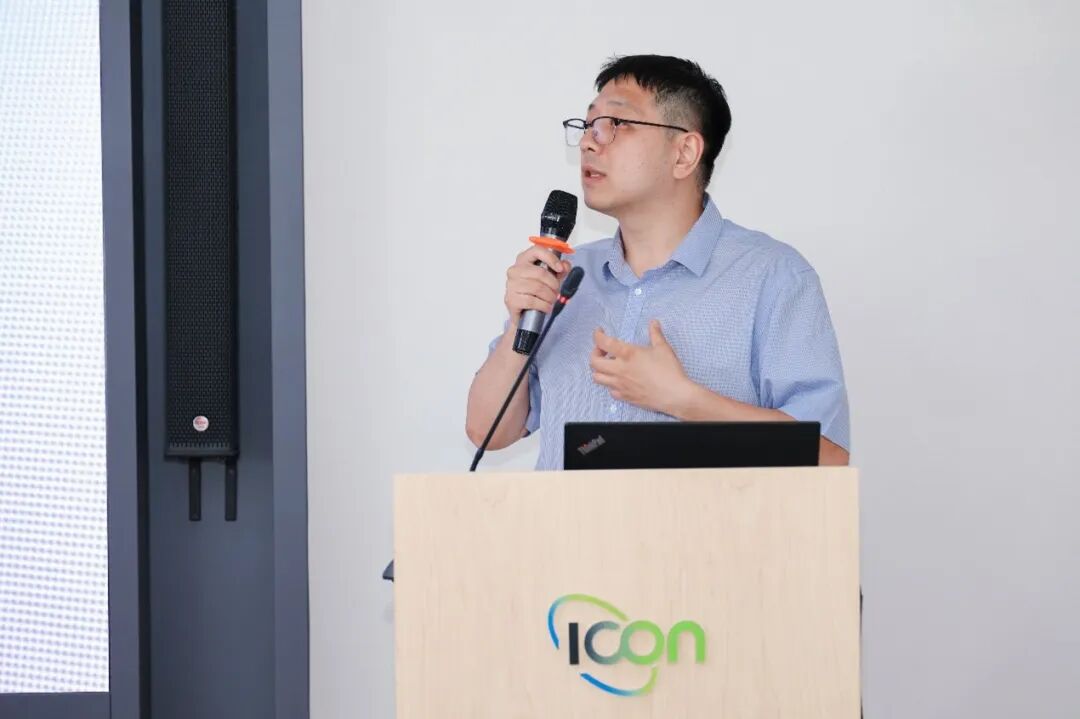
Professor Guan Dabo, Chair Professor at Tsinghua University and Fellow of the Academy of Social Sciences in the UK, gave a presentation titled "The Basis of Global Carbon Neutrality: Carbon Emissions Accounting." He first emphasized the impact of climate change on human life and introduced the latest research progress of the CEADs team at the China Emission Accounts and Datasets. He said that beyond carbon accounting research, the CEADs team also focuses on cultivating talent for the dual-carbon agenda, building a reserve of talent for the future realization of carbon goals. He showcased the five Carbon Accounting Summer Schools successfully organized by the CEADs team, which aim to provide young scholars from universities around the world with a series of guidance on carbon accounting, carbon peaking, and carbon neutrality theory and practice, thereby cultivating young dual-carbon talents with outstanding expertise and practical ability.
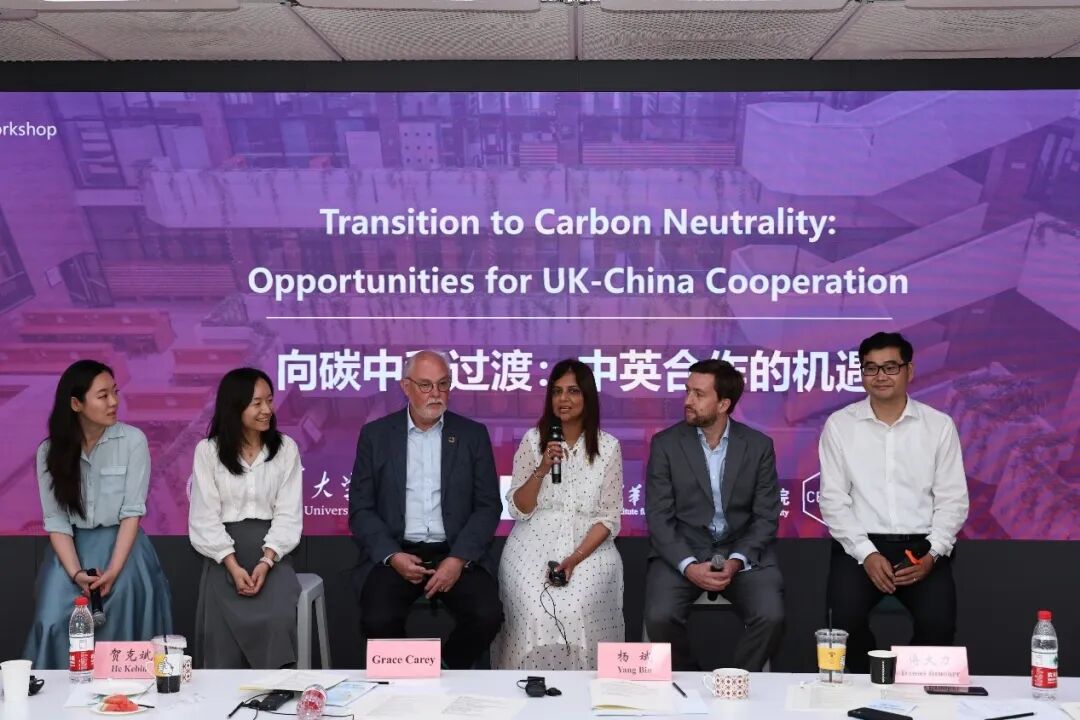
Roundtable Discussion
The final part of the event was a roundtable discussion. Six experts from China and the UK explained the difficulties and possible solutions facing climate change and the carbon-neutrality process from their respective fields and professional perspectives.
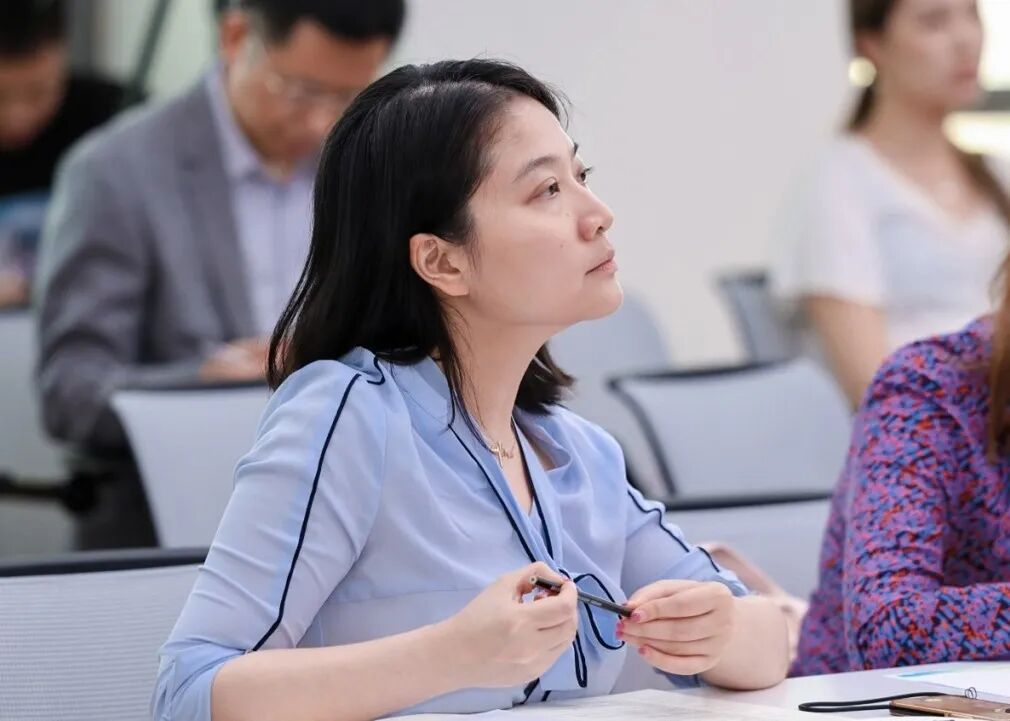
Participants at the venue actively asked questions and exchanged ideas with the experts. The experts answered each question raised by the audience one by one.
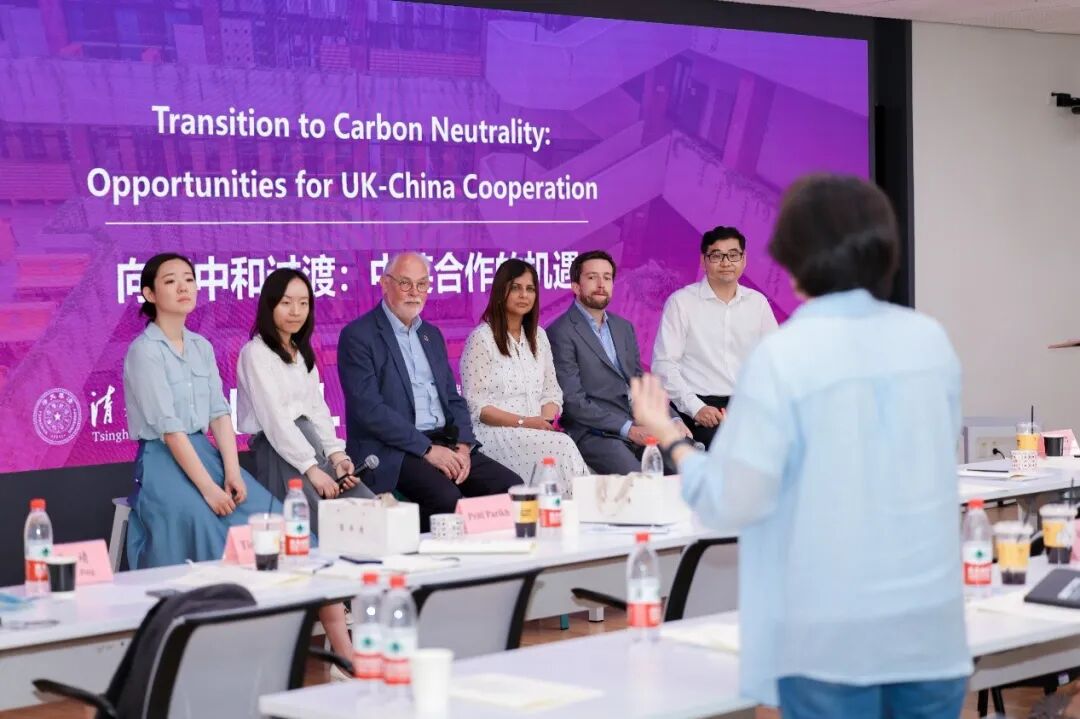
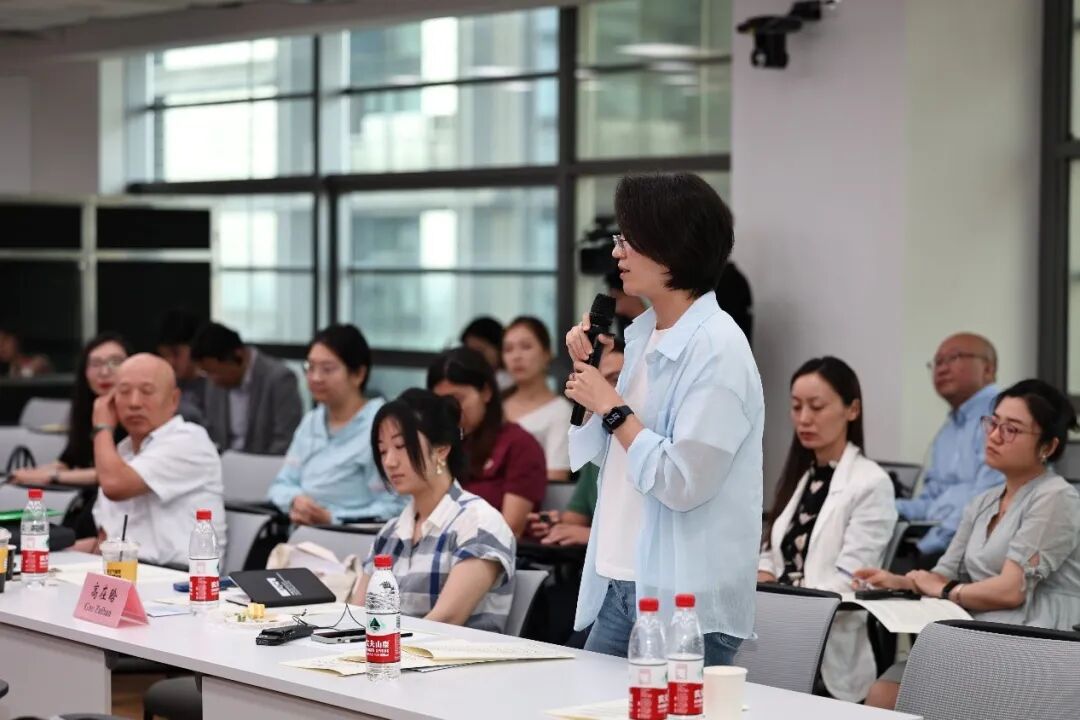
Figure 10. Participants enthusiastically asked questions


Text and images | Peng Huaxi, Chen Yuxin
Editor | Chen Yuxin
Reviewer | Guan Dabo