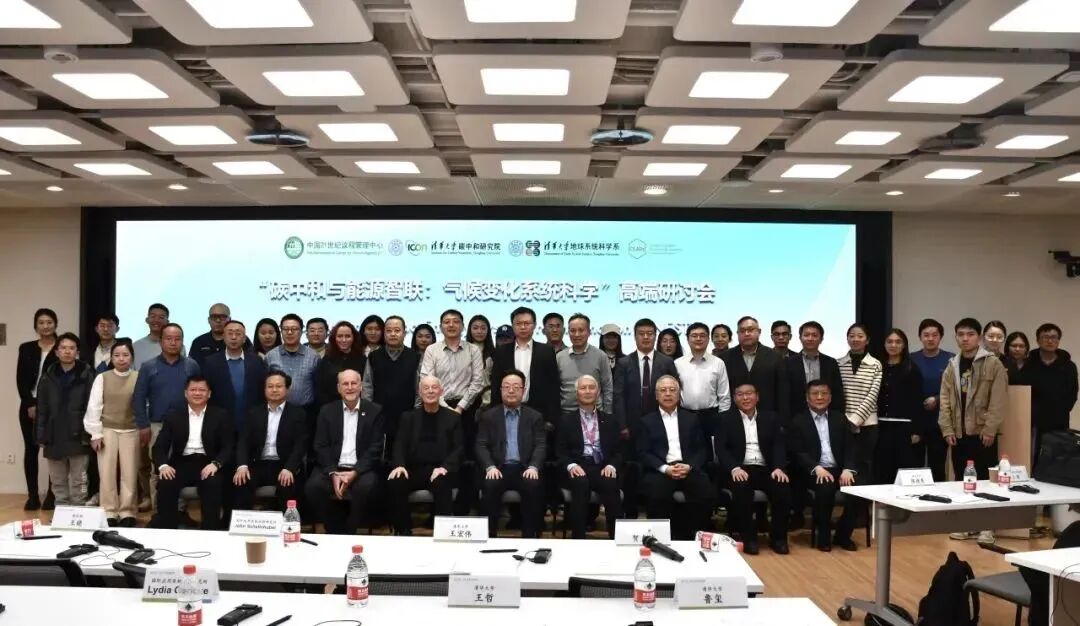
High-Level Seminar on "Carbon Neutrality and Smart Energy: Climate Change System Science" and Tsinghua-IIASA Cooperation Workshop Successfully Held in Beijing
On November 29, 2024, the high-level seminar on "Carbon Neutrality and Smart Energy: Climate Change System Science" and the Tsinghua-IIASA Cooperation Workshop were successfully held in Beijing. The event brought together leading scholars from Tsinghua University, the International Institute for Applied Systems Analysis (IIASA), Peking University, Zhejiang University, Beijing Normal University, North China University of Water Resources and Electric Power, the University of Chinese Academy of Sciences, the Chinese Academy of Meteorological Sciences and other institutions, as well as representatives from the Department of International Cooperation of the Ministry of Science and Technology, the Bureau of International Cooperation of the National Natural Science Foundation of China, and the Administrative Center for China Agenda 21. Participants held in-depth discussions on the current status, potential, opportunities and future challenges of climate change and sustainable development in China and abroad, offering new ideas, insights and perspectives for advancing China-Europe scientific and technological exchange and cooperation on carbon neutrality and smart energy.
The seminar was hosted by the Administrative Center for China Agenda 21, the Institute for Carbon Neutrality at Tsinghua University, and the Department of Earth System Science at Tsinghua University. Wang Hongwei, Member of the Standing Committee of the CPC Tsinghua University Committee and Vice President of Tsinghua University; Hans Joachim Schellnhuber, Director General of IIASA; Wang Xiao, Deputy Director General of the Department of International Cooperation of the Ministry of Science and Technology; Zhang Yongtao, Deputy Director General of the Bureau of International Cooperation of the National Natural Science Foundation of China; and Chen Qizhen, Deputy Director of the Administrative Center for China Agenda 21, attended the event. Together, they exchanged views and forward-looking reflections on opening a new chapter in China-Europe scientific and technological cooperation on carbon neutrality and smart energy.
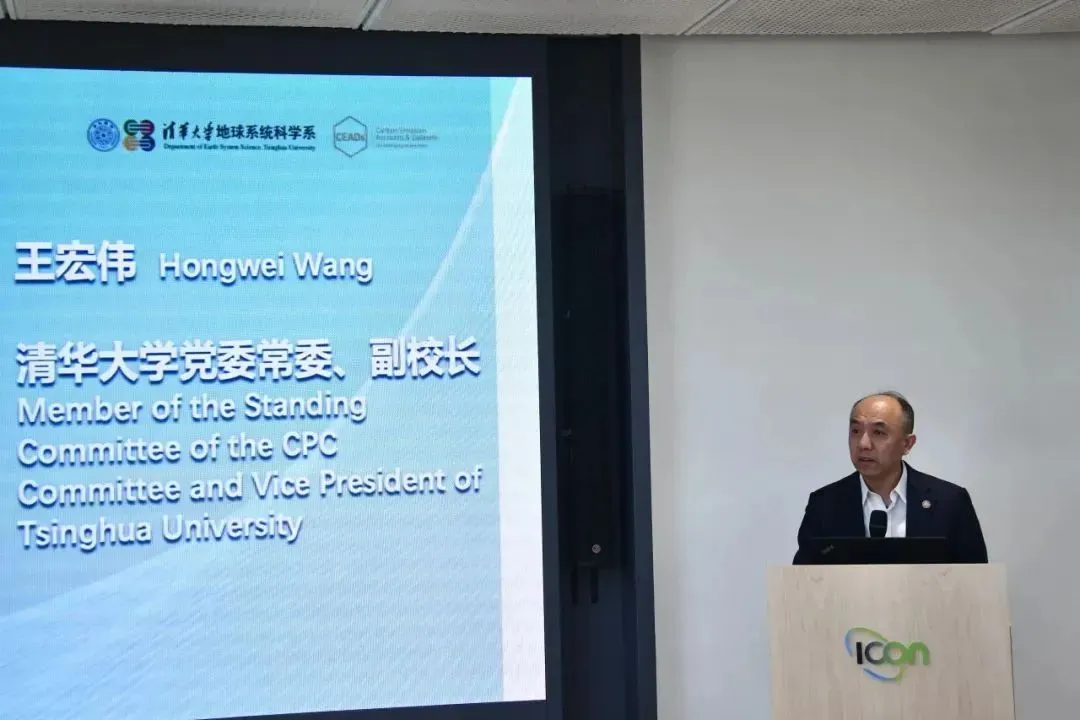
In his remarks, Wang Hongwei, Member of the Standing Committee of the CPC Tsinghua University Committee and Vice President of Tsinghua University, noted that IIASA is committed to advancing the Sustainable Development Goals and studies complex global issues through applied systems analysis. It has significant strengths in interdisciplinary fields such as climate change, energy, the environment and economic development, and has promoted cross-border cooperation and scientific exchange. He expressed the hope that Tsinghua and IIASA would build cooperation in scientific research and talent cultivation, continue to leverage the distinctive strengths of both sides, and actively explore high-level and in-depth innovation cooperation.
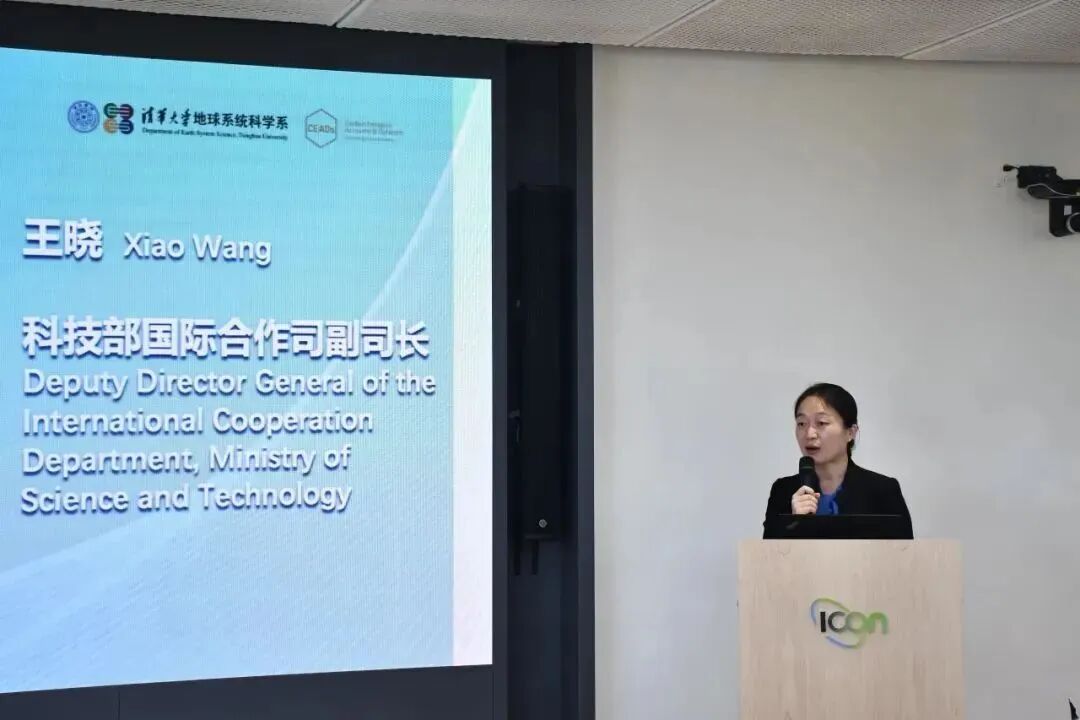
Wang Xiao, Deputy Director General of the Department of International Cooperation of the Ministry of Science and Technology, introduced five areas of work carried out by the ministry to achieve carbon neutrality goals. He said the ministry will coordinate the layout of the science and technology system for carbon peaking and carbon neutrality, continuously improve the development of national key laboratories, national technology innovation centers and other platforms and bases in related fields, and continue to participate in international cooperation and negotiations on climate change, providing strong scientific and technological support for the early realization of the dual carbon goals.
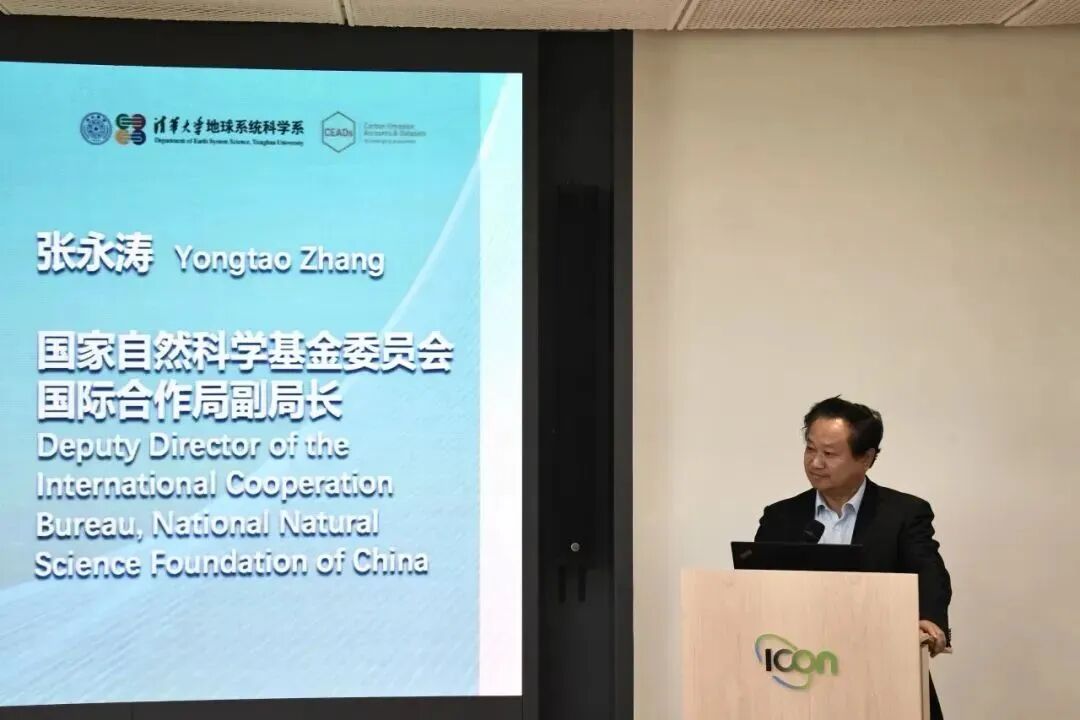
Zhang Yongtao, Deputy Director General of the Bureau of International Cooperation of the National Natural Science Foundation of China, said that IIASA research achievements in climate change, population, energy and other fields provide strong scientific support for the world. Systems analysis and modeling research in the field of global climate change is essential, and he expressed the hope that there will be more Chinese and international collaborative research on the dual carbon goals and energy system transition.
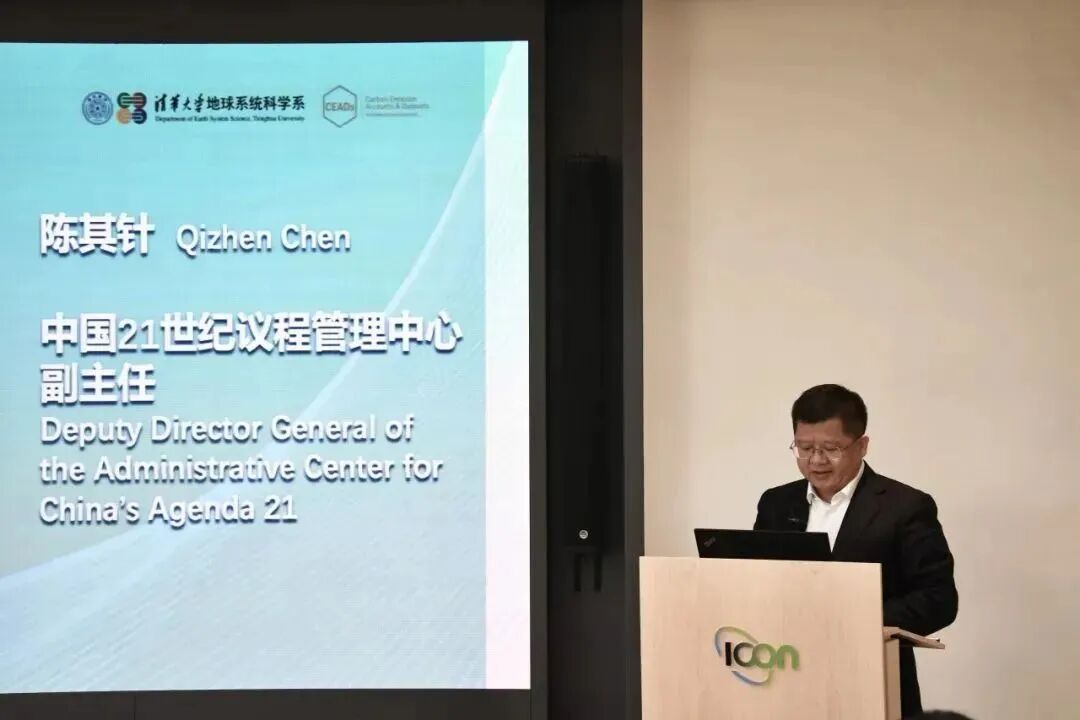
Chen Qizhen, Deputy Director of the Administrative Center for China Agenda 21, introduced a series of initiatives carried out by the center to promote carbon neutrality and address climate change. He noted the urgent need to further strengthen international exchange and cooperation, advance scientific and technological innovation and policy practice in carbon neutrality and smart energy, and jointly respond to the challenges posed by climate change.
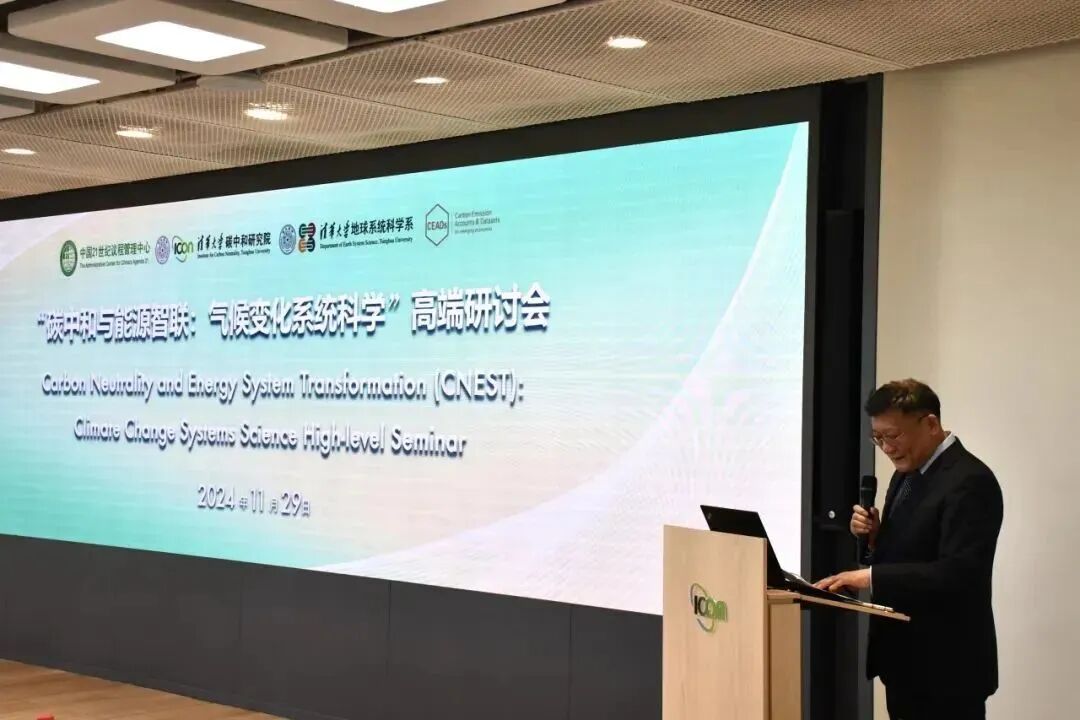
The opening ceremony of the high-level seminar on "Carbon Neutrality and Smart Energy: Climate Change System Science" was chaired by Professor Luo Yong, Chair of the Department of Earth System Science at Tsinghua University.
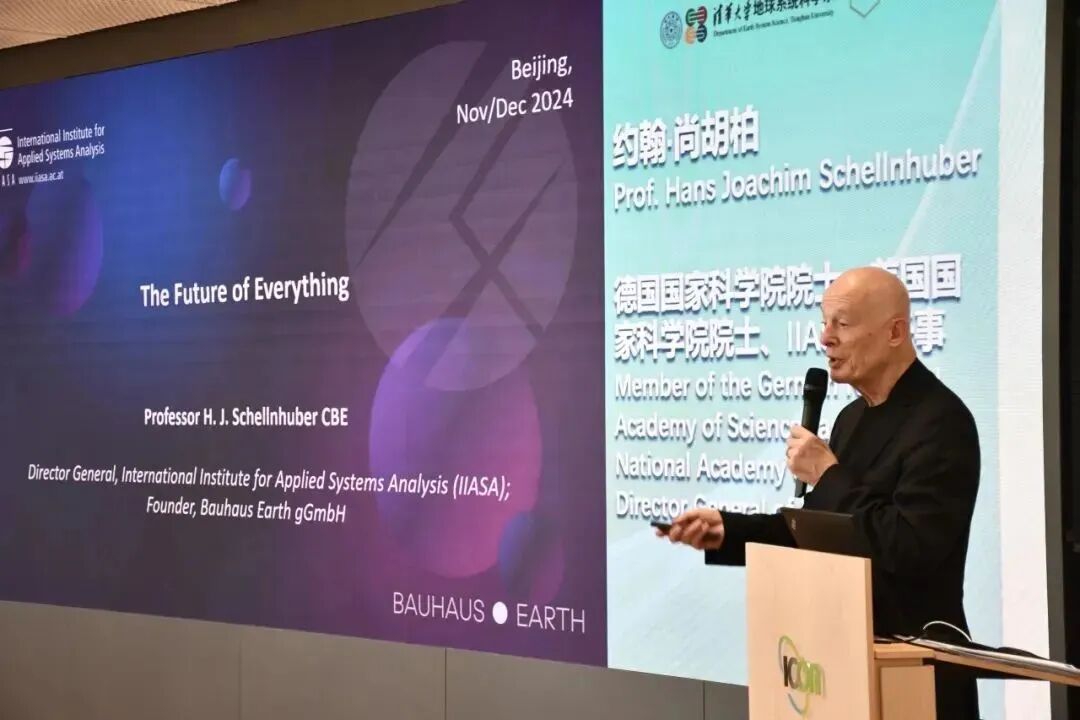
During the thematic discussion session, Hans Joachim Schellnhuber, Member of the German National Academy of Sciences Leopoldina, Member of the U.S. National Academy of Sciences, and Director General of IIASA, discussed the importance of reducing carbon emissions to maintain environmental balance and emphasized that civilization must achieve carbon neutrality for long-term survival. He also highlighted the importance of combining artificial intelligence with sustainable development and making full use of supercomputers and machine learning for prediction.
Hans Joachim Schellnhuber is a renowned German climate scientist, currently Director General of IIASA and founder and long-serving director of the Potsdam Institute for Climate Impact Research (PIK). His research has had a major impact on understanding climate change and its effects on ecosystems and society, and provided key scientific support for the Paris Agreement. As an authority in global climate research, Schellnhuber has advised many governments and international organizations on policy and participated in the work of the Intergovernmental Panel on Climate Change (IPCC). He is not only a scientist but also an advocate for global climate action, calling for international cooperation and innovation to address the climate crisis and making outstanding contributions to the integration of contemporary climate science and policy.
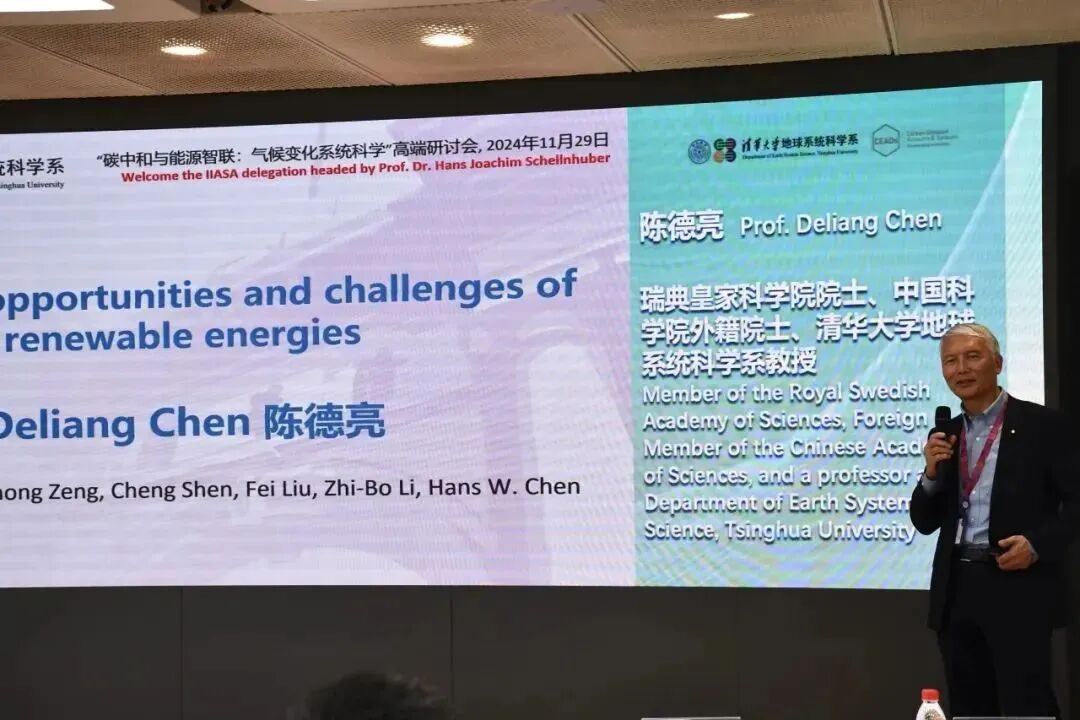
Chen Deliang, Member of the Royal Swedish Academy of Sciences, Foreign Member of the Chinese Academy of Sciences, and Professor in the Department of Earth System Science at Tsinghua University, focused on earth system science and sustainable development, emphasizing the importance of global collaboration in addressing climate change, optimizing energy structures and enhancing urban resilience. He shared China achievements in green technologies and renewable energy and called for stronger international cooperation to build a future of harmonious development between humanity and nature.
Academician Chen Deliang is an internationally renowned climatologist and an advocate and practitioner of earth system science. As the only Chinese executive director since the establishment of the International Science Council, the most authoritative non-governmental international organization in the global scientific community, he organized the formulation of global visions for natural sciences and earth system science, led the launch of the large international research program Future Earth, and has had a profound influence on global ecological, environmental, climate and sustainable development research. He systematically developed a downscaling theoretical framework and models based on synoptic climatology, objective classification methods for atmospheric circulation, and proposed a concept for characterizing climate variability and change based on biome classification, expanding the traditional focus of global change research from temporal variation to spatial variation and enabling wide application across multiple fields.
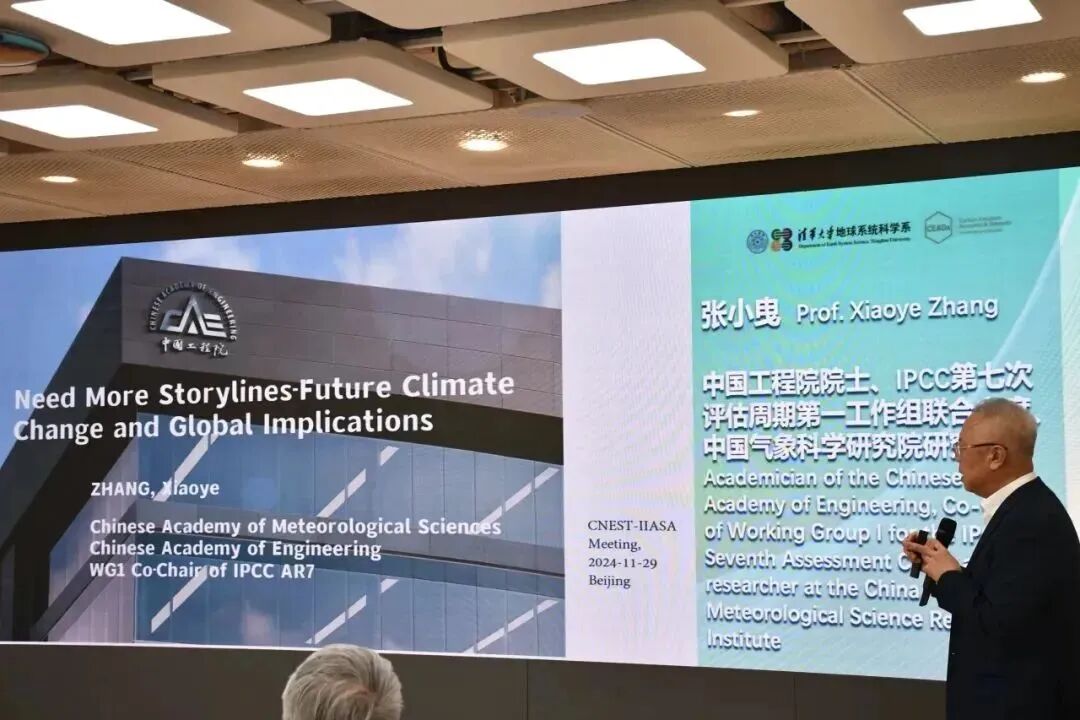
Zhang Xiaoye, Member of the Chinese Academy of Engineering, Researcher at the Chinese Academy of Meteorological Sciences, and Co-Chair of Working Group I for the IPCC Seventh Assessment Cycle, focused on the pathways and challenges for China to achieve carbon neutrality. He analyzed the key roles of current climate policy, scenario assessment, and global and regional collaboration. The report emphasized improving modeling methods, strengthening interdisciplinary research and international cooperation, and promoting the coordinated development of natural and social systems to address the dual challenges of climate change and sustainable resource management.
Academician Zhang Xiaoye has long engaged in research on climate change and the atmospheric environment and is an authoritative expert in aerosol-climate interactions. He led key technological research for China greenhouse gas emissions monitoring and assessment system, providing important scientific support for national carbon neutrality strategies and policy formulation. He has led several major national research projects, advanced technical breakthroughs in climate change monitoring and international cooperation in China, and made outstanding contributions to global climate governance and the achievement of carbon neutrality goals.
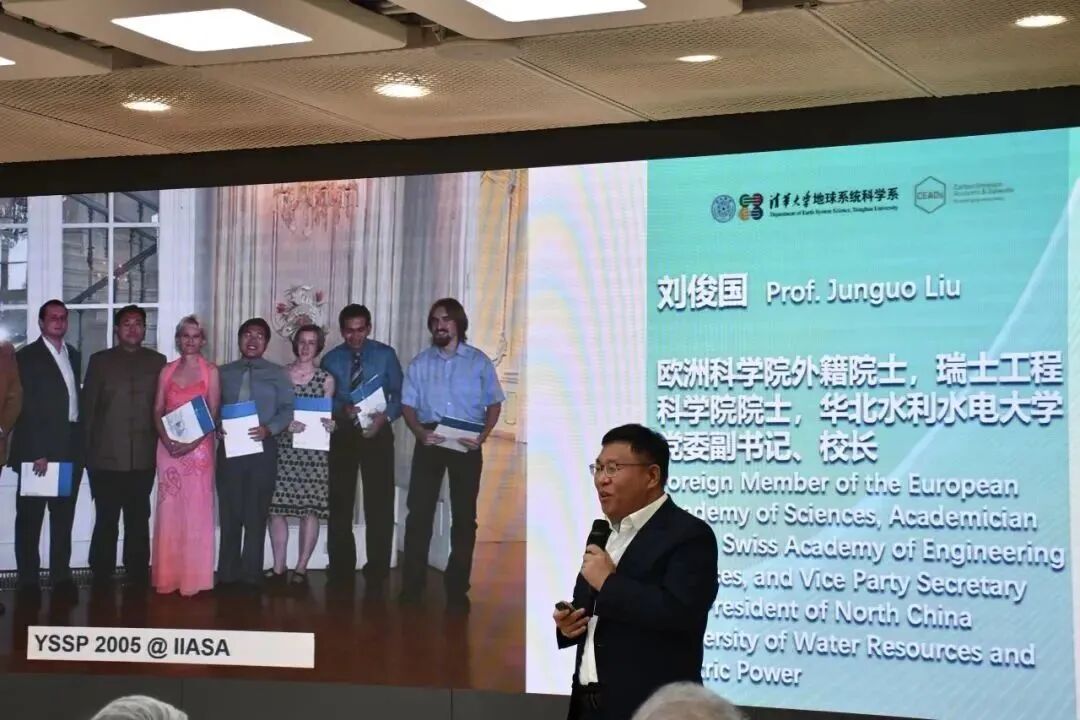
Liu Junguo, Foreign Member of Academia Europaea, Member of the Swiss Academy of Engineering Sciences, Deputy Secretary of the Party Committee and President of North China University of Water Resources and Electric Power, discussed the interconnections among water resources, energy and food, emphasizing the impact of climate change on global water resources and the different water resource pressures that China and Africa will face in the future. Professor Liu pointed out that optimizing water resource management and reducing food waste can help alleviate resource shortages and promote sustainable development.
Academician Liu Junguo is an internationally renowned expert in water resources, ecological restoration and environmental sustainability. He has long been committed to research on water resources and river and lake ecological restoration, carrying out in-depth research and practical exploration in areas such as climate responses of water resources, remote sensing hydrology and river ecological restoration, and achieving a series of systematic innovations. He has conducted extensive cooperation in multiple countries, provided consulting services to international organizations such as UN-Water and the United Nations Environment Programme (UNEP), maintained long-term cooperation with IIASA, and served as a lead author for the IPCC Sixth Assessment Report. He has led more than 30 national key research projects, and his research results have been widely applied and highly recognized. He is a Highly Cited Researcher globally and a Highly Cited Chinese Researcher.
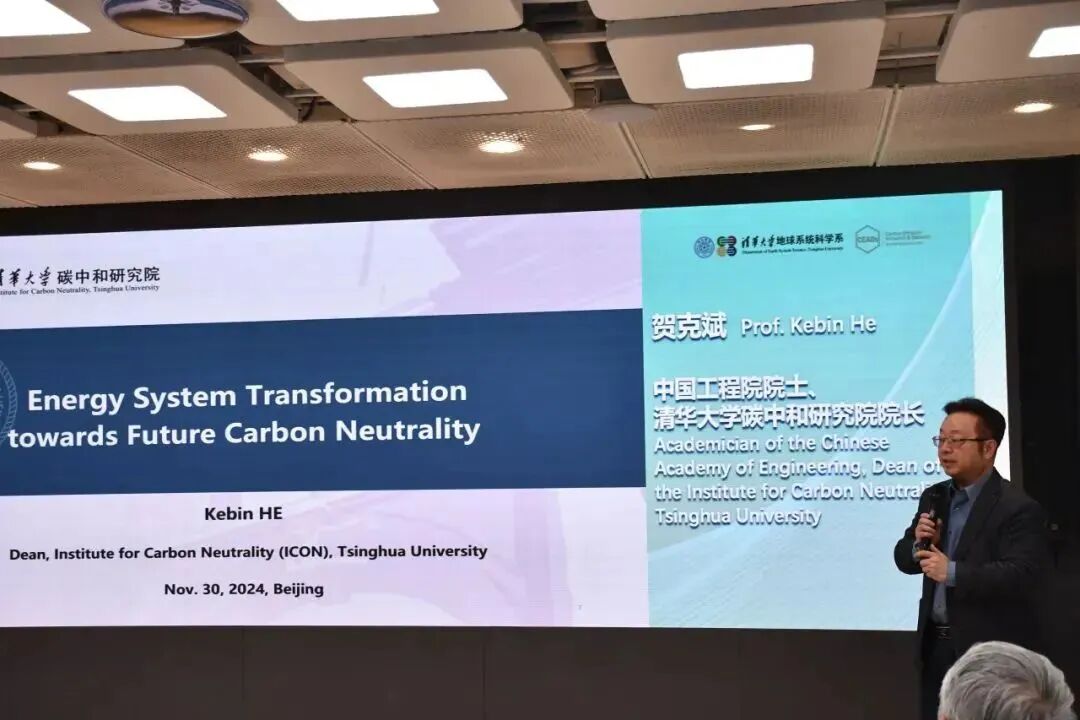
He Kebin, Member of the Chinese Academy of Engineering and Dean of the Institute for Carbon Neutrality at Tsinghua University, delivered a keynote report on the transition of the energy system toward future carbon neutrality. He noted that China power system is the largest in the world and discussed how to achieve carbon neutrality during the development of the power system. Future energy systems contain great uncertainty, and he suggested that next-generation energy system models should become a combination of energy networks and the internet, integrated through innovative information technologies.
Academician He Kebin is Director of the Environment and Textile Division of the Chinese Academy of Engineering, Deputy Director of the National Expert Committee on Ecological and Environmental Protection, Convenor of the Environmental Science and Engineering Discipline Evaluation Group of the Academic Degrees Committee of the State Council, Director of the Environmental Division of the Science and Technology Committee of the Ministry of Education, Vice President of the Chinese Society for Environmental Sciences, Chair of the National Teaching Steering Committee for Environmental Science and Engineering, and Vice President of the China Association of Environmental Protection Industry. He has long been committed to research on complex air pollution, especially PM2.5, and has carried out in-depth research on atmospheric particulate matter and complex pollution identification, characteristics of complex source emissions and coordinated multi-pollutant control, and coordinated control of air pollution and greenhouse gases. He was selected as an Elsevier China Highly Cited Researcher from 2014 to 2022 and a Clarivate Highly Cited Researcher from 2018 to 2024.
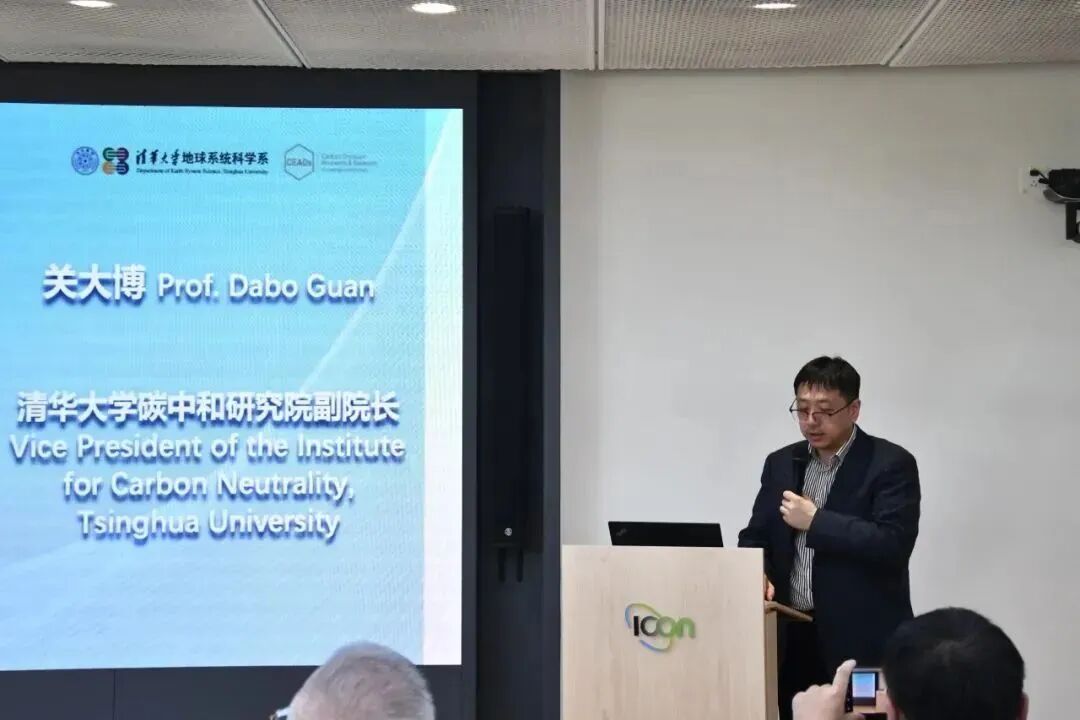
The thematic discussion was chaired by Professor Guan Dabo, Vice Dean of the Institute for Carbon Neutrality at Tsinghua University.
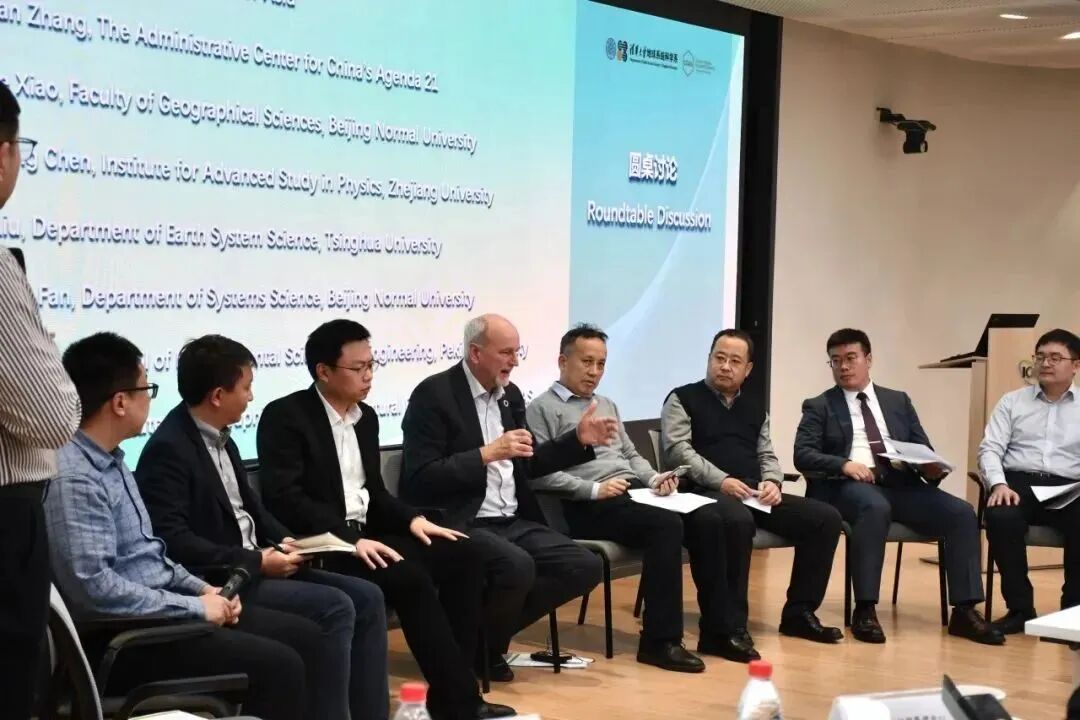
The roundtable discussion was chaired by Professor Guan Dabo. Eight experts and scholars participated in the discussion, including Professor Wolfgang Lutz, IIASA Senior Advisor on Asia; Zhang Xian, Division Director at the Administrative Center for China Agenda 21; Professor Xiao Cunde from the Faculty of Geographical Science at Beijing Normal University; Professor Chen Xiaosong from the Institute for Advanced Physics at Zhejiang University; Professor Liu Zhu from the Department of Earth System Science at Tsinghua University; Professor Fan Jingfang from the School of Systems Science at Beijing Normal University; Researcher Dai Hancheng from the College of Environmental Sciences and Engineering at Peking University; and Researcher Tang Qiuhong from the Institute of Geographic Sciences and Natural Resources Research, Chinese Academy of Sciences.
The experts held in-depth discussions on climate change challenges, climate system science research, carbon emissions and international cooperation on energy systems. They noted that human impact on the climate environment is the combined result of multiple factors including population, society, economy and energy, and that more attention should be paid to interactions between human systems and natural systems. The experts agreed that solving global challenges such as climate change requires scientific problem-solving and stronger multidisciplinary cooperation among climate sciences, especially in areas such as carbon neutrality and intelligent integration of energy systems. They also exchanged and shared practical experience from China and the European Union in addressing climate change.
Finally, He Kebin, Member of the Chinese Academy of Engineering and Dean of the Institute for Carbon Neutrality at Tsinghua University, delivered the meeting summary. He said that more interdisciplinary research should be carried out, with climate change system science at the core, to promote deep integration of climate science with information technology, artificial intelligence, materials science and other fields, thereby exploring new pathways for the low-carbon, digital and intelligent transformation of energy systems.
The successful convening of the high-level seminar on "Carbon Neutrality and Smart Energy: Climate Change System Science" not only promoted the further deepening of interdisciplinary research, but also built a high-level platform for cross-field cooperation toward carbon neutrality goals. Through interdisciplinary exchange, participants analyzed the complexity of climate science from multiple perspectives and agreed that multidisciplinary collaboration is crucial for accelerating the implementation of green technologies, optimizing energy consumption patterns, and promoting the global energy system toward green, low-carbon and intelligent development. Future research should further strengthen interdisciplinary integration and international cooperation, integrate resources from multiple fields, jointly tackle technical challenges, and formulate forward-looking and practical policy frameworks, contributing Chinese wisdom and strength to the global response to climate change and sustainable development.