
China-UK Cooperation: High-Level Seminar on Carbon Neutrality and Clean Growth Held Successfully in Beijing
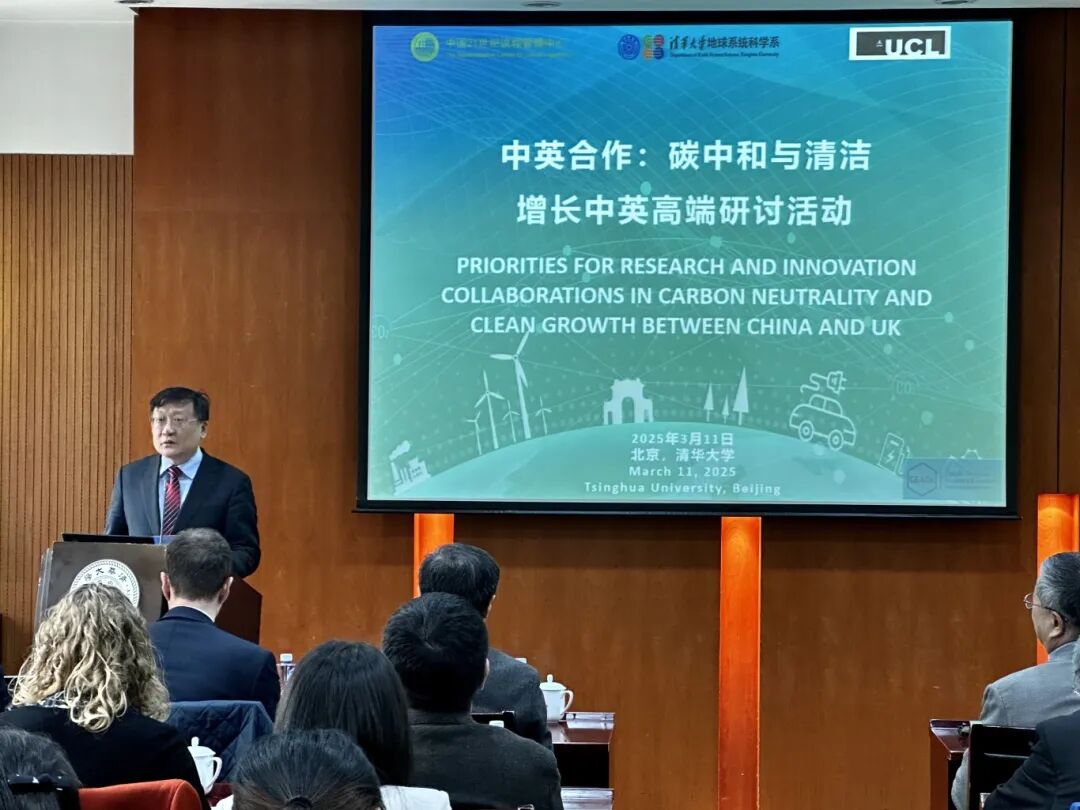
On March 11, 2025, the China-UK high-level seminar "China-UK Cooperation: Carbon Neutrality and Clean Growth" was successfully held in Beijing. The event brought together leading scholars from Tsinghua University, the University of Cambridge, University College London and other institutions, as well as representatives from the National Natural Science Foundation of China, the National Energy Administration, the China Center for the Administration of the 21st Century Agenda and other government bodies, together with industry leaders from Sinopec, the China Building Materials Academy Co., Ltd. and others. They held in-depth discussions on key issues in climate change and carbon neutrality, shared experience, explored opportunities for cooperation, and contributed wisdom and strength to sustainable development in China, the United Kingdom and the world.
The seminar was hosted by the Department of Earth System Science at Tsinghua University and guided by the China Center for the Administration of the 21st Century Agenda. Tsinghua University Vice President Yang Bin, Yao Yupeng, Executive Deputy Director General of the Department of Earth Sciences of the National Natural Science Foundation of China, Fan Yingjie, Director General of the Bureau of International Cooperation of the National Natural Science Foundation of China, Hao Ruifeng, Director General of the Market Regulation Department of the National Energy Administration, Priti Parikh, Dean of the Bartlett School of Sustainable Construction at University College London, Steve Evans, Fellow of the European Academy of Sciences and Professor at the University of Cambridge, and Tim Broyd, Fellow of the Royal Academy of Engineering and Professor at University College London, attended the event and engaged in in-depth exchanges on the issues of common concern in climate change and carbon neutrality transitions in China and the United Kingdom.
01
Opening Remarks
The opening session of the China-UK high-level seminar "China-UK Cooperation: Carbon Neutrality and Clean Growth" was hosted by Luo Yong, Director of the Department of Earth System Science at Tsinghua University.
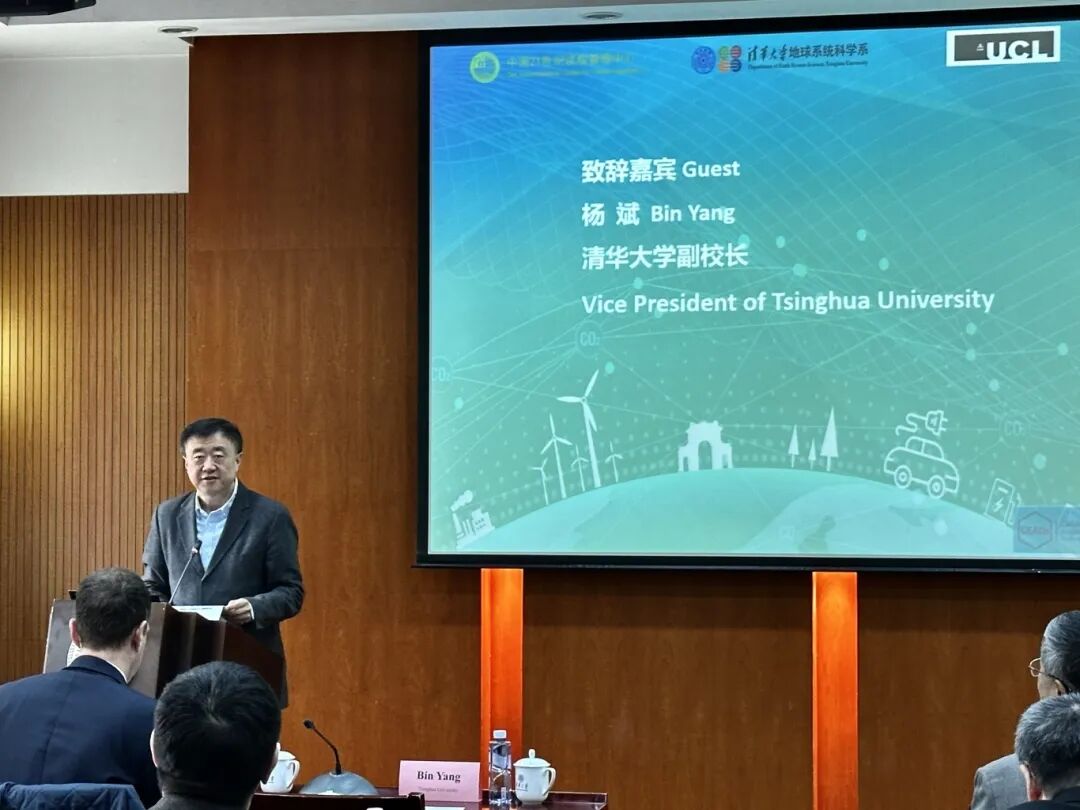
In his opening remarks, Yang Bin, Vice President of Tsinghua University, said that climate change, as a global long-term crisis, has become a major focus of the international community. China and the United Kingdom have maintained a close partnership in the field of climate change and achieved fruitful results. Tsinghua University has established a solid cooperation foundation with many leading universities in the United Kingdom. Together with British universities, it has co-built the China-UK Carbon Neutrality Center and formed a long-term partnership in research and talent development. He expressed hope for deeper cooperation in carbon neutrality research, technology development, policy making and industrial application, and for joint efforts to help achieve global climate goals.
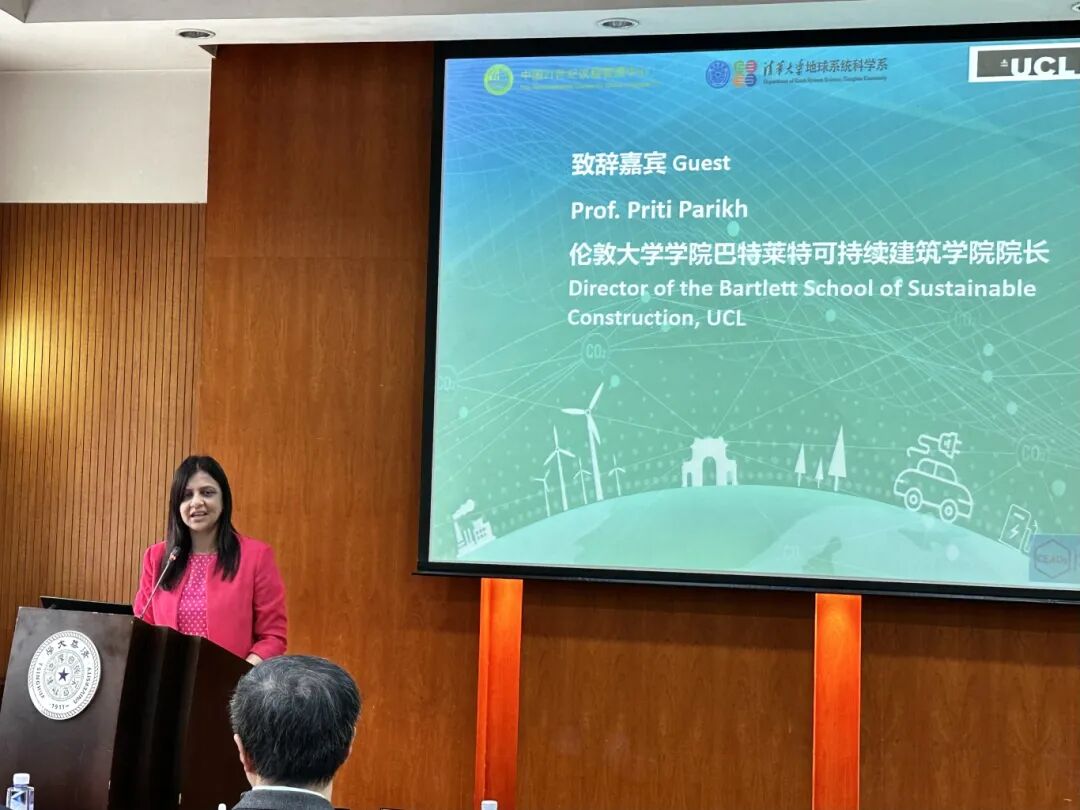
Priti Parikh, Dean of the Bartlett School of Sustainable Construction at University College London, said that strategic cooperation between China and the United Kingdom in climate change is critical to advancing the global green transition. As major economies and major carbon emitters, the two countries must deepen policy coordination and technological collaboration to address the systemic challenges brought by climate change. University College London and Tsinghua University have maintained a long-term partnership and achieved multiple breakthroughs in low-carbon technology research. This model of deep integration across industry, academia and research is reshaping the global climate governance landscape, and she expressed strong expectations for the China-UK Carbon Neutrality Center.
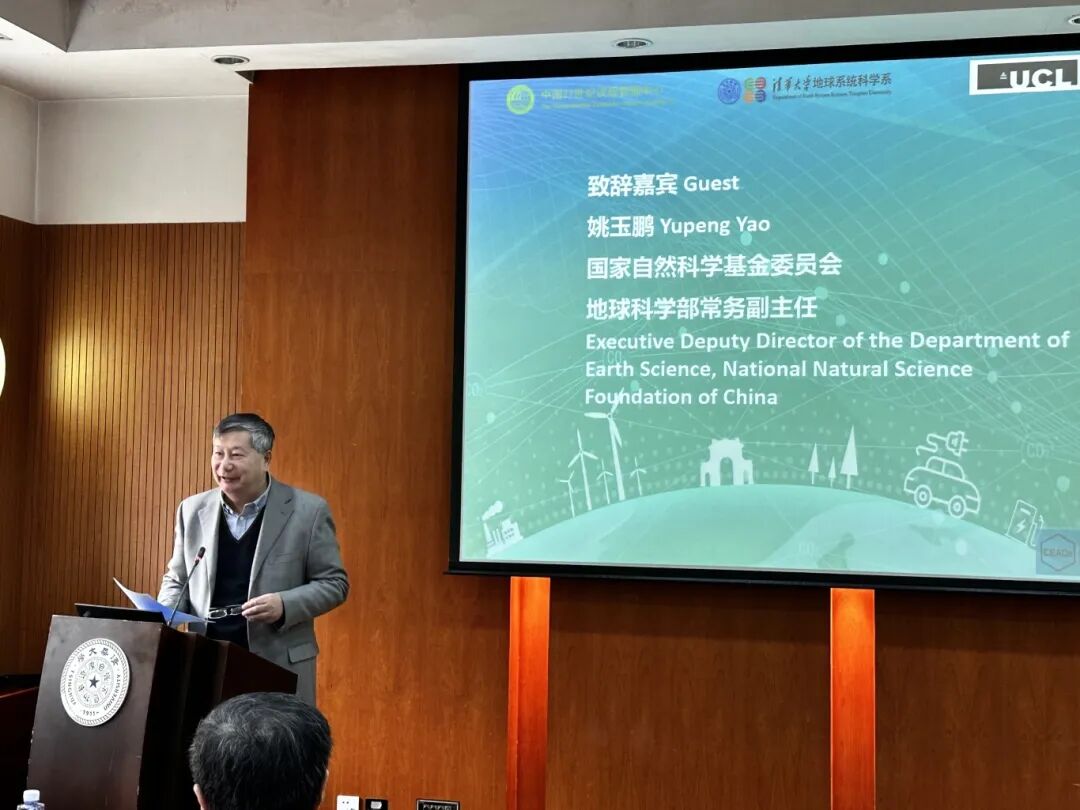
Yao Yupeng, Executive Deputy Director General of the Department of Earth Sciences of the National Natural Science Foundation of China, introduced the basic work of the department, the important progress and major achievements of its international cooperation projects supporting China-UK environmental pollution control and related fields, as well as the China-UK joint research program on air pollution and human health in super-large cities. He expressed hope that the two countries would further deepen cooperation in mutually concerned scientific fields and promote research breakthroughs through more high-level research projects, making greater contributions to addressing global climate change and environmental pollution.
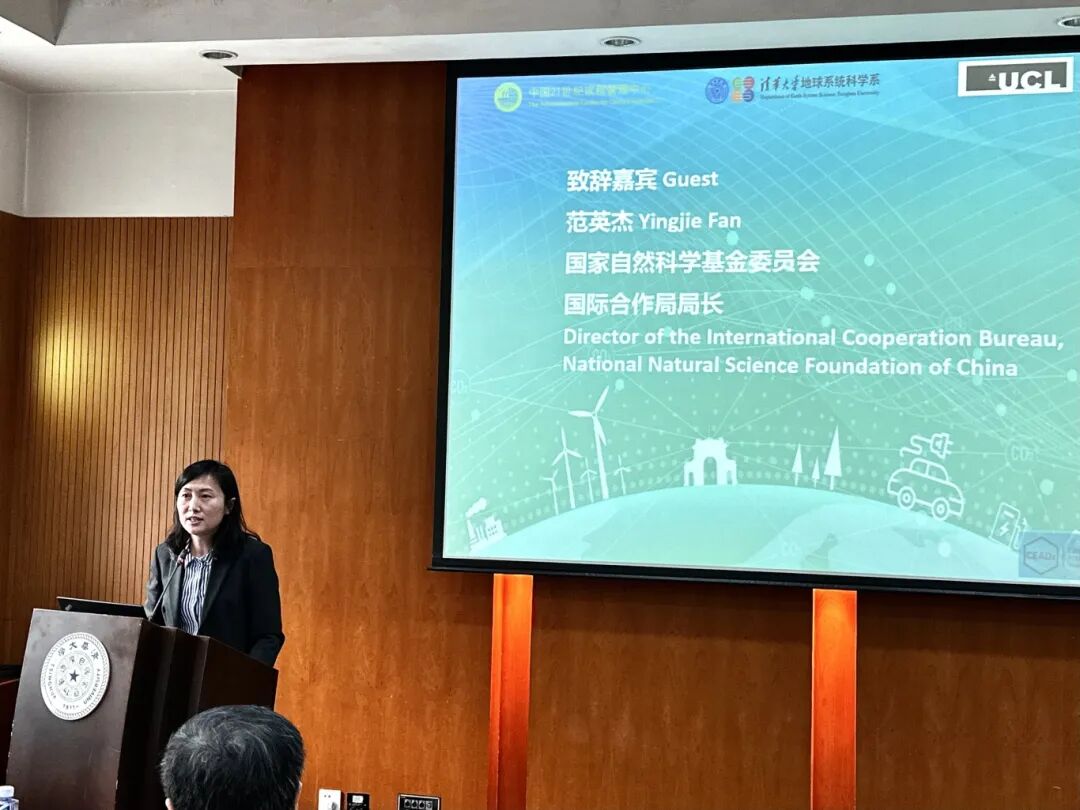
Fan Yingjie, Director General of the Bureau of International Cooperation of the National Natural Science Foundation of China, said that since 2015, China and the United Kingdom have continued to deepen cooperation in climate change, low-carbon technology and green energy, and have made significant progress especially in scientific research. With the launch and implementation of global carbon neutrality goals, the two countries have huge potential for cooperation in this area. He said the National Natural Science Foundation of China would continue to provide full support for China-UK cooperation and further promote deep collaboration in scientific research, technological innovation and talent development, contributing to global climate governance and sustainable development.
02
Keynote Reports
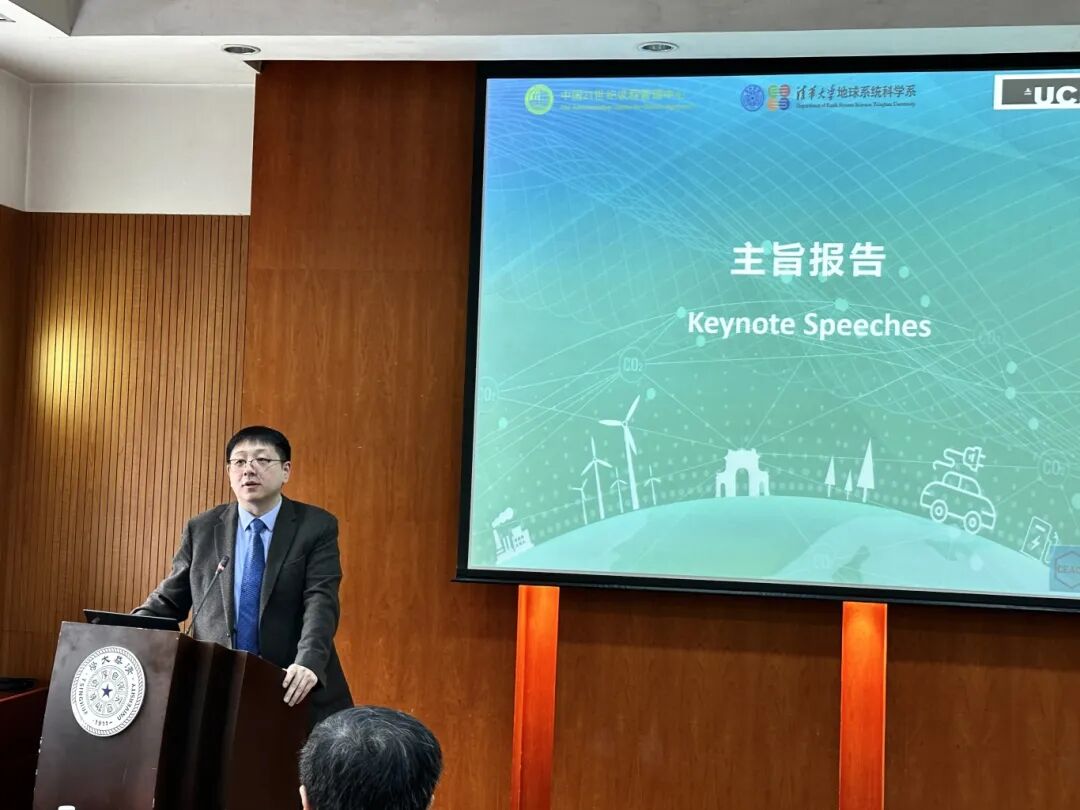
Afterwards, Guan Dabo, Deputy Dean of the Tsinghua University Institute for Carbon Neutrality and Chair Professor of Basic Science at Tsinghua University, presided over the keynote session.
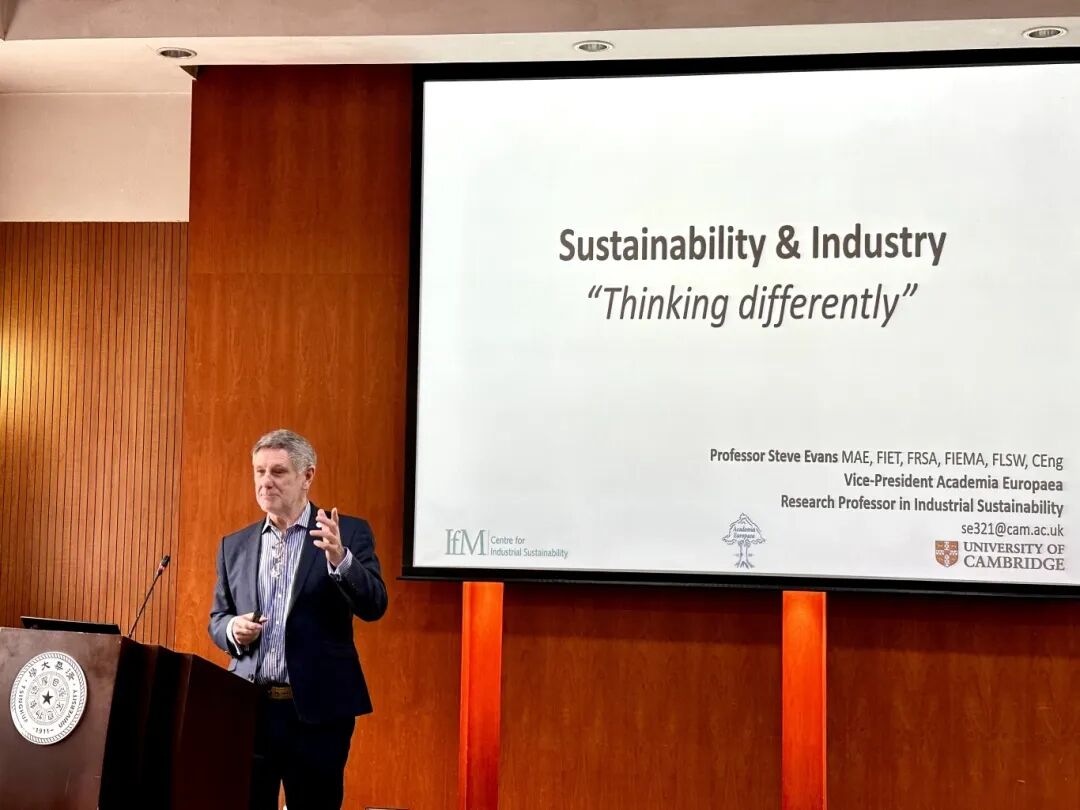
Steve Evans, Fellow and Vice President of the European Academy of Sciences and Professor at the University of Cambridge, delivered a keynote speech titled "Sustainability and Industry: Thinking Differently". He systematically unpacked the deep coupling between the digital revolution and the sustainability revolution. From the perspectives of efficiency, technology, value and the future, he used examples such as 100% rebar > 200% specified strength, buying a gas engine, leasing a gas engine and buying gas, to call for less energy and less material input. He urged a redefinition of value creation logic, shifting from ownership to use rights, so that unit carbon emissions create a multiplying effect over time and open up the future possibilities of a carbon-neutral economy.
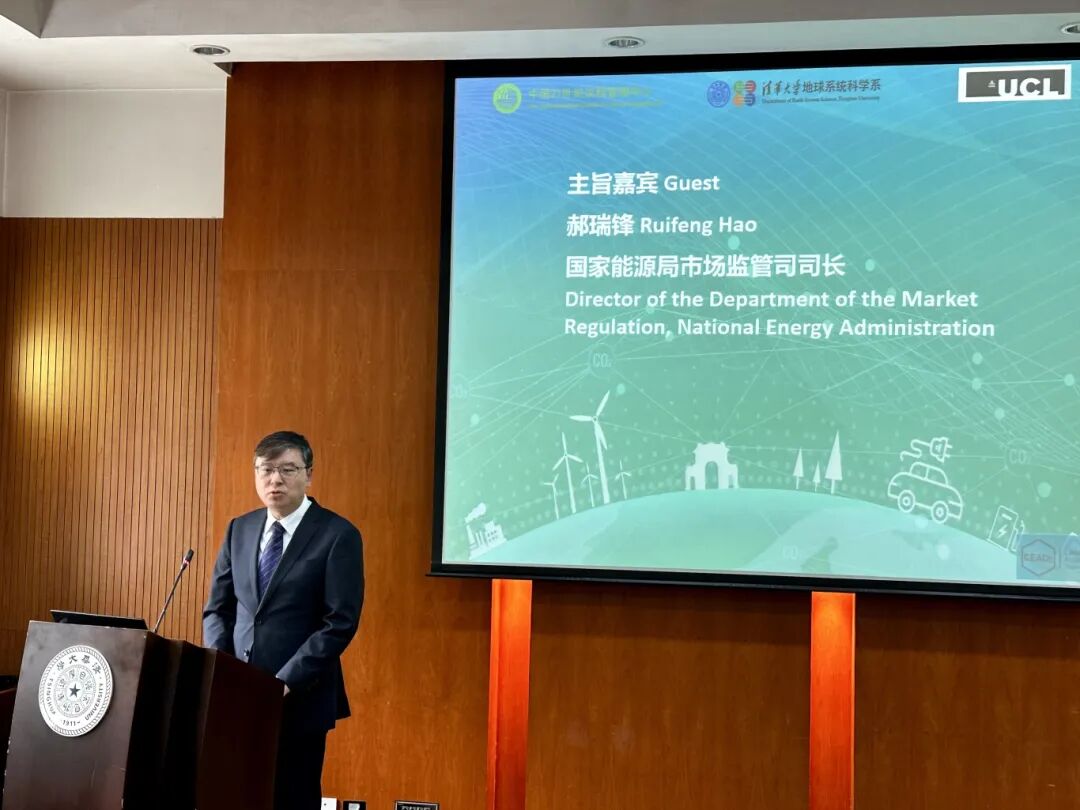
Hao Ruifeng, Director General of the Market Regulation Department of the National Energy Administration, spoke on the theme of "China Power Market Development Practice". He reviewed the achievements made in the construction of China's electricity market since the launch of the new round of power system reform, analyzed the current situation and challenges facing the construction of a unified national electricity market, and introduced key tasks in improving top-level market design and rule systems, strengthening the multi-level and multi-category electricity market framework, improving market mechanisms for equal participation by all types of market entities, and enhancing a fair and unified market supervision system. He also made constructive suggestions on promoting the green and low-carbon energy transition and advancing the coordinated development of green certificates, green power and carbon markets.
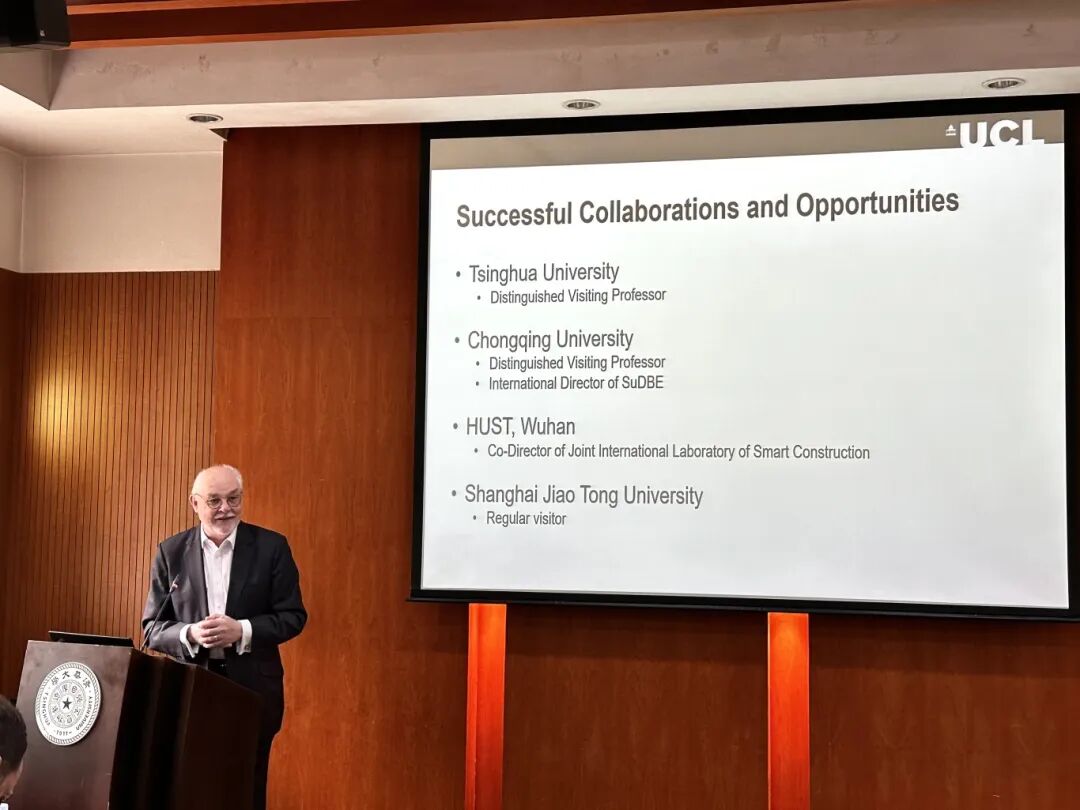
Tim Broyd, Fellow of the Royal Academy of Engineering and Professor at University College London, focused on digital transformation and green buildings and systematically explained the underlying logic of digital transformation in the construction industry. He highlighted building information modeling, the six dimensions, the performance gap and digital twins. He noted that digital twins reflect and simulate assets or asset systems and their surrounding environment, helping organizations organize data and bring it into interoperable formats for optimizing infrastructure use. He looked forward to identifying priority themes for China-UK collaborative research, highlighting successful partnerships and opportunities, and linking research insights with policy making to lay the foundation for future scientific cooperation.
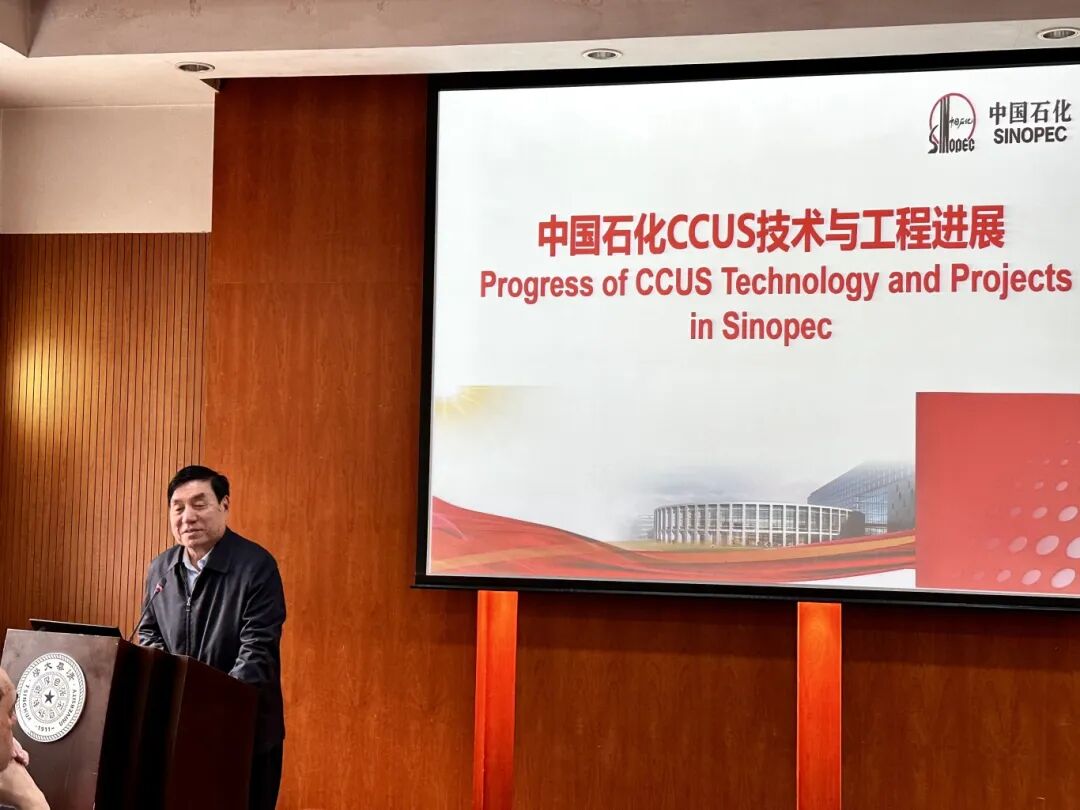
Li Yang, Academician of the Chinese Academy of Engineering and Senior Engineer at Sinopec, provided a detailed introduction to Sinopec's CCUS (Carbon Capture, Utilization and Storage) technology and engineering progress. He presented the company's innovation platforms and full-process CCUS technology system, including carbon dioxide capture, pipeline transport, enhanced oil recovery and storage, and whole-chain carbon footprint technology research, demonstration and breakthroughs achieved by the million-ton CCUS integrated demonstration project of Qilu Petrochemical and Shengli Oilfield. He also outlined future prospects for CCUS from the perspectives of technological innovation, engineering demonstration, integrated optimization, carbon asset management, and international exchange and cooperation.
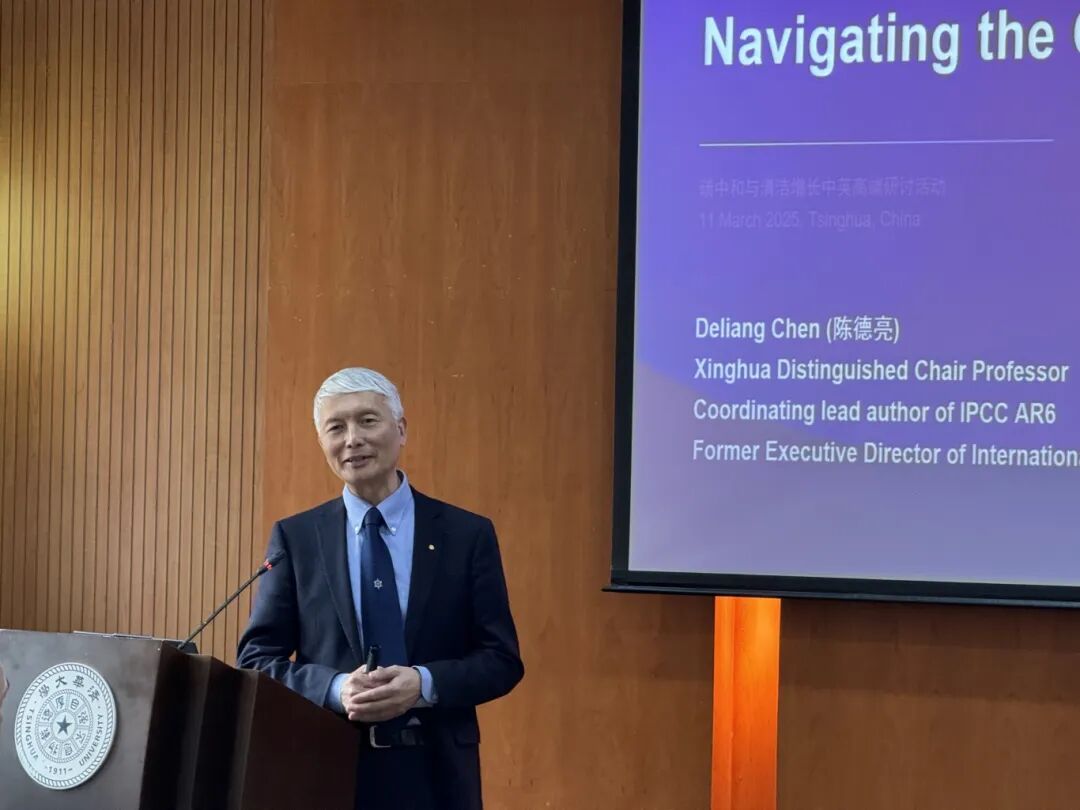
Chen Deliang, Foreign Academician of the Chinese Academy of Sciences and Tsinghua University Xinhua Chair Professor, gave a presentation titled "Sailing on the Climate Horizon" and made it clear that we must confront climate change. He said that human influence on the climate is evident. Based on the current trajectory, global warming could reach 1.5°C in the early 2030s. Intensifying extreme weather events such as heatwaves, heavy rainfall and droughts are already being observed. We can take some measures to reduce risks to people and nature, but only to a limited extent. He called for action to begin today, stressing that every action and every decision matters, and that urgent collective and effective action is needed, supported by scientific understanding, evidence, and policy institutions and tools to address the issues discussed.
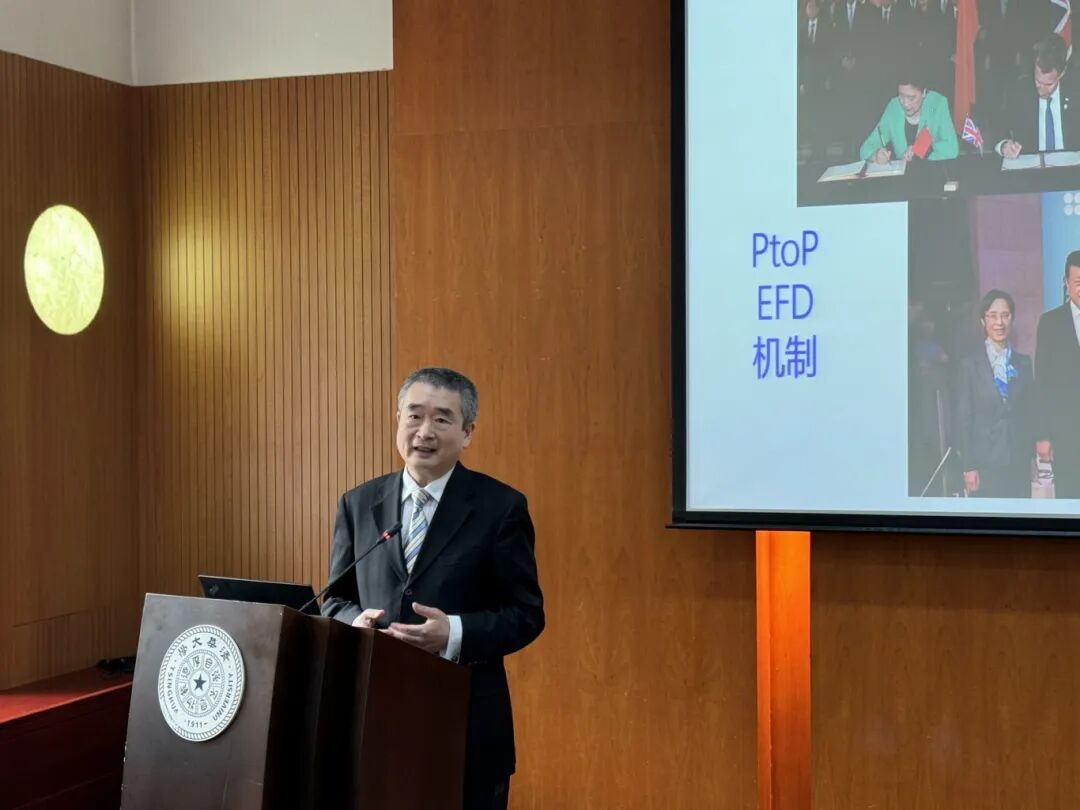
Jiangsunan, former Science and Technology Counselor at the Chinese Embassy in the United Kingdom, provided an in-depth overview of China-UK science and technology innovation cooperation from three perspectives: a review of past cooperation, China's international S&T innovation cooperation, and future opportunities for China-UK innovation cooperation. He especially introduced China's international scientific and technological cooperation initiative, which upholds science, innovation, openness and cooperation, equality and inclusiveness, solidarity and coordination, and mutual benefit for all. The initiative received a positive response from the experts and scholars present. He also introduced the positive outcomes of the 10th China-UK Strategic Dialogue and said that cooperation with China in science and technology innovation creates opportunities for the United Kingdom. China and the United Kingdom will continue to cooperate through the Ministry of Science and Technology, the National Natural Science Foundation of China, universities and other institutions. Cooperation with China will help enhance the United Kingdom's internationalization level and academic influence in global scientific research.
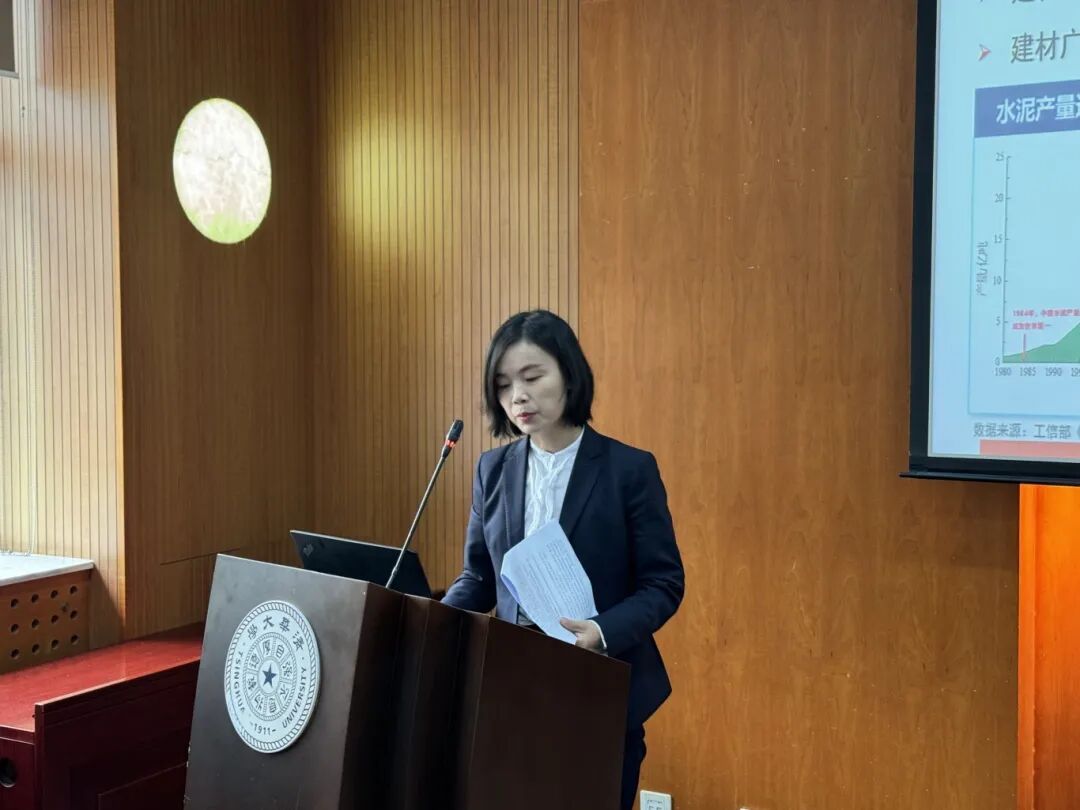
Zhou Chunying, Director of the International Science and Technology Cooperation Office at China Building Materials Academy Co., Ltd., on behalf of Party Secretary and Chairman Zhi Xiaowen, delivered a keynote report on carbon neutrality technology pathways and application progress in the building materials industry. He explained the background and current status of carbon neutrality in the industry, progress in carbon reduction technology research, the construction of a dual-carbon digital platform, and European application cases of low-carbon technologies. He pointed out that annual carbon emissions from the building materials industry reach 1.48 billion tons, making it a key battlefield for China's dual-carbon goals. China's building materials industry technology and equipment lead global progress in building materials science and are becoming the world center of the discipline. Green and low-carbon building materials have become a high ground for technological innovation in the global building materials industry.
03
Roundtable Discussion
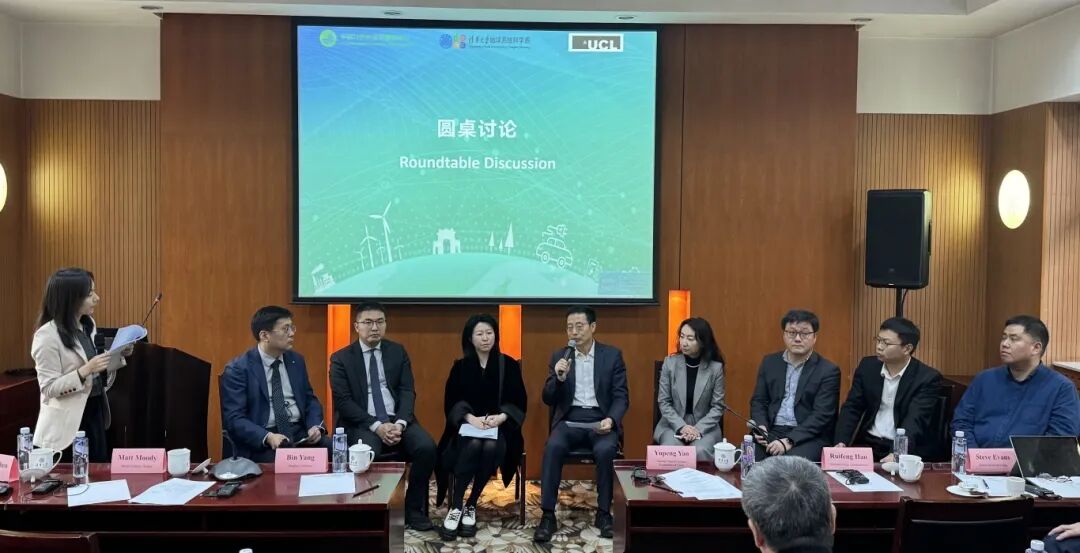
The roundtable discussion was moderated by Professor Meng Jing of the Bartlett School of Sustainable Construction at University College London. Professor Liang Xi of the Bartlett School of Sustainable Construction at University College London, Li Congxiao, Deputy Director of the Dual-Carbon Office of China State Construction Engineering Corporation, Wang Yutao, Professor at the Department of Environmental Science and Engineering of Fudan University, Zhang Shihan, Deputy Dean of the School of Energy and Carbon Neutrality for Science and Education Integration at Zhejiang University of Technology, Wang Xuhui, Associate Professor at the College of Urban and Environmental Sciences of Peking University, Di Fengping, President of Elliptic Space-Time (Beijing) Technology Co., Ltd., Hu Nan, Deputy Manager of the Business Development Department of China Quality Certification Center, and Zhang Xian, Division Director of the China Center for the Administration of the 21st Century Agenda, held in-depth discussions on the themes of "Emission Reduction Opportunities and Challenges in Key Industries" and "Co-benefits of Climate Action".
The experts pointed out that climate change is a global challenge that requires coordinated response from all countries, and that the realization of carbon neutrality goals depends on cross-border cooperation in data, technology and policy. China and the United Kingdom have a solid foundation for cooperation in climate governance and have achieved practical results in clean energy, green finance and carbon market development, offering an important model for the world. Against the backdrop of a rapidly evolving global climate governance landscape, the experts emphasized that China and the United Kingdom should face new opportunities and challenges squarely, further deepen cooperation, and jointly promote the development of green and low-carbon technologies through policy coordination, data sharing and technological innovation, providing innovative solutions for global carbon reduction. At the same time, the two countries should play a more active role in international climate negotiations and policy making, work together to build a more open and pragmatic cooperation model, and advance global climate governance toward a fairer, more efficient and more sustainable direction, providing stronger momentum for the global carbon neutrality process with a "China-UK solution" and jointly leading the future of global sustainable development.
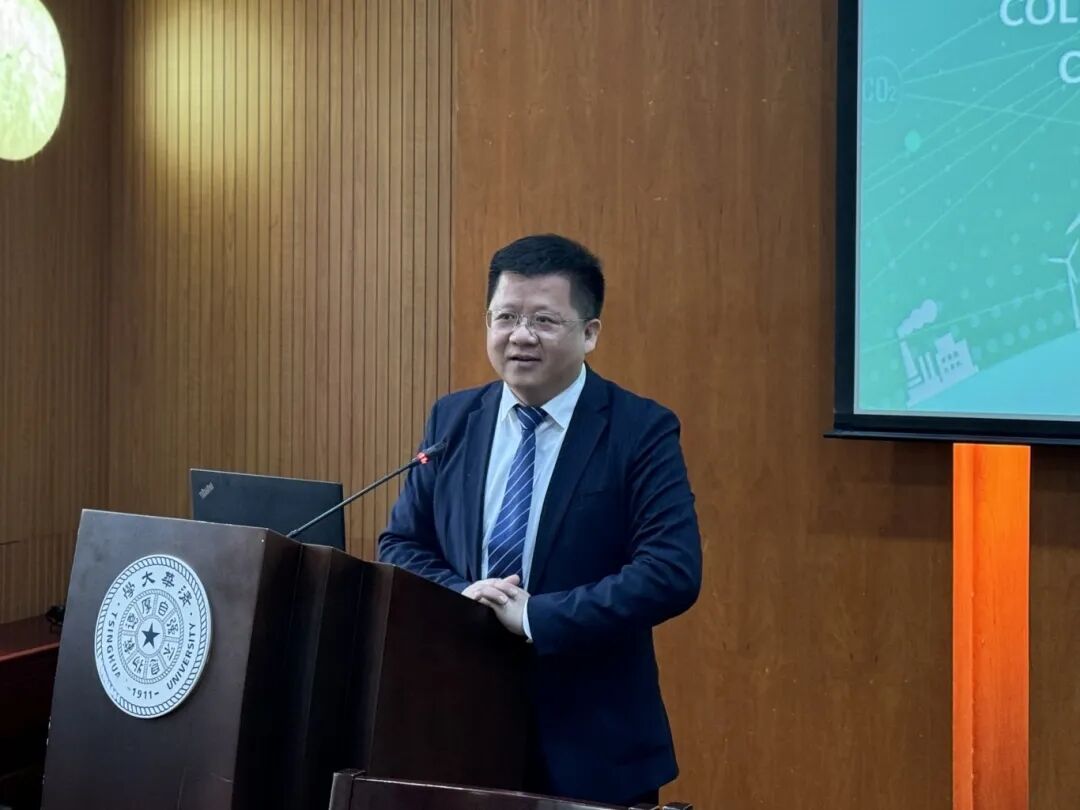
Finally, Chen Qizhen, Deputy Director of the China Center for the Administration of the 21st Century Agenda, delivered the closing remarks. He said that in the context of profound changes in the international environment, climate change has become a common challenge faced by all humanity, and only through strengthened cooperation can the sustainable development goals be achieved. China and the United Kingdom have broad prospects for cooperation in carbon neutrality and clean growth. Both sides should strengthen confidence, deepen pragmatic cooperation, give full play to their respective strengths, and promote global climate governance with a more open attitude, contributing to the green and low-carbon development of human society.
The successful holding of the China-UK high-level seminar "China-UK Cooperation: Carbon Neutrality and Clean Growth" not only promoted in-depth exchanges on key issues in climate change and carbon neutrality, but also laid the foundation for building a closer and more efficient cooperation mechanism between China and the United Kingdom in the field of sustainable development. The seminar brought together experts from academia, industry and policy making to engage in deep discussion on core topics such as clean growth, low-carbon technology innovation and energy transition. The experts agreed that China and the United Kingdom are highly complementary in achieving carbon neutrality goals, and that strengthening cross-sector collaboration in research, policy and industry can provide more innovative solutions for global sustainable development.
The conference not only deepened cooperation consensus in academic research and technological innovation, but also pointed the way for future joint research, technology application and policy making. Representatives from both sides showed a strong willingness to cooperate and advocated promoting the research and dissemination of low-carbon technologies with an open and shared approach, strengthening the interconnection of knowledge, resources and data to improve the overall effectiveness of carbon reduction and sustainable development. Looking ahead, China and the United Kingdom should further deepen disciplinary integration and international collaboration, bring together multiple stakeholders, jointly explore pathways for green transition, and formulate more forward-looking and actionable policy frameworks to help drive the global energy system toward a greener, lower-carbon, more efficient and intelligent future, contributing wisdom and strength to the global carbon neutrality process and sustainable development.
Text | Hao Qingyu
Photos | Hao Qingyu, Wang Ying
Editor | Hao Qingyu
Reviewed by | Guan Dabo