
CEADs Team Supports UK-China Sustainable Green Development Cooperation Seminar Successfully Held in London, UK
On March 5, 2025, the UK-China Sustainable Green Development Cooperation Seminar was successfully held in London, United Kingdom. The meeting brought together experts and scholars from University College London (UCL), Tongji University, the Ministry of Housing and Urban-Rural Development of China, and the China Council for the Promotion of International Trade, as well as representatives from companies including Deepstone Group and Glodon, to discuss future cooperation between China and the UK in green development.
Opening Remarks: Advancing Exchange and Cooperation in Green Development
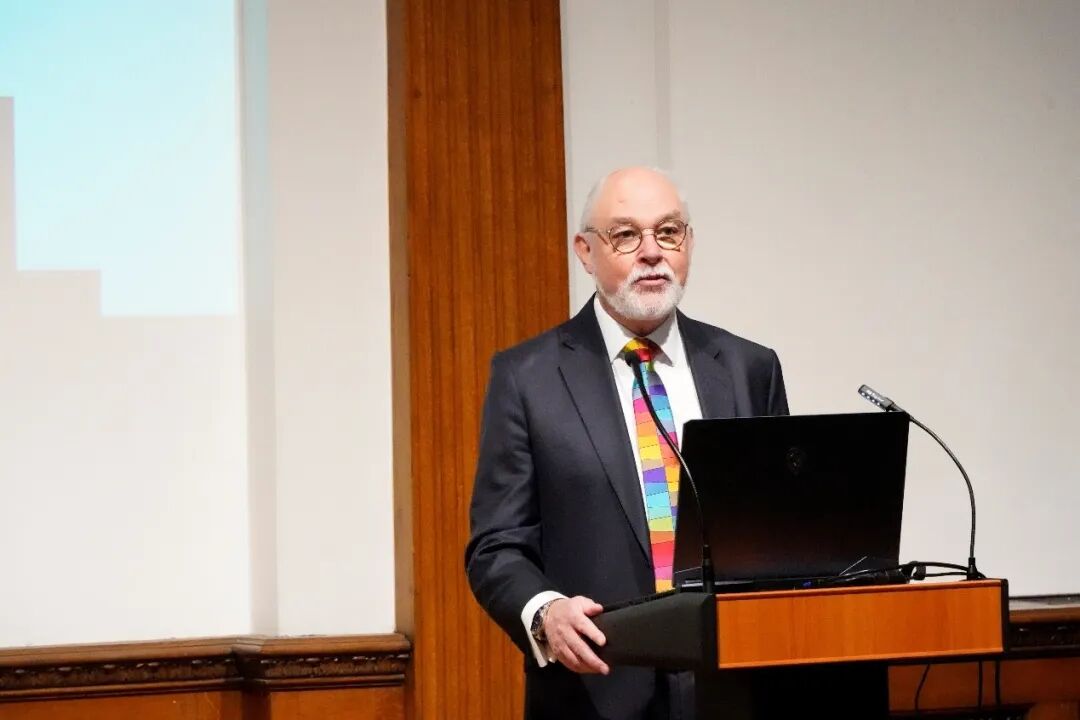
In his opening remarks, Professor Tim Broyd, Fellow of the Royal Academy of Engineering and professor at UCL Bartlett School of Architecture, reviewed UCL's distinguished history since its founding in 1826 and introduced the Bartlett School's outstanding achievements in architecture and the built environment worldwide. He emphasized that the Bartlett has long been committed to promoting green buildings and sustainable development, while fostering technological innovation and policy implementation through interdisciplinary collaboration. He especially noted the enormous potential for UK-China cooperation in sustainable buildings, urban planning, and green technologies, and said that research collaboration and talent exchange between universities and enterprises would play a crucial role.
Keynote Presentations: Cutting-Edge Technology for Green Buildings and Digital Transformation
The keynote session was chaired by Assistant Professor Zheng Heran of the UCL Bartlett School of Sustainable Construction. Deputy Professor Qiuchen Lu and Professor Wei Shen from UCL, Liang Hao, Director of the Green Building Development Division of the Ministry of Housing and Urban-Rural Development, Wang Yang, Head of International Business at Deepstone Group, Assistant Professor Weiwei Chen of UCL, and Diao Zhizhong, Strategic Development Consultant and founder of Glodon, each presented themed research and shared findings and practical experience on digital twins, green buildings, cultural heritage protection, and digitalization in the construction industry.
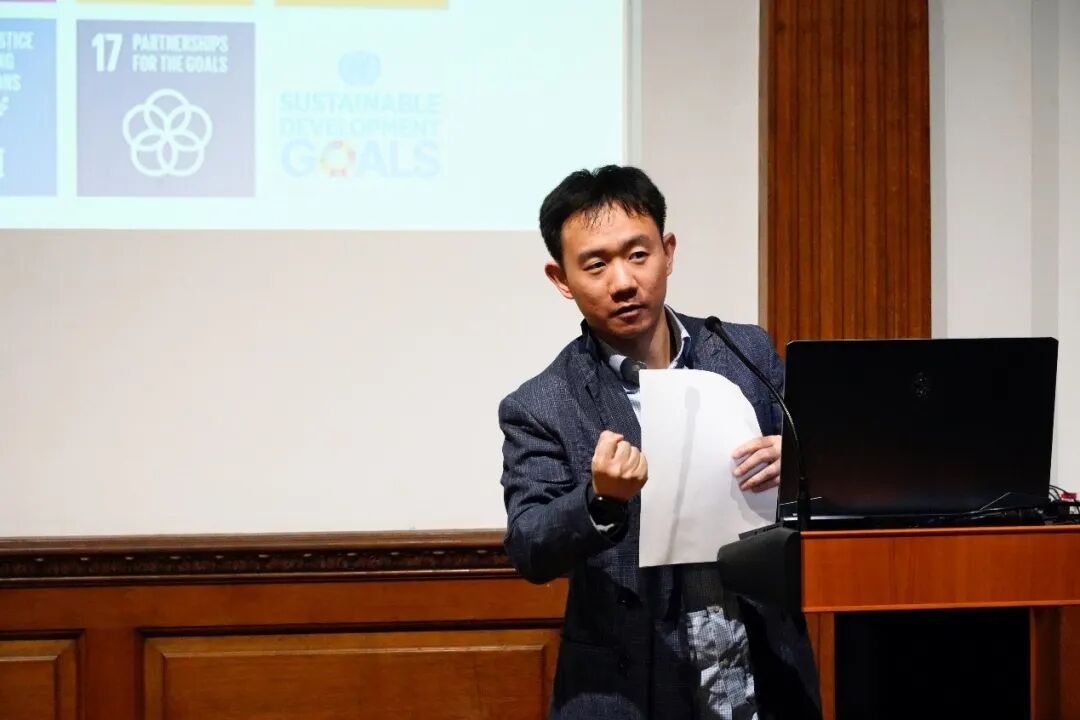
Associate Professor Qiuchen Lu from the UCL Bartlett School of Sustainable Construction introduced the application of digital twin technology in building and infrastructure management. She noted that digital twin models can integrate data, optimize infrastructure use, and enable data sharing through access permissions to support decision-making, such as the construction and management of future infrastructure. She also presented the goals and functions of the UK National Digital Twin and highlighted the important role of digital twins in monitoring environmental anomalies during the daily operation and maintenance of monitoring systems.
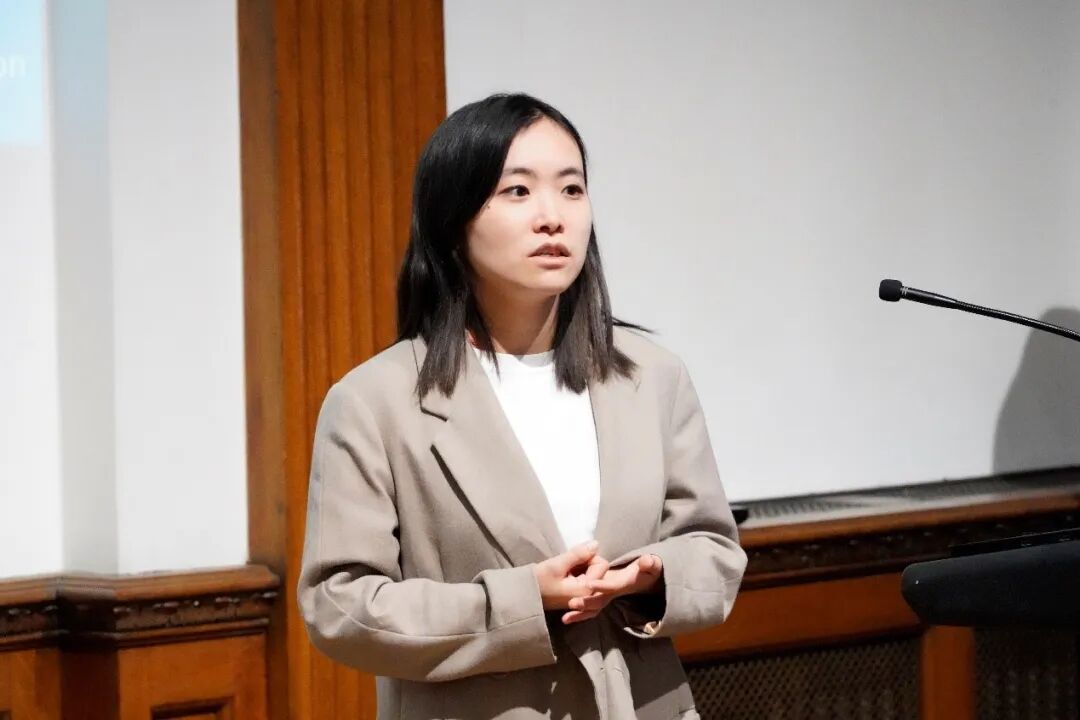
Liang Hao, Director of the Green Building Development Division at the Science and Industrialization Development Center of China's Ministry of Housing and Urban-Rural Development, introduced research and practice enabled by technology for building better homes. He said that better homes should be safe, comfortable, green, and intelligent, and that their construction requires coordinated efforts in standards improvement, optimized design, innovative materials, intelligent construction, and high-quality services. He stressed the need to improve relevant standards, promote green and smart construction methods, enhance the comfort and sustainability of housing environments, and use technological innovation to drive upgrading in the construction industry and create more livable spaces for residents.
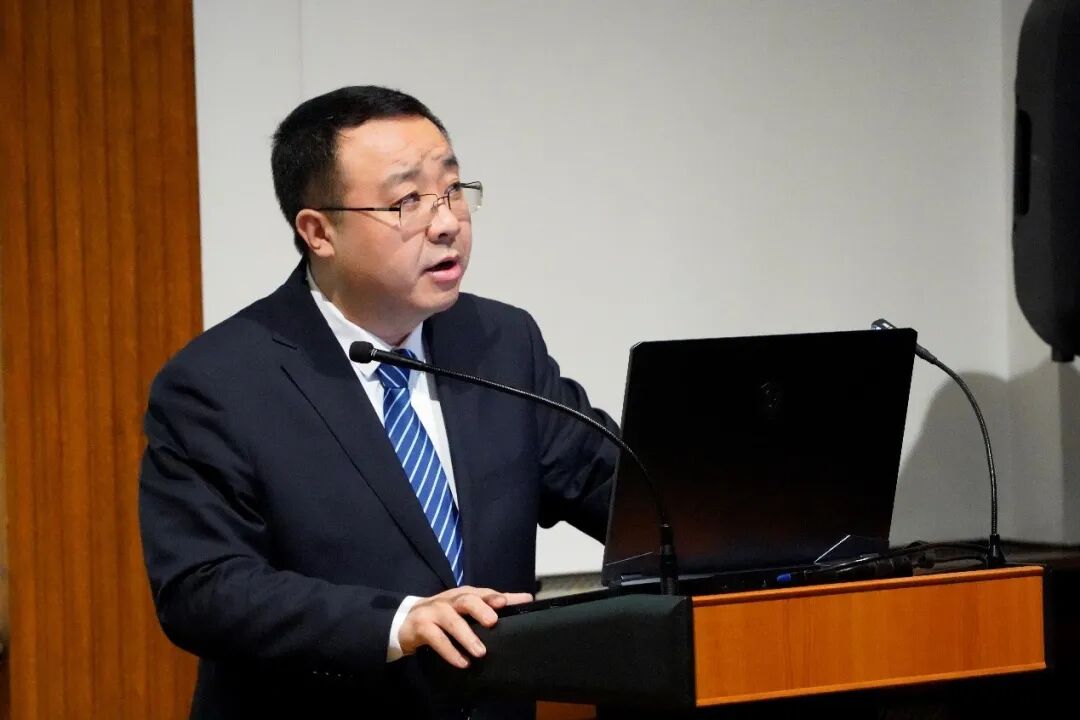
Associate Professor Wei Shen of the UCL Bartlett School of Sustainable Construction explored pathways for green building development, emphasizing the importance of shifting from green technology to green users. He analyzed how occupant behavior affects building performance and introduced the UK's Soft Landing Framework for optimizing building delivery and operation to narrow the gap between theoretical design and actual energy use. Drawing on the IEA EBC international cooperation project, he further proposed that intelligent control systems, AI-driven energy efficiency optimization, and support at the policy and education levels will be key to advancing green building development.
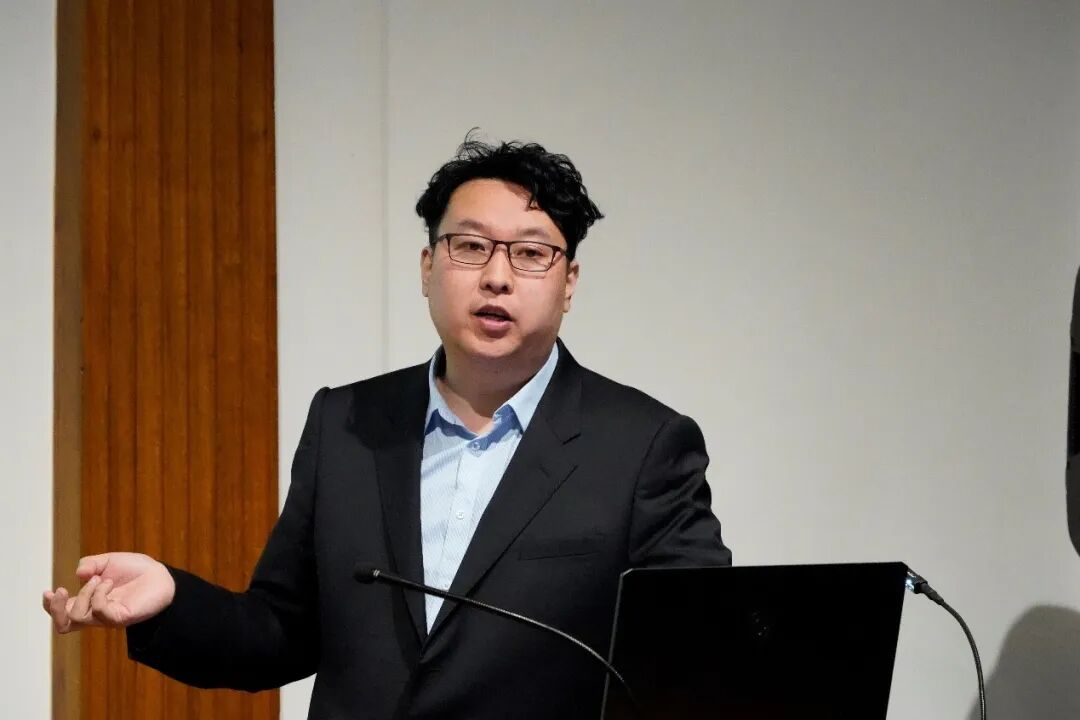
Wang Yang, Head of International Business at Deepstone Group, introduced the development journey and international cooperation of Deepstone Group as a leading Chinese operator of green and sustainable communities. He highlighted how the group integrates advanced green building technologies from China and abroad and established the Biosphere 3 Carbon Neutral Experimental Park to provide a Chinese solution to global climate change. He also discussed the long-term financing challenges of carbon neutrality and shared the group's cooperation projects in Dubai, Singapore, and Qatar, as well as a three-stage cooperation process with the UK ranging from technology learning to international expansion, including collaboration with the UCL Bartlett School of Sustainable Construction and joint actions at COP-related conferences, calling on the world to build a sustainable future together.
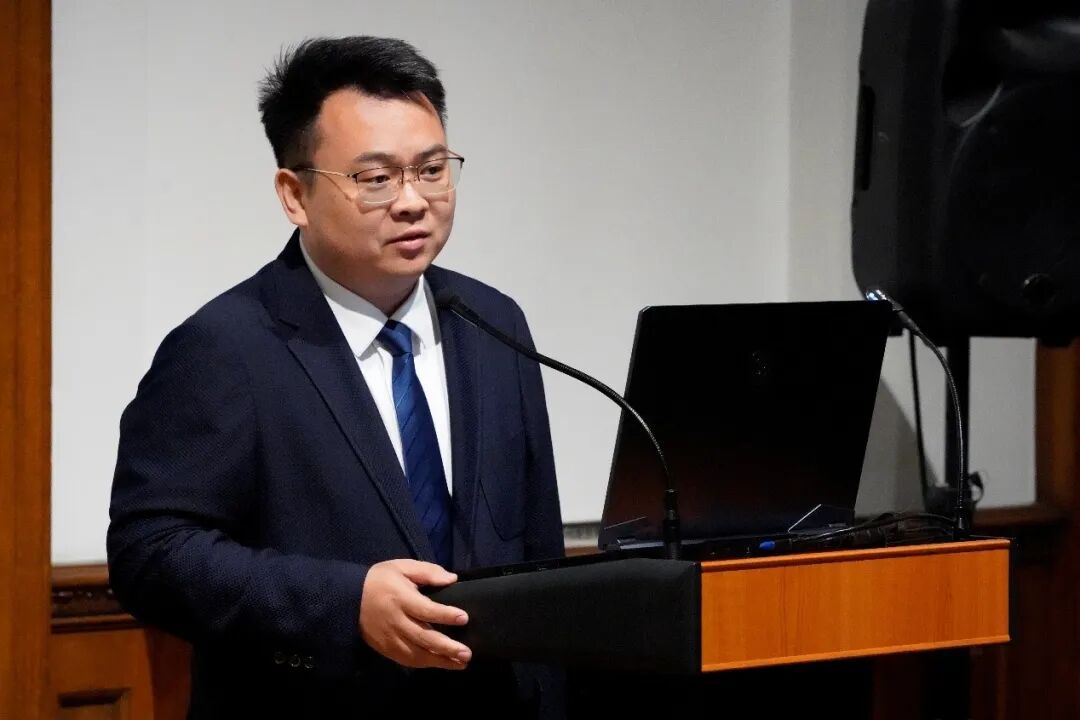
Wang Yang, Head of International Business at Deepstone Group, Delivers a Keynote Presentation
Assistant Professor Weiwei Chen of the UCL Bartlett School of Sustainable Construction introduced the digital transformation and sustainable development of cultural heritage buildings. She emphasized that many historic buildings in Europe face challenges in energy efficiency, resource circularity, climate adaptability, and accessibility, and pointed out that traditional restoration methods still have shortcomings in digital application and data management. To address this, she introduced the INHERIT project, which uses technologies such as building information modeling (H-BIM), digital twins, augmented reality (AR), and virtual reality (VR) to improve the energy efficiency, resilience, and management of heritage buildings. She also showcased pilot applications of the project at multiple heritage sites across Europe and stressed the key role of digital technologies in helping the construction industry move toward net-zero carbon goals.
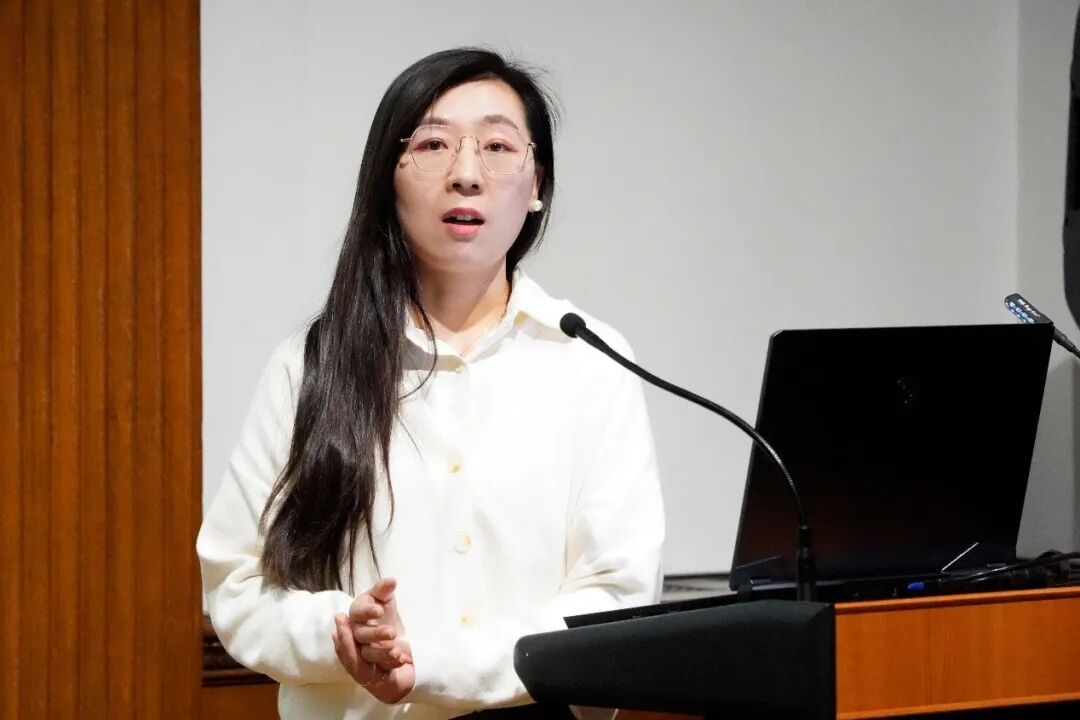
Diao Zhizhong, founder and strategic development consultant of Glodon Technology Co., Ltd., introduced the key role of building information modeling (BIM) in driving digital transformation in the construction industry. He explained that Glodon, through its self-developed digital construction platform, provides digital solutions across the entire building lifecycle, including BIM modeling, intelligent quantity takeoff, AI-assisted design, construction management, and digital twins. He stressed that AI and big data are reshaping the construction industry by improving the efficiency of design, construction, and management through automated, intelligent, and precise tools. He also introduced Glodon's global R&D layout and described how digital technologies are empowering the industry ecosystem and helping the construction sector move toward smart construction and sustainable development.
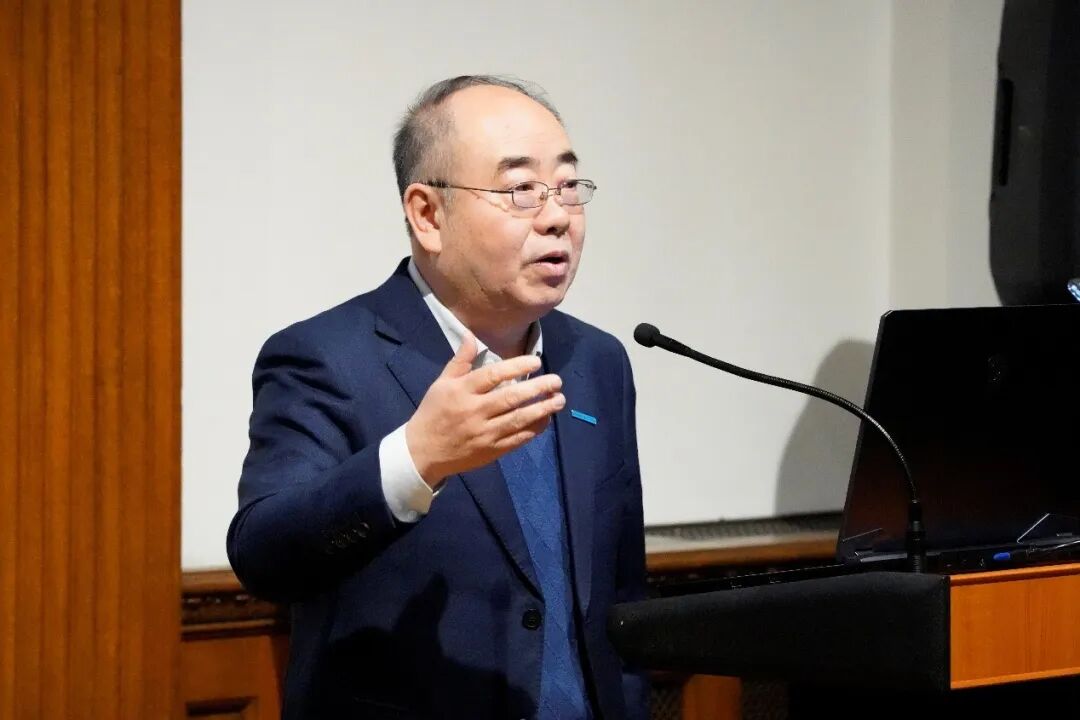
Closing Remarks: Deepening UK-China Cooperation for a Sustainable Future
At the end of the seminar, Professor Guan Dabo, Vice Dean of the Carbon Neutrality Research Institute of Tsinghua University and professor at the UCL Bartlett School of Sustainable Construction, delivered the closing remarks. He emphasized that China and the UK have already established broad cooperation in air quality management, low-carbon technological innovation, healthcare, and other fields, but that the cooperation process still faces many challenges because of changing policy environments, technological development, and market demand. He called for both countries to continue deepening cooperation with determination to jointly advance sustainable development. He especially noted that enterprises play a crucial role in cross-border cooperation, serving not only as the core driver for technology implementation but also as a key force in industrial transformation and upgrading. Professor Guan expressed his confidence that combining scientific research cooperation between Chinese and British universities with practical innovation from enterprises can accelerate technological breakthroughs, promote the transition to green and low-carbon development, and jointly build a more resilient and sustainable global development model.
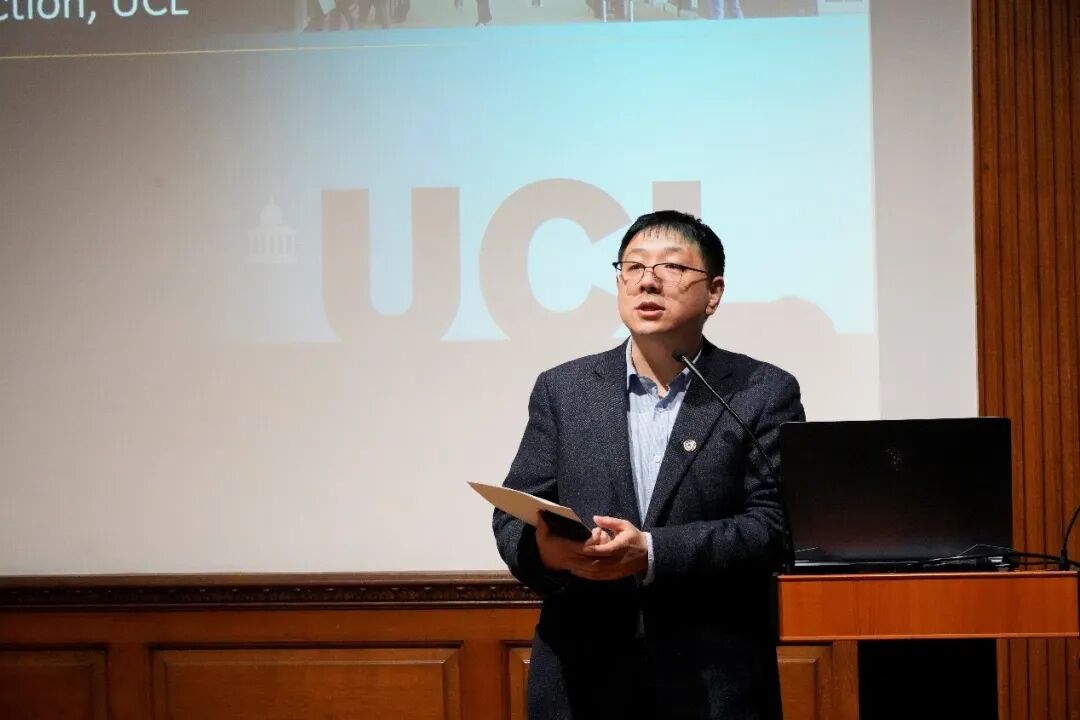
The seminar brought together representatives from government, academia, and industry to discuss frontier issues such as green buildings, digital technologies, and low-carbon development in depth, laying a solid foundation for future cooperation between China and the UK in green building, carbon neutrality, and urban sustainable development. Going forward, the two countries will continue to strengthen research cooperation, technological exchange, and industrial collaboration, using technological innovation to advance global sustainable development and build a greener, lower-carbon, and smarter future society together.
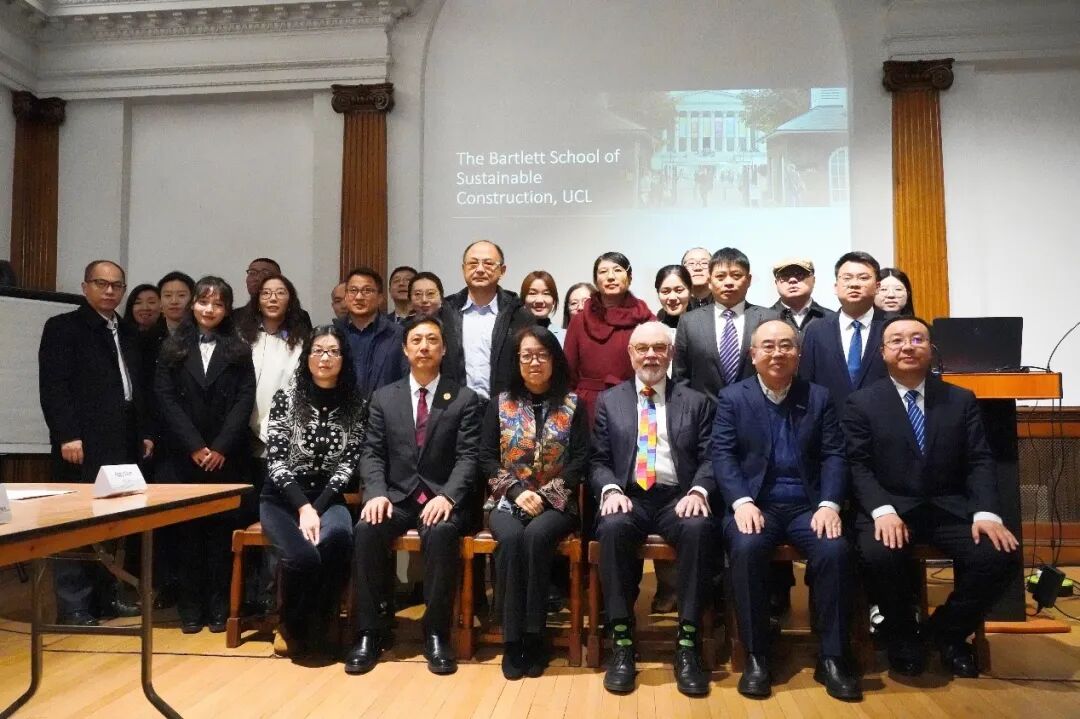
Group Photo
Photos | Ma Shijun
Text | Liang Diling, Bi Yunqing
Review | Guan Dabo