
The Inaugural Tsinghua-Envision "Carbon Element Award" Ceremony to Be Held Soon
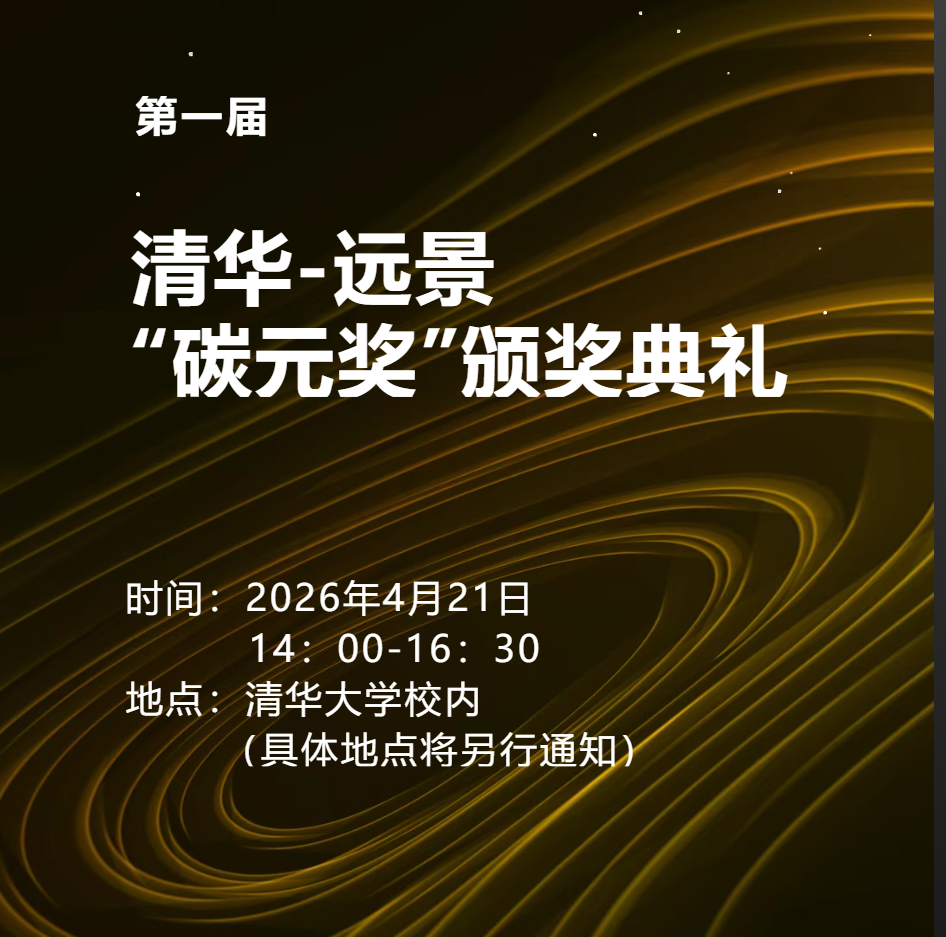
To thoroughly implement the national dual-carbon strategy and promote scientific and technological innovation and young talent development in carbon neutrality, the Tsinghua-Envision "Carbon Element Award" ceremony will be held on the afternoon of April 21.
The Tsinghua-Envision "Carbon Element Award" was jointly established by Tsinghua University and Envision Group. Focusing on frontier exploration in carbon neutrality, it encourages original and leading research that responds to major national needs and global sustainable development challenges, and it supports disruptive technological breakthroughs and demonstration-driven transformation. Relying on the platforms and expert resources of Tsinghua University Institute for Carbon Neutrality, the award is committed to building a forward-looking, interdisciplinary, and globally oriented system for talent and innovation.
As the global green and low-carbon transition continues to deepen, innovation in energy, industry, buildings, transport, materials, artificial intelligence, and climate governance is becoming an important foundation for achieving carbon neutrality. Positioned at the intersection of academic frontiers and industrial transformation, the Tsinghua-Envision "Carbon Element Award" focuses on innovative, interdisciplinary, and demonstrative research achievements, and seeks to identify and support young innovators with potential and commitment in the field of carbon neutrality. The inaugural award selection is open to outstanding graduate students and postdoctoral researchers at Tsinghua University.
Awardee Profiles
Carbon Element Dimensions Award
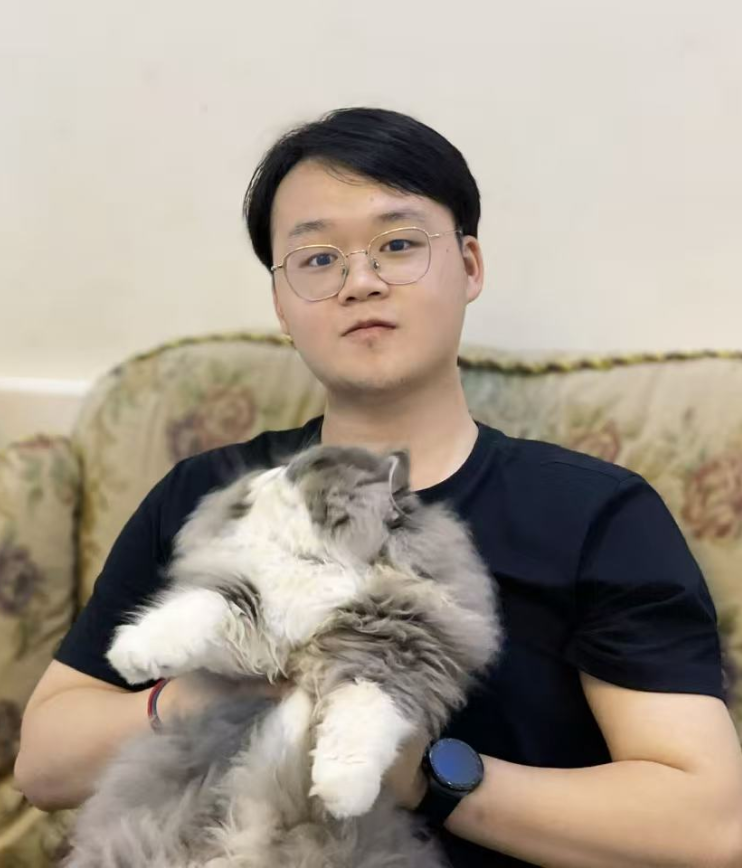
Liu Ming
Liu Ming is a 2021-entry PhD student in the School of Vehicle and Mobility. His research focuses on techno-economic analysis and industrial policy for electric vehicles and flying cars, including frontier technology roadmap decisions, life-cycle assessment and emission-reduction pathways, and analysis of global tariff policies for electric vehicles. He has published 14 papers in journals including Nature Energy, Fundamental Research, and PNAS Nexus. He received the 2025 Tsinghua-Envision Carbon Element Dimensions Award.
Carbon Element Pioneer Award
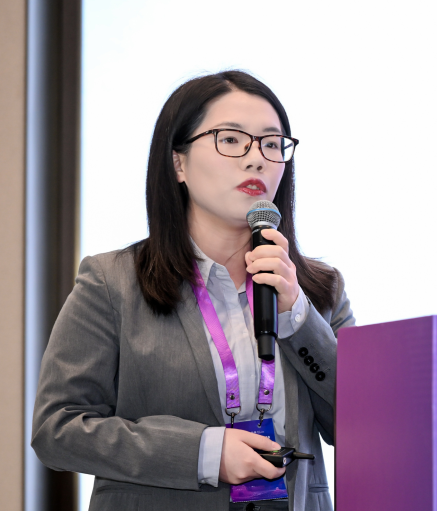
Huang Xueyan
Huang Xueyan is a postdoctoral researcher in the Department of Chemical Engineering. Her research focuses on key materials for solid-state batteries and the development of high-specific-energy solid-state battery devices. As first author, she has published more than 10 SCI papers in journals including Nature and Advanced Functional Materials, and as first inventor she has been granted two Chinese patents. She leads projects supported by the National Natural Science Foundation of China Young Scientists Fund and the China Postdoctoral Science Foundation, and participates as a research backbone in multiple national fund projects. She has received honors including the Silver Award in the first Energy Electronics Industry Innovation Competition organized by the Ministry of Industry and Information Technology and the Technology Innovation Award in the Advanced Energy Storage Technology Innovation Challenge. She received the 2025 Tsinghua-Envision Carbon Element Pioneer Award.
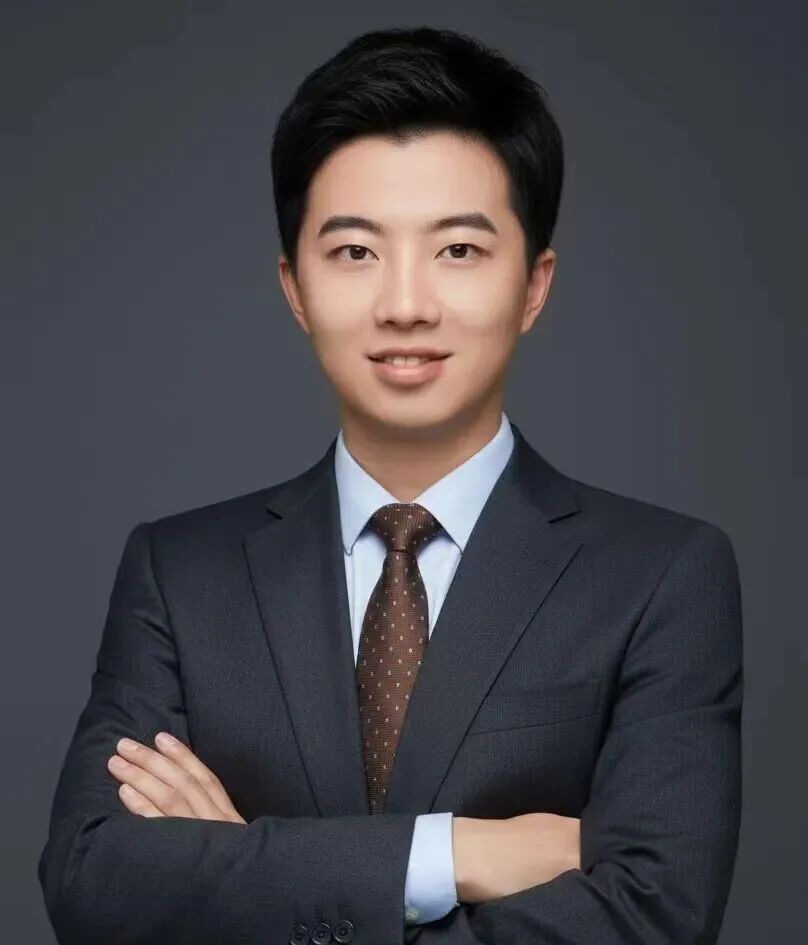
Gao Chang
Gao Chang is a 2022-entry PhD student in the Department of Chemical Engineering. His research focuses on catalytic conversion of syngas. He has published one first-author paper in Science. He received the 2025 Tsinghua-Envision Carbon Element Pioneer Award.
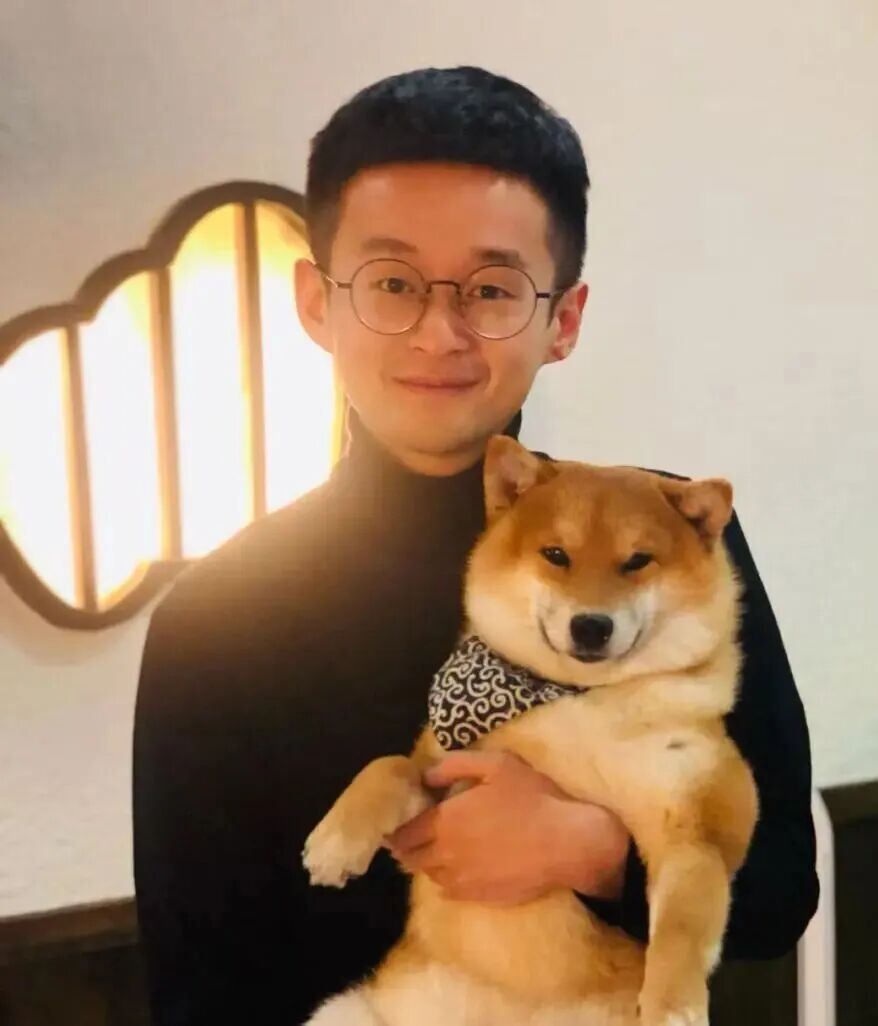
Luo Zhenyu
Luo Zhenyu is a postdoctoral researcher in the School of Environment. He was selected for the Postdoctoral Innovation Talent Support Program and Tsinghua University Shuimu Scholars Program. His interdisciplinary research focuses on environmental model-system coupling and intelligent methods. He has published multiple high-level papers in leading international journals including Nature Cities, leads a project under the national major science and technology program for comprehensive environmental governance in the Beijing-Tianjin-Hebei region, and participates in several national research projects. He received the 2025 Tsinghua-Envision Carbon Element Pioneer Award.
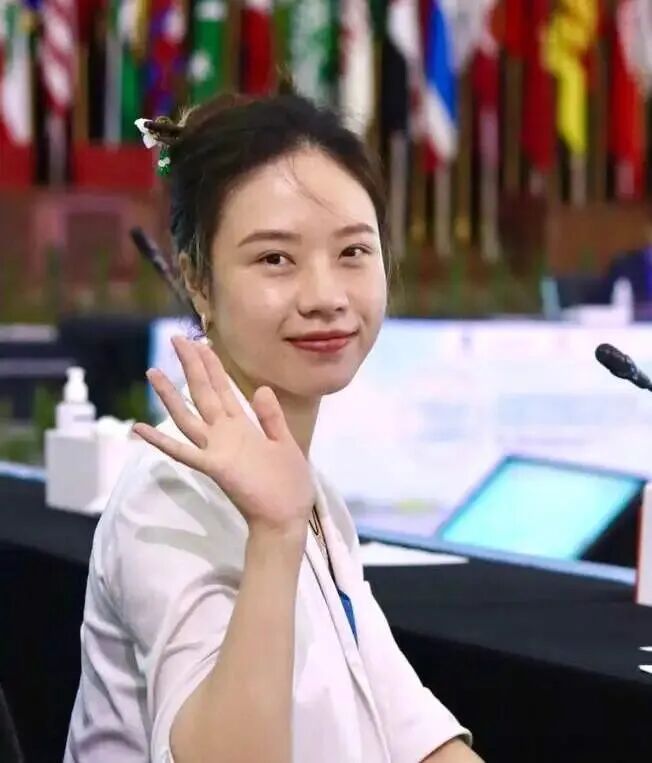
Tan Chang
Tan Chang is a 2021-entry PhD student in the Department of Earth System Science. Her research focuses on carbon-neutral technology pathways for key industrial raw materials in the global energy transition. She has systematically built demand-forecasting models for key industrial raw materials, identified regional supply bottlenecks and structural gaps, developed multi-technology deployment models for achieving carbon neutrality in core production infrastructure for key metals, and clarified priority carbon-neutral technology pathways for key industrial raw-material sectors in different regions and facilities. She has published four research papers as first author or co-first author in top international journals including Nature Climate Change. She received the 2025 Tsinghua-Envision Carbon Element Pioneer Award.
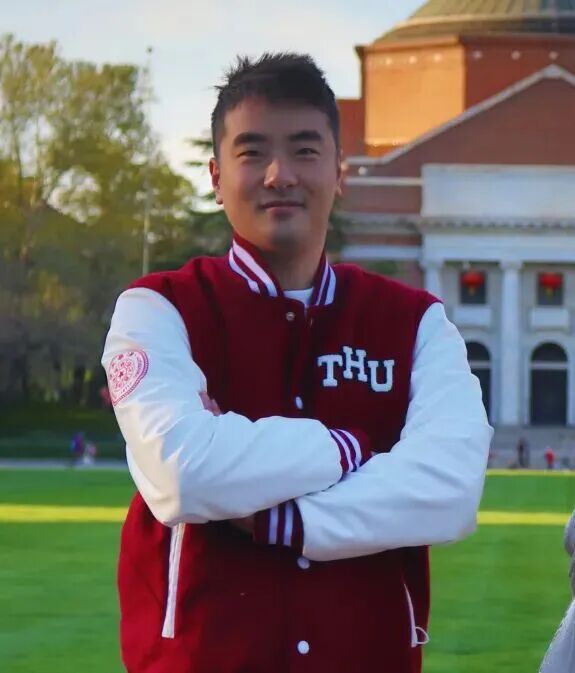
Yu Jiadong
Yu Jiadong is a postdoctoral researcher in the School of Environment. His main research direction is selective separation and enrichment of key metals from urban mines. Using mechanochemistry, hydrometallurgy, vacuum pyrolysis, and other technologies, he targets the extraction of key metals from complex organic-metal mixtures, with the goal of overcoming difficult separation problems among similar metals without solvent extraction. He has published 18 papers as first author or corresponding author in journals including Joule, PNAS, and Nature Communications, and 35 papers in total. He received the 2025 Tsinghua-Envision Carbon Element Pioneer Award.
Carbon Element Rising Star Award
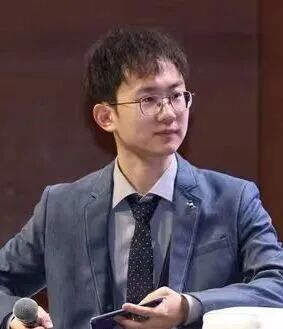
Sun Yida
Sun Yida is a 2021-entry PhD student in the Department of Earth System Science. During her studies, she has aligned her work with national strategic needs and contributed global solutions. She translates future extreme weather into precise threats to health and economic systems, providing scientific targets for global climate action. She received the 2025 Tsinghua-Envision Carbon Element Rising Star Award.
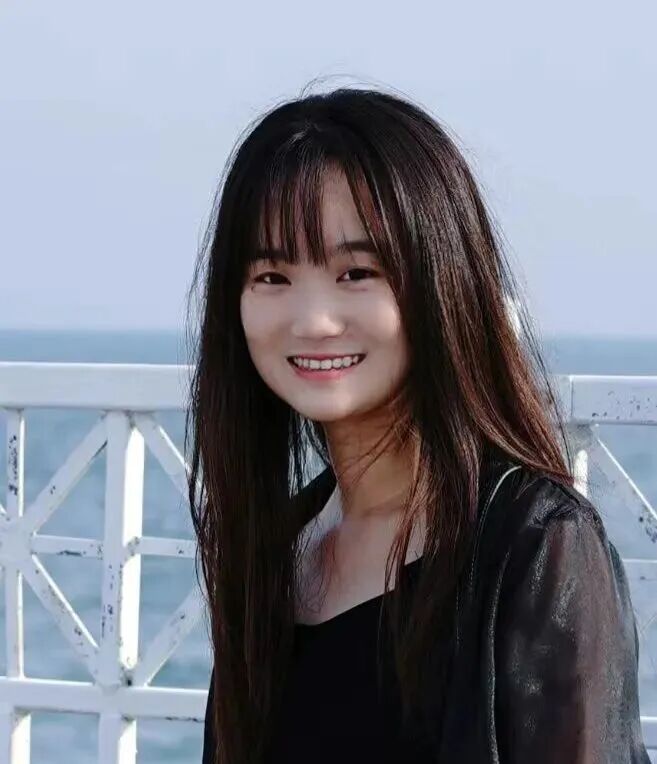
Li Puying
Li Puying is a 2021-entry PhD student in the Department of Chemistry, advised by Professor Qu Liangti. Her research focuses on energy conversion and storage devices. She has published 12 academic papers in high-level international journals including Nature, Nature Communications, Advanced Materials, and National Science Review, including six first-author papers. She has filed six invention patents, one of which has been granted, and has received honors including the 2023 Nano Research Energy Academic Rising Star. She received the 2025 Tsinghua-Envision Carbon Element Rising Star Award.

Zhang Han
Zhang Han is a 2022-entry direct-entry PhD student in the Department of Earth System Science. Her main research direction is global change ecology and vegetation carbon cycling. She focuses on interactions between plant physiological ecology and climate change. Her representative study, "Thermal acclimation of stem respiration implies a weaker carbon-climate feedback," was published in Science. This work was the first to confirm thermal acclimation in stem respiration at the global scale, providing key theoretical support for more accurate assessment of the global carbon budget. She received the 2025 Tsinghua-Envision Carbon Element Rising Star Award.
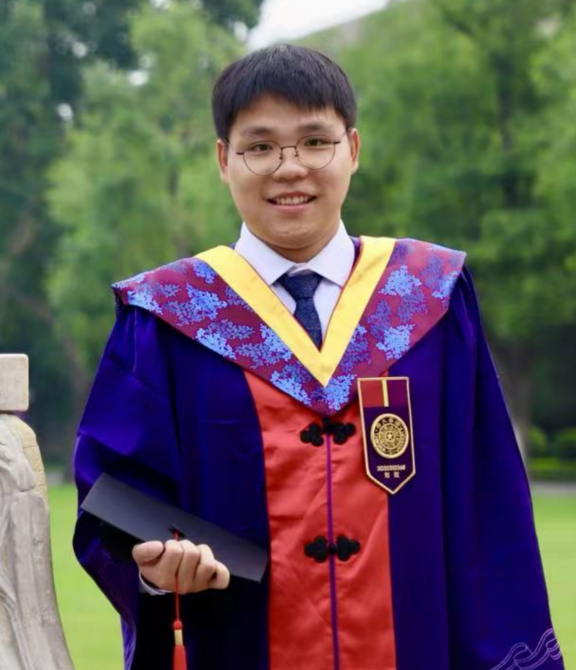
Liu Lie
Liu Lie is a postdoctoral researcher in the School of Environment and a Tsinghua University Shuimu Scholar. He received his PhD in Environmental Science and Engineering from Tsinghua University in 2024. His work focuses on innovative electrically controlled membrane technologies for water purification, selective separation, and resource recovery, aiming to improve efficiency and reduce energy consumption. As first author, he has published six academic papers in leading international journals including Nature Water and Science Advances, with more than 700 citations. He received the 2025 Tsinghua-Envision Carbon Element Rising Star Award.
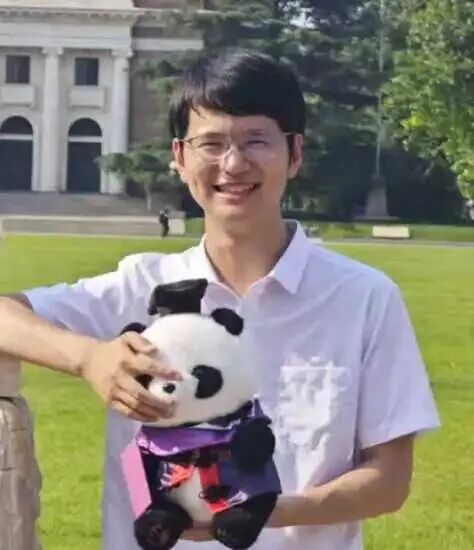
Jia Hongyang
Jia Hongyang is a fifth-year PhD student in the Department of Electrical Engineering. His main research direction is trustworthy machine-learning models and artificial intelligence algorithms for optimization decisions in new power systems, including power system operation planning considering voltage stability, data-driven extraction of security and stability rules for power systems, and development of large models and foundation models for complex power-system simulation tasks. He received the 2025 Tsinghua-Envision Carbon Element Rising Star Award.
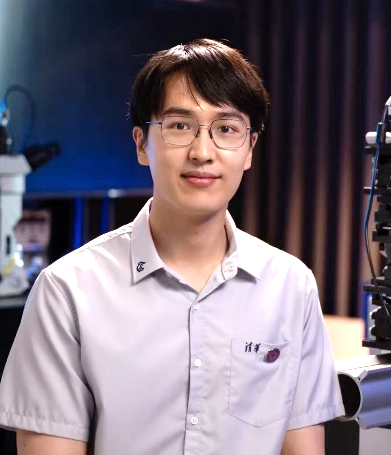
Yuki Wakata
Yuki Wakata is a fifth-year PhD student in the Department of Energy and Power Engineering, advised by Professor Sun Chao. His research focuses on mass and heat transfer and interfacial flow in droplet phase-change processes. He has published four first-author SCI papers in leading journals including PNAS and Journal of Fluid Mechanics, and has received support from the National Natural Science Foundation of China Research Fund for International Excellent Doctoral Students. He received the 2025 Tsinghua-Envision Carbon Element Rising Star Award.
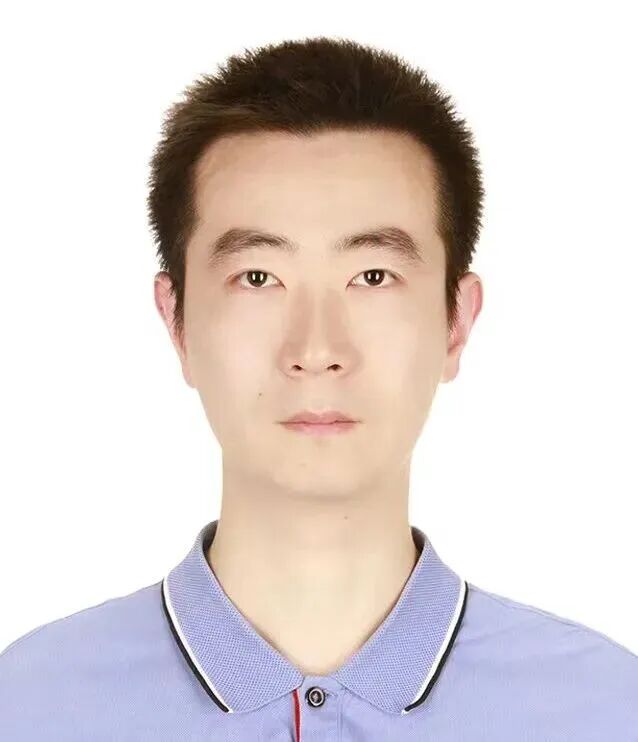
Li Minghao
Li Minghao is a postdoctoral researcher in the Department of Electrical Engineering and a Tsinghua University Shuimu Scholar. His main research directions are flexible photovoltaic technology and perovskite solar cells. He developed multifunctional new interface-modification materials and achieved a world-record power conversion efficiency for single-junction flexible perovskite cells. As first author, he has published six papers in high-level international journals including Advanced Materials and The Innovation, and his work was selected as one of the annual highlights most followed by faculty and students at Tsinghua University. He received the 2025 Tsinghua-Envision Carbon Element Rising Star Award.
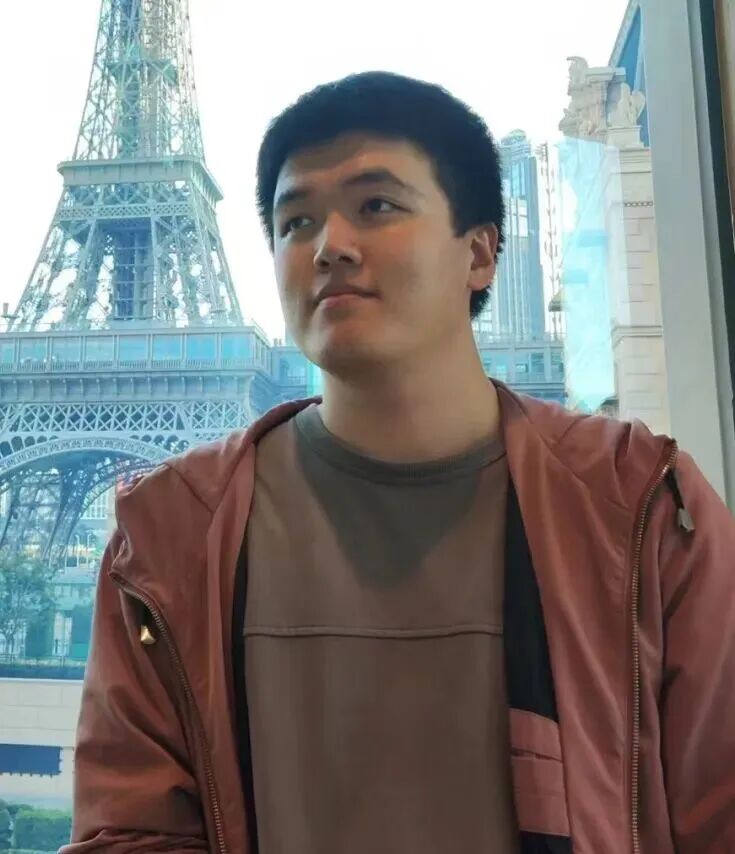
Du Yunfei
Du Yunfei is a 2023-entry PhD student in Electrical Engineering at Tsinghua Shenzhen International Graduate School. His research focuses on renewable energy, low-carbon energy system optimization, and economic assessment. He has published 27 SCI and EI papers, including 15 first-author papers in Nature Communications, IEEE Transactions journals including TSG, TSTE, and TII, and Advances in Applied Energy. He has received honors including the 12-9 Scholarship, Tsinghua University Future Scholar, National Scholarship, Outstanding Graduate Student Party Member, and Social Work Excellence Scholarship. He received the 2025 Tsinghua-Envision Carbon Element Rising Star Award.
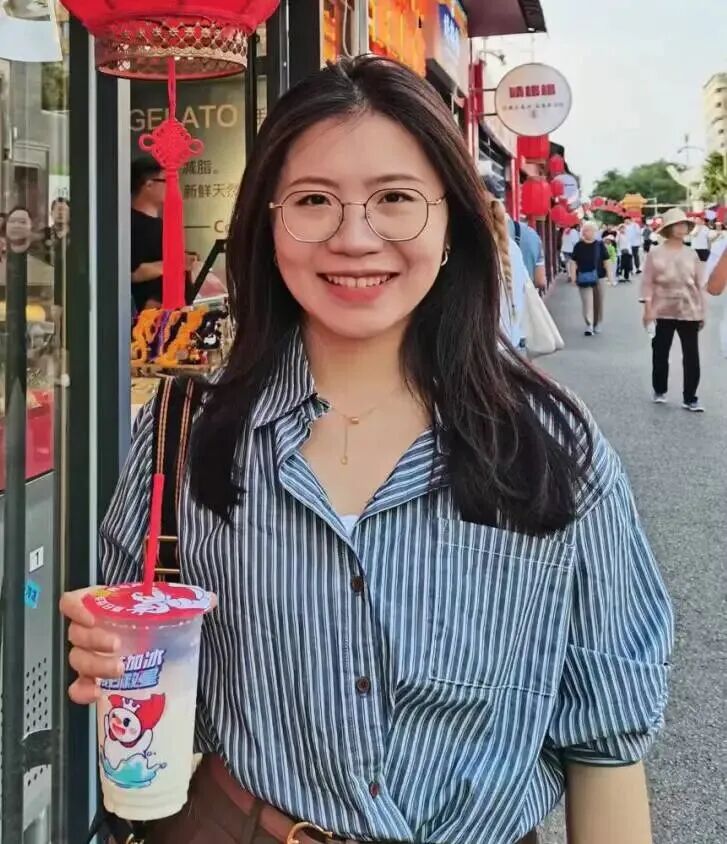
Li Xinxin
Li Xinxin is a postdoctoral researcher in the Department of Chemical Engineering and a Tsinghua University Shuimu Scholar. Her main research direction is distributed green manufacturing of chemicals. Centered on hydrogen peroxide, she works on materials design, high-value conversion, and device integration, with the goal of enabling flexible chemical production driven by renewable energy. Related results have been published in more than 10 papers as first author or corresponding author in journals including Angewandte Chemie, and she leads projects supported by the National Natural Science Foundation of China Young Scientists Fund and the China Postdoctoral Science Foundation. She received the 2025 Tsinghua-Envision Carbon Element Rising Star Award.
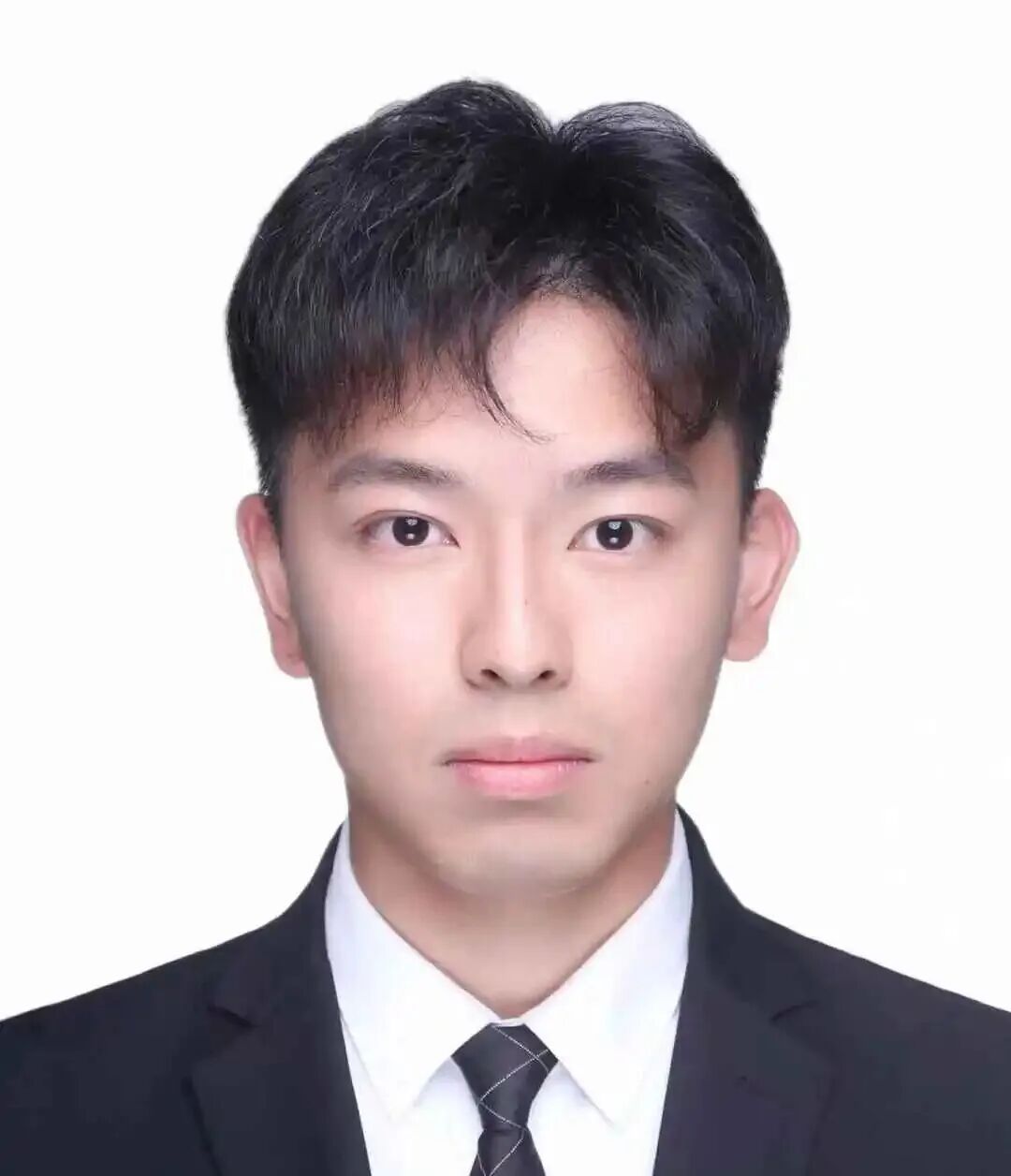
Lu Yang
Lu Yang is a 2021-entry direct-entry PhD student in the Department of Chemical Engineering. His research focuses on the design of key electrochemical energy materials for extreme operating conditions, especially new electrolyte molecule design for specialty lithium batteries in interdisciplinary contexts. During his doctoral studies, he has received honors including the National Scholarship for PhD students and nomination as a Tsinghua University Academic Rising Star. He has published 10 papers as first author or co-first author in high-level journals including Nature Energy, Nature Communications, and Energy & Environmental Science, and has filed three related invention patents. He received the 2025 Tsinghua-Envision Carbon Element Rising Star Award.
Carbon Element Long-Range Impact Award
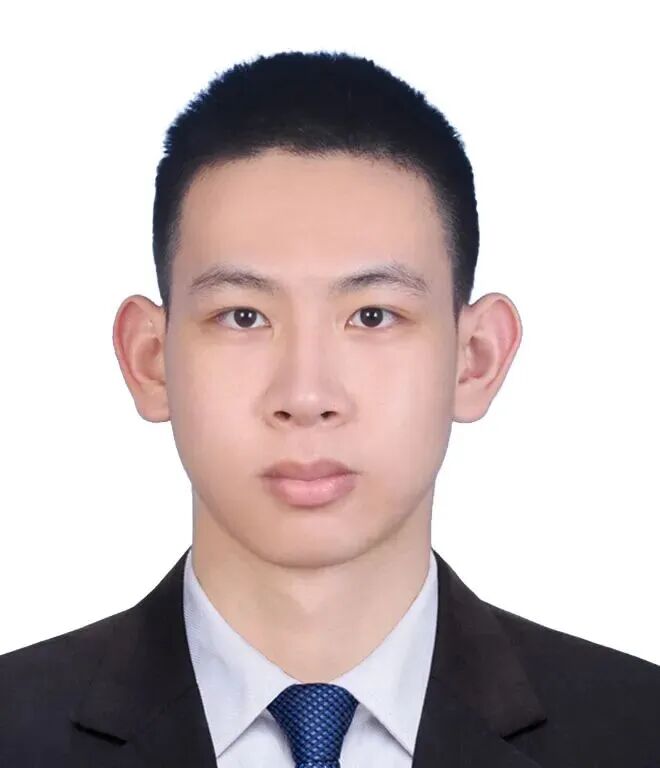
Deng Xintao
Deng Xintao is a 2020-entry PhD student in the School of Vehicle and Mobility. His research focuses on zero-carbon energy systems and hydrogen energy, including water-electrolysis hydrogen production systems and core components, computational and AI-based design and preparation of alkaline water-electrolysis membranes, alkaline water-electrolysis system modeling, and multiphysics coupled simulation of water electrolysis. He has published seven SCI papers and filed three invention patents. He founded Beijing Yuantai Energy Materials Technology Co., Ltd., dedicated to research, development, and manufacturing of new energy materials, and secured tens of millions of yuan in seed-round financing. He received the 2025 Tsinghua-Envision Carbon Element Long-Range Impact Award.
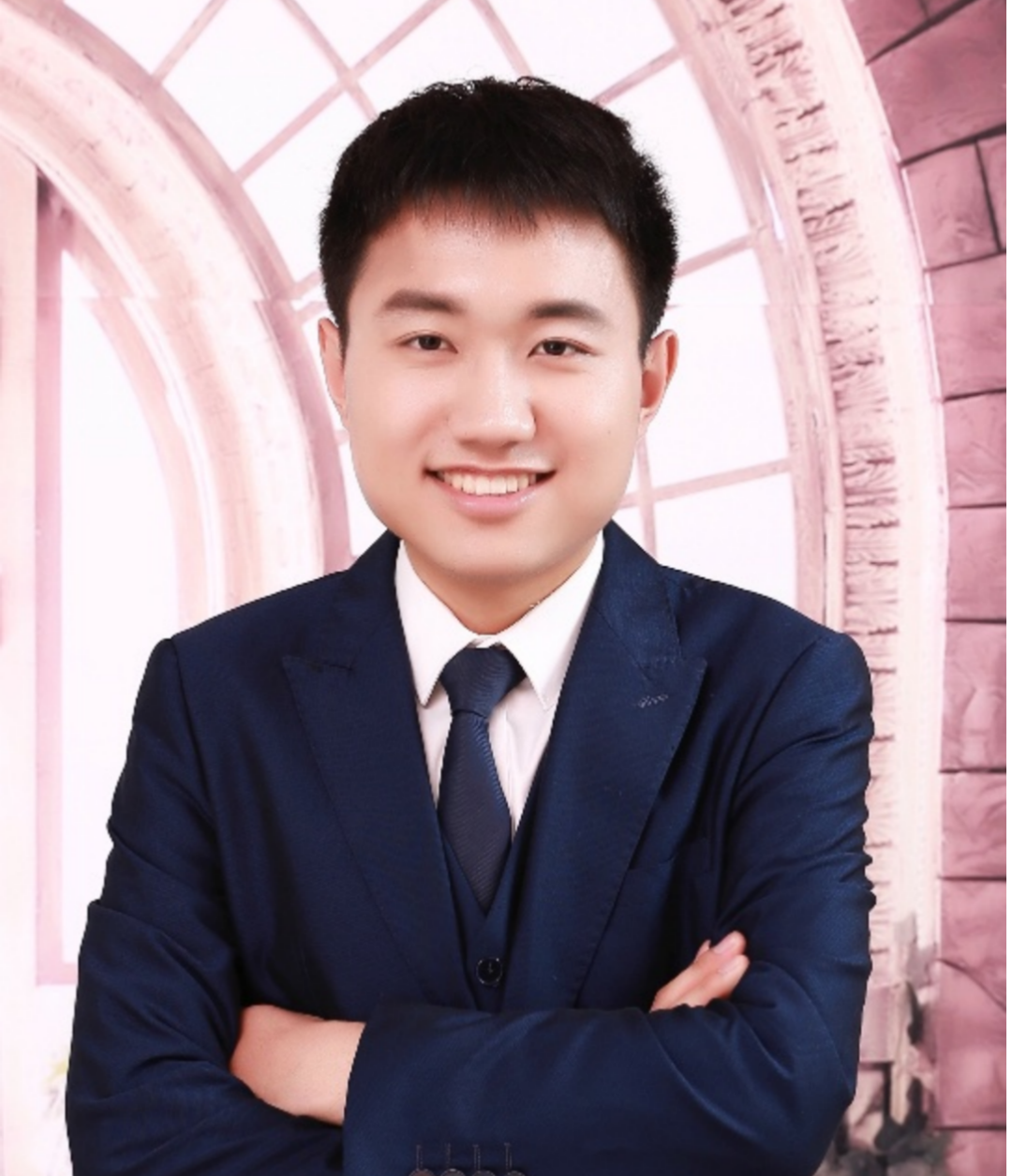
Gao Yuchen
Gao Yuchen is a fourth-year direct-entry PhD student in the Department of Chemical Engineering, advised by Professor Zhang Qiang. His research focuses on intelligent design and development of battery electrolytes. He proposed a data- and knowledge-driven method for intelligent electrolyte design and built the worlds first Ah-level cell electrolyte intelligent R&D platform. As first author, he has published papers in J. Am. Chem. Soc., Angew. Chem. Int. Ed., and Chem. Soc. Rev. He has received honors including the National Scholarship and the Grand Prize of the Tsinghua Big Data Research Center RONG Scholarship. He received the 2025 Tsinghua-Envision Carbon Element Long-Range Impact Award.
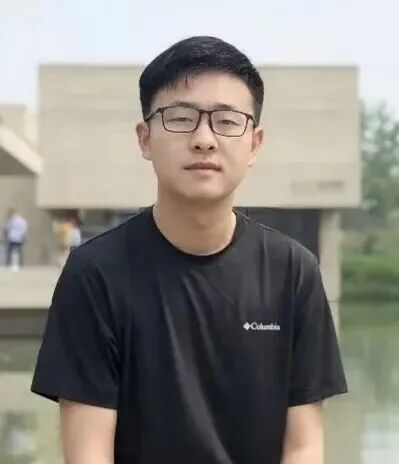
Chen Huan
Chen Huan completed undergraduate and doctoral studies in the Department of Electrical Engineering and is currently a postdoctoral researcher in the department. His research focuses on high-performance DC conversion power-module technologies and major equipment for flexible aggregation of source, grid, load, and storage. He proposed high-efficiency, high-dynamic, and high-reliability control technologies for DC conversion power modules and realized their scaled application. He received the 2025 Tsinghua-Envision Carbon Element Long-Range Impact Award.
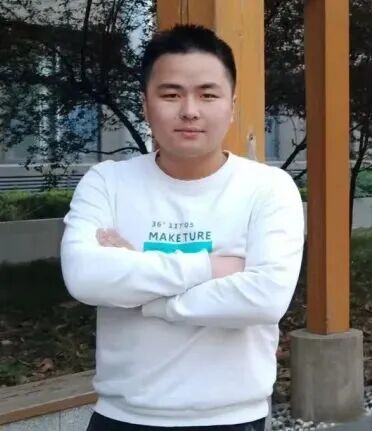
Cha Fuhai
Cha Fuhai is a 2021-entry direct-entry PhD student in the School of Architecture. His research focuses on tri-medium heat exchangers and water-fluorine interconnected systems, aiming to upgrade heat-pump air conditioning, new energy thermal management, data-center cooling, and other scenarios toward low-carbon operation. During his doctoral studies, he has published nine first-author papers, including one ESI highly cited paper, filed more than 30 patents, been granted eight invention patents, participated in publishing one Elsevier academic monograph, and received honors including the National Scholarship. He received the 2025 Tsinghua-Envision Carbon Element Long-Range Impact Award.
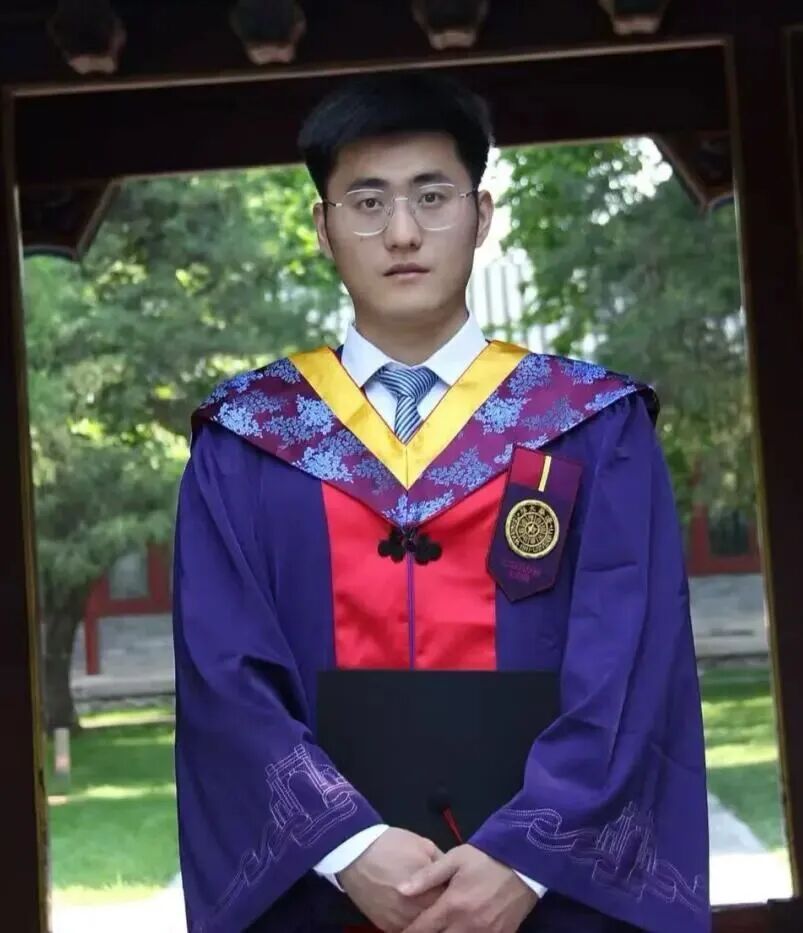
Zuo Anhao
Zuo Anhao received his PhD from the School of Vehicle and Mobility and is now a postdoctoral researcher and Tsinghua University Shuimu Scholar. His work focuses on fundamental research and industrialization of single-particle testing methods for battery materials. As first author, including papers co-first-authored with his advisor, he has published nine papers in high-level journals and been granted 13 invention patents. He has received honors including Tsinghua University Outstanding Student Leader Model and 12-9 Counselor. He received the 2025 Tsinghua-Envision Carbon Element Long-Range Impact Award.
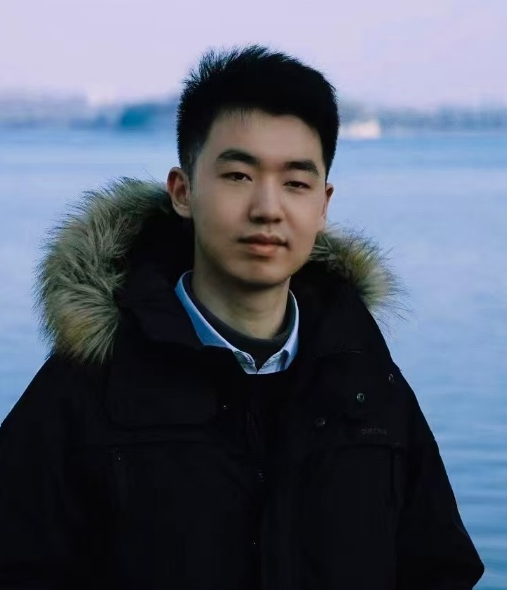
Lu Yangping
Lu Yangping is a 2023-entry PhD student in the Department of Energy and Power Engineering. His research focuses on the optimized design of high-efficiency, wide-operating-range, low-vibration centrifugal pumps. During his doctoral studies, he designed and developed high-efficiency, energy-saving heating-network circulating pumps for thermal power plants and a 46 MW large-capacity single-stage single-suction vertical centrifugal pump. His research achievements were selected for the 2025 first major technical equipment list of the National Energy Administration, and he has published multiple papers in leading international journals including Energy and Journal of Energy Storage, with more than 200 citations. He received the 2025 Tsinghua-Envision Carbon Element Long-Range Impact Award.
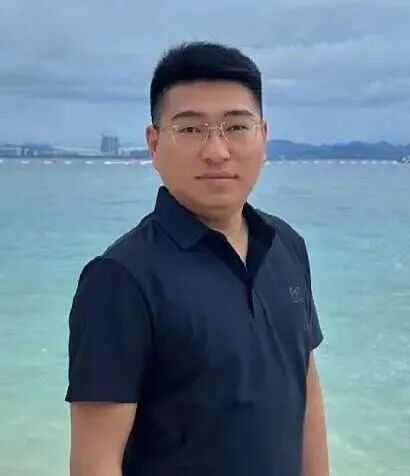
Guo Xiaochao
Guo Xiaochao is a postdoctoral researcher in the School of Architecture. His main research areas include enhanced heat transfer and high-efficiency heat-pump and refrigeration technologies, low-carbon solar PVT heat-pump heat-power-cooling supply technologies, and diversified zero-carbon heating, cooling, and power supply technologies for parks. He has published more than 40 SCI and core-journal papers, filed more than 30 patents, and led or participated in more than 10 national and enterprise research projects. He is committed to promoting the application of renewable energy in buildings and industry. He received the 2025 Tsinghua-Envision Carbon Element Long-Range Impact Award.
Registration
This event is open for registration to university faculty and students, young researchers, and professionals in related fields who are interested in frontier innovation in carbon neutrality.

Registration deadline: 24:00, April 18, 2026
After successful submission, please refer to follow-up notices. Because venue capacity is limited, seats will be arranged according to the registration status.
Contact email: icon-office@mail.tsinghua.edu.cn
About Envision
Envision Group is a world-leading green technology company. Guided by its mission to solve the challenges for the sustainable future of humankind, Envision is committed to becoming a net-zero technology partner for companies, governments, and institutions worldwide. Envision businesses include Envision Energy, which focuses on smart wind power, smart energy-storage systems, and green hydrogen solutions; Envision AESC, an intelligent battery technology company; Envision Digital, developer of a globally leading intelligent IoT operating system; Envision Ventures, which manages the Envision-Sequoia Carbon Neutrality Fund; and Envision Racing Formula E Team, a Formula E world champion team. Envision continues to promote wind power and energy storage as new coal, power batteries, green hydrogen-ammonia-methanol, and sustainable aviation fuel as new oil, and a new grid based on renewable energy, helping create a better net-zero world.