CEADs Releases the Global Emerging Economies CO2 Emissions Report 2021 with the Support of Tsinghua University Institute for Carbon Neutrality
☆ Report Release ☆
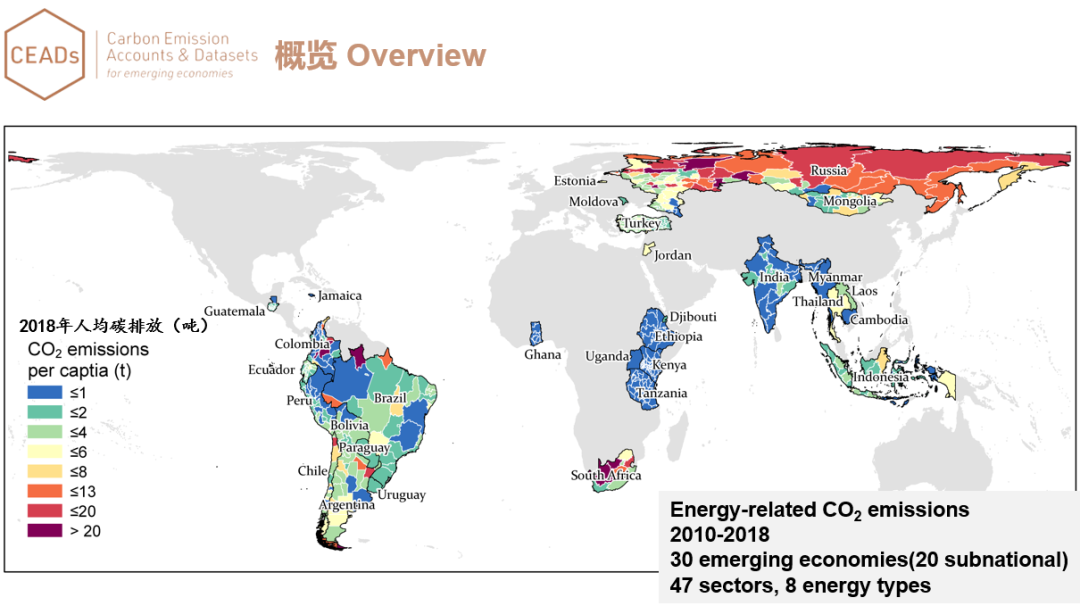
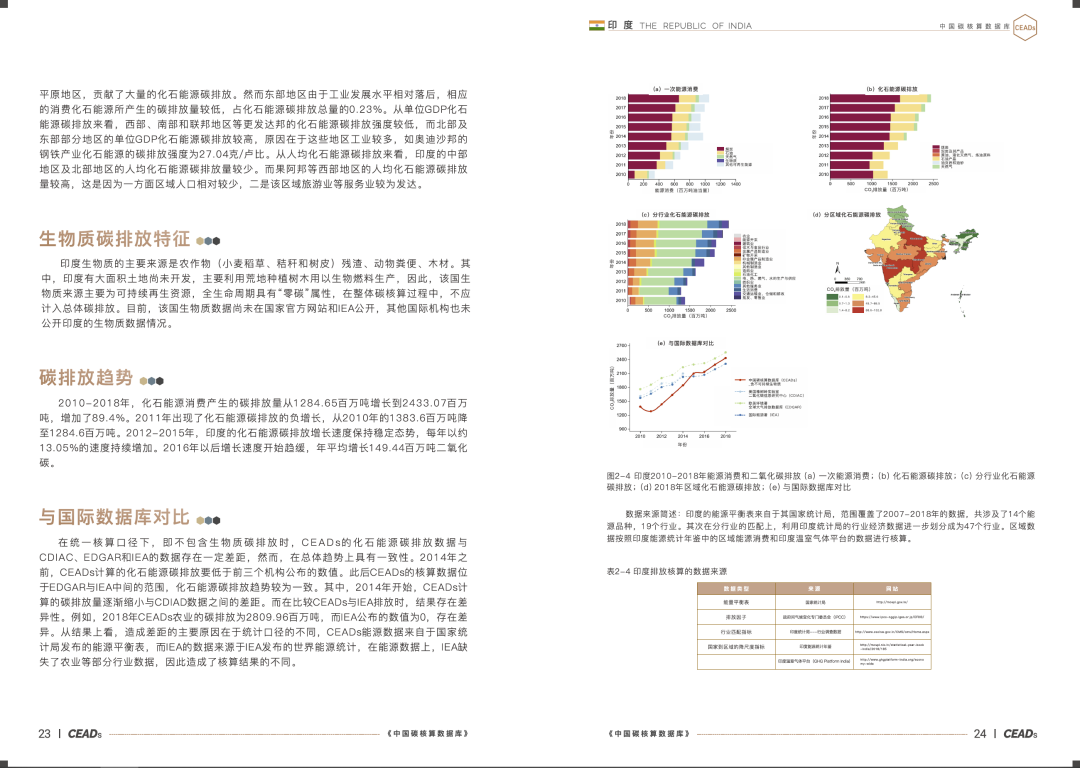
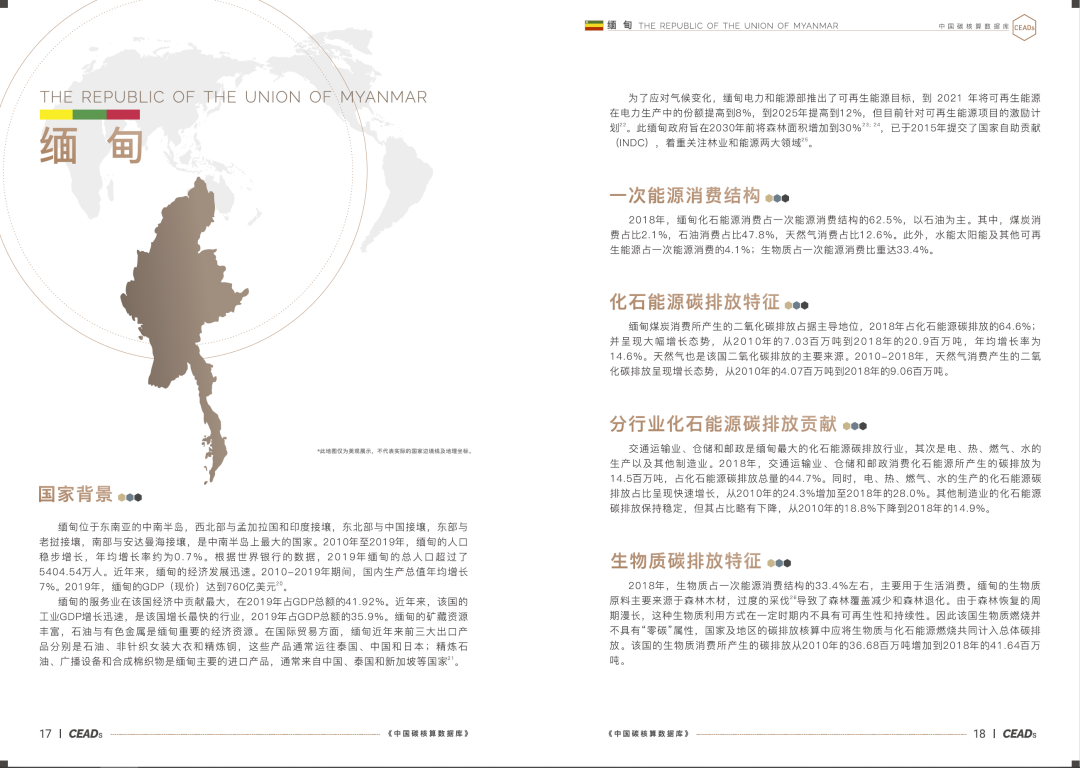
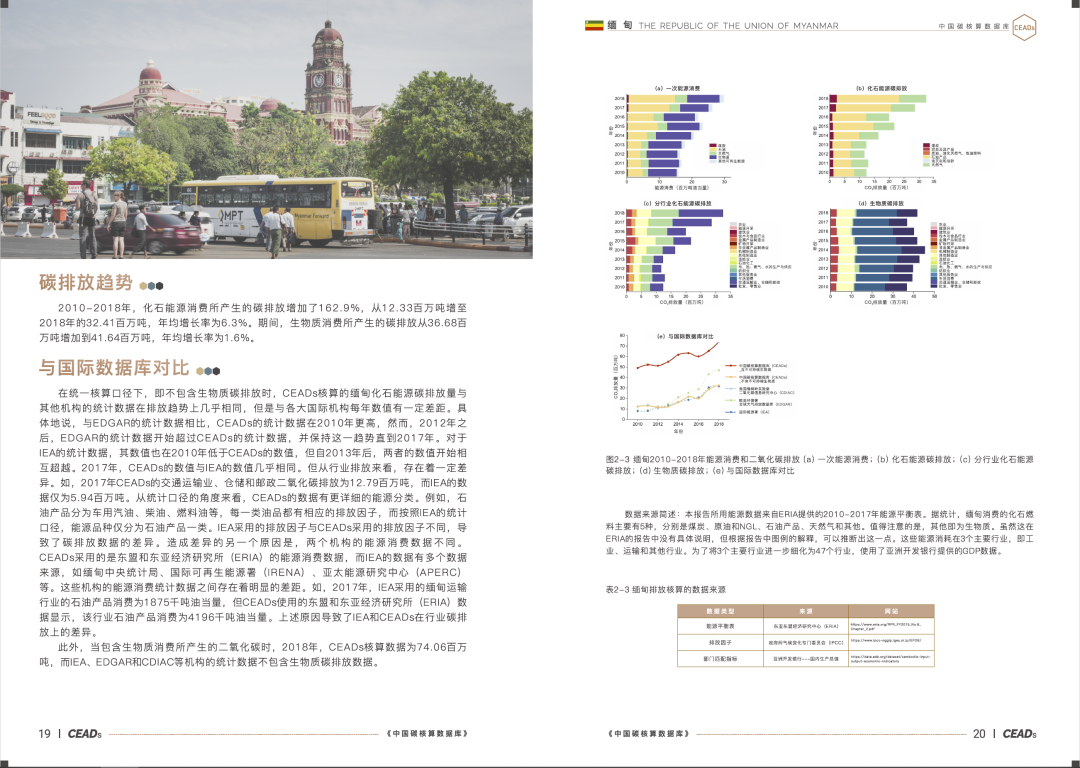
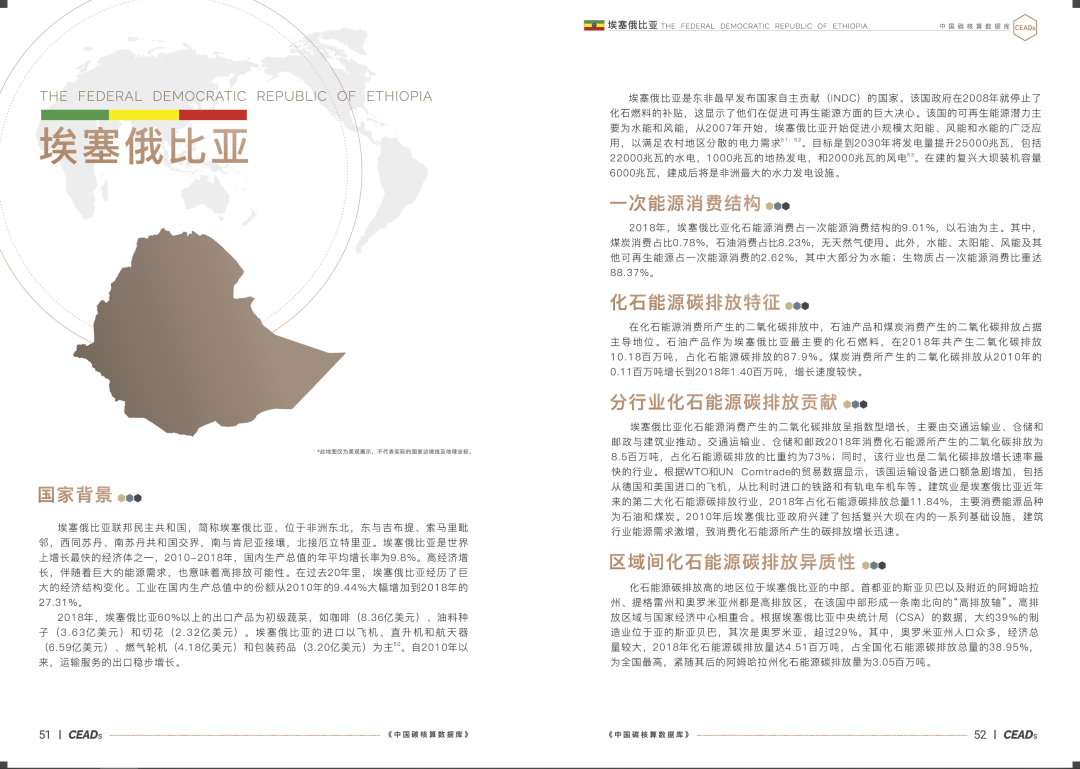
Recently, Carbon Emission Accounts and Datasets (CEADs), with the support of Tsinghua University Institute for Carbon Neutrality and the Administrative Center for China's Agenda 21 under the Ministry of Science and Technology, released the Emerging Economies CO2 Emissions Report 2021 at the 2021 Asia-Pacific Green and Low-Carbon Development Summit Forum. The report includes CO2 emissions inventories for 30 emerging economies, 47 sectors, and 8 types of energy. It also provides subnational CO2 emissions inventories for 20 emerging economies, covering provinces, states, federal subjects, and other administrative units.
In his important statement at the General Debate of the 76th Session of the United Nations General Assembly, President Xi Jinping reiterated that China will strive to peak carbon emissions before 2030 and achieve carbon neutrality before 2060. He also solemnly announced that China will strongly support green and low-carbon energy development in developing countries and will no longer build new coal-fired power projects overseas. Under the new pattern of global climate governance, CO2 emissions accounting has become a foundation for accurately understanding future emissions trends, carrying out effective emissions reduction work, promoting green economic and social transformation, and strengthening international cooperation on climate change.
Since 2010, economic development in emerging economies has driven rapid growth in energy consumption and CO2 emissions, making them the main drivers of future global CO2 emissions growth. However, emerging economies commonly face problems such as inconsistent accounting scopes, incomplete spatial scales, and non-uniform methodologies in CO2 emissions inventories. The lack of basic data has become a major obstacle to studying the carbon emissions characteristics of emerging economies and has also limited research and policy discussion on low-carbon development pathways in these countries. Therefore, establishing comprehensive, detailed, and unified CO2 emissions inventories for emerging economies is essential.
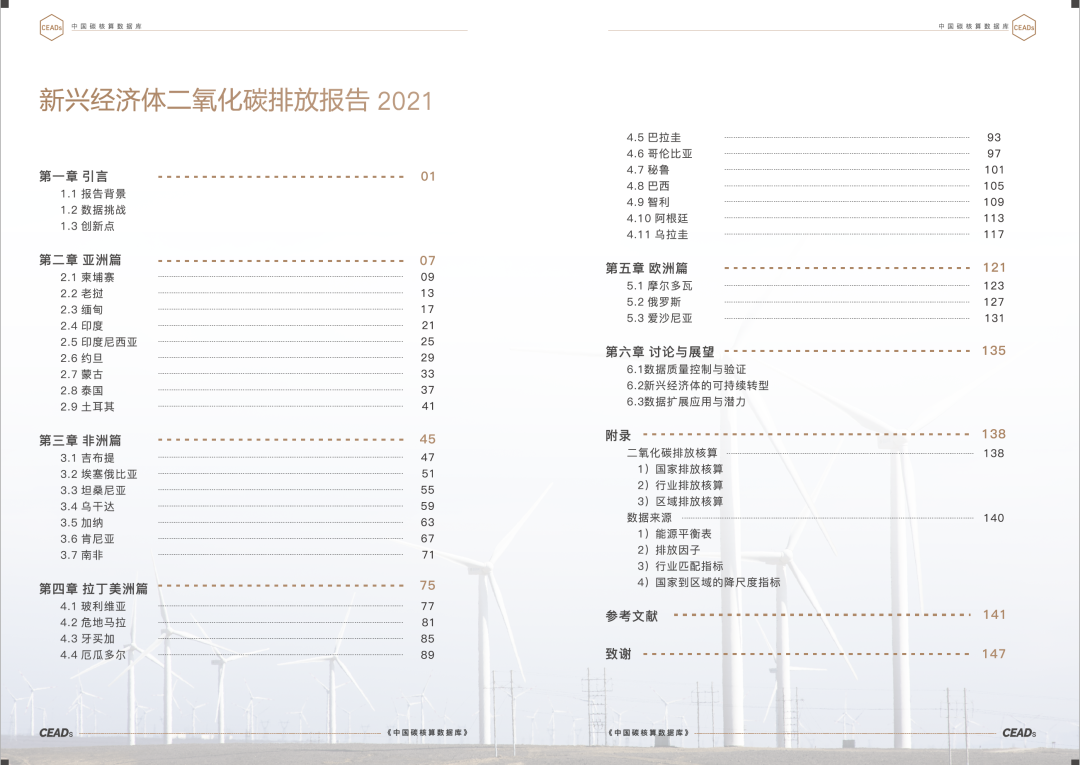
Contents
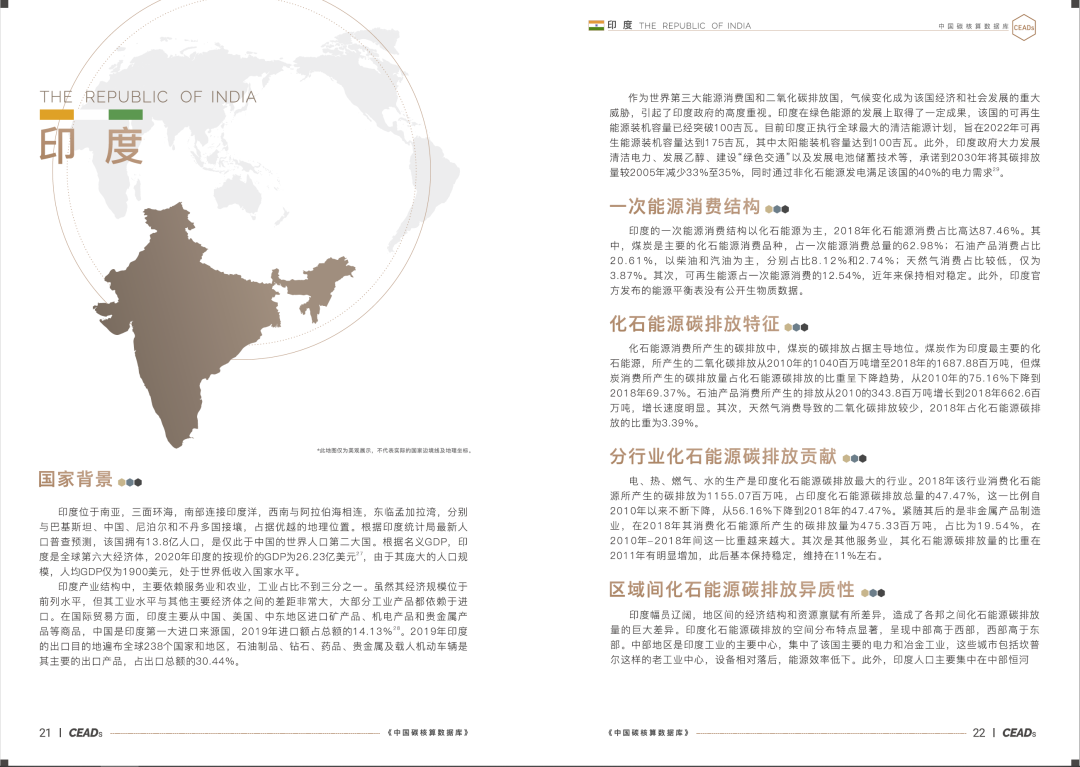
This report compiles CO2 emissions inventories for 30 emerging economies. Specifically, it introduces and analyzes CO2 emissions in emerging economies from the perspectives of national background, primary energy structure, carbon emissions characteristics of fossil energy, sectoral contributions to fossil-fuel carbon emissions, and the distribution of fossil-fuel carbon emissions across domestic regions. It also provides emissions data structured according to CDIAC, EDGAR, and IEA as references.
This study fills data gaps for 30 emerging economies and provides a more detailed and reliable CO2 emissions accounting system.
Selected Country Cases
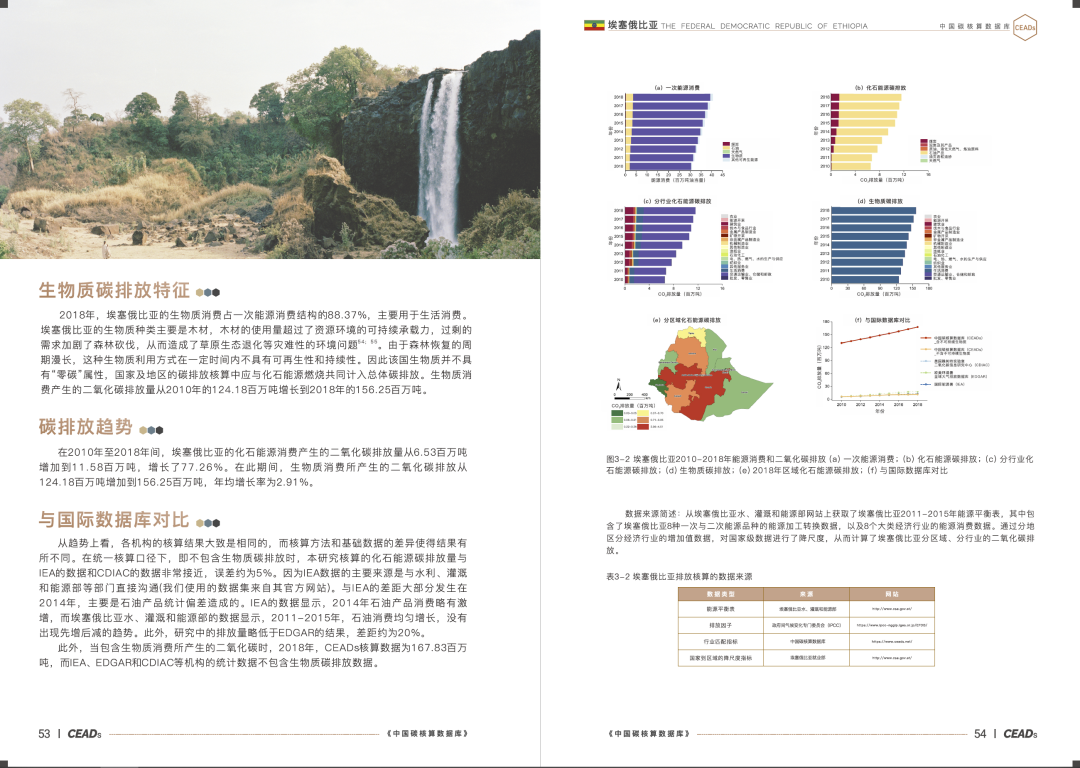
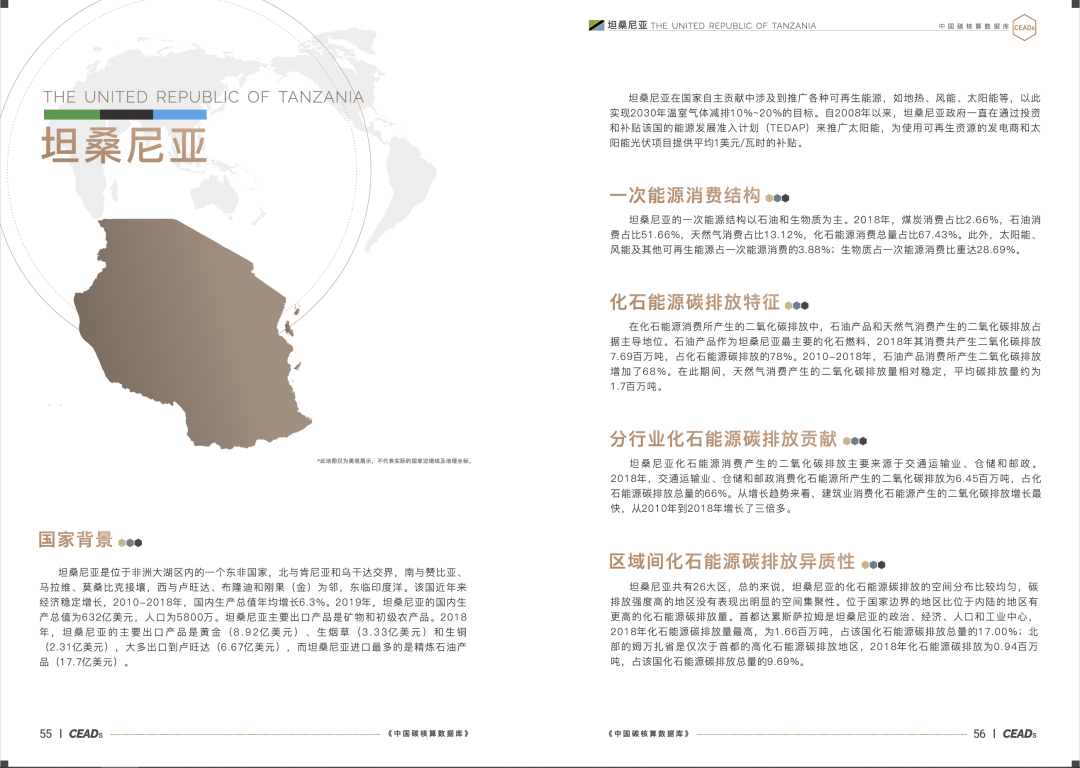
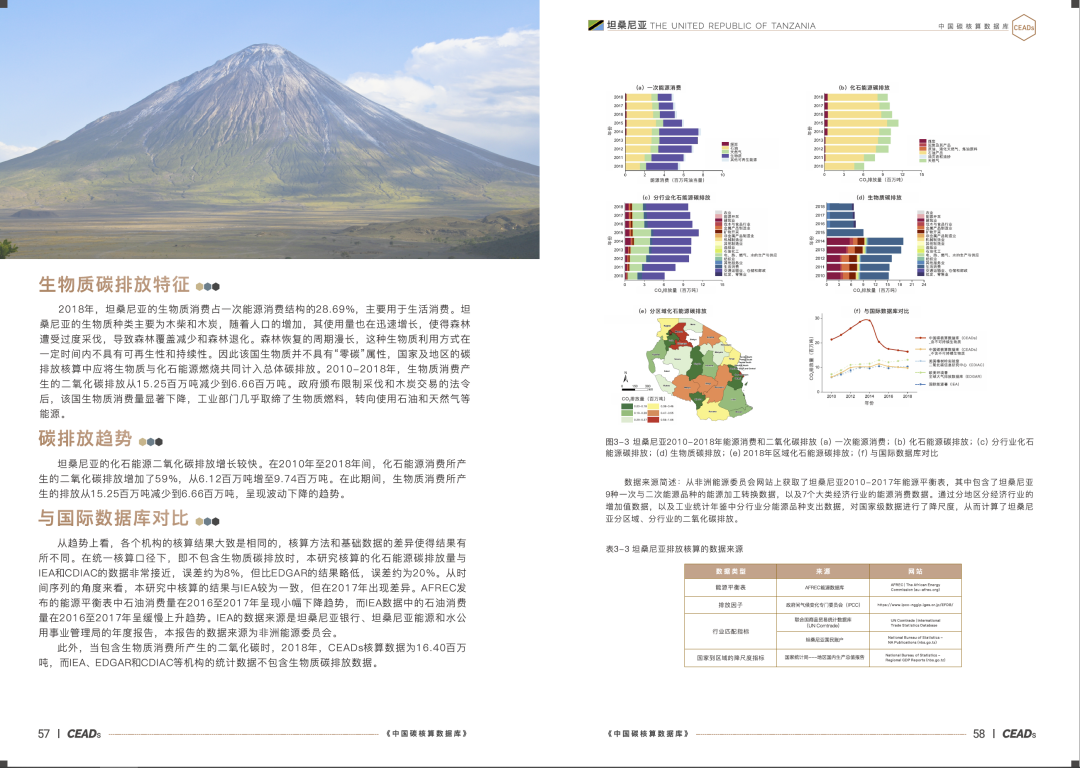
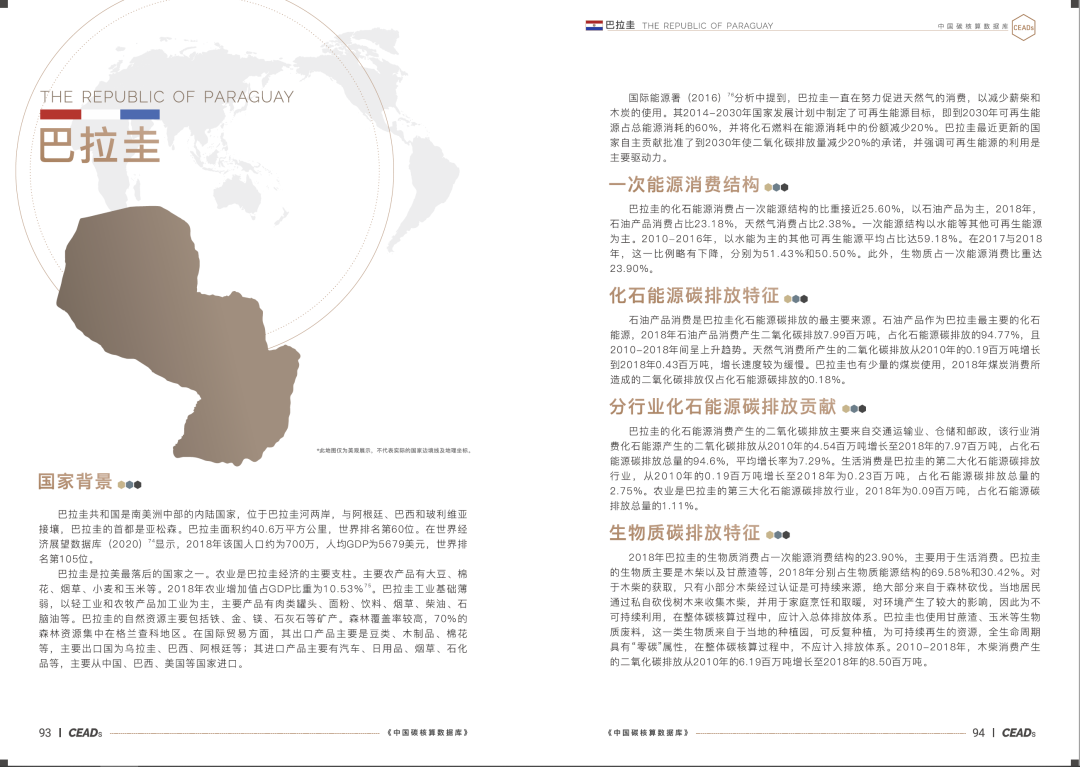
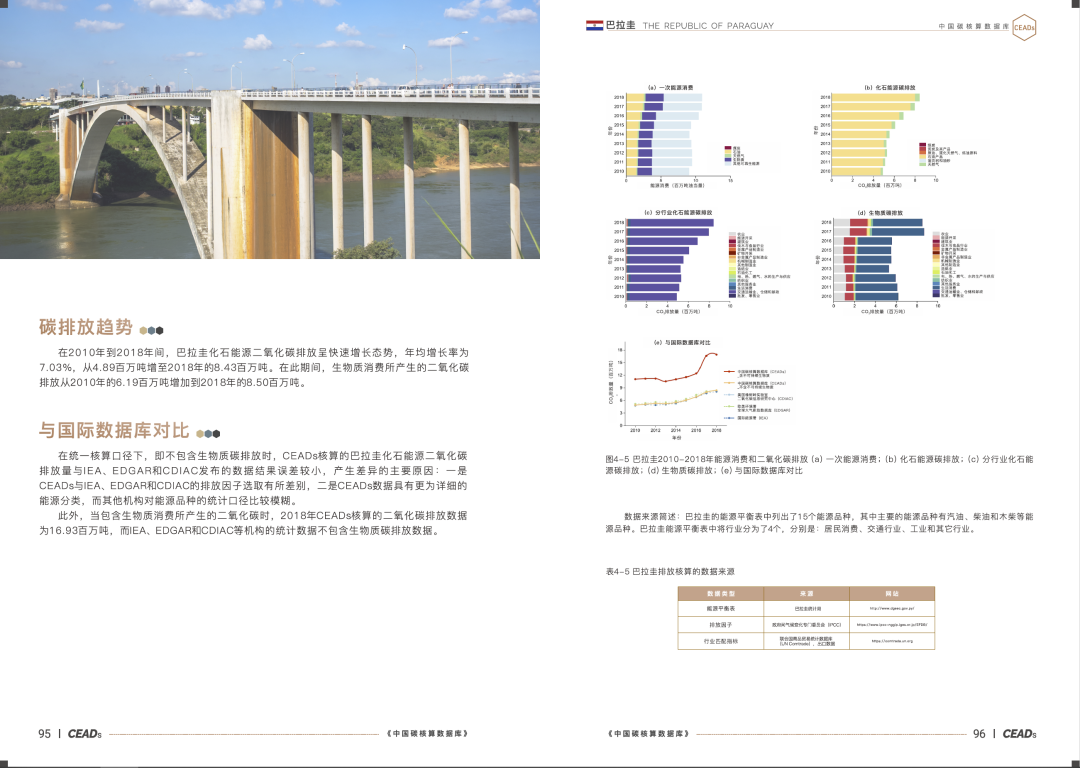
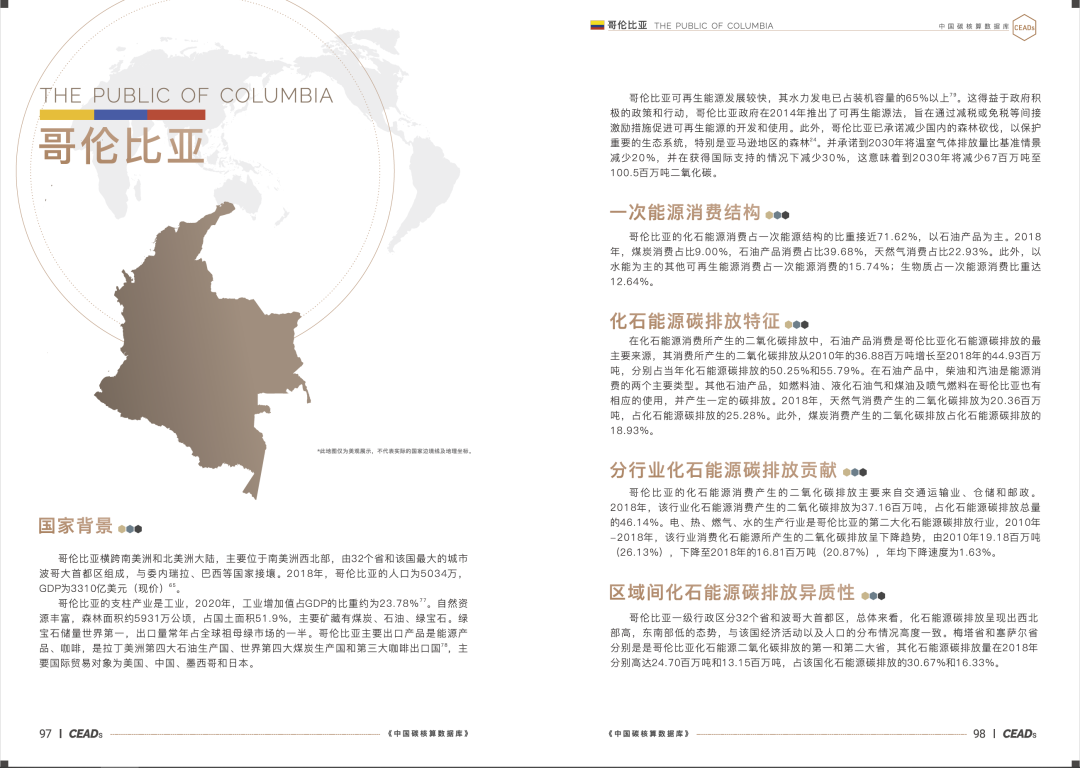
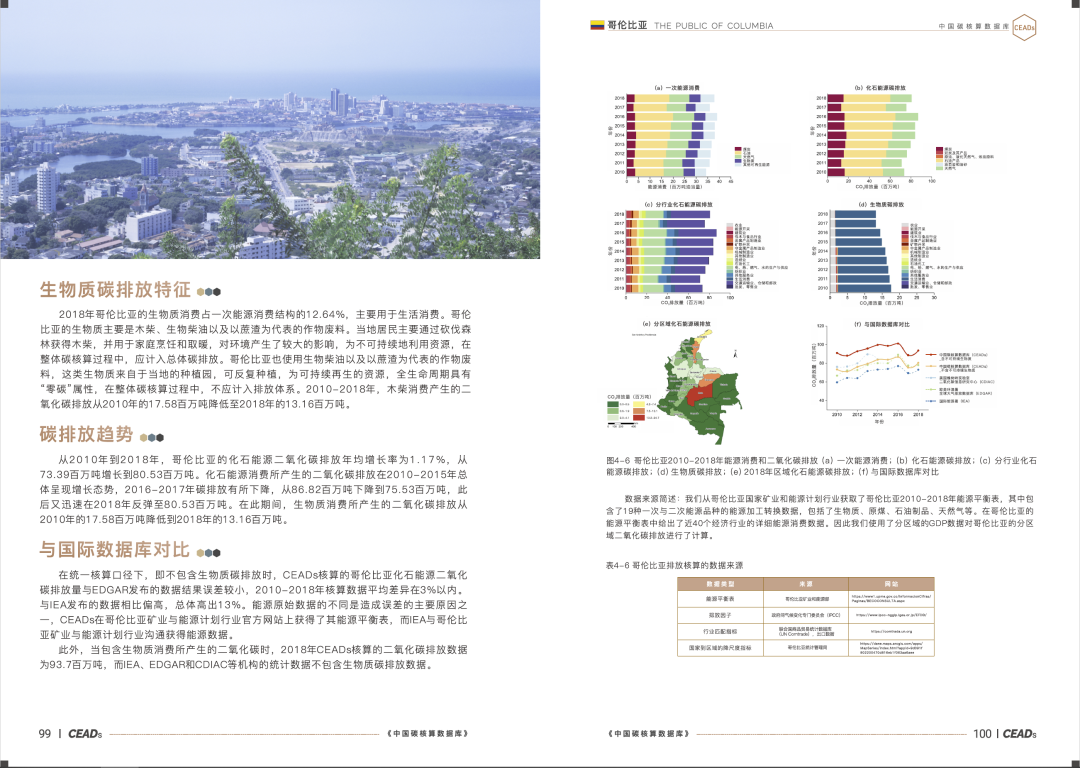
Interpretation
Professor Dabo Guan from the Department of Earth System Science at Tsinghua University, editor-in-chief of the report, noted that compared with developed countries, CO2 emissions accounting systems in emerging economies remain insufficient in both detail and continuity. It is therefore urgent to analyze CO2 emissions in emerging economies from different perspectives, including time series, regions, and sectors. Supplementing carbon emissions inventories for emerging economies and conducting related research are thus of great significance. In his remarks, he explained that the report will provide detailed and continuous data references for emerging economies to plan their own low-carbon development, and will support the achievement of global climate change mitigation goals, especially South-South cooperation in climate action, thereby strengthening the voice of emerging economies in global emissions reduction efforts. Professor Guan said that CEADs will further expand the number of emerging economies covered in future reports, update the time coverage of emissions inventories, and use the point-source emissions database currently under preparation for cross-validation to further improve data accuracy and robustness.

Acknowledgements
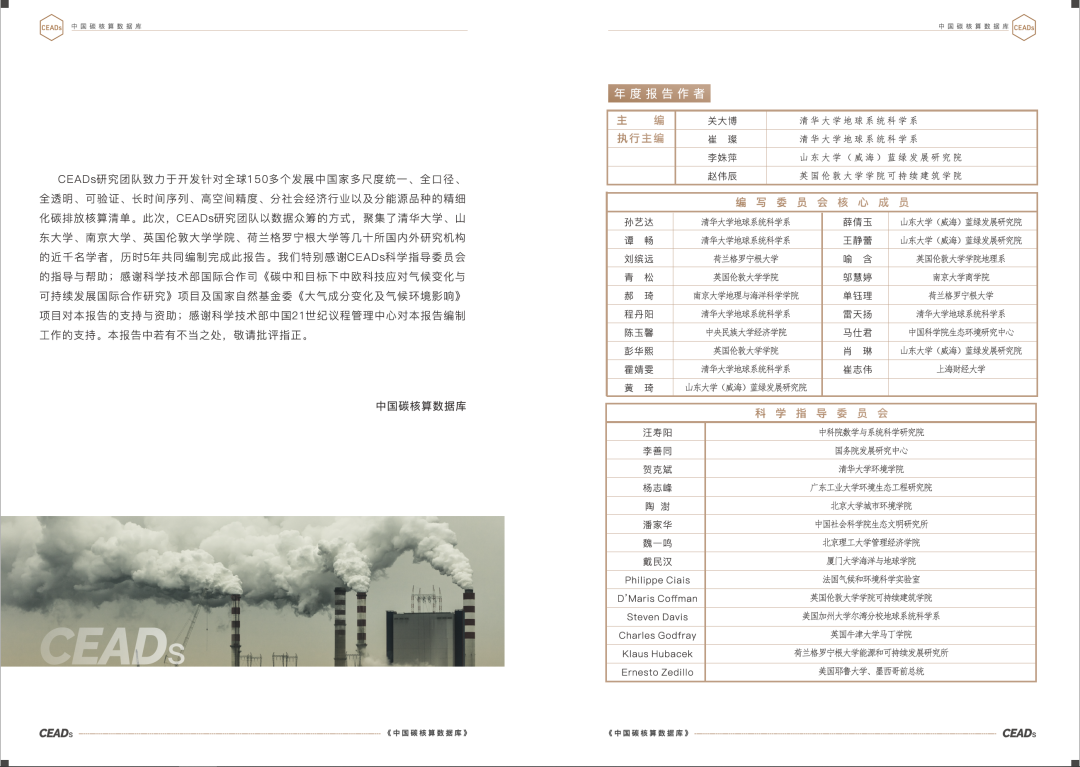
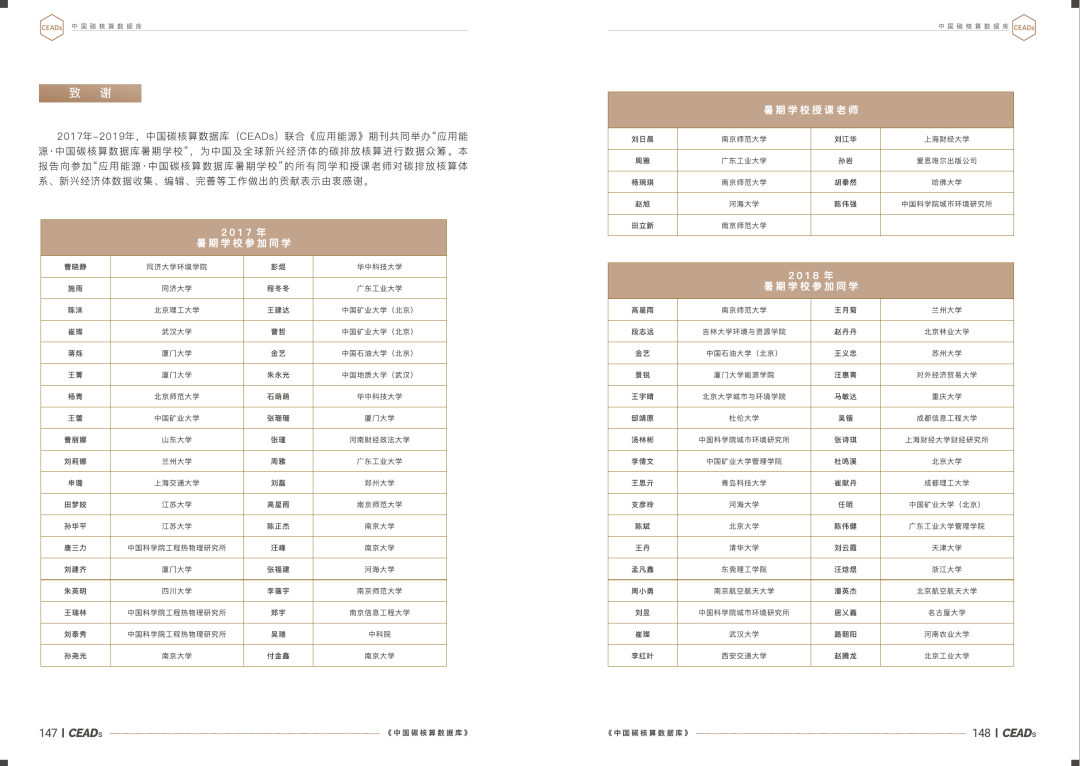
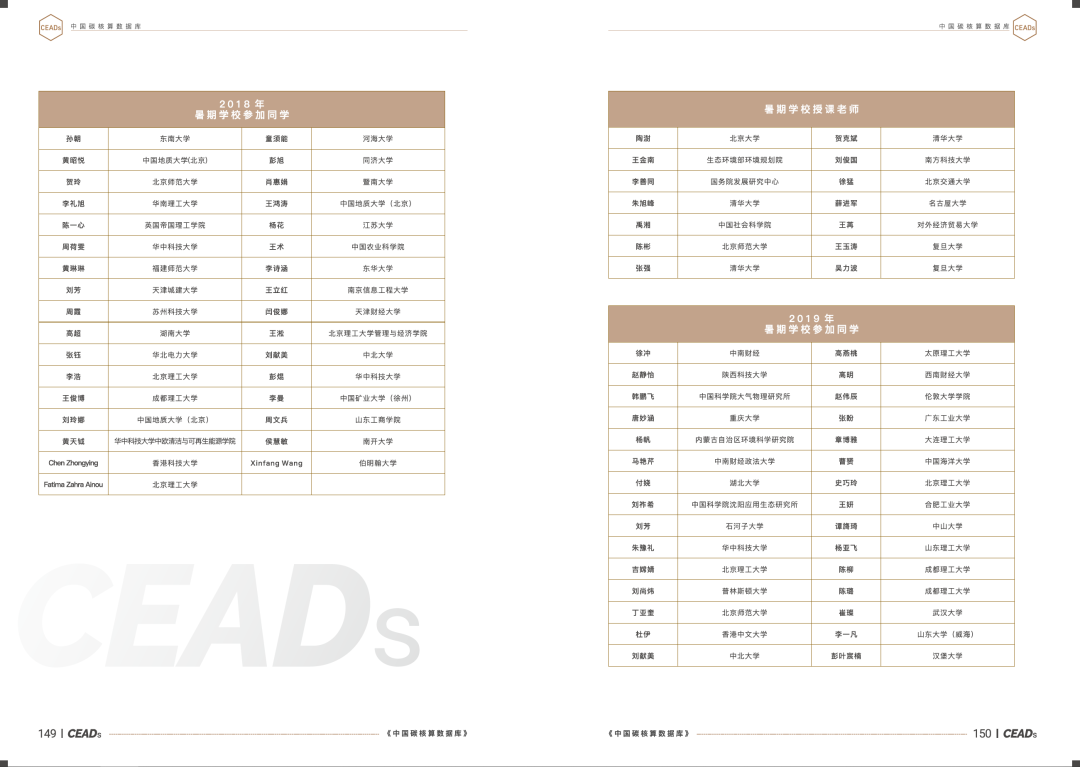
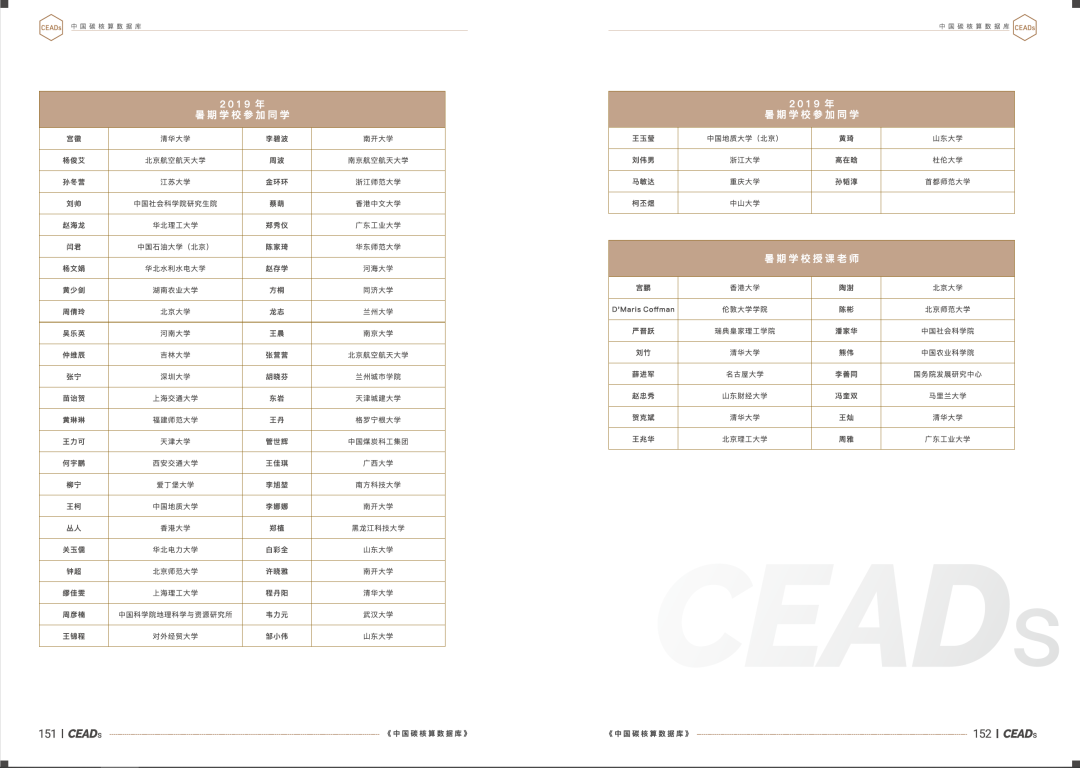
The CEADs research team is committed to developing refined carbon emissions accounting inventories for more than 150 developing countries worldwide, with unified multi-scale coverage, full accounting scope, full transparency, verifiability, long time series, high spatial resolution, socioeconomic sector breakdowns, and energy-type breakdowns. For this report, the CEADs research team adopted a data crowdsourcing approach, bringing together nearly one thousand scholars from dozens of domestic and international research institutions, including Tsinghua University, Shandong University, Nanjing University, University College London, and the University of Groningen. The report was completed over five years of joint work. CEADs actively cooperates with research institutions and scholars in emerging economies to jointly fill gaps in basic data, improve carbon accounting capacity in emerging economies, promote friendly cooperation and talent mobility, and welcomes researchers in this field to exchange ideas, improve the work, and contribute together.