
CEADs Team Releases the 2023 Emerging Economies CO2 Emissions Report
On December 9, 2023, the Institute for Carbon Neutrality, Tsinghua University, together with the Bartlett School of Sustainable Construction, University College London, and the Chinese Academy of Environmental Planning, convened the thematic seminar "Global Emerging Economies Carbon Neutrality Pathways and the Release of the 2023 Emerging Economies CO2 Emissions Report" at the COP28 conference held at Expo City Dubai. The CEADs team has long followed global CO2 emission trends and focused on countries and regions with significant emission potential. By compiling fundamental research data on CO2 emissions in emerging economies worldwide, the team aims to provide technical support for the world to better address climate change and seize the opportunities and challenges of the carbon-neutral transition, especially South-South cooperation.
Report Content
The 2023 Emerging Economies CO2 Emissions Report includes CO2 emissions inventories by sector and energy type for 60 emerging economies. In addition, the report provides CO2 emissions inventories by region (province, state, federal entity, and similar administrative units) for 43 emerging economies, highlighting regional heterogeneity in carbon emissions within each economy.
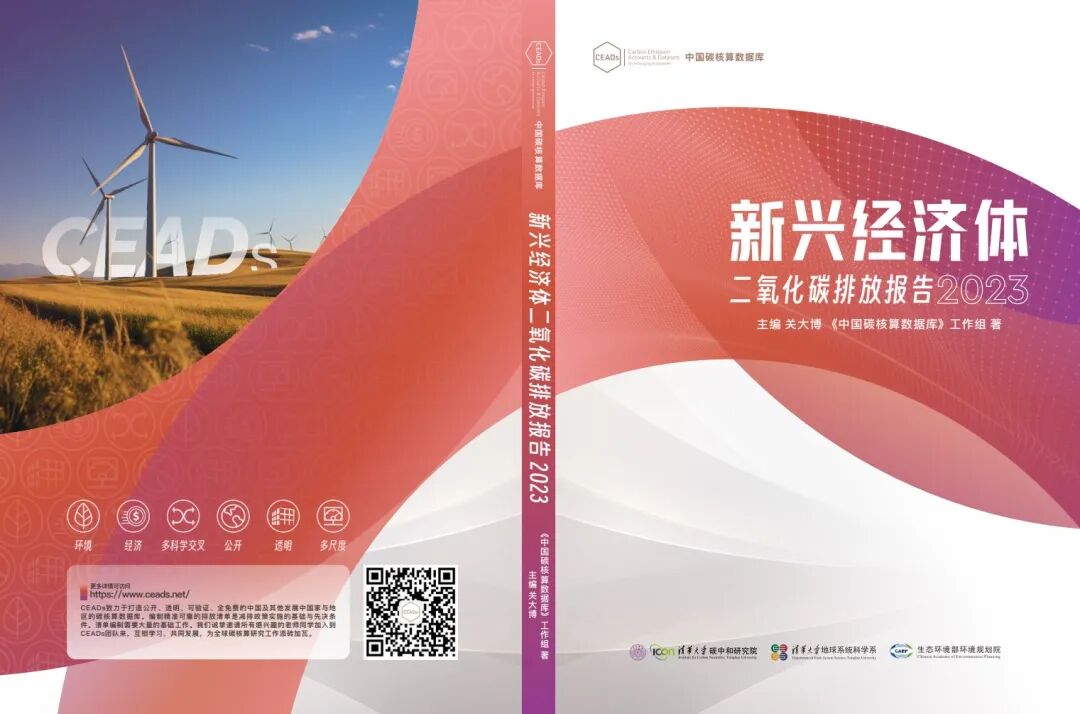
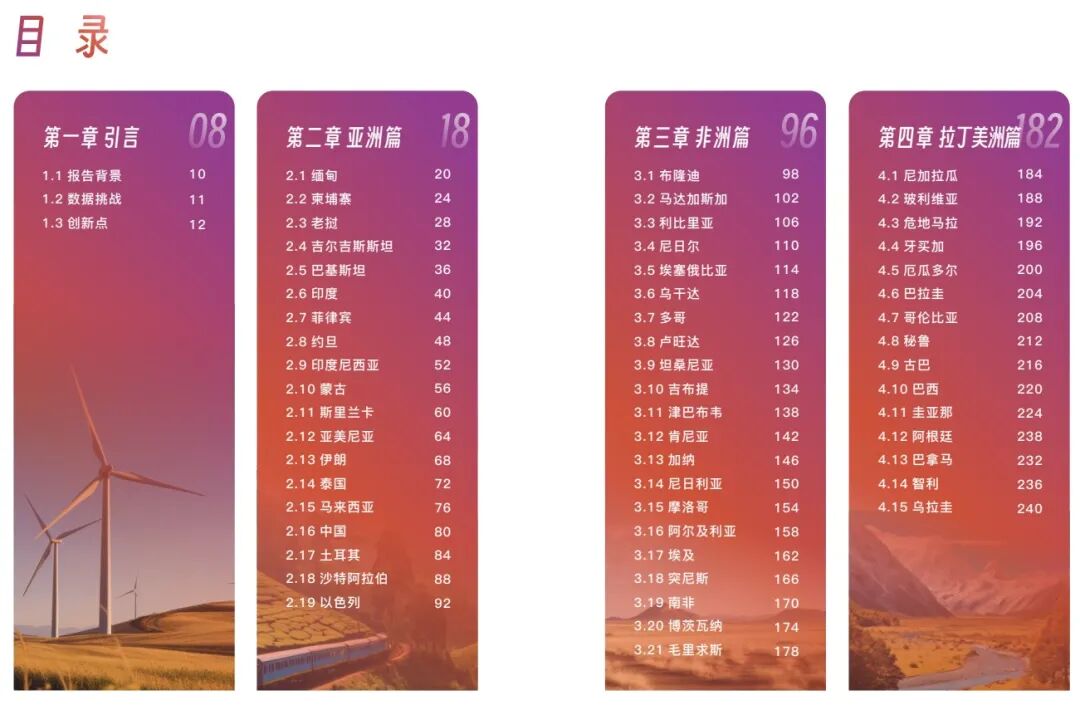
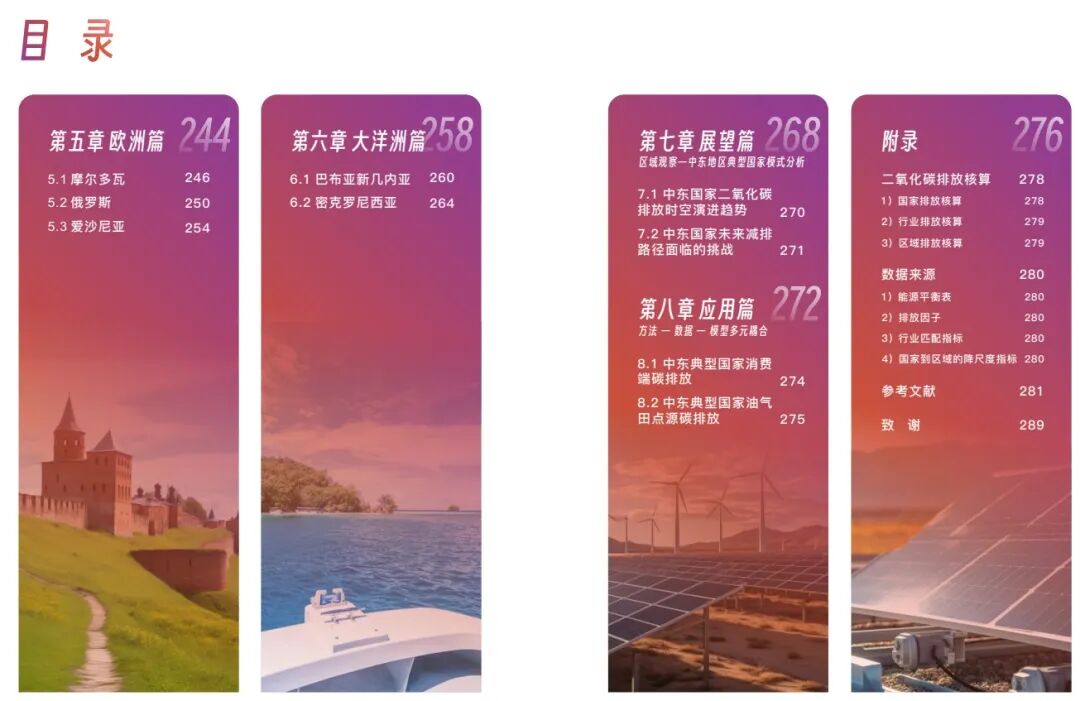
This report provides a detailed examination of carbon emission dynamics in emerging economies across Asia, Africa, Latin America, Oceania, and other regions. It presents primary energy consumption structure, fossil-fuel carbon emission characteristics, and sectoral contributions of fossil-fuel carbon emissions. The number of emerging economies covered has now expanded to 60, with the time series updated through 2020, revealing changes in energy consumption patterns over the past decade and their impact on global CO2 emissions.
Report Highlights
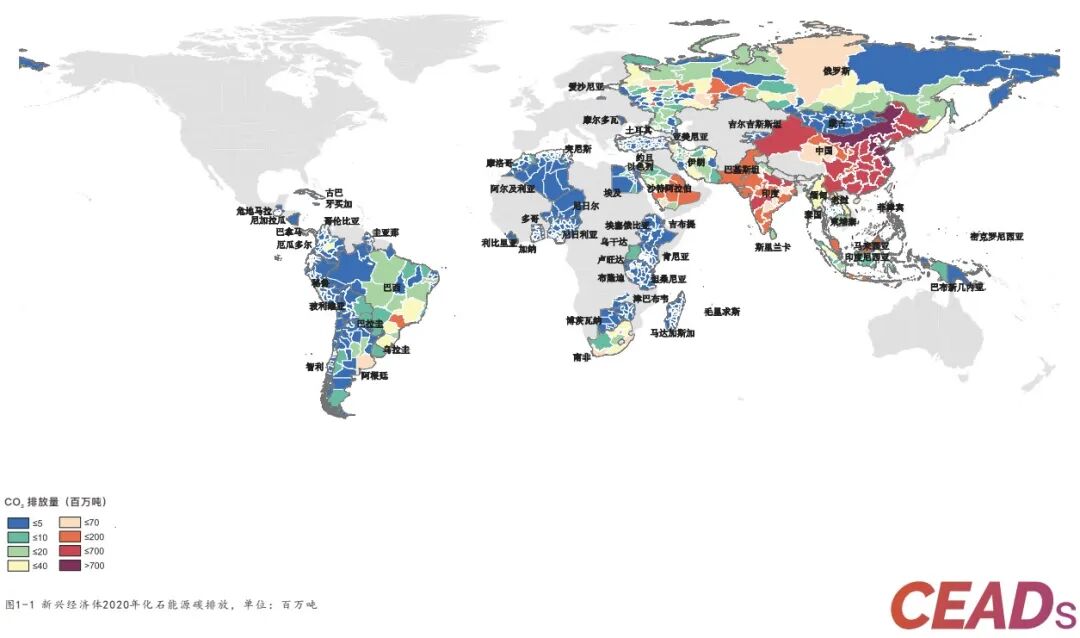
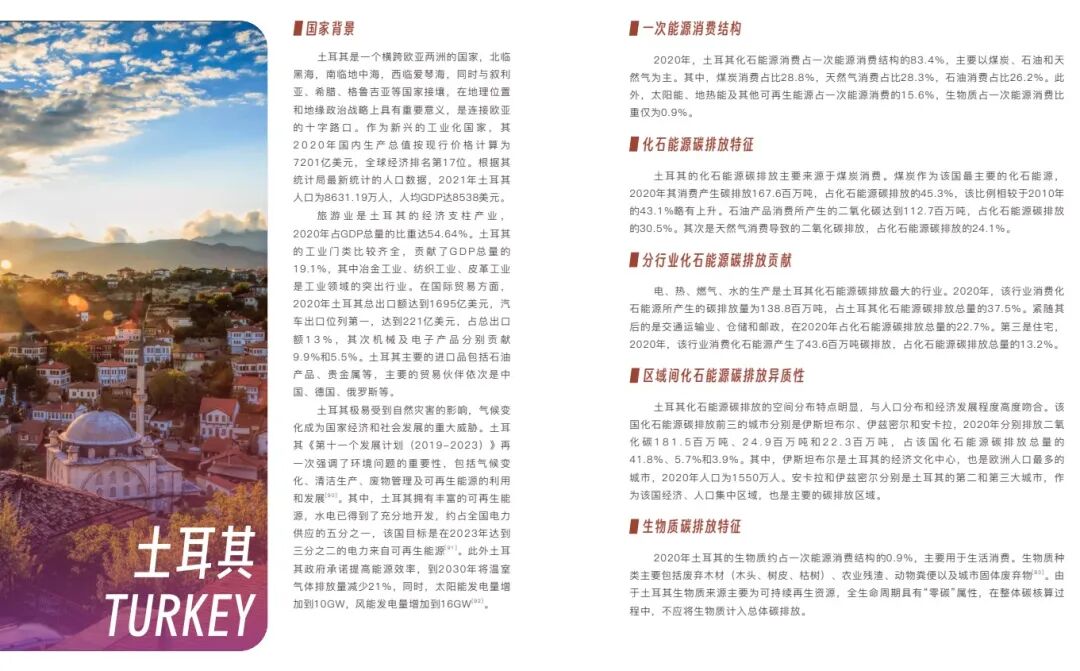
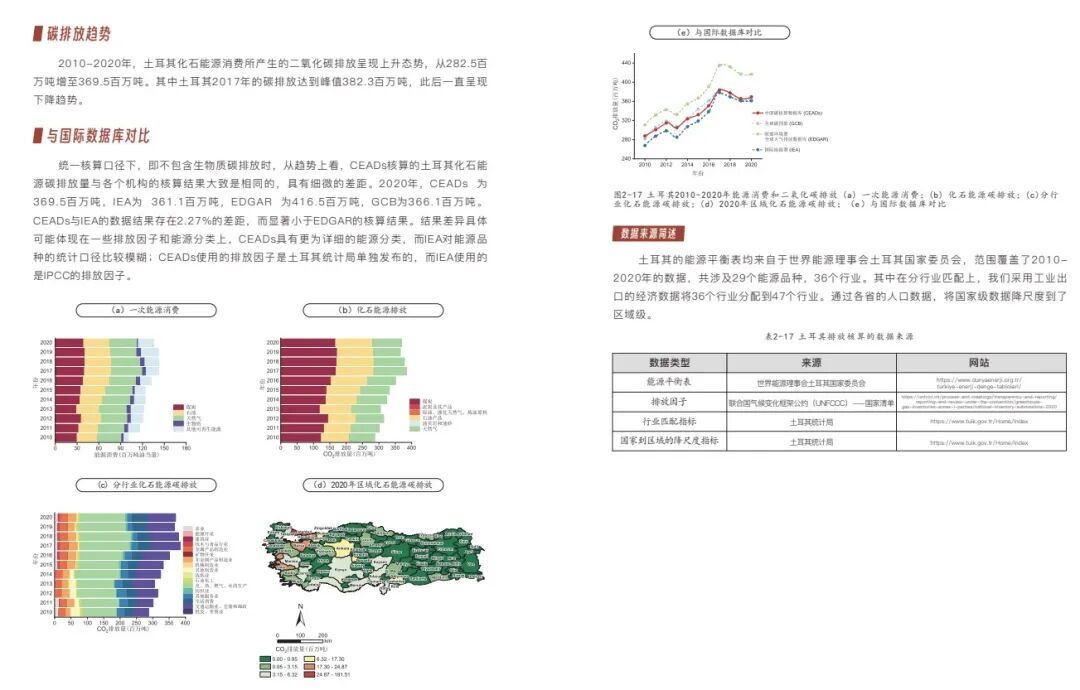
1. Typical Asian country - Turkey
2. Typical African country - Morocco
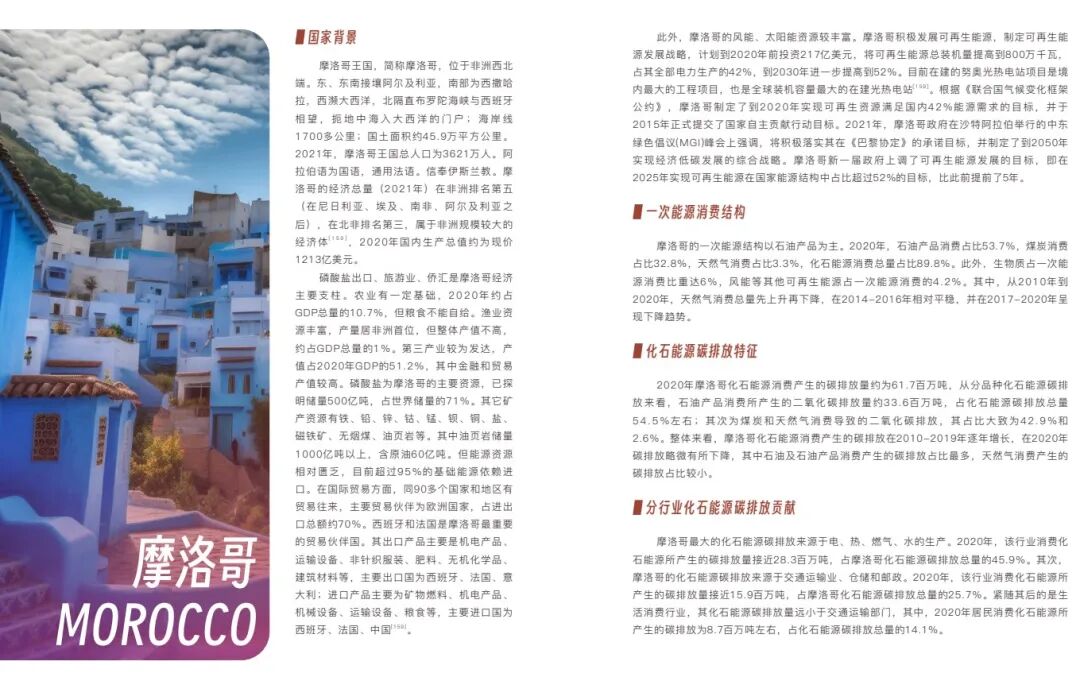
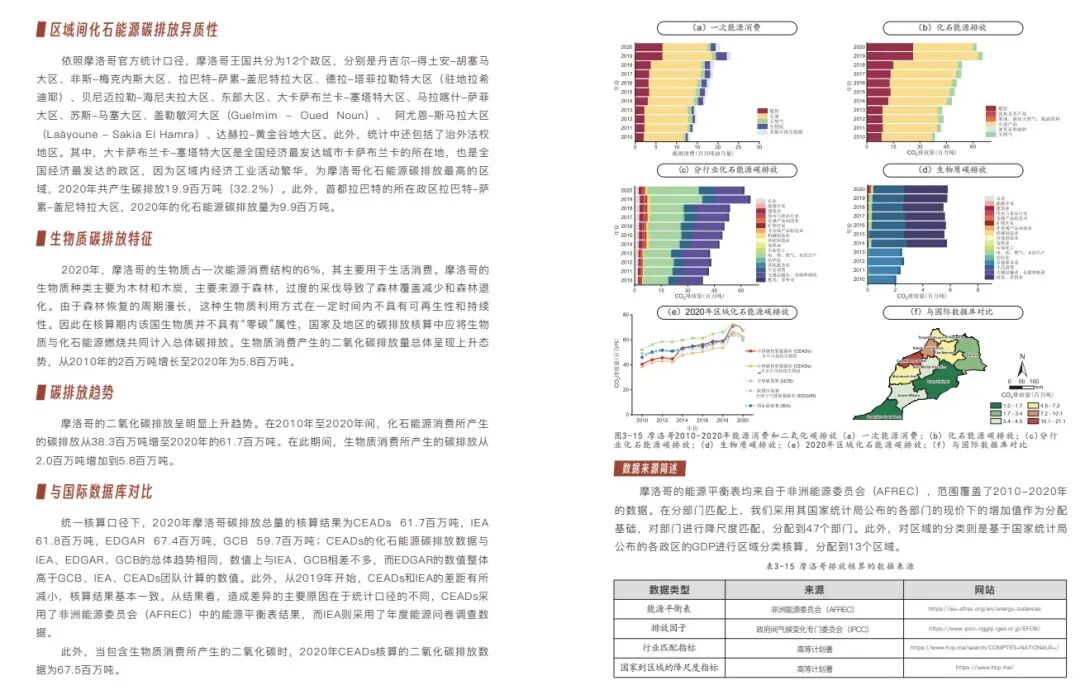
3. Typical Latin American country - Bolivia
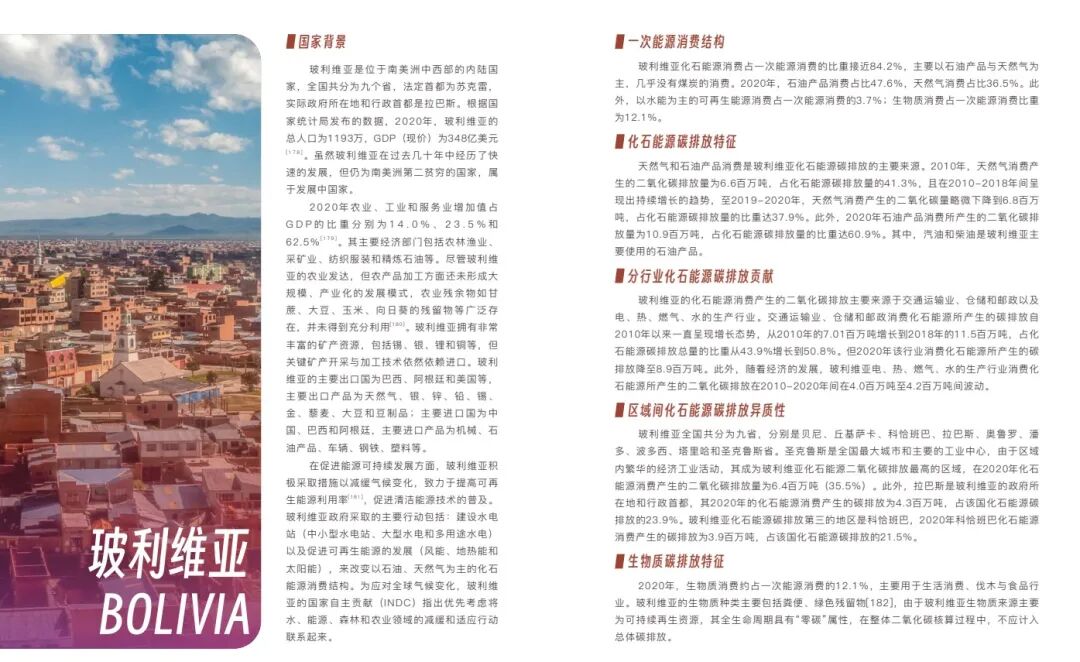
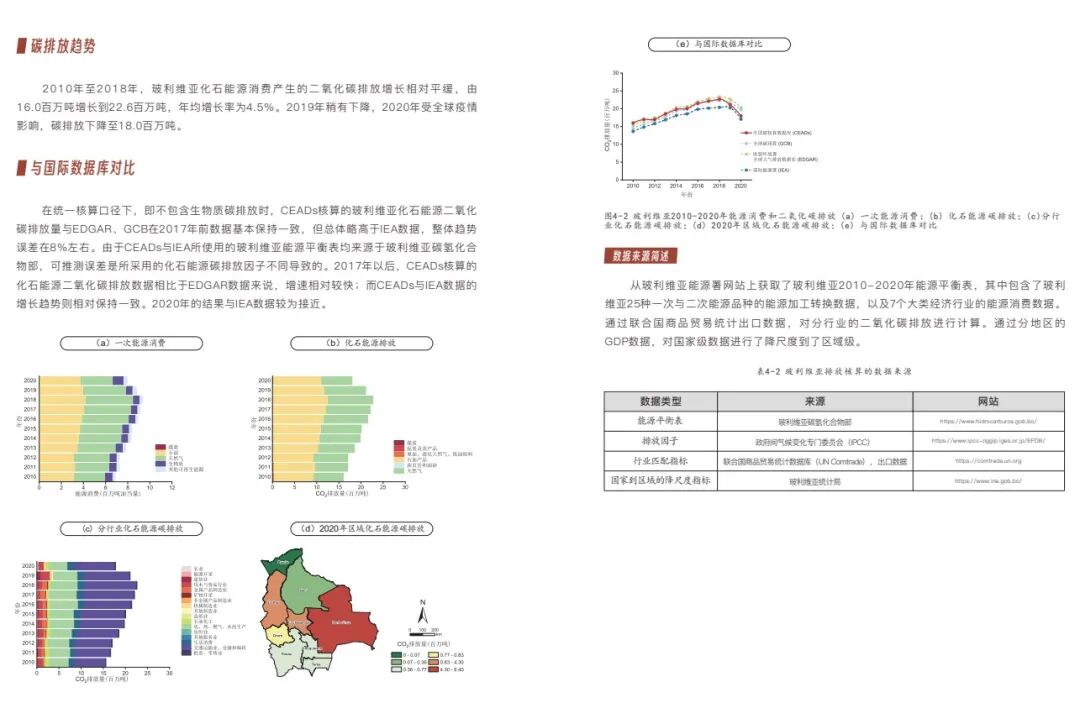
4. Typical Oceanian country - Papua New Guinea
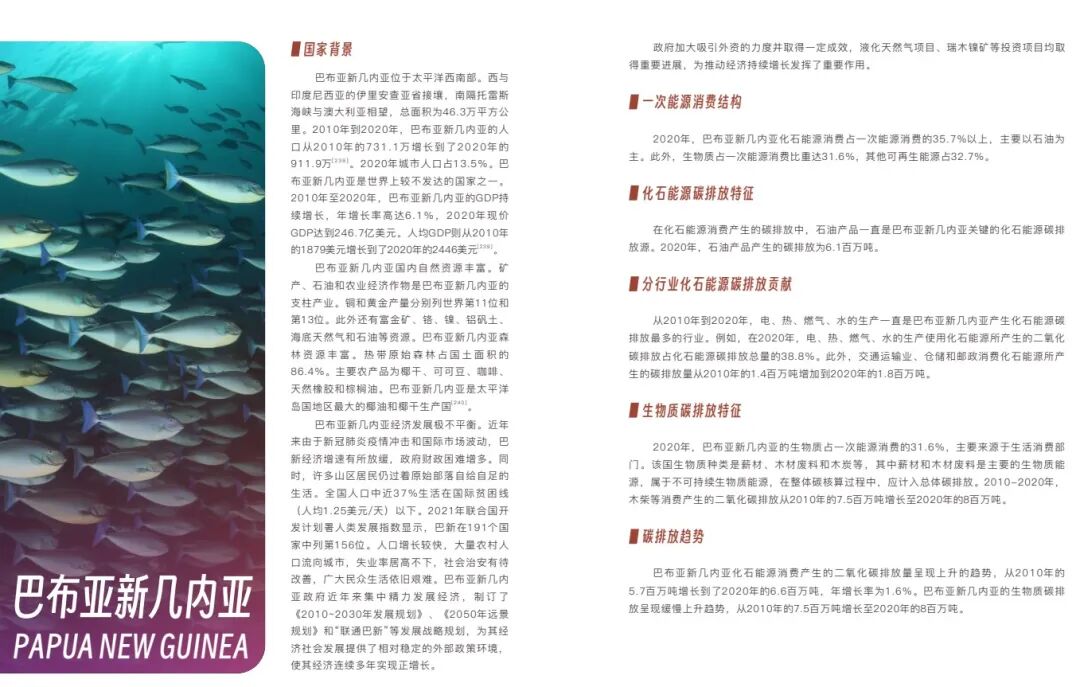
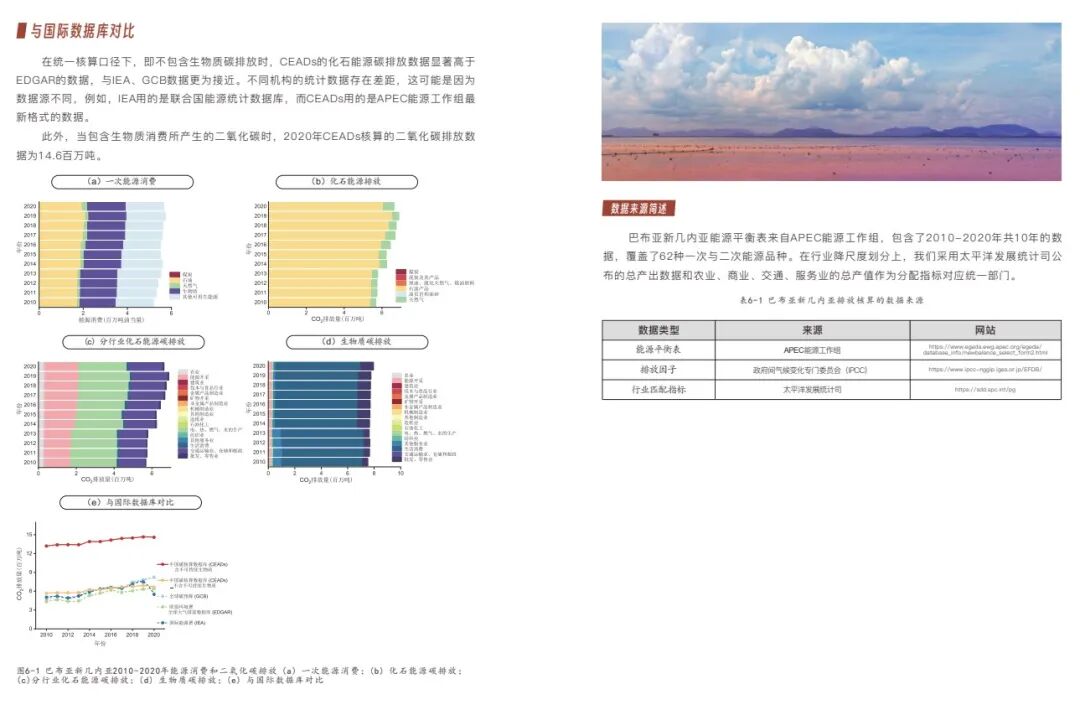
The report shows that in 2020, affected by the COVID-19 pandemic, fossil-fuel-related carbon emissions in countries such as Peru, Bolivia, and Uganda declined. Compared with 2019, fossil-fuel-related carbon emissions fell by 19.3 percent in Peru, 14.7 percent in Bolivia, and 4.3 percent in Uganda. For Bolivia, carbon dioxide emissions from natural gas consumption in 2019-2020 declined slightly to 6.8 million tons, accounting for 37.9 percent of fossil-fuel carbon emissions. In addition, carbon emissions from petroleum product consumption in 2020 reached 10.9 million tons, accounting for 60.9 percent of fossil-fuel carbon emissions. Gasoline and diesel are the main petroleum products used in Bolivia. By contrast, fossil-fuel-related carbon emissions in countries such as Turkey and Togo increased in 2020. Electricity, heat, gas, and water production is the largest fossil-fuel-emitting sector in Turkey. In 2020, carbon emissions from fossil fuel consumption in this sector reached 138.8 million tons, accounting for 37.5 percent of Turkey's total fossil-fuel carbon emissions. It was followed by transportation, warehousing, and postal services, which accounted for 22.7 percent of total fossil-fuel carbon emissions in 2020. Benefiting from policies such as the Belt and Road Initiative, Togo has experienced rapid industrialization in recent years. Carbon emissions from fossil-fuel consumption in electricity production increased from 0.07 million tons in 2010 to 0.61 million tons in 2020. Compared with 2019, Togo's fossil-fuel-related carbon emissions increased by 7 percent in 2020. The report emphasizes the need for international cooperation in technology transfer, financial support, and knowledge sharing, and especially points out the key role of South-South cooperation in supporting the low-carbon development of emerging economies.
CEADs Annual Report Thematic Seminar
The CEADs annual report thematic seminar was chaired by Professor Jing Meng of the Bartlett School of Sustainable Construction, University College London.

Academician He Kebin, President of the Institute for Carbon Neutrality at Tsinghua University, said climate change is one of the major challenges facing humanity. The Paris Agreement calls for achieving a balance between anthropogenic greenhouse gas emissions and sinks in the second half of this century, signaling that countries urgently need to move toward carbon neutrality. To better understand the opportunities and challenges of the carbon-neutral transition, the China Emission Accounts and Datasets team (CEADs) led by Professor Guan Dabo focuses on emerging economies that have long been overlooked in carbon-emission research and is committed to building a multi-scale carbon-emissions inventory database for China and the world. The report not only helps fill data gaps for many emerging economies, but also draws greater attention to emission reduction efforts in these economies and highlights the important role developed countries should play in addressing global climate change. Developed countries should not only respect the development rights of smaller and medium-sized developing countries and provide them with technological and financial support for emissions reduction, but also prioritize their own carbon reduction goals. In addition, the report can provide technical support for building carbon-emissions data systems in countries along the Belt and Road, promote South-South cooperation in climate change, continue to convey the CEADs philosophy of "shared construction and shared use," and help emerging economies pursue a green and low-carbon transition while playing a positive role in global governance.

Vice President of the Institute for Carbon Neutrality at Tsinghua University and Tsinghua University Chair Professor Guan Dabo interpreted the 2023 Emerging Economies CO2 Emissions Report. He said that, as global climate change becomes increasingly severe, a low-carbon economy has become a necessary path for sustainable development in all countries. Against this backdrop, advancing the transition to a low-carbon economy is a shared responsibility and mission. The purpose of this report is to provide the latest data and related analysis on energy structures and CO2 emission characteristics in emerging economies, helping policymakers, researchers, and the public understand the new dynamics and trends in emissions so that plans and decisions can be made more effectively. The team previously released the 2021 and 2022 Emerging Economies CO2 Emissions Reports at COP26 in Glasgow and COP27 in Egypt, respectively, presenting CO2 emission inventories and analyses for 50 emerging economies. This year, the report further compiled CO2 emission inventories for 60 countries from 2010 to 2020. The report notes that even during the pandemic in 2020, fossil-fuel-related carbon emissions in countries such as Togo and Turkey still rose, and that small and medium-sized emerging economies with rapidly growing CO2 emissions still have room to improve energy intensity and reduce emissions, requiring more active efforts. It also calls on developed countries to provide financial and technical support to emerging-emission economies to help economic development and climate response, and to achieve carbon reduction, zero carbon, and negative carbon as early as possible.

The roundtable discussion was chaired by Yu Xiang, Director of the Climate Change Economics Research Office at the Institute of Ecological Civilization, Chinese Academy of Social Sciences. Professor Michael Grubb of the Bartlett School of Sustainable Construction, University College London; Professor Yacob Mulugetta of Energy and Development Policy, University College London; Professor Mark Maslin of the Department of Geography, Earth Systems Science, University College London; Professor Yang Lei, Vice Dean of the Institute of Energy at Peking University; Associate Professor Shan Yuli of Sustainable Transitions, School of Geography, Earth and Environmental Sciences, University of Birmingham; and Dr. Liu Wei, head of ESG strategy at Alibaba Group and sustainable development scientist at the Luohan Academy, discussed the importance of fundamental data and its relevance to international trade and South-South cooperation.
Professor Michael Grubb emphasized the central role of fundamental data in advancing sustainable development and formulating effective policy. He stressed that accurate and comprehensive data are essential for understanding the progress of countries in energy transition. Especially amid the growing scale of South-South trade, the detailed data provided in this report can be combined with international trade data to significantly support the sustainable development of South-South cooperation. He also highlighted the unique value of data in revealing and mitigating the economic impacts of climate change.
Professor Yacob Mulugetta from Ethiopia highly praised the emission accounting data for African countries covered in the report. He said that such detailed carbon accounting effectively fills data gaps for many less developed countries and provides key support for a deeper understanding of the energy and emission composition of African countries. Professor Mulugetta also praised the crowd-sourced data model used in the report and expressed hope that this model can be extended to more countries to promote global knowledge sharing and cooperation.

Professor Priti Parikh, Dean of the Bartlett School of Sustainable Construction, University College London, delivered the closing remarks. She said that the Emerging Economies CO2 Emissions Report, now released for three consecutive years, is the result of collaboration between Tsinghua University and University College London, jointly supporting carbon neutrality in developing countries. In addressing climate change and advancing national climate goals, multiple stakeholders should strengthen cooperation and move forward together. She also offered suggestions and expectations for future emerging-economies carbon emissions reports.


Report Access
Free download link for the 2023 Emerging Economies CO2 Emissions Report:
https://www.ceads.net.cn/news/20231417.html
Note: This report is prohibited from any unauthorized commercial use. Please cite the source when reproducing or quoting. Final interpretation rights belong to the China Emission Accounts and Datasets team.