
COP30 | CEADs Team Releases Series of Reports on CO2 Emissions in Emerging Economies
On November 18, at the 30th Conference of the Parties to the United Nations Framework Convention on Climate Change (COP30) in Belem, Brazil, the China Emission Accounts and Datasets (CEADs) team at Tsinghua University released a series of reports on CO2 emissions in emerging economies during the China Pavilion side event "Carbon Neutrality and Smart Energy Interconnection: Advancing Innovation in Technology, Industry, Policy and International Cooperation." The reports were the Emerging Economies CO2 Emissions Report 2025 and the Emerging Economies Consumption-Based CO2 Emission Footprint Report 2025.
The Emerging Economies Consumption-Based CO2 Emission Footprint Report 2025 was released for the first time. It is based on the EMERGING multi-regional input-output table independently developed by the team for 245 economies worldwide and 133 sectors, providing a new data framework and methodological support for systematically characterizing consumption-based carbon emissions in emerging economies.
The impacts of climate change are becoming increasingly visible. In the context of carbon neutrality, a unified and standardized carbon accounting system is especially important. The CEADs team at Tsinghua University is committed to building comprehensive, transparent, free, comparable and verifiable carbon emission inventories for emerging economies, providing a solid data foundation for global climate governance.
To promote green economic development and fulfill shared responsibilities and missions, the Emerging Economies CO2 Emissions Report 2025 and the Emerging Economies Consumption-Based CO2 Emission Footprint Report 2025 aim to give emerging economies a voice by providing the latest data and in-depth analysis aligned with their actual energy structures, carbon emission characteristics, and emissions driven by consumption behavior. The reports examine sectoral carbon emissions and reveal embodied-carbon transfer pathways caused by trade and final consumption, helping policymakers, researchers and the public better understand the real roles and dynamic changes of emerging economies in the global carbon cycle, and providing strong support for scientific planning and precise decision-making.
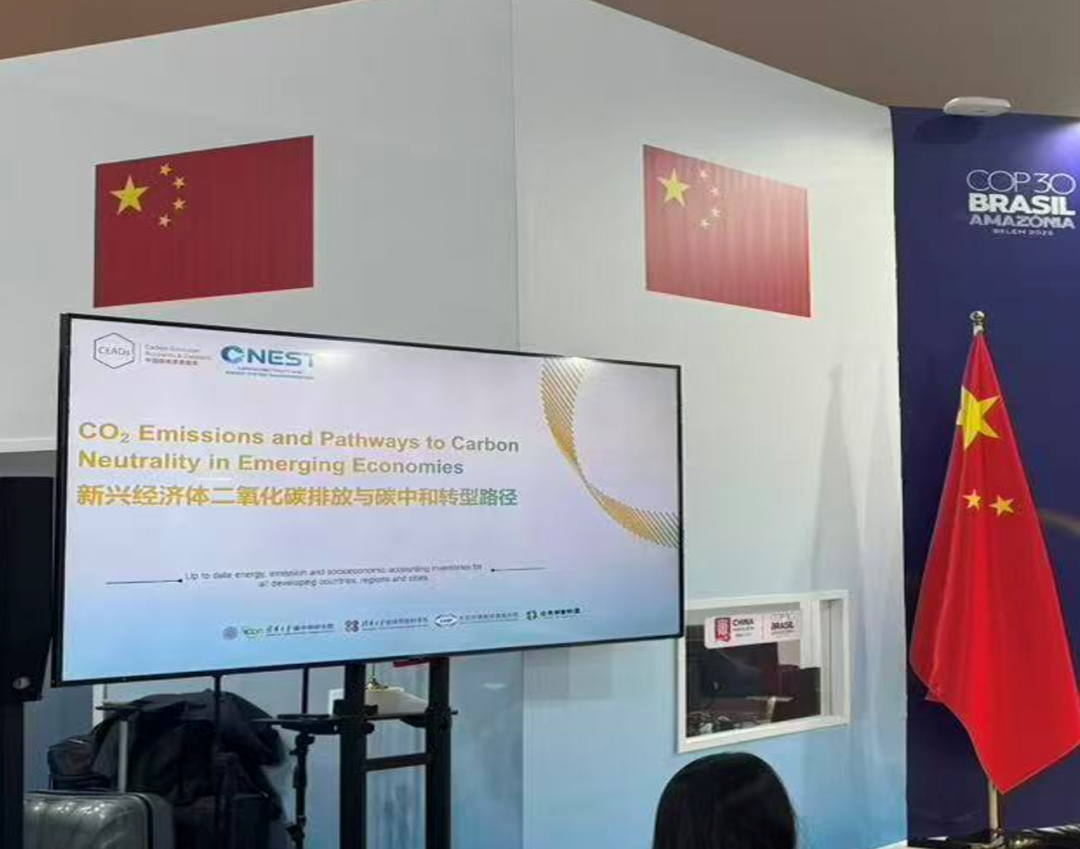
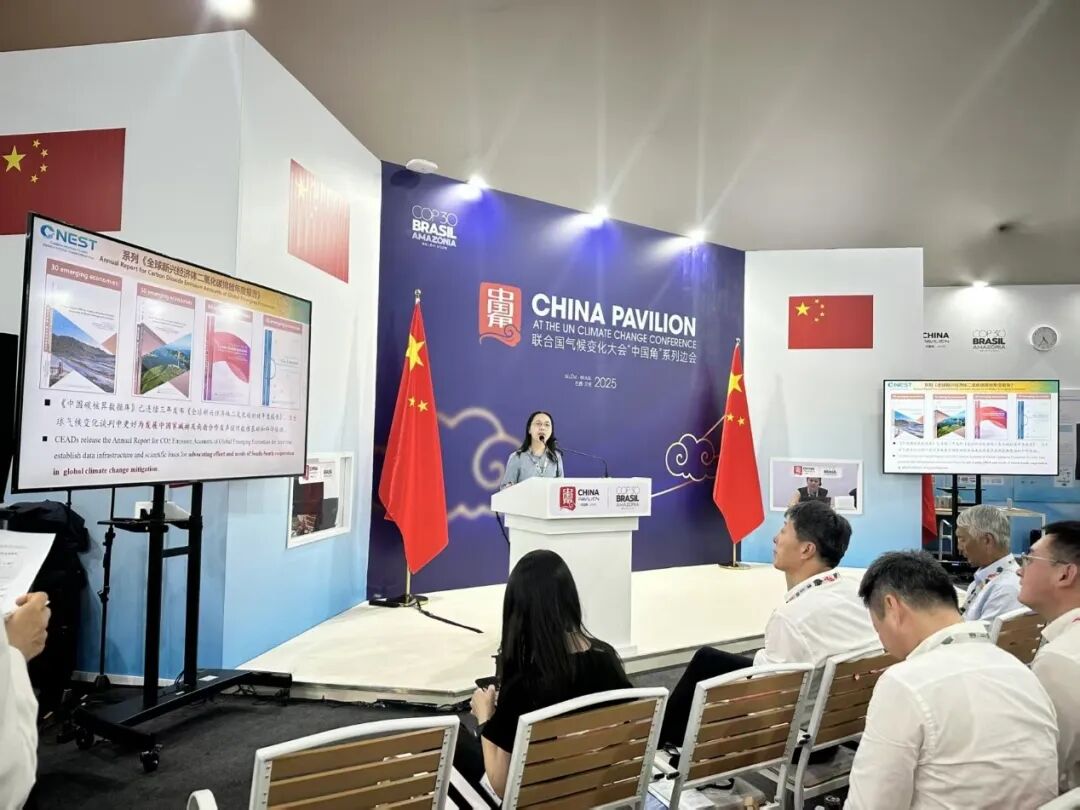
The Emerging Economies CO2 Emissions Report 2025 accounts for national-level CO2 emissions generated by energy consumption and compiles CO2 emission inventories for 70 emerging economies from 2010 to 2022 by detailed energy type and multiple sectors. The report focuses on energy consumption and CO2 emission characteristics in emerging economies, and provides a detailed discussion of energy consumption and carbon emission dynamics across emerging economies in Asia, Africa, Latin America, Oceania and other regions. It presents comprehensive information including primary energy consumption structures, fossil-fuel carbon emission characteristics, and sectoral contributions to fossil-fuel carbon emissions, aiming to provide a stronger data foundation for future low-carbon development in emerging economies and to contribute positively to the global response to climate change.
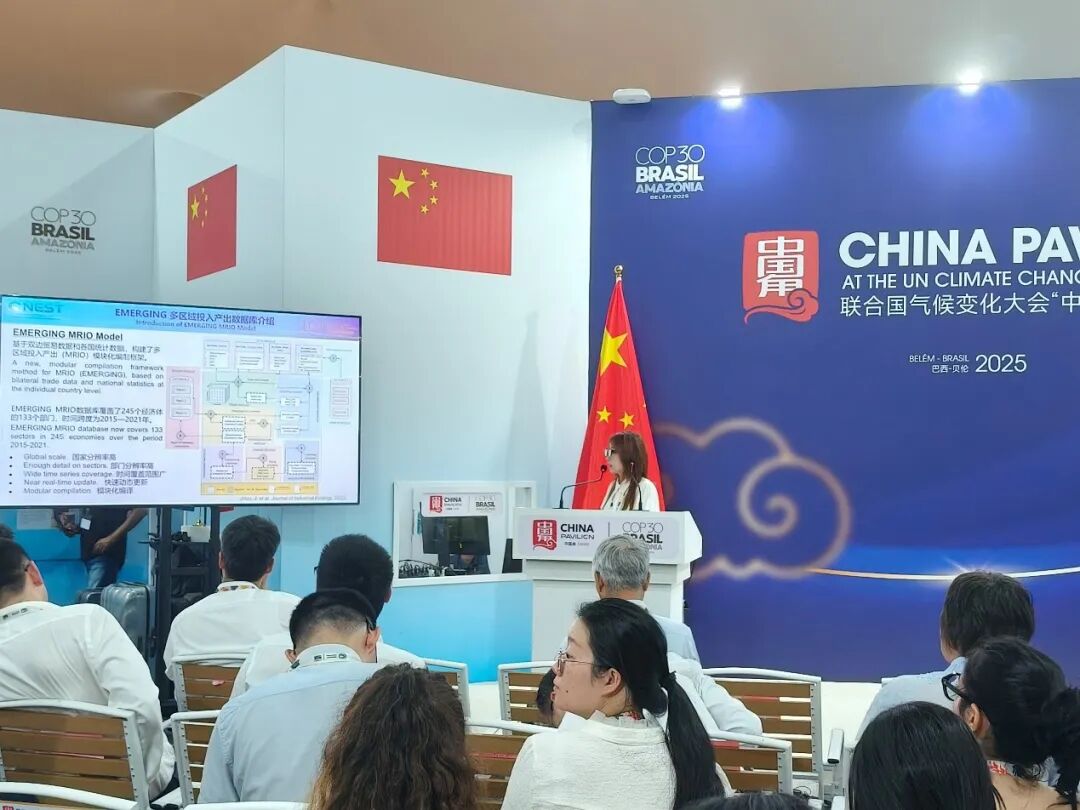
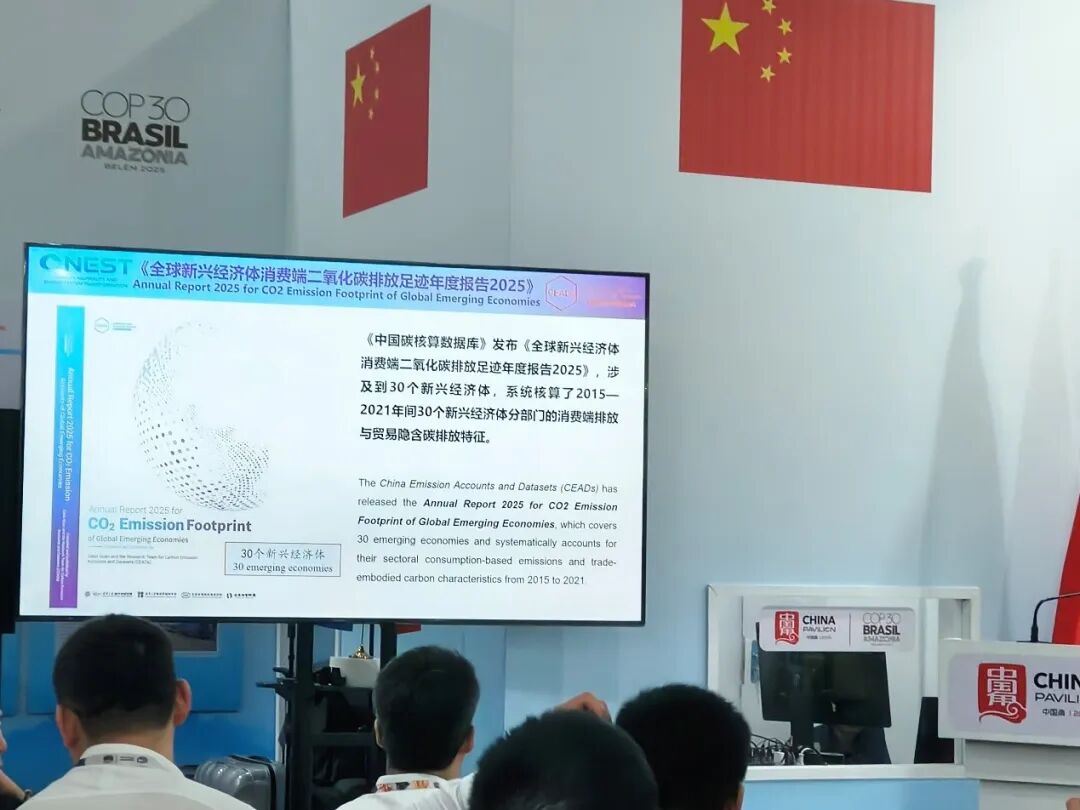
Building on the Emerging Economies CO2 Emissions Report 2025, the Emerging Economies Consumption-Based CO2 Emission Footprint Report 2025 is launched for the first time. It systematically accounts for sectoral consumption-based emissions and trade-embodied carbon emissions of 30 emerging economies from 2015 to 2021. It fills a long-standing gap in international statistical systems regarding the characterization of consumption-driven emissions in emerging economies, offers a new perspective for understanding shifts in carbon responsibility and mitigation potential in global supply chains, and provides emerging economies with more precise and context-specific tools for carbon-footprint measurement and emission-reduction pathway analysis.
Going forward, the team will continue to support capacity building in carbon-emission statistics and monitoring for emerging economies, expand the depth of consumption-based and trade-emission accounting, deepen research and empirical applications on emission-reduction pathways, help emerging economies strengthen climate-governance capacity, jointly advance global climate goals, and amplify the voice of the Global South in climate action.
Appendix: Report Links
The EMERGING 2015-2021 multi-regional input-output data and corresponding CO2 emission inventories are now available online and can be downloaded for free from the CEADs website (https://www.ceads.net/data/emerging-model/).
Emerging Economies Consumption-Based CO2 Emission Footprint Report 2025: https://www.ceads.net/data/emerging-model/
Emerging Economies CO2 Emissions Report 2025: https://www.ceads.net/news/20251452.html
Note: Commercial use of the related reports without permission is prohibited. Please cite the source when reposting or quoting. The CEADs team reserves the right of final interpretation.