
AESS2018 Tsinghua University Day 9: A Perfect Finale, See You Next Year
Applied Energy Summer School 2018 Tsinghua University
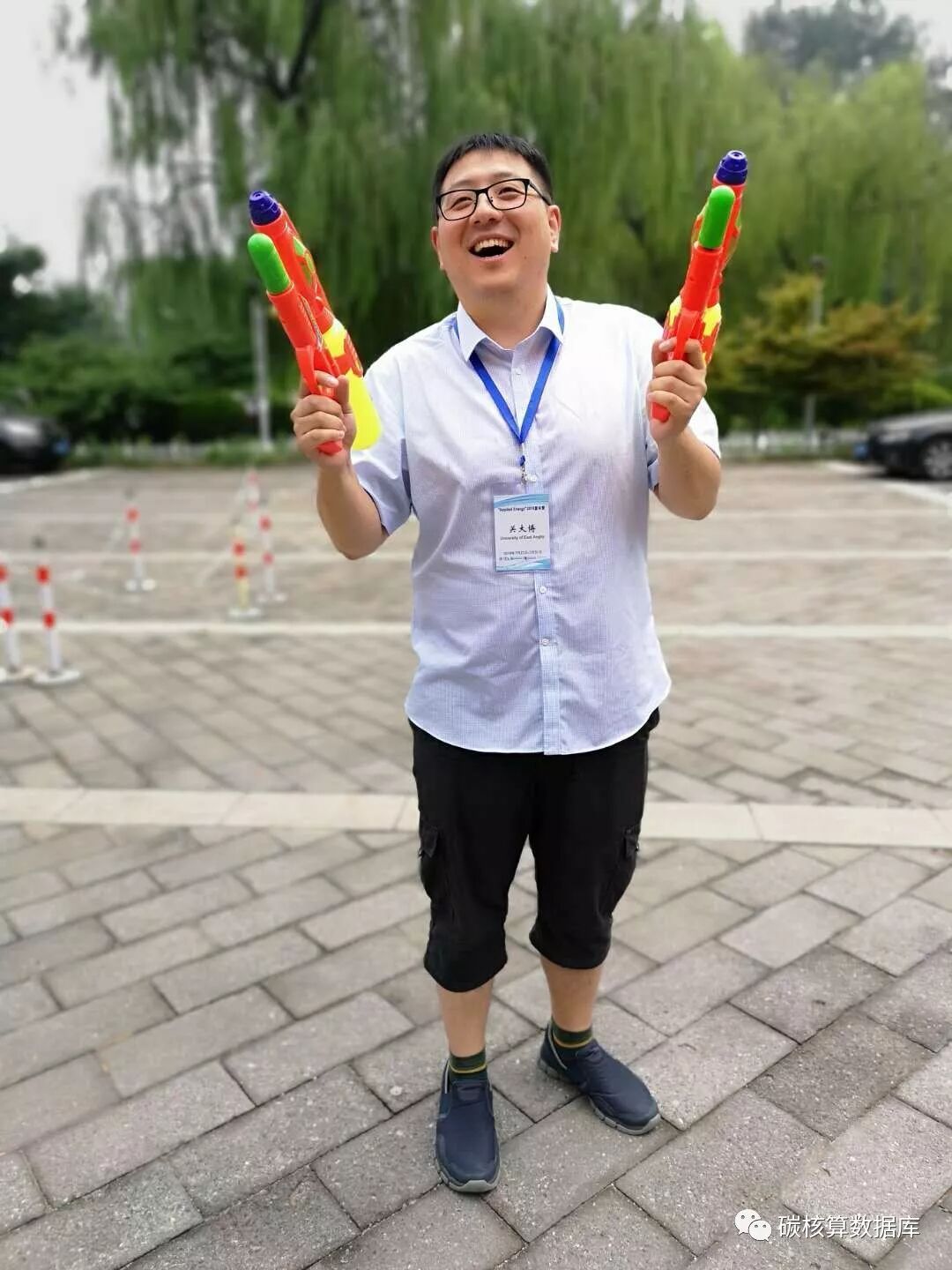
Before long, we had reached the final day of the summer camp, and the summer school was coming to an end. The final presentation was both a summary of the work done during this summer camp and a preview of future work. From the awkwardness of first meetings to the natural support that emerged during method learning, from late-night data work to the interesting research that followed collective brainstorming, from working alone to collaborative learning, we built a strong bond of teammates. In these 10 days, there were too many unforgettable moments. Face-to-face conversations with leading scholars, ice-breaking games, water-gun battles, data collection, model building ... With excitement and reluctance, the final presentation was about to begin.
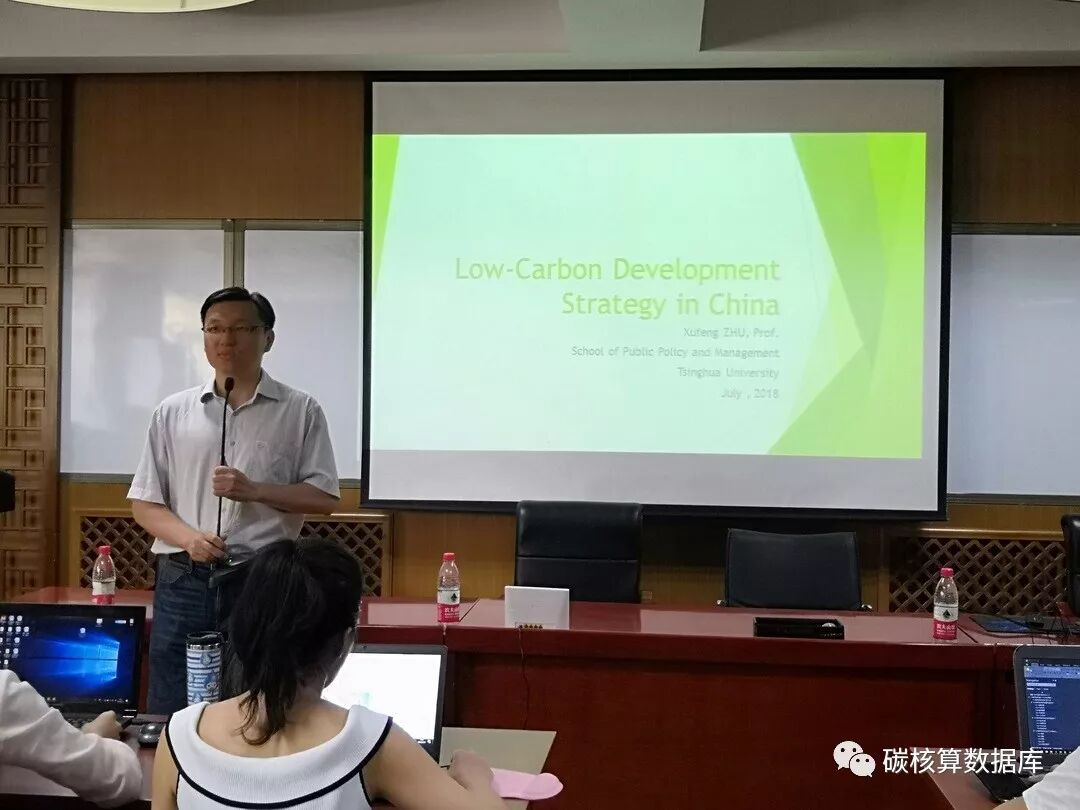
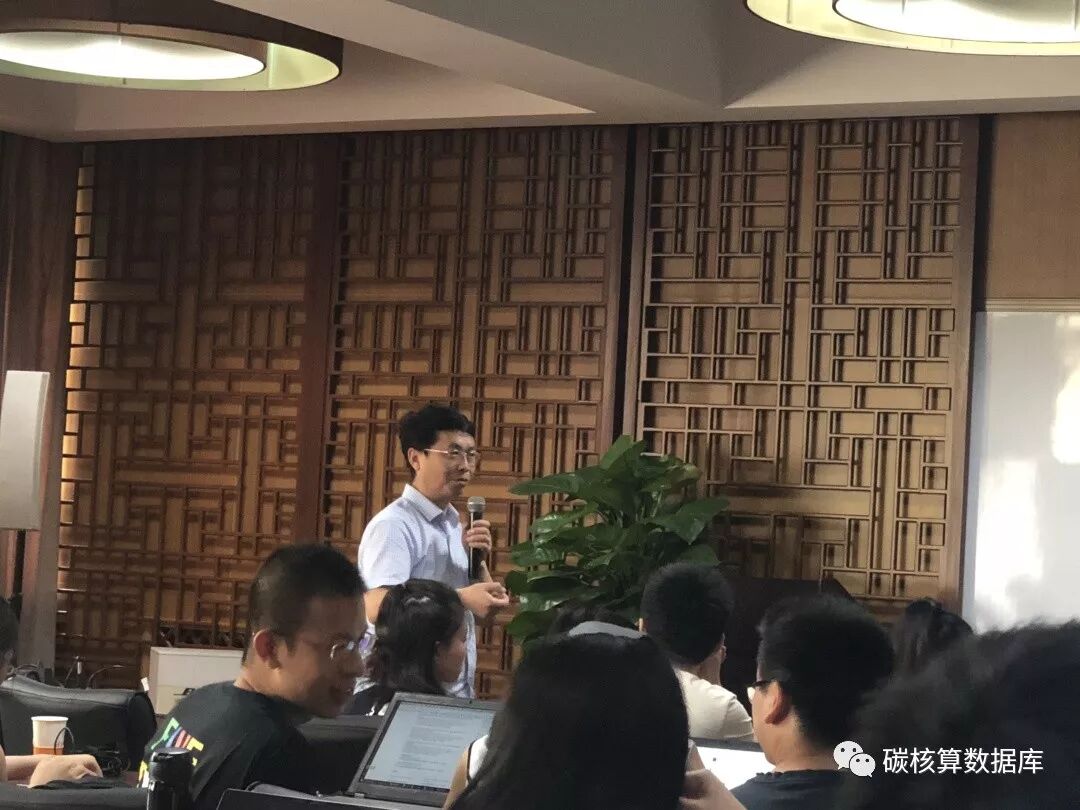
At 9:00 a.m., Professor Zhu Xufeng, Vice Dean of the School of Public Policy and Management at Tsinghua University and Executive Dean of the Institute for Sustainable Development Goals, gave us a talk titled Low-Carbon Development Strategy in China. He first walked us through different models of low-carbon city development around the world and summarized the policy path of low-carbon urban development in China. He then introduced in detail an evaluation study that applied the difference-in-differences method to assess how low-carbon policies in pilot and non-pilot provinces affected the level of low-carbon development in each province. Finally, he proposed a distinctive strategy for the future low-carbon development of China.
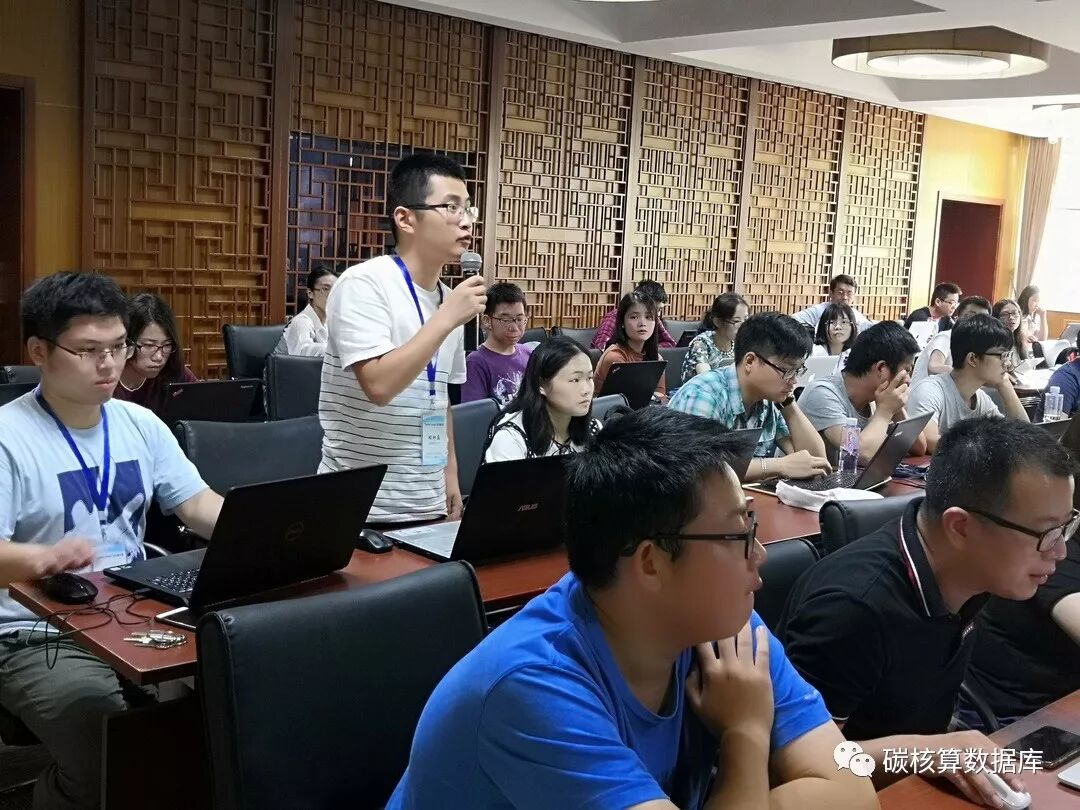
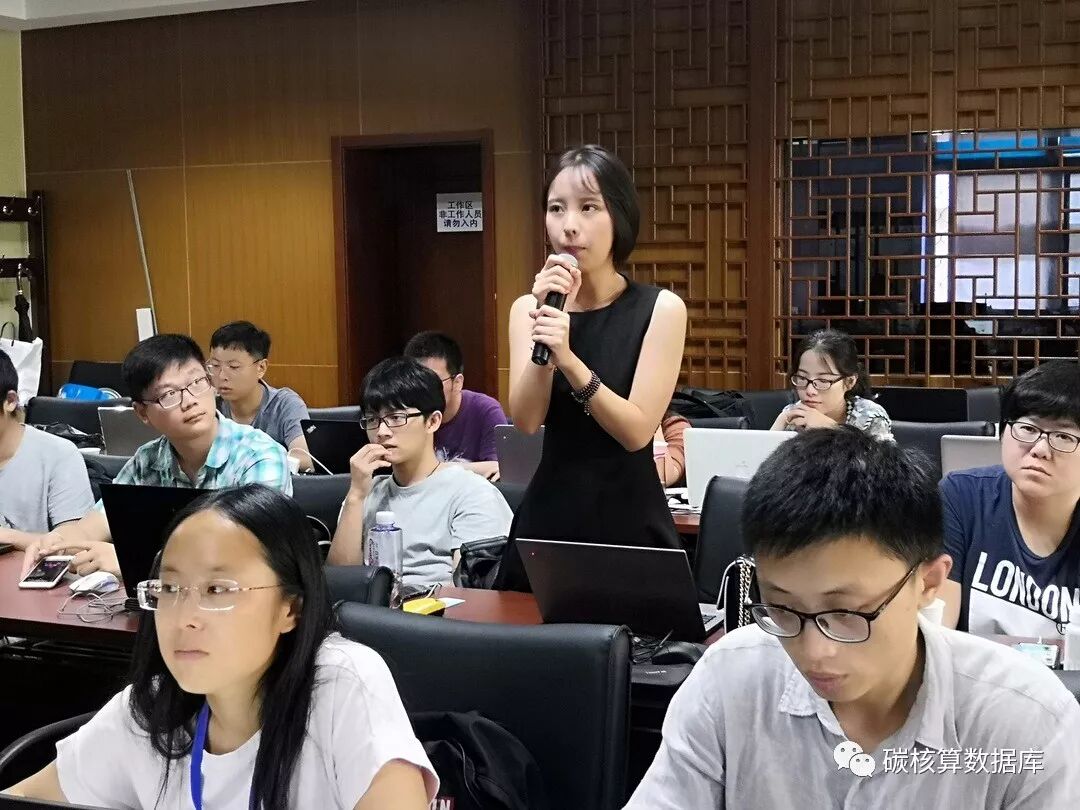
With a little guidance, everything clicked ~
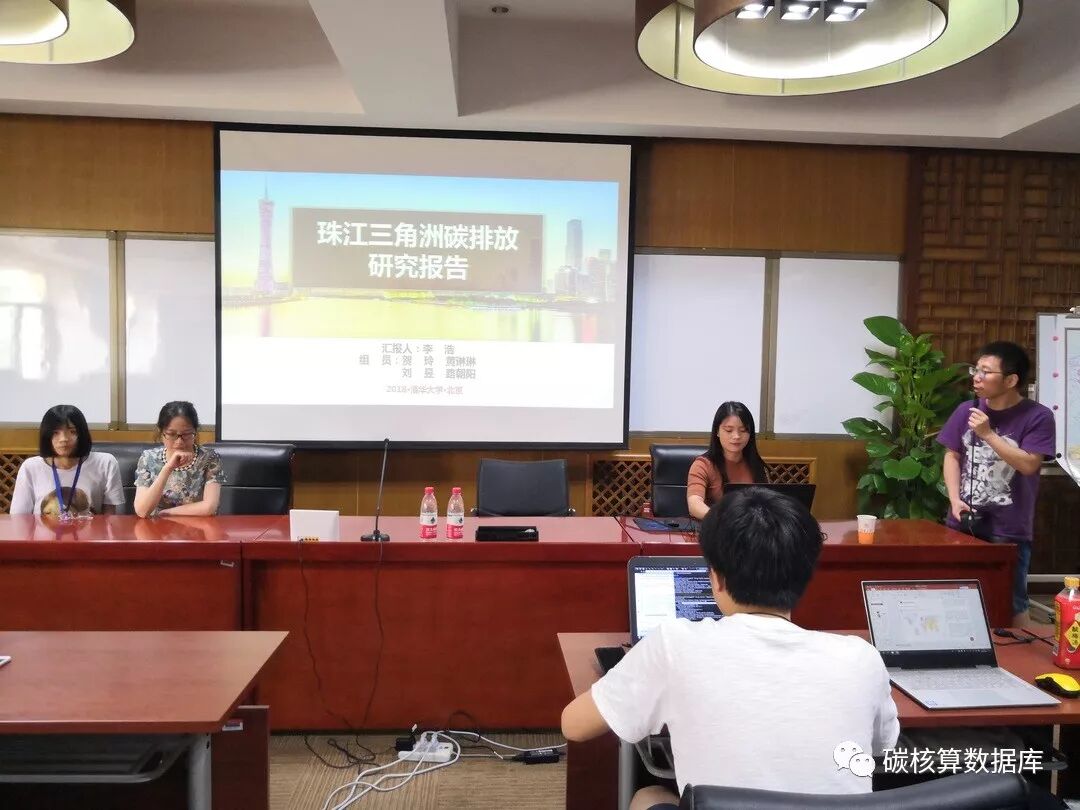
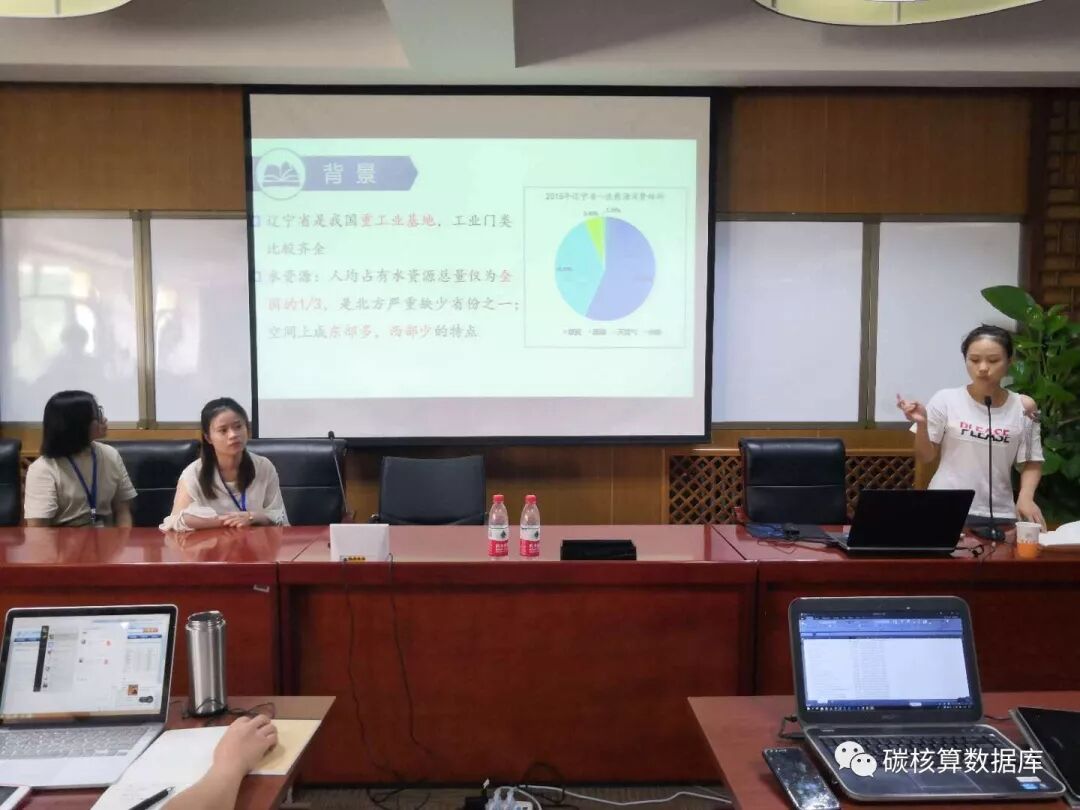
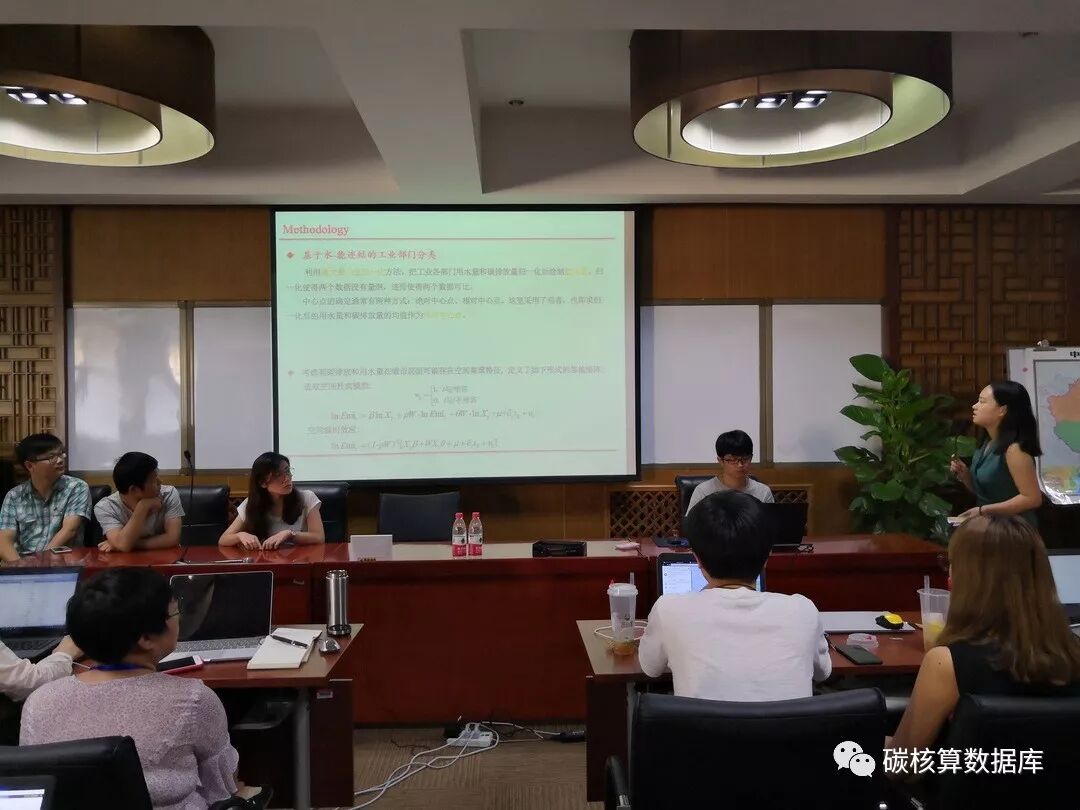
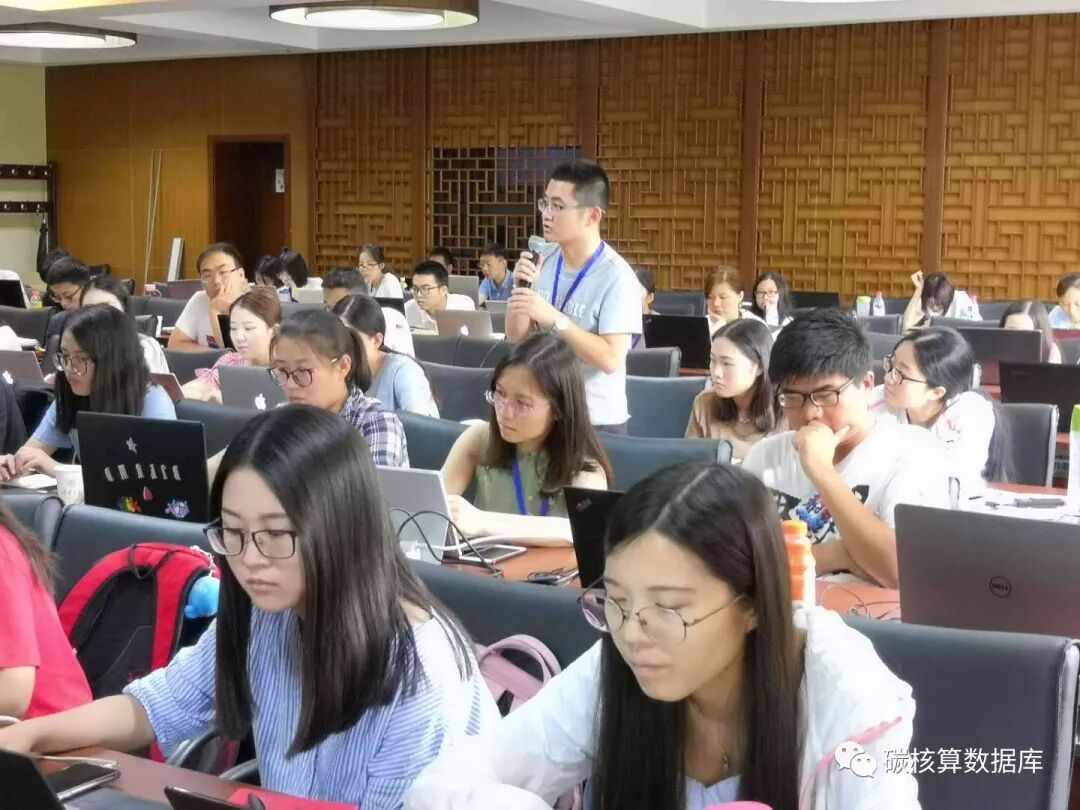
After the lecture, the final presentations officially began. The 95 camp members had been divided into 15 groups, Hearts A-8 and Spades A-7. Hearts 7 was the first group to present on carbon emissions in the Pearl River Delta. Using time decomposition and spatial analysis methods, the group examined the factors affecting carbon emissions in the Pearl River Delta region. Hearts 6 reported the calculation results for carbon emissions and water emissions in Hohhot, Baotou, Chifeng, and Wuhai in Inner Mongolia, compared the cities using the DEA model, and explored the water-energy nexus through regression analysis. Hearts 2 gave a presentation titled Exploring the Water-Energy-Emission Nexus of Sichuan Province, calculated carbon emissions in five Sichuan cities from 2006 to 2015, and used Hybrid intensity to measure the coupling between carbon and water. Spades 7 presented on Industrial Upgrading and Water-Energy Constraint: Different City, Different Pattern, considering carbon-water linkage models across different industries in different cities in Guangdong Province. Hearts 5 reported the carbon and water emission calculations for Urumqi, Kashgar, Bayingolin, and Hotan in Xinjiang, and compared differences among industrial sectors. Hearts 3 gave a presentation titled Water-Energy Nexus Analysis: A Case Study of Liaoning Province. Based on the analysis of carbon and water emissions in three Liaoning cities, the team built the KAYA identity to measure changes in water-use intensity, water-use structure, and the carbon-water ratio.
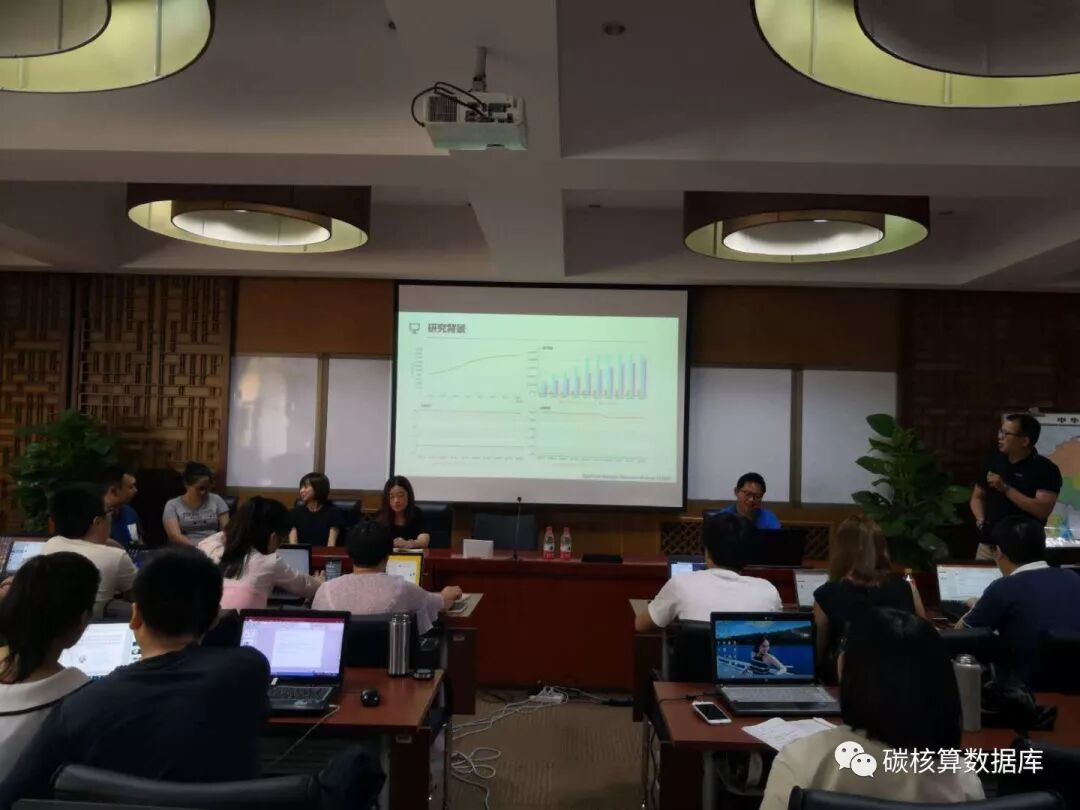
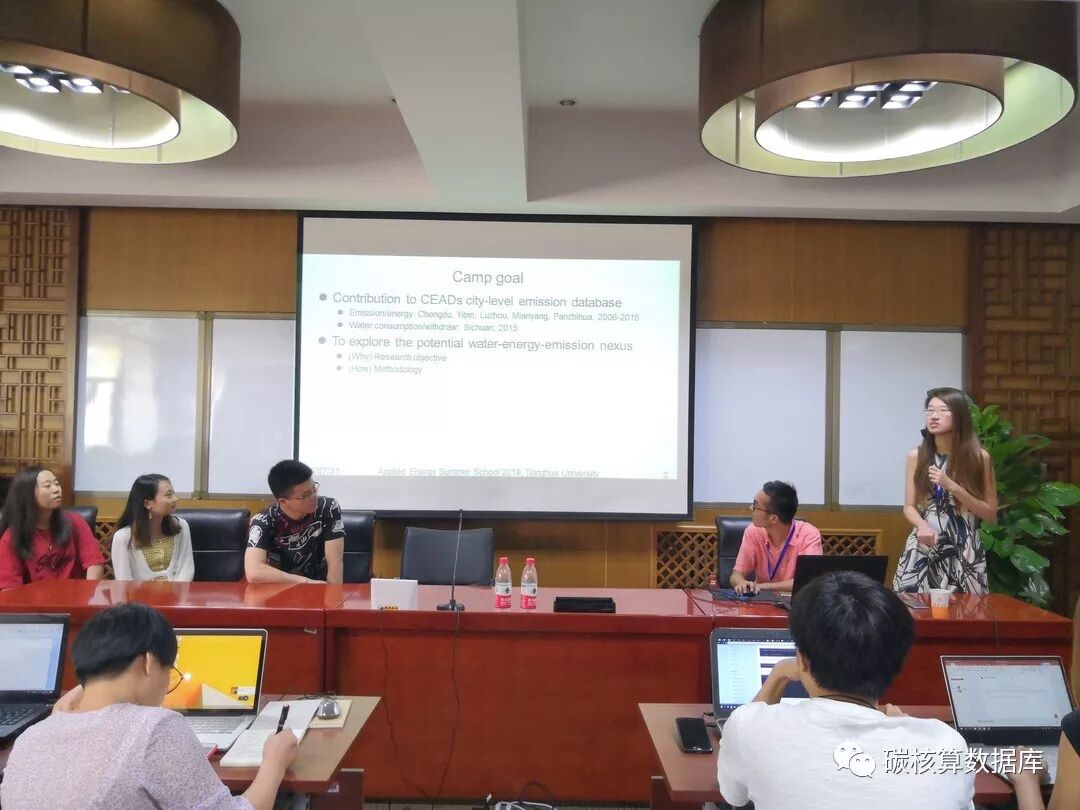
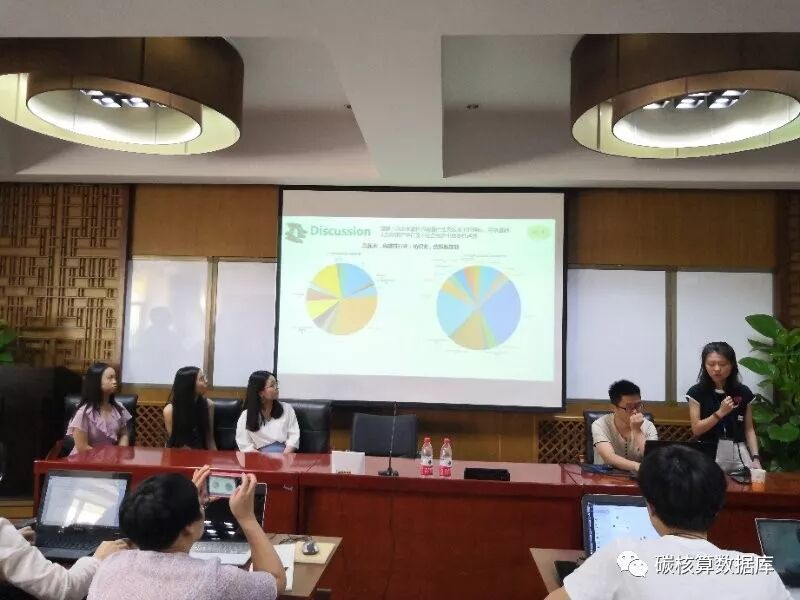
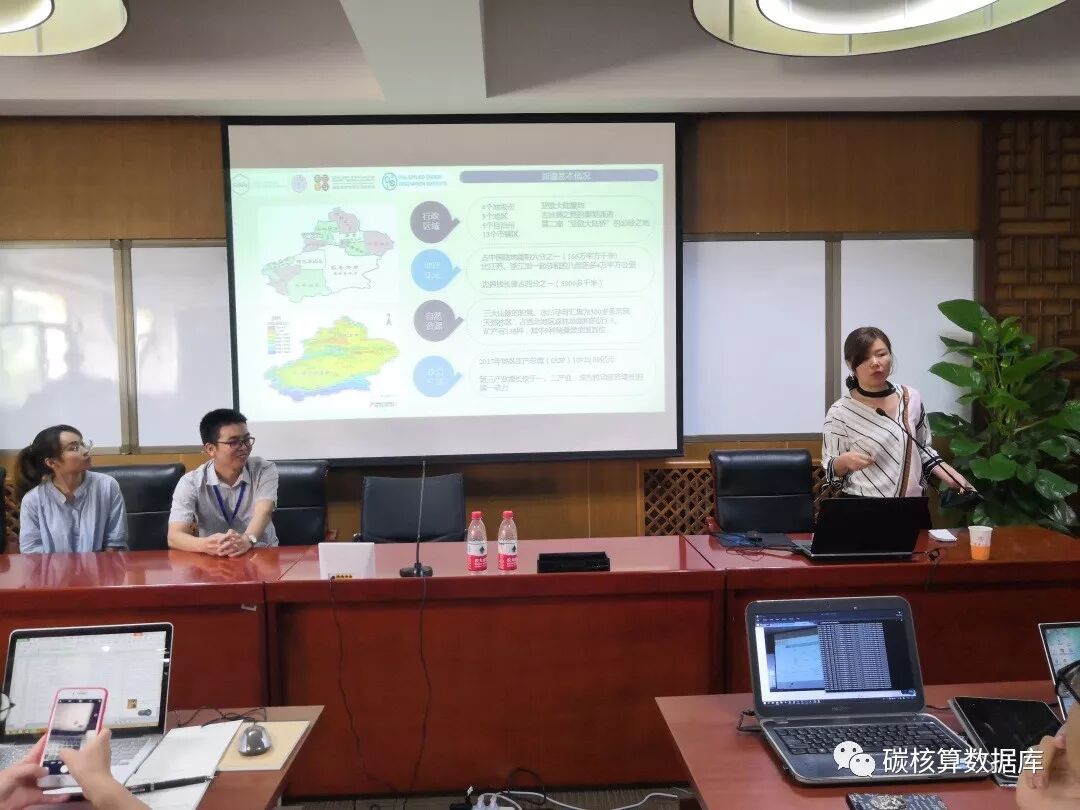
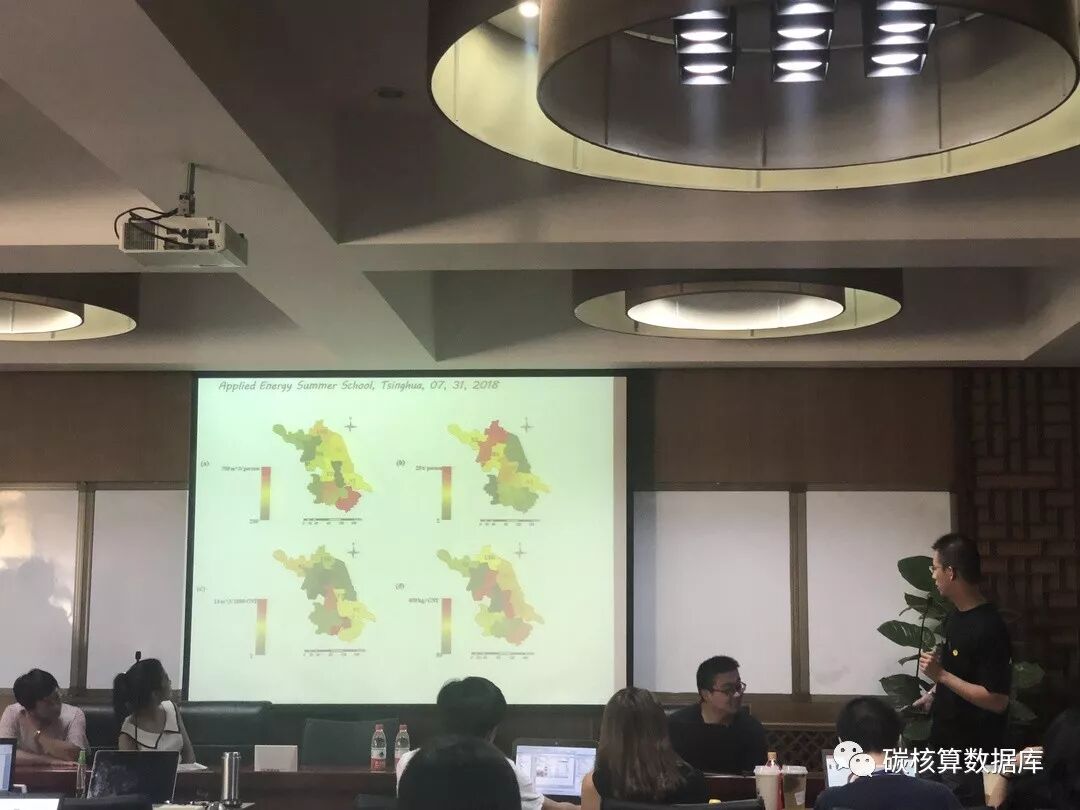
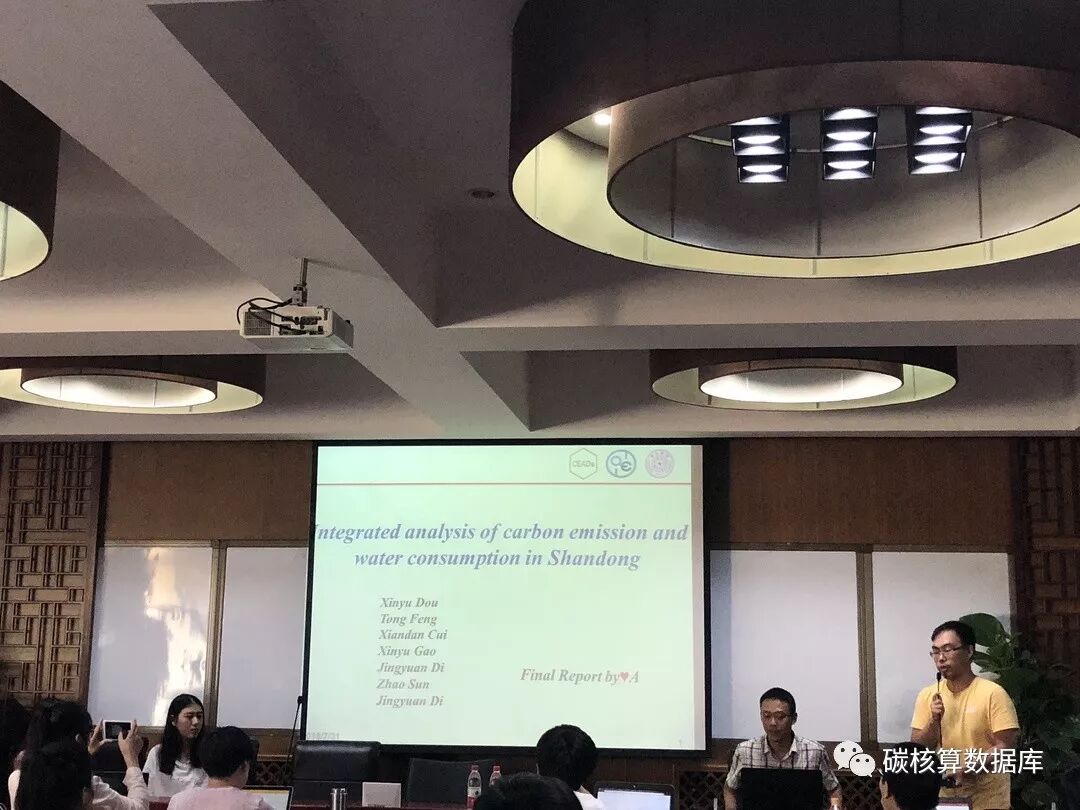
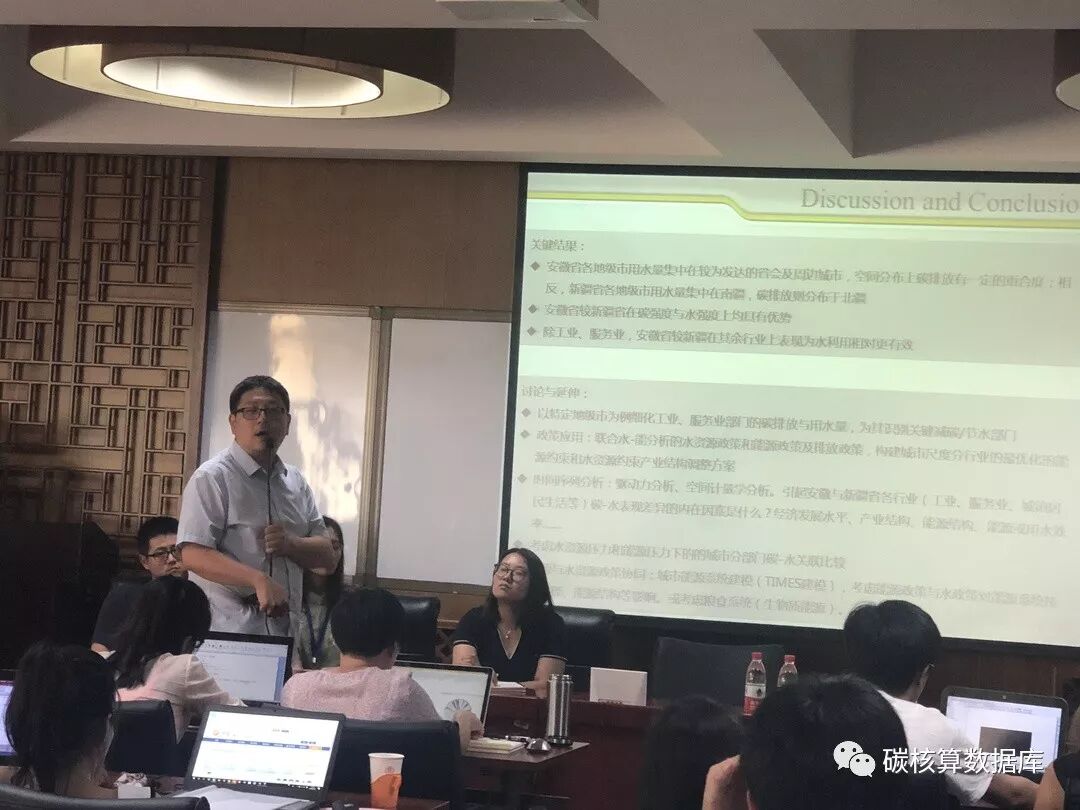
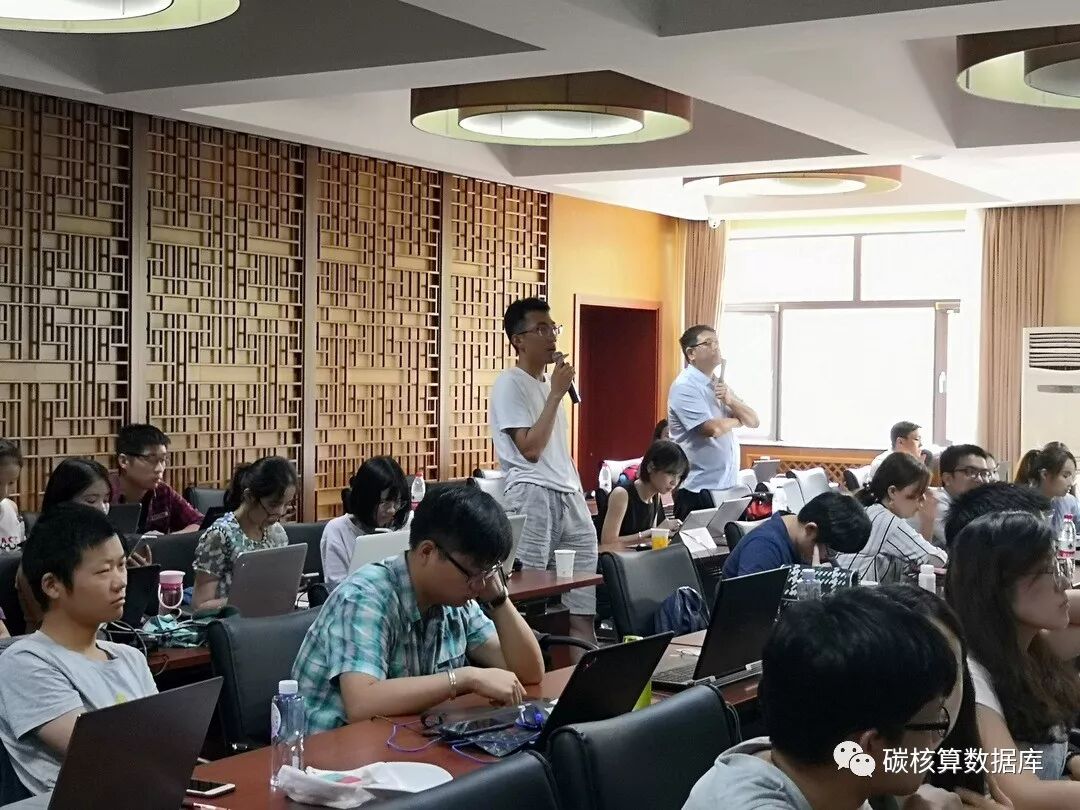
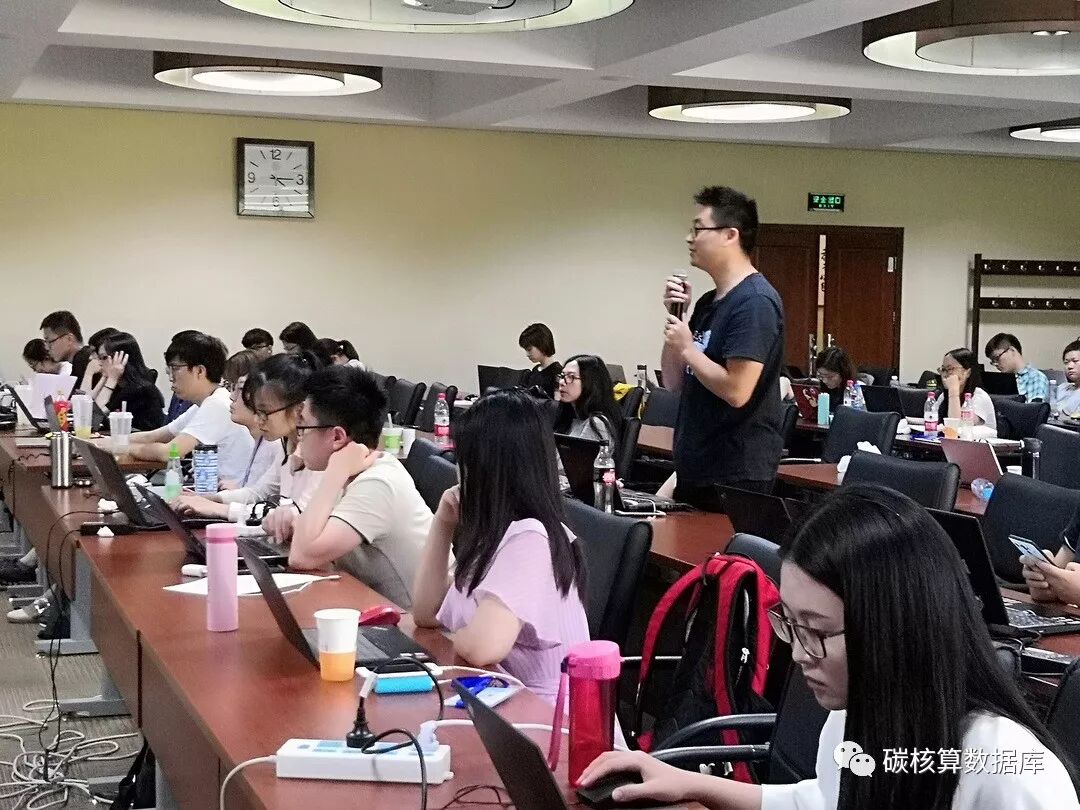
After the morning session and once the first six groups had finished presenting, the remaining nine groups also took the stage. First, Spades 5 gave a report titled Water - energy (carbon) nexus: cities in Anhui and Xinjiang, selecting representative cities and industries for an in-depth analysis. The group also suggested that future research should consider policy application and time-series analysis. Spades A gave a report titled Targeted opportunities for synergies and trade-offs between low carbon development and addressing water crisis in cities. The presentation included calculations of water-use intensity across cities in Jiangsu Province and applied the Environmental Kuznets Curve to the carbon-water nexus. Professor Guan pointed out that the group should put its forward-looking ideas into a paper as soon as possible and strike while the iron is hot. Hearts A gave a report titled Integrated analysis of carbon emission and water consumption in Shandong. The group calculated the carbon emission inventory for 17 cities in Shandong Province and used a quadrant method to analyze the relationship between carbon emissions and water consumption across cities and industries. Both Professor Guan and Professor Yan pointed out problems in the figures in the paper. Professor Guan suggested that future thinking could start from the existing pattern and focus on building green cities, while Professor Yan suggested that future research should consider the relationship between coastal and inland cities.
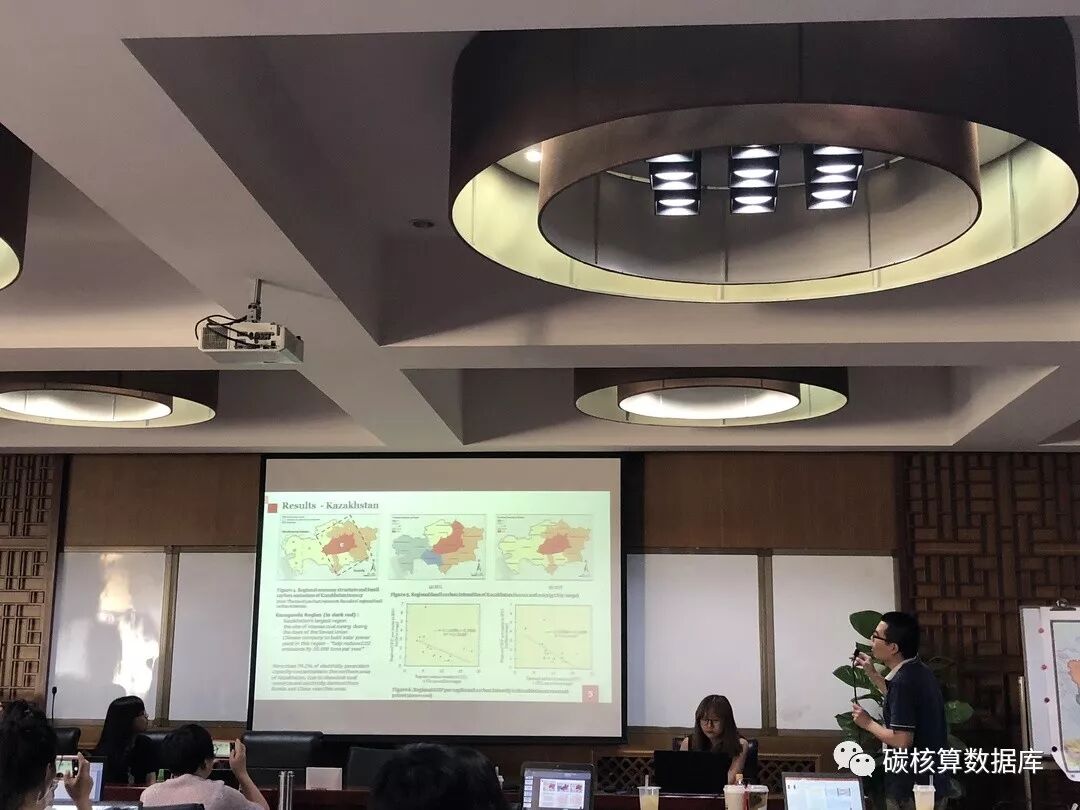
After the carbon-water group presentations, the international carbon group came on stage. It is worth noting that, during the calculation process, the international carbon group faced non-English language data issues. By searching original-language websites, each team member solved the formatting problems that arose during translation. First, Spades 3 gave a report titled Carbon emissions inventory accounting: A case study of Pakistan and Kazakhstan on carbon emissions accounting in Pakistan and Kazakhstan. The results showed that, starting in 2008, Pakistan entered a state of stagnation and slow growth in carbon emissions, mainly because the country fell into an energy crisis. Professor Guan first affirmed the great work of the team and then asked further questions about the figures and tables presented. He noted that because countries differ in industrial structure, dividing them into 47 industries would help better analyze the problems in their development. Hearts 4 calculated carbon emissions by city and by industry in Russia and Uzbekistan. During the analysis, the team fully considered the relationship between investment, employment population, and carbon emissions. Spades 4 calculated carbon emissions in Kyrgyzstan and carried out a sensitivity analysis of the total emissions. It is worth pointing out that, in the early stage, it was difficult to break national data down into provincial data. Through the cross-pollination of the crowdsourcing idea and the domestic carbon group idea, the team used nightlight data to solve the problem and split national carbon emissions into provincial emissions.
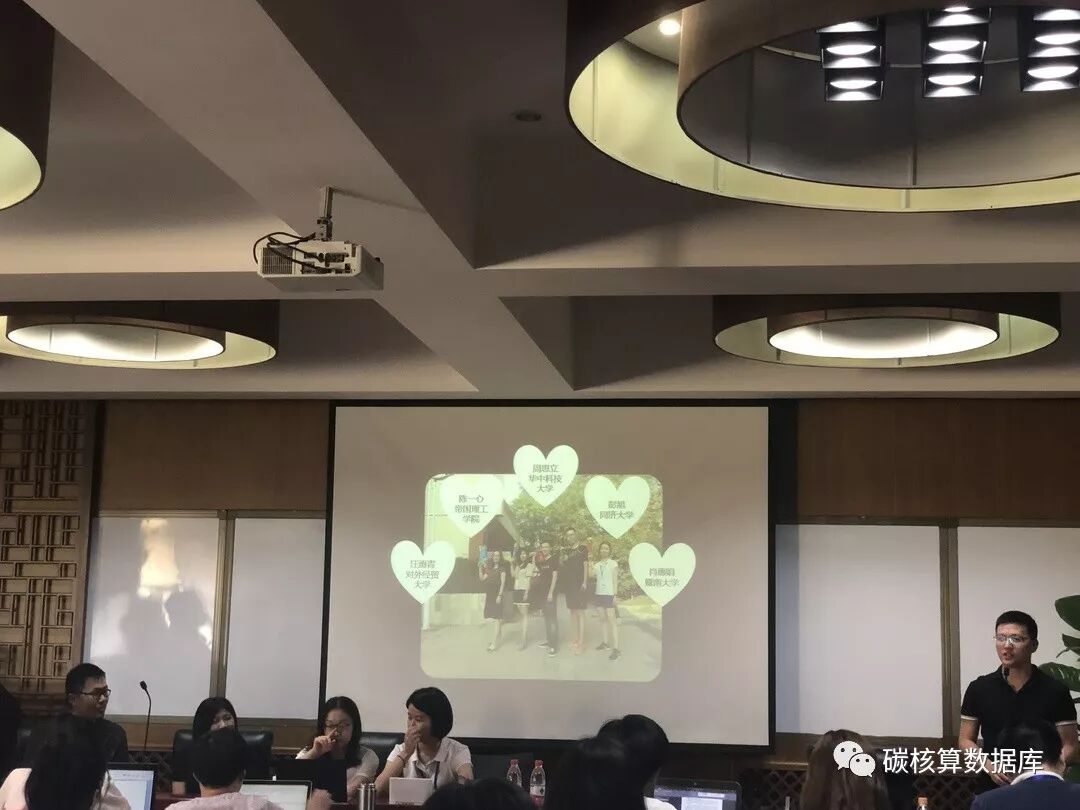
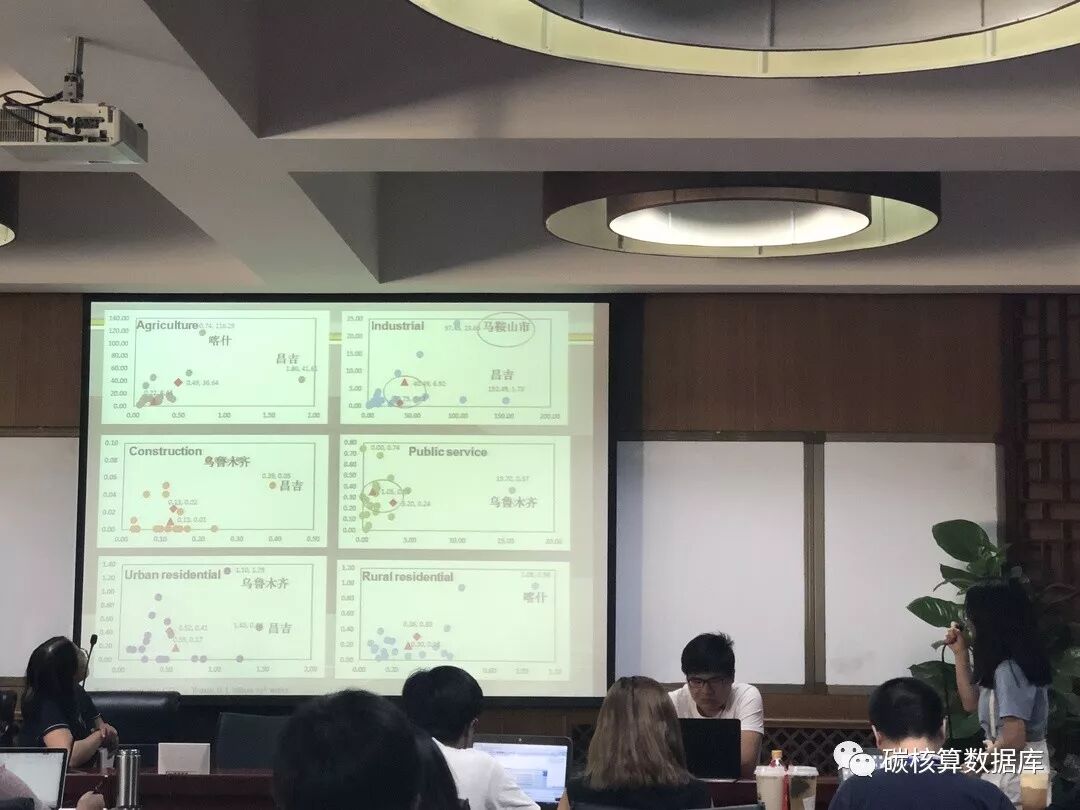
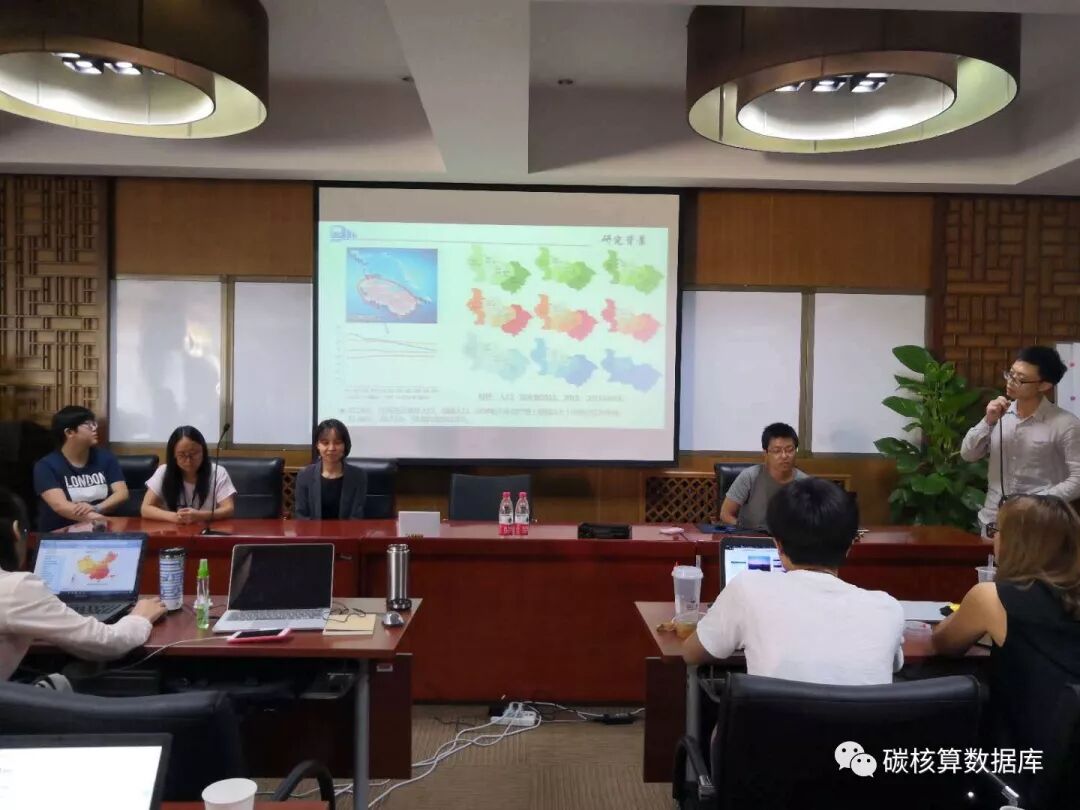
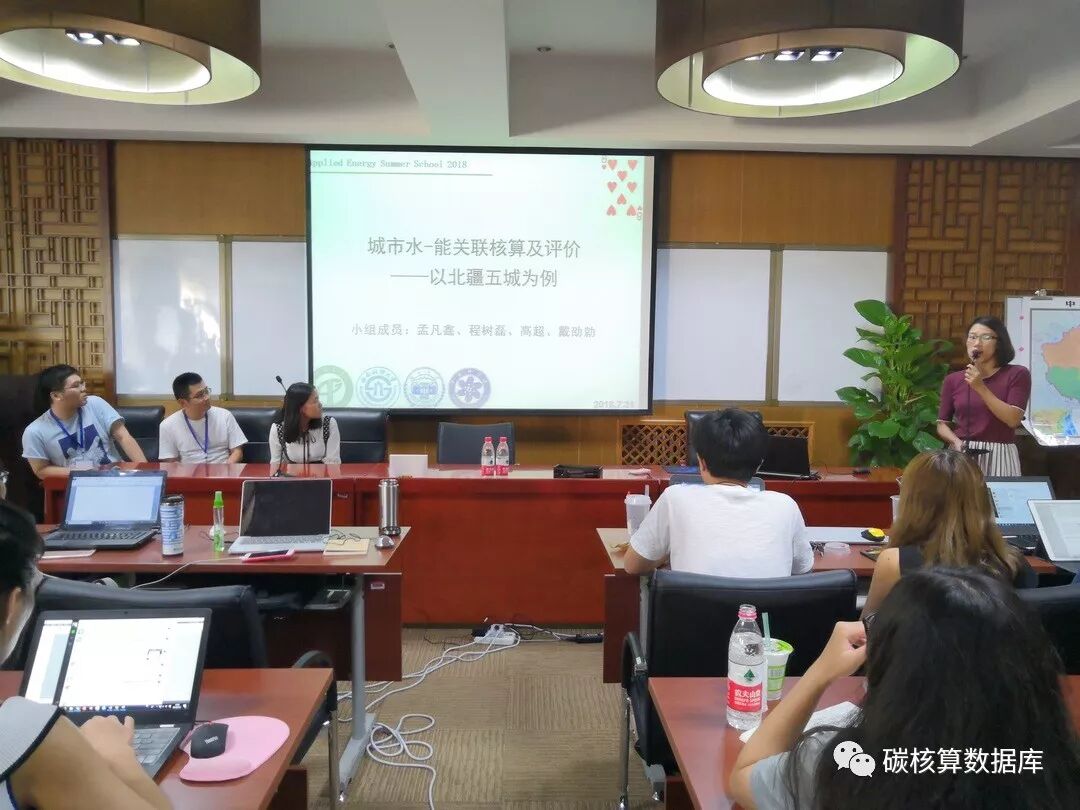
Finally, Spades 2 gave a report titled Spatiotemporal analysis of carbon and water in multiple cities in Hebei Province. Using the min-max normalization method, the team normalized industrial water use and carbon emissions before plotting scatter charts, and used a spatial Durbin model to explore the spatial aggregation effect of carbon emissions. Spades 6 gave a report titled Water-energy-carbon nexus analysis based on city-level carbon and water inventory accounting: A case study of five cities in Jiangsu Province. The team analyzed the carbon-water relationship in five Jiangsu cities in 2015 by city and by industry, and proposed a multi-objective optimization model. Hearts 8 gave a report titled Accounting and evaluation of urban water-energy nexus: A case study of five cities in northern Xinjiang. Through the identification of nexus indicators, the team analyzed the carbon emission intensity and water-use intensity of the five northern Xinjiang cities and their industries.
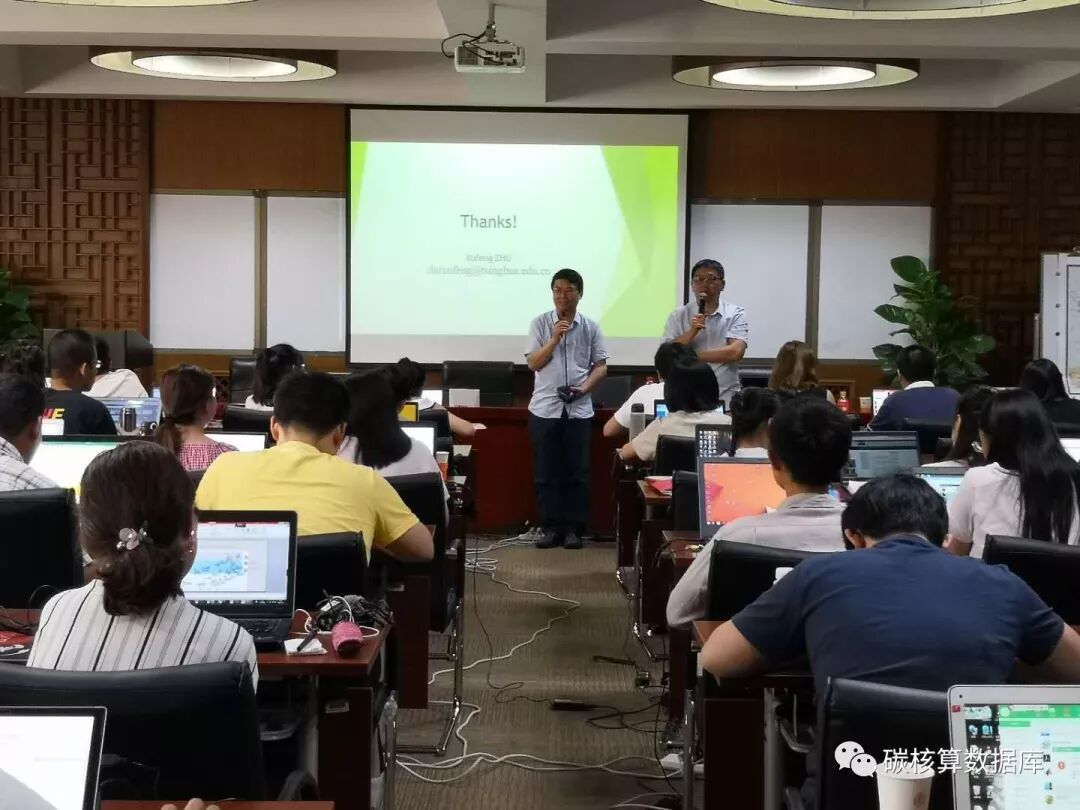
At this point, all group presentations were finished. Professor Guan affirmed the work each group had done during the summer camp and looked forward to everyone continuing to carry out deeper research on the topics they were interested in. Next came the much-anticipated certificate-awarding ceremony. As the music started, the excitement of everyone was obvious ~
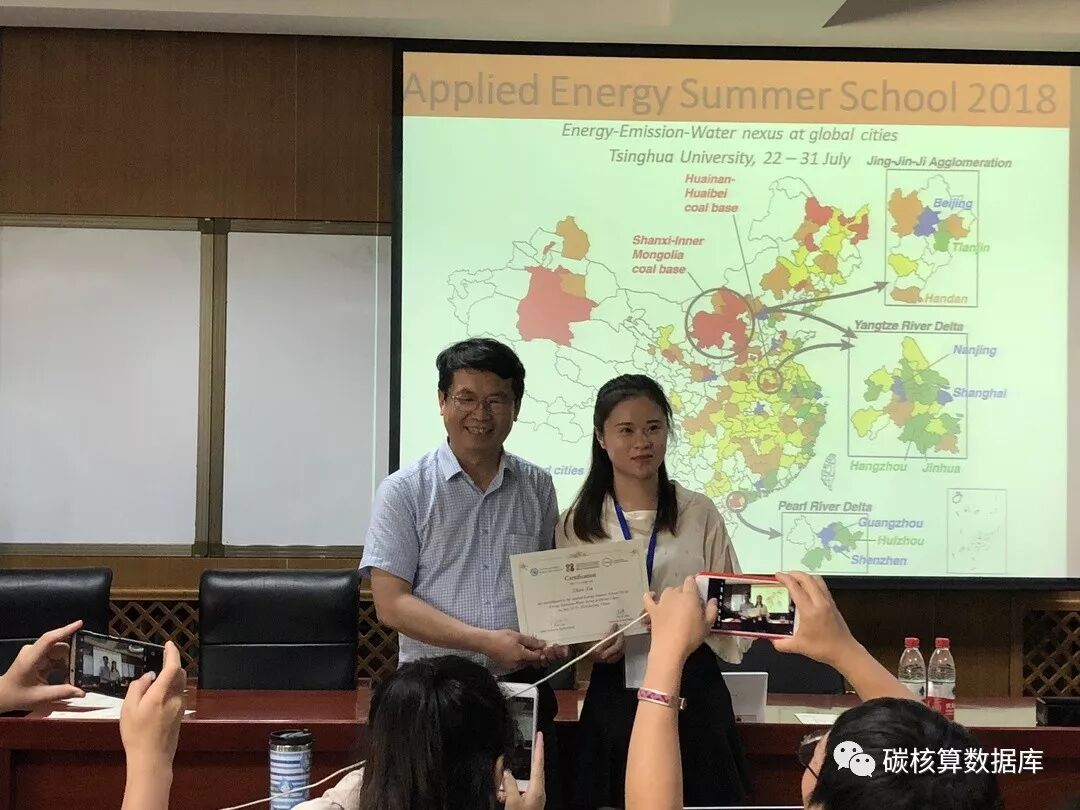
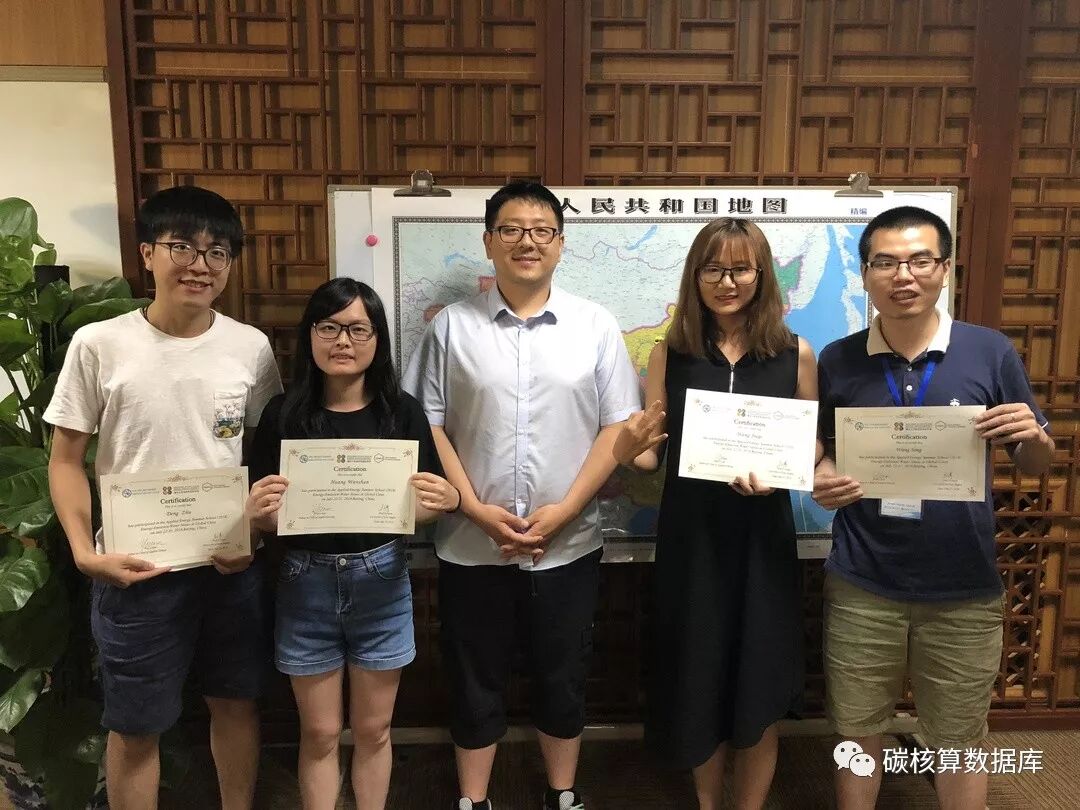
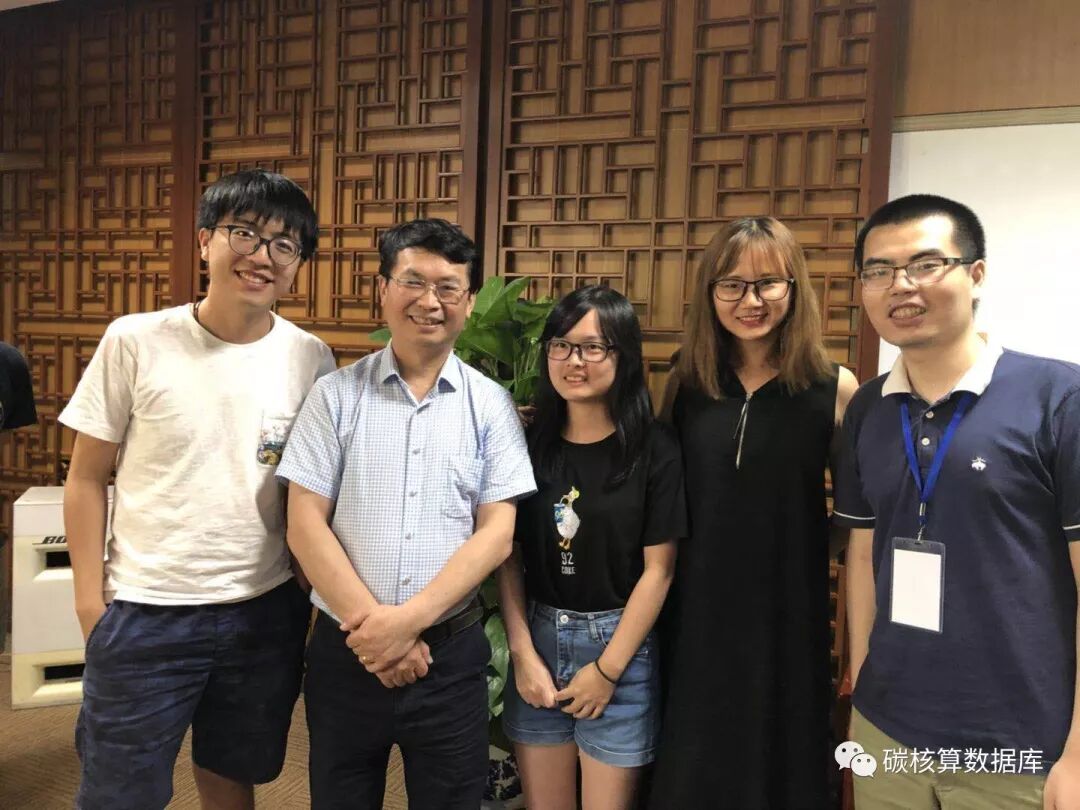
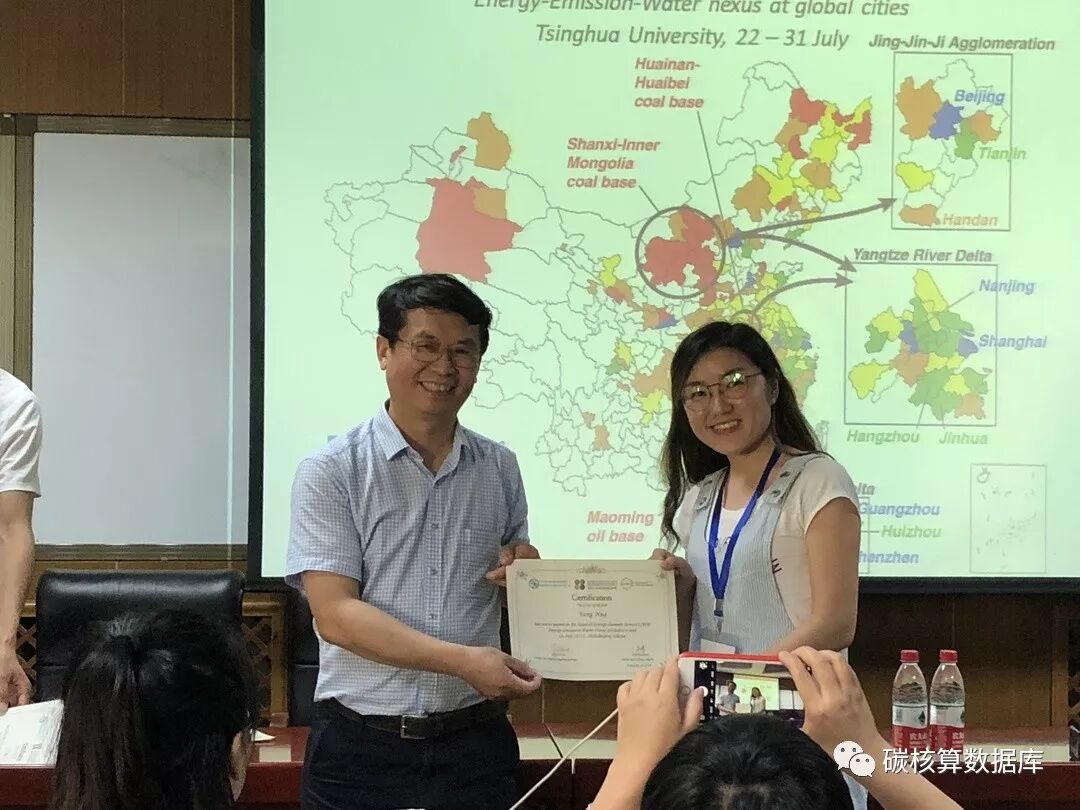
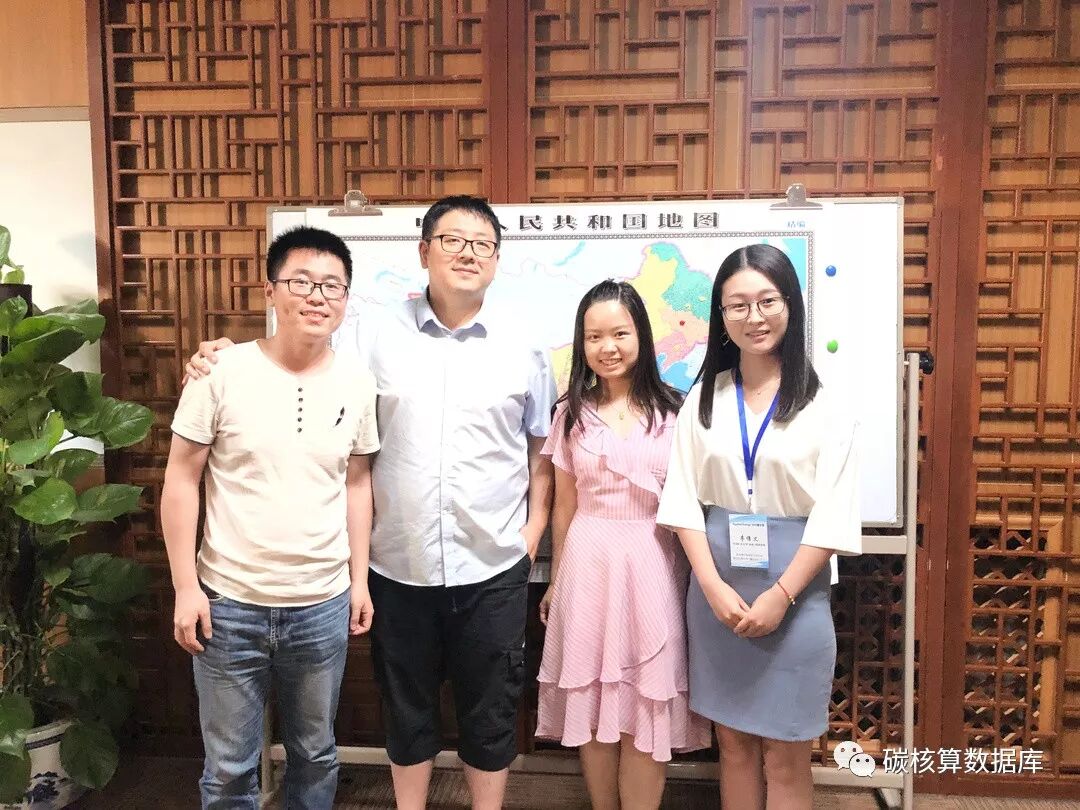
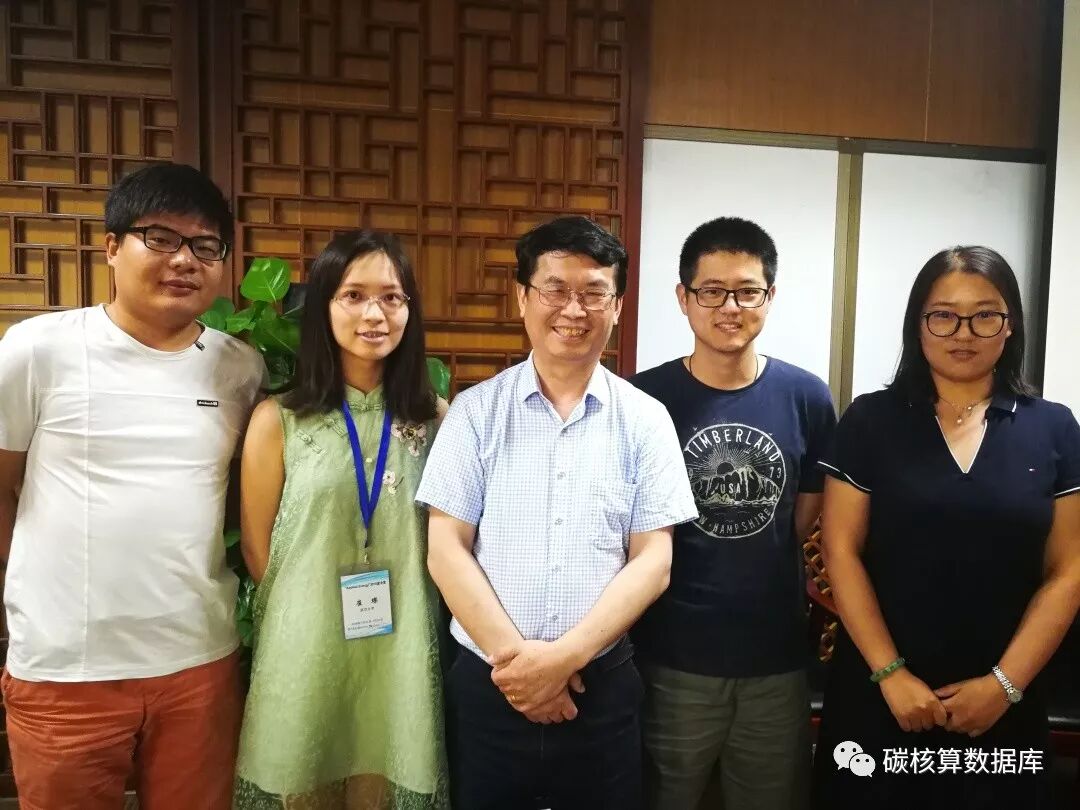
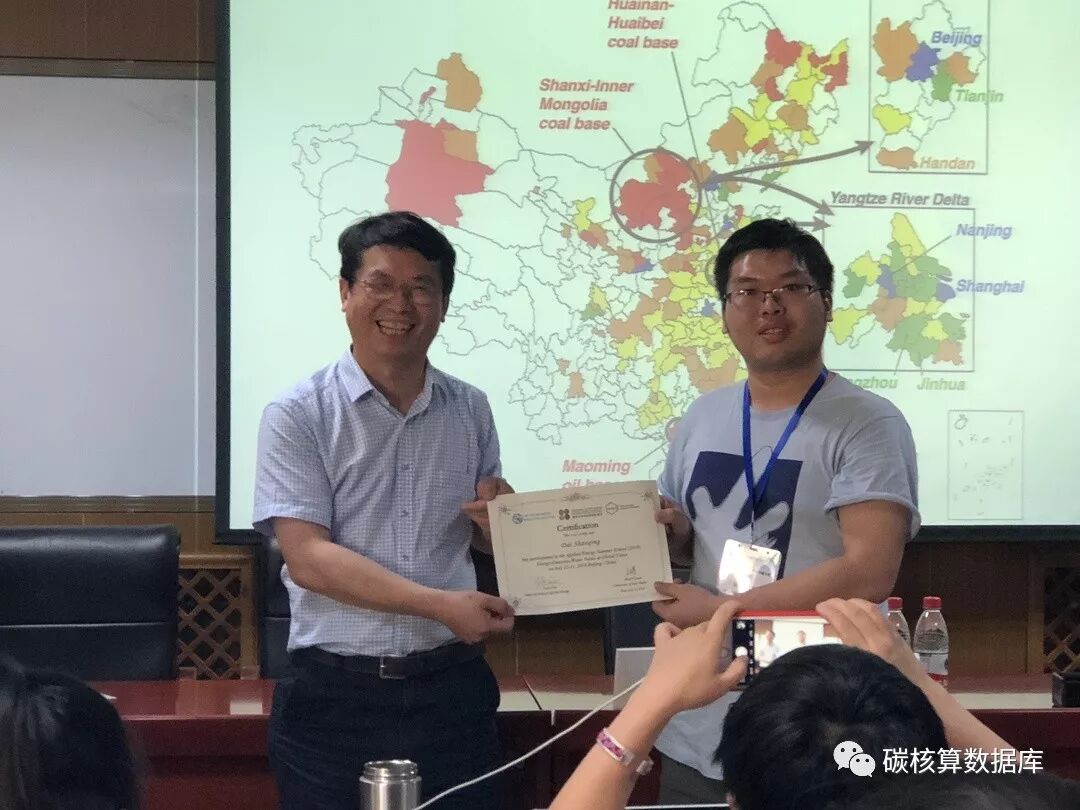
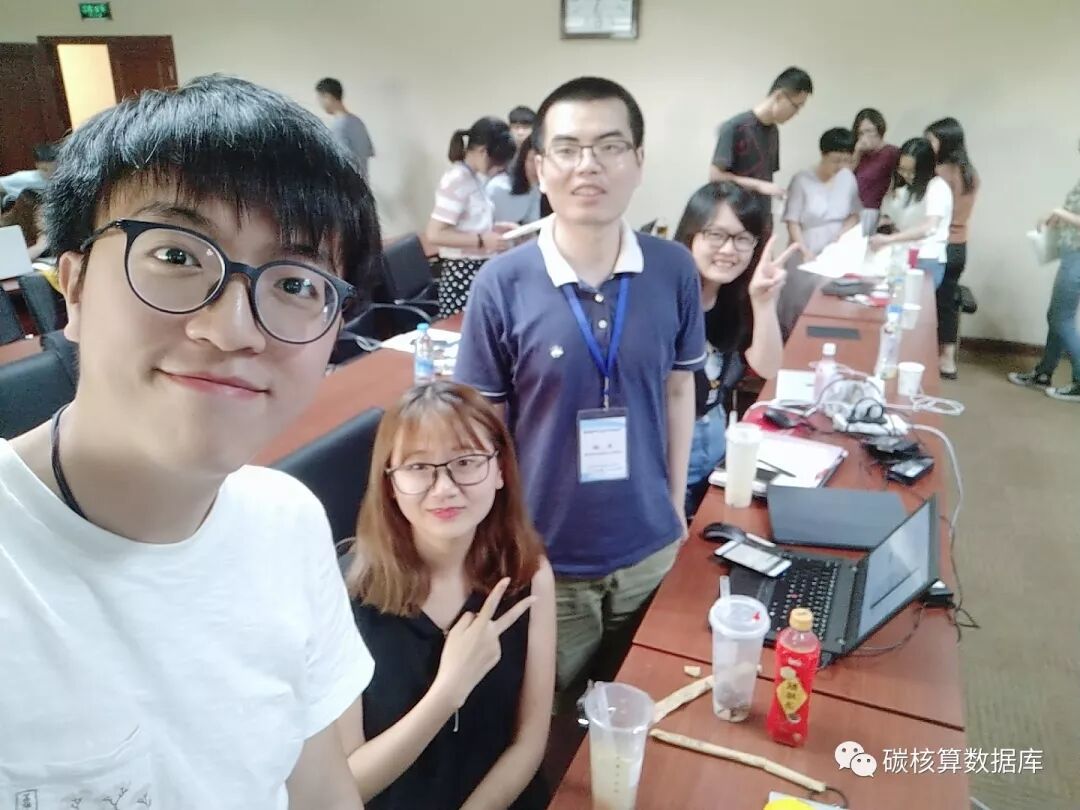
The air was full of affection ~
Finally, Professor Yan congratulated everyone on successfully completing the camp. He pointed out that the summer camp was only a beginning. In our future research, we should pursue the three qualities: interesting, useful, and beneficial. He hoped everyone would do less uninteresting work and more research that is useful and beneficial. Scientific research is not especially dull, and we will keep exploring new ways to help everyone feel that research is interesting. We will be one big family from now on, and everyone should help one another. Whether in research or in work, these are beautiful, unforgettable memories worth treasuring. Finally, Professor Yan hoped that everyone would stay in touch wherever they may be.
Professor Guan thanked Professor Yan for coming, thanked Teacher Qiao Xiaocui and several UEA students for their hard work during this summer camp, and pointed out that the 10-day summer school had ended, but everyone still had a long research journey ahead. In the future, everyone would become close teammates. The nine groups from last year produced two papers, and this year he hoped everyone would encourage one another and work together. We have taken the first step on a long road and need to keep strengthening cooperation with our teammates. He hoped that each student would experience the sense of accomplishment that comes from turning an idea into reality.
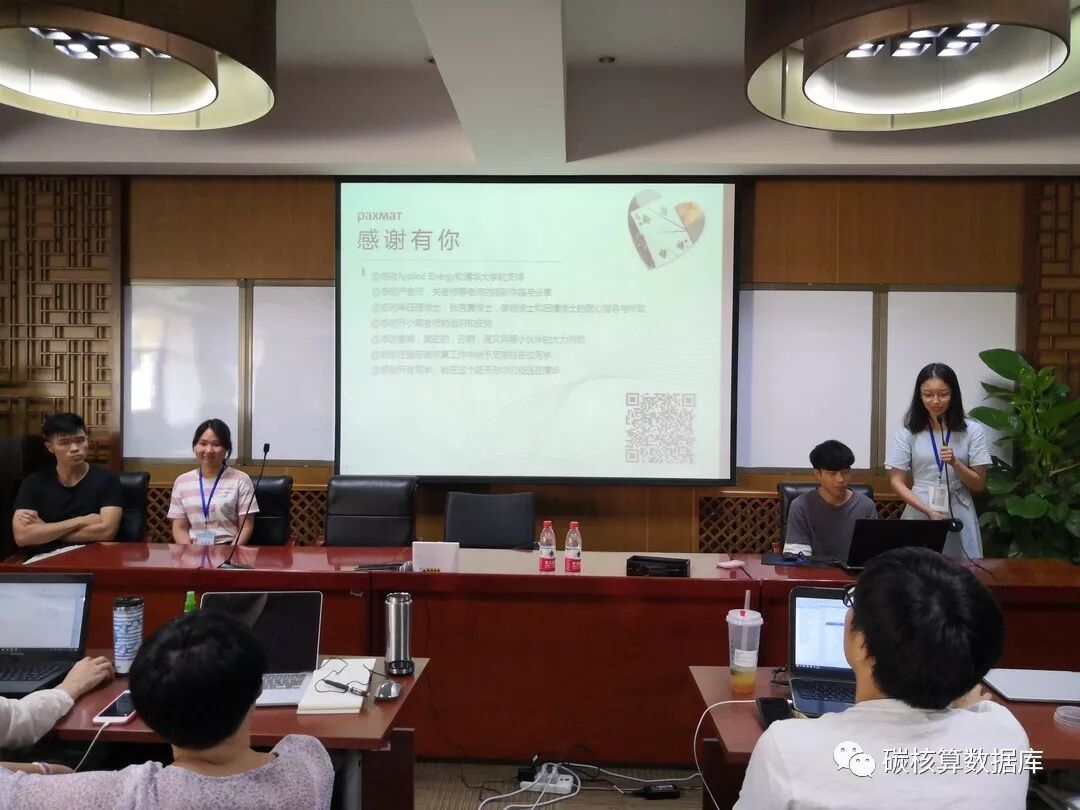
Finally, all campers thanked Professor Guan, Professor Yan, and Professor Qiao for the enormous effort they devoted to this summer camp. They thanked the leading scholars who traveled far and worked hard to teach, guide, and answer questions for us, and they thanked the UEA senior students who helped us. Thank you to all the teachers for giving us such a valuable opportunity to grow during this summer camp. There is a saying: Why fear the endless truth? Every inch forward brings an inch of joy! We hope everyone will follow their dreams and make the most of their youth in research.
AESS, see you next year! ♥