
AESS2018 Tsinghua University Day 8: Brainstorming and Inspiration
Applied Energy Summer School 2018 Tsinghua University
Day 8
Brainstorming and Inspiration
As the summer school gradually approached its close, the continuing rotation among groups injected new water-energy nexus ideas into each team and its crowdsourcing work. Intense exchanges of ideas helped the teams gradually clarify their thinking. While preparations for the final presentations were in full swing, the lectures today were especially engaging: Academician He Kebin first shared national-level strategic planning for blue skies and low-carbon development, along with advice on academic research; Professor Xue Jinjun then delivered an excellent talk on the flying-geese theory and its innovative applications to environmental issues; afterward, Dr. Wang Ran shared research on global production fragmentation and environmental issues. After this academic feast, the name-tag tearing game and water-gun battle brought the campers a welcome sense of coolness in the summer heat.
At 9 a.m., a brand-new day opened with remarks by Academician He Kebin. Academician He Kebin is a member of the Chinese Academy of Engineering, dean of the School of Environment at Tsinghua University, and director of the State Environmental Protection Key Laboratory of Sources and Control of Air Pollution Complex. In his remarks, Academician He first noted that carbon and haze are both highly watched issues and closely connected. The strategic goals of blue skies and low carbon should advance in synergy, with different emphases at different stages: from 2020 to 2035, blue-sky action will drive low-carbon development; from 2035 to 2050, low-carbon development will pull blue-sky progress. At the end of his talk, Academician He advised the campers that research should not be confined within fixed boundaries. By learning more from other research directions, researchers can accumulate ideas and methods, and unexpected results may come naturally in the future.
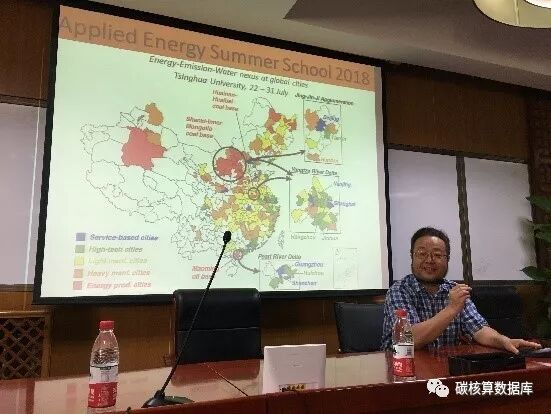
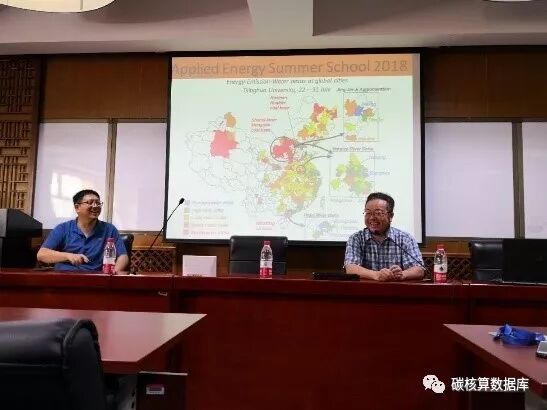
Face to Face with an Academician, So Exciting
Later, Professor Xue Jinjun, director of the Institute of Low Carbon Economy at the School of Economics, Nagoya University, Japan, gave an accessible yet in-depth introduction to the flying-geese theory and its innovative application to environmental issues. First, Professor Xue introduced the origin of the theory and the flying-geese model, comparing the economic development processes of China, Japan, and the Four Asian Tigers. He then focused on innovative applications of the theory to carbon emissions. Professor Xue pointed out that although every country must pass through a stage of polluting first and treating later, low-carbon approaches and new technologies can shorten this process, creating a tunnel effect. Finally, Professor Xue emphasized China as the lead goose in building a green, low-carbon Belt and Road. China can, and has the capacity to, guide the process of global climate governance.
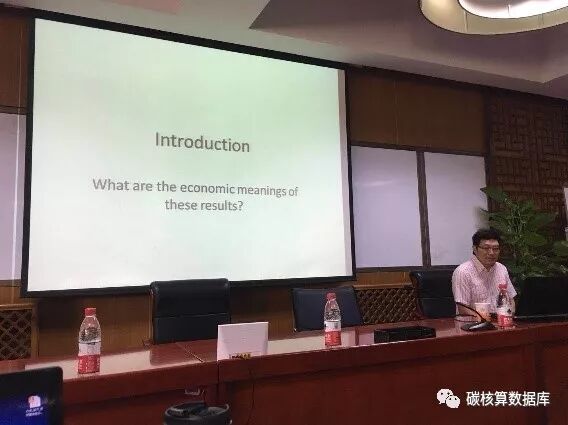
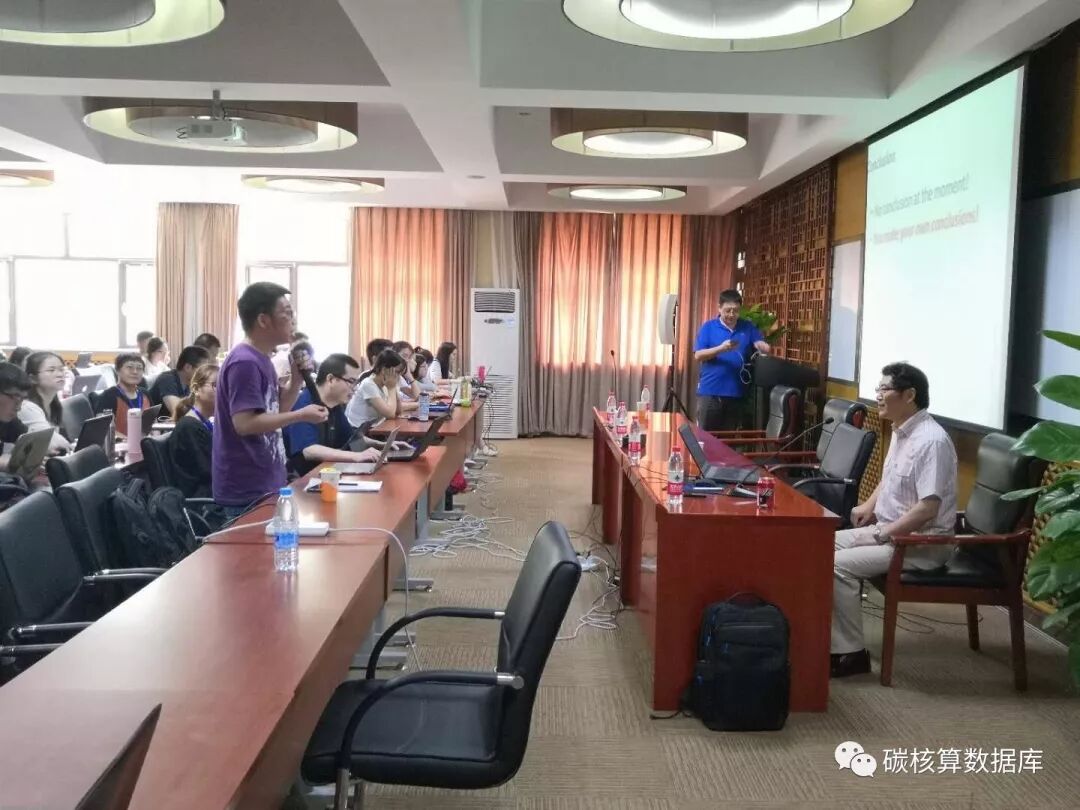
In the afternoon, the third lecture of the day arrived. Associate Researcher Wang Ran, from the Institute of International Low Carbon Economy at the University of International Business and Economics and assistant dean of the Research Institute for Global Value Chains, gave a vivid introduction to research on global production fragmentation and environmental issues. Dr. Wang organized the talk into three parts. First, she introduced relevant concepts of global value chains and their expression in the smile curve, and noted that the global division of labor has also brought new phenomena such as manufacturing hollowing-out, resource curses, and lock-in effects. Second, she shared content related to green value chains and explained the importance of studying green value chains in the current era of internationalization, especially against the background of the special role China plays in climate change. Third, using the textile industry as an example, Dr. Wang presented an analysis of green value chains and, with Red Collar in Qingdao as a case, emphasized that upgrading value chains through green and intelligent manufacturing is the future trend for Chinese economic development.
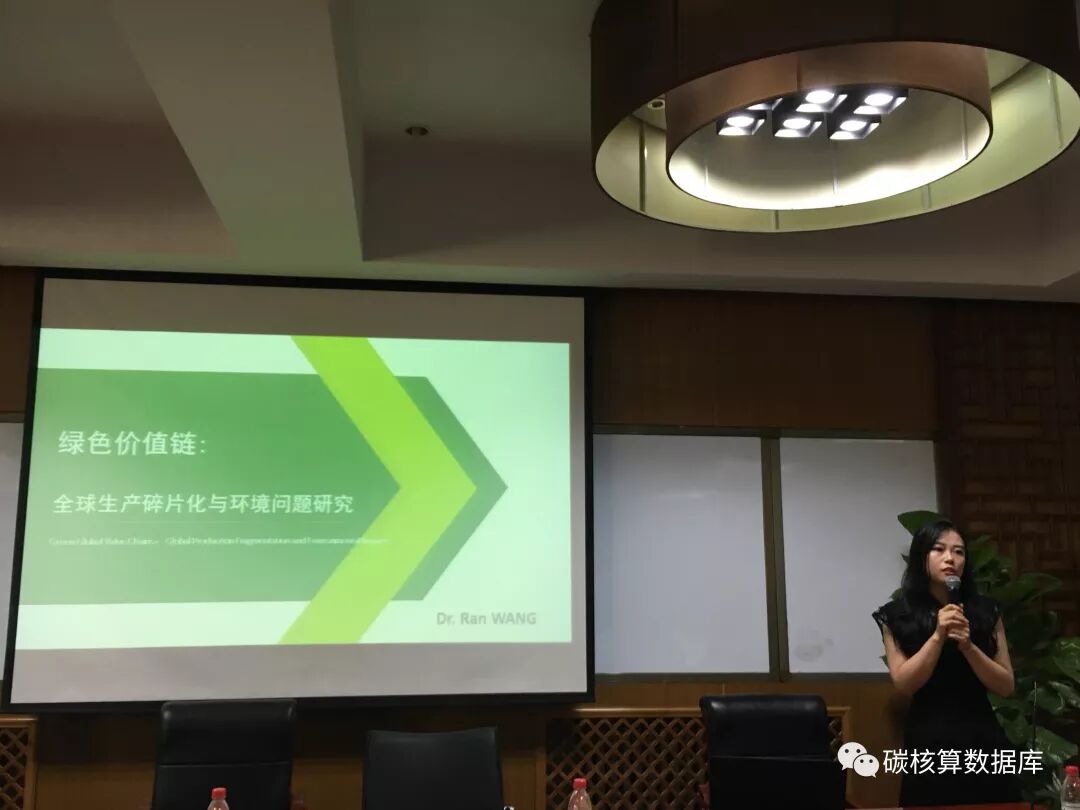
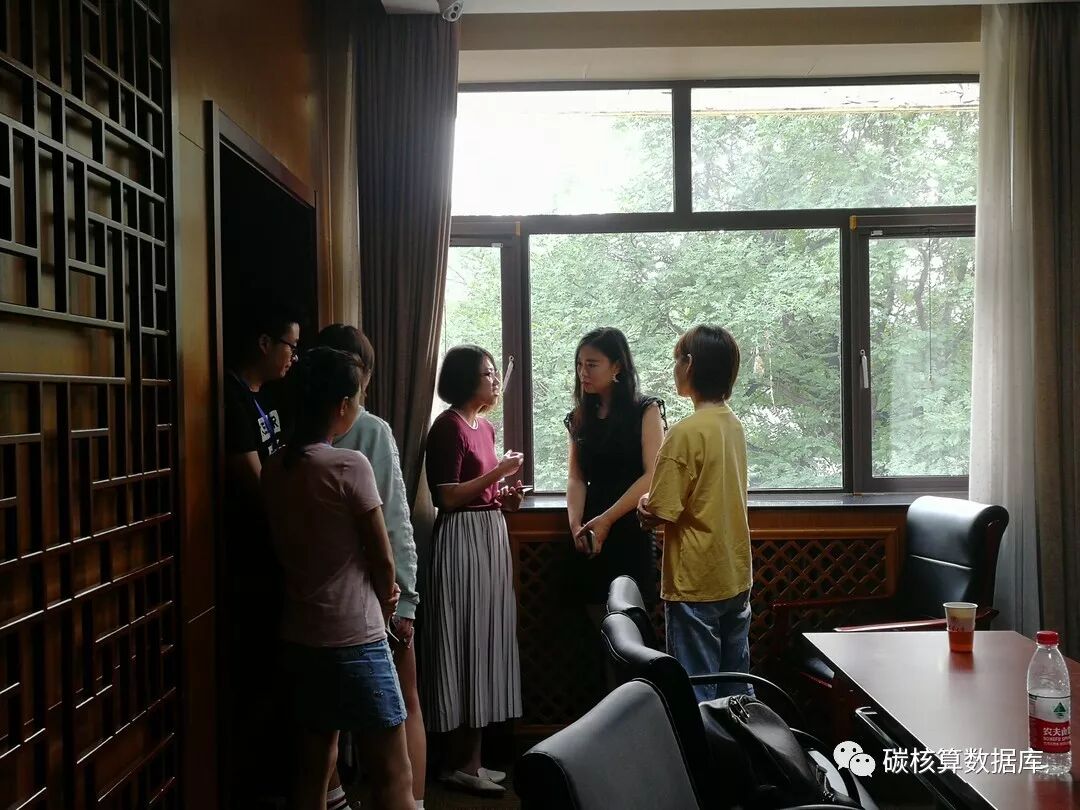
Quick, Capture This Beautiful Teacher in a Photo
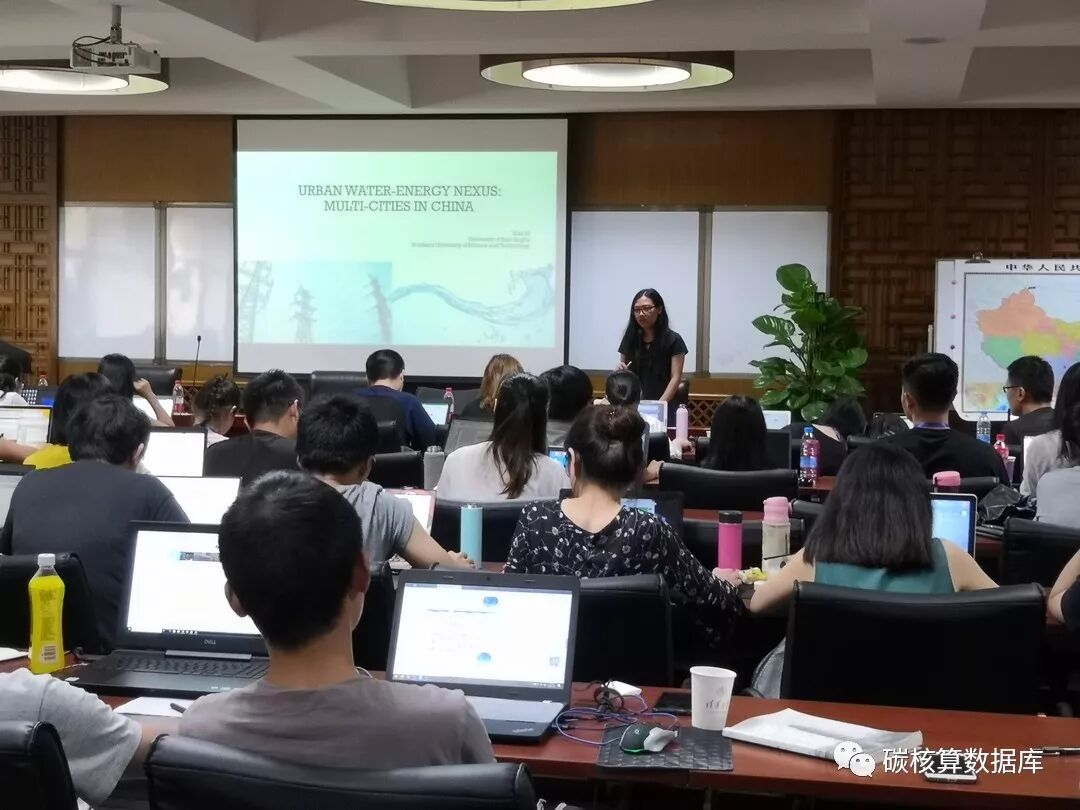
Next, Li Xian, a doctoral student supervised by Dr. Guan Dabo, shared her research on the water-energy nexus with the campers. Using a single-region input-output method and taking the Beijing-Tianjin-Hebei region as an example, Li carried out related research on the water-energy nexus. Her sharing brought the campers new ideas.
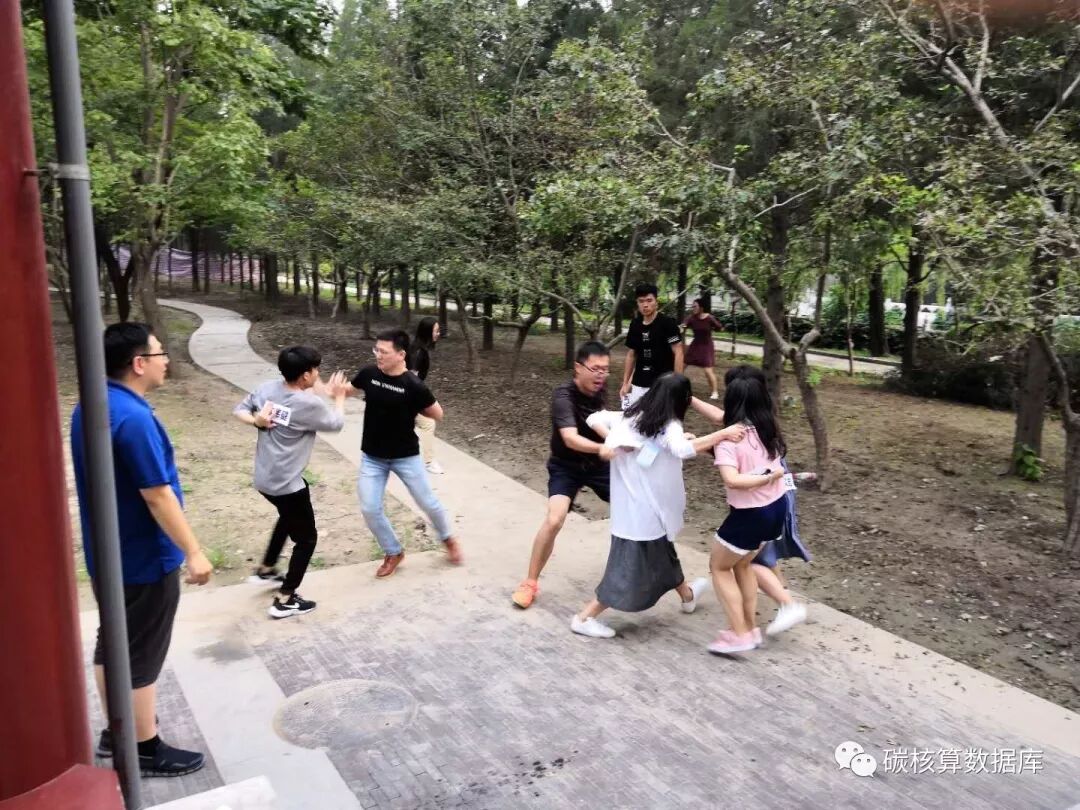
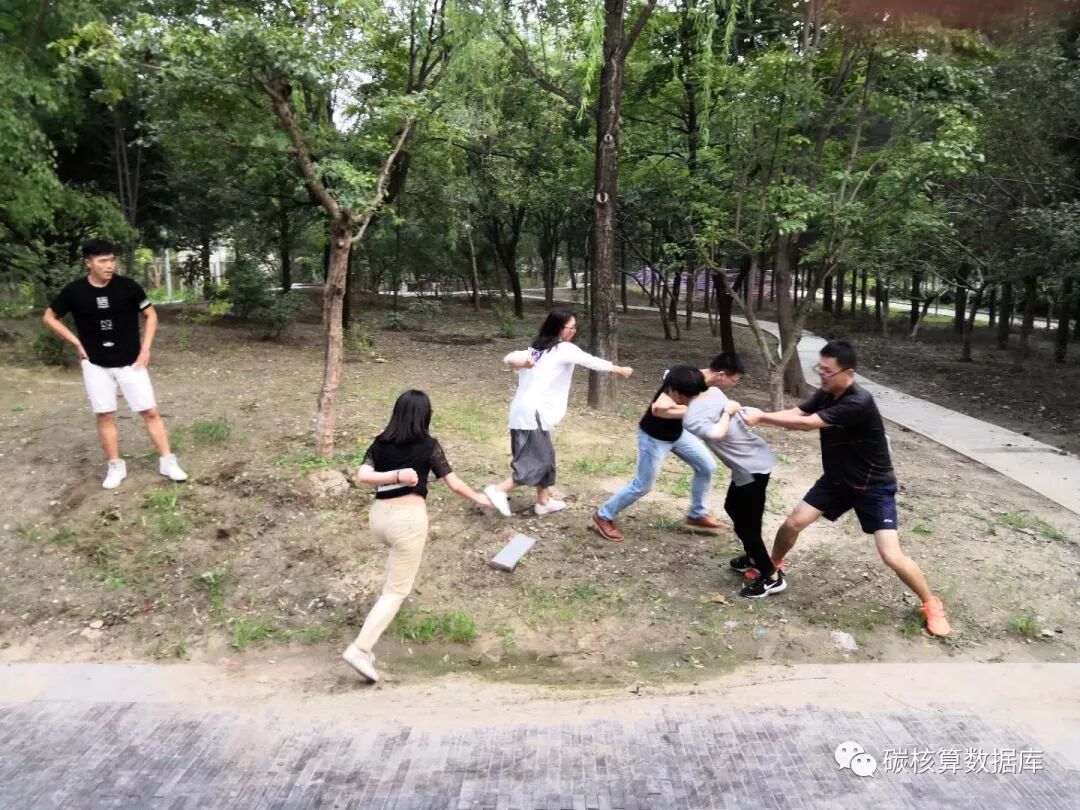
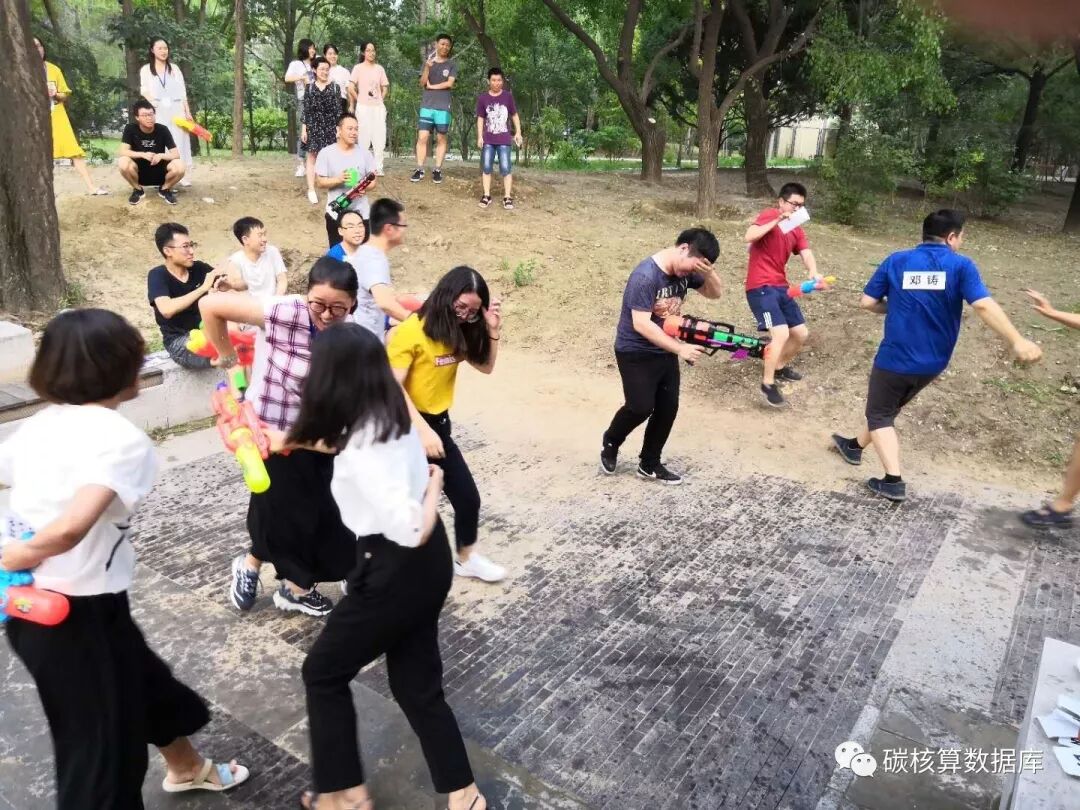
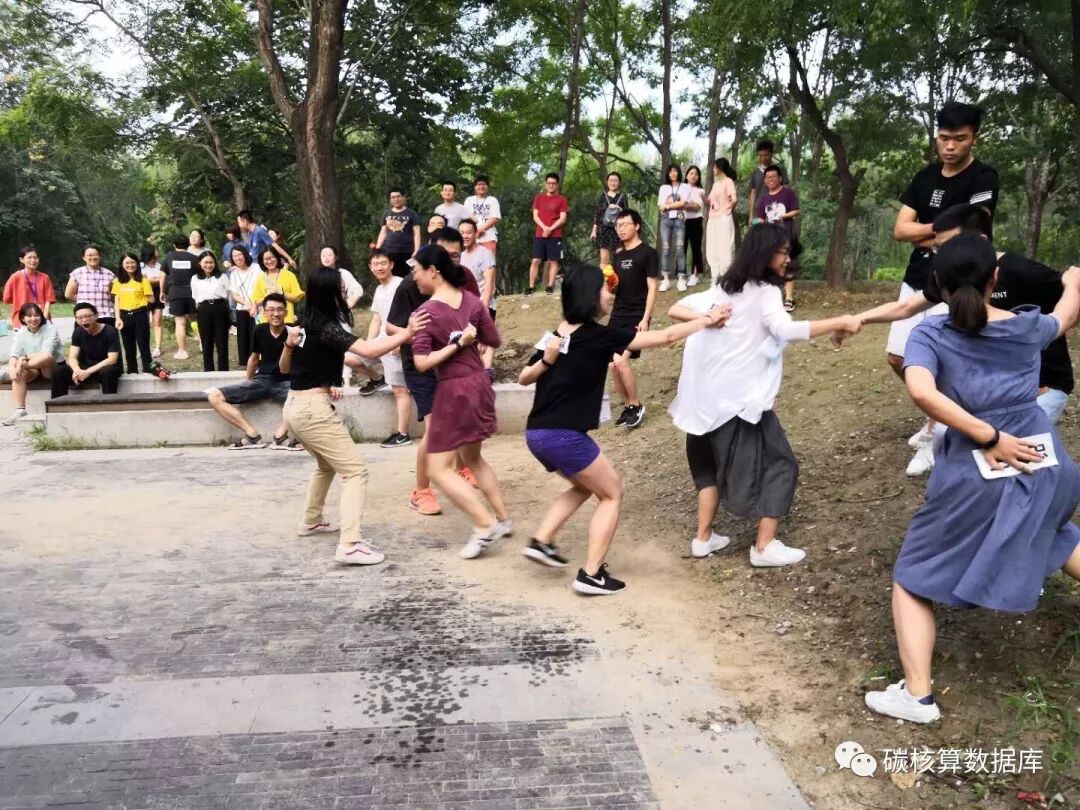
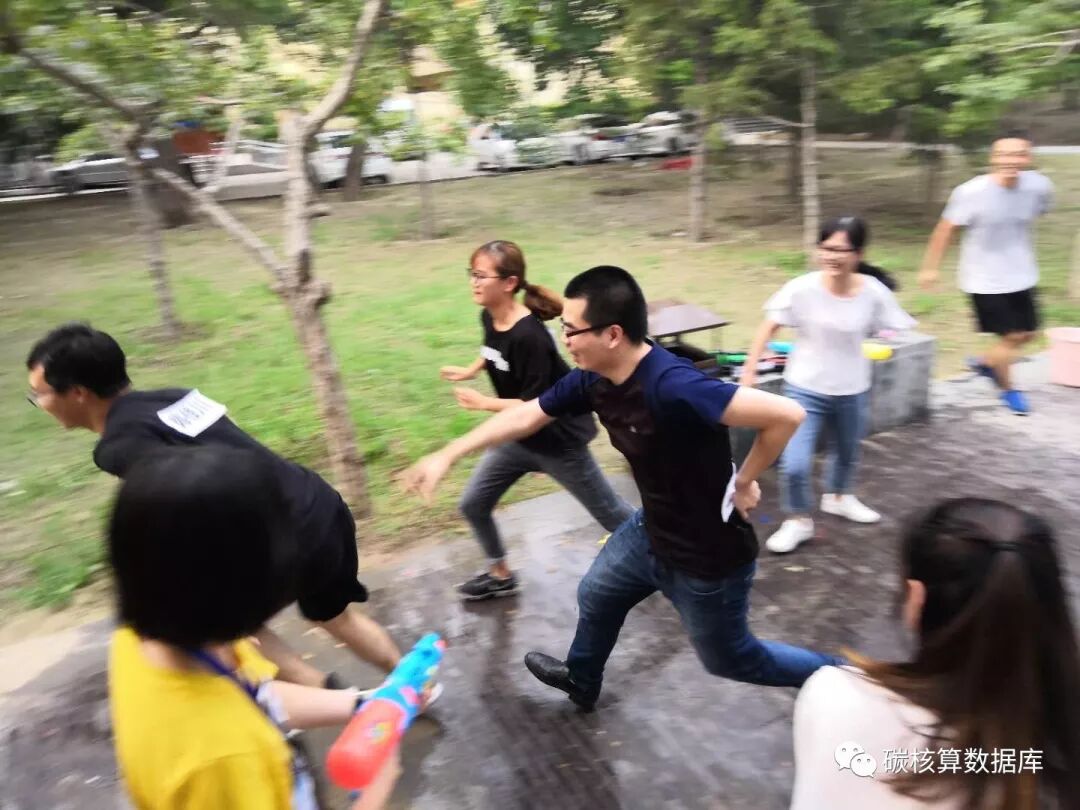
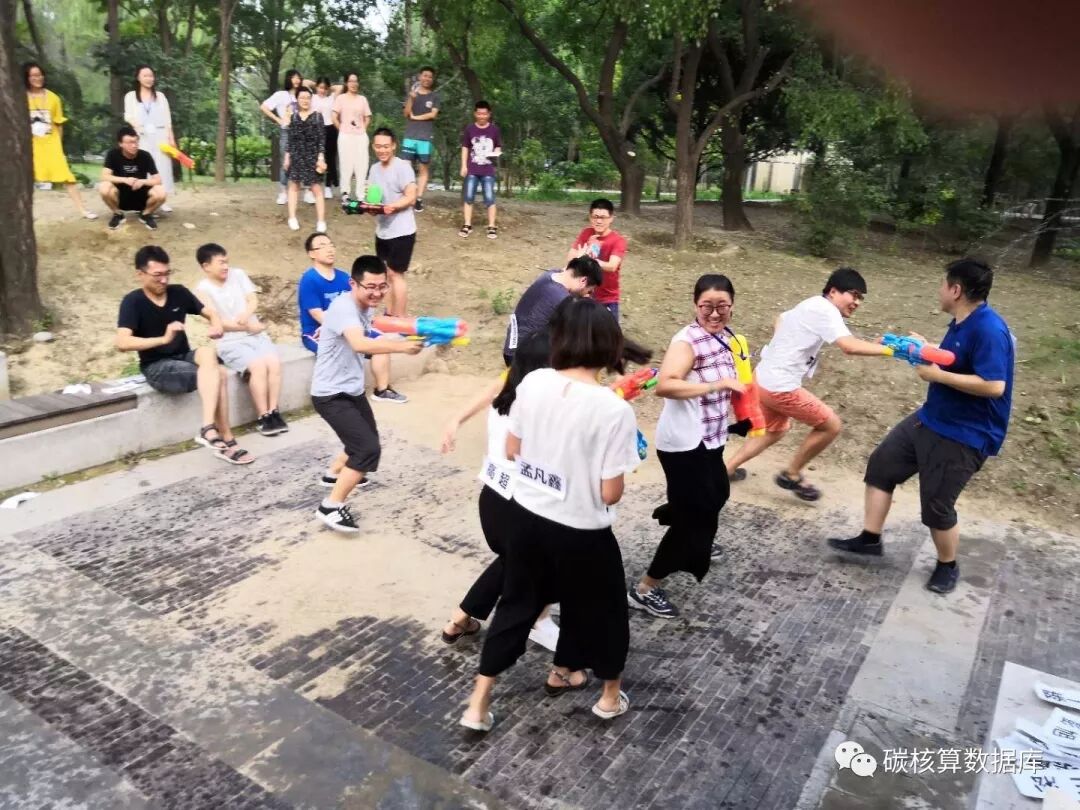
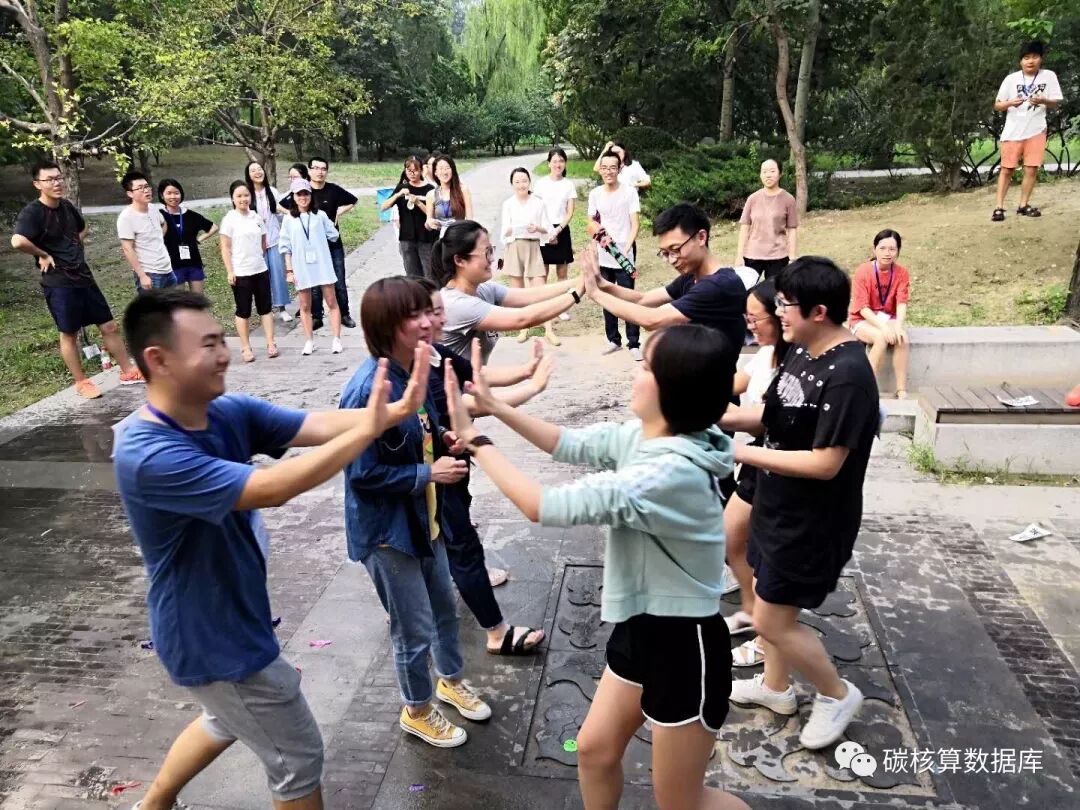
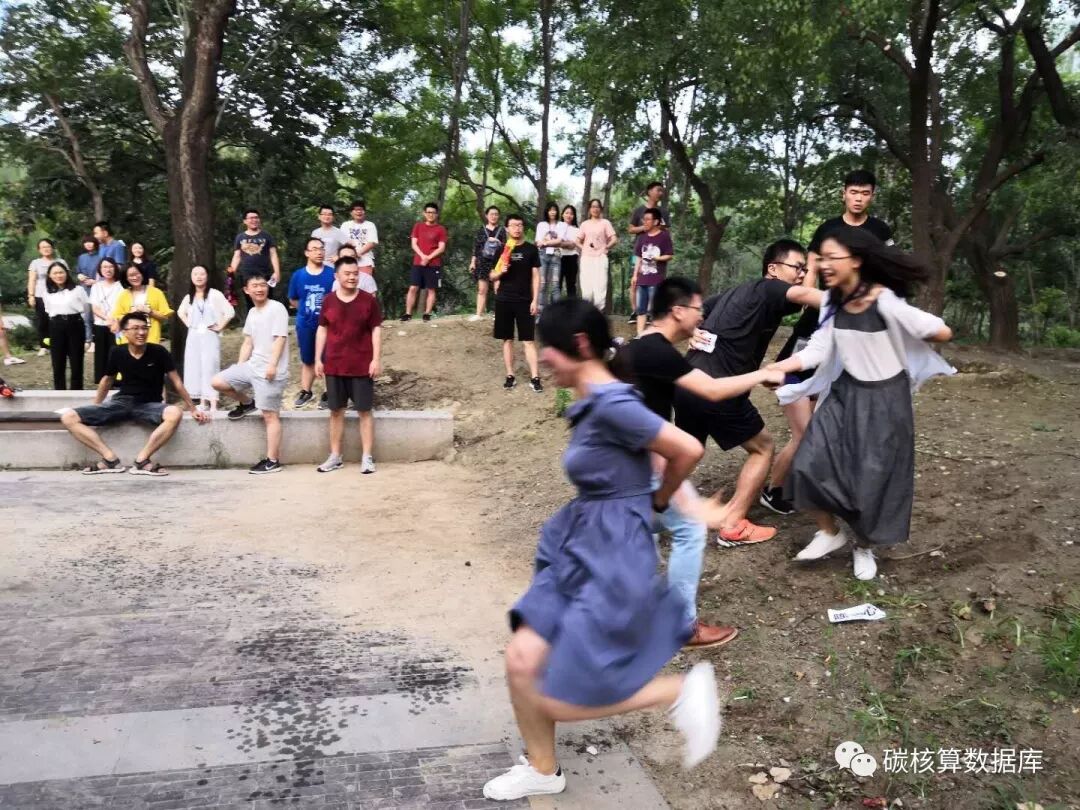
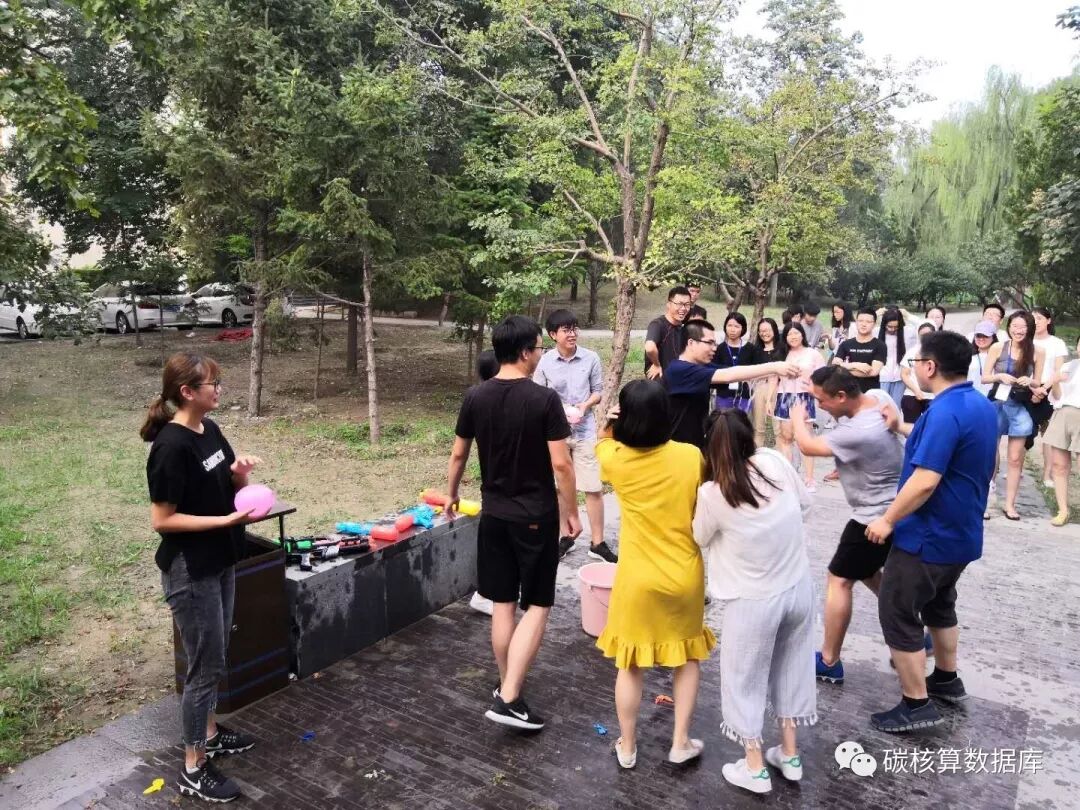
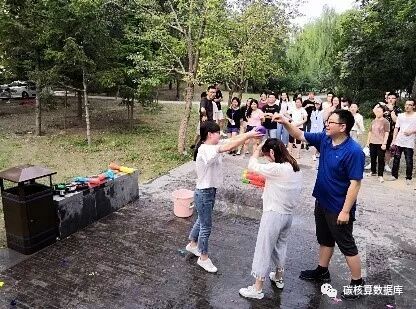
At 6:00 p.m., the most exciting name-tag tearing plus water-gun game officially began. Teams competed in pairs. Intelligent tactics, nimble footwork, and quick turns showed how hard everyone fought to win; the girls were also full of fighting power. The losing team ultimately accepted the penalty of having water balloons burst over their heads, a thoroughly refreshing moment.
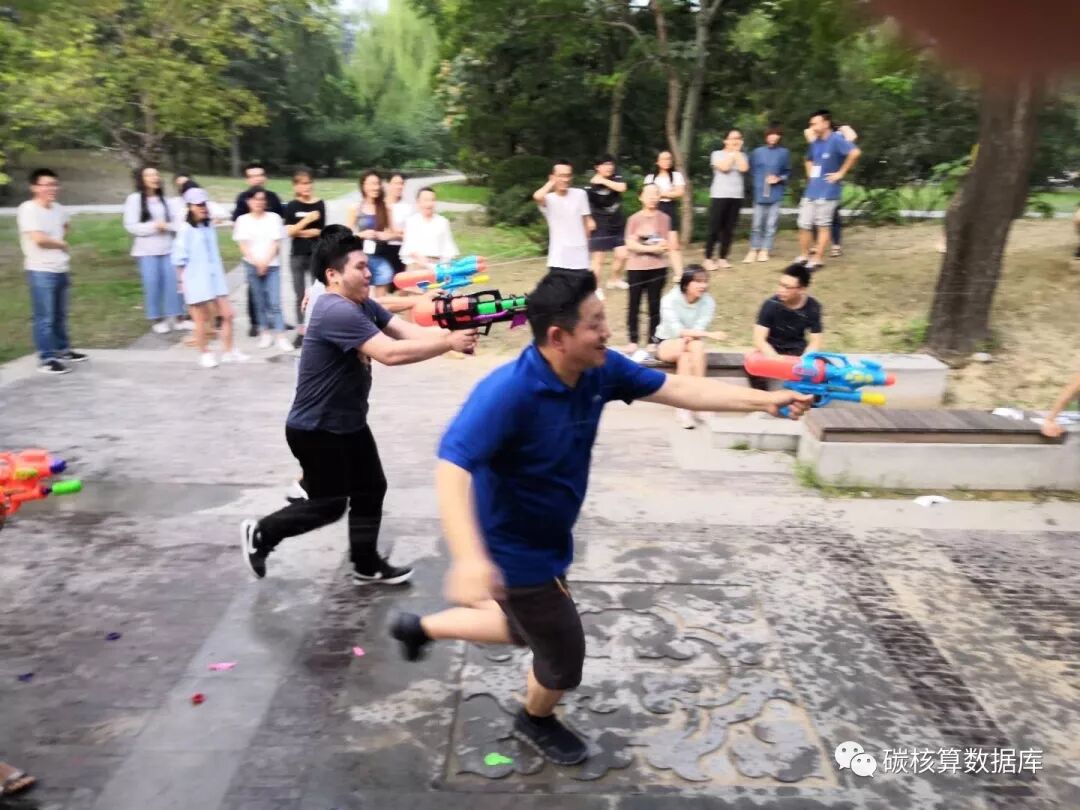
Full Water Power
Charge Ahead
The lectures today were wonderful, and inspiration from each group continued to emerge through the cross-pollination of ideas. We look forward to the excellent presentations from all groups tomorrow.