
AESS2018 Tsinghua University Day 7: Embracing All Rivers, Gathering Talents
Applied Energy Summer School 2018 Tsinghua University
Day 7
Embracing All Rivers, Gathering Talents
Youth passes quickly, and learning is hard won; not a moment of time should be taken lightly. The summer school has reached its seventh day. Students from across China continued to study with strong enthusiasm, making the most of this rare opportunity and throwing themselves into a new day of learning and work. The theme for the day was connection across groups: teams exchanged experience, further checked the crowdsourced calculation results, and deepened and broadened their learning.
At 9:00 in the morning, the new day began with a lecture by Professor Li Shantong. Professor Li, in her seventies, is a researcher in the Department of Development Strategy and Regional Economy at the Development Research Center of the State Council, a jointly appointed professor at the School of Public Policy and Management of Tsinghua University, and a senior scholar in environmental economics in China. She came to Jinchun Garden at Tsinghua to give the Applied Energy summer school students a lecture titled "The Impact of Economic and Social Changes in the New Stage on Urbanization Development in China", introducing the development of urbanization in China.
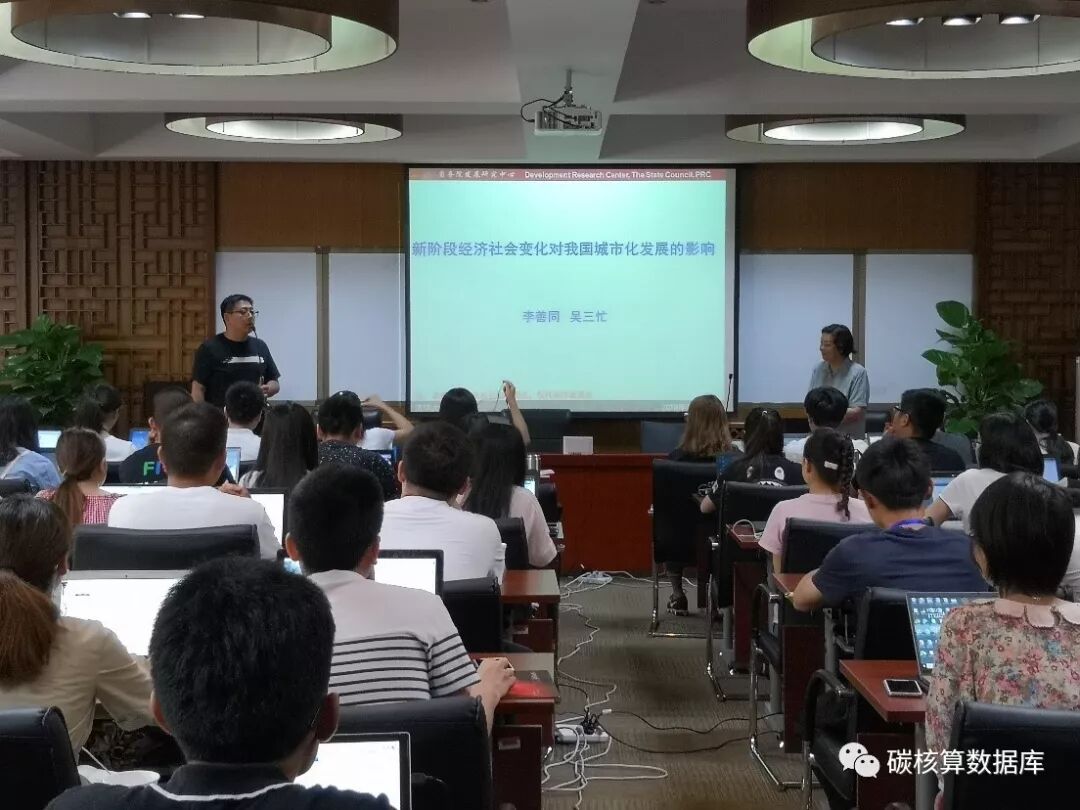
So happy to see the goddess~
Urbanization is often regarded as a lever for economic growth, while Professor Li studies urbanization from a different angle, seeing it as a result of economic growth. Economic growth is a macro driver of urbanization. At the same time, changes in industrial structure, factor mobility, agglomeration economies, technological progress, and government behavior are all important factors. As China enters a new stage of economic and social development, per capita income is moving from upper-middle income toward high income, industrialization is shifting toward a post-industrial era, and producer services are leading the integrated development of manufacturing and services. Different cities therefore show different industrial choices. Professor Li noted that urbanization in China has entered a stage of slower growth: when urbanization is between 30% and 50%, it accelerates; when it reaches 50% to 70%, it begins to slow. In the future, city clusters will become the main form of urbanization.
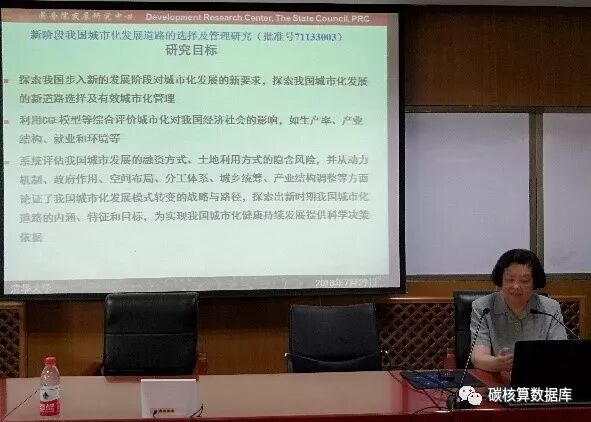
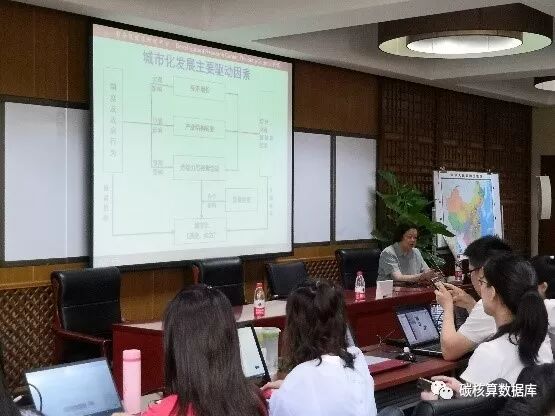
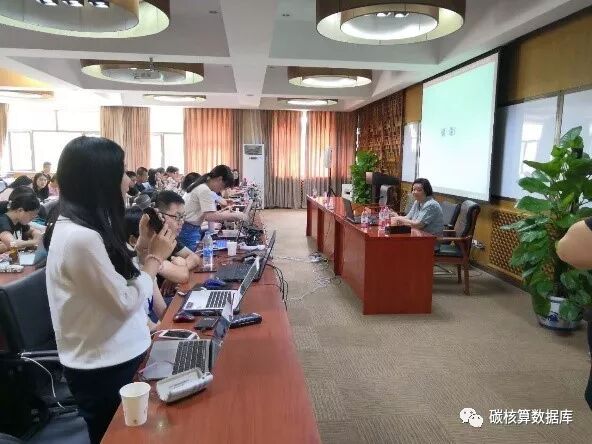
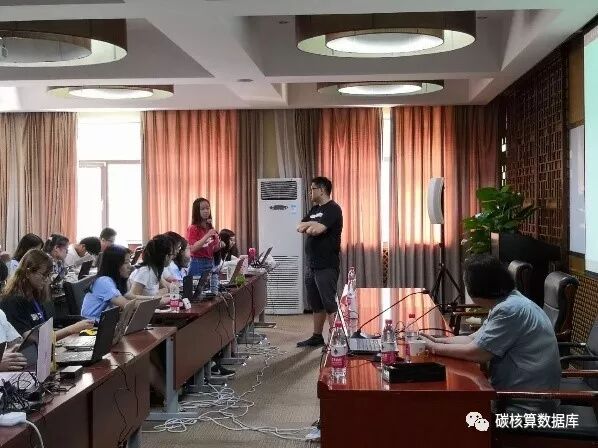
A Multidimensional Reading of Urbanization
Next came another academic feast. Professor Xu Meng from Beijing Jiaotong University introduced a very interesting study: "Tradable Road Permits: Traffic Demand Management Policy under a Credit Mechanism". The first concept to understand is traffic demand management. It refers to the set of policies, technologies, and management measures used to influence travel behavior in order to improve transport system efficiency and achieve specific goals such as easing congestion, saving energy, and reducing pollution. A typical government tool for managing traffic is price regulation, such as congestion charges. With humor and a storytelling style, Professor Xu explained why tradable road permits are needed and what feasible approaches may look like. The lecture helped participants understand the topic step by step and sparked academic interest. Students raised questions, held friendly exchanges with Professor Xu, received careful replies, and generated many research ideas.
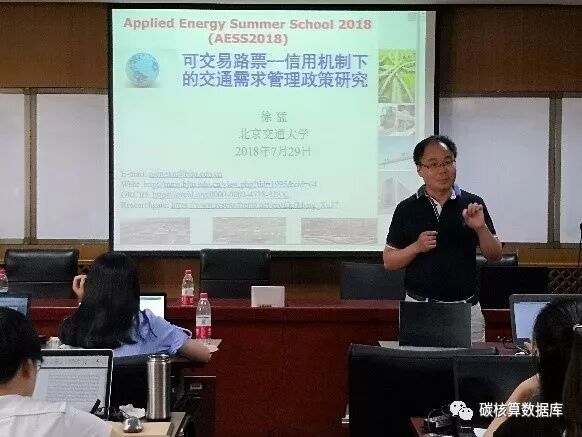
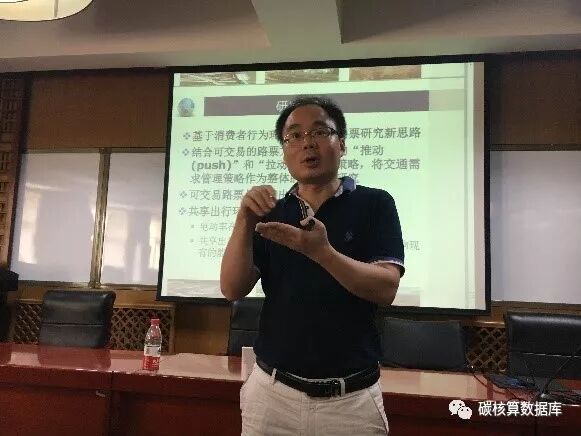
Professor Xu teaches with built-in special effects
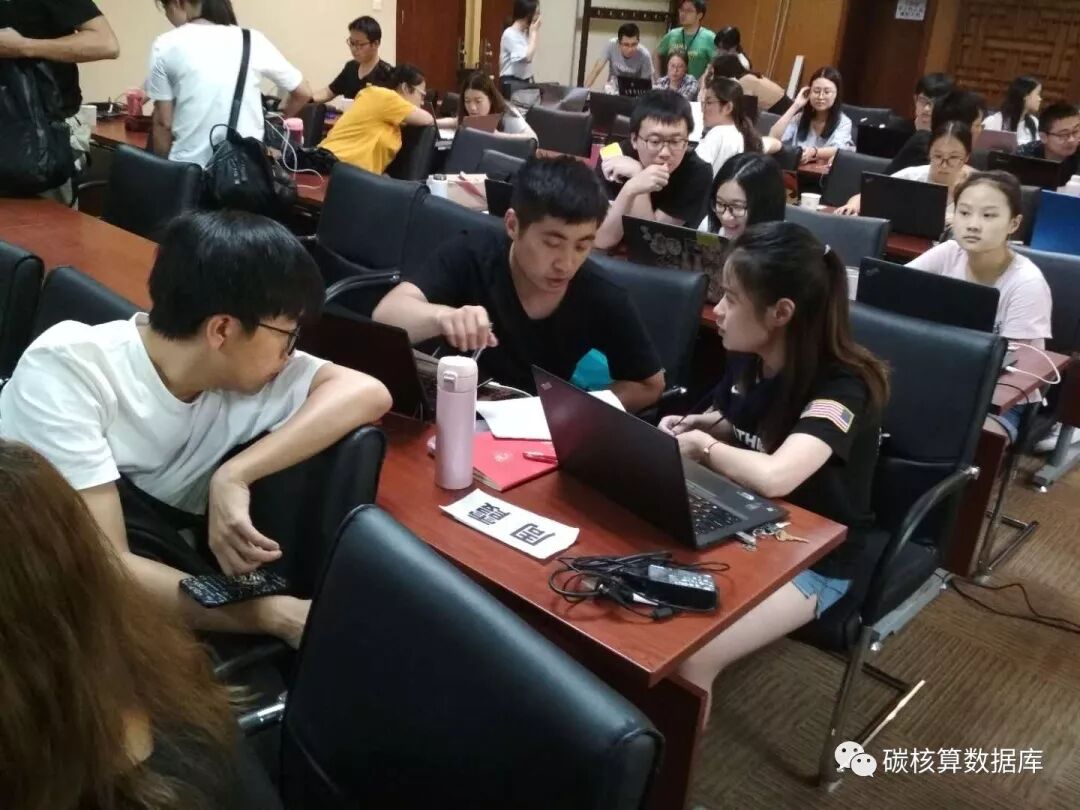
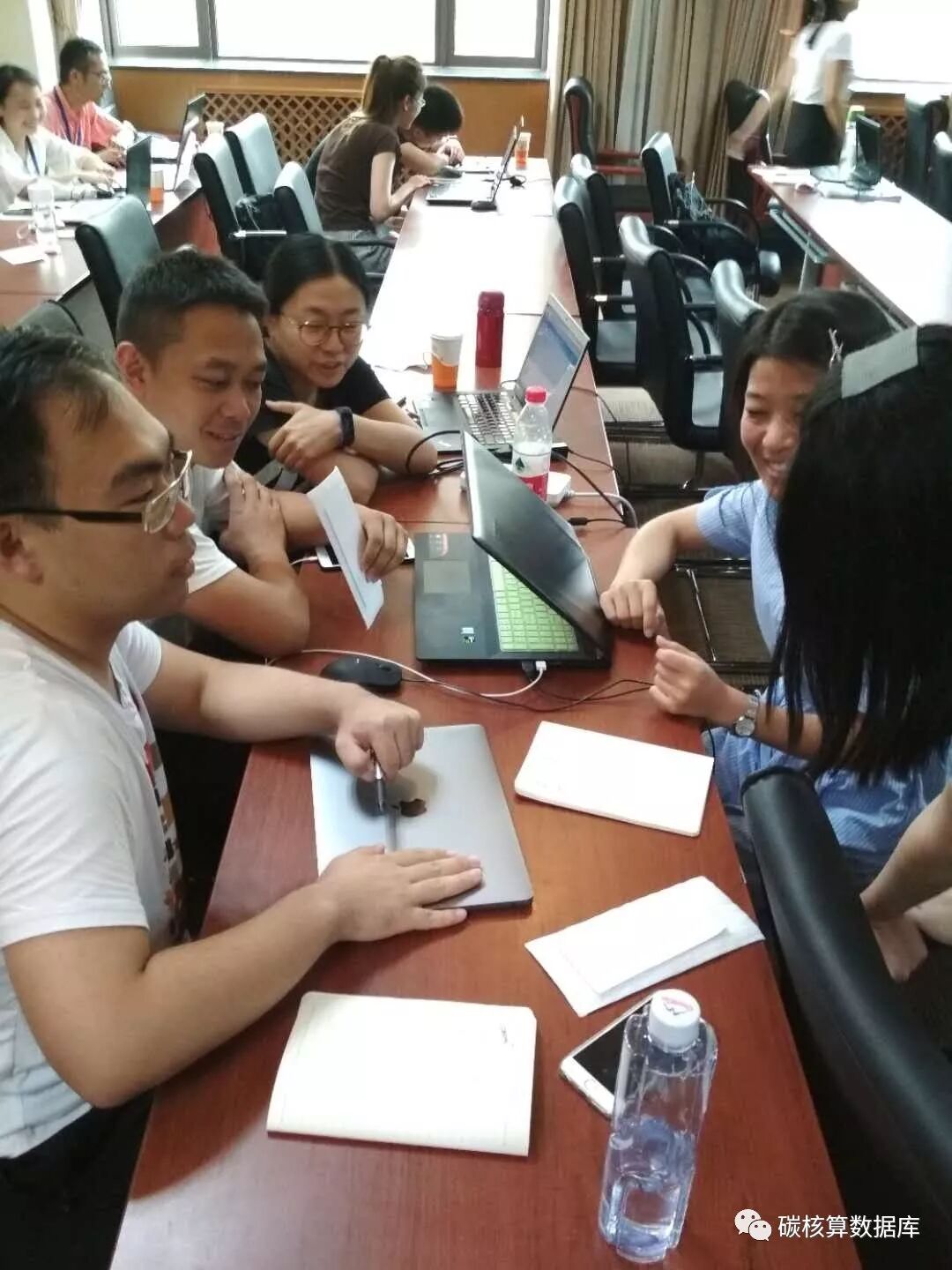
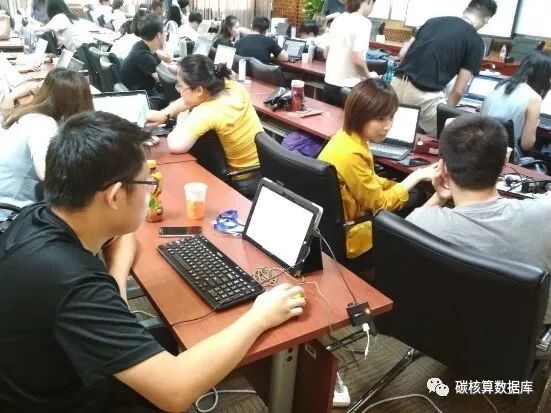
Afterward, group members were randomly exchanged. The three water accounting groups, three international carbon accounting groups, and nine domestic city carbon accounting groups rotated members, ensuring that each team included participants from other teams and further integrating the crowdsourced data work. Every group valued this exchange opportunity, even though it was hard to leave the original team. After a difficult hour of selecting members, new working groups were formed, and each group leader introduced the new members and changes in team composition.
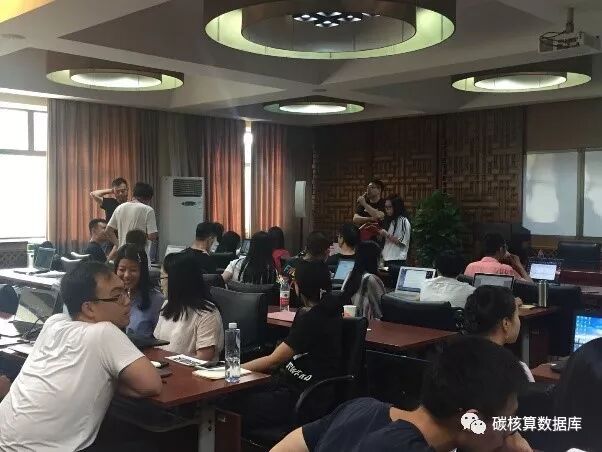
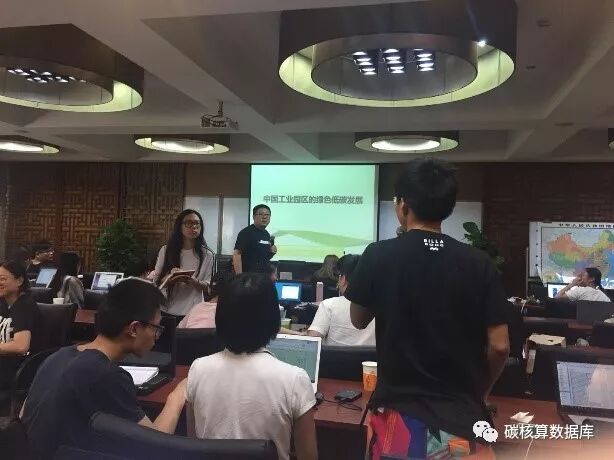
Sending you undercover
In the afternoon, we were fortunate to welcome the third lecture of the day. Yu Xiang, an associate researcher at the Institute of Urban and Environmental Studies of the Chinese Academy of Social Sciences, introduced green and low-carbon development in industrial parks in China. Current carbon emission accounting standards for industrial parks in China vary in scope and emission factors, which is not conducive to green and low-carbon development. The study selected 51 pilot parks from 106 industrial parks, 73% located in eastern China and 27% in western China, with the goal of establishing a consistent and comparable carbon emission accounting method. By comparing parks in eastern, central, and western China, conducting cluster analysis on pilot enterprises, and comparing regional economic development and resource endowments, the study identifies factors affecting green and low-carbon development in industrial parks.
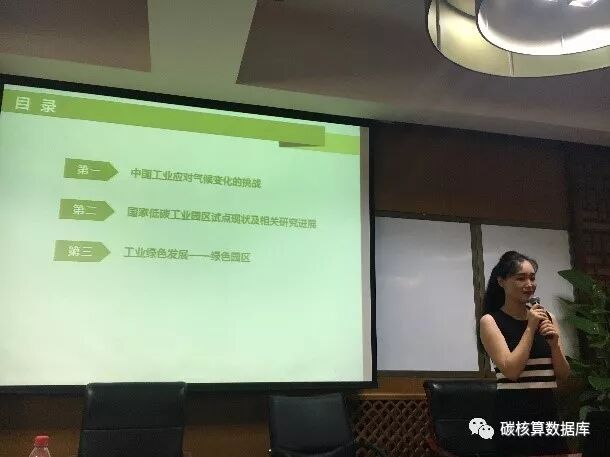
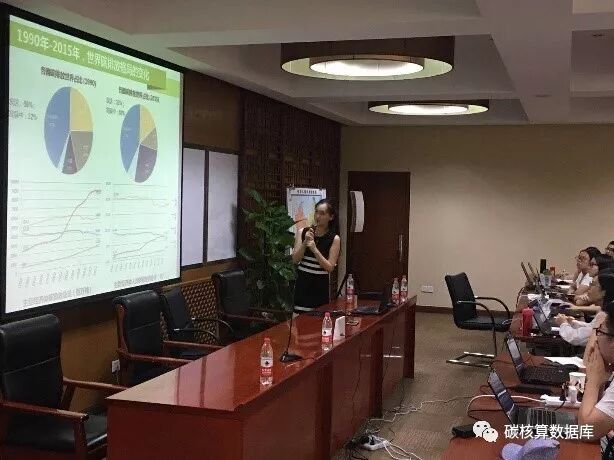
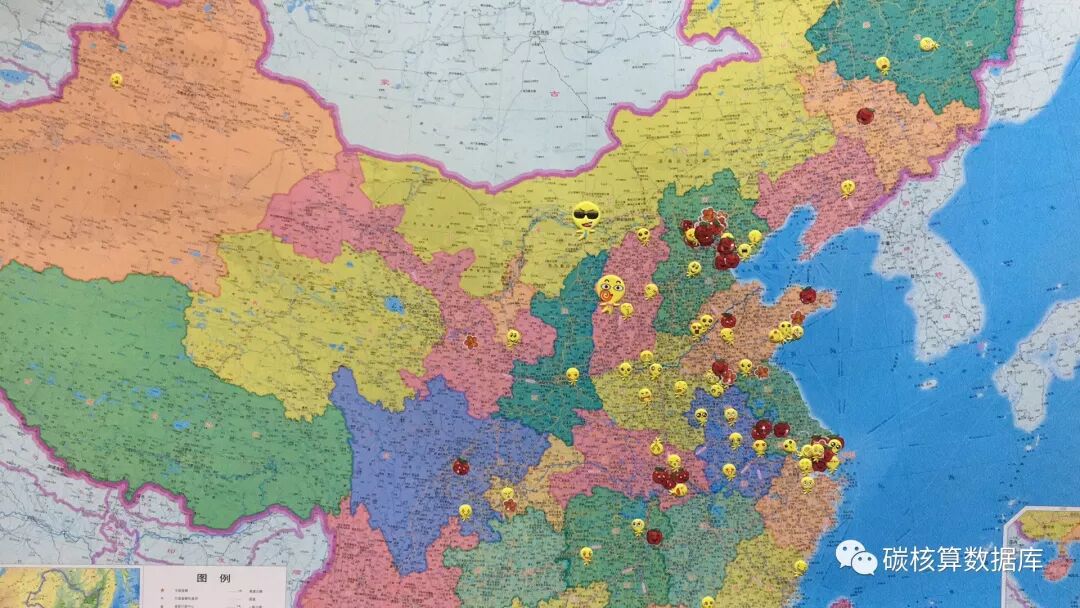
In the afternoon, under the arrangement of Professor Guan Dabo, the staffing of each group was adjusted to fully promote integration among teams. The new groups then reported to and exchanged with one another, presenting their workflows, results, and problems encountered. This allowed students in every group to fully understand all the work covered in the summer school.
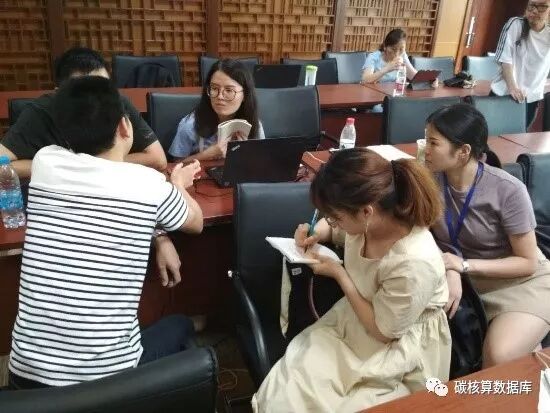
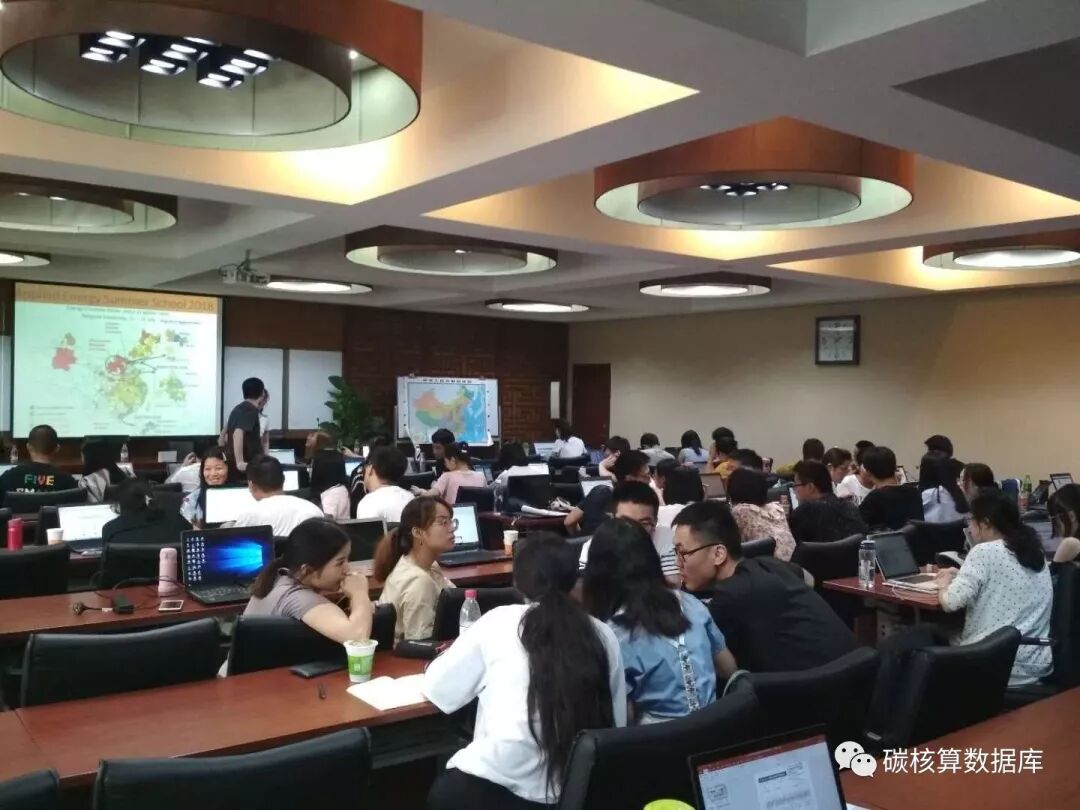
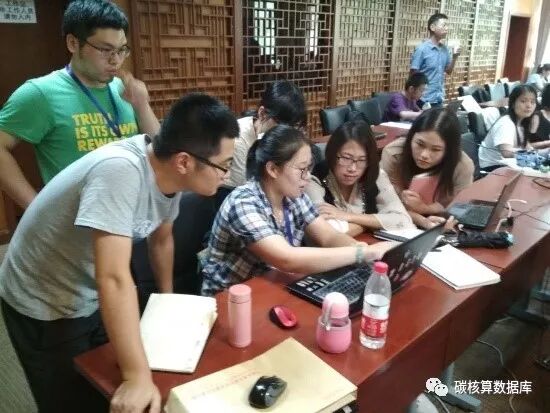
You from the South Met Me in the North
Students actively discussed how to combine their research in complementary ways to produce more interesting and meaningful results. Group members contributed ideas and made corresponding plans, looking forward to gaining more from the research and learning ahead.