AESS2018 Tsinghua University Day 5-6: A Gathering of Talent, Following Exemplary Conduct
Applied Energy Summer School 2018 Tsinghua University
Day 5-6
A Gathering of Talent, Following Exemplary Conduct
To help participants study and practice more efficiently, the groups arranged their own time on the fifth day for data calculation and results analysis. Everyone built up momentum for the midterm presentations on Day 6.
After earlier talks from senior scholars that set a high benchmark, the first hands-on exercises, and the energetic summer water fight, the summer school had reached its halfway point. The midterm sharing session by the students was the main focus of the day. The communication of national policy by Academician Wang Jinnan, together with the sharing of team research achievements and experience, became the highlight of the day.
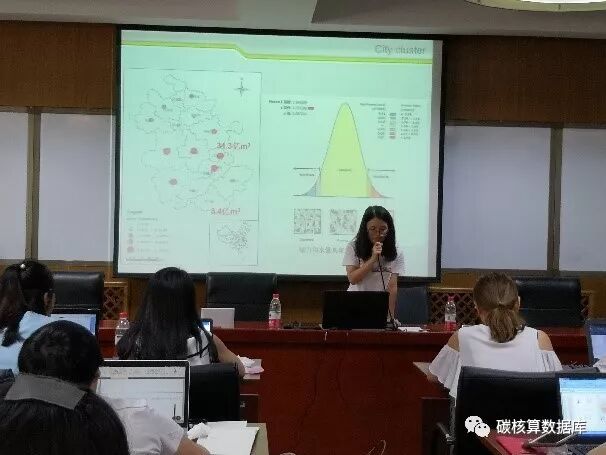
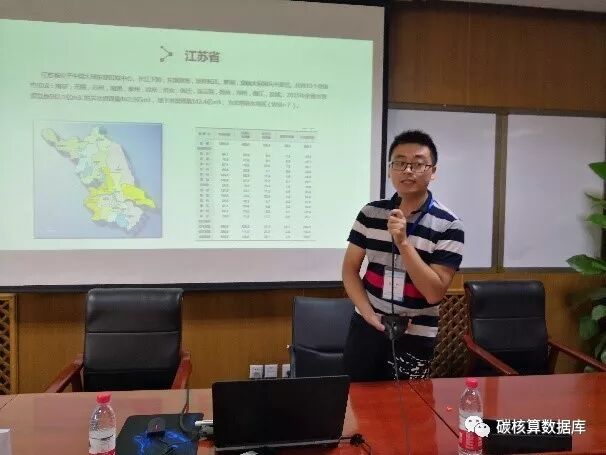
At 9:00 a.m., the three-hour session for sharing midterm results and experience began. Students presented by group, showing the early results of data crowdsourcing, inventory compilation, and results analysis. First were three groups focused on accounting for water use and water withdrawal. The first group focused on six major cities in Anhui Province. In addition to time-series trends, they examined the spatial clustering of water use and found that urban water use showed clustering characteristics. The second group focused mainly on several cities in Jiangsu Province, offered distinctive thinking on water use and water withdrawal accounting, and looked ahead to the work to be completed in the following days. The third group explored water accounting in Guangdong Province. Their distinctive approach was to use remote sensing information on the proportion of green space to supplement ecological water data, and they also compared and analyzed differences and similarities between water accounting and nighttime light data. During Q&A, participants focused on common questions such as the rationality of methods for supplementing ecological water data and applications of nighttime light data.
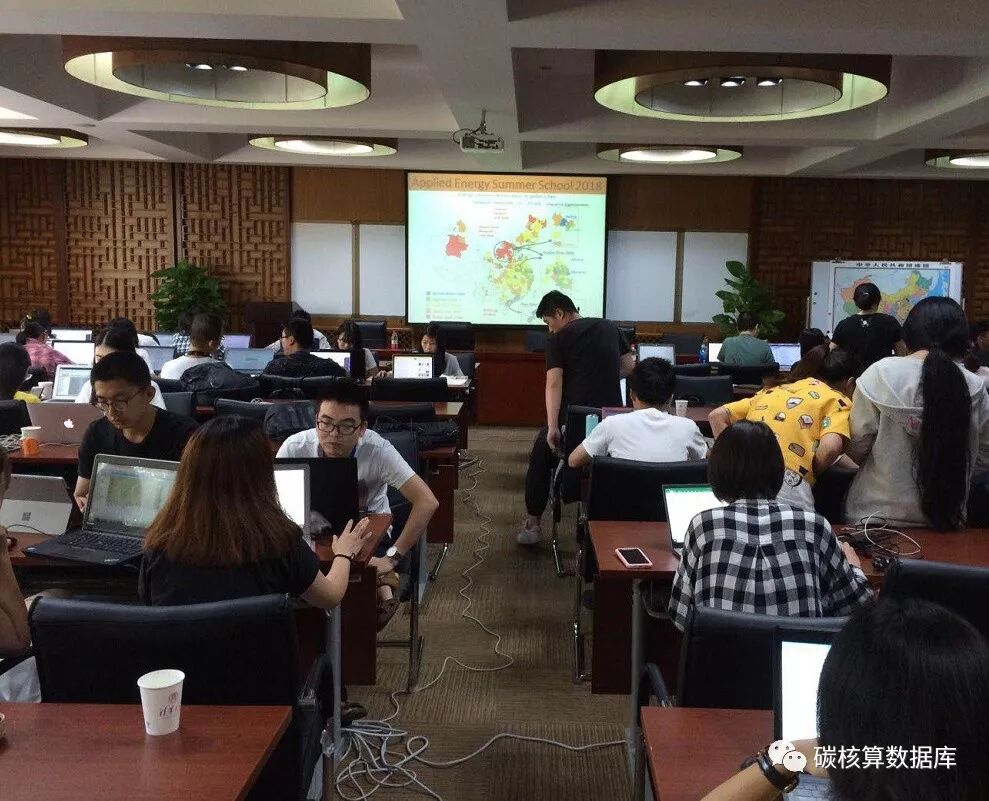
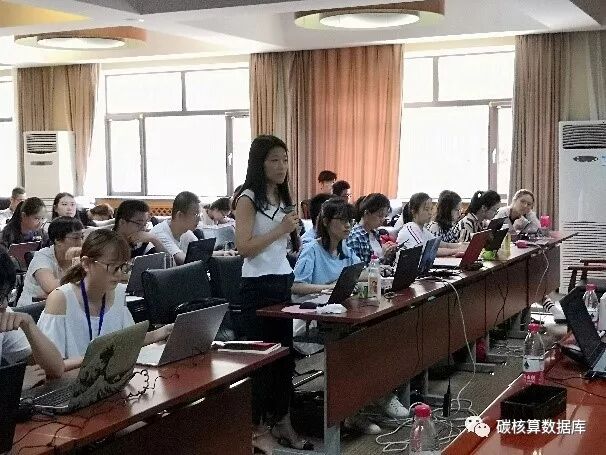
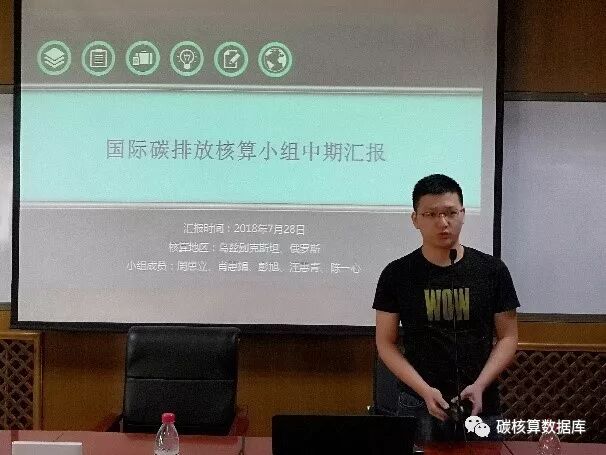
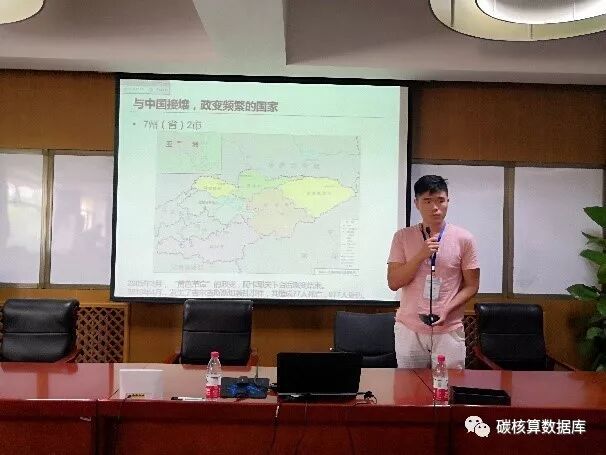
Next, three groups calculating carbon emissions for countries along the Belt and Road Initiative shared the additional complexities of carbon accounting outside China, such as the need to recollect energy statistics and the first challenge of overcoming language barriers when collecting data. The first group worked mainly on Uzbekistan and Russia. Their main difficulty was that after converting official-language materials into English, key data could not be displayed. Even so, they continued to collect relevant information and saw promising prospects. The second group focused mainly on carbon accounting in Kyrgyzstan and nearby regions. Unlike the previous group, because of specific national conditions, they paid particular attention to the relationship between carbon emissions and regime changes in some countries, and introduced their directions for the coming days. The third group worked mainly on Pakistan and Kazakhstan. They were also striving to overcome language barriers and move toward their goal. During Q&A, participants drew on their own background knowledge to share views on certain phenomena in the carbon accounting results and discussed possible causes.
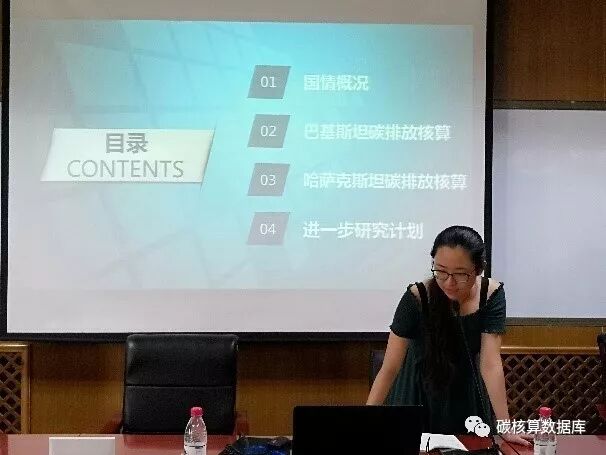
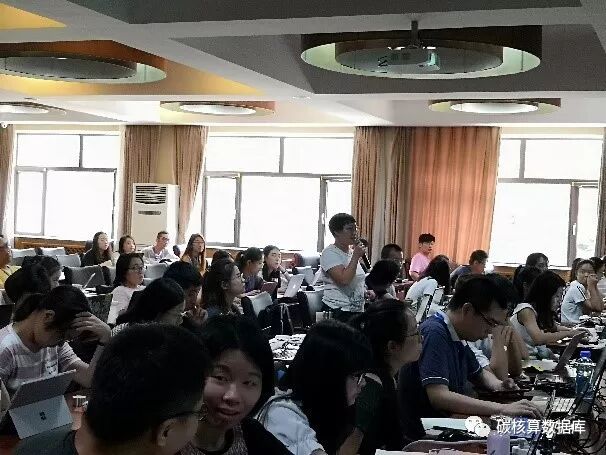
After the water accounting groups and international carbon accounting groups presented, three domestic carbon accounting groups shared their results and operating experience. The domestic carbon accounting presentations in the morning focused on selected cities in Northeast China, selected cities in Shandong Province, and selected cities in Jiangsu Province.
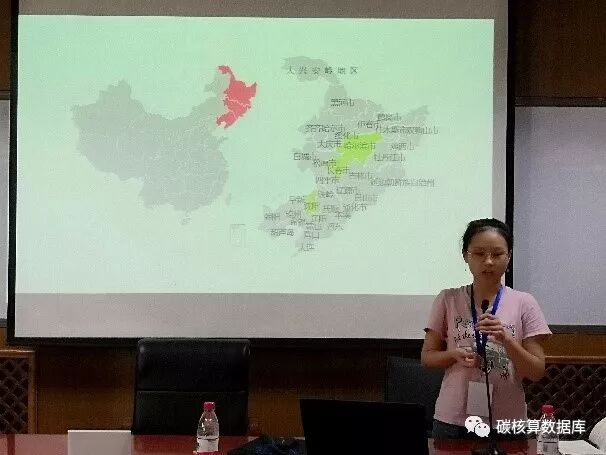
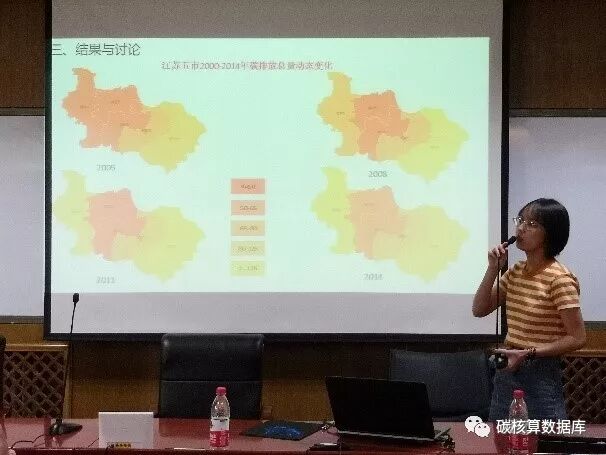
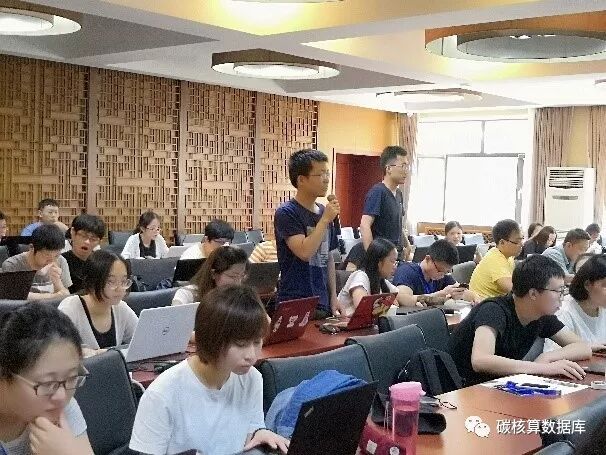
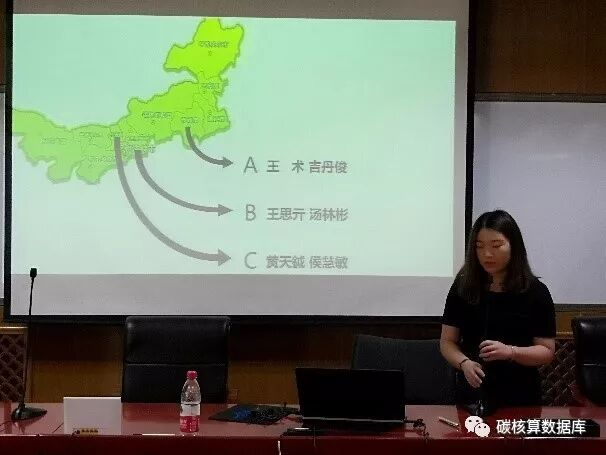
The reports from six domestic carbon accounting groups in the afternoon were equally engaging. Their study areas covered five cities around Beijing in Hebei Province, relevant cities in Inner Mongolia, the whole of Xinjiang in two groups, five cities in Sichuan Province, and selected cities in the Pearl River Delta. Some groups used remote sensing data to explore relationships between carbon emissions and socioeconomic or ecological-environmental indicators, while others examined common phenomena among cities based on carbon emission results.
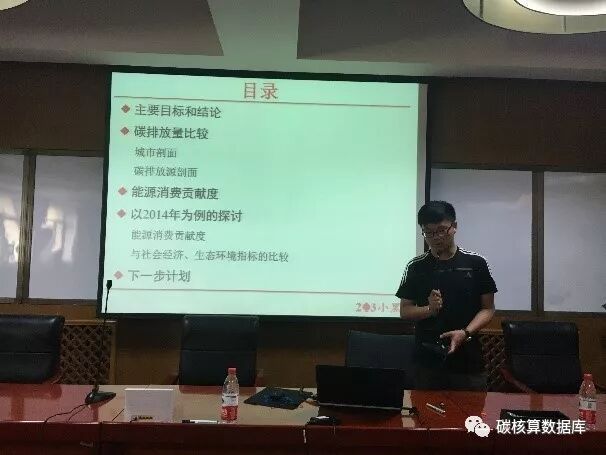
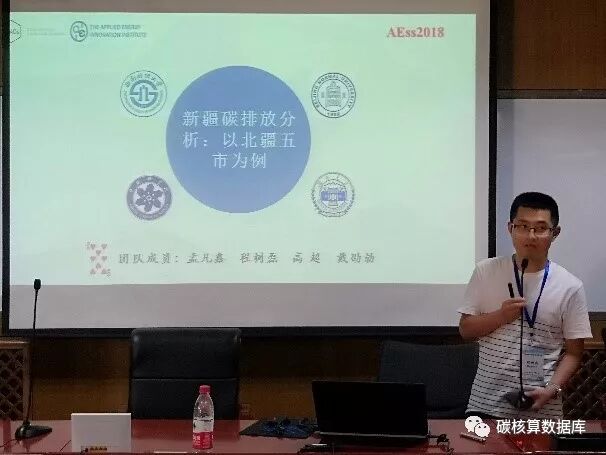
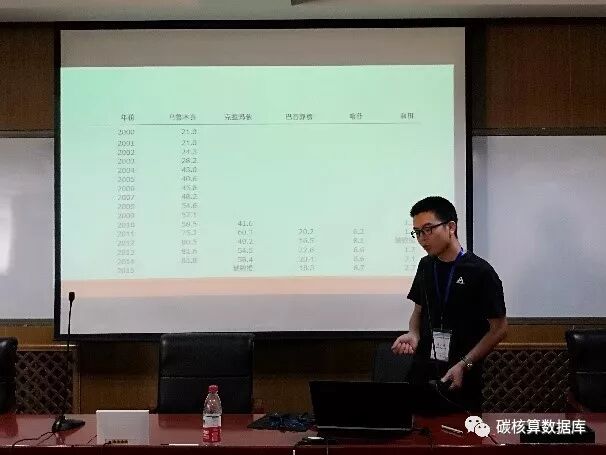
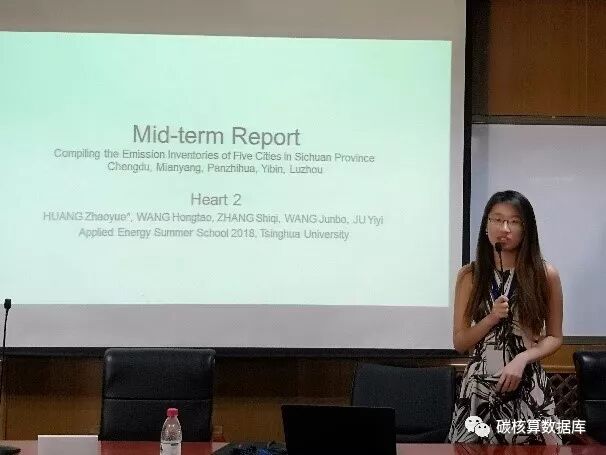
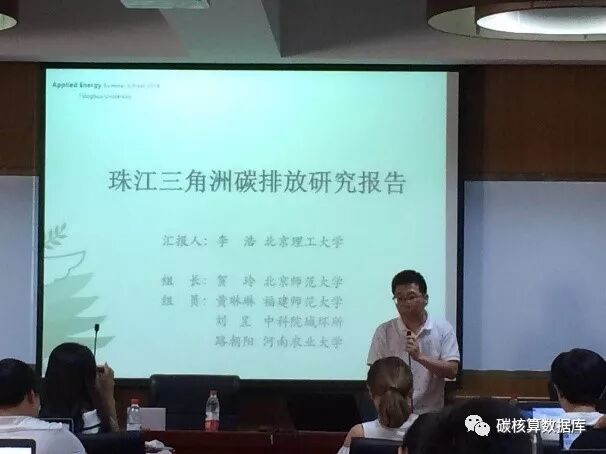
At the end of the presentations, the students said that five days of teamwork had helped them appreciate the enjoyment and significance of "crowdsourced" data collection. Each group looked ahead to research directions for the next few days and expressed a strong desire to communicate and cooperate with other groups.
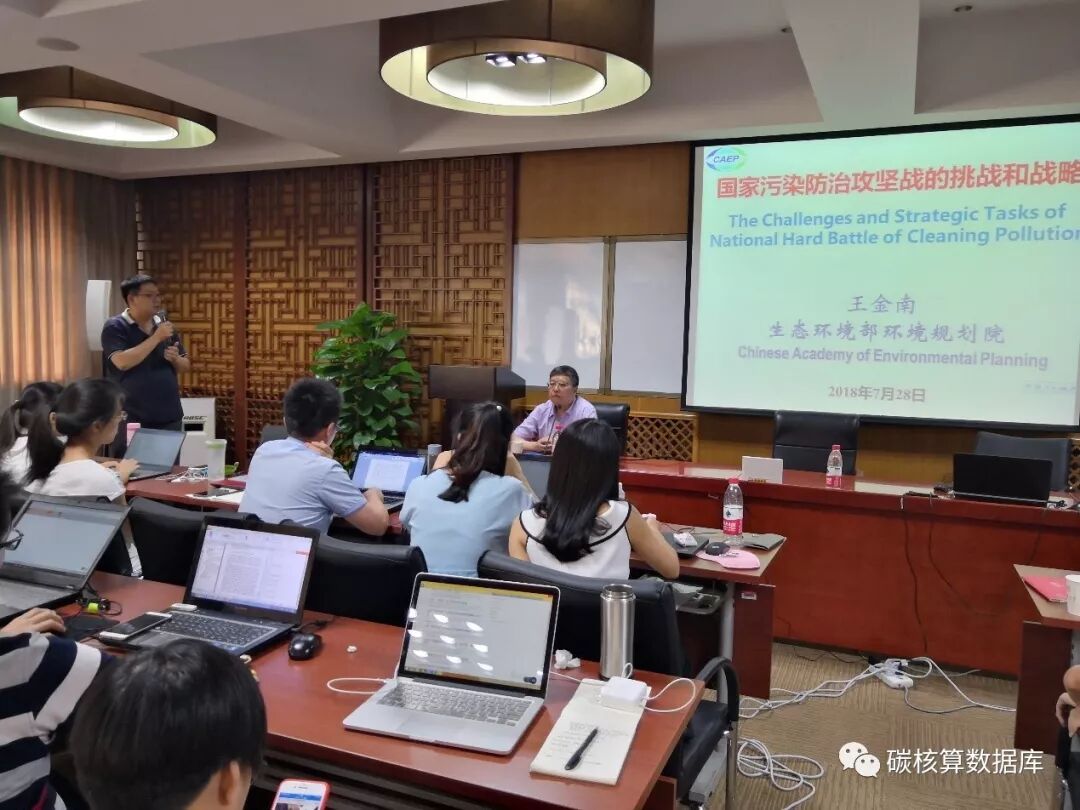
After everyone summarized and shared the midterm work, the invited guest of this session was introduced: Wang Jinnan, Academician of the Chinese Academy of Engineering and President of the Chinese Academy of Environmental Planning under the Ministry of Ecology and Environment. With a lecture titled "Challenges and Strategies in the National Battle Against Pollution," Academician Wang conveyed national policy directions, explained the discussions and thinking behind the policies, and shared some achievements from his team.
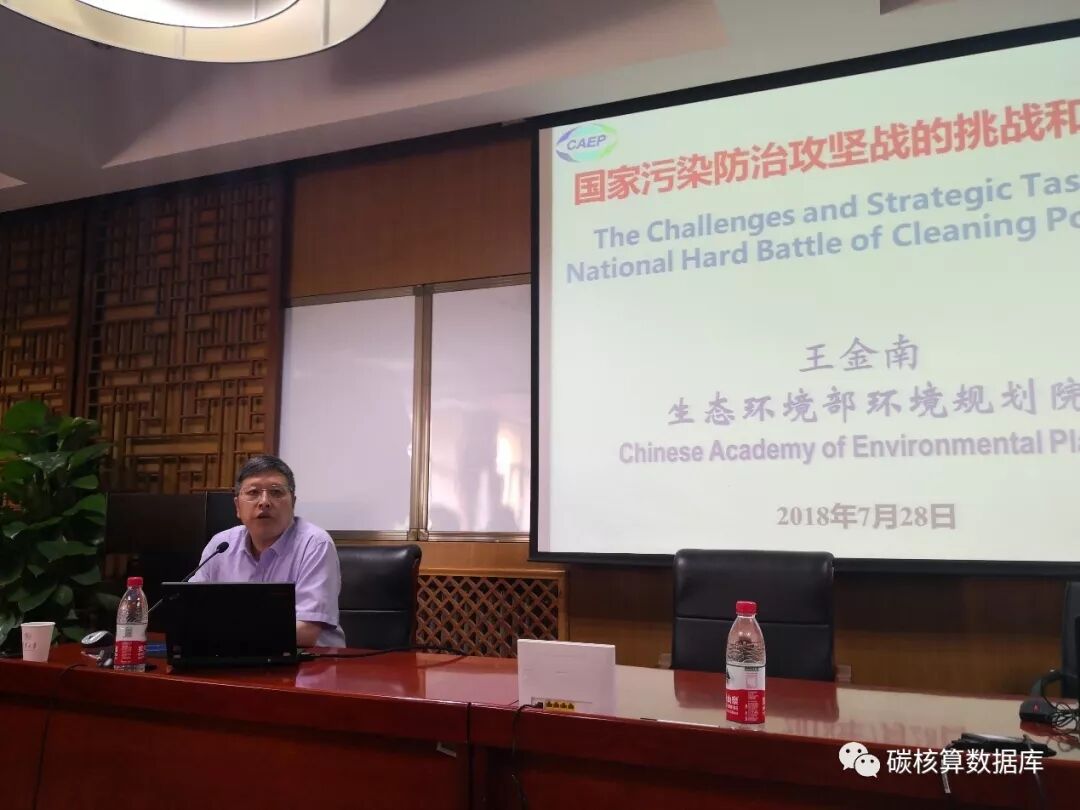
At the beginning of his talk, Academician Wang introduced the Chinese Academy of Environmental Planning under the Ministry of Ecology and Environment. It is a public institution directly affiliated with a national ministry, ranked 31st among comparable think tanks worldwide, 1st among comparable think tanks in China, and 7th among comprehensive think tanks in China. This concise and powerful introduction immediately helped participants understand its role: serving the country and the people, carrying out solid research, and providing strong support for policy. The report focused on three main parts: accurately understanding the "three-phase" characteristics of ecological and environmental protection, establishing the framework and goals of the battle against pollution, and ensuring the completion of the strategic tasks of that battle.
In the first part, Academician Wang introduced the major significance of the National Conference on Ecological and Environmental Protection held on May 8 and its important role in the development of the field. His explanation of the "three phases" of ecological and environmental protection in China - the critical period, the tough period, and the window period - helped participants understand related issues from a broader perspective.
In the second part, Academician Wang presented the national framework and goals for the battle against pollution and explained them point by point. With guidance from such a highly respected scholar, participants gained a deeper understanding of the key issues in departmental work and goal achievement, while also forming a broader view of pollution prevention and control in China.
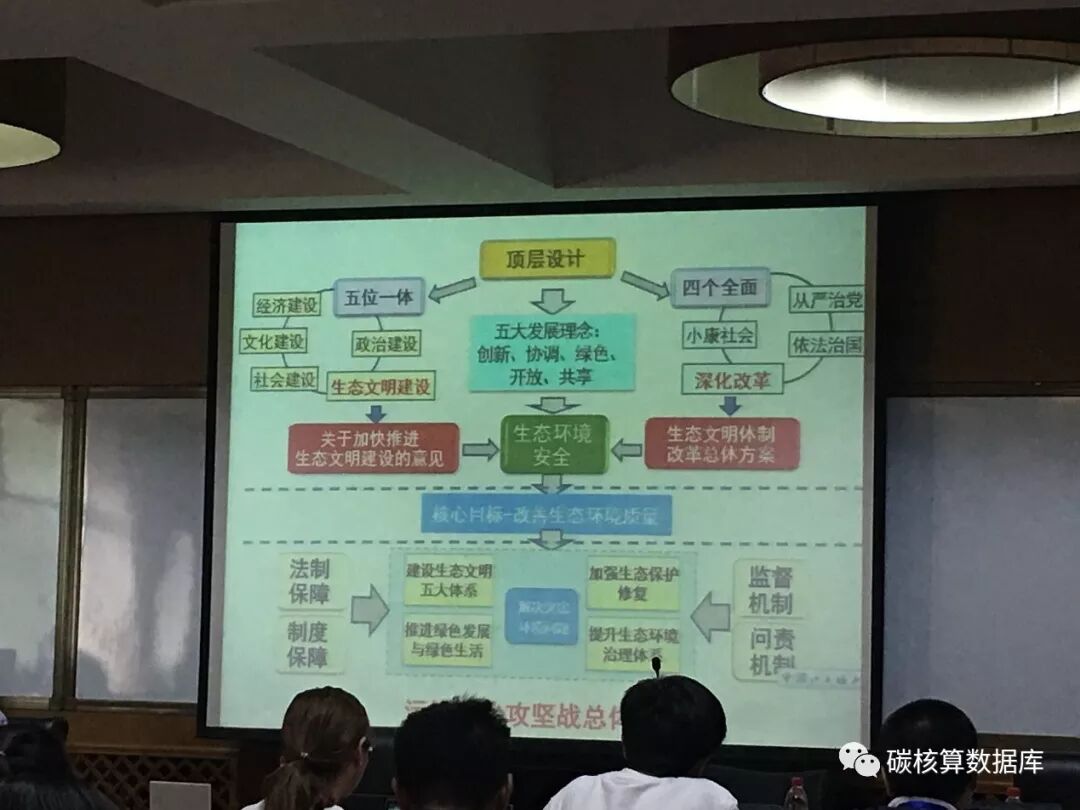
A Diagram for Understanding the Framework of the Battle Against Pollution
In the third part, the strategic tasks involved more detailed and diverse content. Beyond professional research on pollution prevention and control for blue skies, clear water, clean soil, and rural issues, the work also needs to consider environmental legislation and judicial issues, the strictness of inspections, responsibility allocation, public participation plans, and more. This deepened the framework and goals of the professional field and offered a systematic understanding of pollution prevention and control from an integrated, multidisciplinary perspective.