
AESS 2018 Day 1: Gearing Up and Ready to Go

On July 23, beside the beautiful Lotus Pond, Tsinghua University’s Jinchunyuan welcomed the students of the 2018 Applied Energy Summer School (AESS 2018). More than 90 outstanding graduate students from over 70 universities across China will spend nine wonderful days on the Tsinghua campus. Centered on the theme of the “Energy-Emission-Water Nexus,” they will take part in face-to-face academic exchanges and course training, explore the links among different energy systems, and work to promote interdisciplinary understanding and collaboration, with the aim of developing systematic solutions to complex energy challenges.
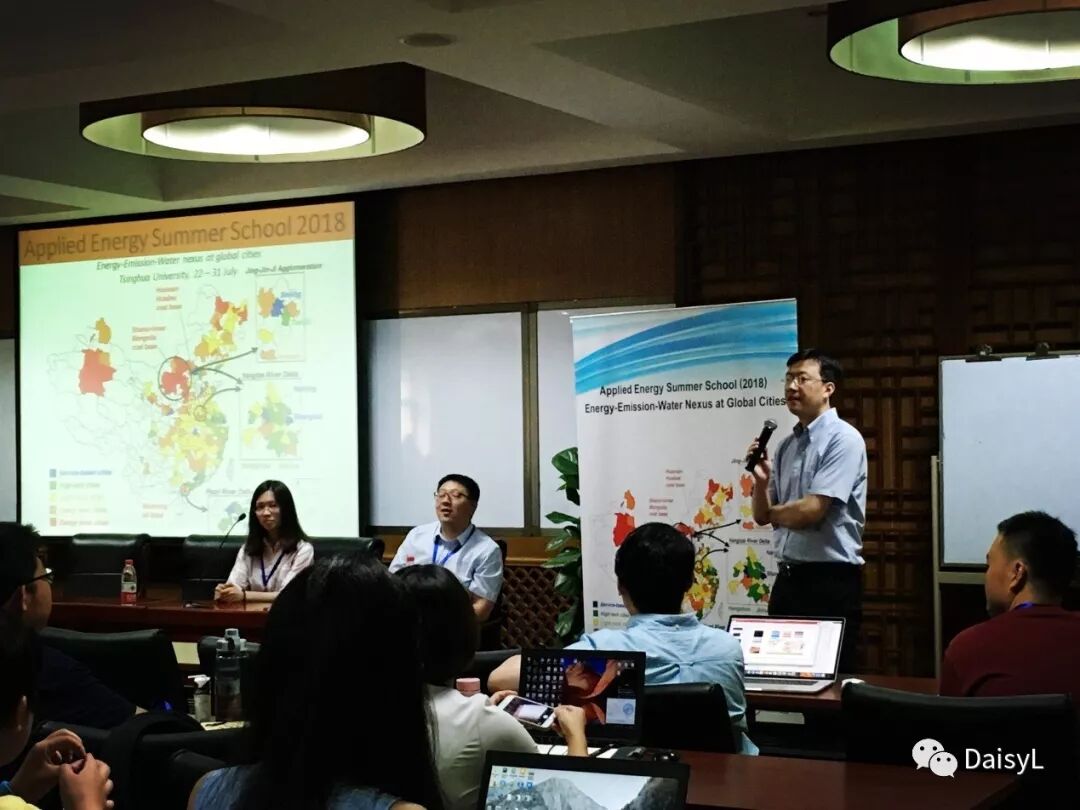
Professor Dabo Guan from the University of East Anglia in the United Kingdom, a Thousand Talents Plan Professor at Tsinghua University, hosted the opening ceremony. Professor Qiang Zhang from Tsinghua University’s Department of Earth System Science welcomed the students on behalf of the organizers. Professor Jinyue Yan, Editor-in-Chief of Applied Energy and a professor at KTH Royal Institute of Technology in Sweden, then delivered remarks, welcoming everyone and introducing the Applied Energy journal as well as the various themed summer schools organized by the journal.
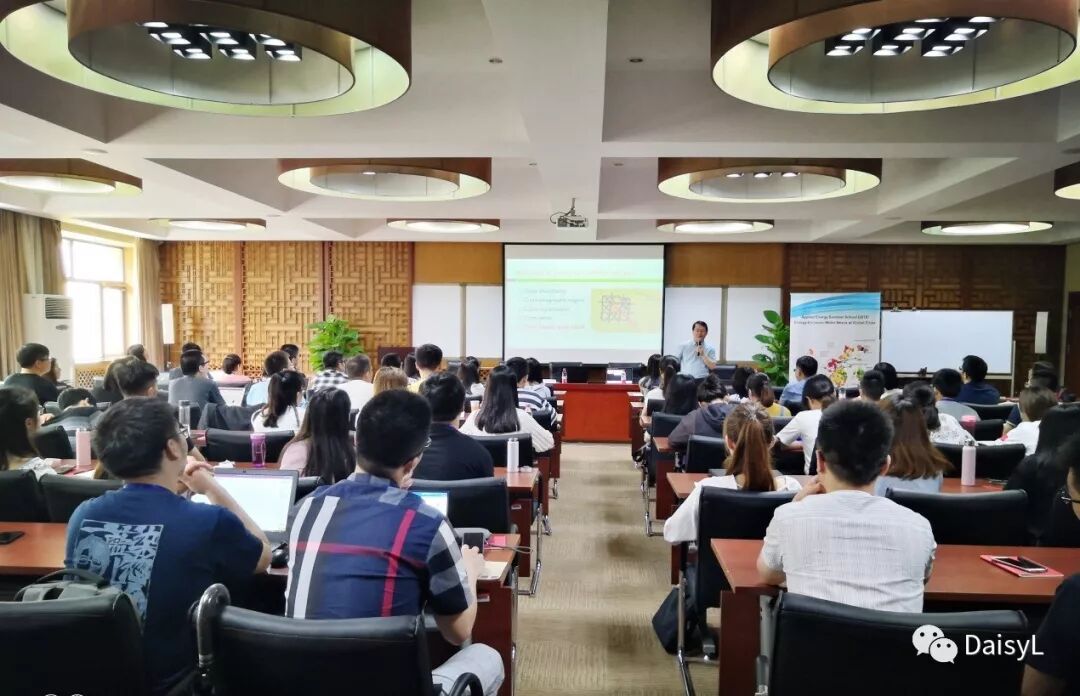
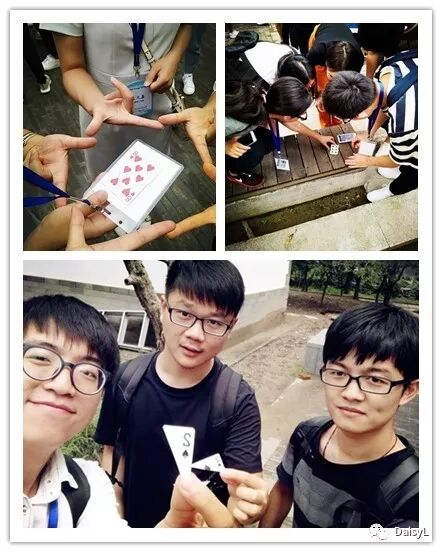
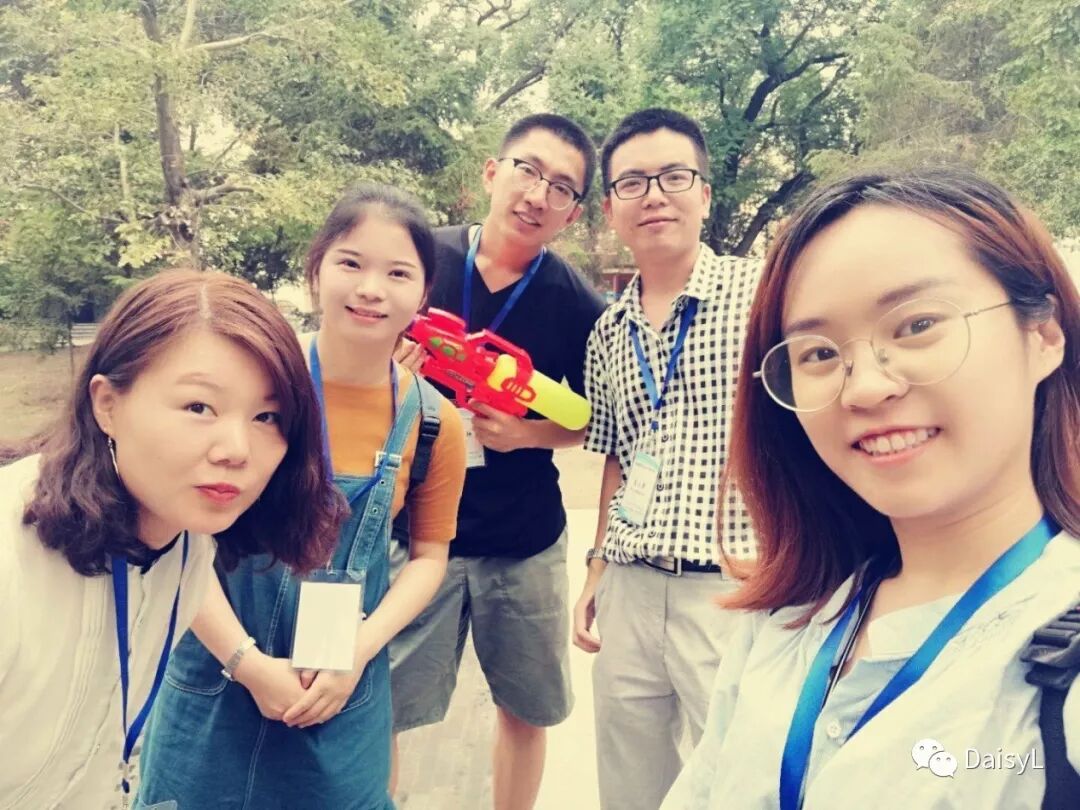
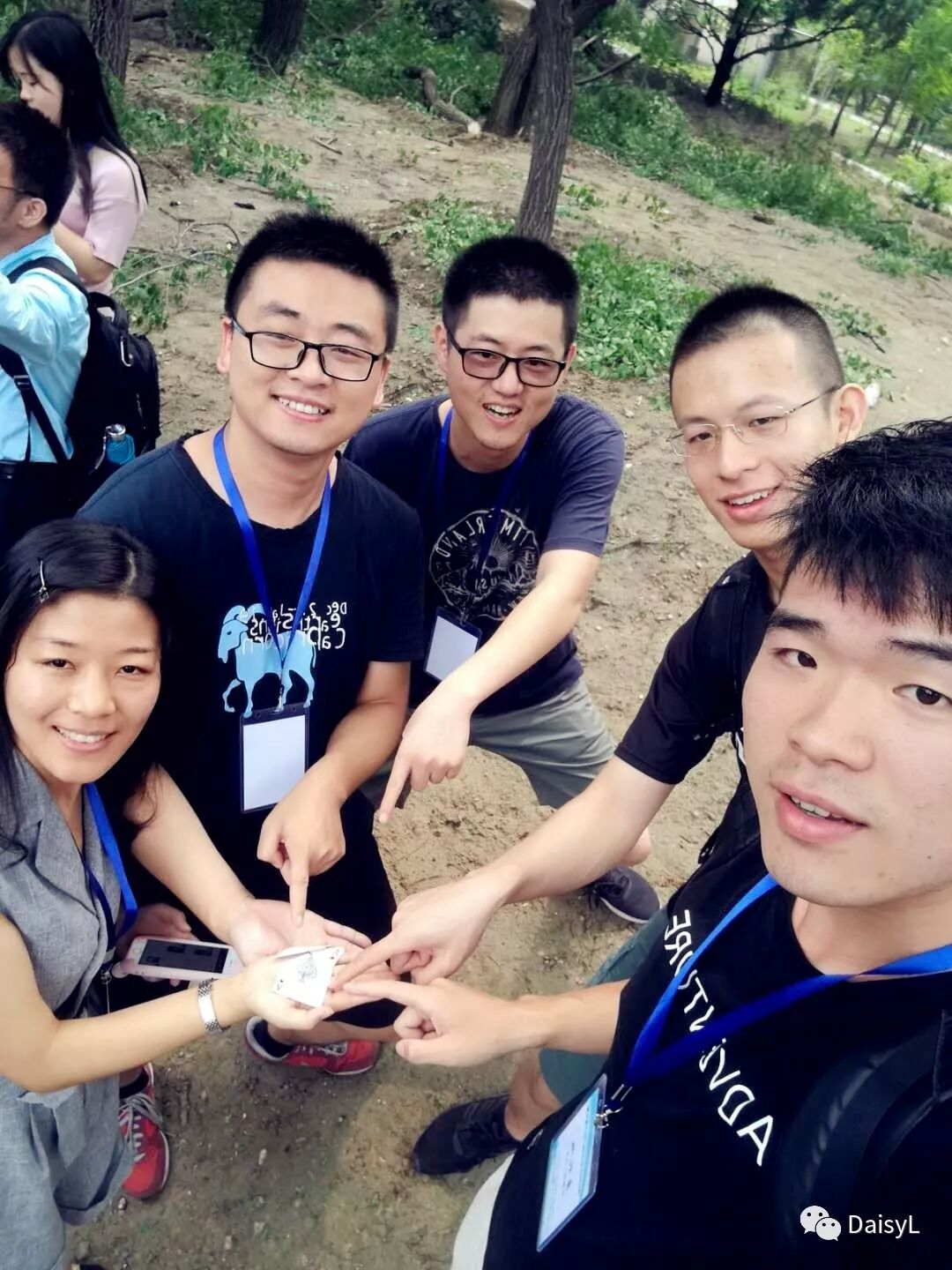
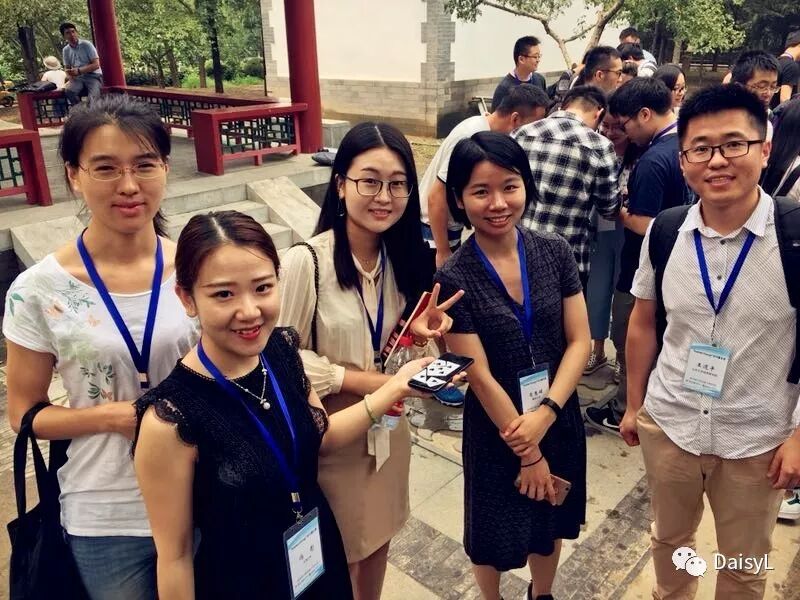
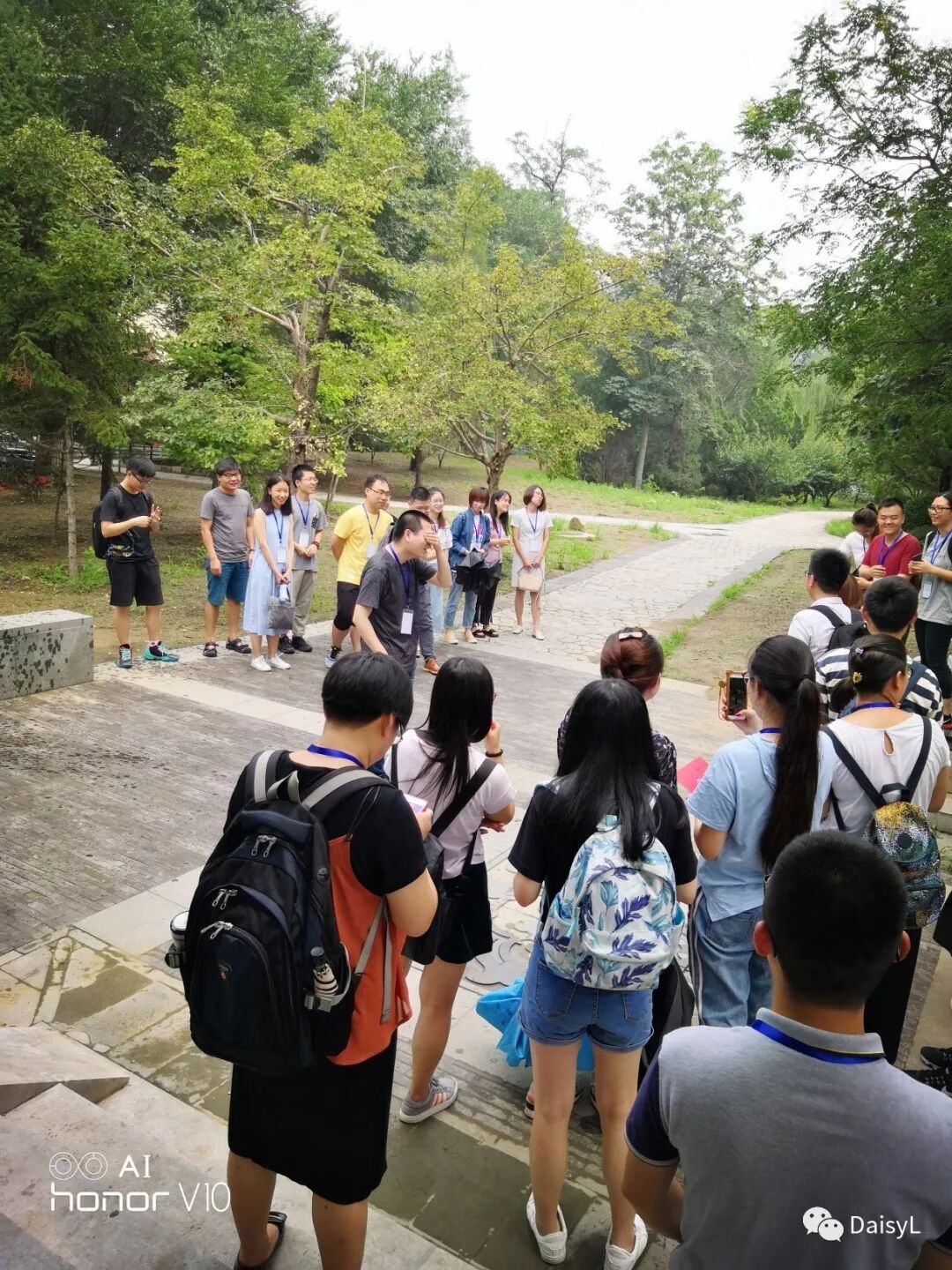
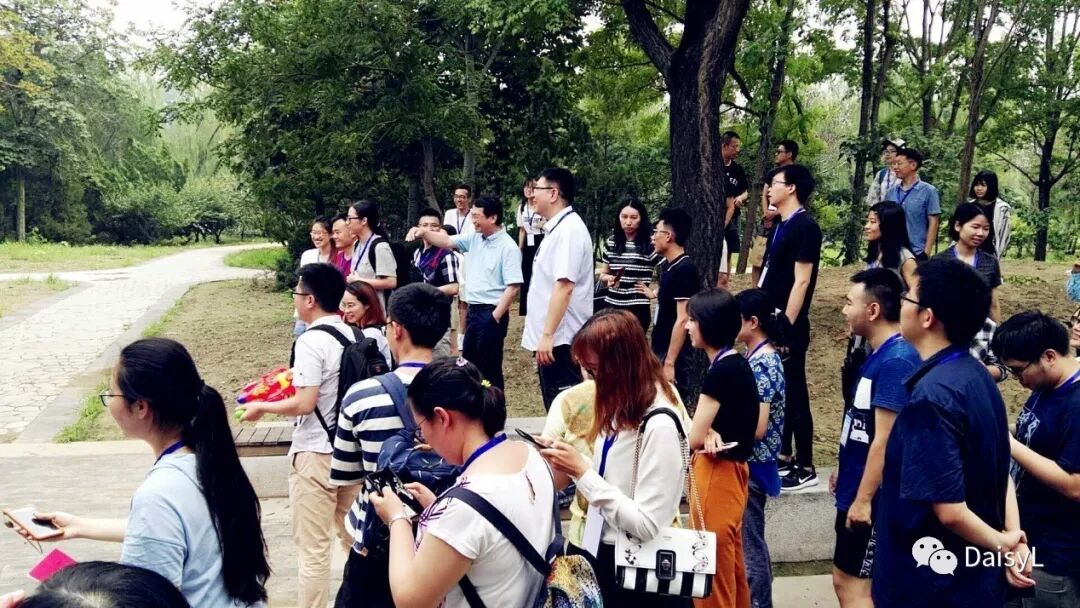
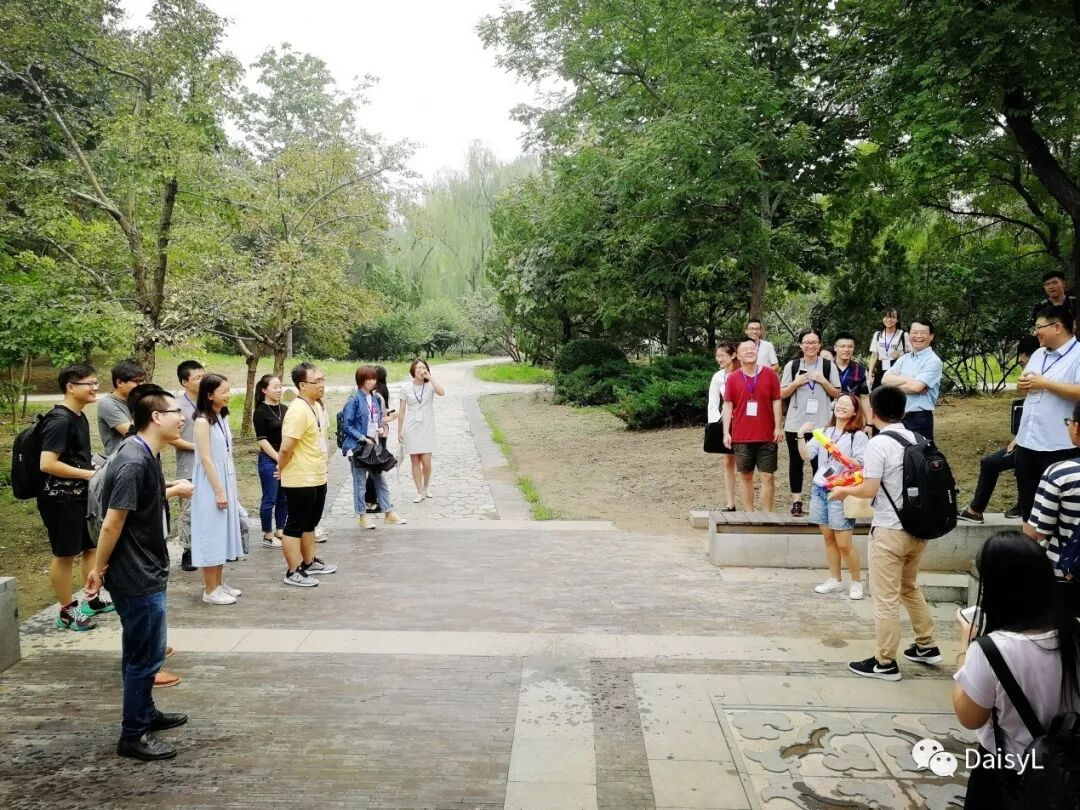
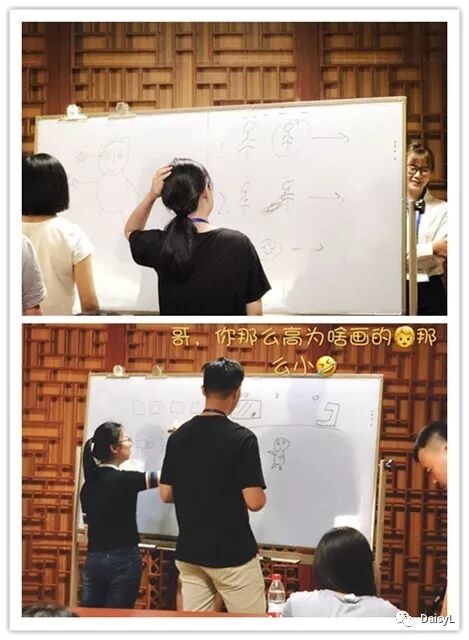
During the morning session, students gave brief introductions to their research interests. Their backgrounds covered a wide range of fields, including urban economics, environmental science, mechanical engineering, computer science, econometrics, and building energy efficiency. AESS hopes to encourage divergent thinking and diverse perspectives, creating more sparks through discussion and exchange. During the ice-breaking session, students formed cooperative groups through a playing-card puzzle game and began preparing for the group work ahead. The afternoon guessing game helped students, many of whom had just met, become more familiar with one another and added more color to their shared learning experience.
Ice Breaking
Lectures
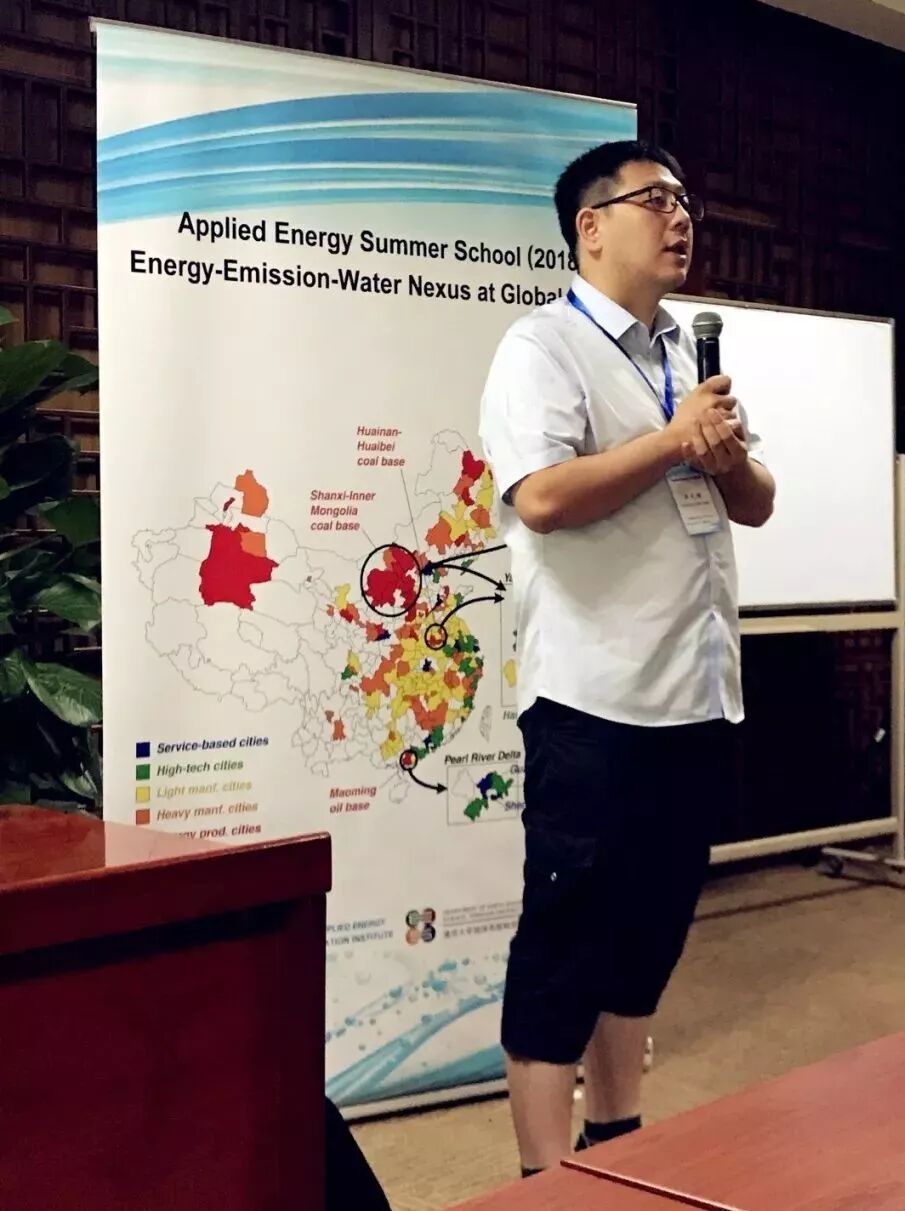
In the afternoon lecture session, Professor Dabo Guan delivered a talk titled “Climate Change and International Trade.” Focusing on climate change, air pollution, and international trade, he introduced unresolved questions in current research, gaps and limitations in existing studies, and the breakthroughs needed in future work. Drawing on previous research by the CEADs team, Professor Guan discussed carbon-emission accounting and analysis from both production-based and consumption-based perspectives, and from national and trade-related angles. Through this multidimensional interpretation, students gained a more systematic and comprehensive understanding of carbon emissions and carbon accounting. Professor Guan also hoped that the questions and reflections raised in the lecture would inspire deeper thinking and exploration, laying a foundation for the work in the following days. Dr. Yuli Shan introduced the process and methods of China’s multi-scale carbon-emission accounting, with particular attention to the city level. He focused on practical considerations, including data collection for energy consumption and industrial product output, and the process of converting raw data into carbon-emission inventories. For the data conversion process, Weijian Chen from Guangzhou University of Technology demonstrated how MATLAB can be used for batch data conversion.
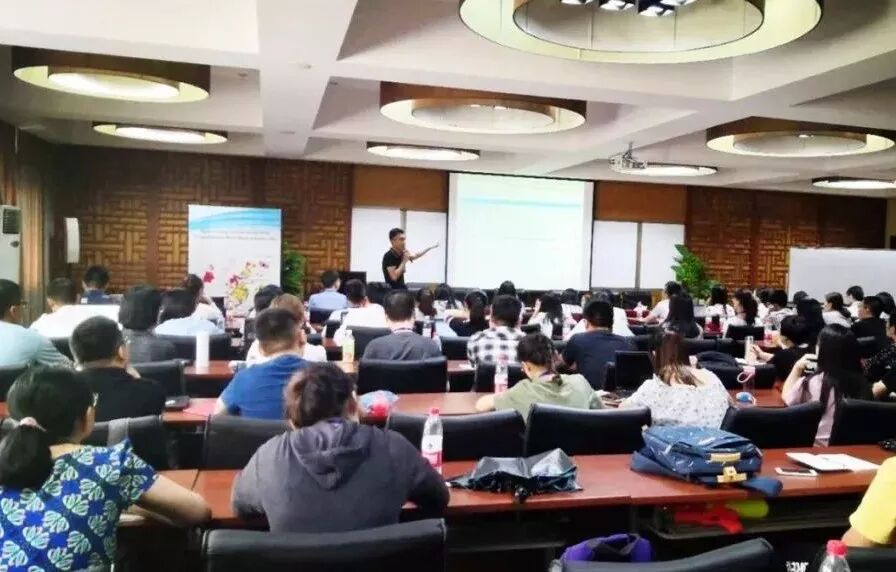
After the welcome dinner, the first day of AESS came to a successful close. The lectures laid a foundation for the students’ later work, while the team-building activities created a positive atmosphere for group collaboration in the days ahead. The students are gearing up and ready to go, looking forward to the exciting nine days to come.