AEss2019 Day 3: Riding the Waves and Pressing Ahead
Applied Energy
Summer School 2019
Tsinghua University

Day3 2019.7.20
Group Study
01
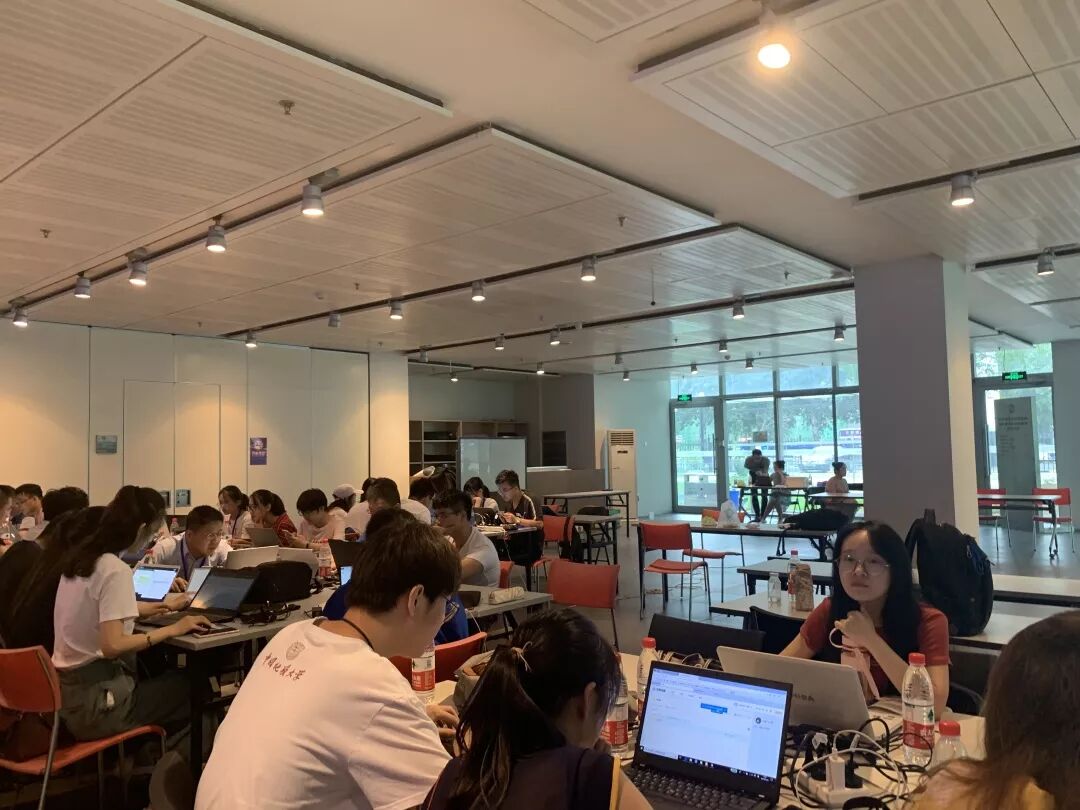
After Cui Can and Dr. Shan Yuli explained carbon emission accounting methods for domestic and international cities on the second day, participants arrived early today at the School of Environment, Tsinghua University, to work with their group members on carbon emission accounting for the domestic cities they had selected the previous day.
Expert Lecture
02
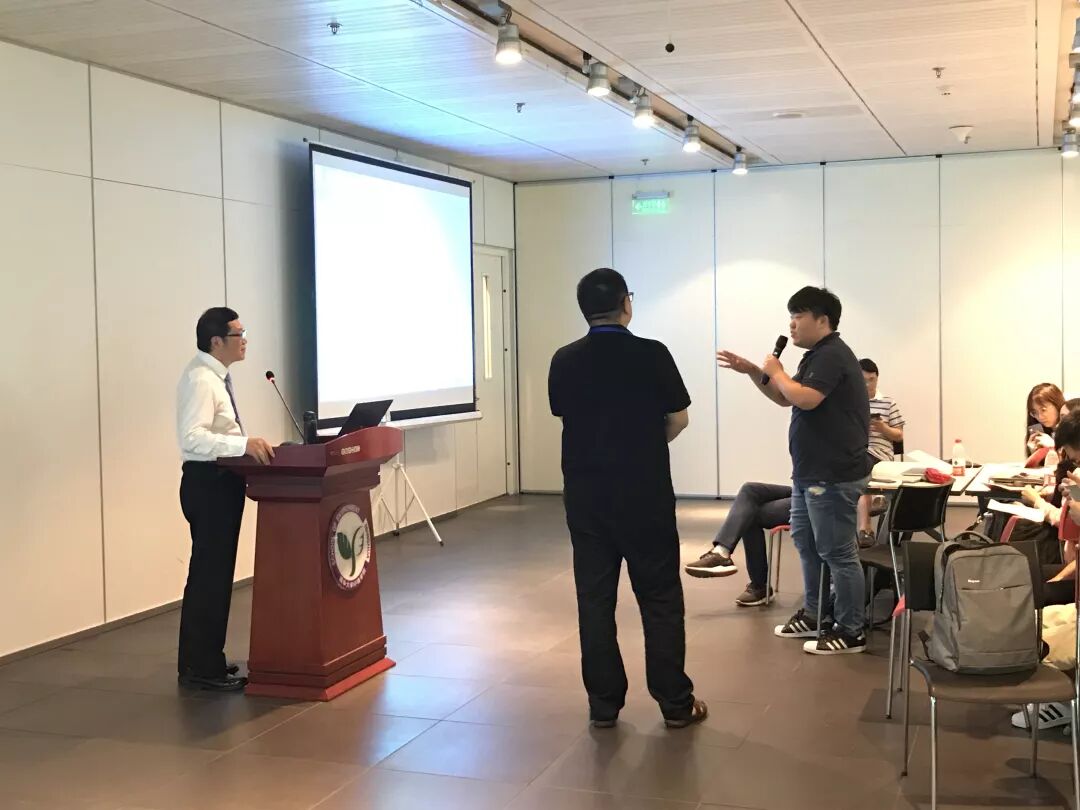
At 10:30 a.m., amid an energetic research atmosphere, we welcomed the first distinguished guest of the day: Professor Xue Jinjun, Chair of the Committee of the International Institute of Low Carbon Economy and a professor from the Research Center of International Economic Policy at the School of Economics, Nagoya University, Japan.
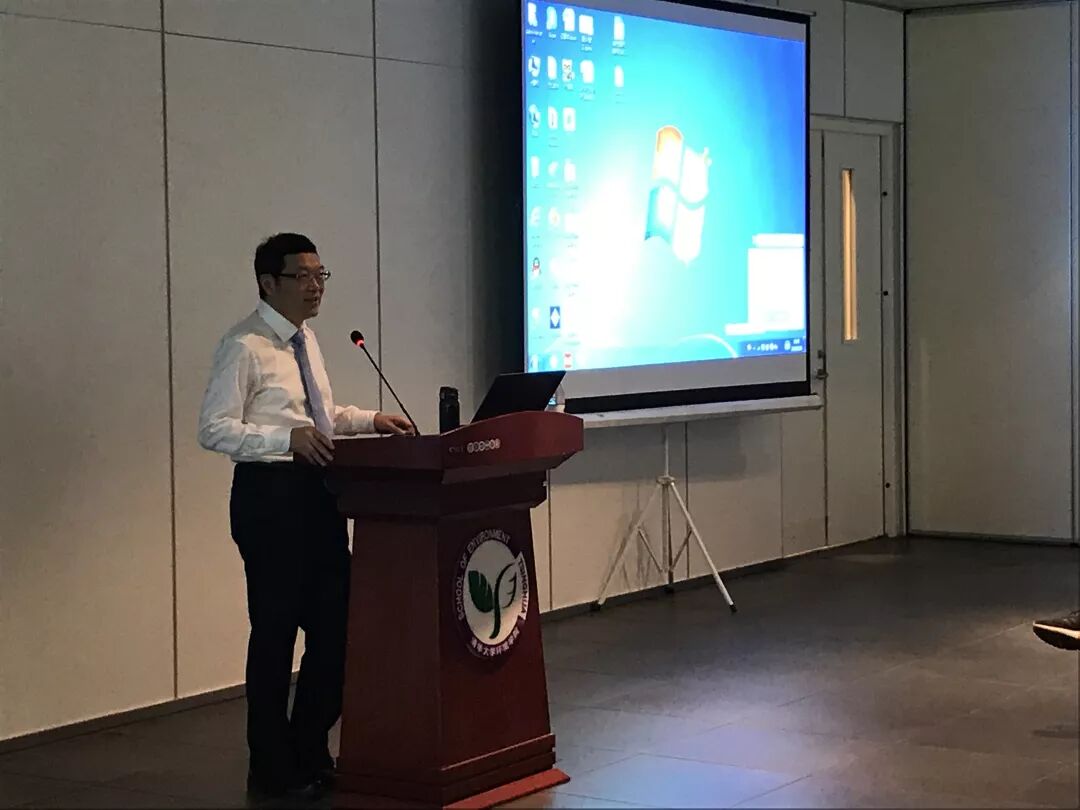
Professor Xue Jinjun delivered a lecture on "Green Development Economics and Sustainable Development". During the lecture, Professor Xue introduced the basic theories of green development economics and analyzed their significance for theoretical innovation in global climate governance and sustainable development, hoping to provide reference for China in formulating the 14th Five-Year Plan characterized by green environmental protection and ecological civilization.
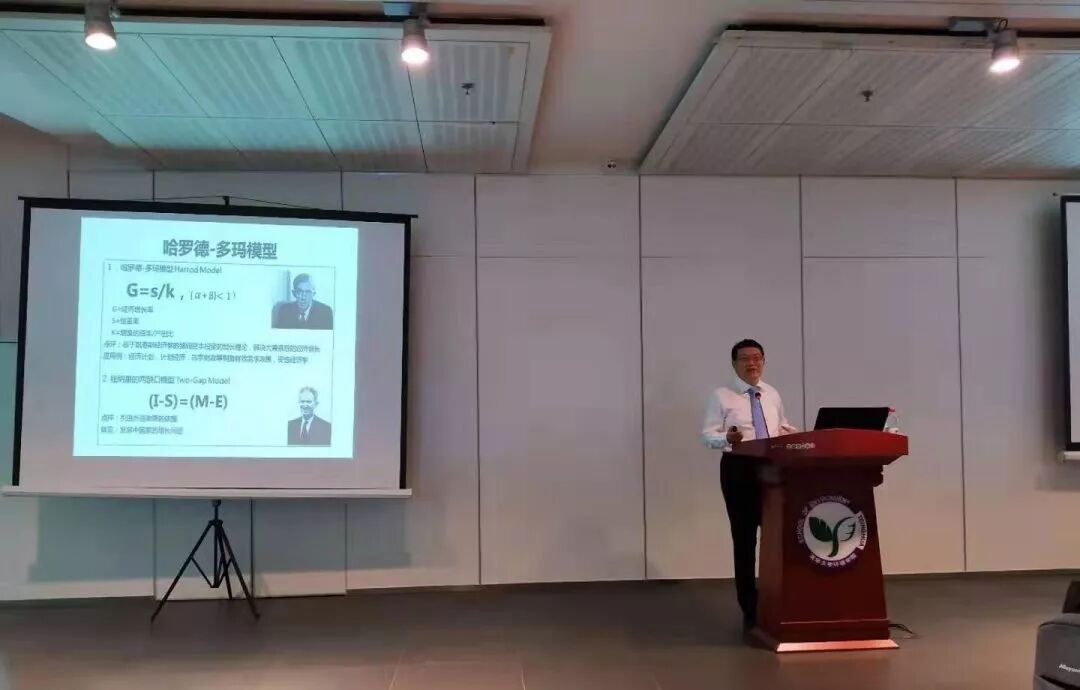
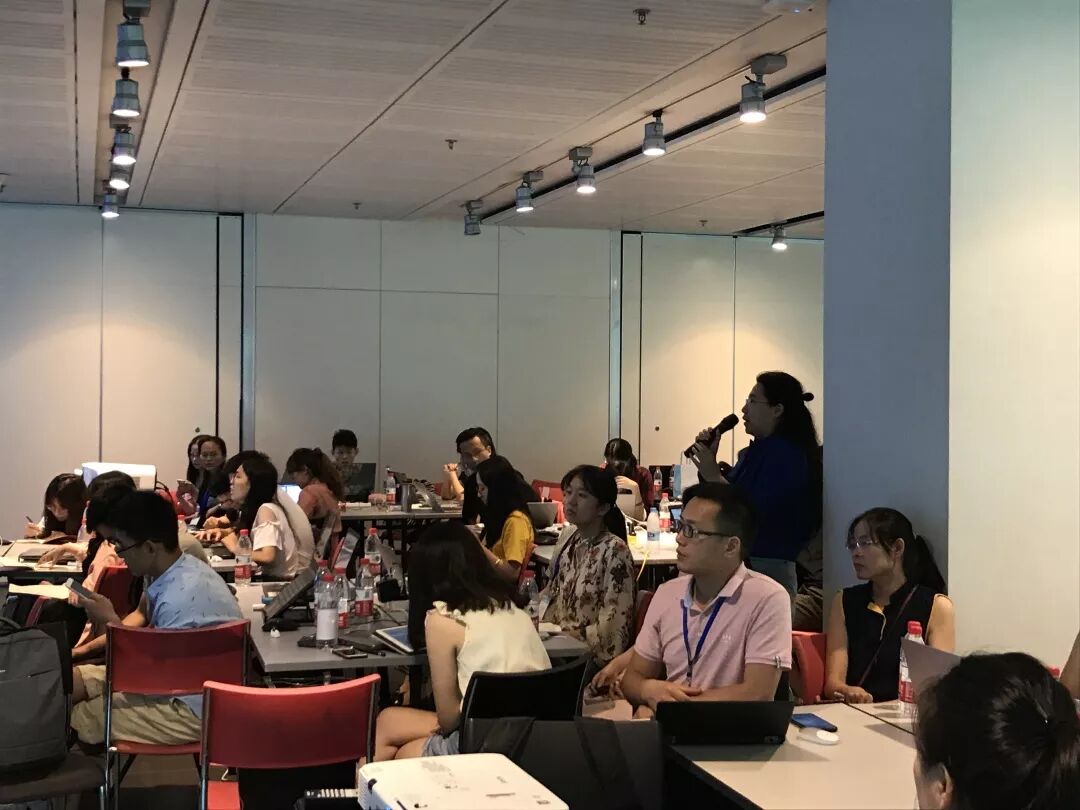
Focusing on green development economics and sustainable development, Professor Xue explained the implications of the 2018 Nobel Prize in Economics, elaborated on the basic concepts and ideas of "green", introduced models of green low-carbon economic theory, interpreted green development accounting systems and indicators, and presented Chinese elements in development economics.
Draw and Guess
03
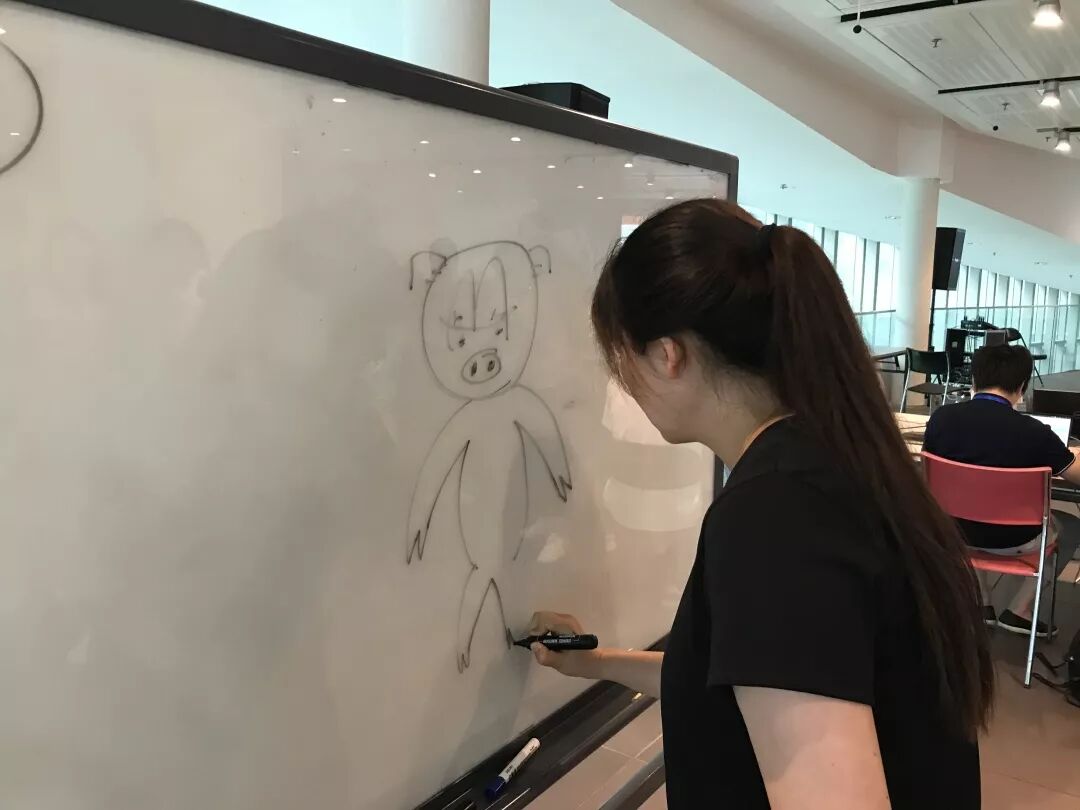
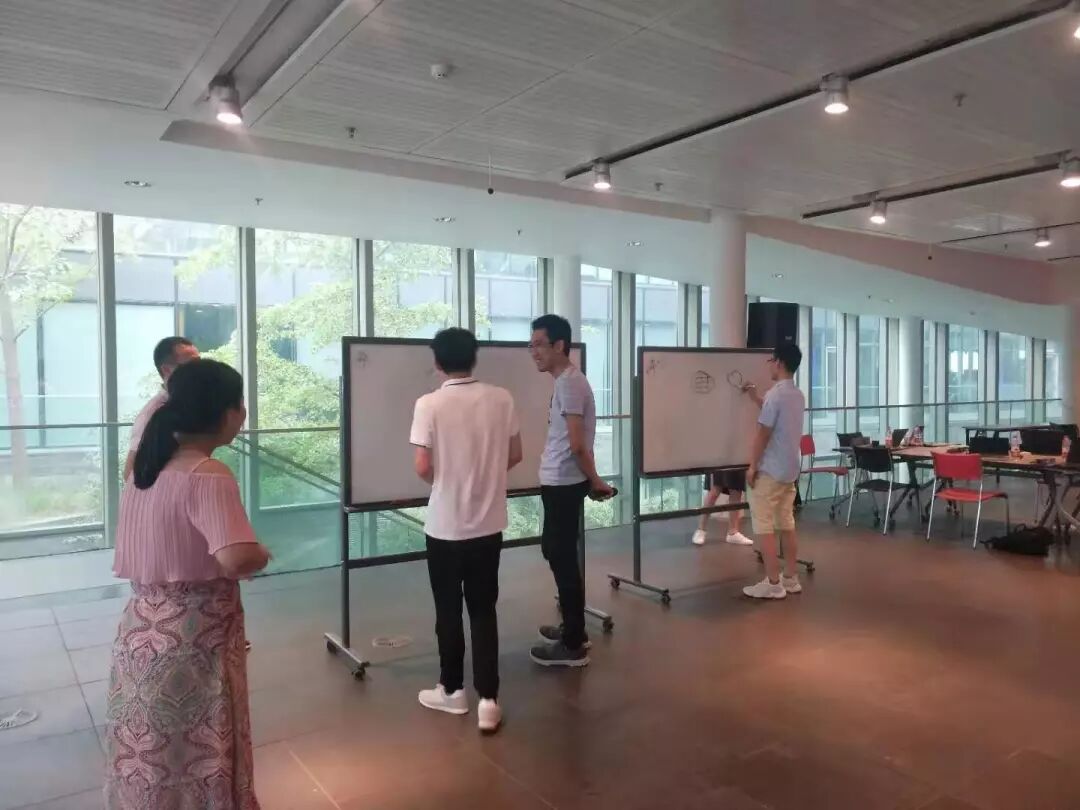
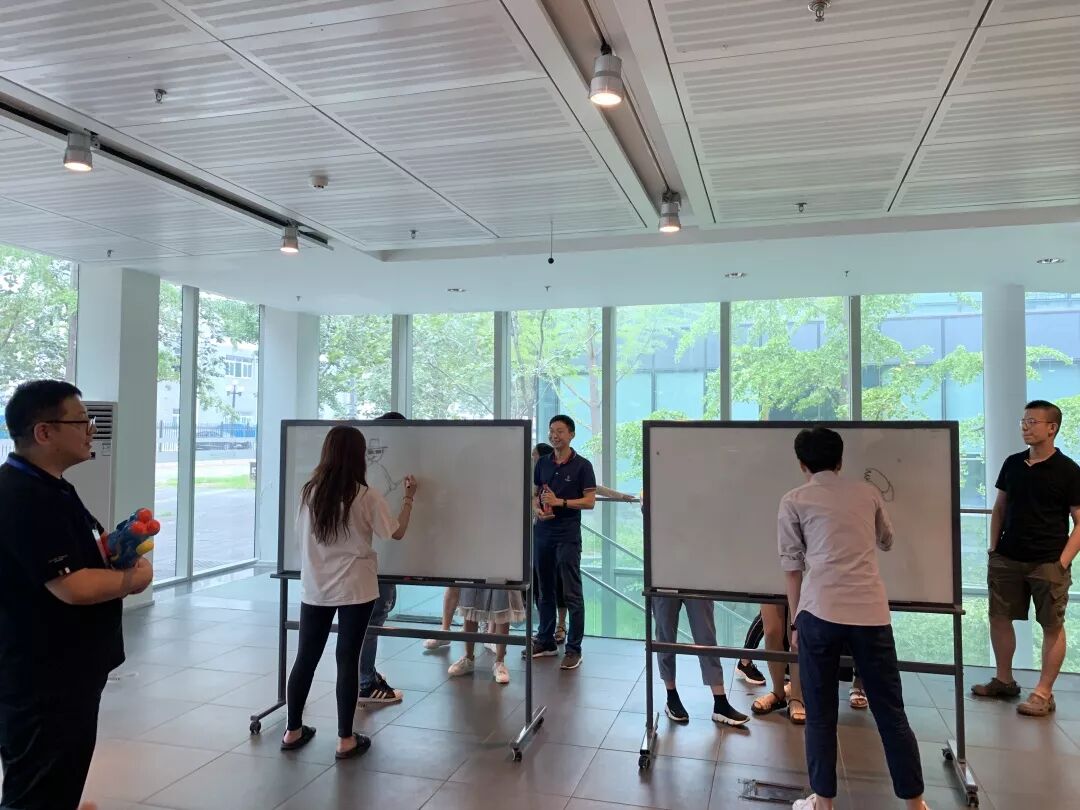
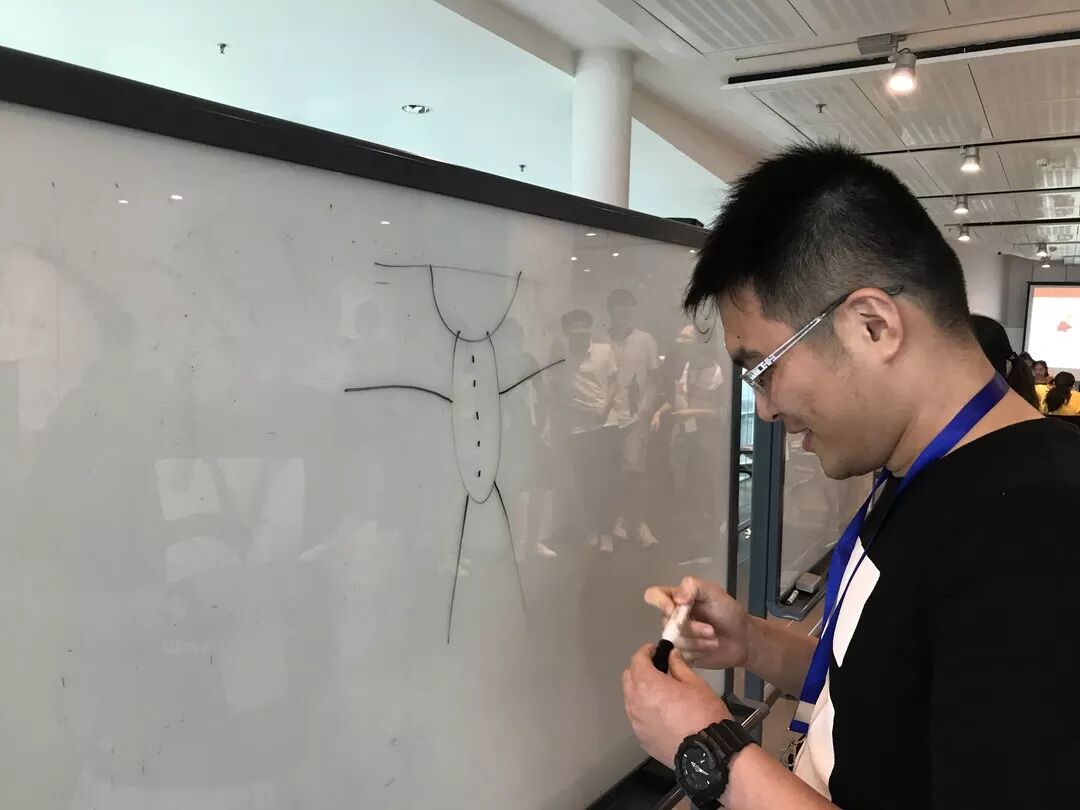
After seeing a given word, the first participant began drawing. Other group members guessed the word based on the previous participant's drawing and then completed their own drawings.

The last participant had to guess the given word based on the drawings on the blackboard. A correct answer meant victory.

During the game, participants showed their drawing skills and imagination. It must be said that the drawings by the first and last participants differed greatly, and those who could still guess the word were truly impressive.
Expert Lecture
04
In the afternoon, Professor Zhao Zhongxiu, President of Shandong University of Finance and Economics, delivered a lecture titled "Green Value Chains: Research on Global Production Fragmentation and Environmental Issues". President Zhao is also Vice President of the China Society of World Economics and Vice President of the China Association of International Trade.
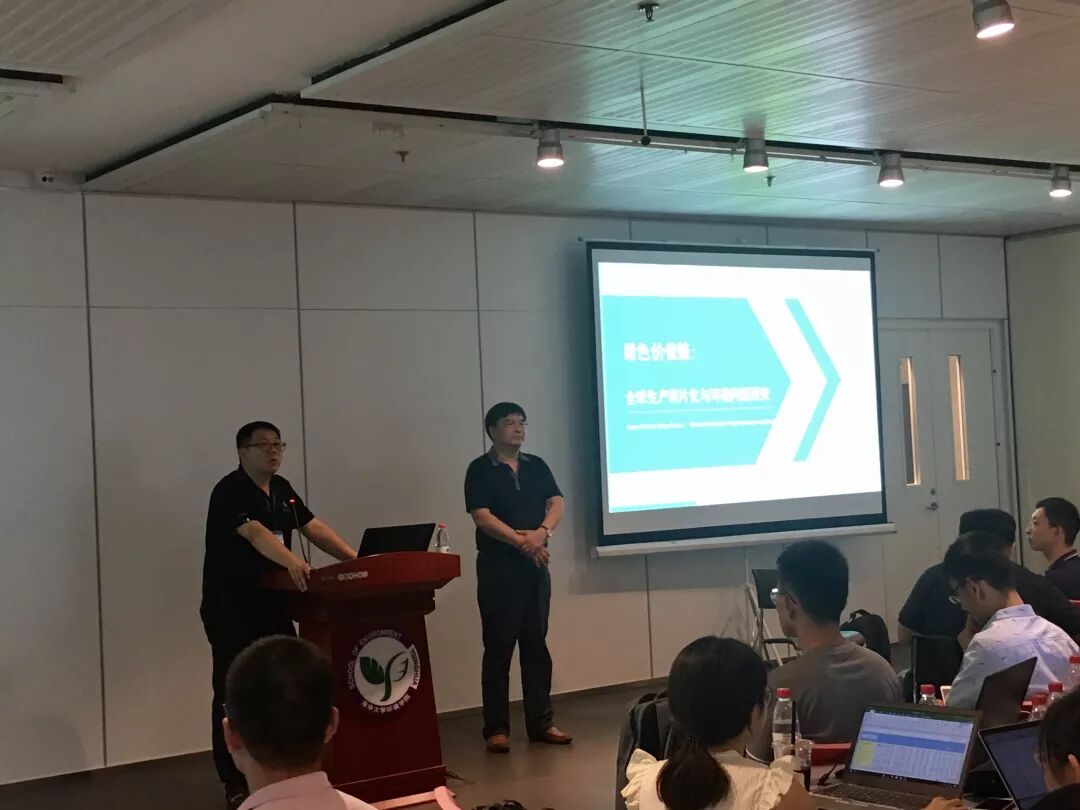
President Zhao first used the case of the global division of labor for Apple products and new-new-new trade theory to analyze the cross-regional mobility of capital, technology, resources, and labor in value chains. He then explored new trends in GVC development based on GVC complexity and the evolution of China's participation in GVC trade value added from 2000 to 2017. In addition, by constructing green value chain theory, he traced the environmental and ecological costs behind each unit of value added, discussed the "pollution haven hypothesis", and examined the construction of green value chains through the value-chain division of labor and pollution transfer in China's textile industry.
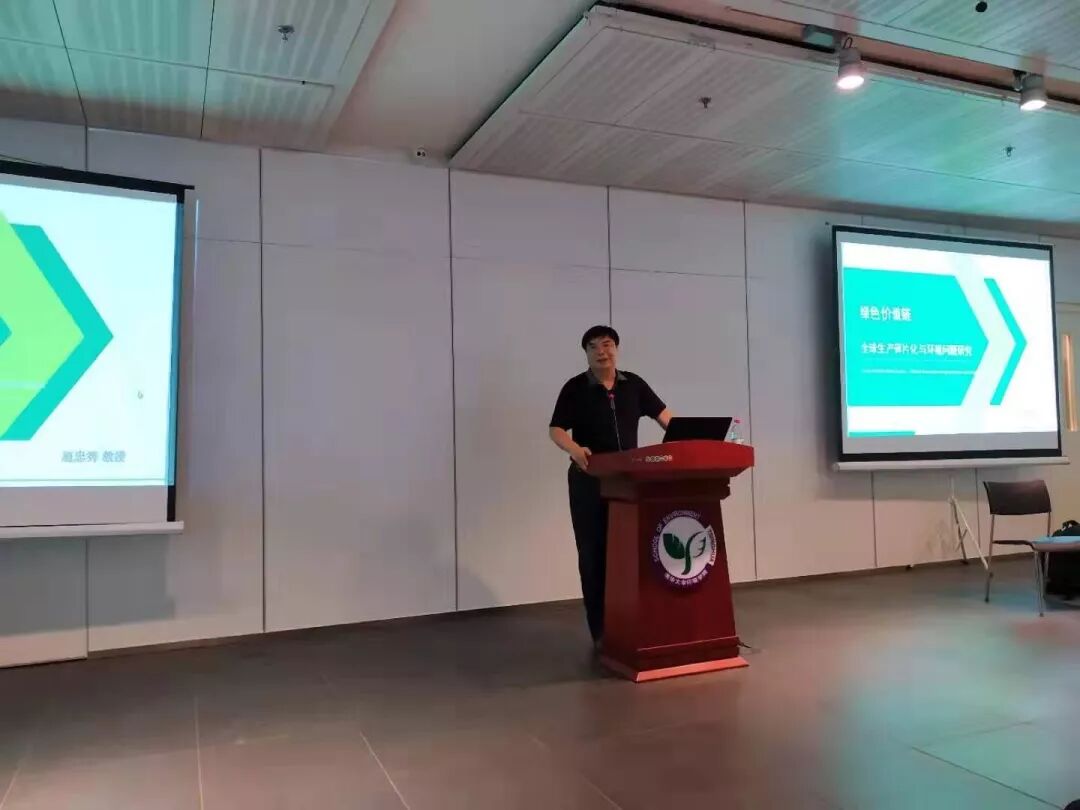
President Zhao Zhongxiu said that in recent years, the global economy and trade have remained sluggish, trade protectionism has been rising, and the existing trade system is facing challenges. Traditional global value chains are undergoing structural transformation and reshaping, while new global investment and trade rules are taking shape.
With growing attention from both domestic and international communities to the environment and ecology, President Zhao noted that China should actively embed itself in global value chains and adjust and optimize its industrial structure in order to successfully build its own green value chains amid major changes in global value chains, and to explore the construction of a community with a shared future for mankind from the perspective of global value chain research. At the same time, China should guard against the risks of large-scale industrial relocation and avoid substitution effects between international production and domestic production. This will also be a key focus of future global value chain research.
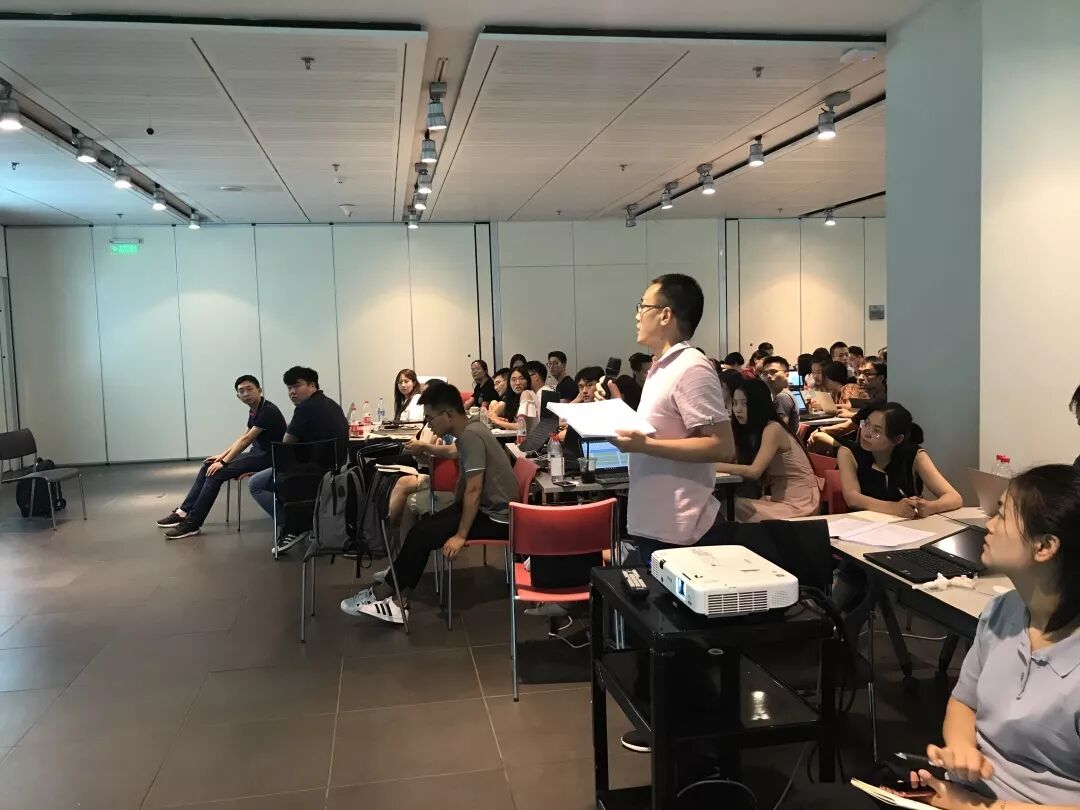
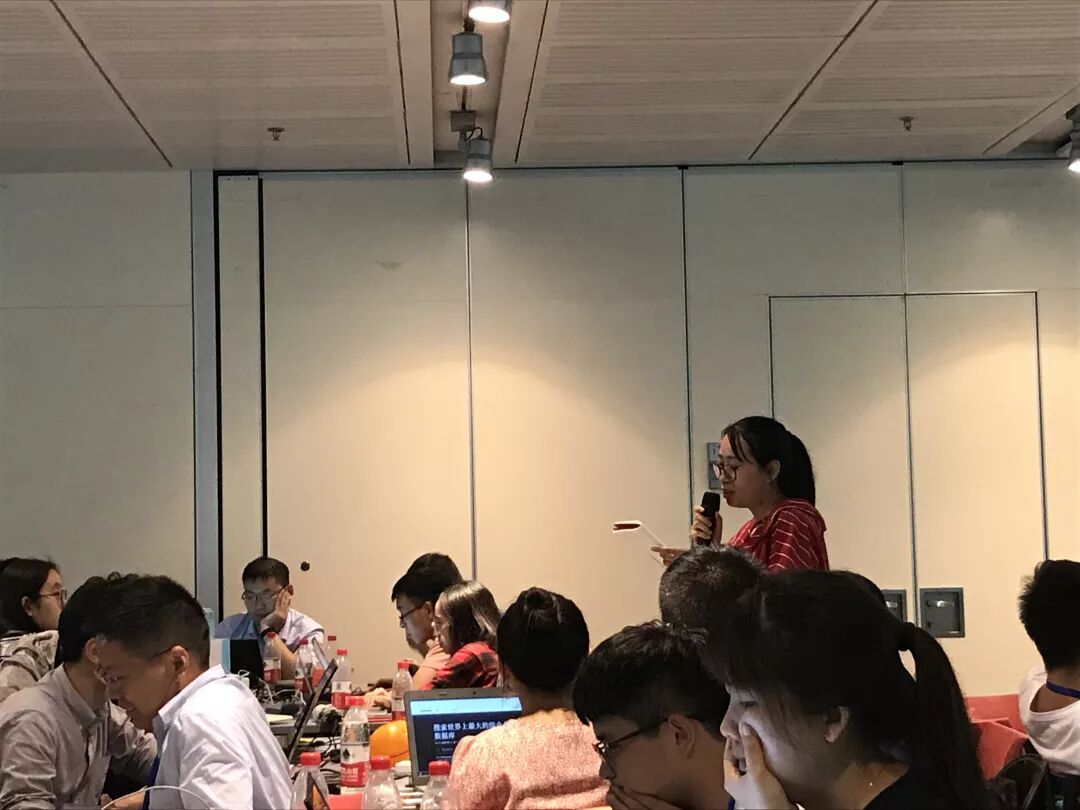

On the third day of the summer school, participants carried out research activities in an enthusiastic learning atmosphere and strengthened team rapport through engaging games. In the days ahead, we believe everyone will meet more challenges with even greater passion for research.