
AEss2019 Day 2: Ready to Go and Full of Energy
Day 2 2019-7-19
Mystery Guest One
After the opening ceremony, ice-breaking games, keynote lectures by leading experts, and a pleasant welcome dinner on the first day, the participants had formed their own teams and were ready to go, full of energy. On the morning of July 19, the participants arrived early at East Hall 1 of the School of Environment, Tsinghua University, looking forward to the mystery guest who was about to arrive. At 9:00 a.m., amid everyone's expectant gaze, Professor Dabo Guan introduced the first heavyweight research expert of the day: Professor Shu Tao, an academician of the Chinese Academy of Sciences, an environmental geographer, and a professor at the College of Urban and Environmental Sciences, Peking University.
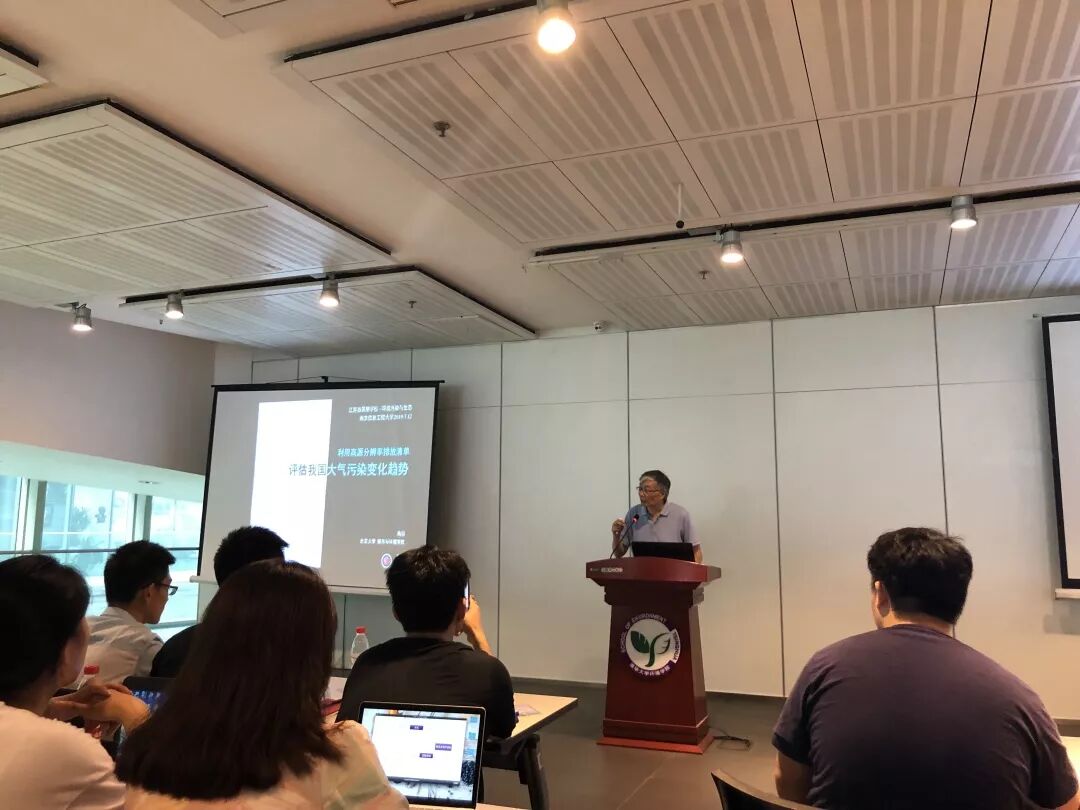
Professor Tao delivered a lecture titled "Assessing Trends in China's Air Pollution Using High-resolution Emission Inventories." He introduced the main research methods and findings of his team from four perspectives: "Health and Climate Effects of the Rural Household Energy Transition in China," "Health Benefits of Banning Indigenous Coking," "Impacts of Emissions and Meteorological Conditions on Atmospheric Particulate Pollution," and "Environmental and Health Effects of Dual Substitution in Northern China."
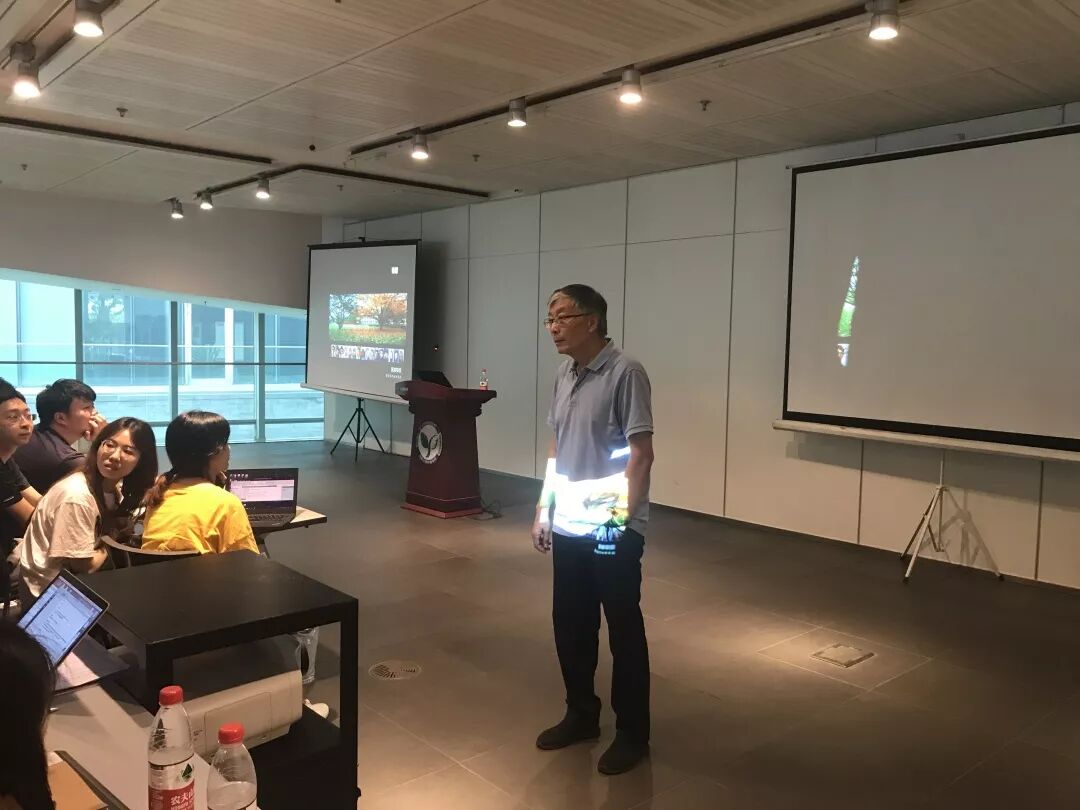
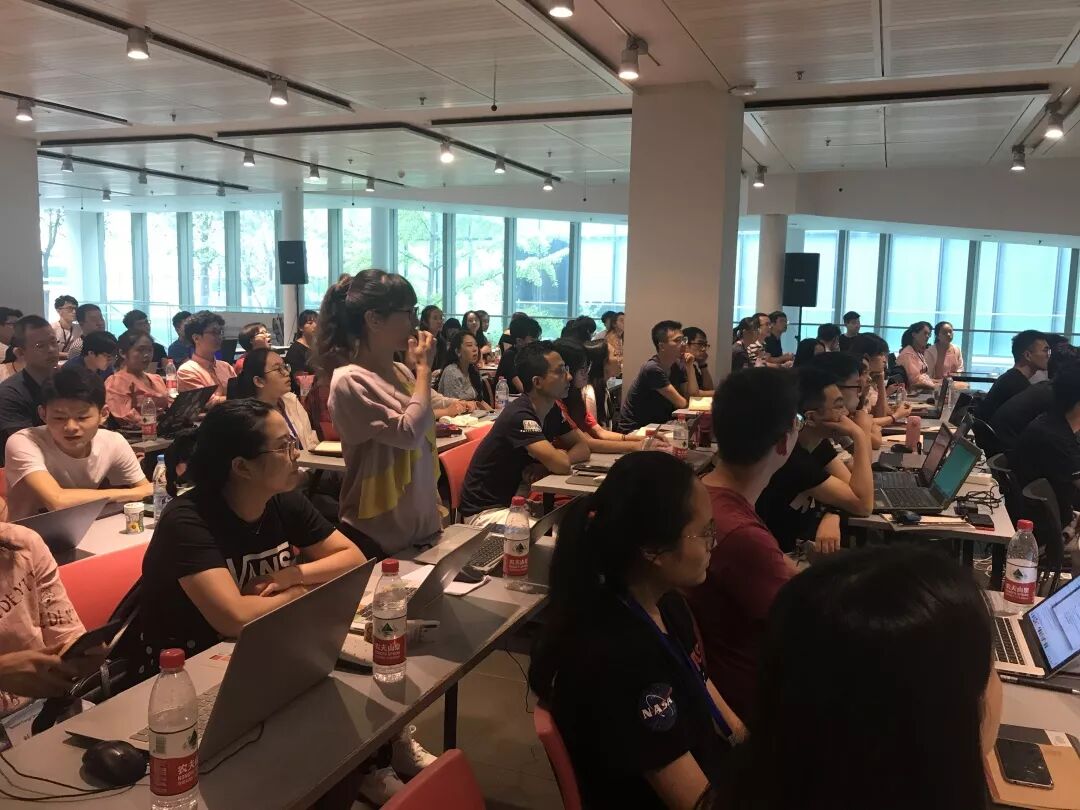
Professor Tao Shu's rigorous research attitude and strong dedication to science influenced everyone present. Near the end of the lecture, the participants actively asked Professor Tao questions, and he patiently answered them. Seeing Professor Tao, already over sixty years old, still working on the front line of scientific research filled everyone with admiration.
Time to Start Learning
01
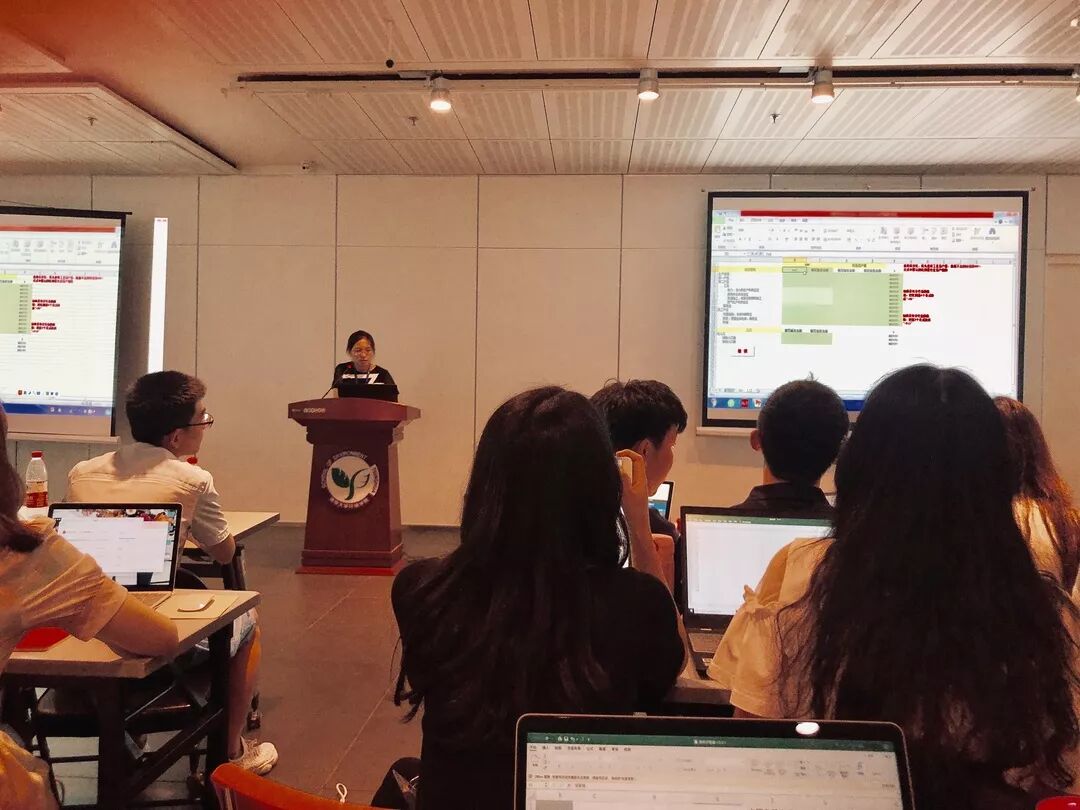
02
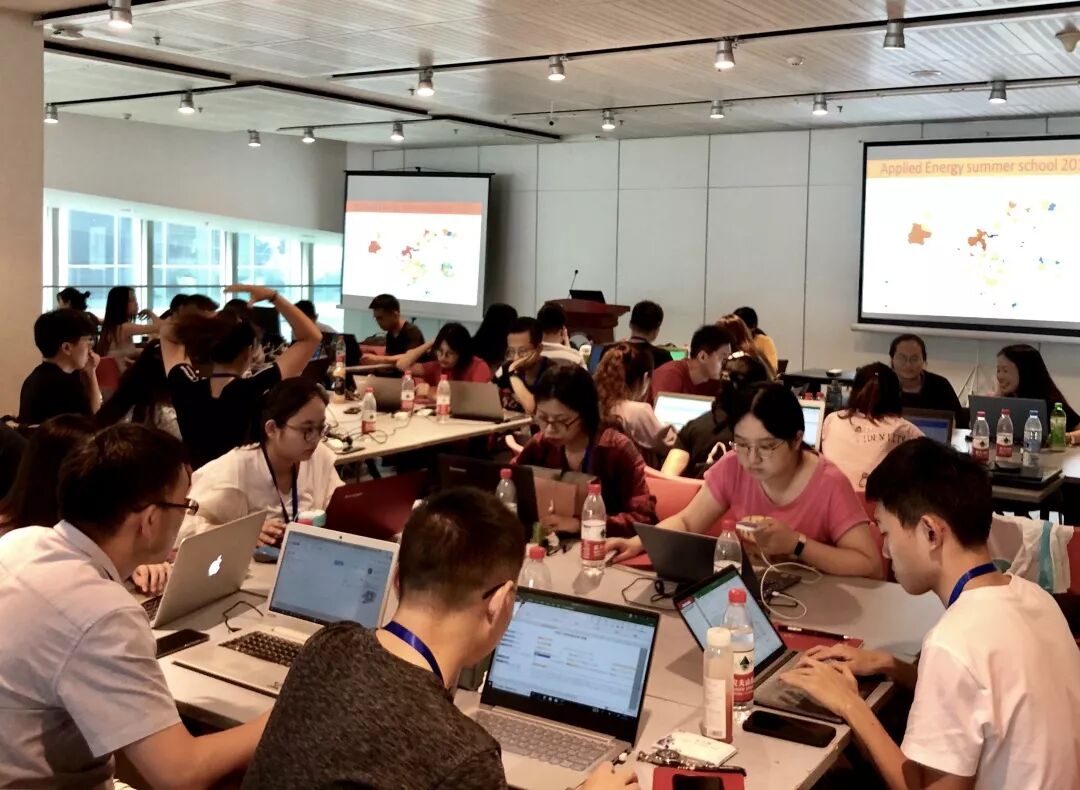
During the lunch break after lunch, the participants were still studying hard.
Going Global
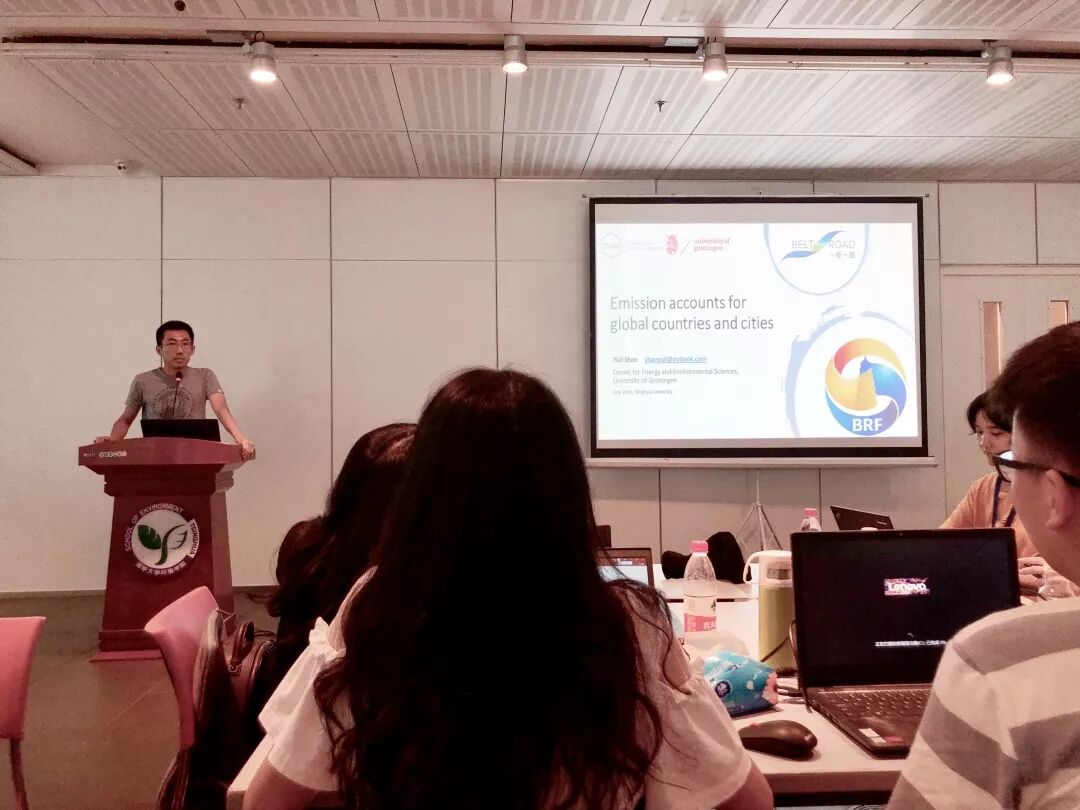
Dr. Yuli Shan
At 2:00 p.m., Dr. Yuli Shan from the University of Groningen in the Netherlands explained carbon emission accounting for countries and cities around the world. First, Dr. Shan introduced common approaches to carbon dioxide accounting. Then, based on territorial-based accounts, he gave a detailed introduction to the collection of energy data for countries and cities and the calculation of carbon dioxide emissions. He also discussed with the participants the similarities and differences among national and urban energy balance sheets and points to note when using them. Finally, using cities in Kazakhstan and Belarus as examples, Dr. Shan demonstrated in detail how to conduct carbon emission accounting for global cities. Through his lecture, the participants gained a deeper understanding of carbon emission accounting and benefited greatly.
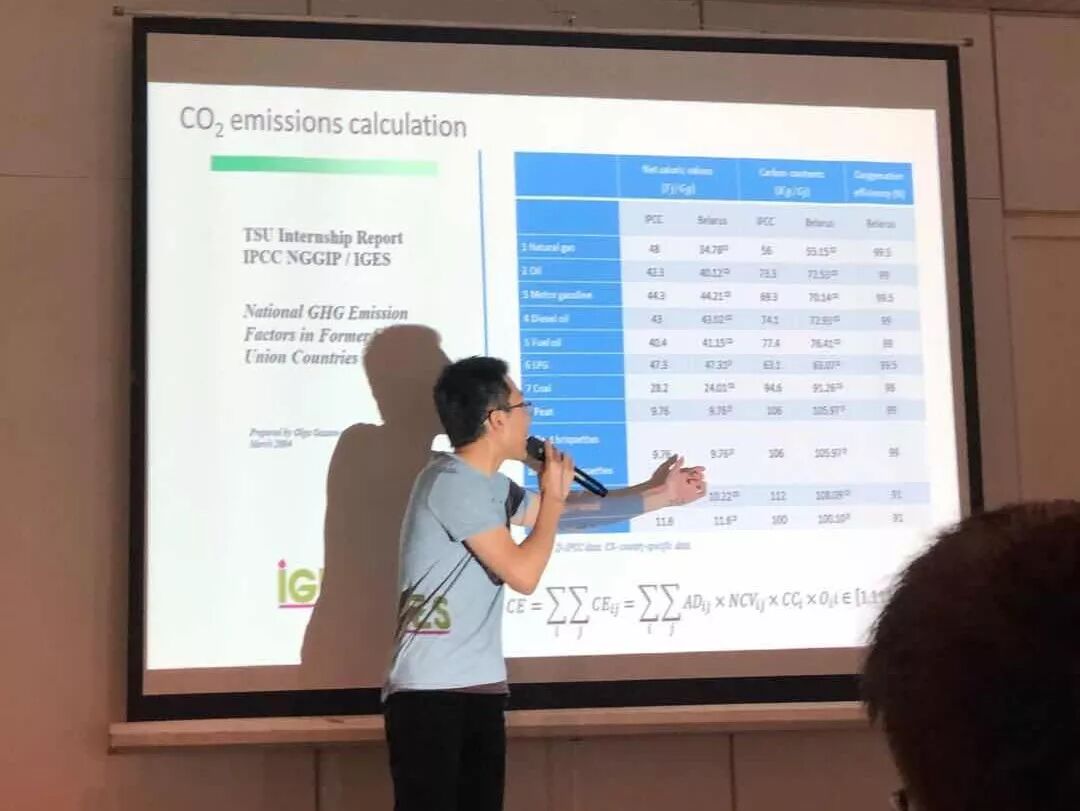
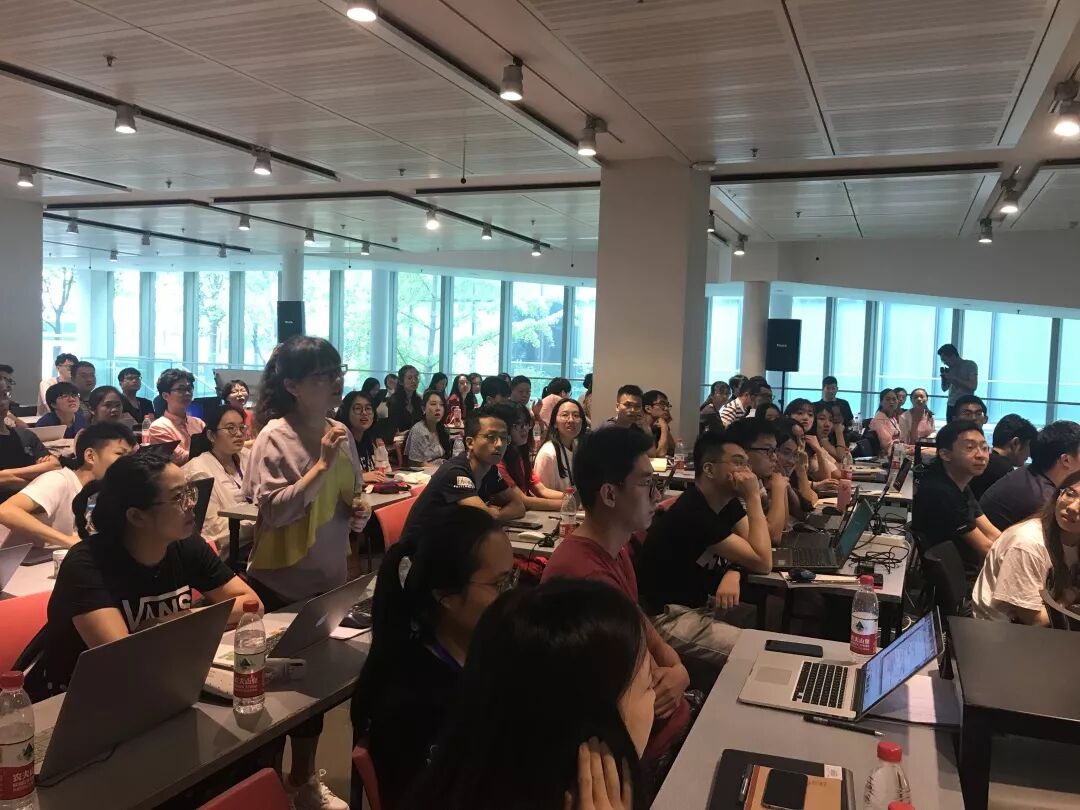
Spectators enjoying the moment
You Ask, I Answer Q&A
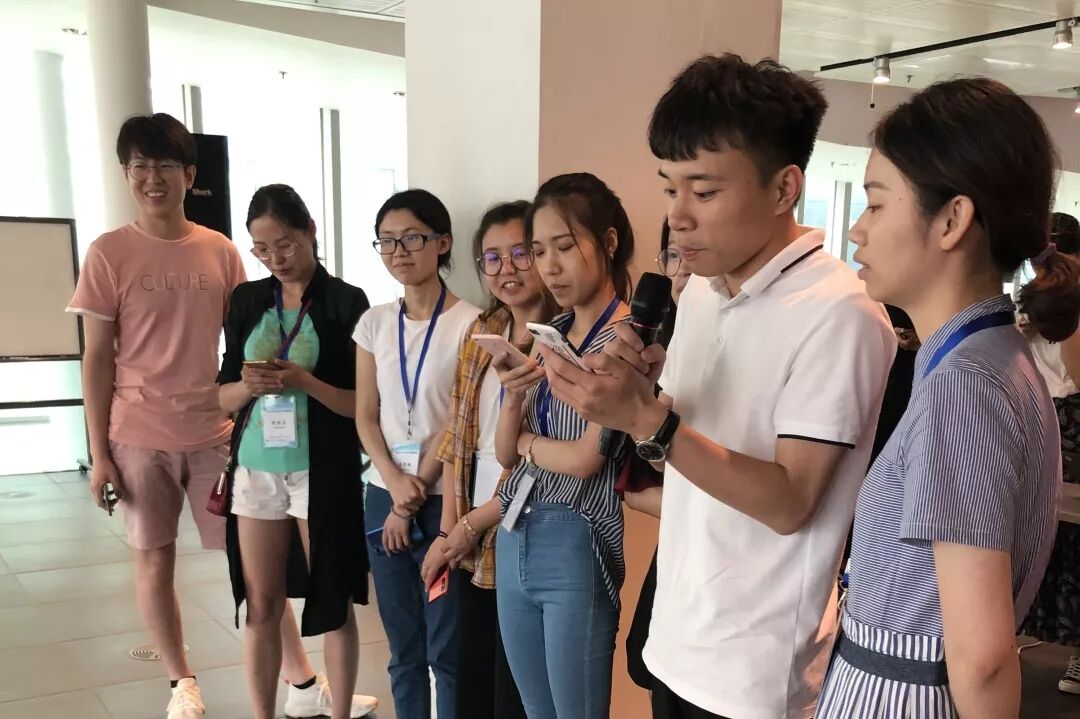
At 3:00 p.m., after an intensive period of study, the enjoyable game session arrived as scheduled. The "You Ask, I Answer" game strengthened the participants teamwork skills as well as their spirit of dedication and contribution. The rules were that each group prepared five questions, and the corresponding group had to provide answers within a limited time. If a group answered incorrectly, four members of that group had to accept a penalty. The questions raised by everyone were varied and imaginative, and the game was full of laughter and surprises.
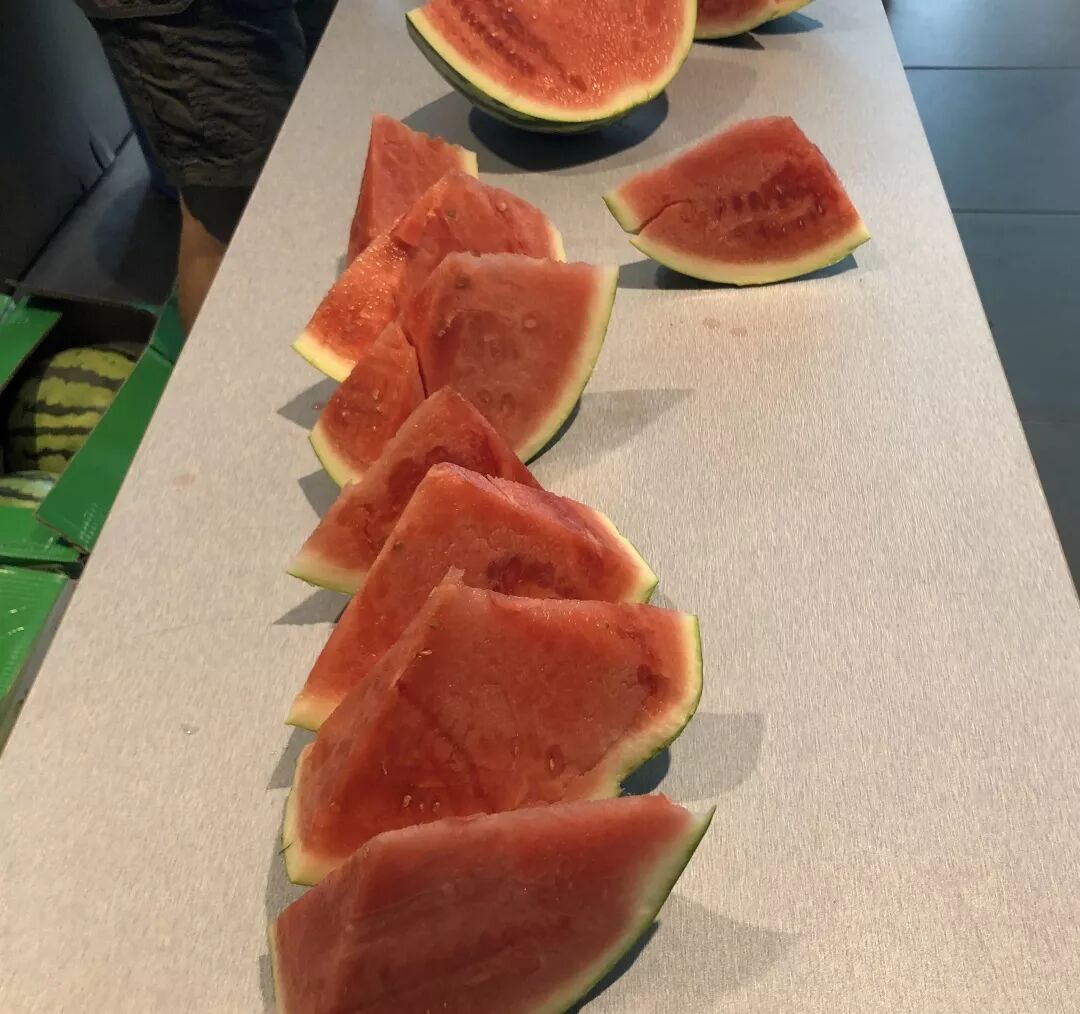
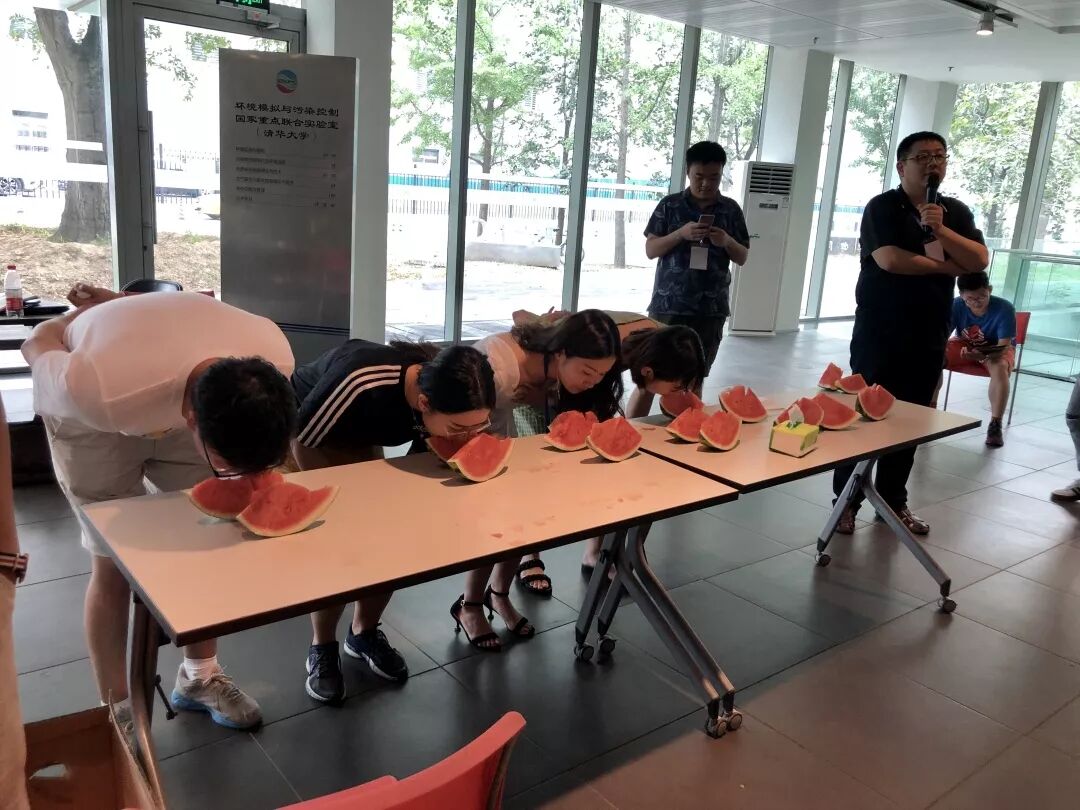
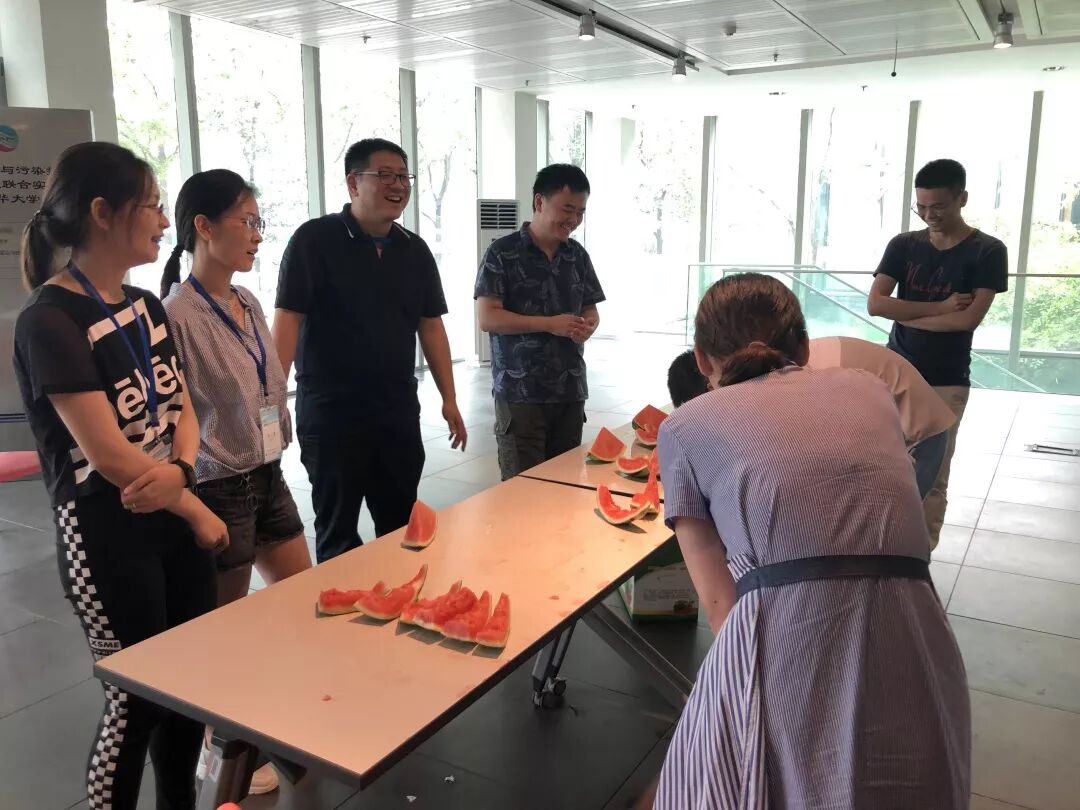
How could summer be complete without watermelon?
Mystery Guest Two
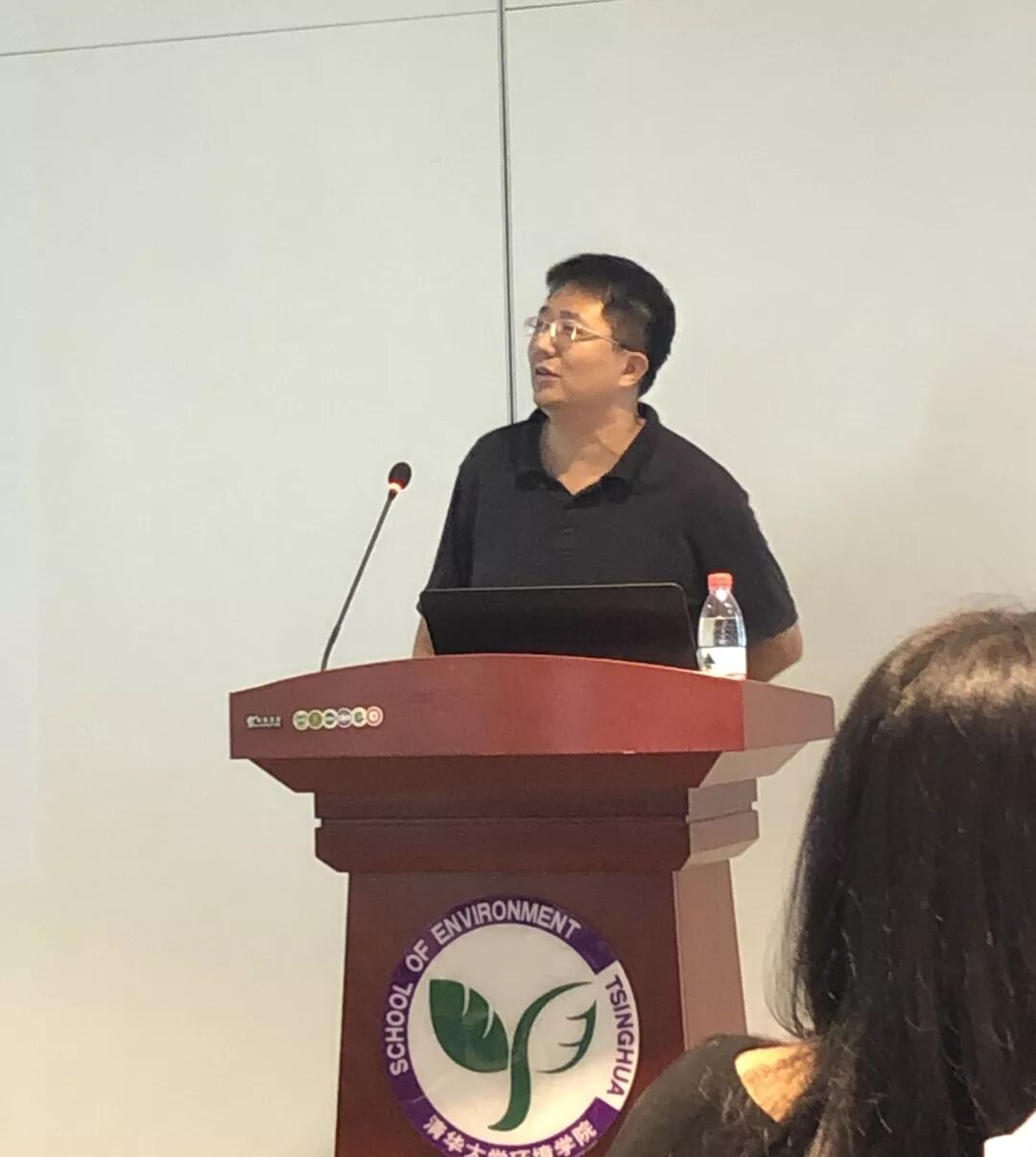
Professor Bin Chen
Finally, amid laughter and cheerful conversation, the second mystery guest of the day arrived: Professor Bin Chen of Beijing Normal University, a recipient of the National Science Fund for Distinguished Young Scholars and a New Century Excellent Talent of the Ministry of Education. Professor Chen gave a lecture on "Urban Resource Metabolism Research." He first introduced ecological accounting theory, then explained resource metabolism networks based on an urban resource metabolism framework, and finally introduced regulation and management research from the perspectives of water, carbon, energy-water coupling, and energy-carbon coupling. Professor Chen spoke with humor and vivid explanations, and the participants actively asked questions and exchanged ideas with him.
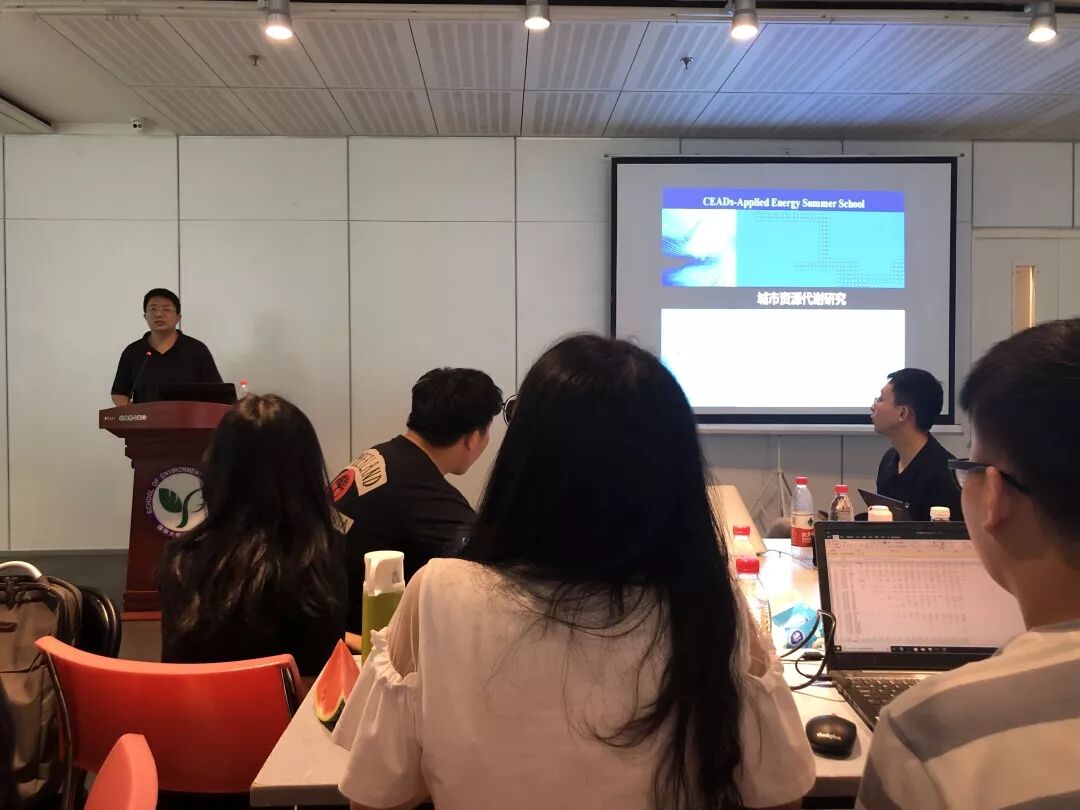
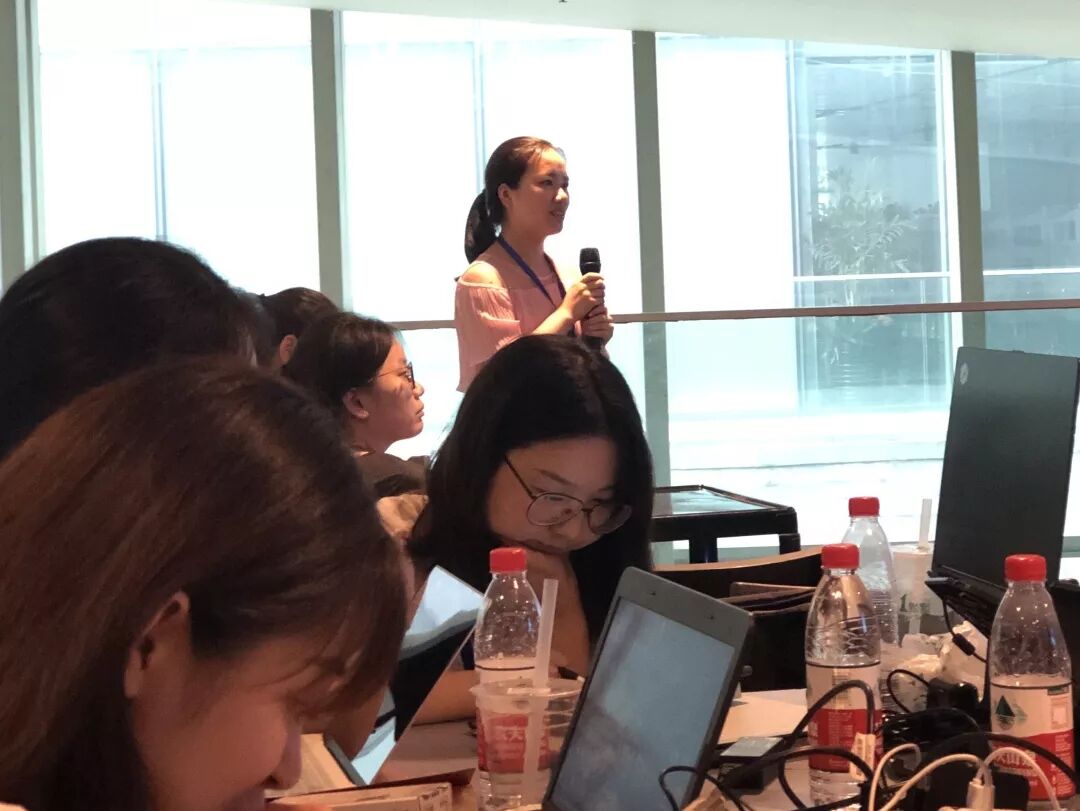
On the second day of the summer school, the participants experienced the presence and insight of accomplished researchers while also strengthening their teamwork skills and spirit of dedication. With great enthusiasm, everyone looked forward to the next day.