CEADs Releases City-Level Carbon Inventory Data and Opens Recruitment for the 2019 Applied Energy Summer School
The CEADs database has long been committed to building an open, transparent, verifiable and free carbon accounting database for China. Recently, the CEADs team integrated the crowdsourced results from the 2017 and 2018 Applied Energy Summer Schools and published an article in Scientific Data, a Nature Research journal, officially releasing China city-level CO2, energy and socioeconomic inventories for 2010. Scholars are welcome to consult and cite the dataset.
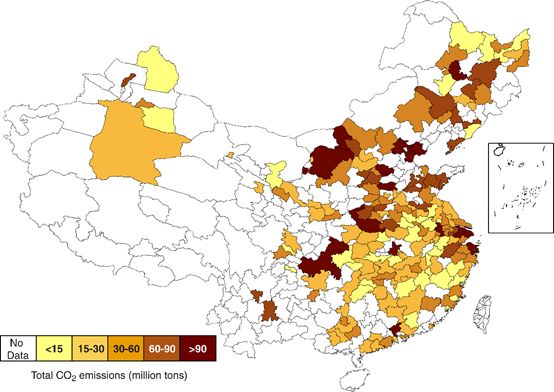
Cities are centers of human activity, basic carriers of energy consumption and implementation units for emission reduction policies. They are also central to climate change governance. Data are the foundation of climate change work, and accurate measurement of national and regional CO2 emissions is a prerequisite for related research and low-carbon policy making.
Due to limitations in methods and data, carbon emission accounting at the city scale in China is still at an early stage. Using the newly developed city-scale carbon emission accounting method, the CEADs database compiled IPCC Scope 1 CO2 and energy inventories for 182 cities based on administrative boundaries, using data from city statistical yearbooks and emission factors from a dedicated carbon survey. The inventories cover emissions from combustion of 17 fossil fuels and production processes for seven industrial products, calculated across 47 socioeconomic sectors. The socioeconomic inventory includes data on each city economy, population and employment.
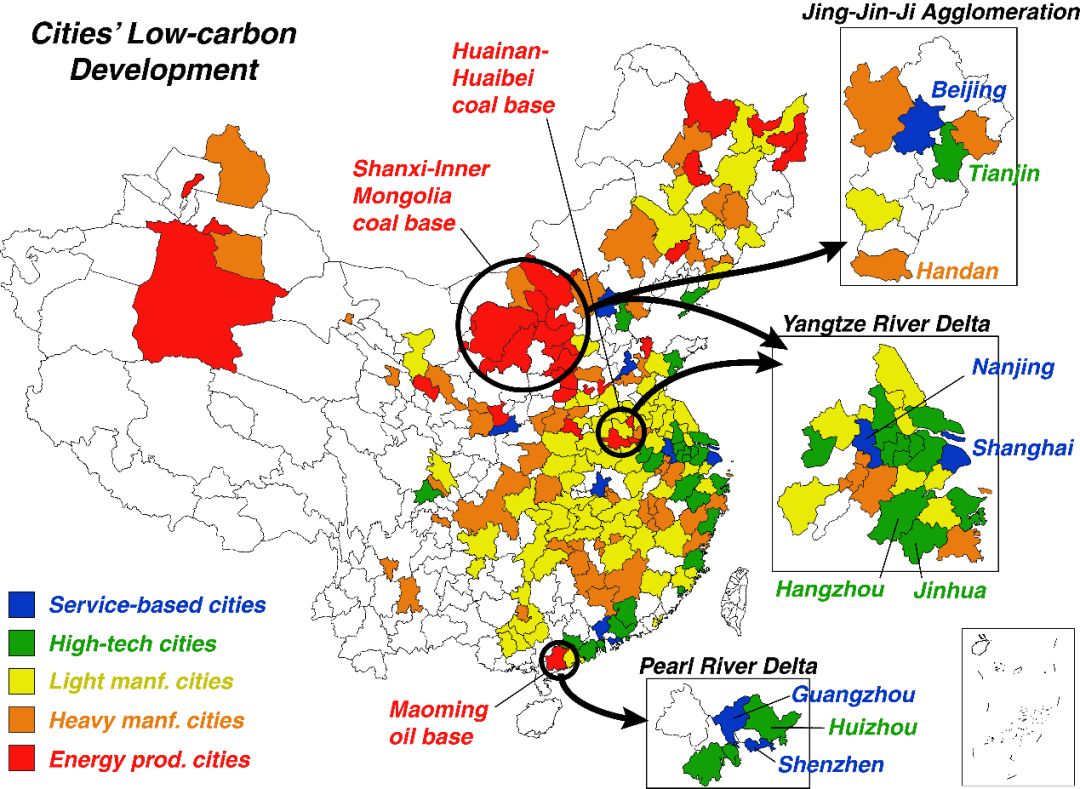
This city-scale inventory dataset uses the same accounting method, accounting boundary and data sources as China national- and provincial-level inventories, enabling cross-validation. The dataset can be downloaded from the CEADs website and has been used to explore the impact of urban industrialization on climate change mitigation.
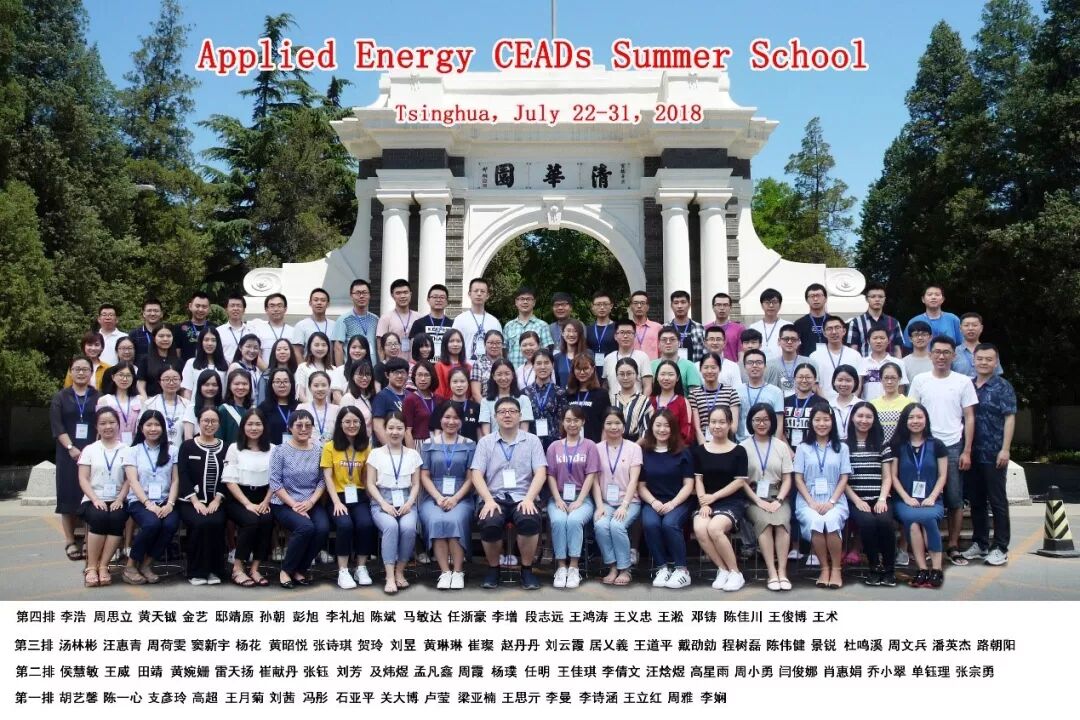
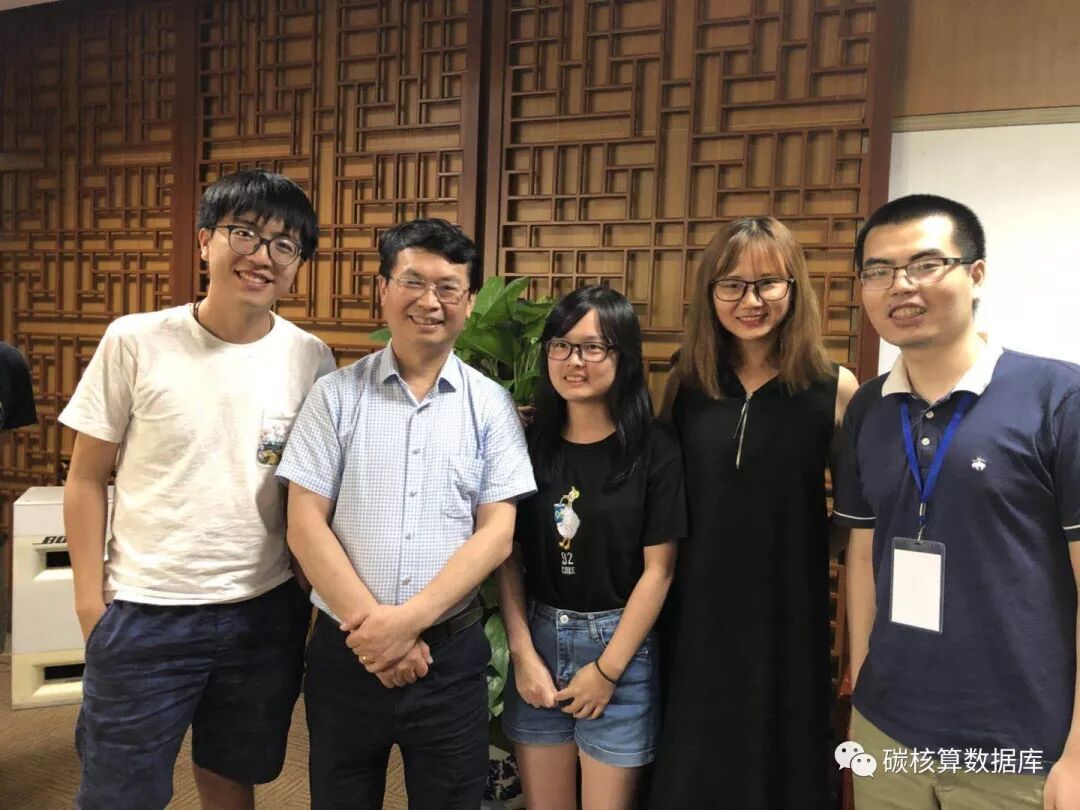
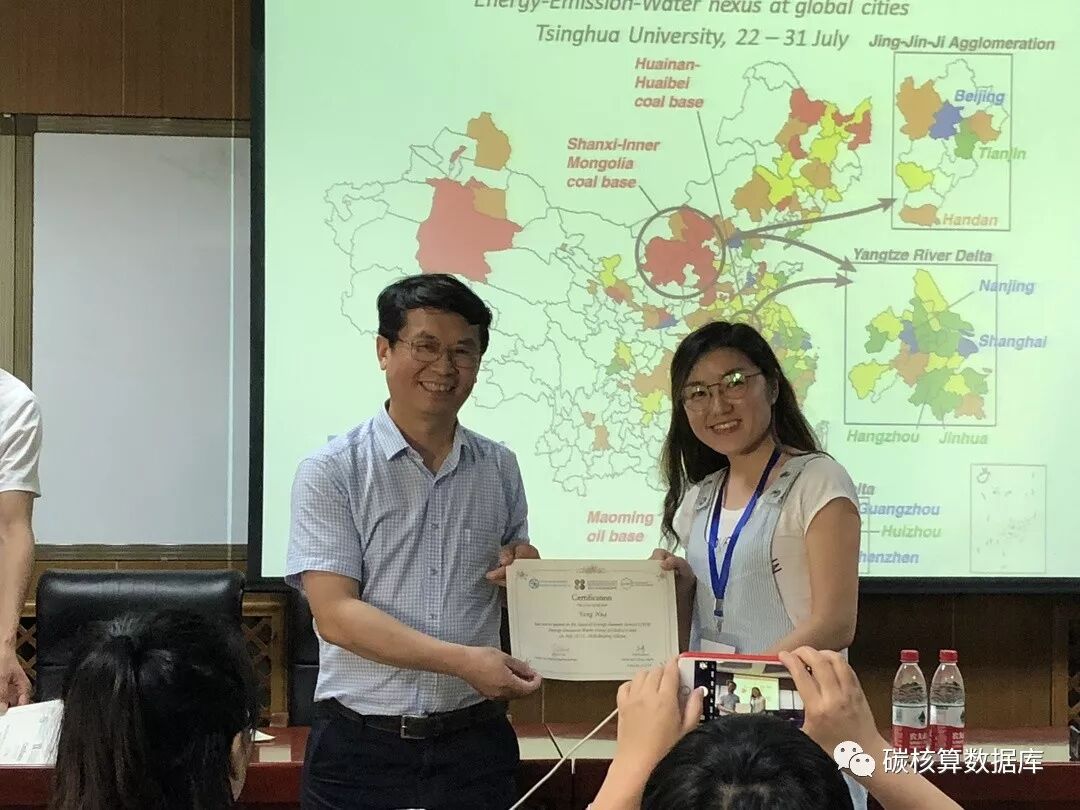
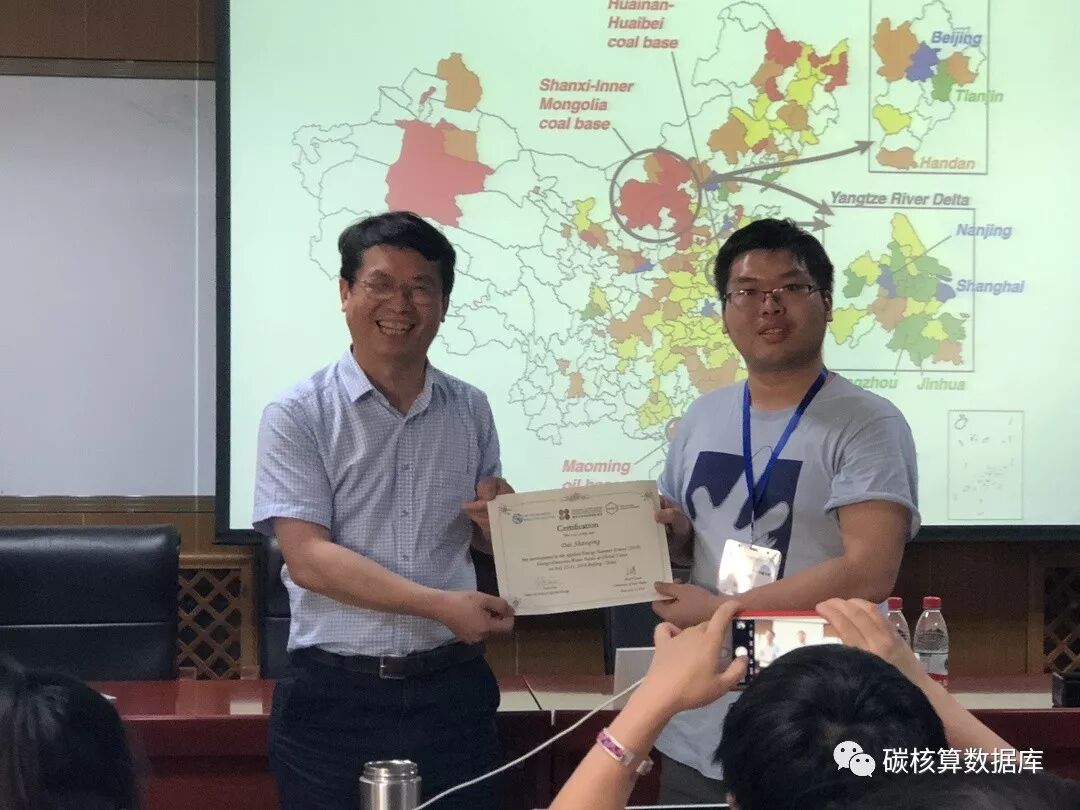
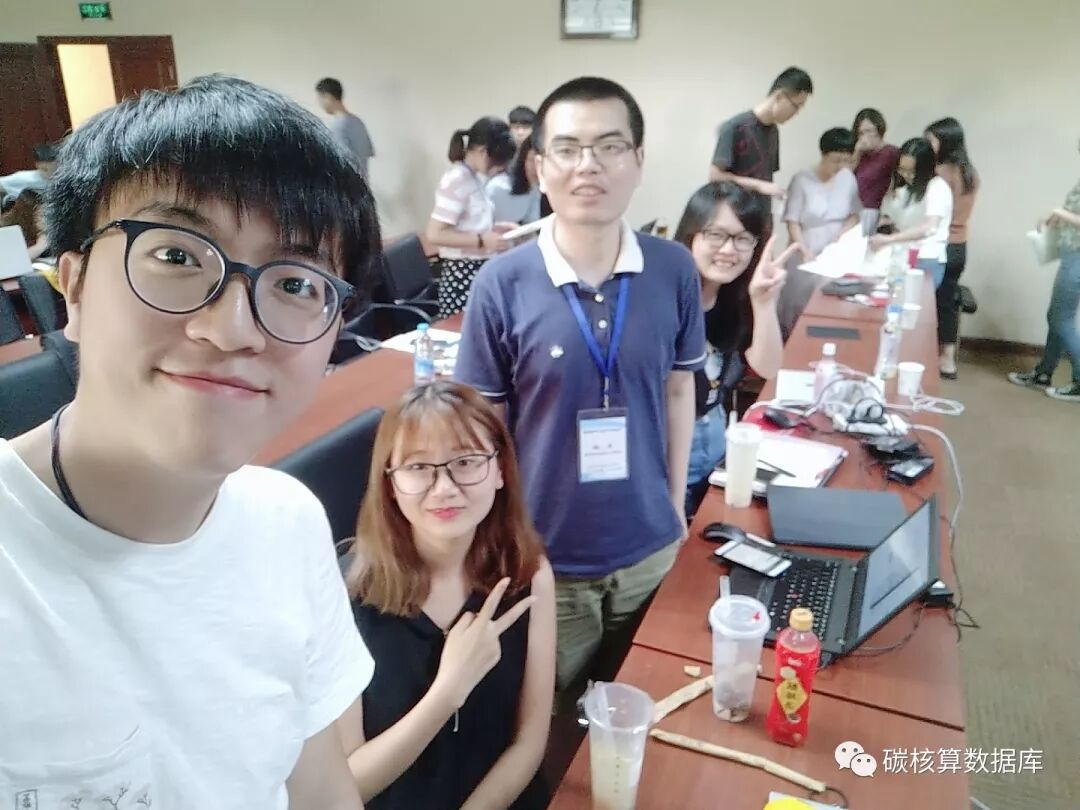
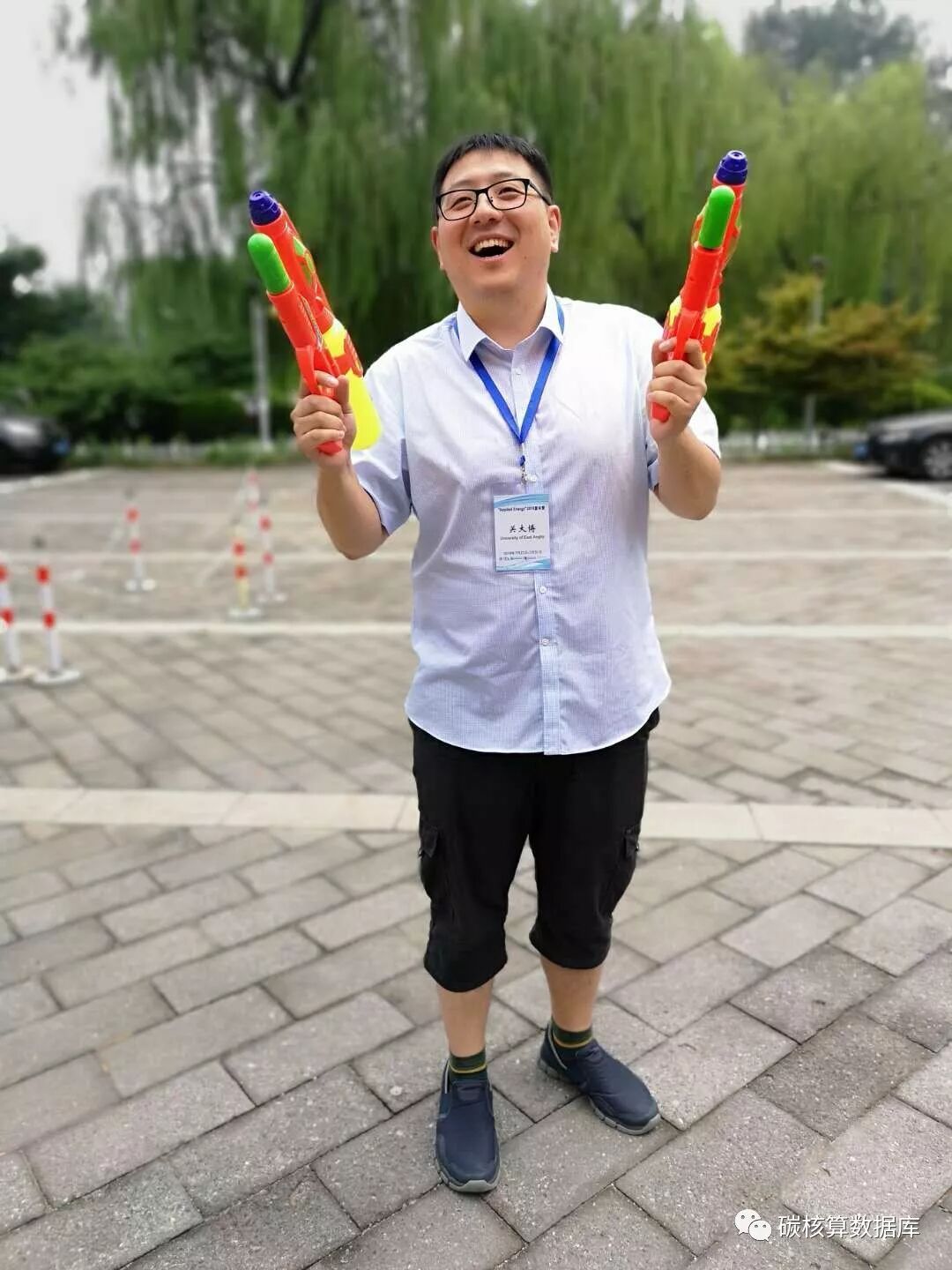
The CEADs database sincerely thanks the participants of the 2017 and 2018 Applied Energy Summer Schools for their crowdsourced contribution to the city dataset. The 2019 Summer School will be held at Tsinghua University from July 17 to 27. We look forward to welcoming new and returning participants.
Reference: Shan, Y., Liu, J., Liu, Z., Shao, S., & Guan, D. (2019). An emissions-socioeconomic inventory of Chinese cities. Scientific Data, 6, 190027. doi:10.1038/sdata.2019.27
CEADs Call for Applications: 2019 Applied Energy Summer School

Recruitment is now open for the 2019 Applied Energy Summer School, themed "Cities and Sustainable Development: Coupling Environment, Energy and Economy". The summer school is jointly organized by the CEADs team, Applied Energy, Tsinghua University, Beijing Institute of Technology, the Applied Energy Innovation Institute and several universities in the UK. Students from universities and research institutes are warmly invited to apply.
The Applied Energy Summer School has been successfully held for three years. Through courses, team projects and related activities, it aims to build an academic platform for young scholars and experts to exchange ideas and collaborate. The 2019 Summer School starts a new chapter with a focus on sustainable urban development, studying the coupled relationships among the urban environment, natural resources and economic development. Participants will work in groups to study specific urban sustainability issues and explore the coupled relationships among environmental governance, natural resource management and economic development at the city scale. Domestic and international experts and scholars will also be invited to give keynote talks.

How to Apply
Students interested in joining the summer school should submit a CV and one representative paper by email to Jing Tian (J.Tian@uea.ac.uk) by May 31, 2019. Admission notices will be issued on June 15, 2019. Around 70 participants will be admitted.
Summer School dates: July 18, 2019 - July 27, 2019
Summer School venue: East Hall 1, School of Environment, Tsinghua University, Beijing
Accommodation: The organizers will reserve standard rooms at Tsinghua University Jiasuo and Jinchunyuan, at RMB 299 per person per night for double occupancy. Check-in is available after 12:00 noon on July 17, and check-out should be completed before 12:00 noon on July 28. For safety reasons, participants from outside Beijing are in principle not allowed to arrange off-campus accommodation on their own. To process dining cards for Tsinghua University canteens, the organizers will collect a RMB 20 dining card deposit from admitted participants, which will be refunded after the card is returned at the end of the summer school.
The summer school does not charge any registration fee. Meals and accommodation are provided by Tsinghua University, and participants are responsible for the related costs. For details, please contact Yuli Shan (shanyuli@outlook.com).
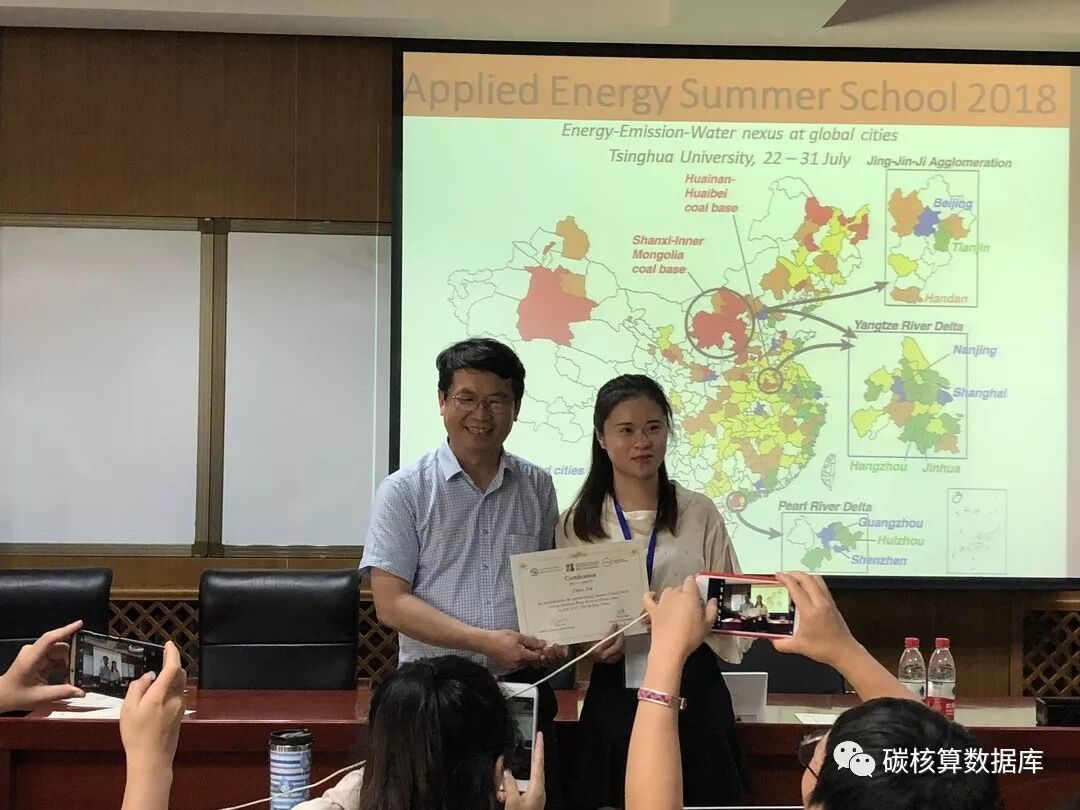
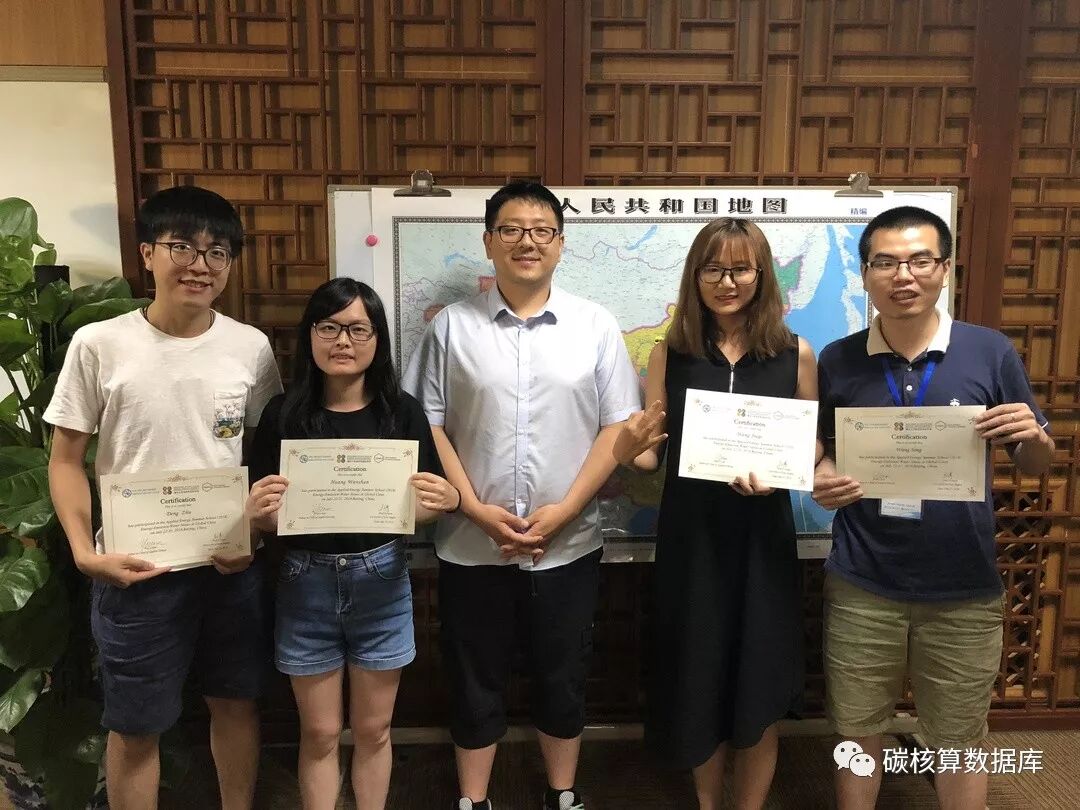
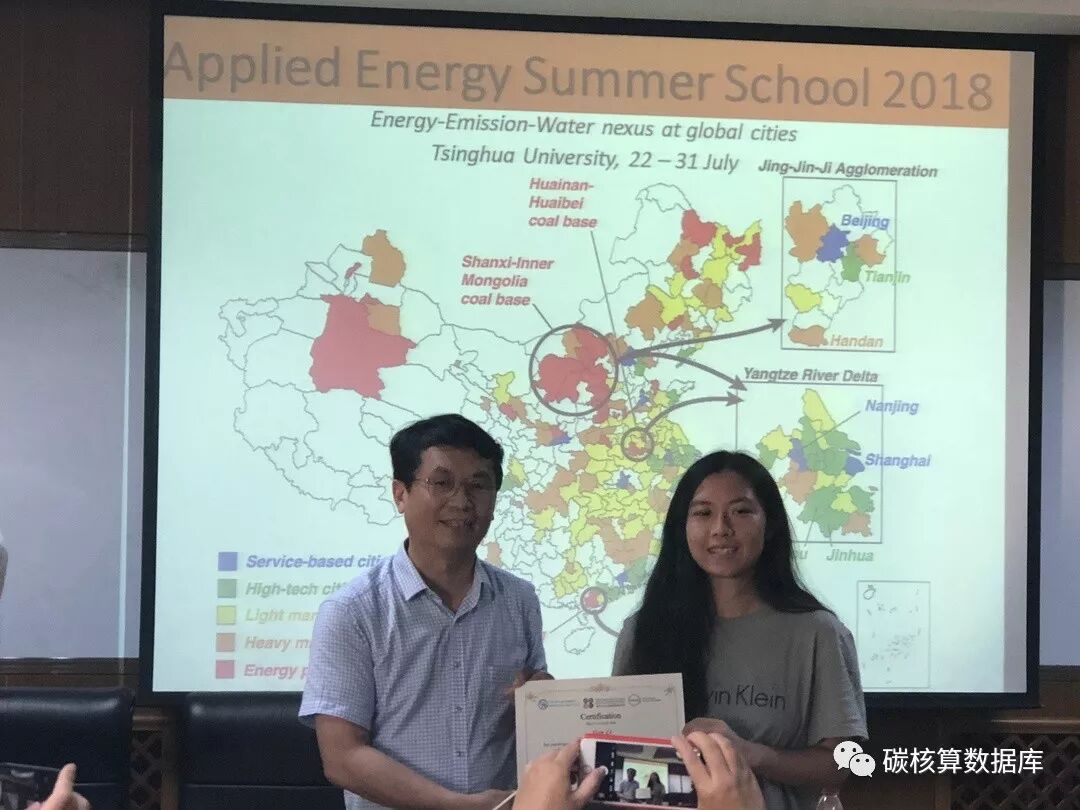
Highlights from the 2018 Summer School