
2021 Fall Tsinghua University Undergraduate General Education Elective Course Recommendation | Climate Change and Global Development
In recent years, global climate change has become increasingly severe and has posed a serious threat to the survival and development of human society. How to respond effectively to global climate change has become a major issue attracting close attention from governments and all sectors of society around the world. At a time when "climate change" and "carbon neutrality" have gradually become social buzzwords, do you often have the following questions?
1. Is climate change really happening? Everyone says the climate is warming, so why was it so cold this winter?
2. Has globalization really accelerated climate change?
3. Is the takeaway food I ordered environmentally friendly? Will packaging waste affect climate change?
4. Can climate change and economic development achieve both at once?
5. How are different groups affected by climate change? Who will bear more losses?
6. What does the dual-carbon goal mean? Can China achieve carbon neutrality before 2060?
7. How can the world work together to address climate change?
8. After global carbon neutrality is achieved, do we still need to pay attention to the impacts of climate change?

Course Recommendation
Friends, do not worry!
As the saying goes, "Teachers transmit knowledge, impart skills, and dispel doubts." In the fall 2021 semester, the Department of Earth System Science at Tsinghua University will launch the course "Climate Change and Global Development," taking you into the many mysteries behind climate change.
In fact, responding to climate change is not an isolated issue. It involves many aspects such as the economy, finance, society, technology, politics, and the environment. Behind it lies the trade-offs decision-makers must make among multiple development goals. Therefore, how to achieve climate action while ensuring global development has drawn close attention from all sectors of society.
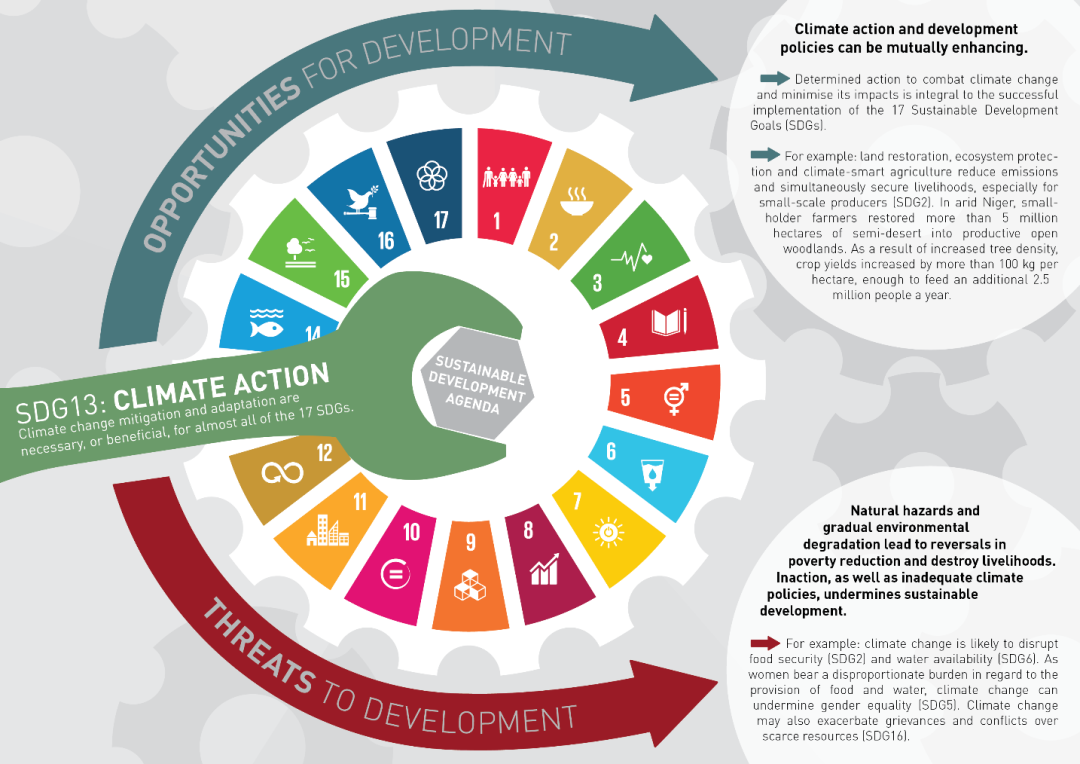
Based on this, the course "Climate Change and Global Development" offered by the Department of Earth System Science at Tsinghua University aims to help students:
1. Understand the basics of climate change science.
2. Understand the mutual influence between economic development, financial instruments, and climate change.
3. Recognize the complex links between climate change, global development, and human well-being.
4. Learn about policy tools and the current state of international cooperation on climate change.
5. Recognize the necessity of making socio-economic transformation with carbon neutrality as a hard constraint.

Course Information
Course Title
Climate Change and Global Development
Credits: 3
Offered by: Department of Earth System Science
Course Introduction
Module 1
Topic: Climate Change and Sustainable Development
Content: This module will guide students to understand climate change, learn what climate change is, what the climate was like in history, how scientists prove that the climate is changing, and the main arguments against climate change. At the same time, teachers and students will jointly discuss the contradiction between human socio-economic development and ecological construction, namely the issue of sustainable development.
Format: Lecture, Fish Bank Game, debate
Module 2
Topic: Climate Change and Economics
Content: This module first explains the basic concepts of climate change economics. Next, it guides students to examine whether globalization has intensified climate change and the positions different countries occupy in global trade chains from the perspective of international trade. It then introduces cutting-edge topics such as green finance and climate finance, including their conceptual features, current development, and future prospects. Afterwards, from a regional economic perspective, it explores the impact of climate change on regional economic development and helps students understand the economic and social effects of climate policy. Finally, it analyzes the impacts of climate change on nature and socio-economic systems, teaches the use of economic tools to evaluate environmental value, and discusses whether climate change still exists after the world achieves carbon neutrality.
Format: Lecture, group discussion
Module 3
Topic: Climate Change and Human Activities
Content: This module first studies the relationship between the global carbon cycle and human activities, especially the impact of human activities on the ocean and the feedback mechanisms involved. It then compares carbon footprints under different lifestyles and discusses whether climate change should target the wealthy and whether buying and selling carbon allowances can make the poor richer. After that, students will learn methods for calculating carbon emissions, including individual carbon footprints, regional/national-scale emissions, and production-side/consumption-side emissions. Finally, through cases such as beer, takeaway food, and milk tea, the module explores the impact of climate change on human diets.
Format: Lecture, case analysis
Module 4
Topic: Responses to Climate Change and International Cooperation
Content: This module first helps students understand pathways to achieve the carbon neutrality goal and explores the relationship between carbon neutrality and economic development, human health, and the ecological environment. Next, using the global carbon market as an example, it examines market mechanisms under the carbon neutrality goal and explains the basic theory of carbon pricing, comparing the similarities and differences between global and Chinese carbon pricing mechanisms. It then introduces how future climate change is predicted, covering emission scenario elements, emission pathway generation, and emission scenario applications, as well as various mitigation options and their cost comparisons. Finally, combining theory and practical experience, it shares the latest progress in United Nations climate change negotiations and discusses the negotiation process under the climate convention, the main views of each interest group, and the key issues and focal points in current negotiations.
Format: Lecture, role-play (carbon market trading simulation, UN climate change negotiation simulation), classroom exercises ("Global Calculator")
Course Instructors
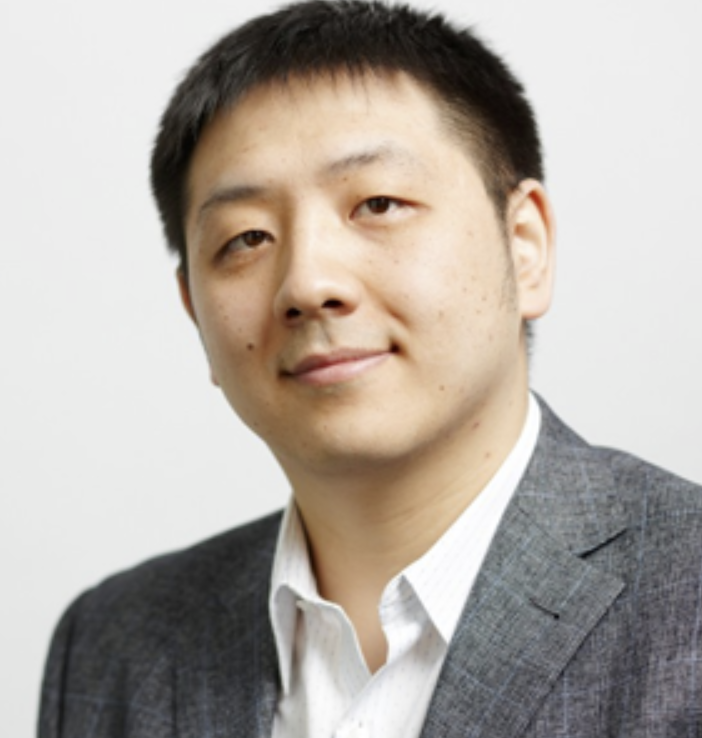
Professor Guan Dabo
Guan Dabo is a distinguished professor in the Department of Earth System Science at Tsinghua University and a Fellow of the British Academy of Social Sciences. For many years, he has devoted himself to studying the causes, impacts, and responses to climate change, analyzing the drivers of greenhouse gas emissions and exploring sustainable development pathways with low carbon and low resource consumption at both global and national levels. His interdisciplinary research achievements, integrating natural and social sciences, have been widely recognized by the academic community. He has published more than 60 pioneering papers in Nature and its sister journals. He has received honors including the Cozzarelli Prize from the Proceedings of the National Academy of Sciences, the Philip Leverhulme Prize, Newton Senior Fellowship, the Global Highly Cited Paper Award, and more. He has also been selected as a lead author for the IPCC Fifth Assessment Report, a Clarivate Global Highly Cited Scientist from 2018 to 2020, and one of the world's top 1,000 climate scientists.

Associate Professor Cai Wenjia
Cai Wenjia is a special research fellow and doctoral supervisor in the Department of Earth System Science at Tsinghua University. She serves as director of the Asia Center for Population Health and Climate Change at the Lancet Countdown, a member of the expert group for carbon emission peaking action plans for key industries under the Department of Climate Change, Ministry of Ecology and Environment, a key author coordinator for Volume III of the scientific assessment report "China Climate and Ecological Environment Changes: 2021," a committee member of the Energy System Engineering Professional Committee of the China Energy Research Society, deputy editor for a topic section of Frontiers in Public Health, and a member of the editorial advisory board of Environmental Research Letters. She has published 60 SCI/SSCI papers, including 13 in Nature and its sister journals, The Lancet and its sister journals, and the sustainability journal of Cell.