CEADs China Emission Accounts and Datasets Summer Camp: Day 7 Learning from Others to Improve Our Work
Guest Forum
Dr. Yang Xia

Dr. Yang Xia received her PhD in ecological economics from the University of East Anglia in the United Kingdom. She is a senior academic editor at Nature and previously served as a senior academic editor at Nature Communications. She mainly handles manuscript assessment in areas related to socioeconomic issues, environmental policy, health risks, climate change, and sustainable development.
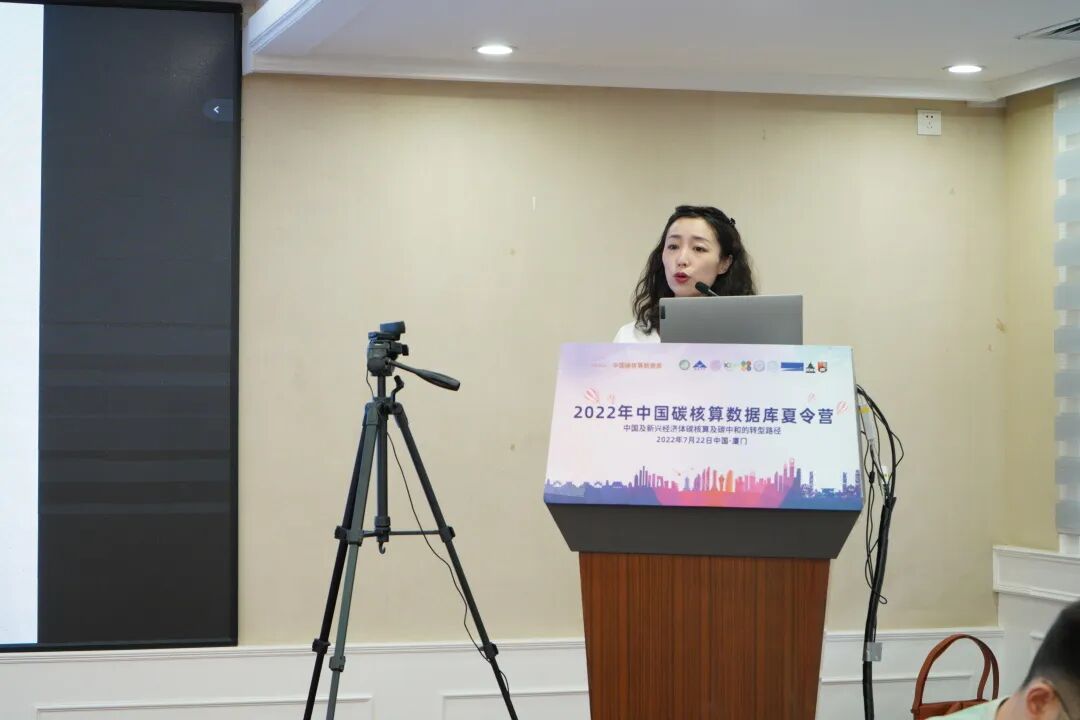
At 10:00 a.m., the eighth Guest Forum began. CEADs Summer Camp invited Dr. Yang Xia, senior academic editor at Nature, to share the secrets of publishing in top journals from three perspectives: an overview of journals, article conception, and submission skills.
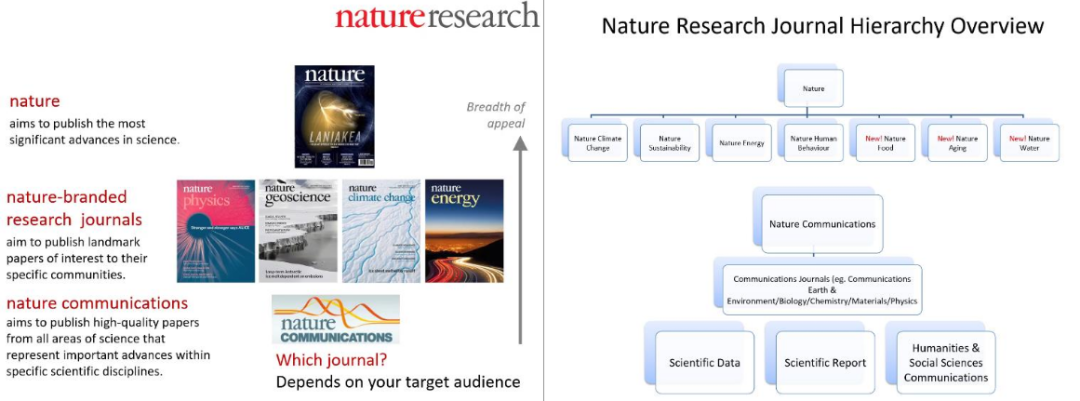
Dr. Yang first introduced the overall profile of Nature, explaining the positioning, structure, and subject coverage of the flagship journal and its affiliated journals. She noted that Nature aims to publish innovative research that has broad influence across the academic community.
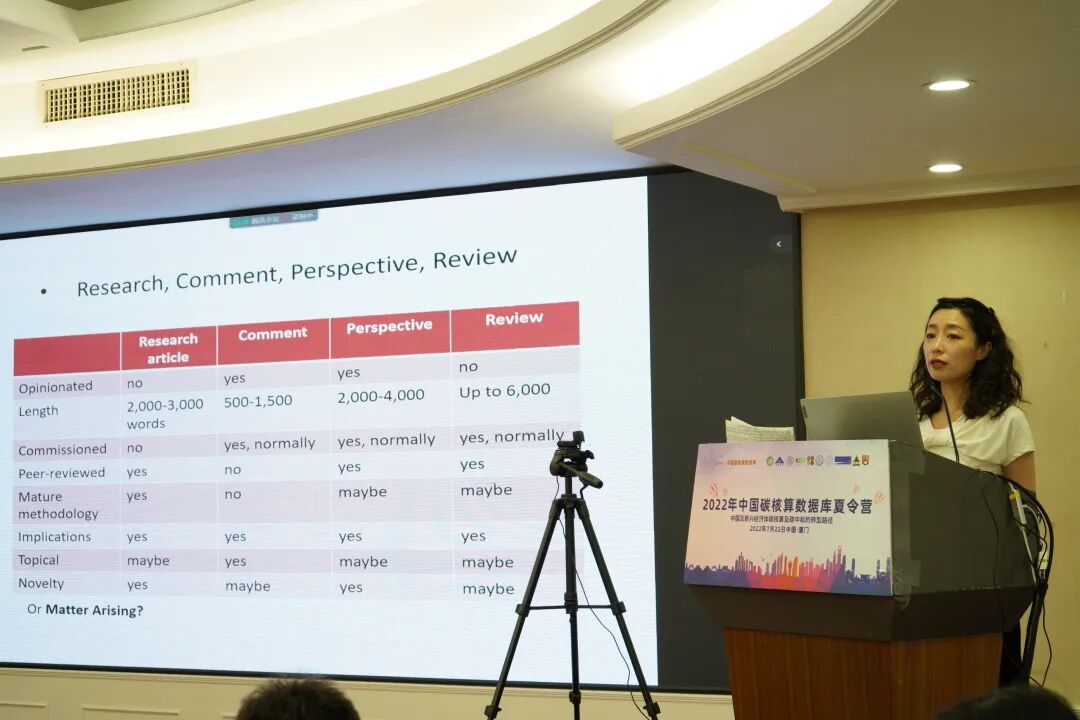
She then gave a detailed introduction to the requirements of Nature and its affiliated journals for different types of submissions. Research Articles value a strong research narrative and ask researchers to use reliable methods to present their conclusions to readers interested in scientific research. Comments encourage researchers to put forward novel insights and distinctive perspectives on a problem. Perspectives require researchers to review previous studies, identify unresolved issues, and propose feasible solutions that can inspire future research. Reviews are more conceptual and abstract, requiring researchers to conduct broad and forward-looking discussions based on the existing literature. For these different article types, Dr. Yang drew on representative published papers and her own editorial experience to provide more detailed explanations, helping participants understand the differences among submission types and prepare for future journal submissions.
Feeling is the warp of writing, and wording is the weft of reasoning. When the warp is straight, the weft can be formed; when reasoning is settled, wording flows. This is the foundation of composition.
---Liu Xie, Wenxin Diaolong, Qing Cai
After outlining journal positioning, Dr. Yang further introduced three core principles for writing for top journals and explained in detail the writing conventions for academic papers. Writing for top journals generally follows three principles. First, tell a good story with clear logic and rich detail. Second, keep arguments closely tied to evidence, as rigorous argumentation is the backbone of an academic paper. Third, use professional language and write in concise, brief, and standard sentences whenever possible.
Following these three principles, Dr. Yang introduced common article structures in Nature and the writing norms for each section. She also shared a practical writing process and the peer-review workflow for academic papers.
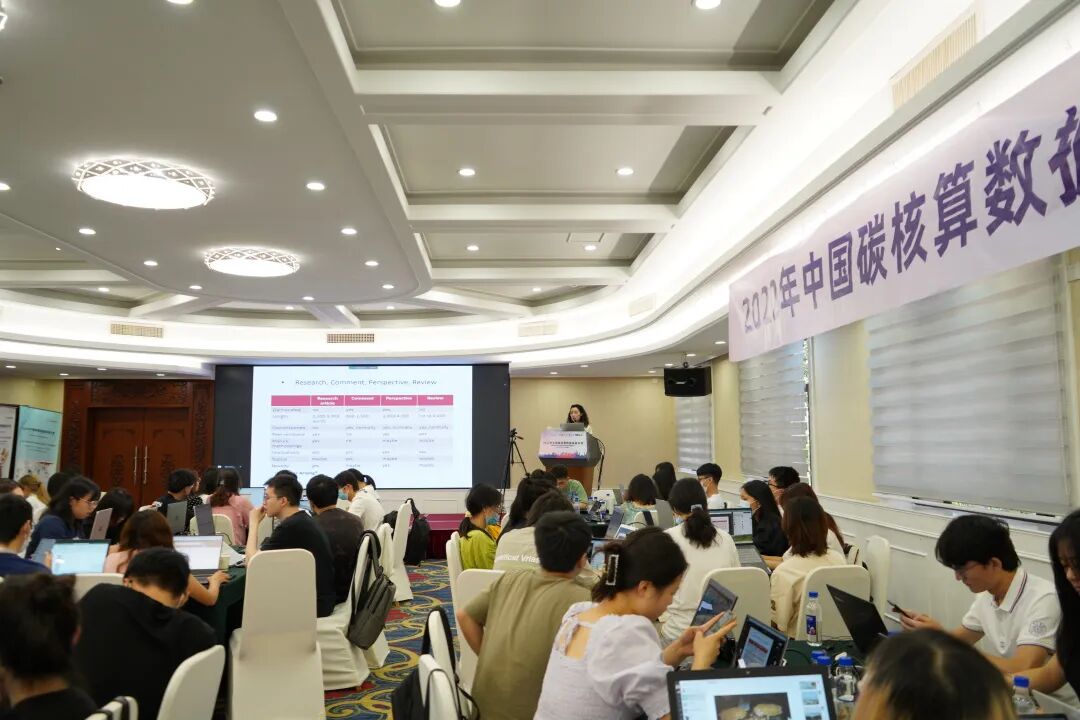
After the lecture, Dr. Yang interacted with the students. Drawing on specific peer-review issues they had encountered, she responded in detail to questions such as how to reply to editorial revision comments, and also answered questions about topics including data disclosure in academic papers.

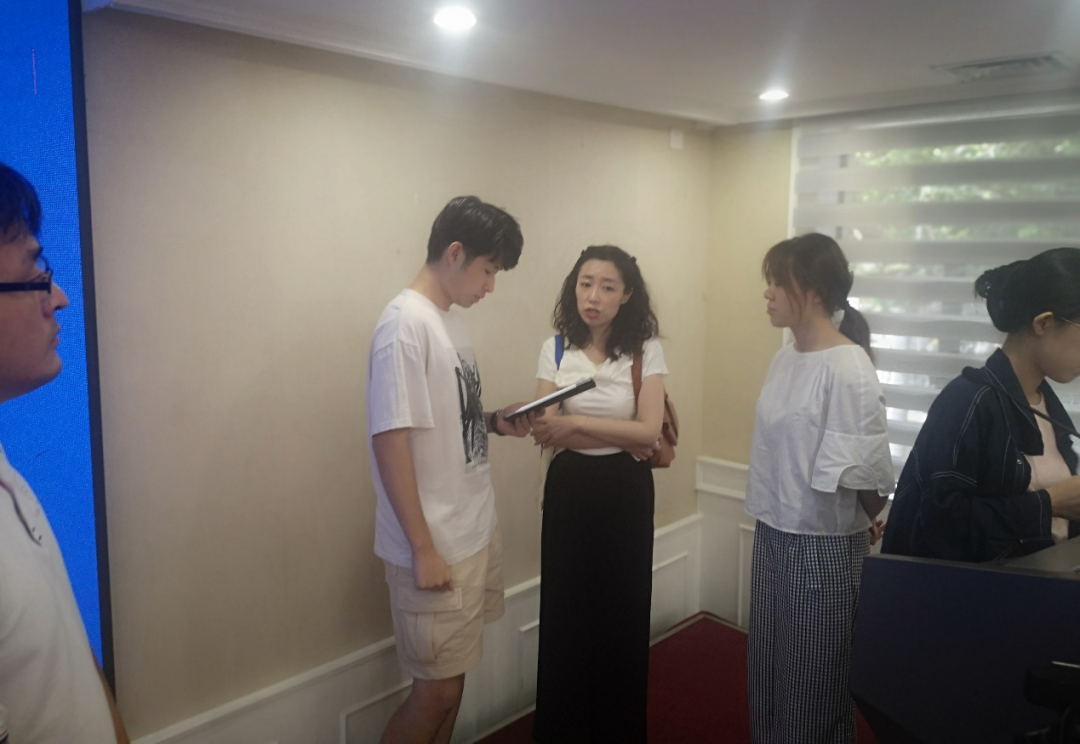
Group Work
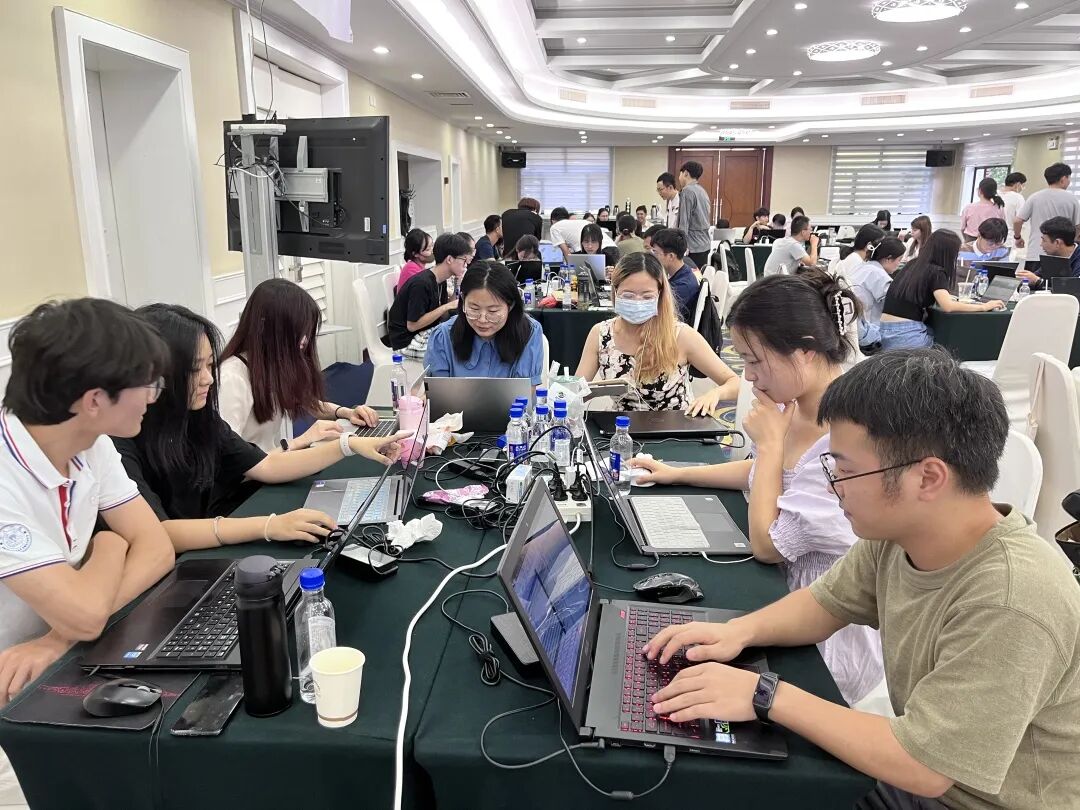
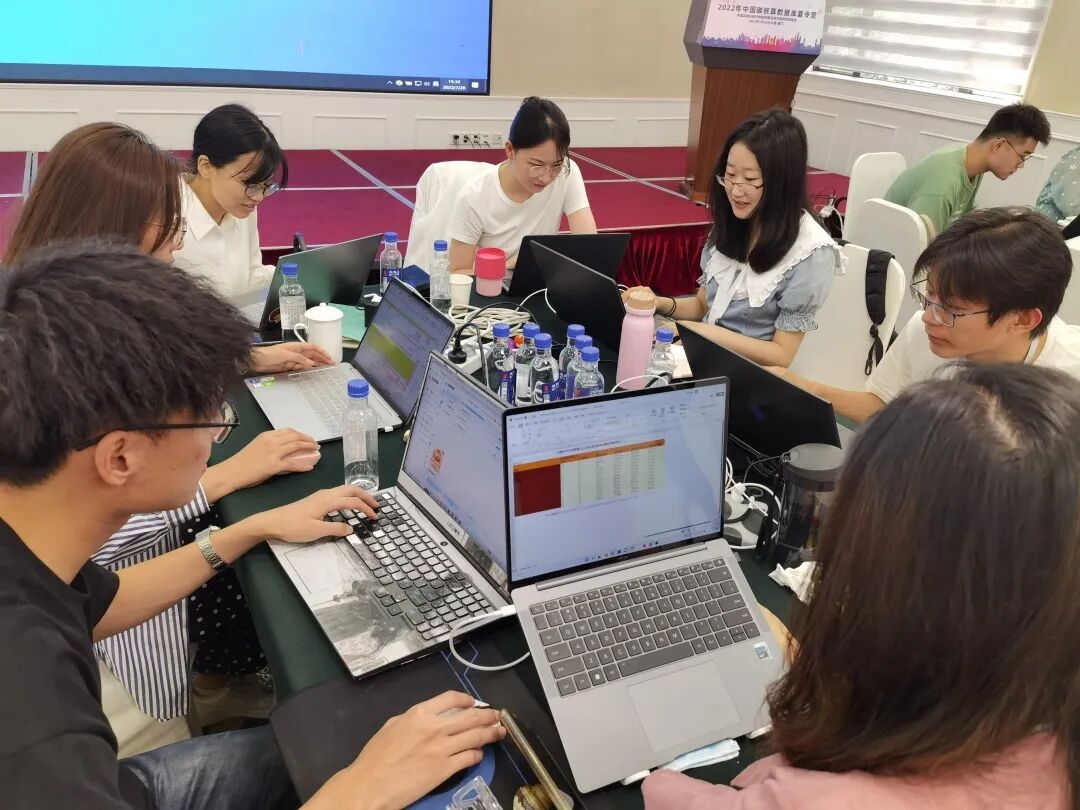

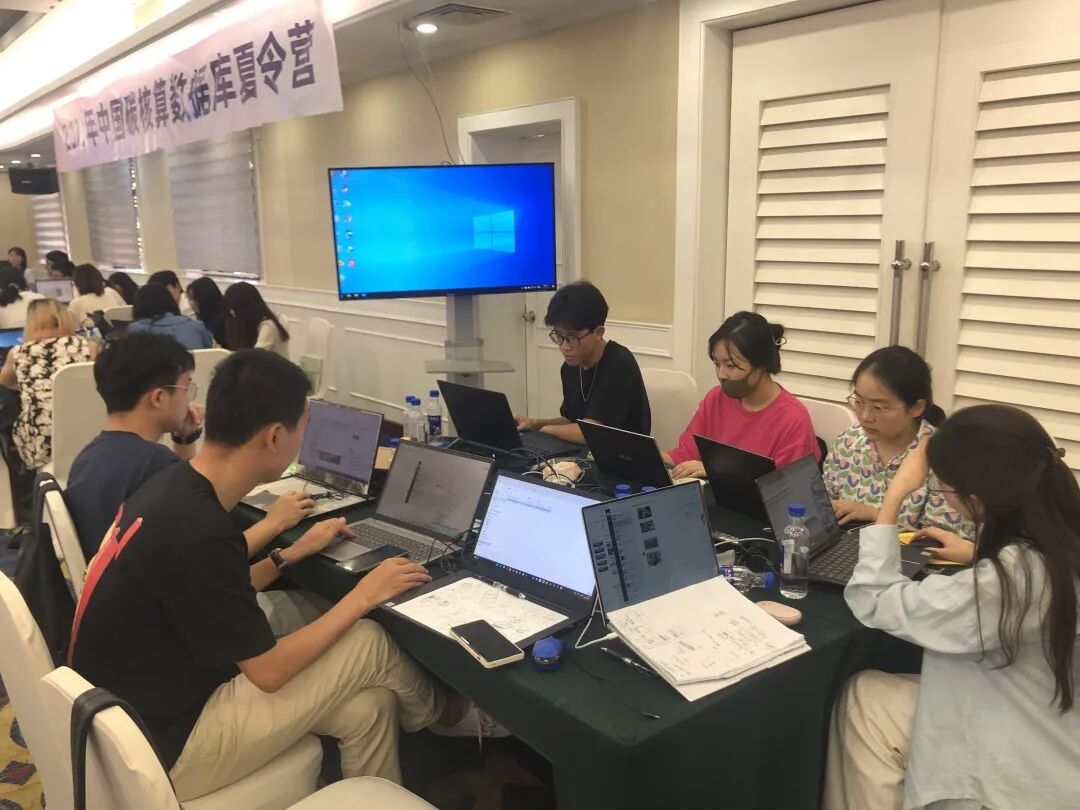
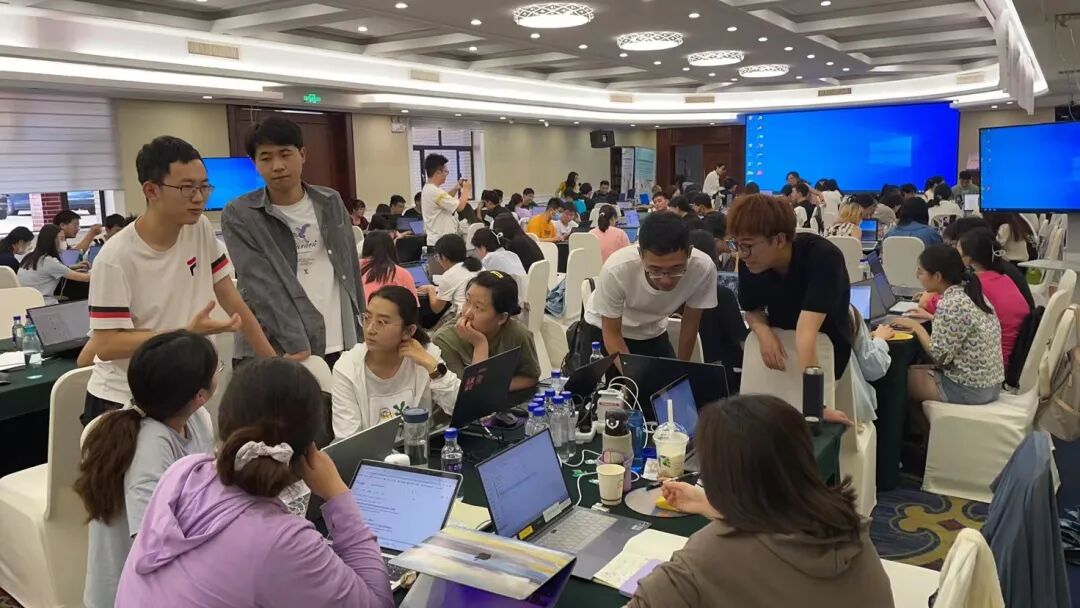
After relaxing through an outdoor visit and beach barbecue, the participants arrived at the meeting hall on time early this morning, full of energy and ready for a new day of learning and group work.

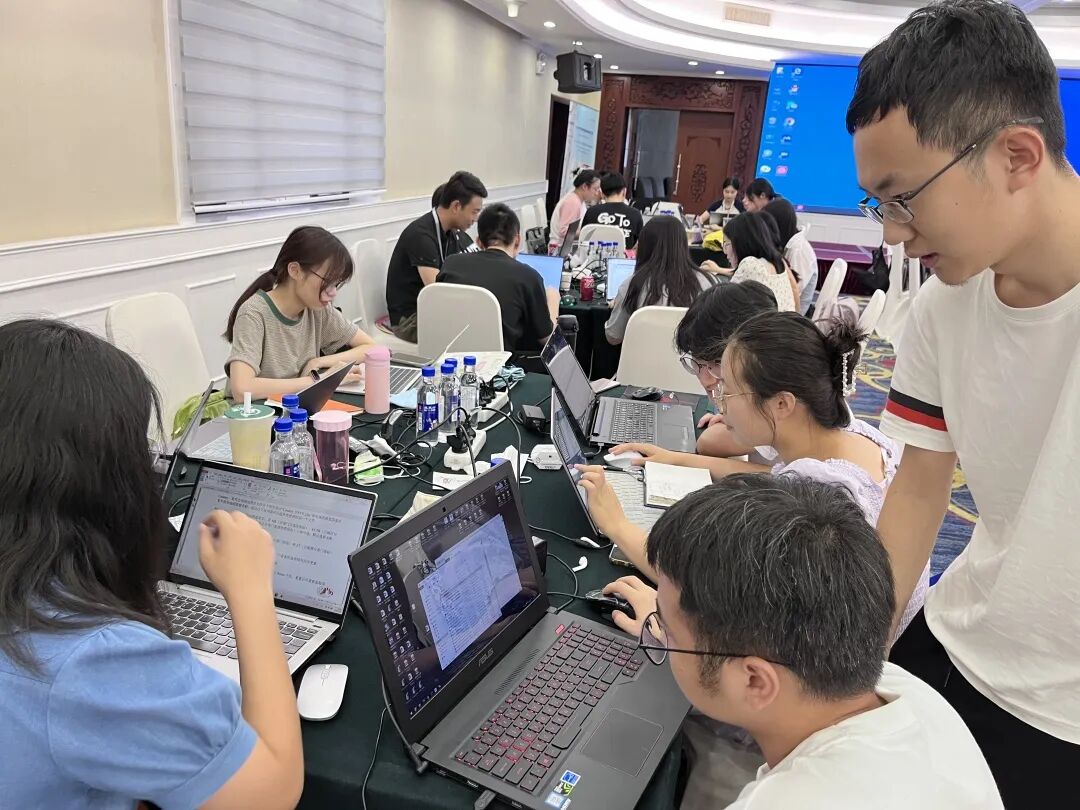

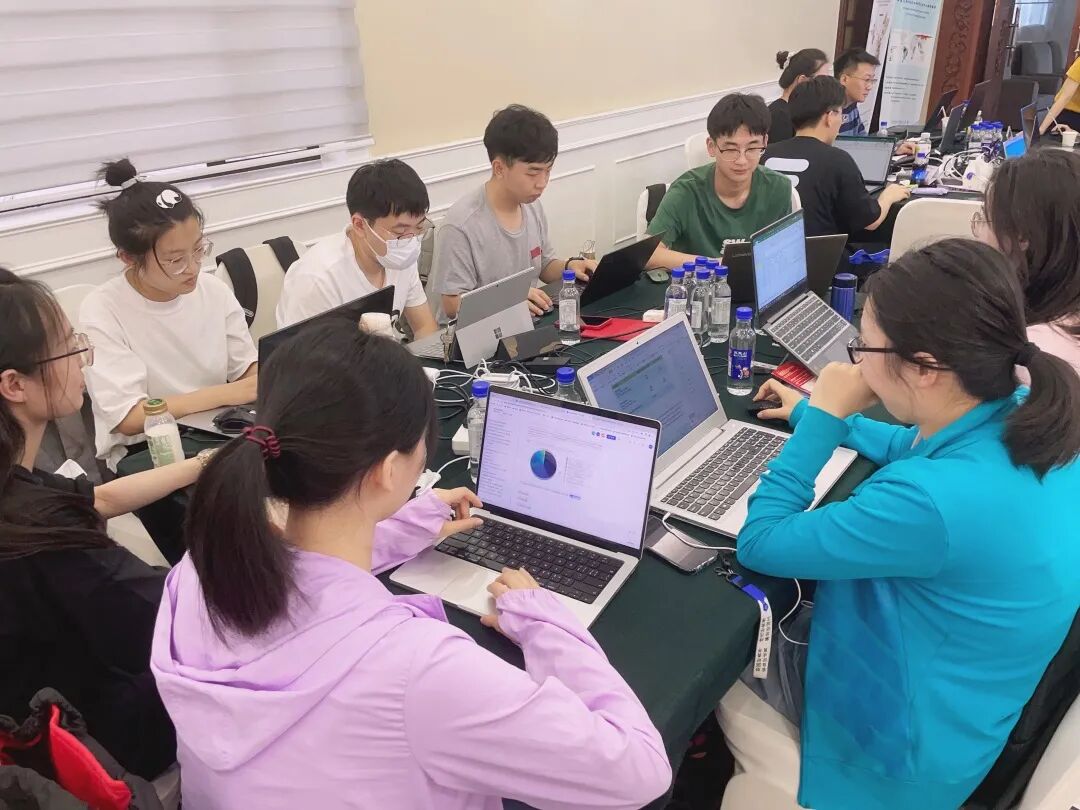
After several days of study and exploration, each group has gradually mastered the relevant methods and techniques and continued to tackle the challenges in its own project. Everyone carried on with carbon accounting work with great enthusiasm. They worked carefully to improve data accuracy and completeness, with a level of energy no less intense than the summer sun.