CEADs China Carbon Accounting Database Summer Camp: Day 4, Tireless Learning and Steady Progress
Zhongxia is sincere, wise, kind, and gentle, with the qualities of a gentleman. He studies tirelessly; what could keep him from reaching the ancients? I hope he will make still greater effort and fulfill what is expected of him. - Fang Xiaoru, Ming dynasty, Letter to Zheng Shudu
Part 1
The 6th CEADs Distinguished Lecture Forum
About Dr. Yu Xiang
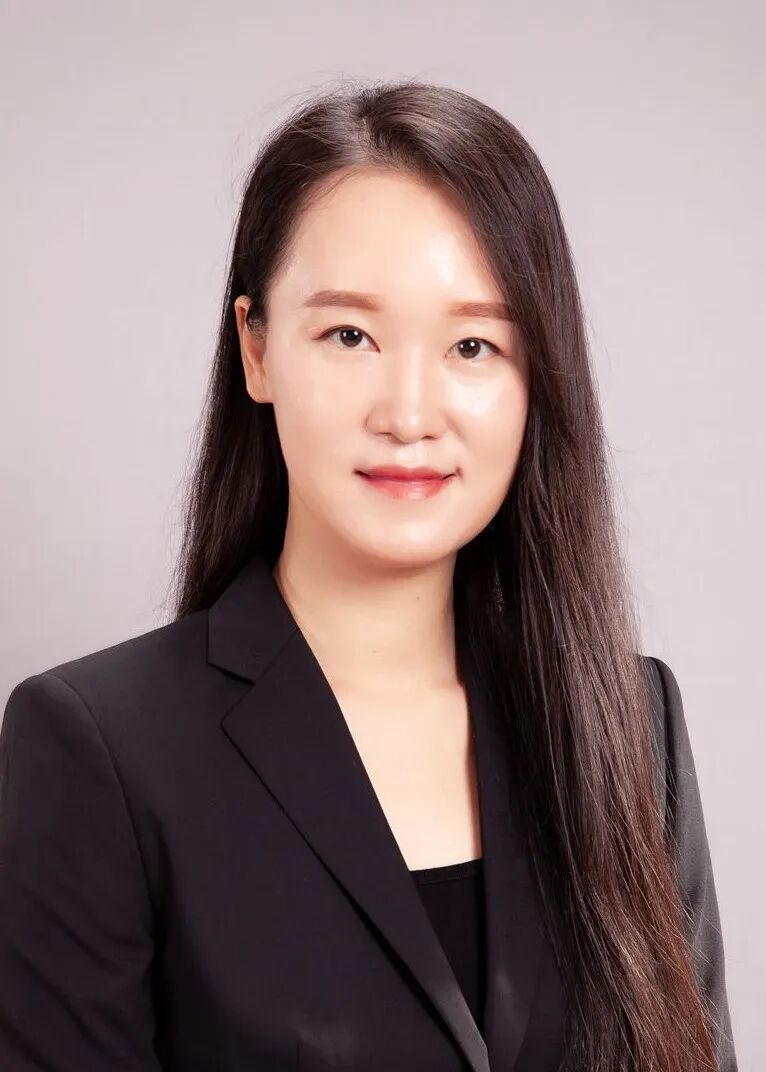
Yu Xiang is Deputy Director and Associate Research Fellow of the Climate Change Economics Research Office at the Institute for Ecological Civilization, Chinese Academy of Social Sciences. She holds a Master of Finance and Economics degree and a PhD in management science and engineering, with doctoral research focused on financial engineering and risk management. From 2009 to 2010, she conducted research on low-carbon economics at the Political Economy Research Institute of the University of Massachusetts in the United States. From 2010 to 2013, she carried out postdoctoral research on climate change economics at the Institute for Urban and Environmental Studies, Chinese Academy of Social Sciences. In 2013, she officially joined the institute for research work. Her research mainly covers green manufacturing, low-carbon finance, climate change policy, quantitative assessment of the impacts of energy and environmental policies, and industrial emission reduction.
Distinguished Lecture Forum
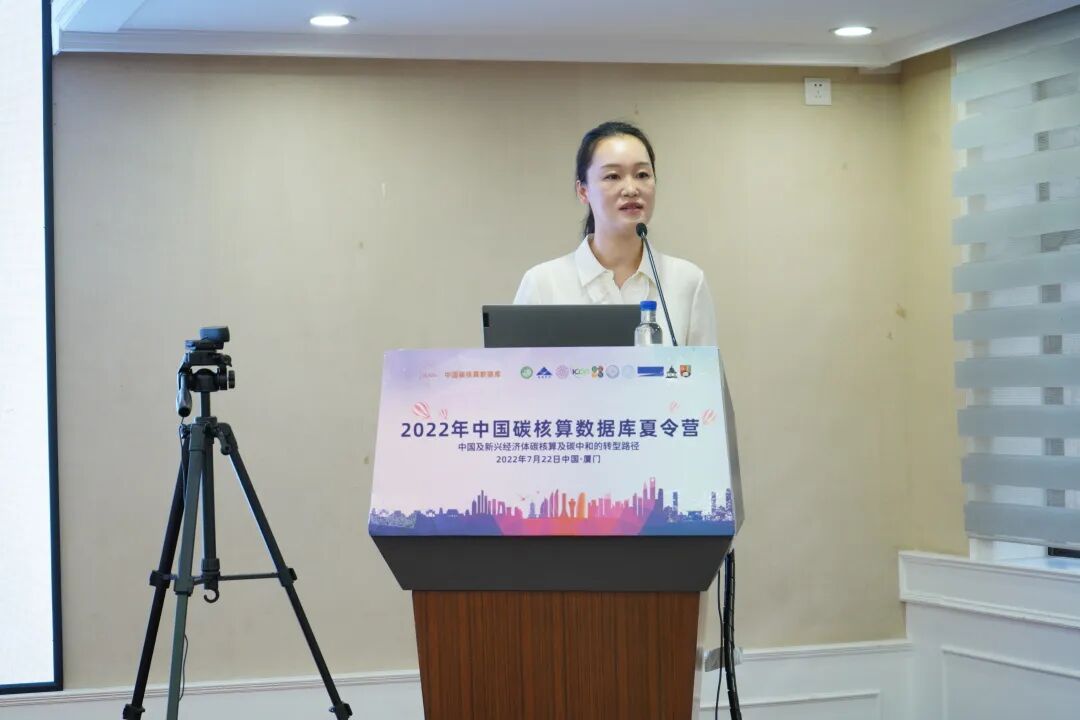
At 9:00 a.m., the sixth Distinguished Lecture Forum officially began. Dr. Yu Xiang, the featured guest of CEADs Summer Camp today, gave a lecture titled Pathway Analysis and Outlook for Industrial Transformation Toward Carbon Peaking and Carbon Neutrality, offering participants a detailed introduction to carbon peaking and carbon neutrality in the industrial sector.
Dr. Yu gave a systematic introduction from four perspectives: the basic situation facing industrial carbon peaking, the achievements of green and low-carbon industrial development during the 13th Five-Year Plan period, the priorities for carbon peaking in the industrial sector, and the outlook for industrial carbon neutrality. She also had active exchanges with the campers.
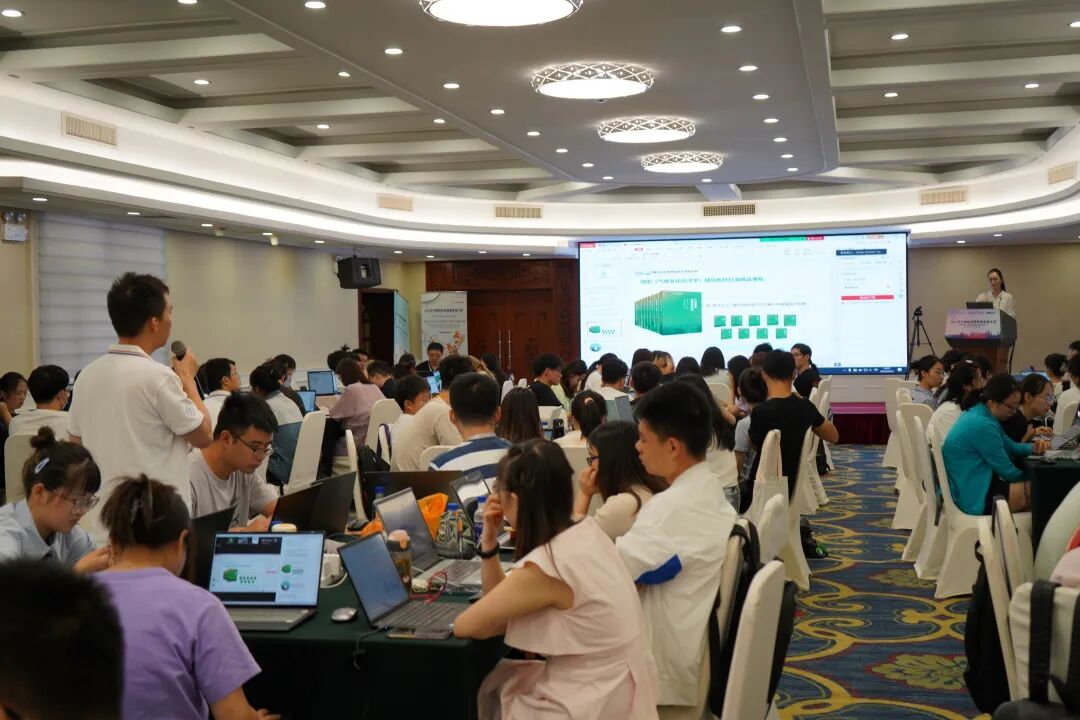
First, Dr. Yu pointed out that industry is an indispensable part of the national economy, and that industrial development in China is facing new opportunities. First, industry is the main arena for shaping green development models. Second, the carbon peaking and carbon neutrality goals will inject new vitality into traditional manufacturing industries. Third, these goals will drive the development of a group of strategic emerging industries, such as next-generation information technology and new energy vehicles. Rare opportunities to overtake on new tracks will appear in many fields, helping China make new progress and breakthroughs in building manufacturing strength and cyber strength.
Since the 13th Five-Year Plan period, industry has achieved significant overall results in addressing climate change. The carbon emission intensity of industrial added value in China has continued to decline, low-carbon development policies have steadily improved, low-carbon technology innovation has continued to advance, and an industrial green manufacturing system has begun to take shape.
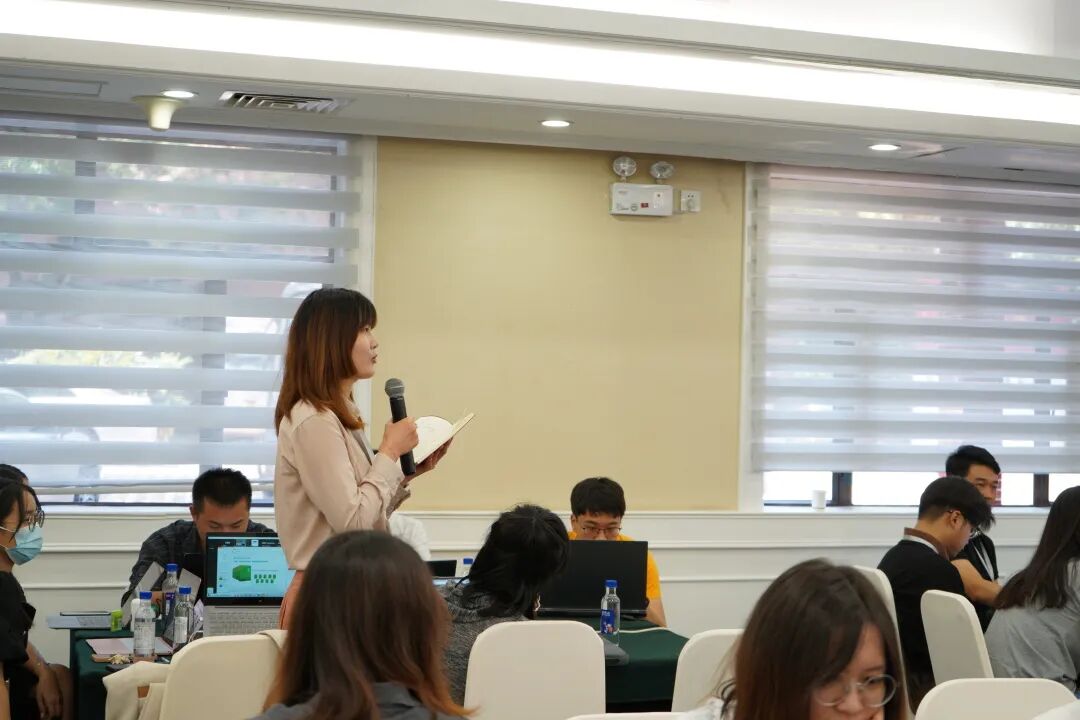
Dr. Yu further introduced the China Industrial Economy-Carbon Emission Assessment Model (CIE-CEAN), which combines top-down and bottom-up approaches, and then analyzed China macroeconomic growth and carbon emissions under different scenarios. At the end of the report, she introduced the key areas for industrial carbon peaking today and shared an outlook on carbon neutrality in the industrial sector. She emphasized the importance of coordinating short-term improvements in industrial carbon reduction with long-term optimization of industrial layout, balancing overall and local priorities in the relationship between industrial development and emission reduction, coordinating systematic and differentiated approaches within the industrial carbon peaking framework, and properly handling the relationship between policy guidance and market leadership.
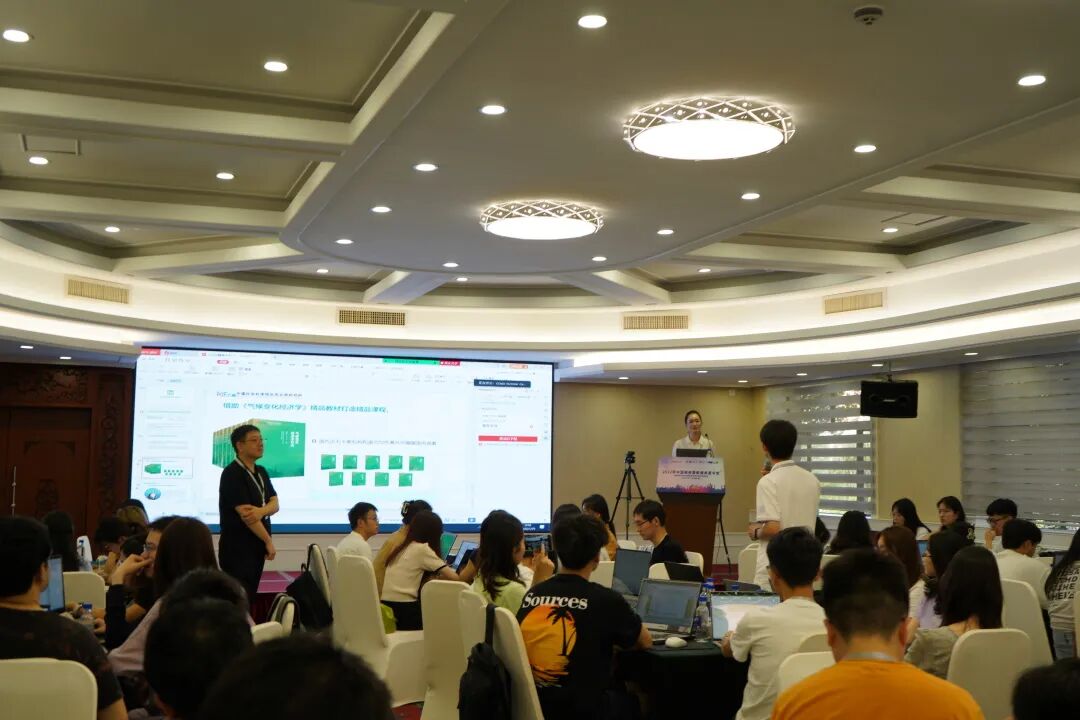
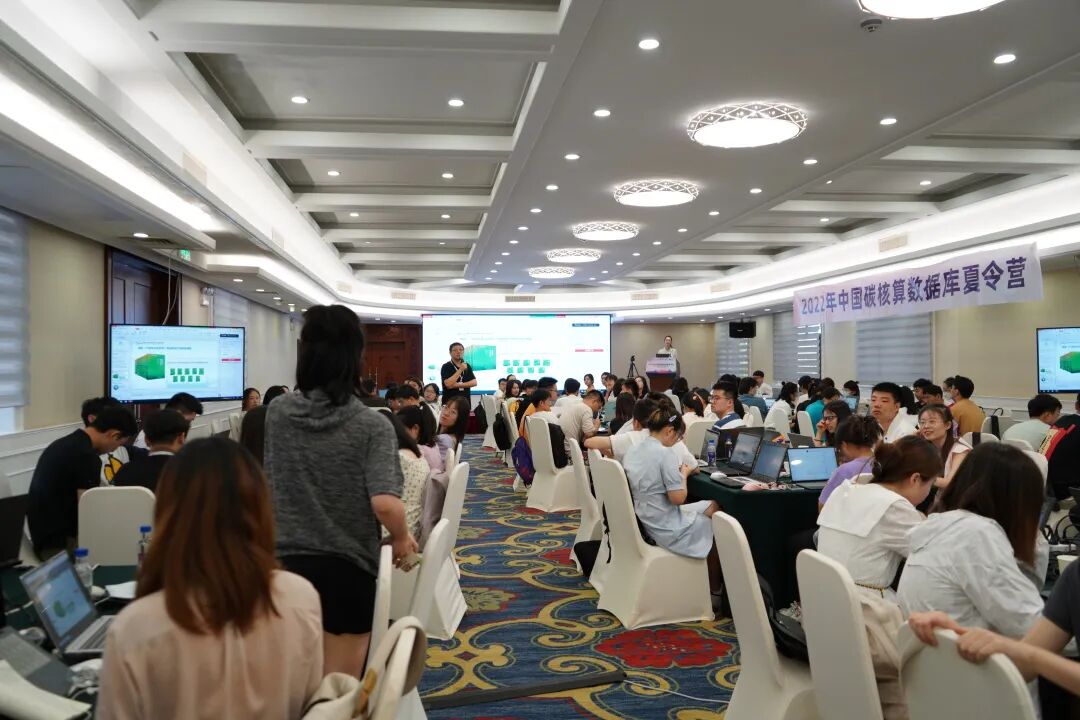
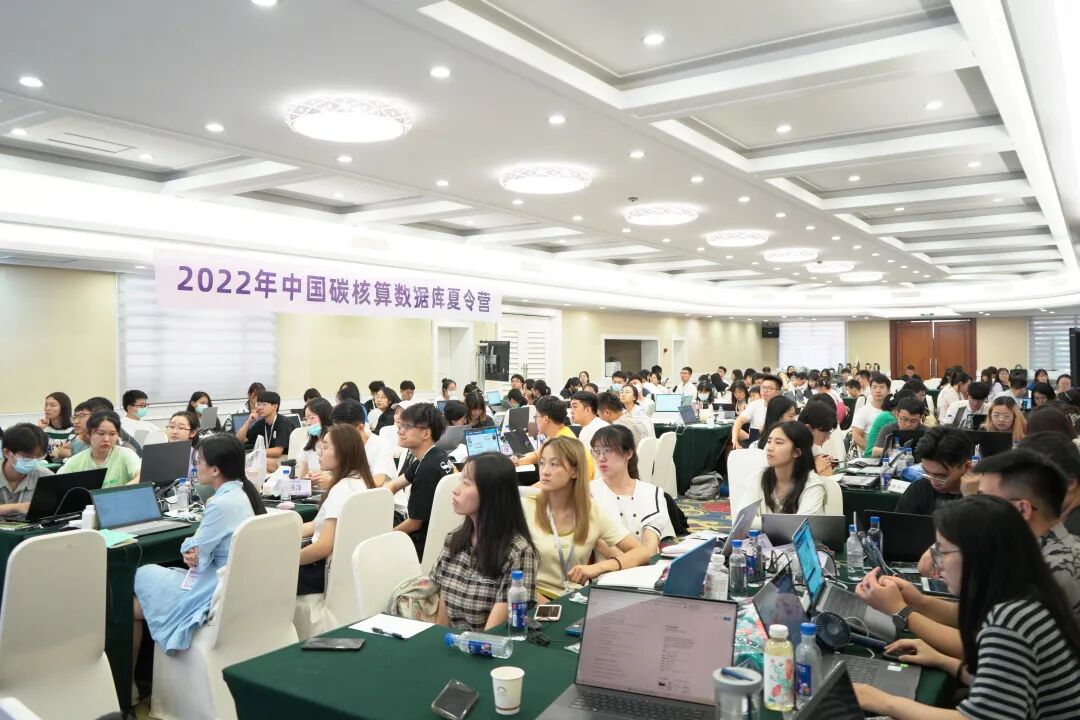
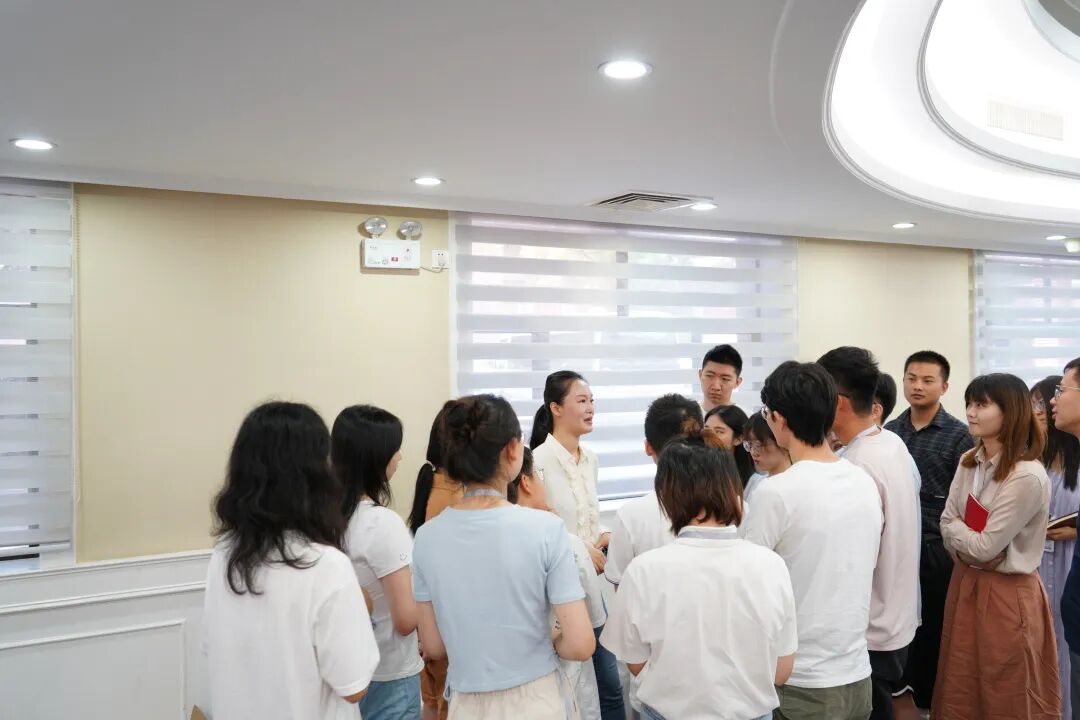
Dr. Yu patiently answers questions
Part 2
Group Work
After the lecture, campers entered a new day of learning with full energy. Carbon accounting is a process of data crowdsourcing. Whether collecting data, processing it, or carrying out subsequent calculation, verification, and analysis, every step is an opportunity to build willpower and resilience. In the heat of summer, enthusiasm remained high. The campers had gradually become familiar with one another and with the tasks ahead. They brought out a spirit of craftsmanship. As data mining went deeper, difficulties also became more apparent. Facing the many challenges and setbacks in accounting work, team members encouraged one another, stayed united, and pressed ahead. In the afternoon, each group made a major step forward in its carbon accounting work.
Please enjoy the photos of each group working hard.
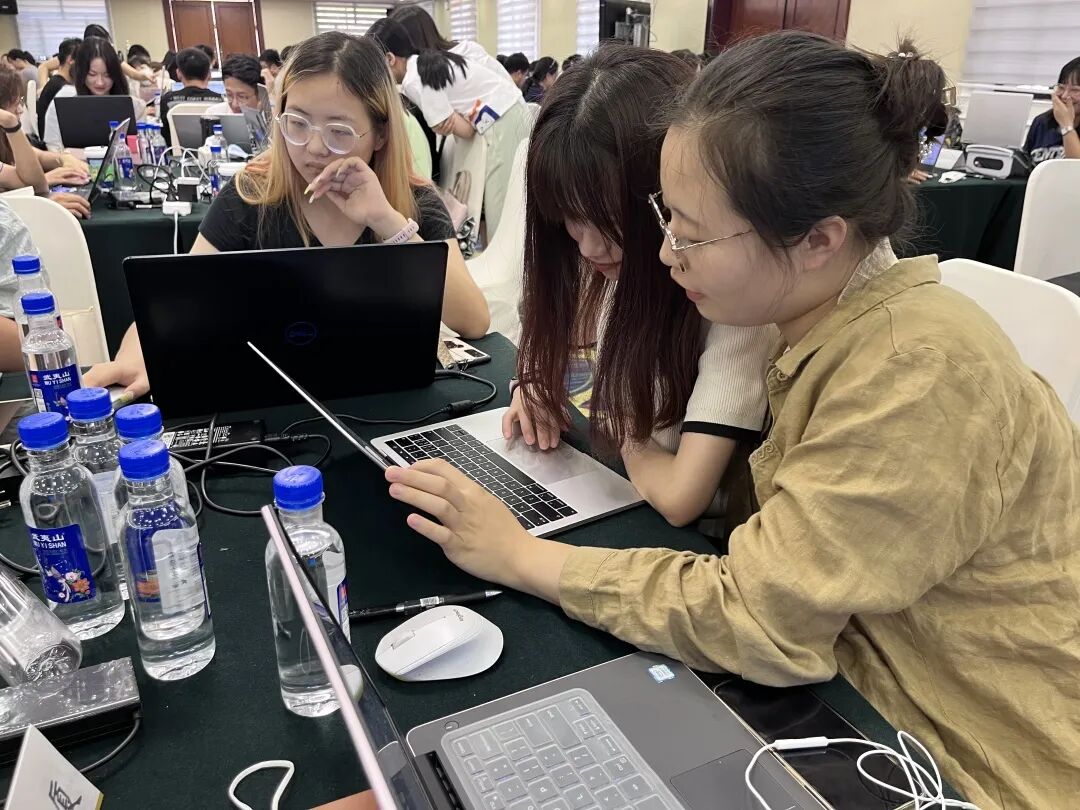
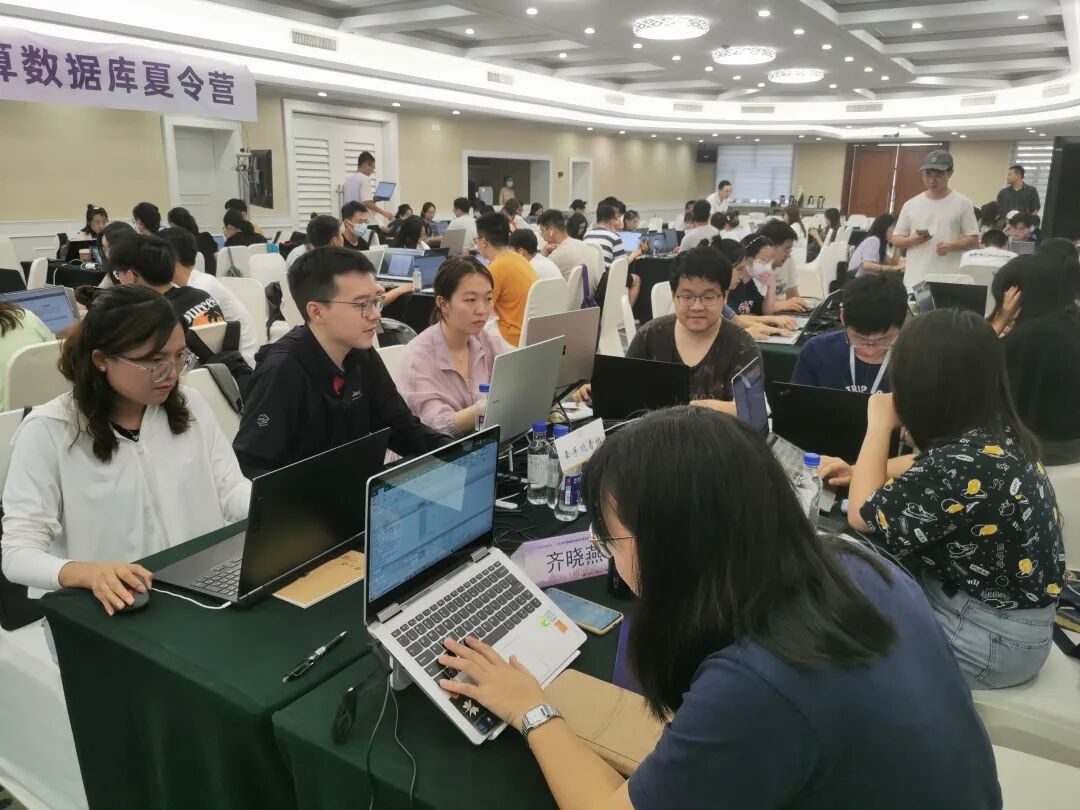
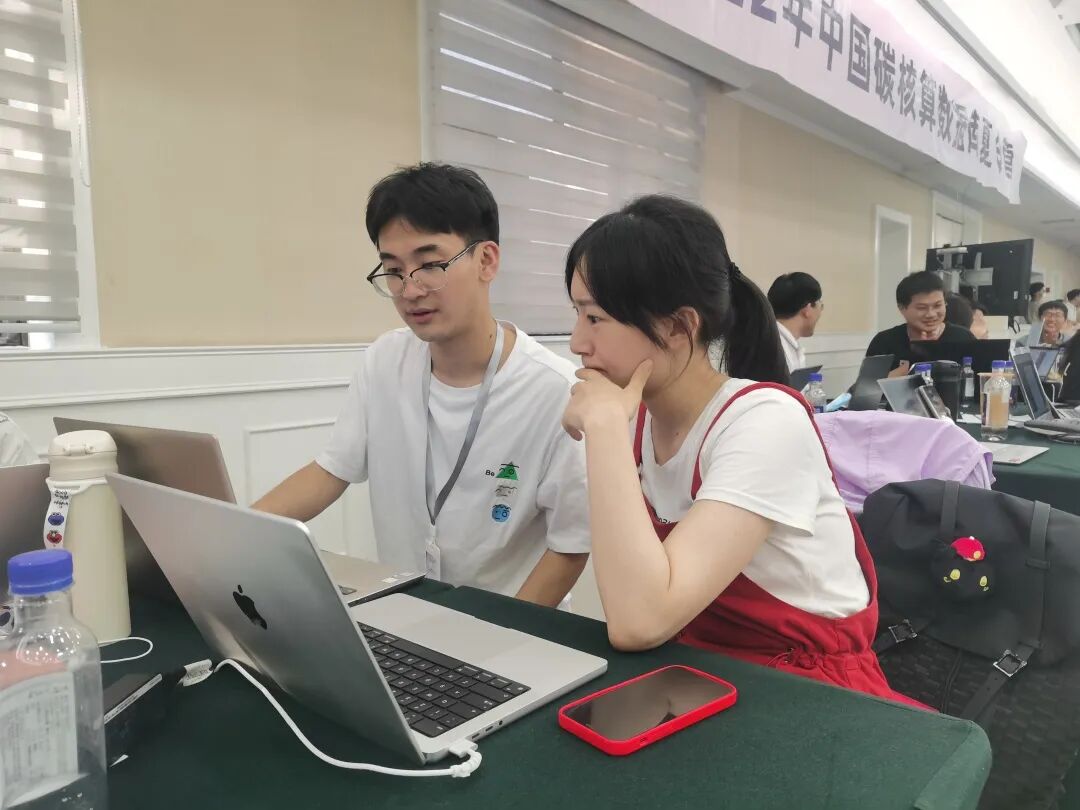
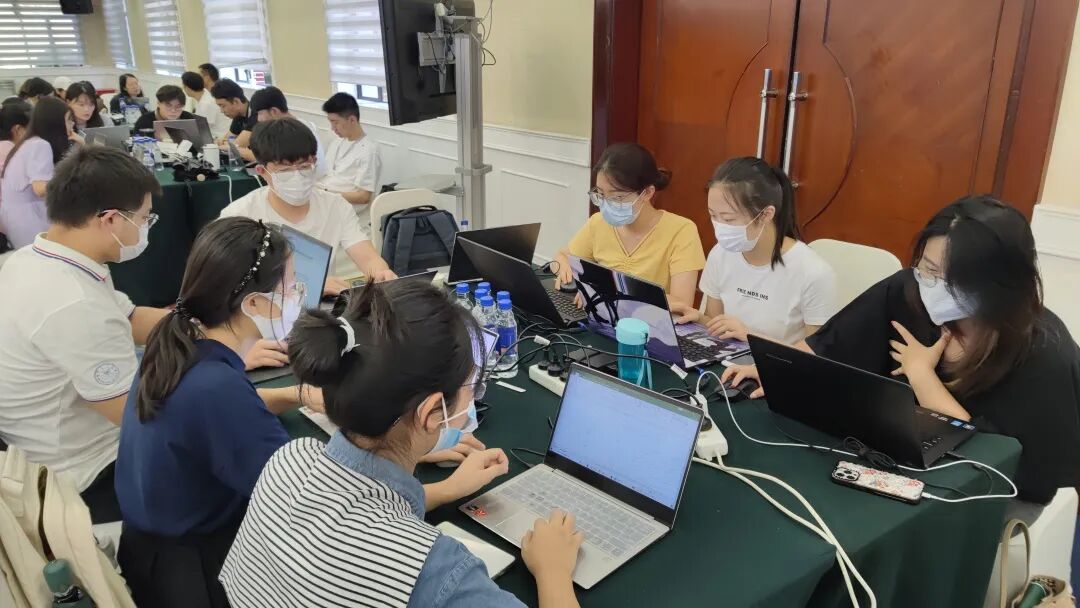
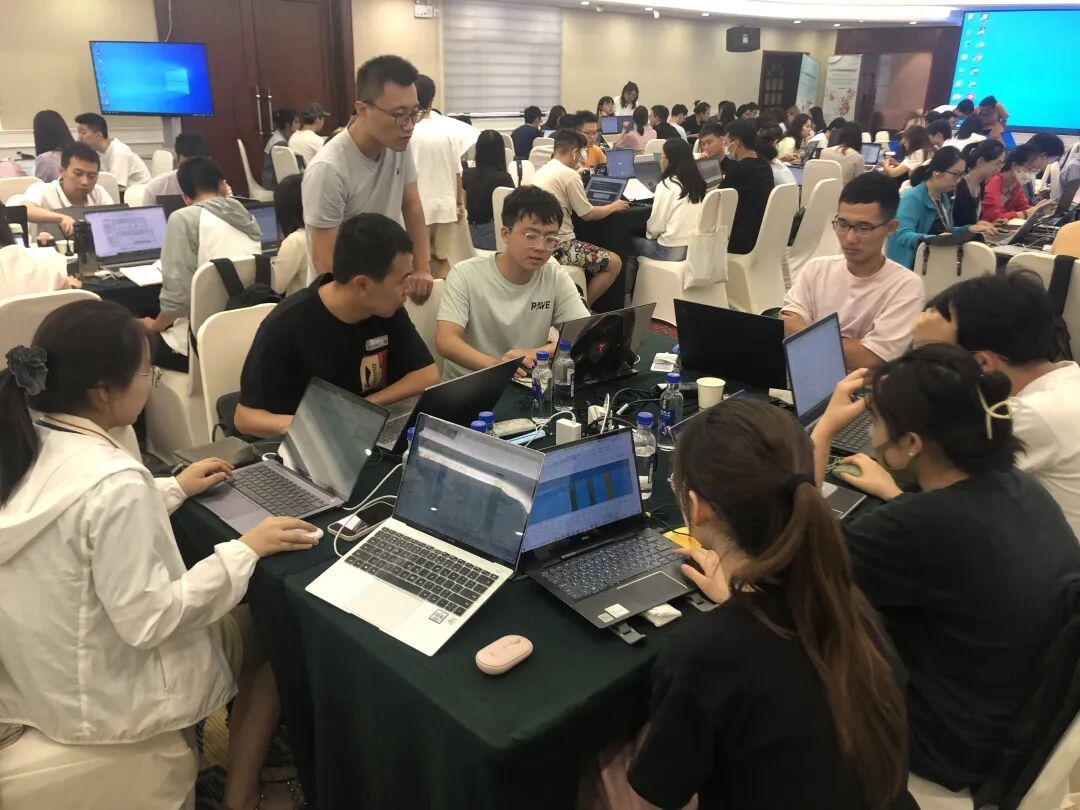
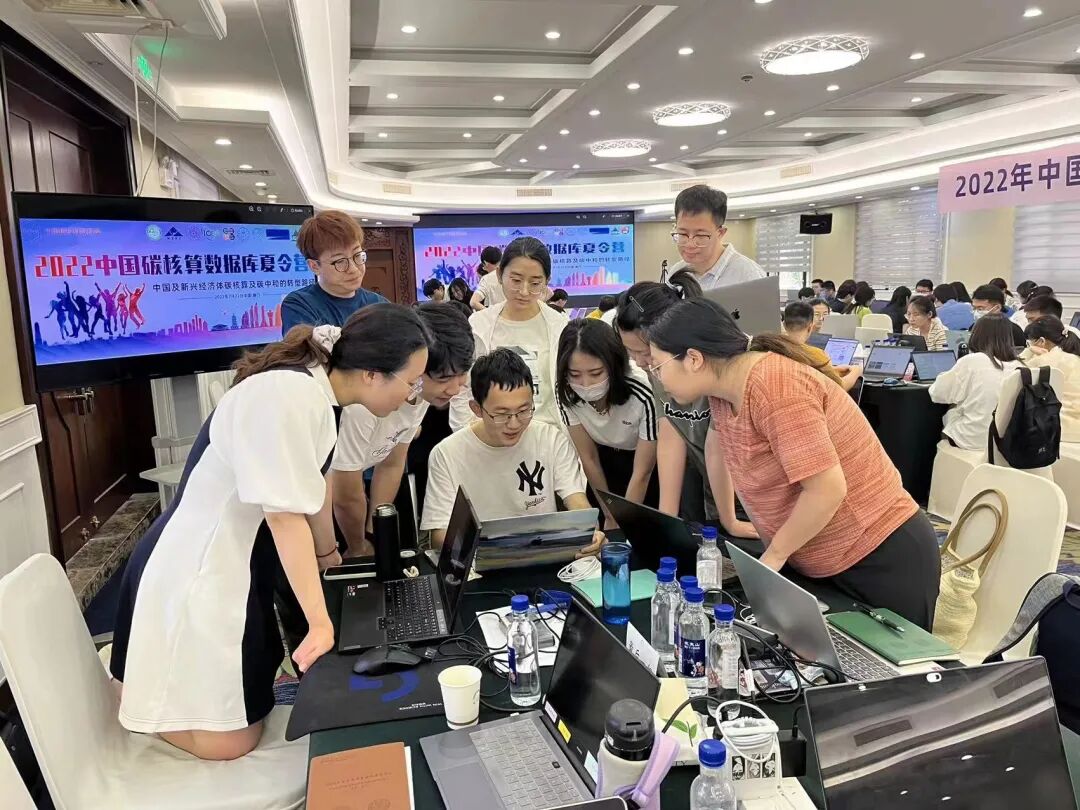
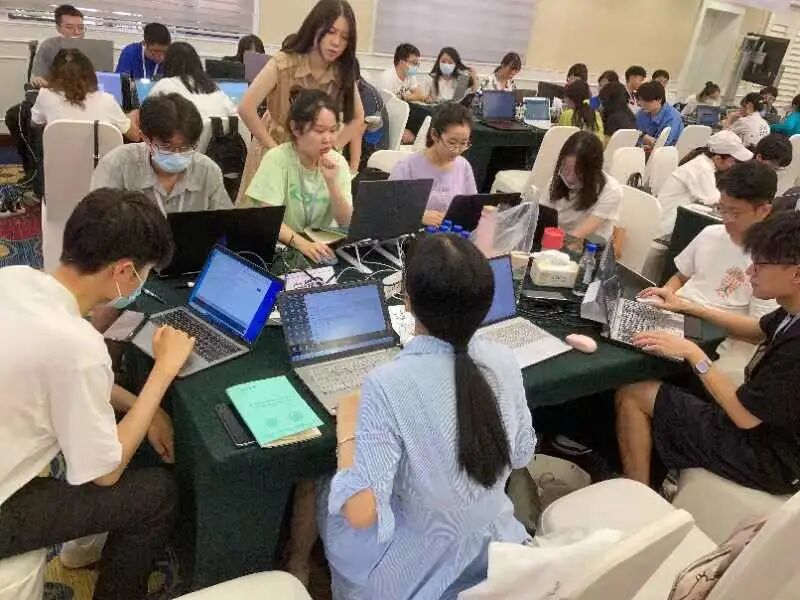
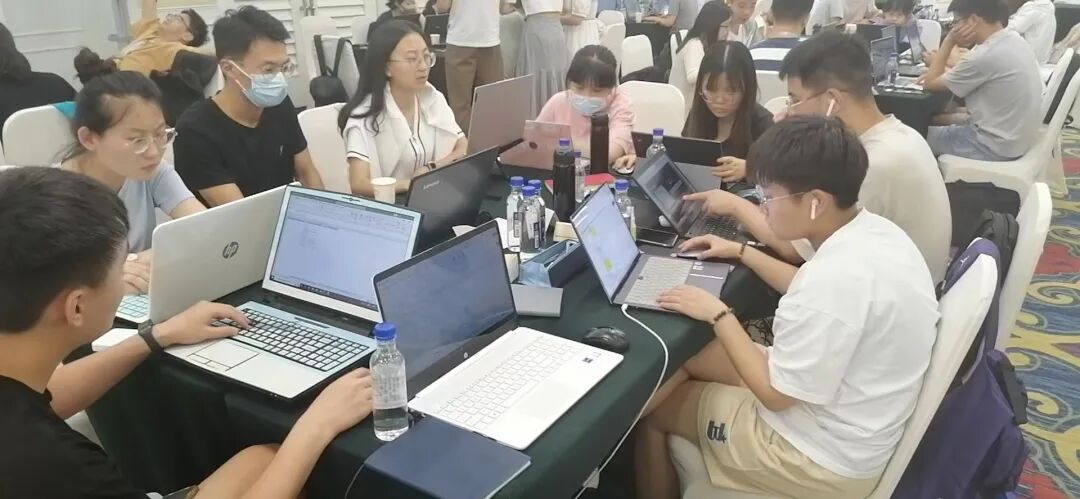
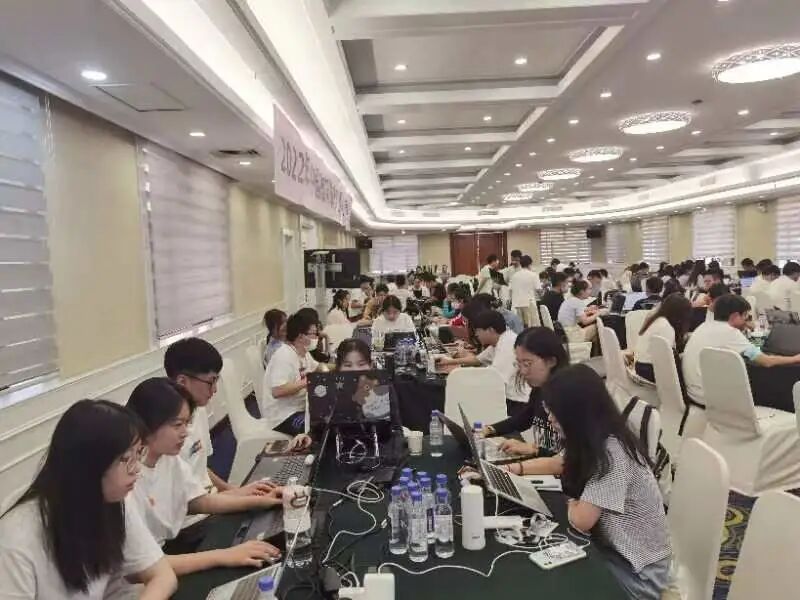
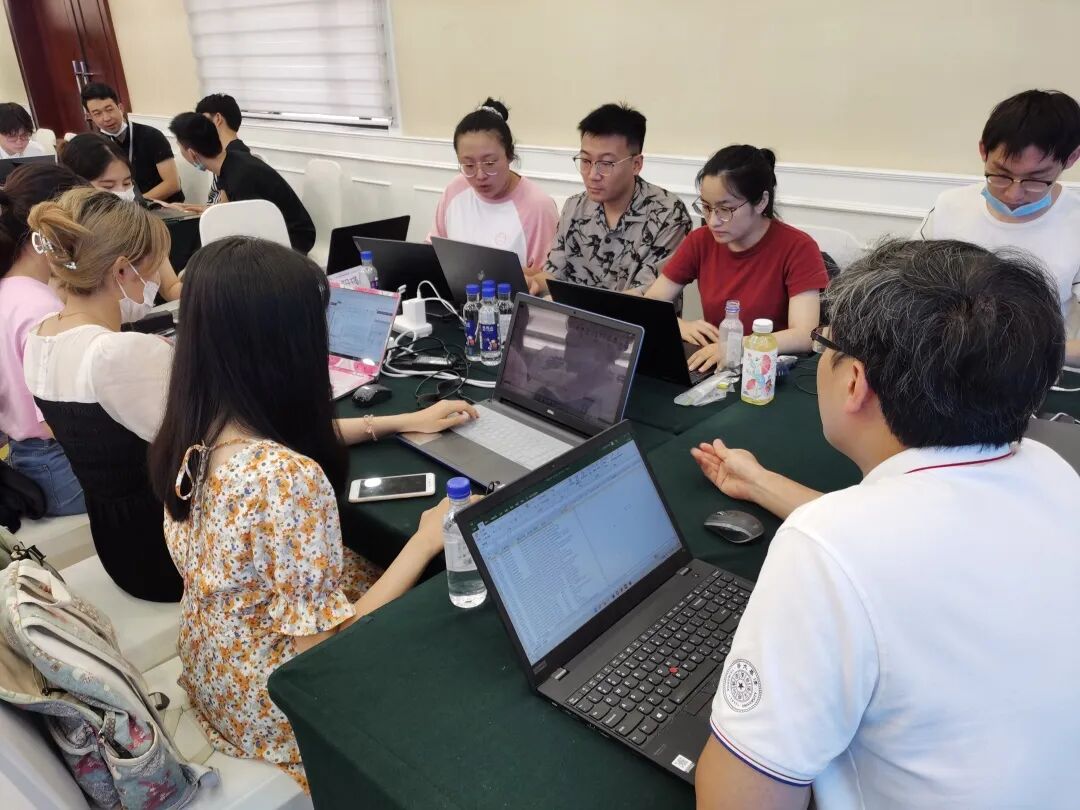
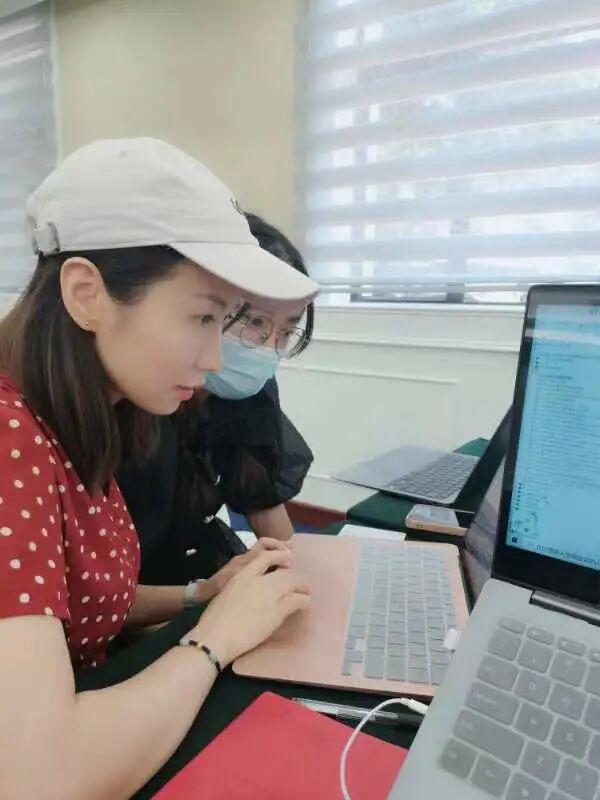
Today was a day immersed in the ocean of learning. We look forward to more wonderful moments tomorrow.
Bonus Moment