CEADs China Carbon Accounting Database Summer Camp: Day 3 - Getting to the Bottom of Carbon and Moving Forward with Joy




01 CEADs Distinguished Scholars Forum
To create a strong academic atmosphere and broaden the research horizons of the camp participants, the CEADs Summer Camp invited leading scholars from a range of fields in China to deliver a series of academic reports and lectures. On July 24, Academician Minhan Dai and Academician Yongmiao Hong shared insights on carbon neutrality, econometrics, and related topics. The talks were rich in detail and explained complex ideas in an accessible way.
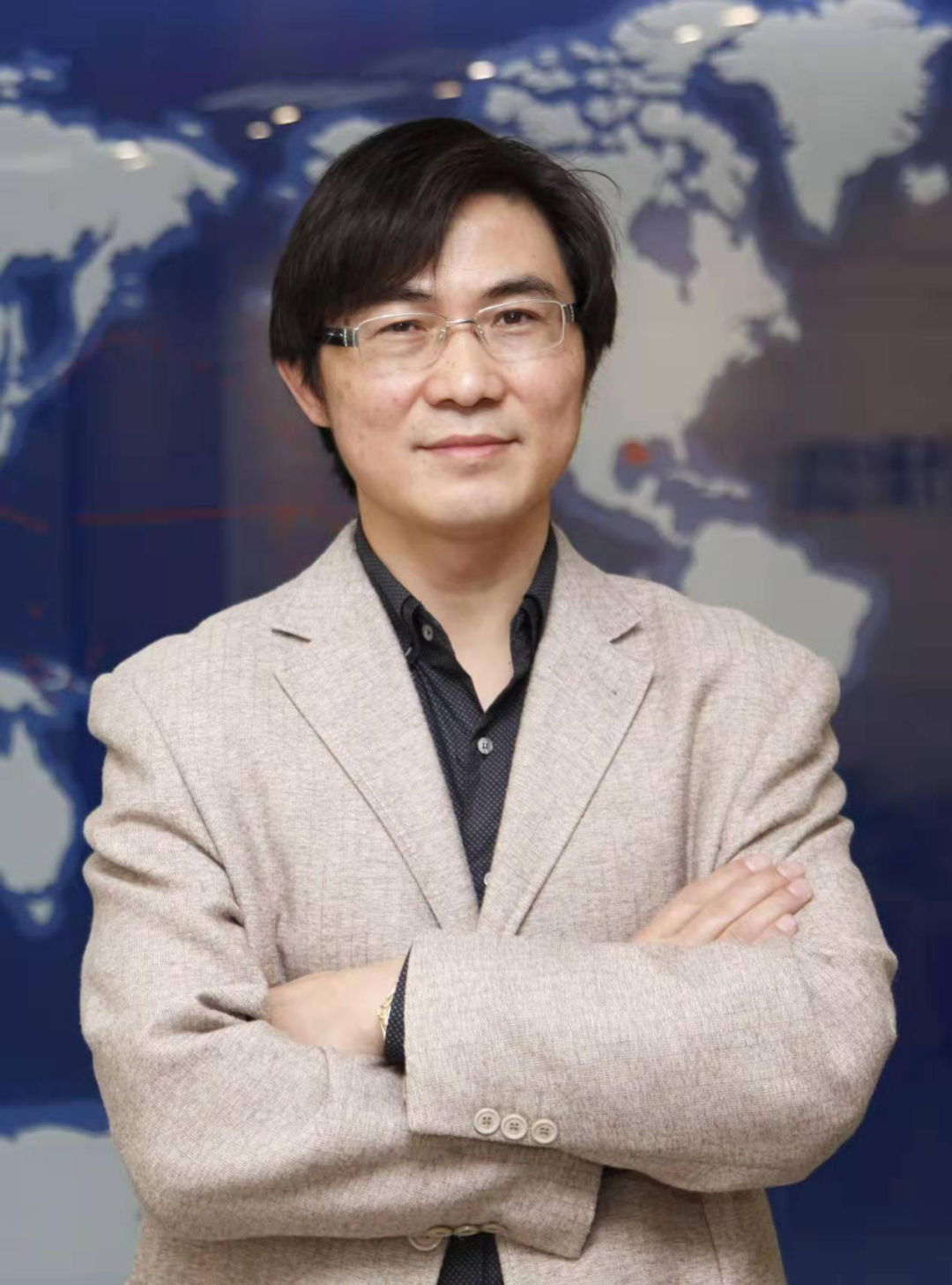
Academician Minhan Dai
A renowned marine chemist and academician of the Chinese Academy of Sciences, Chief Scientist at the Fujian Institute of Innovation for Ocean Sustainable Development at Xiamen University, and Distinguished Professor at the College of Ocean and Earth Sciences of Xiamen University. He mainly works on the biogeochemistry of marine biogenic elements and radionuclides, specializes in ocean carbon cycle research, and emphasizes ocean observation and interdisciplinary integrated research.
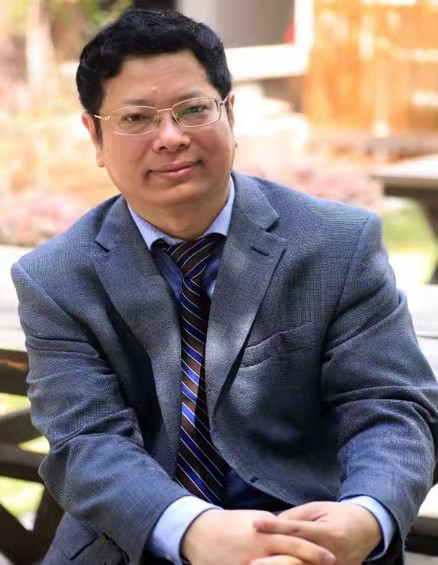
Academician Yongmiao Hong
Distinguished Professor and Dean of the School of Economics and Management at the University of Chinese Academy of Sciences, Distinguished Research Fellow at the Academy of Mathematics and Systems Science of the Chinese Academy of Sciences, Ernest S. Liu Professor of Economics and International Studies at Cornell University, Fellow of The World Academy of Sciences for the advancement of science in developing countries, and Fellow of the Econometric Society. His research fields include econometrics, financial econometrics, statistics, the Chinese economy, and the world economy.
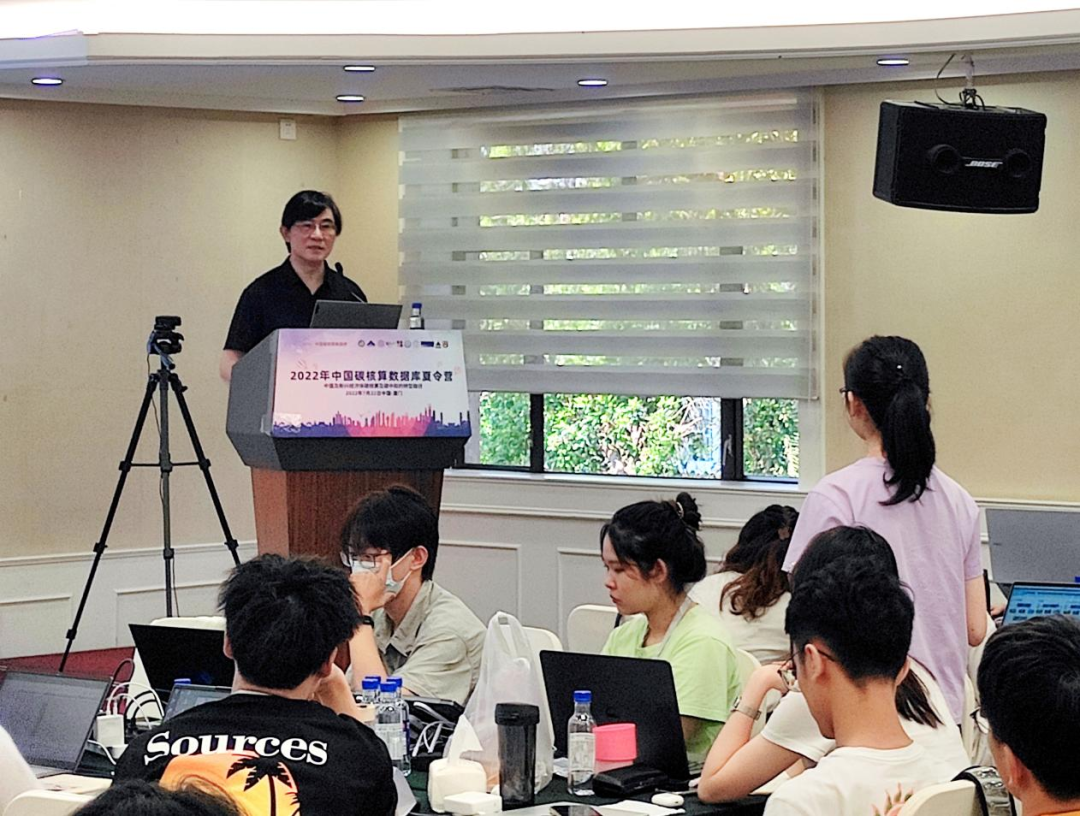
At 11:30 a.m., the fourth session of the Distinguished Scholars Forum officially began. The first heavyweight guest of the CEADs Summer Camp that day, Academician Minhan Dai, gave a detailed introduction to ocean carbon cycling under the theme Ocean Carbon Cycling and the Potential for Carbon Sink Enhancement.
Academician Dai systematically introduced knowledge related to ocean carbon sinks from four perspectives: carbon neutrality and the Earth climate system, the global carbon cycle and ocean carbon sinks, carbon sink inventories for marginal seas and Chinese seas, and prospects for ocean carbon sink technologies. He also interacted actively with the participants. Taking into account the different academic backgrounds of the students, Academician Dai used clear and accessible language to explain the basic principles of ocean carbon sinks, overall ocean carbon sink reserves, the distribution and potential of ocean carbon sinks in China, and relevant technical approaches for improving ocean carbon sink capacity.
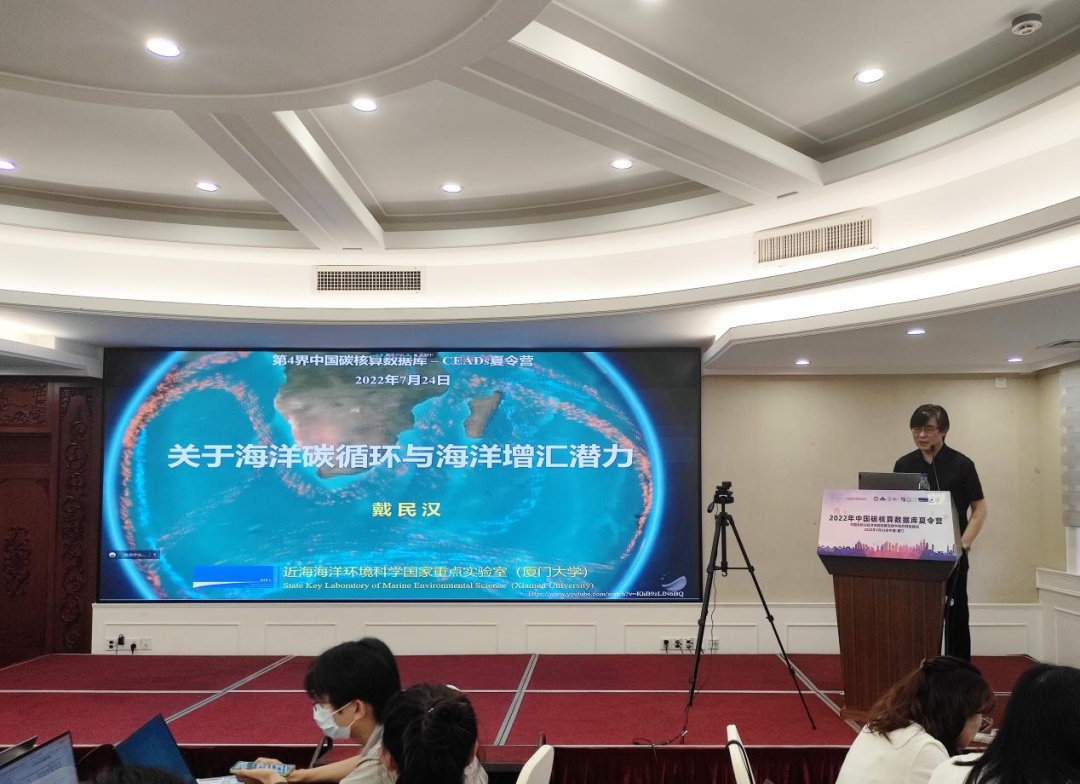
Academician Dai emphasized that ocean carbon sinks are indispensable to the entire Earth ecosystem. In terms of the carbon sink capacity of the four major sea areas of China, the East China Sea has the strongest carbon sink capacity, the Yellow Sea and the Bohai Sea are roughly balanced between carbon source and carbon sink, while the South China Sea is mainly a carbon source. At the end of the report, Academician Dai also offered prospects and recommendations for enhancing ocean carbon sinks, emphasizing the importance of demonstrating the principles of biological and abiotic carbon sink enhancement pathways, exploring disruptive technical principles, and building a decision support system for carbon neutrality.
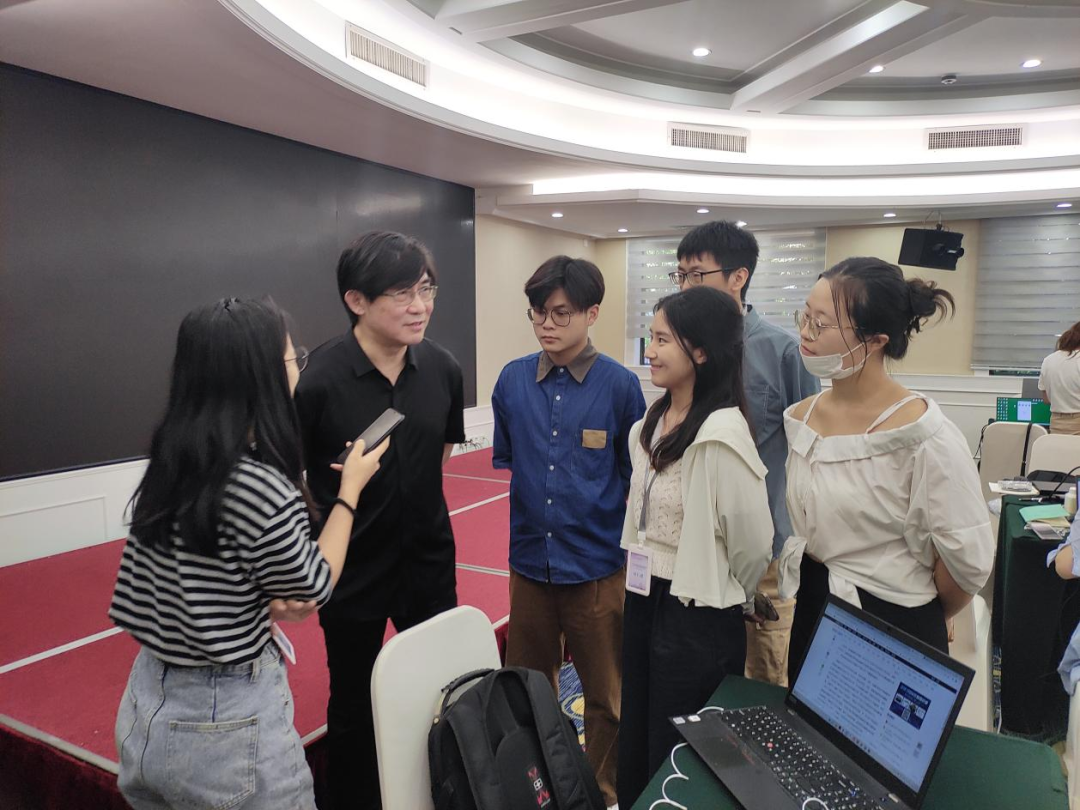
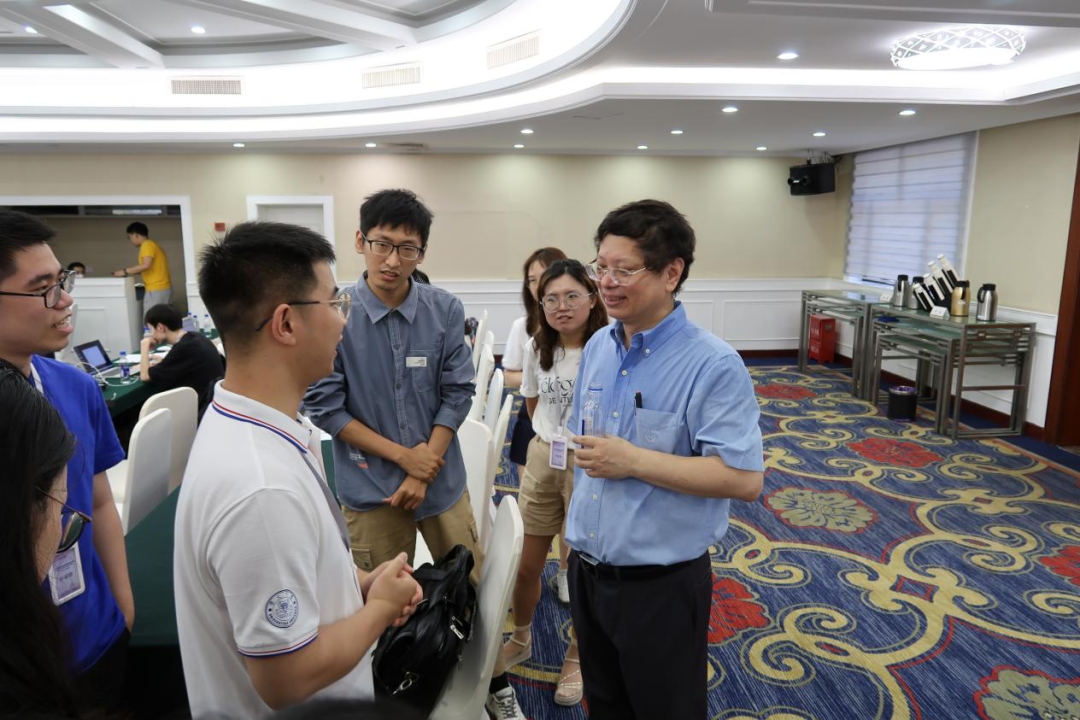
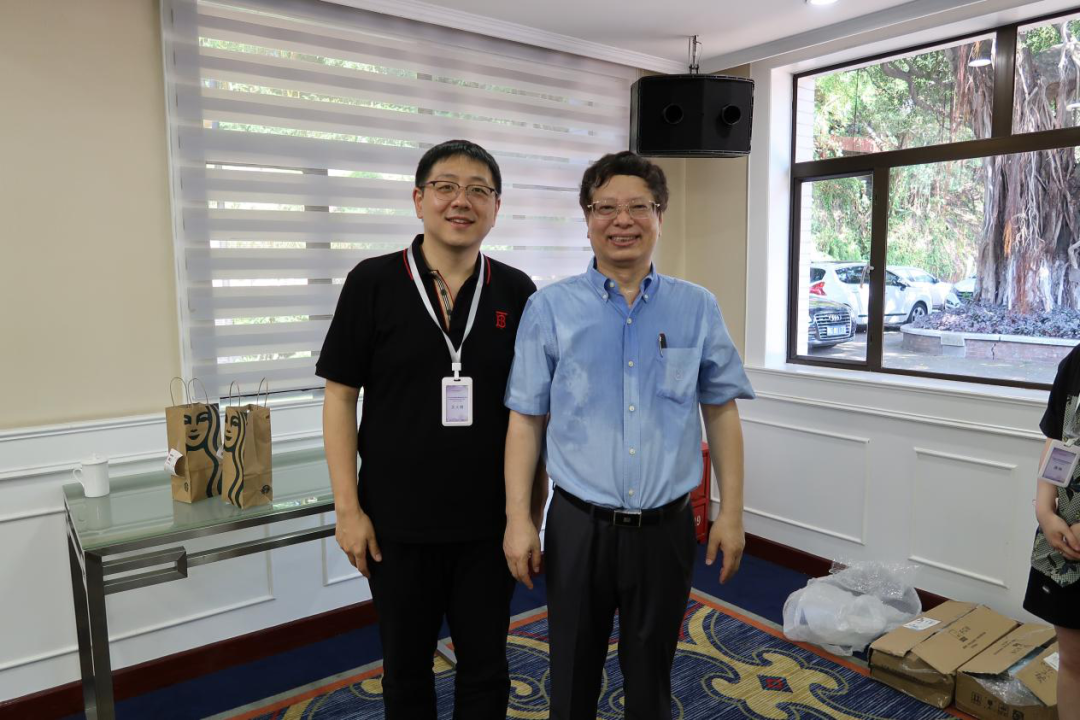
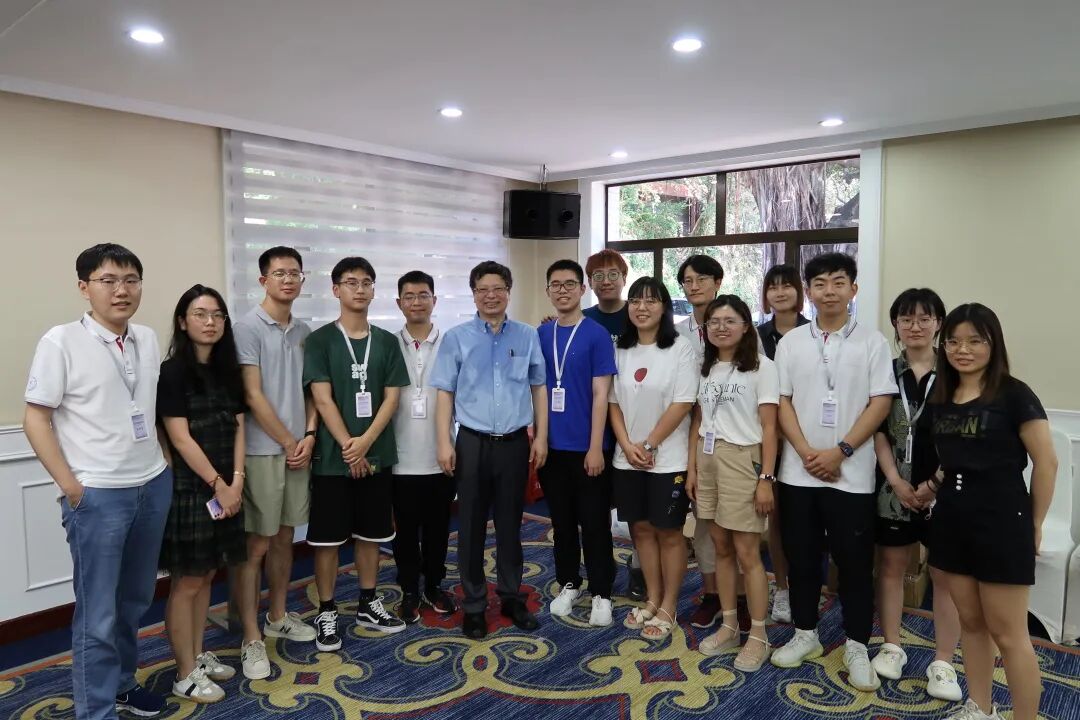
At 2:00 p.m., the fifth session of the Distinguished Scholars Forum officially began. Academician Yongmiao Hong delivered an excellent report titled Econometrics: Methodology for Empirical Economic Research.
Professor Hong gave a detailed explanation from three perspectives: the research paradigm of economics, the definition of econometrics, and the important role of econometrics. He explained that economics is an independent social science discipline that mainly studies the laws governing market operations. Its research paradigm has undergone multiple changes since the discipline was founded, including the marginal revolution and the Keynesian revolution, and in recent years it has experienced an important empirical revolution. Empirical research in modern economics conforms to the paradigm of scientific research and can identify scientific patterns and solve practical problems through data analysis. A prominent feature of the modern economics research paradigm is quantitative analysis, and econometrics is the main methodology for empirical research in economics. Professor Hong also pointed out that with the arrival of the big data era, economics has also entered a big data revolution, making it particularly important to analyze the information contained in new types of structured and unstructured data.
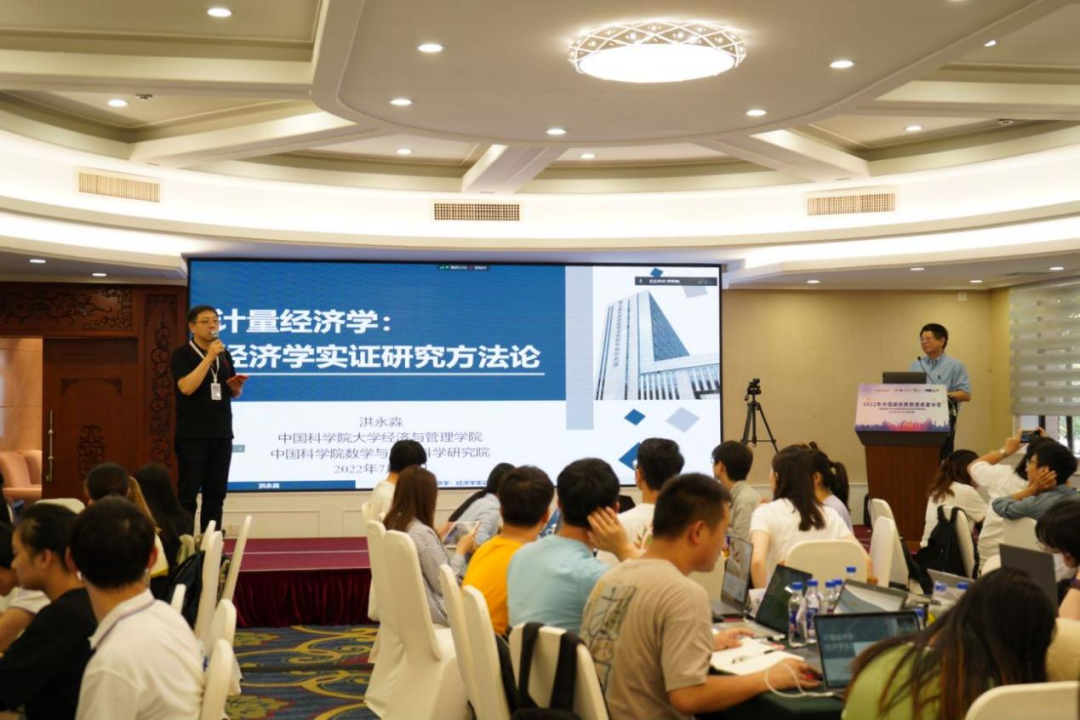
Finally, Professor Hong used multiple examples to illustrate the important role that econometrics plays in various fields. For example, counterfactual estimation methods in econometrics can be used to measure policy effects, such as assessing the impact of high-speed railway construction on cities along the route. Psychometrics can quantitatively study the influence of social psychology and culture on the economy by measuring psychological factors of economic agents. The large amount of unstructured data emerging in the big data era also contains information not found in many traditional datasets. Text data from platforms such as Weibo, QQ, news reports, and government work reports provide an important way to measure social and economic psychology.
02 Group Work
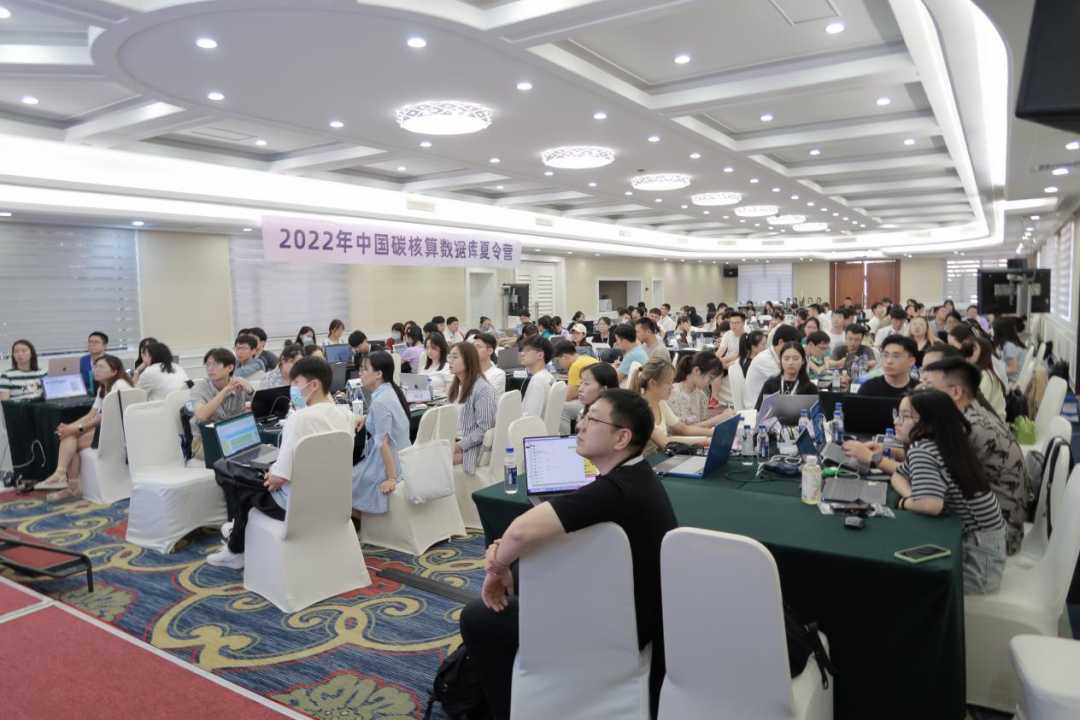
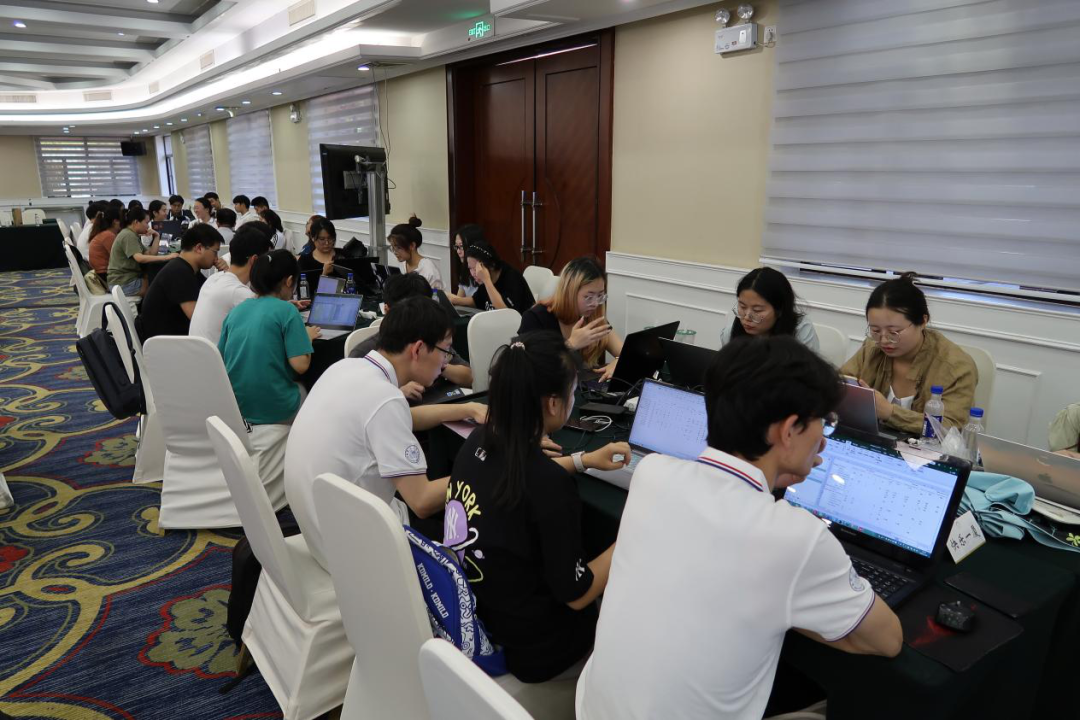
Early that morning, the participants arrived on time at the Fuyuan Hall of Xiamen Hotel and began a new day of study in high spirits, carrying out the group work for the day. After the learning and exploration of the previous two days, the students had deepened their understanding of carbon accounting methods for emerging economies, Chinese cities, and enterprises, and had gradually found ideas and methods for solving the problems before them.
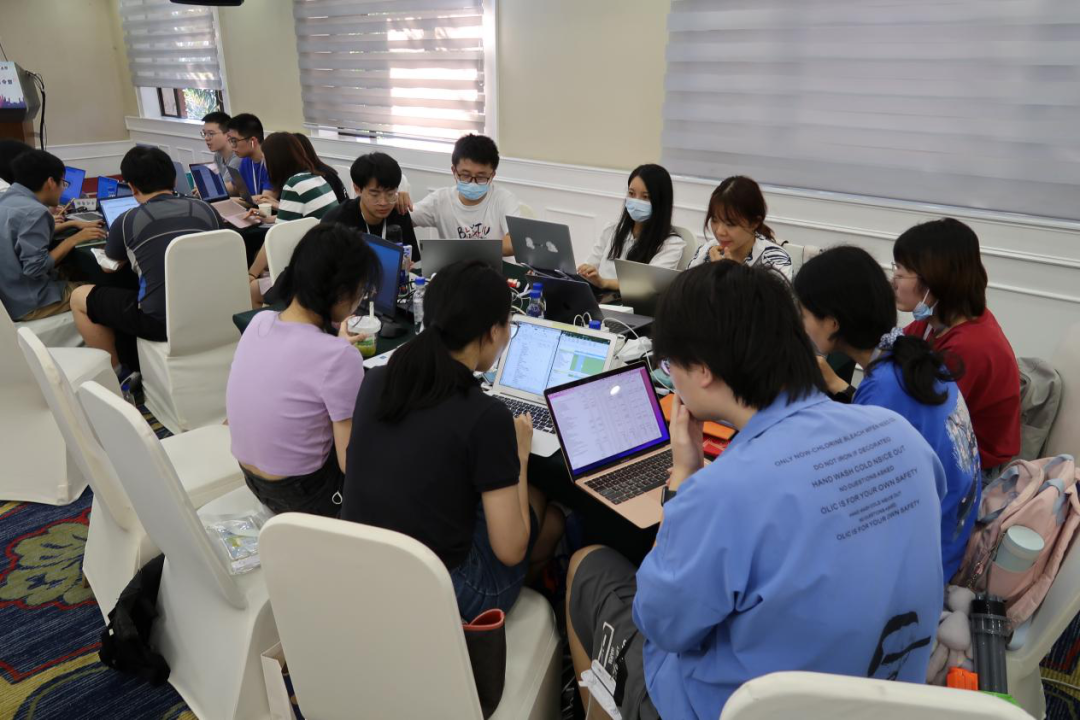
Data are the foundation of carbon emission accounting. From data collection to processing, and then to subsequent calculation, organization, and verification, every step tests the care, perseverance, and teamwork of the participants. Their enthusiasm for learning carbon accounting was as intense as the midsummer heat. Each group sat around a table, discussing problems encountered in their work, sharing techniques for collecting and processing carbon emission data, and carefully consulting mentors about difficult questions. As the research work continues to deepen, everyone will overcome challenges and move forward with courage.
03 Midsummer Water Party
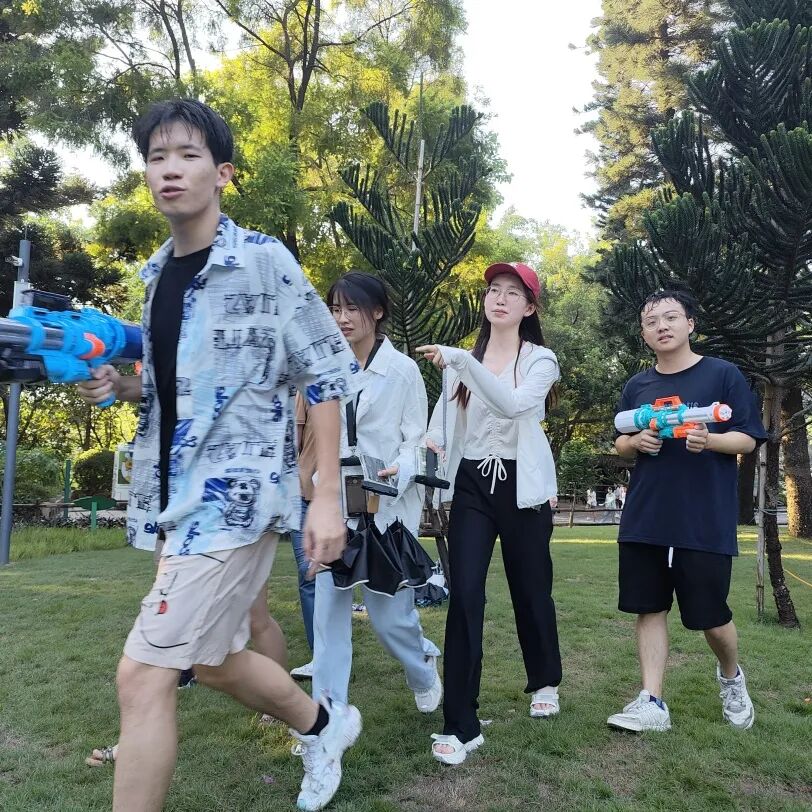

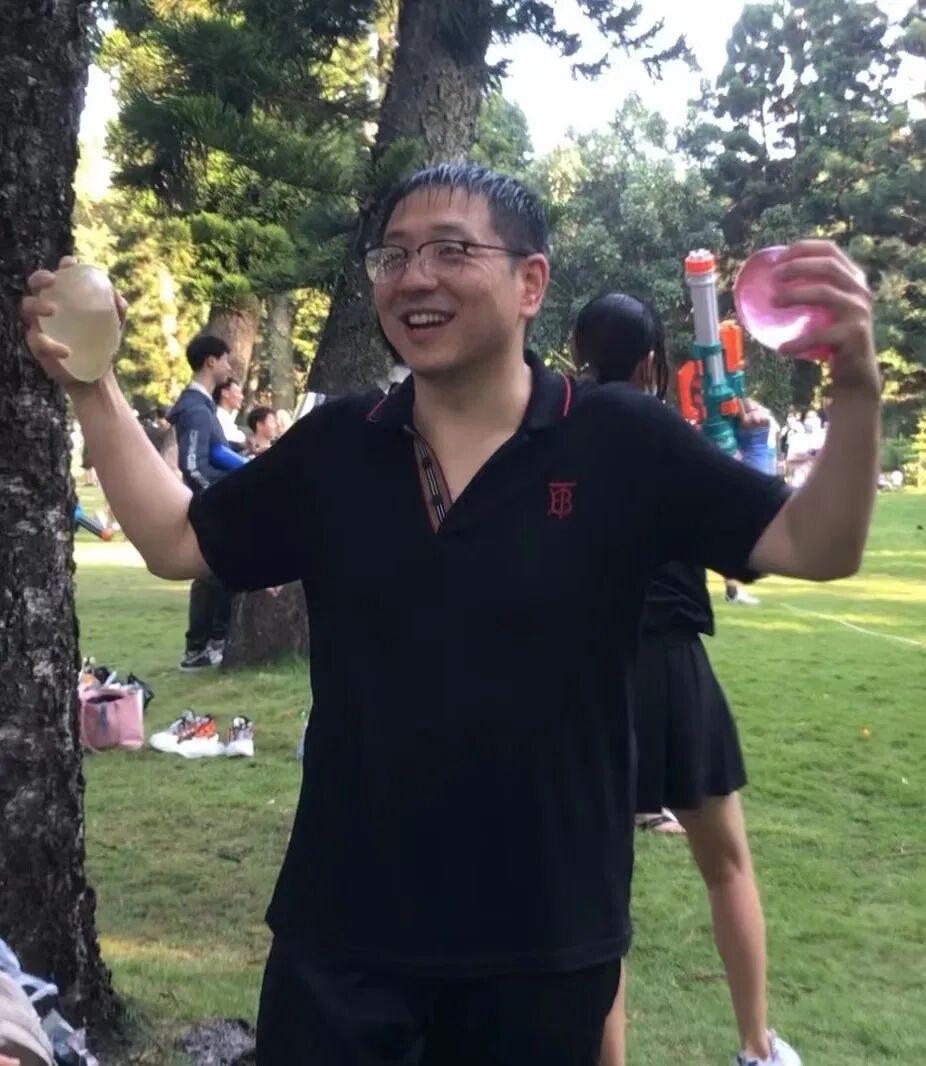
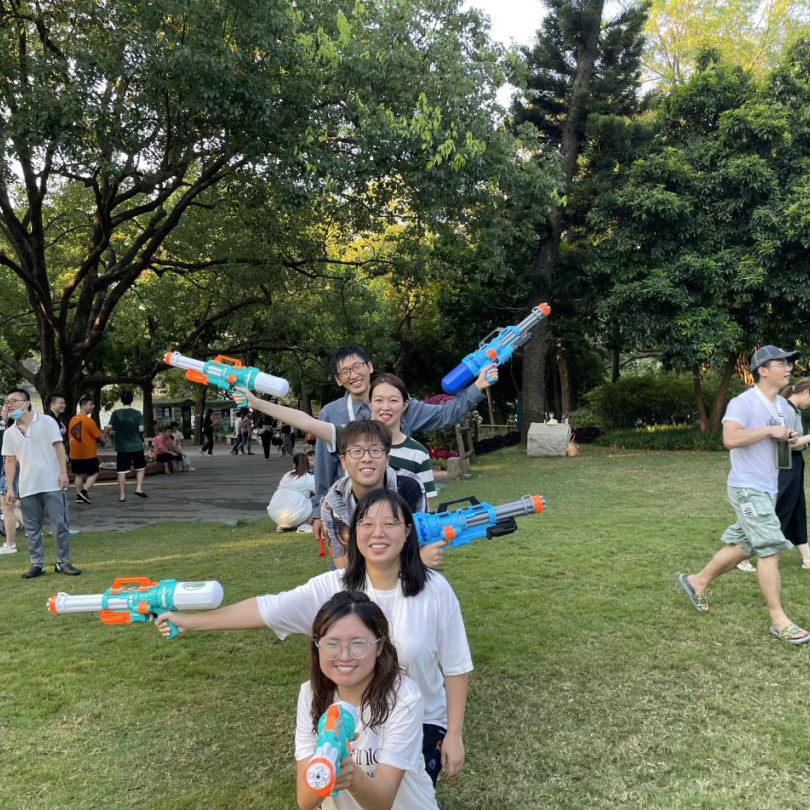
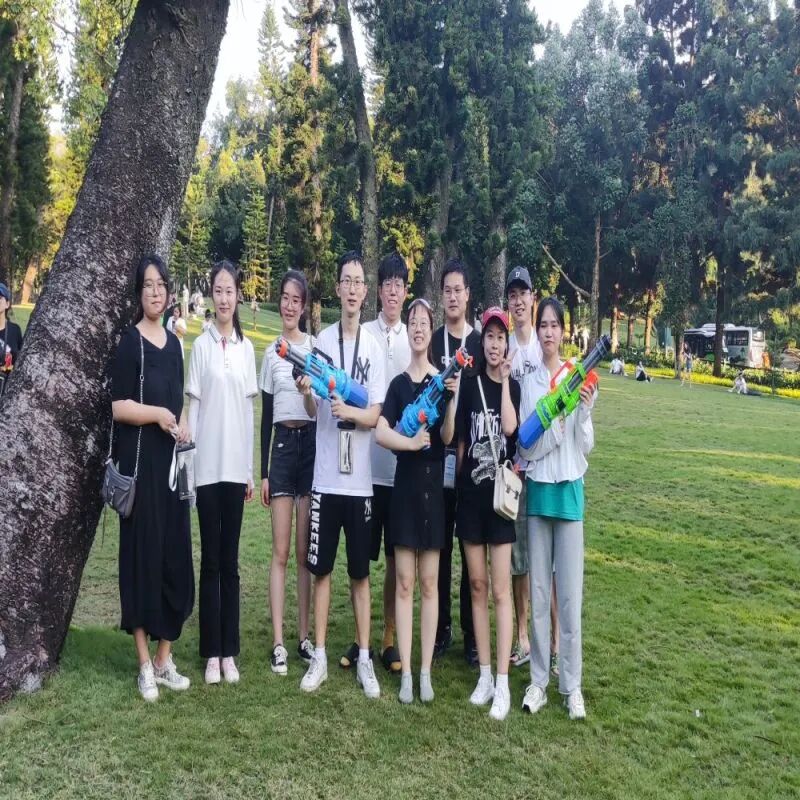
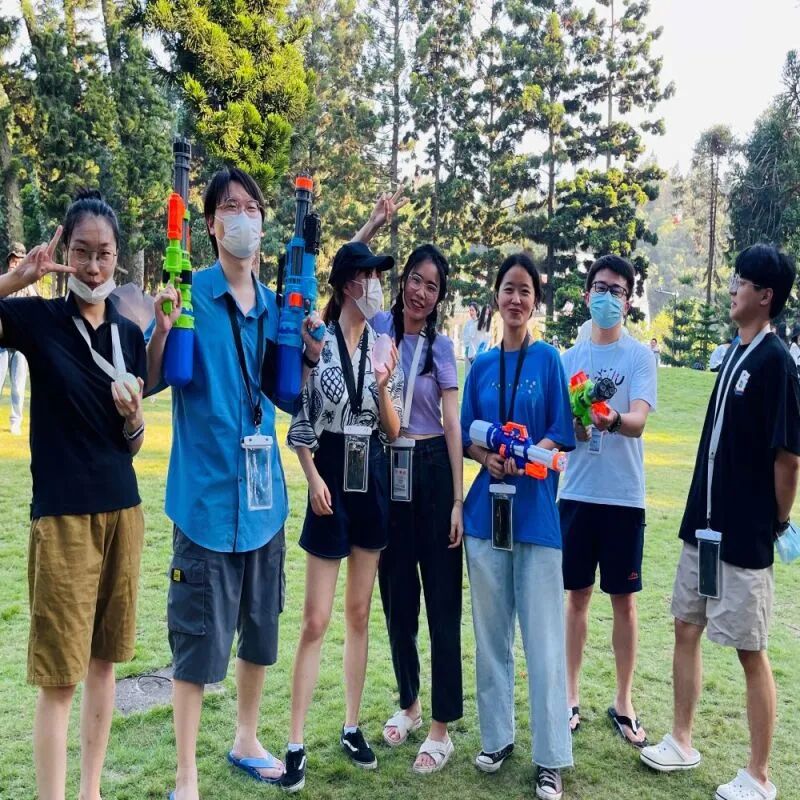
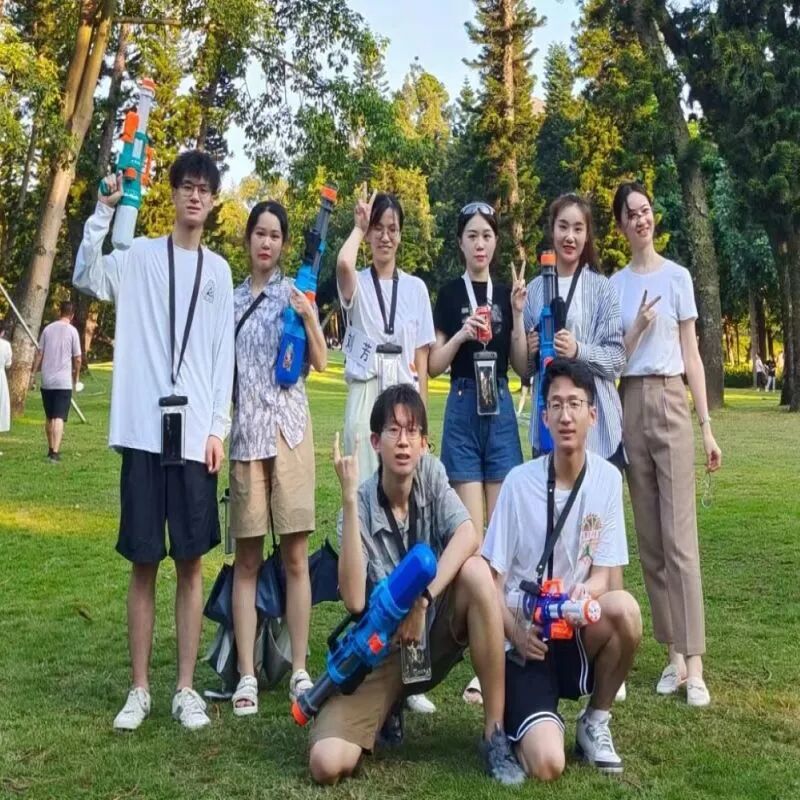
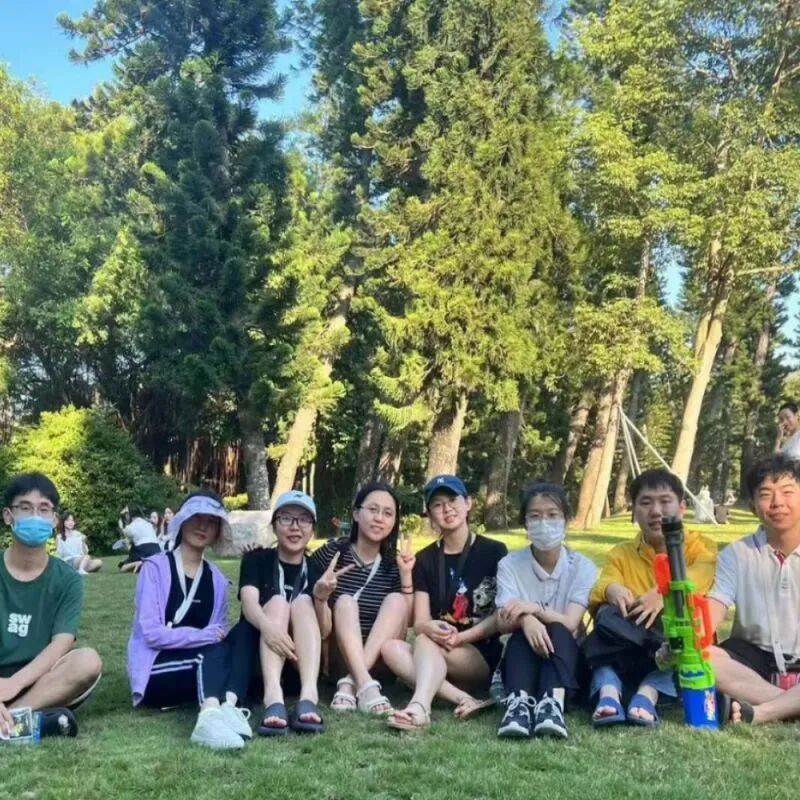
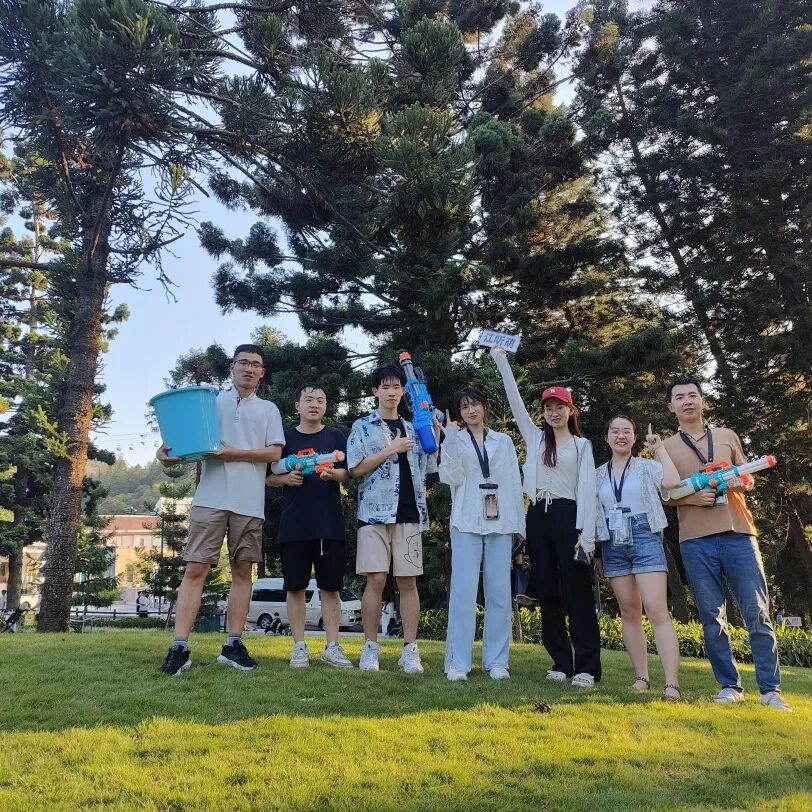
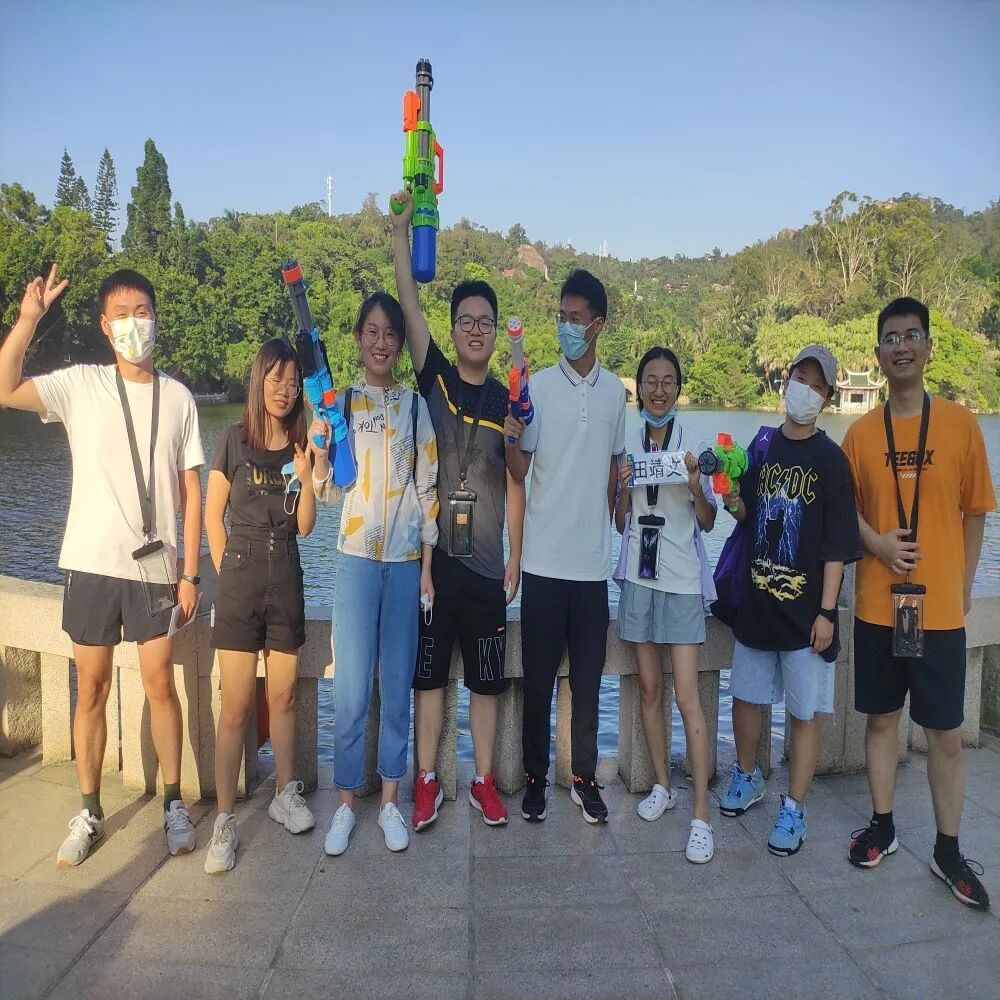
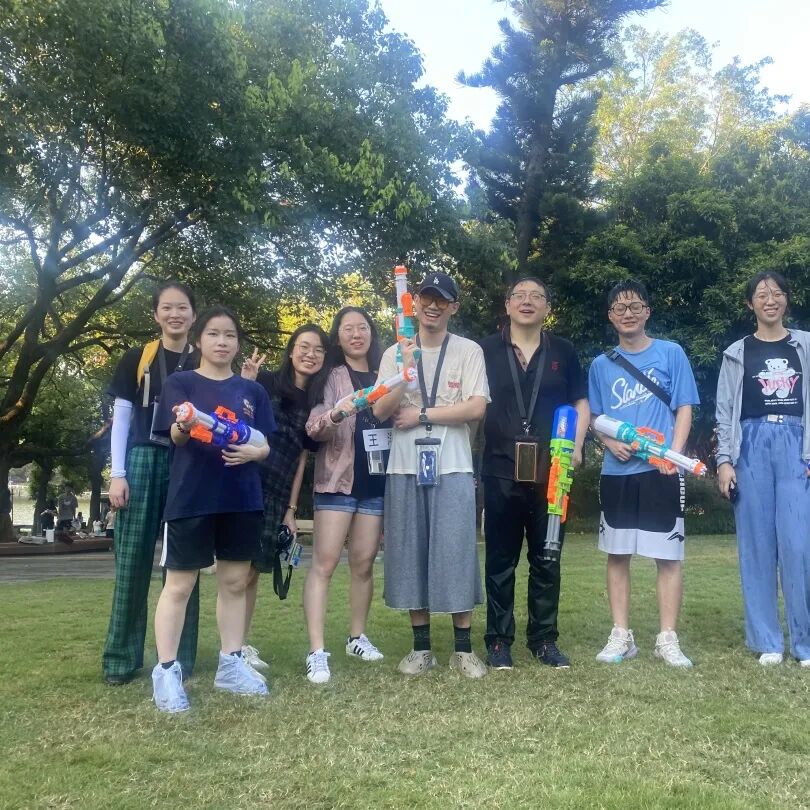
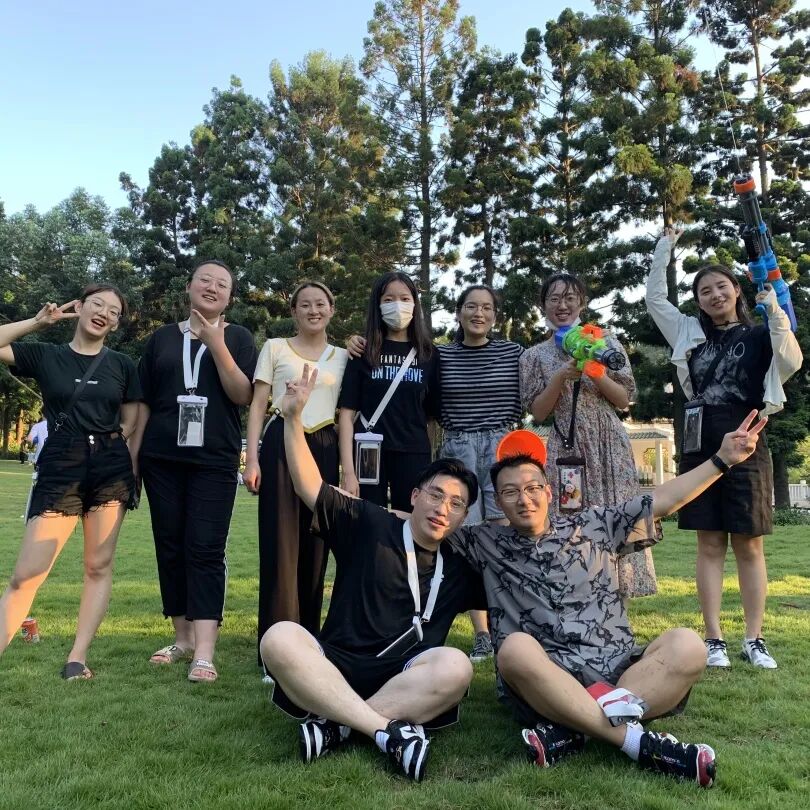
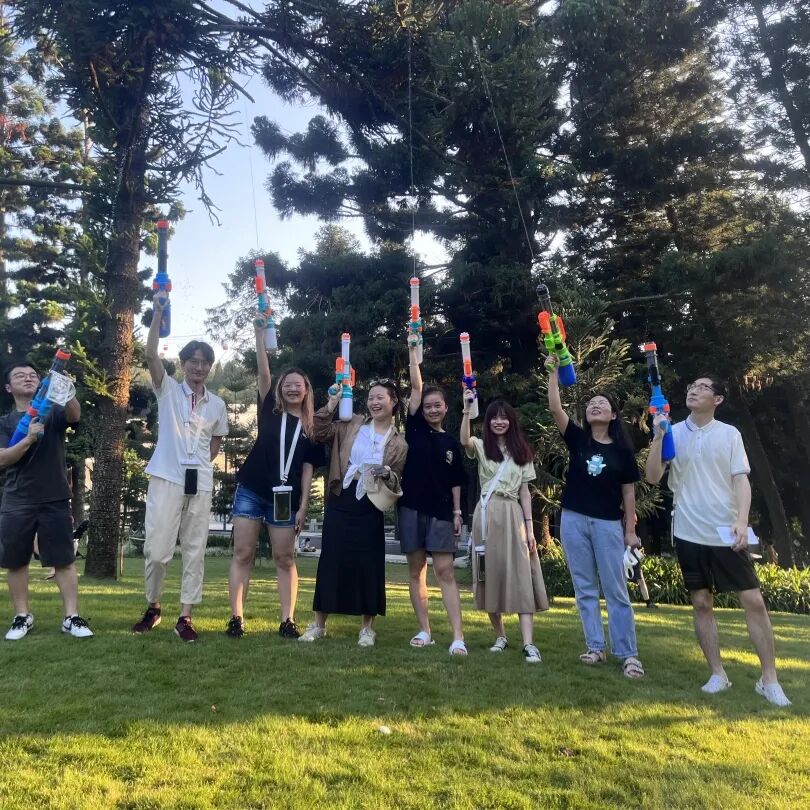
As the sun began to set, the fun water fight that the participants had most looked forward to finally arrived. At 5:00 p.m., Professor Dabo Guan and the summer camp mentors led the participants to Xiamen Botanical Garden. On the broad lawn, students from each group took out the water guns and water balloon ammunition they had won in earlier activities and games, and the water gun battle was ready to begin.
While everyone was preparing, Professor Dabo Guan took the lead and fired the first spray of water into the air, instantly igniting the scene. Everyone eagerly raised their equipment. Water guns opened fire at full power, water balloons flew in dense volleys, and the site instantly turned into a joyful sea of splashing water. Laughter, screams, and cheers rose one after another and blended together into an unforgettable midsummer carnival. Passing visitors were also drawn in by the cheerful atmosphere and could not help joining the water fight.

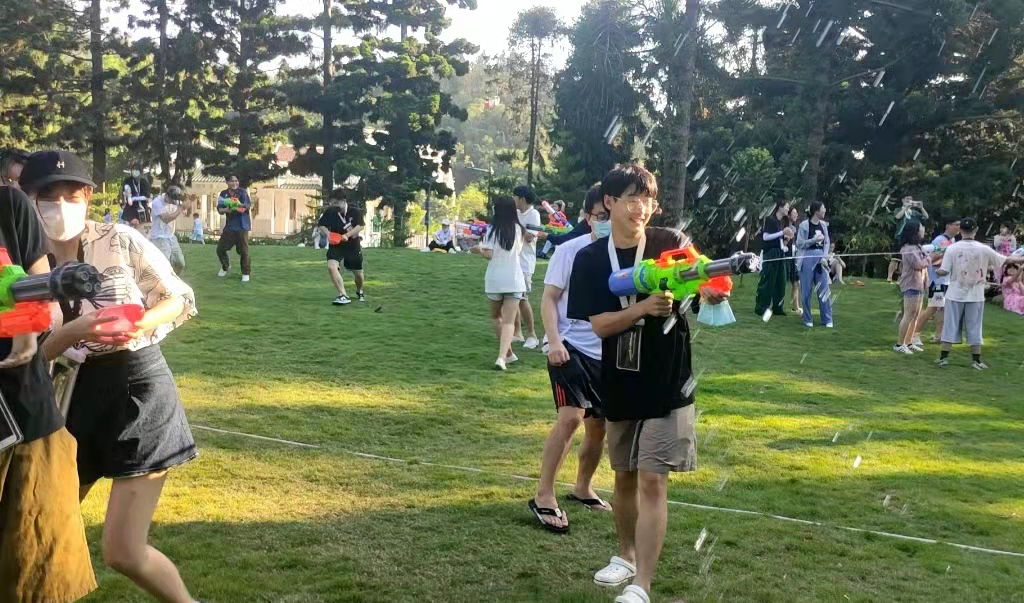
After an hour of energetic play, the water fight officially ended with everyone still reluctant to stop. Sunlight, wet shirts, and refreshing splashes made the activity a release from the pressure of study and work, while the repeated rounds of playful attacks also brought everyone closer together. The gains and joy from this battle were surely doubled.


The CEADs Summer Camp is still underway. Please continue to follow the exciting and fulfilling days ahead.
Click the video below and enjoy a refreshing moment in Xiamen together.