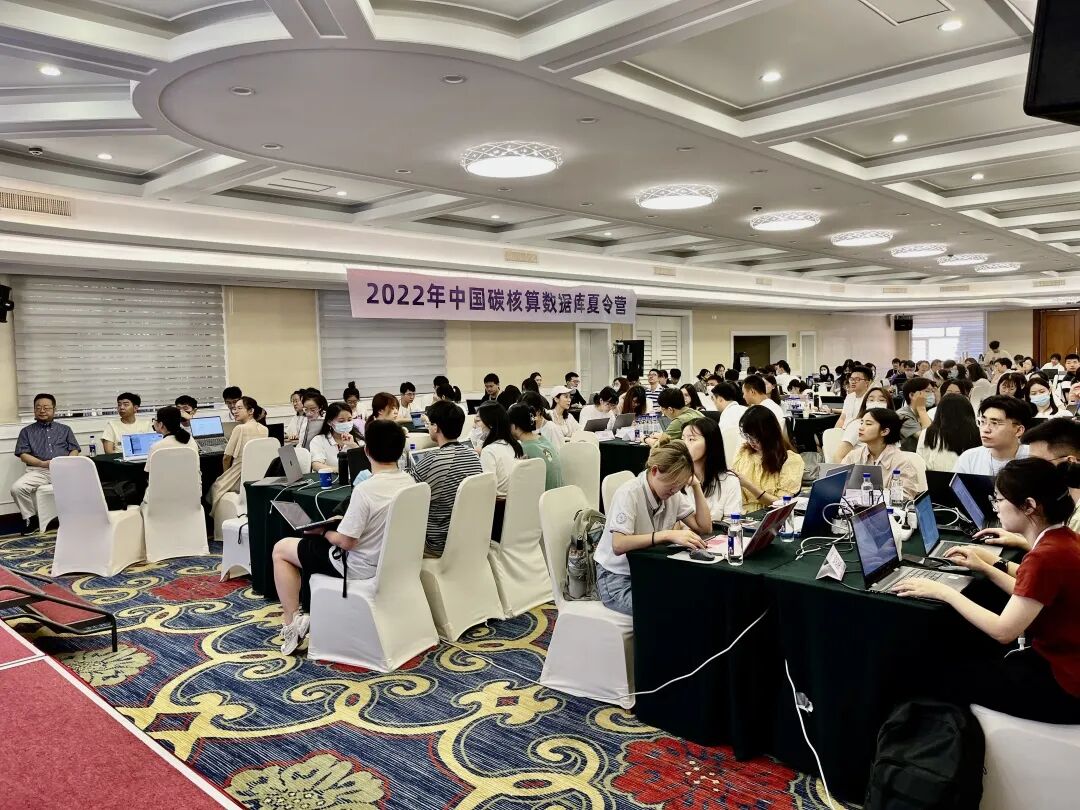
CEADs China Carbon Accounting Database Summer Camp: Day 2, United in Purpose and Moving Forward

01 CEADs Forum, Session 3

He Kebin
Academician of the Chinese Academy of Engineering
Tsinghua University
Dean of the Institute for Carbon Neutrality
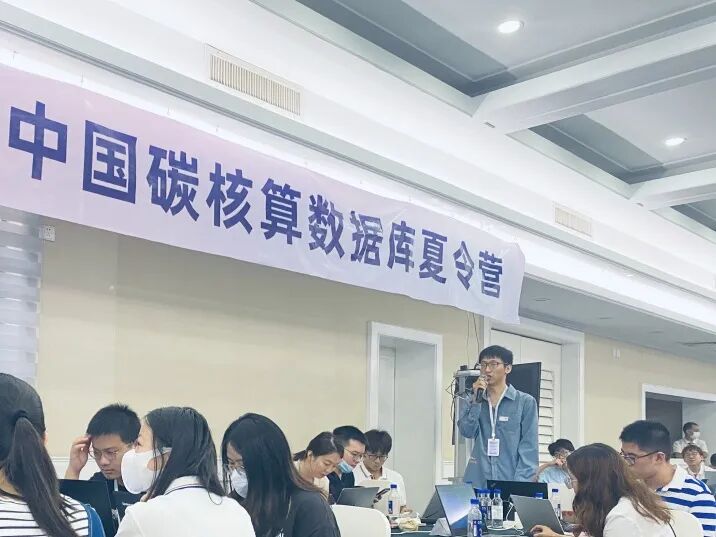
Academician He Kebin from the School of Environment and the Institute for Carbon Neutrality at Tsinghua University delivered an excellent lecture titled Carbon Neutrality and Green High-Quality Development: Understanding, Opportunities, and Challenges.
Highlights from the talk: advancing the five-carbon approach to overcome challenges, with carbon neutrality leading China into a new transformation; achieving the dual carbon goals depends on energy transition, and countries around the world can all benefit from wind and solar resources in the future; Eastern Data, Western Computing is shaping a new landscape for the digital economy.
Academician He first noted that, in response to climate change, more than 130 countries had made carbon neutrality-related commitments by the end of 2021. The global distribution of fossil energy is extremely uneven, and the world economy is moving from resource dependence toward technology dependence. By following a technology-driven path and vigorously developing renewable energy technologies such as wind and solar power, countries around the world can all tap into promising renewable resources in the future.
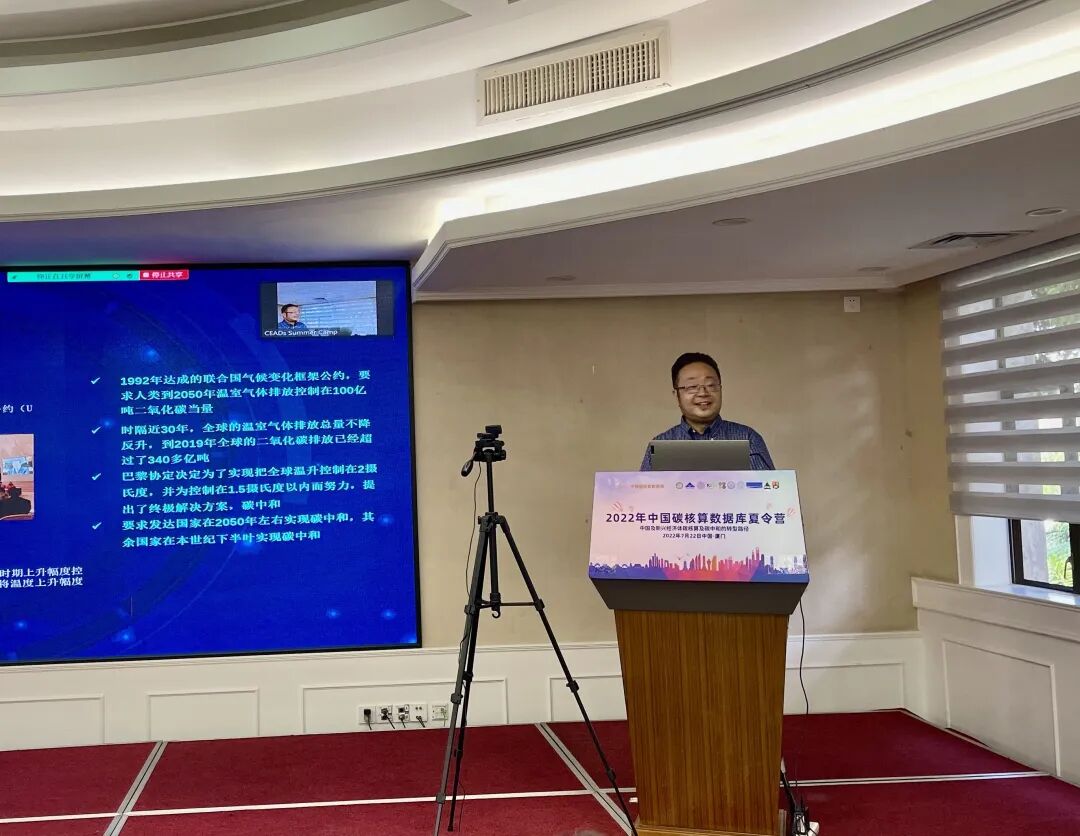
Carbon neutrality will be a systematic economic and social transformation, involving industrial restructuring and scientific and technological challenges. The five-carbon approach can help achieve carbon neutrality: improving resource efficiency to reduce carbon, reducing carbon through energy structure adjustment, storing carbon in geological space, sequestering carbon in ecosystems, and integrating carbon through market mechanisms. Energy structure adjustment is especially important, requiring an energy system with new and renewable energy as the mainstay. In particular, based on the current spatial and temporal distribution of photovoltaic power generation potential, the transition is shifting from West-to-East Power Transmission to Eastern Data, Western Computing.
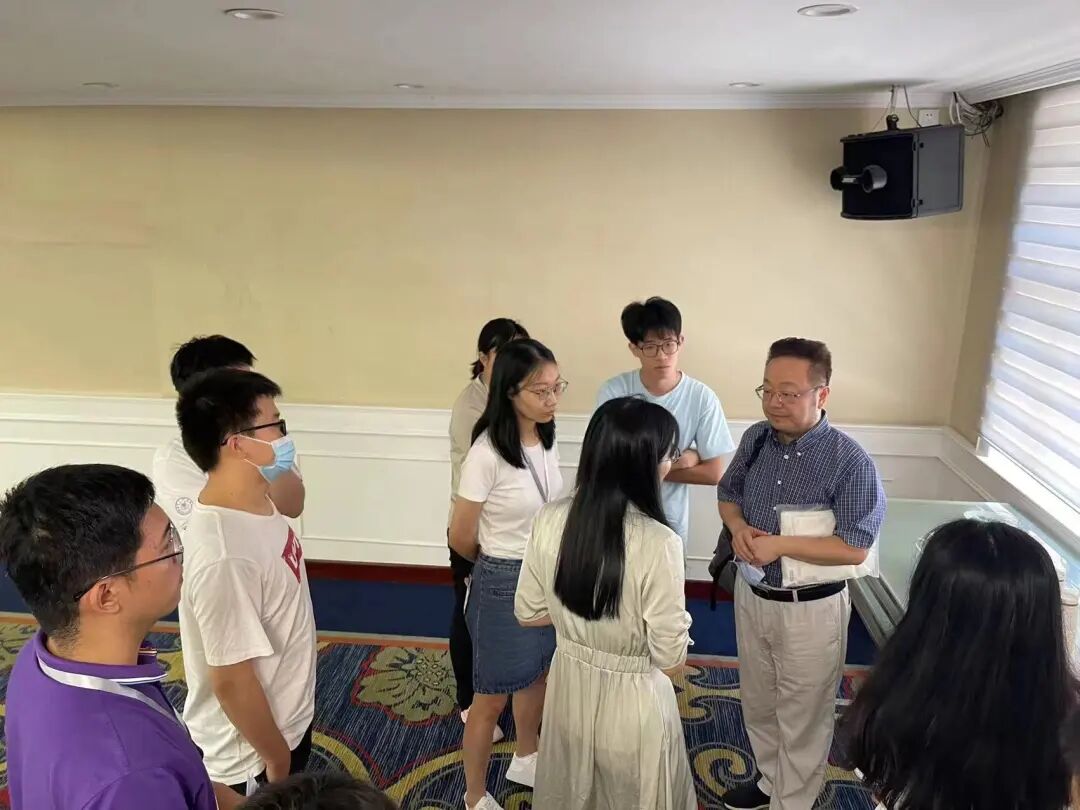
Academician He also pointed out that carbon peaking and carbon neutrality will pose many future challenges for environmental science and technology. These challenges mainly fall into three categories: first, innovation in key core technologies; second, supply chains and key materials for the new energy industry; and third, integrated decision support for coordinated climate and environmental governance. Carbon neutrality is the next major milestone after four decades of reform and opening up, and action on the dual carbon goals is urgent. Carbon neutrality is an interdisciplinary field spanning natural science, engineering, and social science. Academician He concluded by encouraging students to become interdisciplinary talents and contribute to the cause of carbon neutrality.
02 Charades
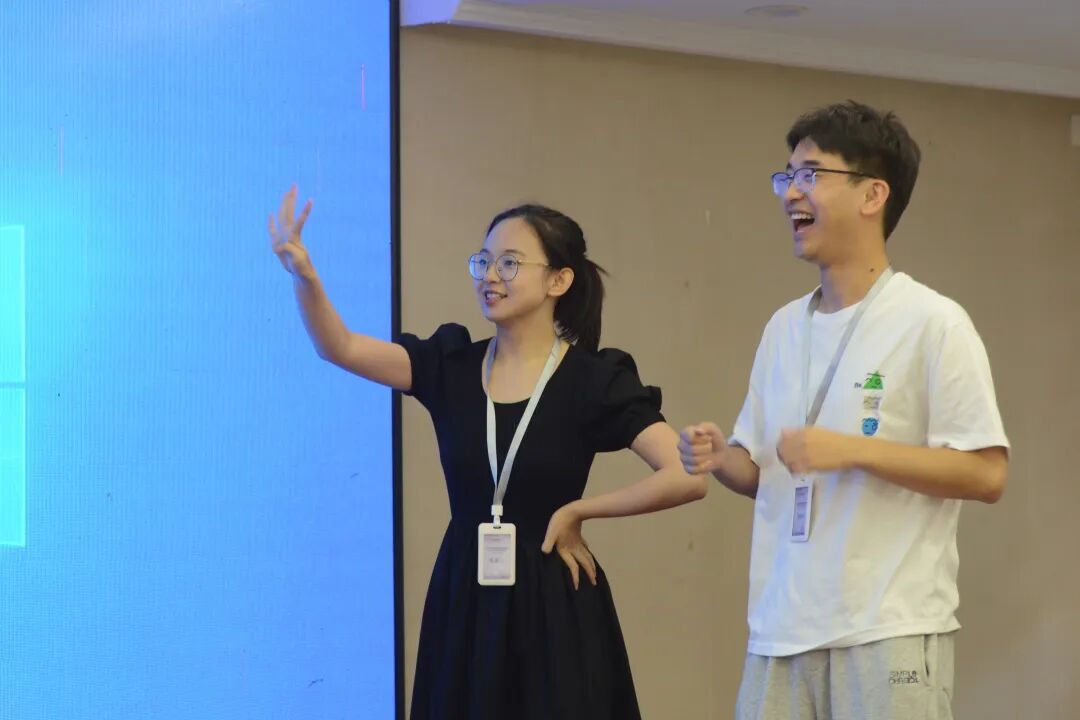
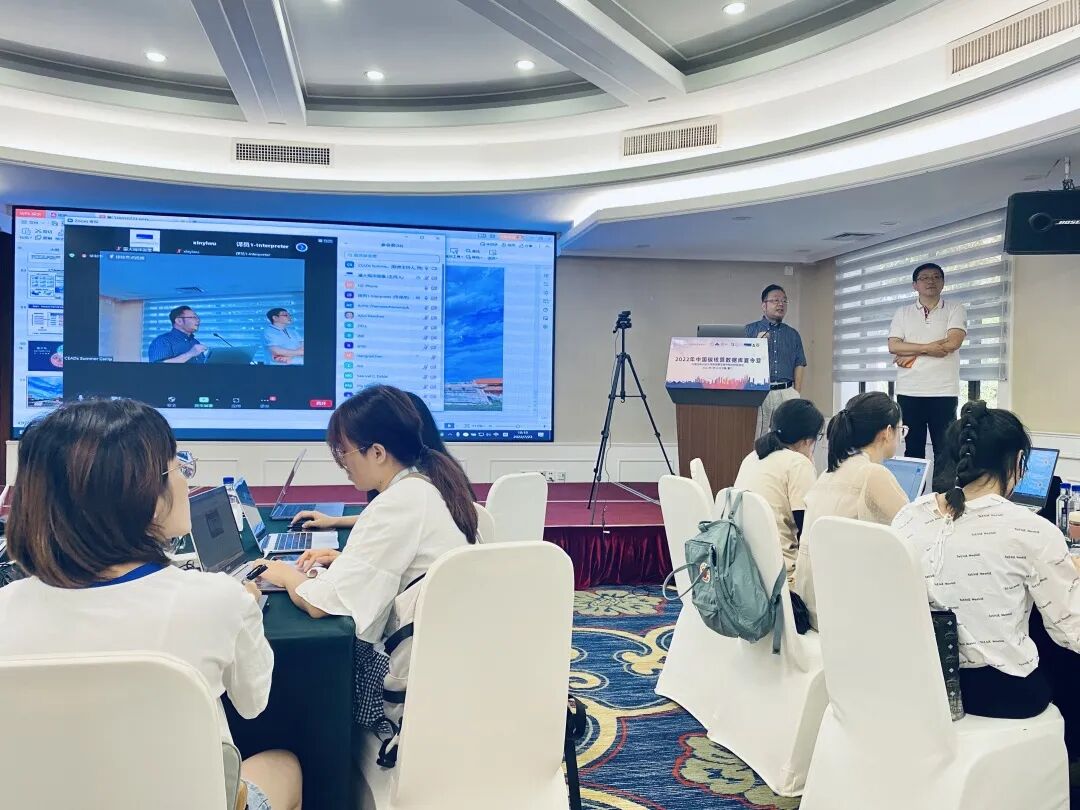
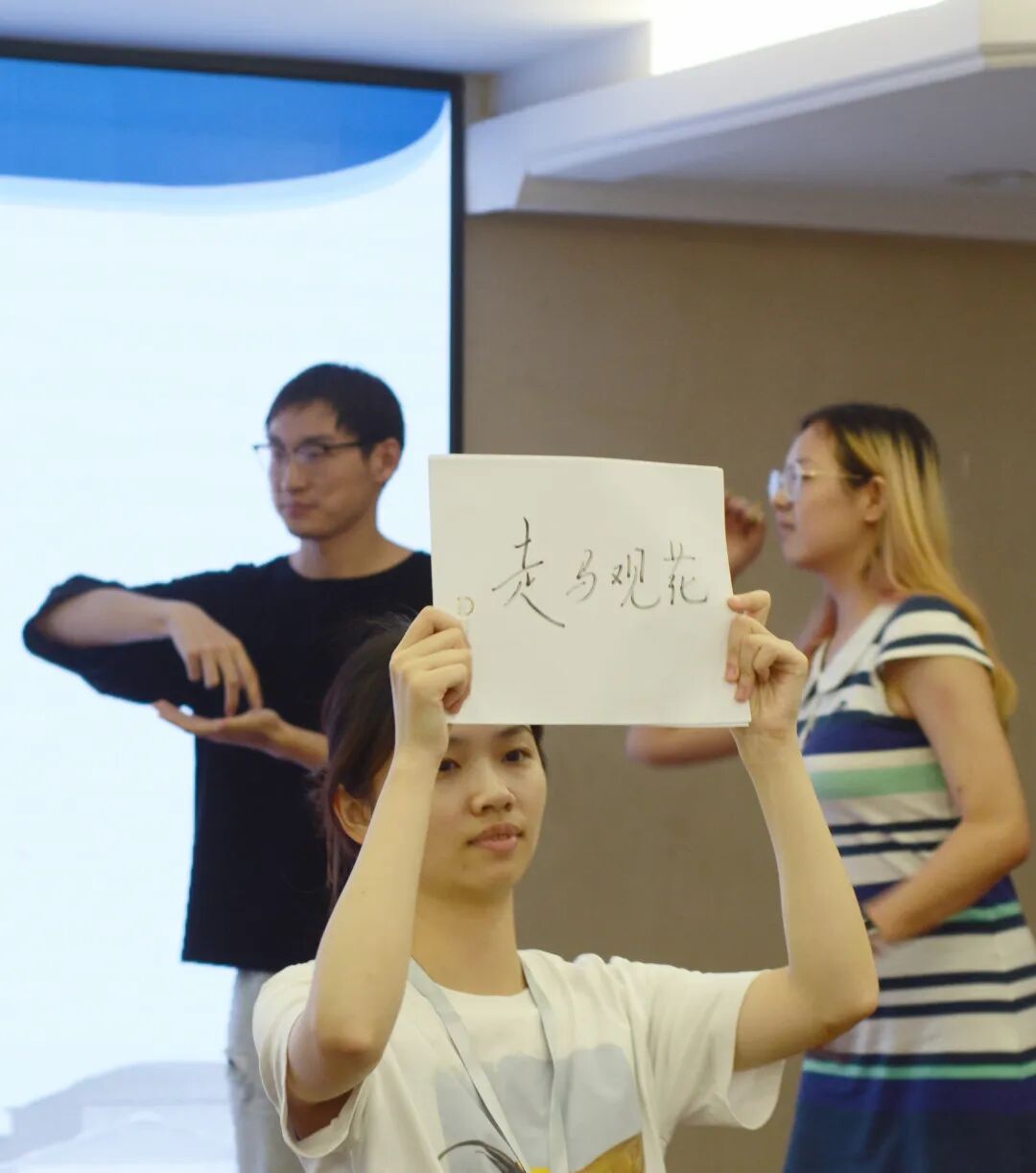
In the morning, after listening to Academician He Kebin's excellent lecture, we held a fun activity called Charades. Five groups took part. Each group selected two students to act out idioms silently, while the other members guessed the answers.
During the game, everyone showed their talents, with impressive performances emerging one after another. In the end, the Missing Piece Group guessed an amazing 10 idioms within 120 seconds, including viewing flowers on horseback, roaring with laughter, baring fangs and brandishing claws, a perfect full moon and flowers, playing the lute to a cow, single-minded devotion, and the Eight Immortals crossing the sea. They won first place and received the ultimate prize: a large water gun.
03 Group Work
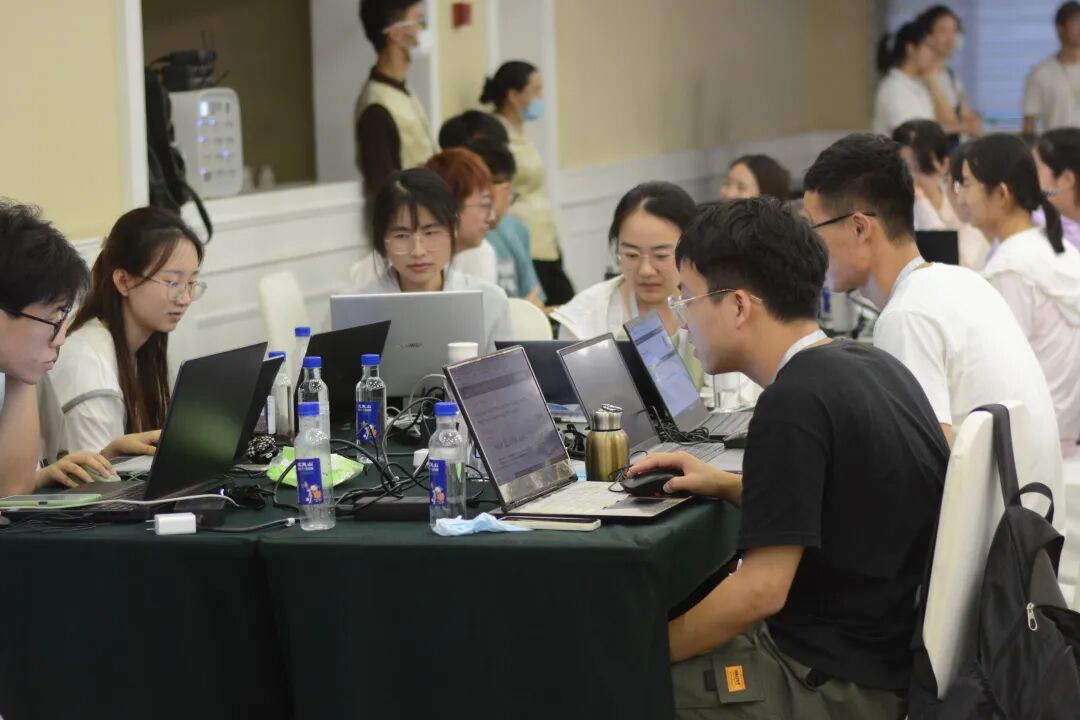
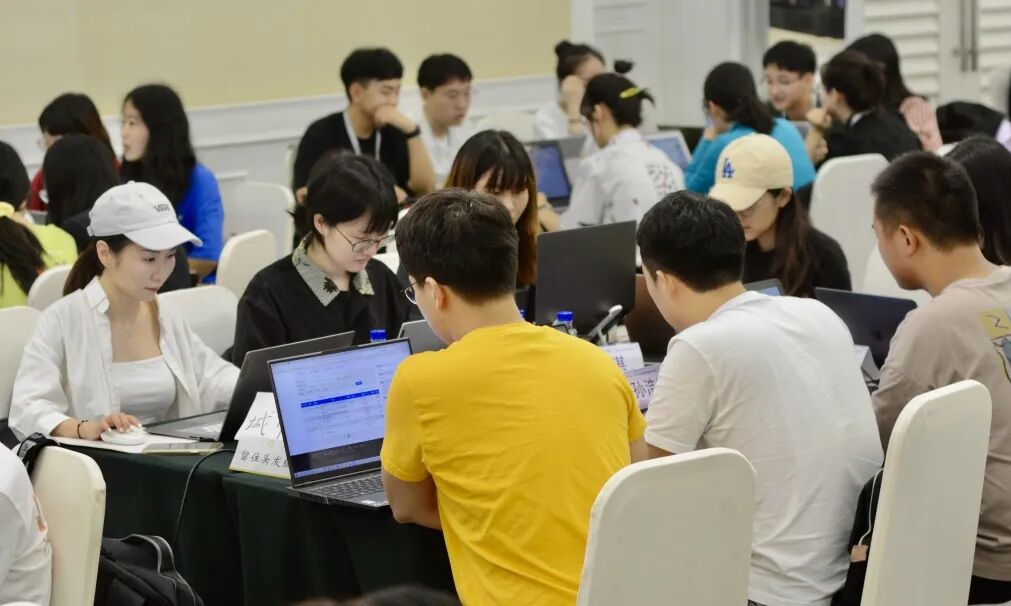
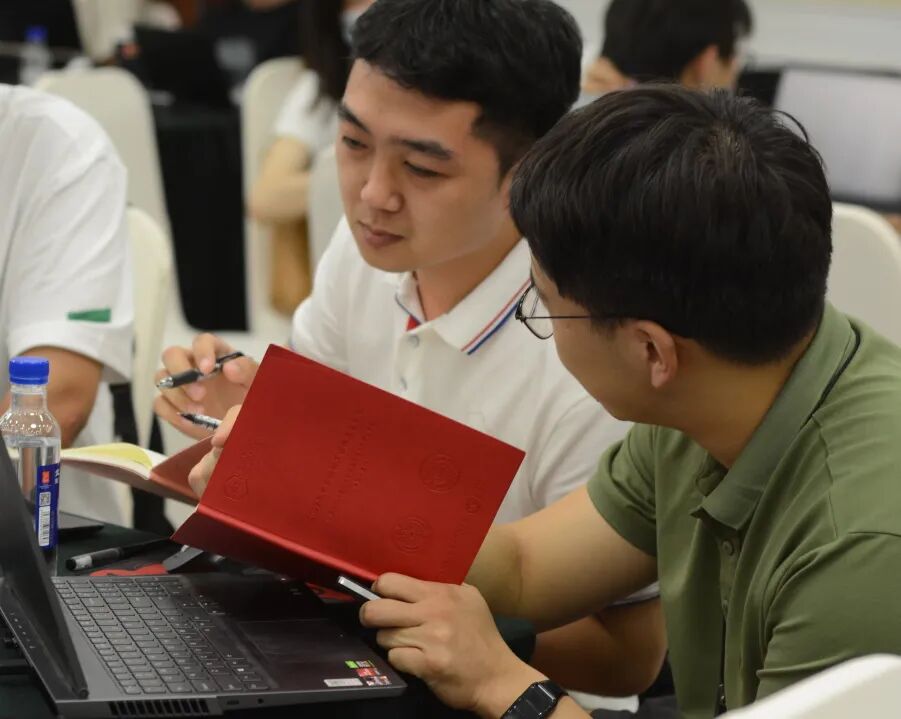
After the previous afternoon's lectures by Dr. Cui Can and Dr. Huo Jingwen on carbon emission accounting methods and input-output tables for emerging economies, Chinese cities, and enterprises, the participants gathered in the Fuyuan Hall of Xiamen Hotel in the afternoon to work with their group members on the assigned carbon emission learning and accounting tasks.
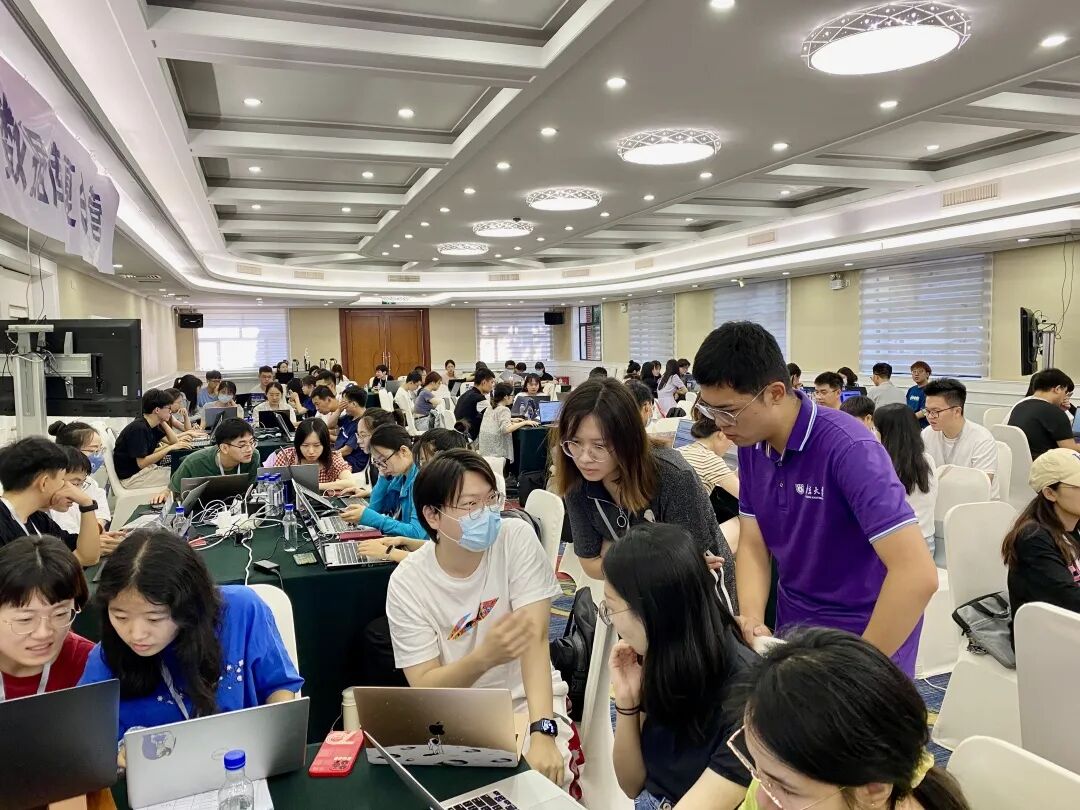
For us, the group task was a completely new challenge. Our strongest impression was that carbon emission data now plays an extremely important role in the world, and the work gave us a deeper understanding of data organization and collection. Building a true sense of data requires everyone to work together, keep changing, and keep moving forward. We should be good at discovering solutions instead of always waiting. The best way to overcome anxiety and fear is to face them. When we are fully prepared, we will surely return in triumph.
04 Microphone Grab and Song Relay
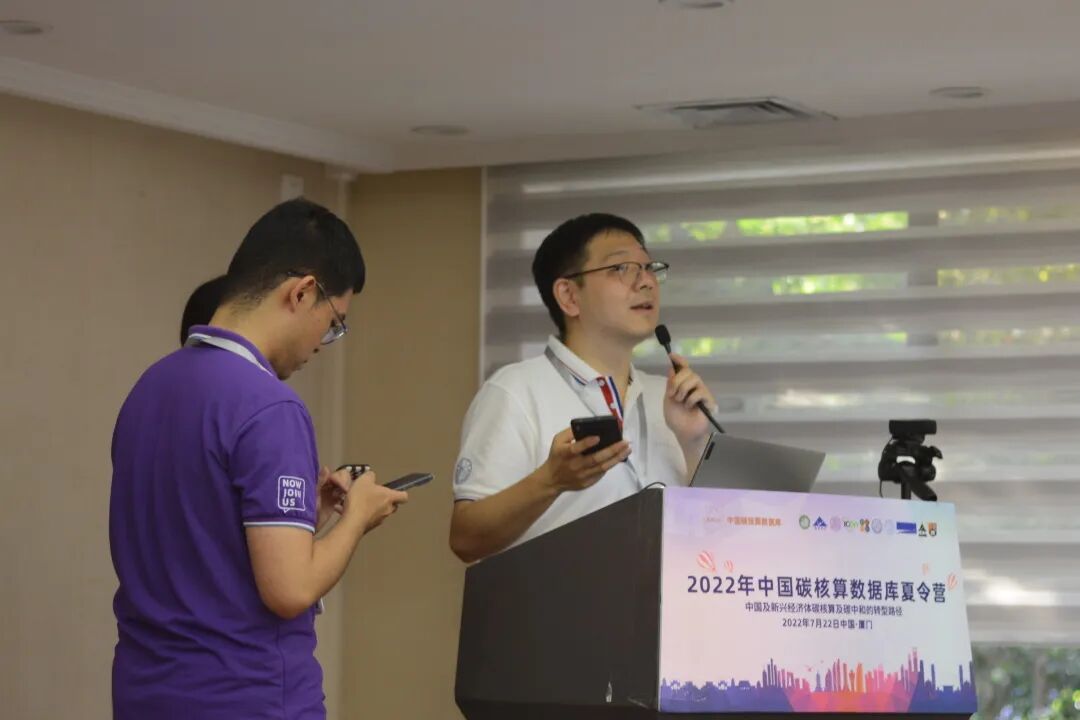
In the afternoon, after an intensive round of study and exchange, we held a lively after-class activity called Microphone Grab and Song Relay. Four groups competed on stage. When a song paused, participants rushed to grab the host's microphone and continue singing to score points. The activity drew enthusiastic participation from all groups.

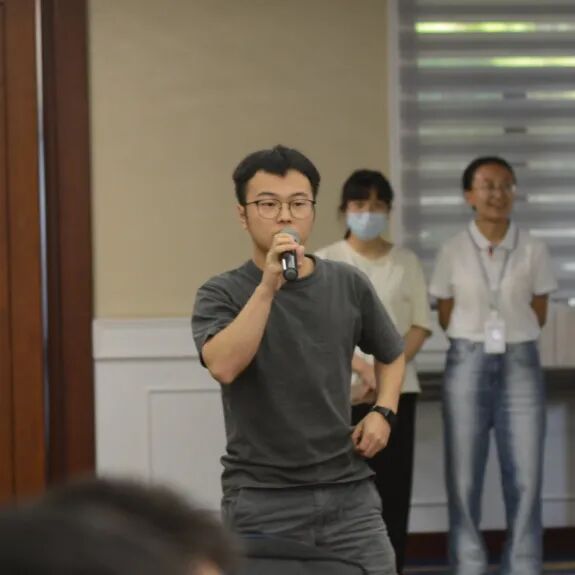

The participants showed off their singing voices. With one fast-paced song after another, the singing and cheering grew louder and louder. In particular, when a member of the Hope of the Whole Village team performed Love Even If I Die, the whole audience burst into applause, bringing the event to its climax. The activity fully showcased the participants' personalities, strengthened team rapport, and built bridges of friendship among them.
On the second day of the summer camp, after studying in Academician He Kebin's morning lecture, the participants continued their research learning in a vibrant academic atmosphere. Through the carefully arranged games and activities, they strengthened team rapport. We believe everyone will meet future challenges in the camp with even greater enthusiasm for research.