CEADs China Emission Accounts and Datasets Summer Camp: 20-Day Countdown!
20 days to go!!
In September 2020, President Xi Jinping announced that China would scale up its Nationally Determined Contributions, strive to peak carbon dioxide emissions before 2030, and endeavor to achieve carbon neutrality before 2060. Achieving carbon peaking and carbon neutrality is a solemn commitment China has made to the world and an important step in the global response to climate change. Recently, the Ministry of Human Resources and Social Security publicized new green occupations emerging under the goals of carbon peaking and carbon neutrality, while the Ministry of Education issued a notice on strengthening the higher education talent training system for carbon peaking and carbon neutrality. The concept of carbon neutrality is becoming a global consensus, opening a new era of low-carbon development worldwide and becoming a new driver of future economic growth.
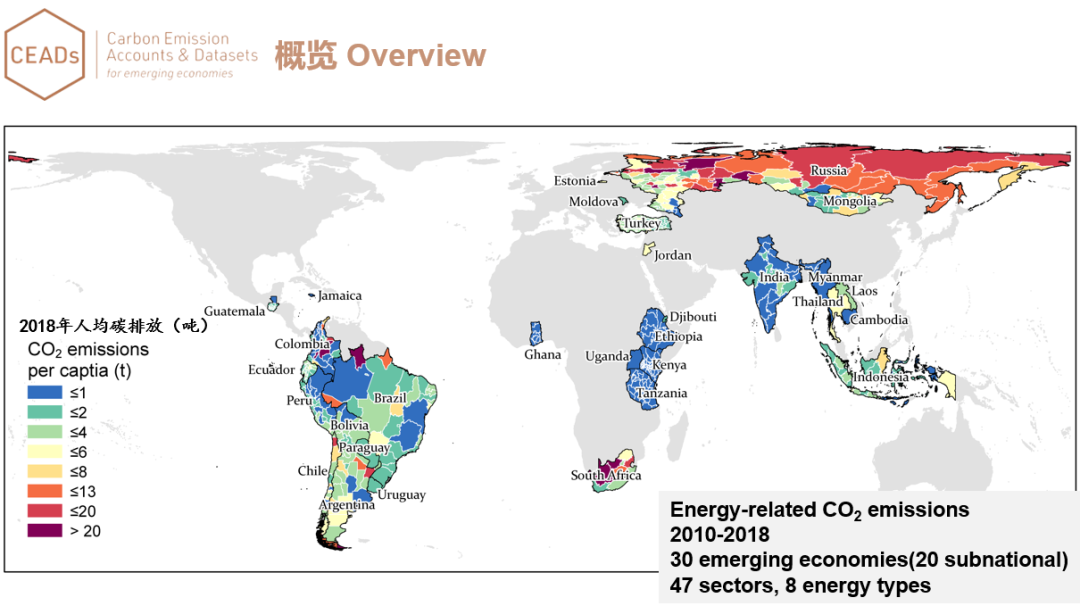
The China Emission Accounts and Datasets (CEADs, ceads.net), with joint support from the Ministry of Science and Technology of China, the Administrative Center for China Agenda 21, the National Natural Science Foundation of China, the Chinese Academy of Sciences, UK Research and Innovation, the Newton Fund, and other institutions and research organizations, brings together scholars from China, Europe, the United Kingdom, the United States, and other regions. The team compiles multi-scale carbon emission inventories for China and other emerging economies and analyzes global and regional carbon emission characteristics. The database has already supported more than 800 journal papers worldwide, provided a solid scientific basis for green and low-carbon development across regions, and contributed to policy design and implementation for controlling greenhouse gas emissions in emerging economies.
To advance carbon peaking actions and empower young people with insight and leadership for climate mitigation, the China Emission Accounts and Datasets team (CEADs) will hold a carbon accounting summer camp at Xiamen University from July 22 to July 31, 2022. Participants will discuss carbon accounting in China and other emerging economies as well as transition pathways toward carbon neutrality. The summer camp will invite renowned academicians and experts to provide guidance on carbon peaking and carbon neutrality theories and on carbon accounting theory and practice through lectures and courses.
Call for Applications
To empower young people with climate insight and leadership, the CEADs carbon accounting database team will hold a summer camp from July 22 to July 31, 2022, to jointly explore carbon accounting and carbon-neutral transition pathways in China and other emerging economies. We sincerely invite students from universities and research institutes, as well as interested professionals, to apply. Due to venue limitations and other factors, the CEADs team will select more than 100 outstanding young scholars to participate.
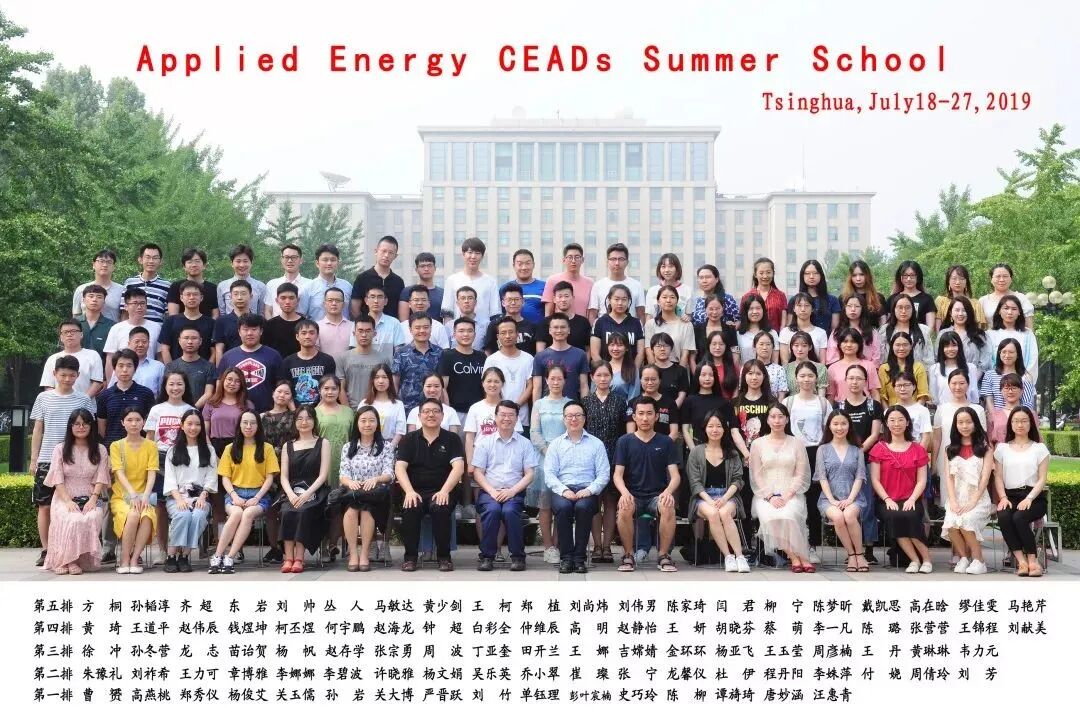
The CEADs Summer Camp has been successfully held for three years. It was suspended in 2020 and 2021 due to the pandemic. Through courses, group projects, and teamwork, it provides systematic training in carbon accounting methodology, practical guidelines, and case studies for outstanding young scholars, building an academic platform for exchange, collaboration, and joint development in carbon accounting.
In July 2022, the Carbon Accounting Summer Camp will be hosted by the China Emission Accounts and Datasets team (CEADs), organized by the Fujian Institute of Oceanography for Sustainable Development at Xiamen University, and co-organized by the CPC Xiamen Xiang an District Committee, the Department of Earth System Science at Tsinghua University, the Institute of Urban Environment of the Chinese Academy of Sciences, University College London, the University of Birmingham, and other partners. With the theme "Carbon Accounting and Carbon-Neutral Transition Pathways in China and Emerging Economies," the camp will set sail again. It will invite well-known experts and scholars from China and abroad to deliver keynote reports. Participants will also work in groups to study the dual-carbon transition of different countries and cities, exploring the socioeconomic impacts of climate change and green, zero-carbon development pathways across countries and regions.
Students interested in joining the summer camp should send a CV and one representative paper by July 5, 2022 to ceads2022@163.com. Papers may be in Chinese or English; undergraduate applicants are not required to submit a paper. Please use the email subject line "Summer Camp - Name - Institution". The CEADs team will notify applicants of admission results by email before July 7.
Dates: July 22, 2022 - July 31, 2022
Check-in: July 21, 2022
Location: Xiamen Hotel, Xiamen
Accommodation: More than 30 self-paid twin rooms have been reserved at Xiamen Hotel on a first-come, first-served basis.
Participation format: Full offline participation only. No online participation option will be available.
No registration fee will be charged for the summer camp. Participants are responsible for their own transportation, meals, and accommodation.
We will closely monitor pandemic prevention and control conditions and organize the summer camp when the timing, location, and conditions are appropriate and compliant with relevant requirements. Further information will be released in advance through this WeChat official account. Please stay tuned.
For inquiries about this summer camp, please contact ceads2022@163.com.
Application Requirements
Main Outcomes of Previous Summer Camps
Representative Publications
Revealing Heterogeneous Patterns of Urban Carbon Emissions in China
Shan, Y., et al. (2018) City-level climate change mitigation in China. Science Advances, 4, eaaq0390.
The CEADs team released carbon emission inventories for 182 Chinese cities and published in Science Advances on the impact of urban industrialization processes on climate change mitigation.
Analyzing Regional Carbon Emission Patterns and Mitigation Pathways in China
Xu, X., et al. (2018) Patterns of CO2 emissions in 18 central Chinese cities from 2000 to 2014. Journal of Cleaner Production, 172, 529-540.
Zhou, Y., et al. (2018) Emissions and low-carbon development in Guangdong-Hong Kong-Macao Greater Bay Area cities and their surroundings. Applied Energy, 228, 1683-1692.
Cui, C., et al. (2019) CO2 emissions and their spatial patterns of Xinjiang cities in China. Applied Energy, 252, 113473.
Liu, X., et al. (2019) Low-carbon developments in Northeast China: evidence from cities. Applied Energy, 236, 1019-1033.
Li, K., et al. (2021) Decoupling of economic growth from CO2 emissions in Yangtze River economic belt cities. Science of the Total Environment, 775, 145927.
Xiao, H., et al. (2019) CO2 emission patterns in shrinking and growing cities: a case study of Northeast China and the Yangtze River Delta. Applied Energy, 251, 113384.
Yuli Shan, et al. (2017) Energy consumption and CO2 emissions in Tibet and its cities in 2014. Earths future.
CEADs released carbon emission inventories for 18 cities in central China from 2000 to 2014 and studied their emission characteristics.
CEADs research: accounting for energy and carbon dioxide emissions in Tibet and its cities.
Revealing Emission Patterns and Characteristics in Emerging Economies
Huang, Q. et al. (2021) Heterogeneity of consumption-based carbon emissions and driving forces in Indian states, Advances in Applied Energy, https://doi.org/10.1016/j.adapen.2021.100039
Wang, H., et al. (2020) Low-carbon development via greening global value chains: a case study of Belarus. Proceedings of the Royal Society A - Mathematical Physical and Engineering Sciences, 476: 20200024.
Zhao, W., et al. (2021) CO2 emission accounts of Russias constituent entities 2005-2019. Scientific Data, 8: 172.
Wang, X., et al. (2019) Kazakhstans CO2 emissions in post-Kyoto Protocol era: production- and consumption-based analysis. Journal of Environmental Management, 249, 109393.
CEADs released carbon accounting inventories for Russia and its 82 federal subjects from 2005 to 2019.
CEADs research: low-carbon development in countries along the Belt and Road, taking Belarus as a case study.
CEADs research: accounting for inter-state trade patterns and embodied carbon emissions among 32 Indian states.
Highlights from Previous Summer Camps
Insightful Reports
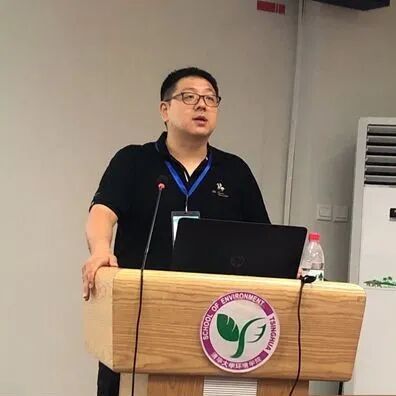
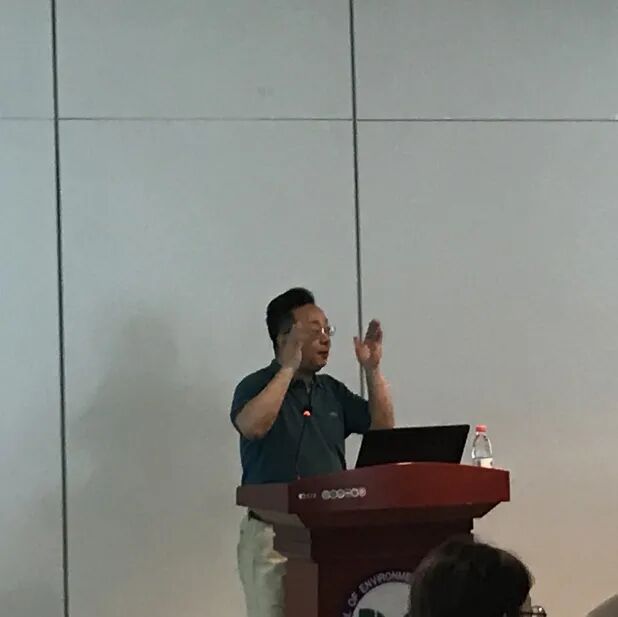
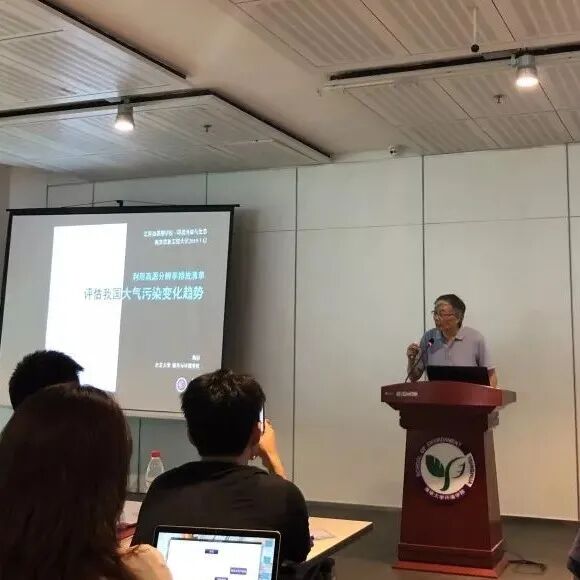
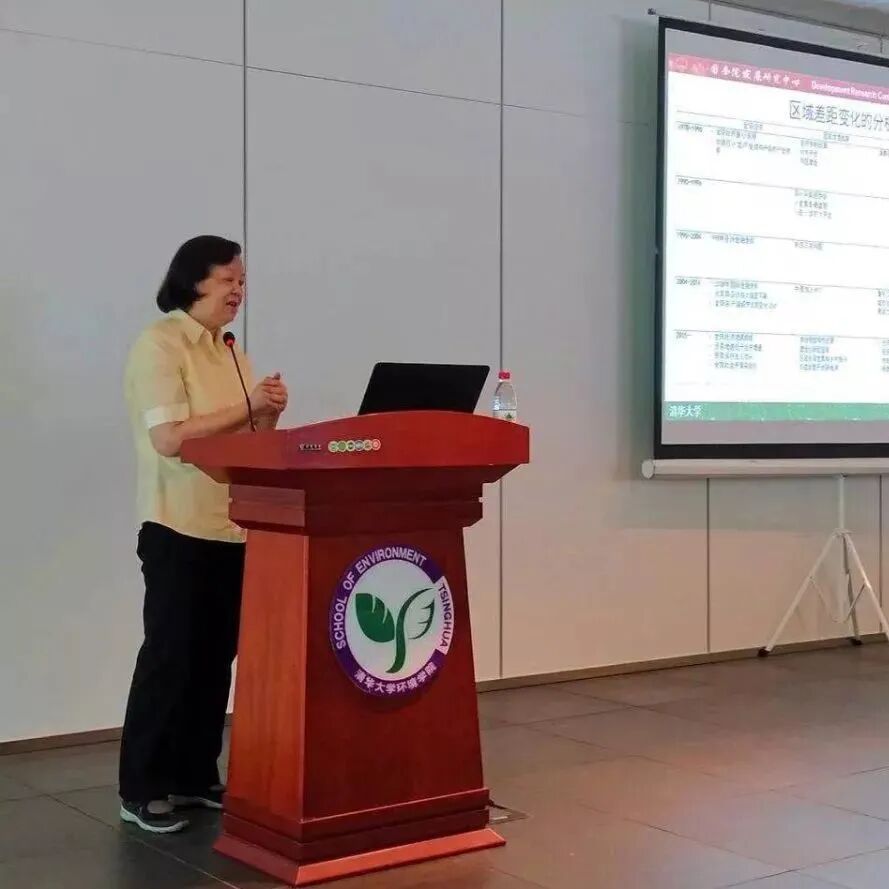
Swipe left or right to view the lecture gallery.
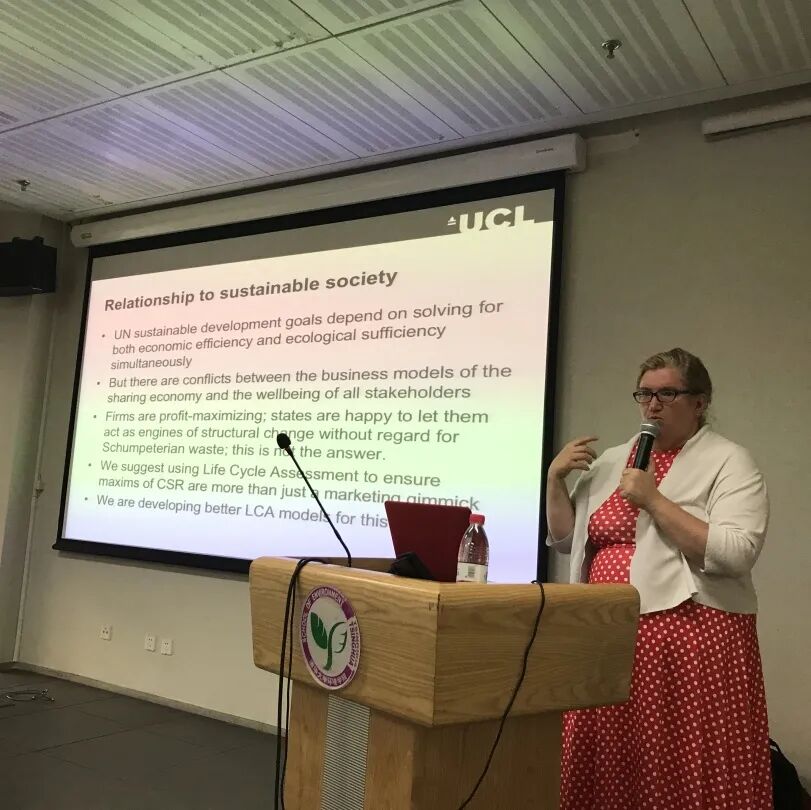
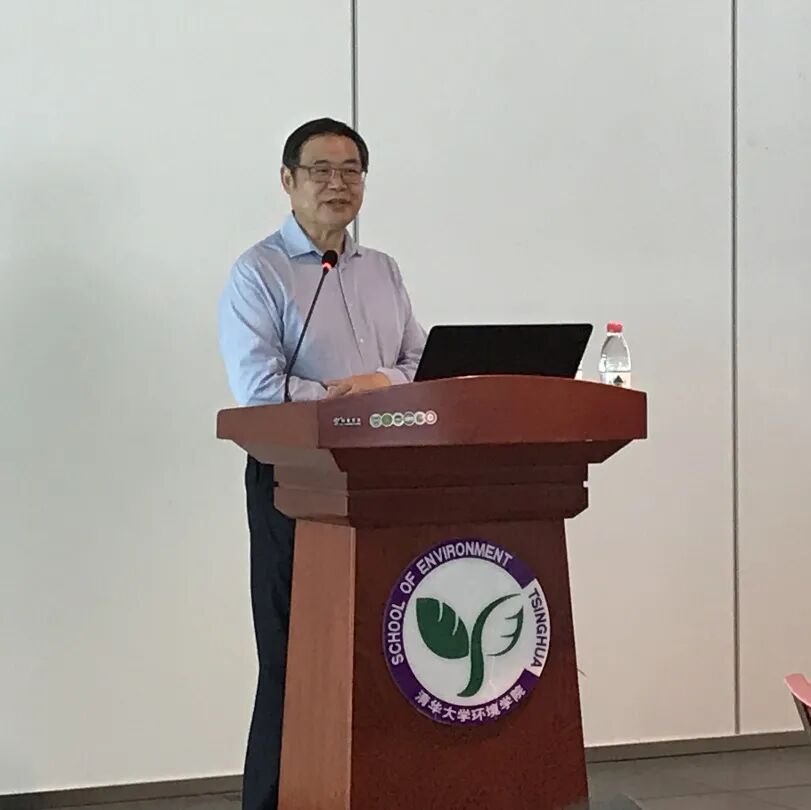
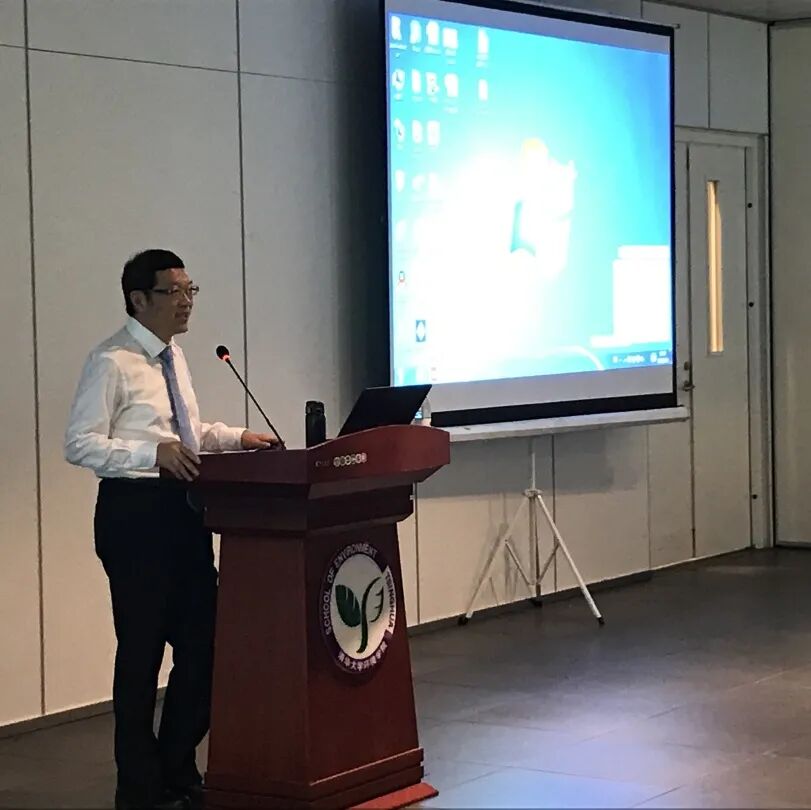
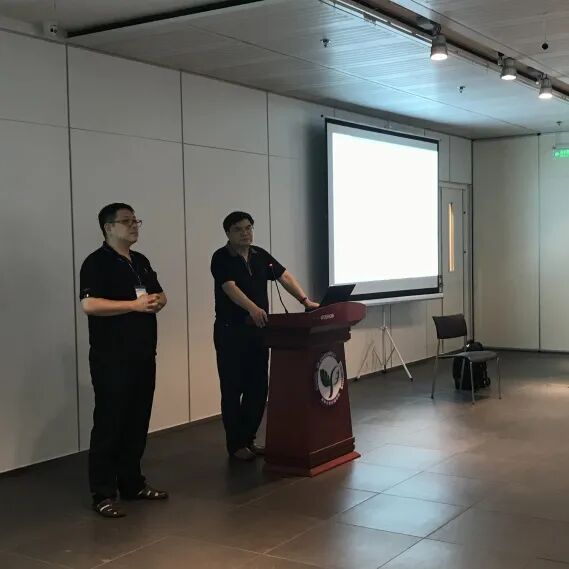
Swipe left or right to view the lecture gallery.
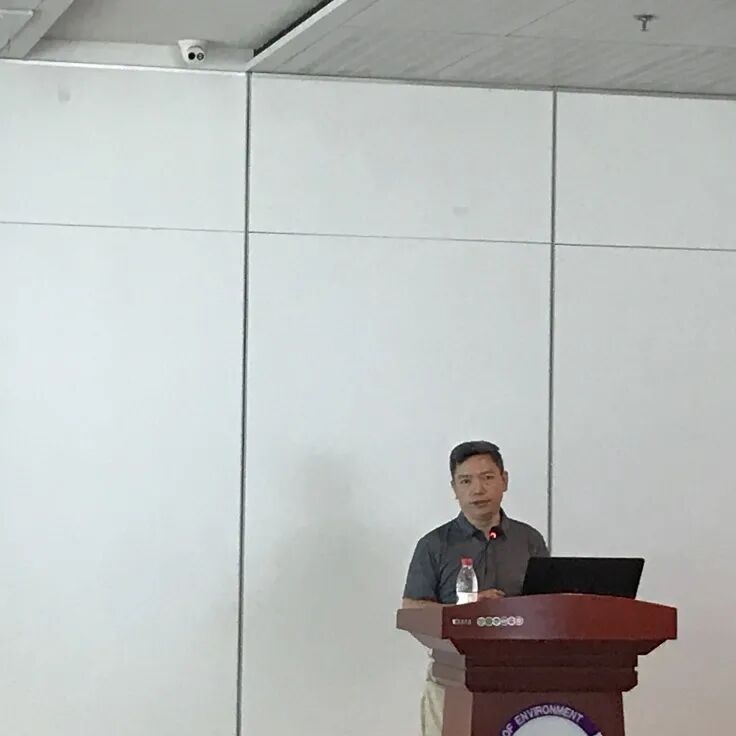
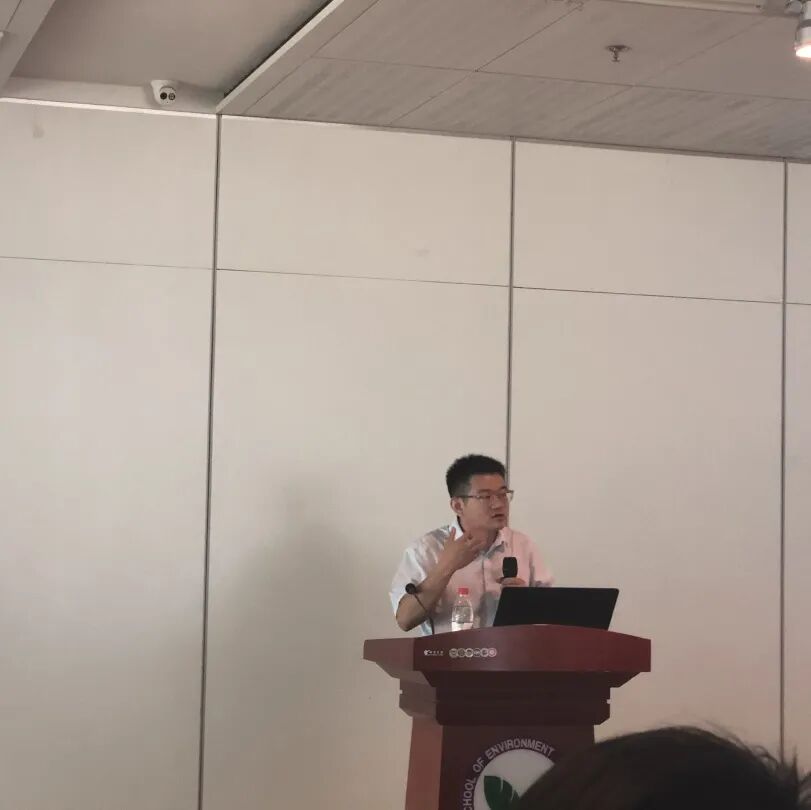
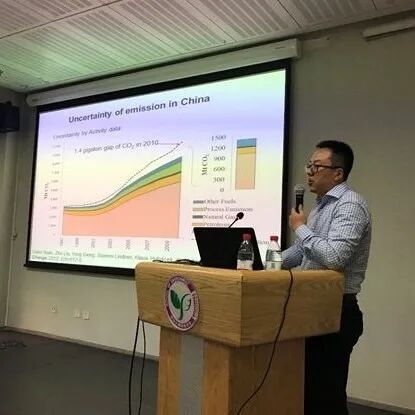
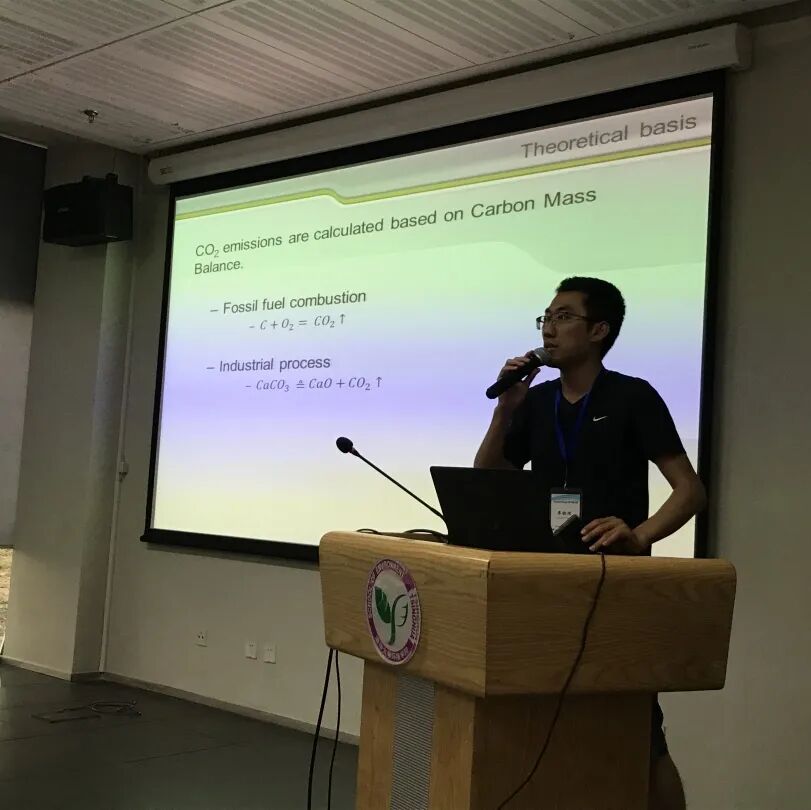
Swipe left or right to view the lecture gallery.
(Photos taken at the 2019 CEADs Summer Camp.)
A Strong Atmosphere for Research and Learning
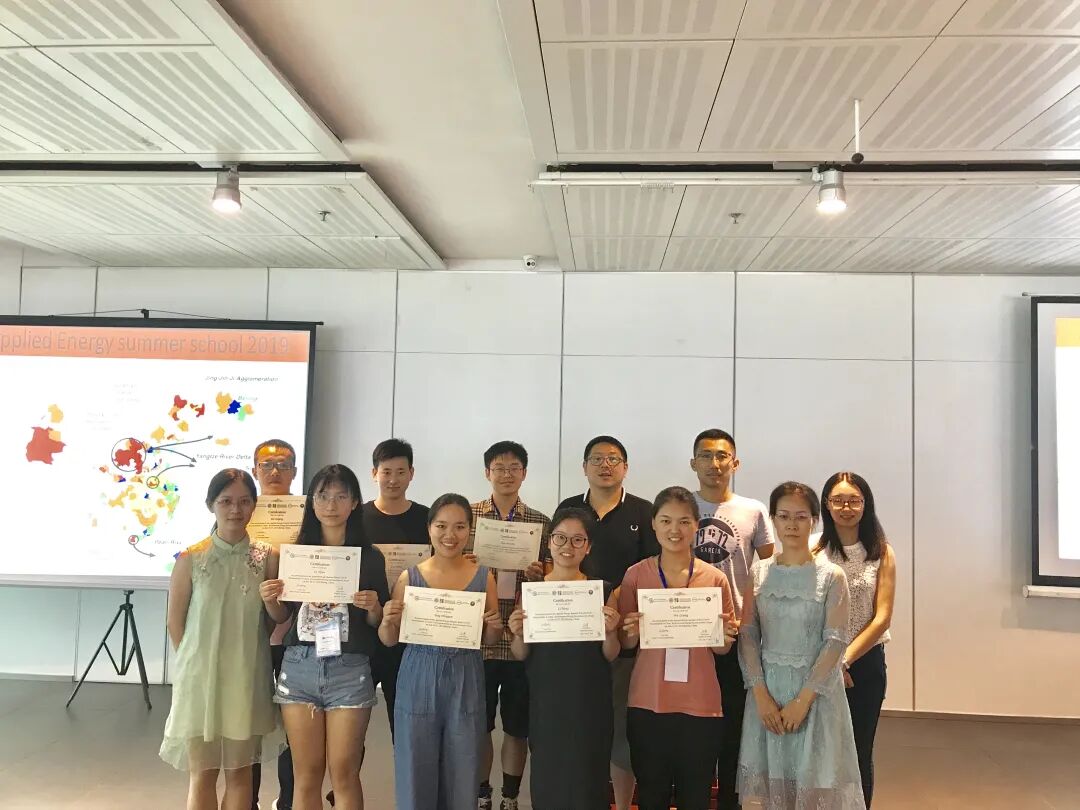
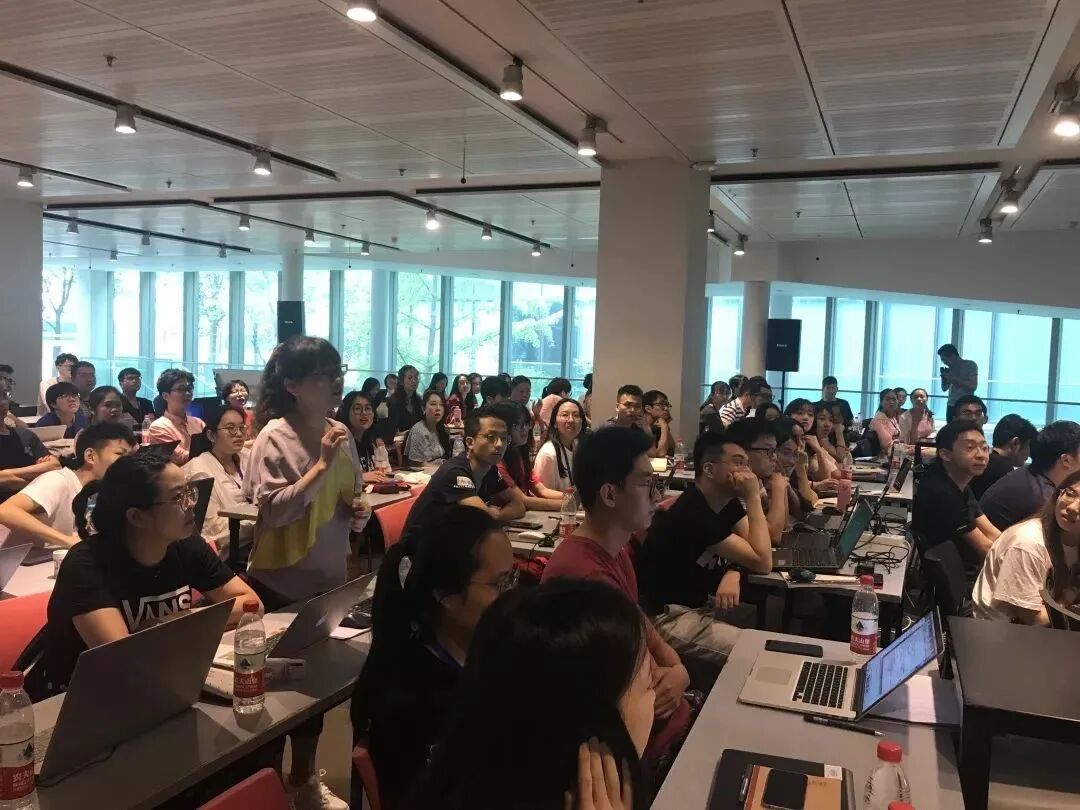
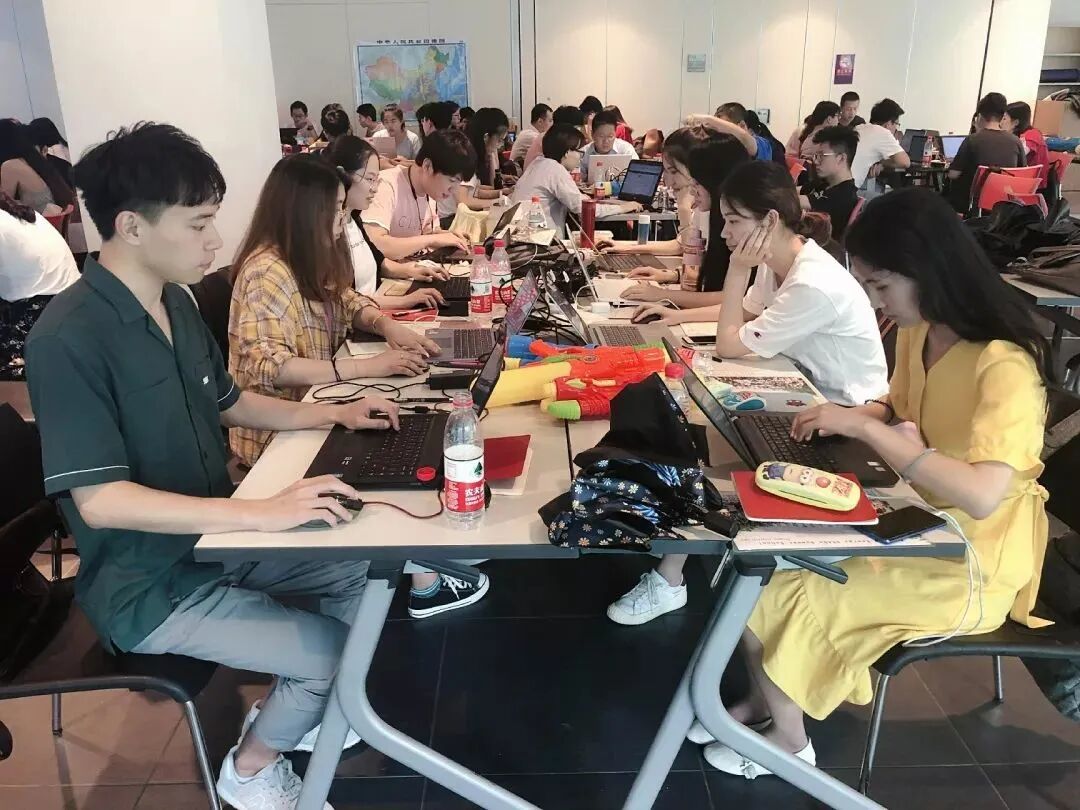
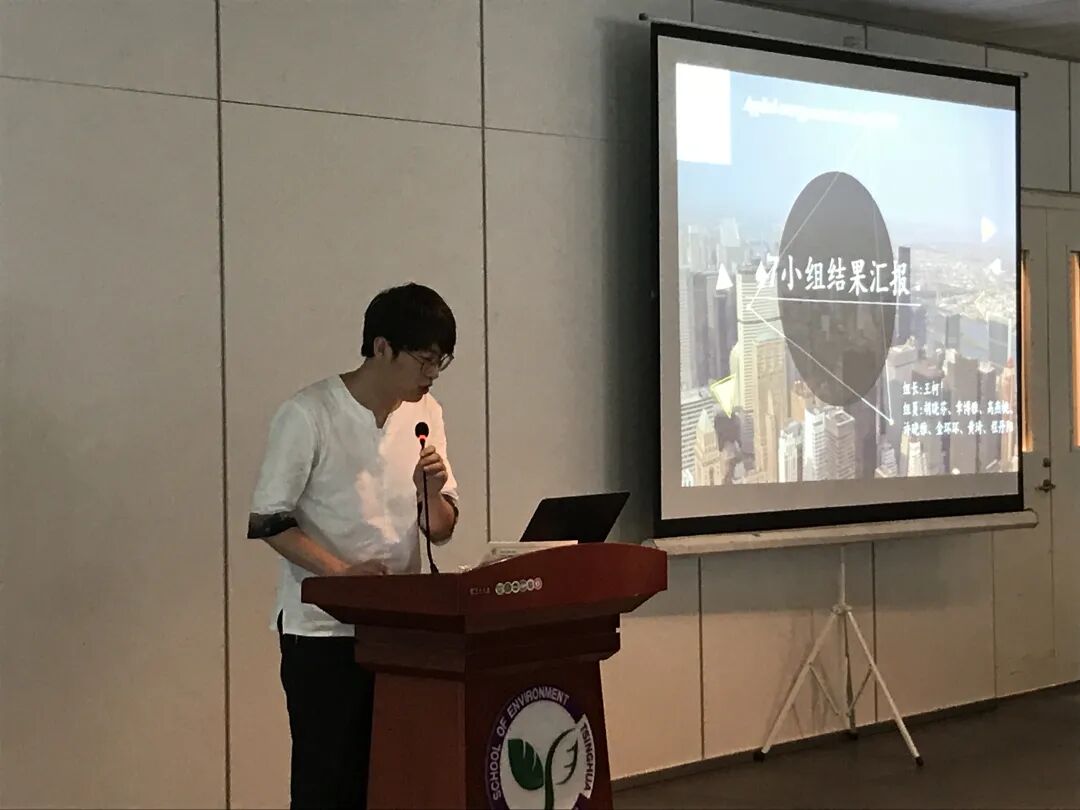
Swipe left or right to view the gallery.
A Water-Gun Game in the Summer Heat

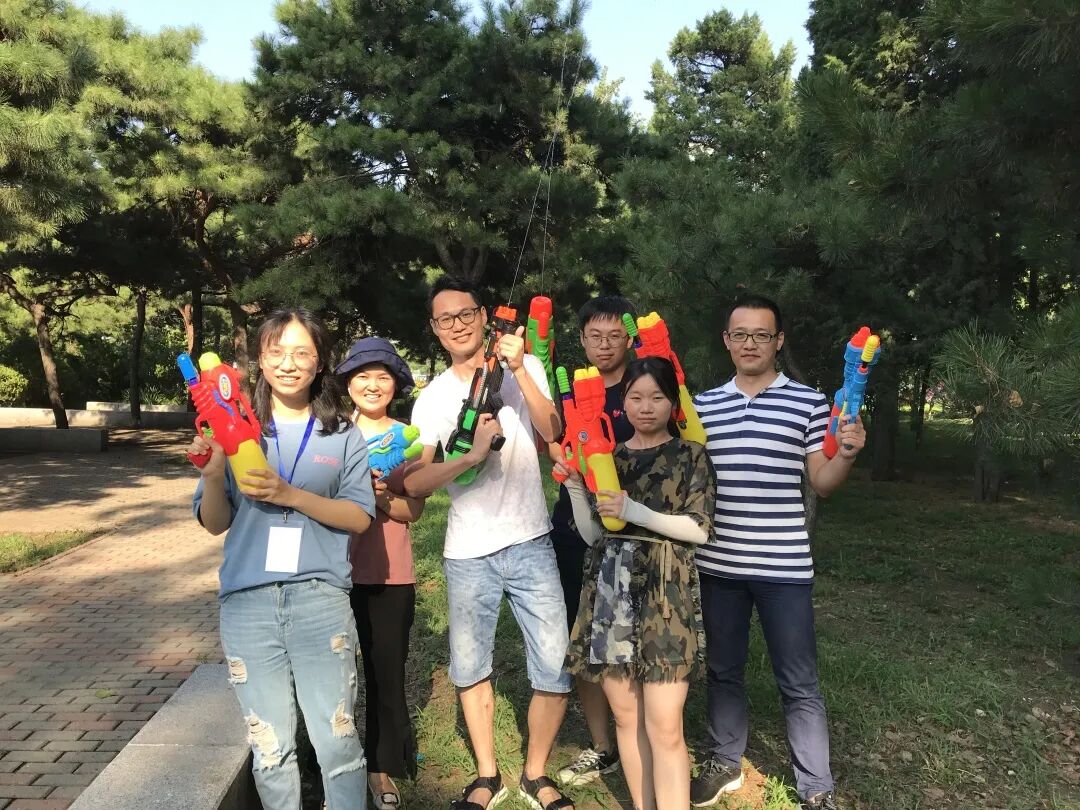
- Reflections from Previous Participants -
Du Yi, Hong Kong University of Science and Technology: The lectures were very rewarding. I will learn from all the outstanding senior scholars.
Wei Liyuan, Wuhan University: Thank you to the teachers for your hard work. Your comments have greatly inspired our next steps. Thank you!
Zhao Hailong, Tsinghua University: Thank you to the teachers for providing such a good platform, giving us the chance to get to know one another and work together on meaningful projects. The ten days also helped us build deep friendships. I hope everyone will stay in touch in the future.