The 5th CEADs Summer Camp Day 8&9: Striving for Excellence, Learning Without End
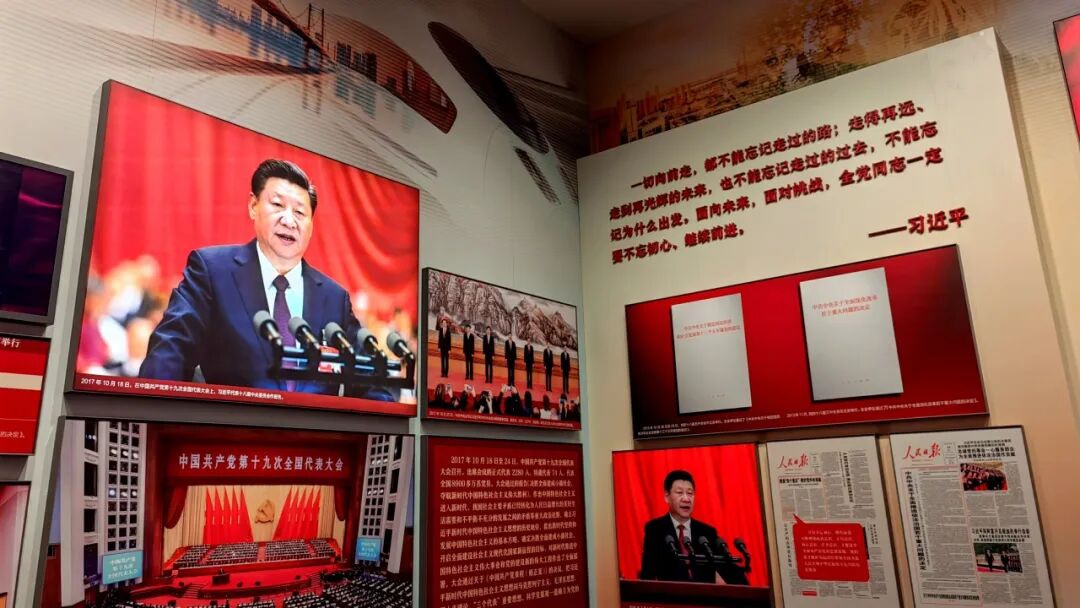
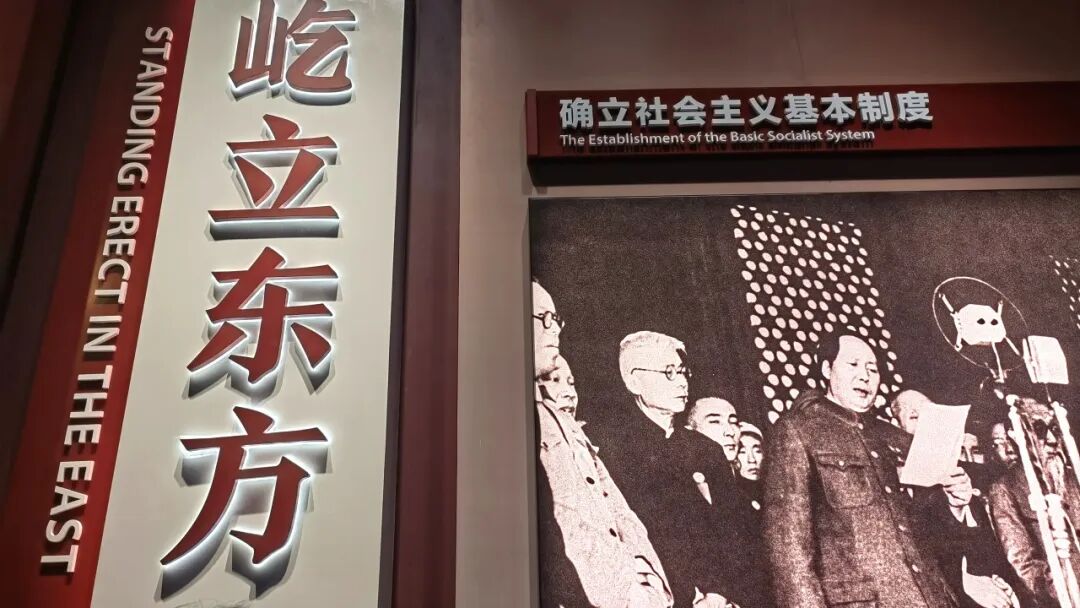

On Days 6 and 7, through outdoor red-themed educational activities, participants gained a deeper understanding of Chinese revolutionary history and the striving spirit of earlier generations, inspiring their enthusiasm to contribute youthful energy to the "dual carbon" goals. The visit to Alibaba Cloud opened a door to the technology sector and gave them a clearer view of the broad prospects for technological development. Time in a full and enjoyable program always passes quickly. On Days 8 and 9, what new progress did the 16 groups make? Let us take a look.
Striving for Excellence: Group Work
Whether it was the Red Boat spirit of Jiaxing South Lake or Alibaba Cloud and its persistent journey of hard work and progress, both experiences benefited everyone greatly and kindled the participants academic enthusiasm for supporting the "dual carbon" goals. Meanwhile, after a week together, members within each group had built much stronger rapport, and their understanding of their respective topics, including emerging economies, Chinese cities, corporate carbon emission accounting methods, input-output tables, and point-source emissions from power plants, had deepened.
Day 8 was a group work day. By then, all groups had entered the final stage of tackling difficult problems. Each member actively advanced the group tasks, discussed their topics in depth with mentors, inspired one another, and solved problems together. Everyone worked tirelessly toward presenting strong final results, constantly challenging themselves and refining their work, showing a resilient learning attitude and strong teamwork.
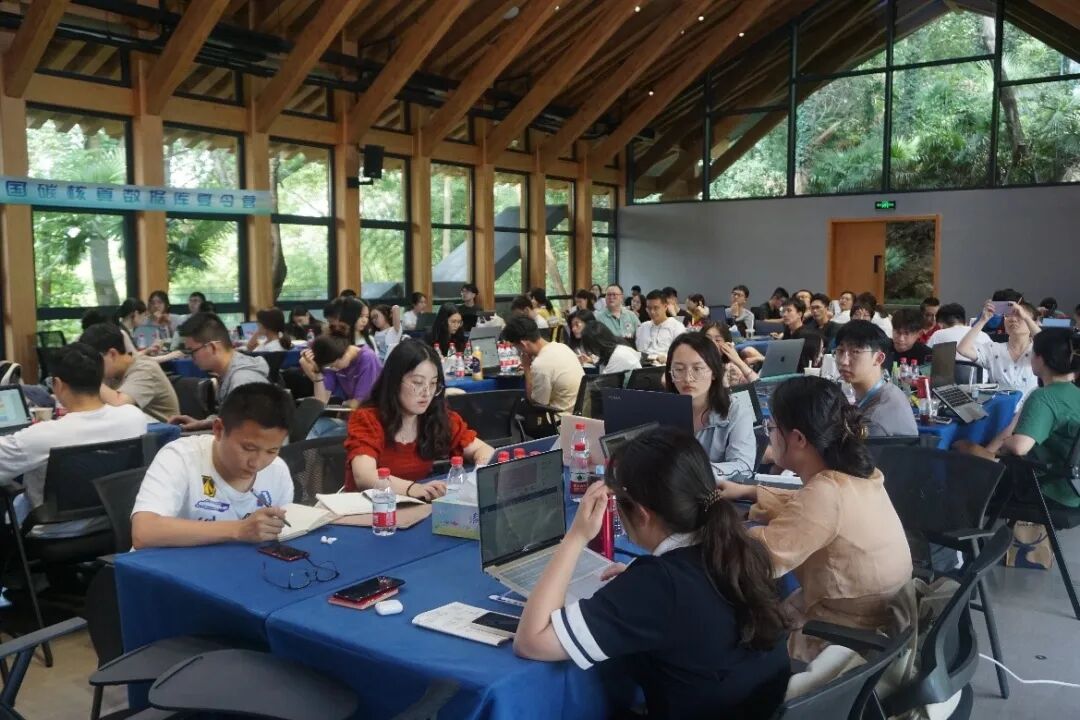
"Carbon Heads and Carbon Minds" Group
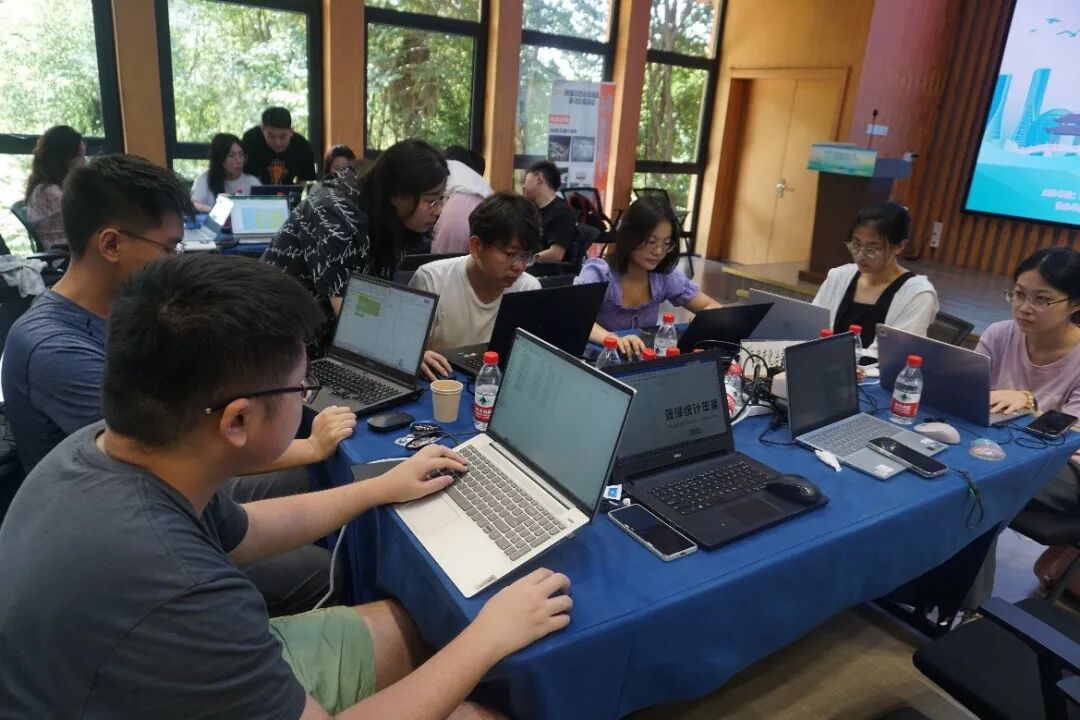
"Climate Change Public Security Brigade" Group
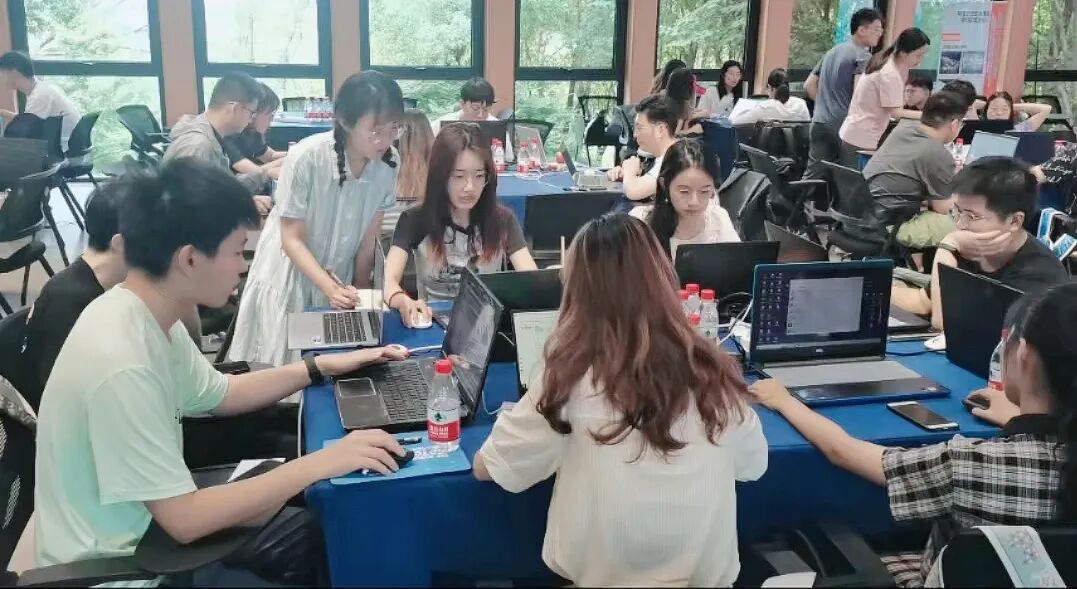
"Carbon Asset Restructuring" Group
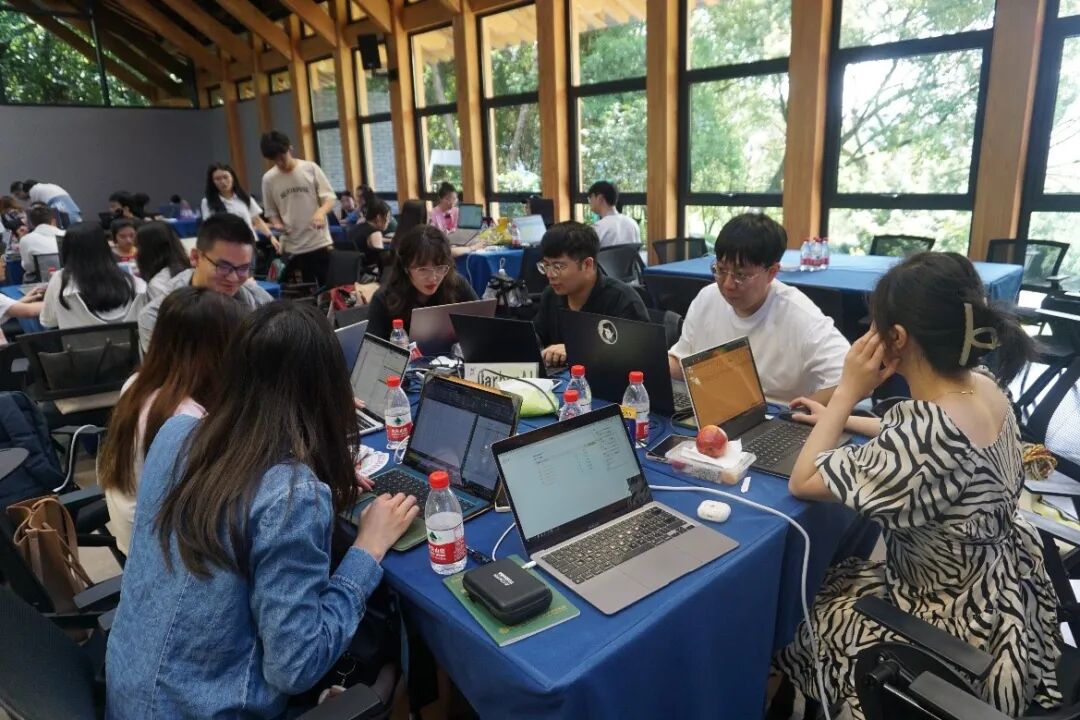
"Carbon AI" Group
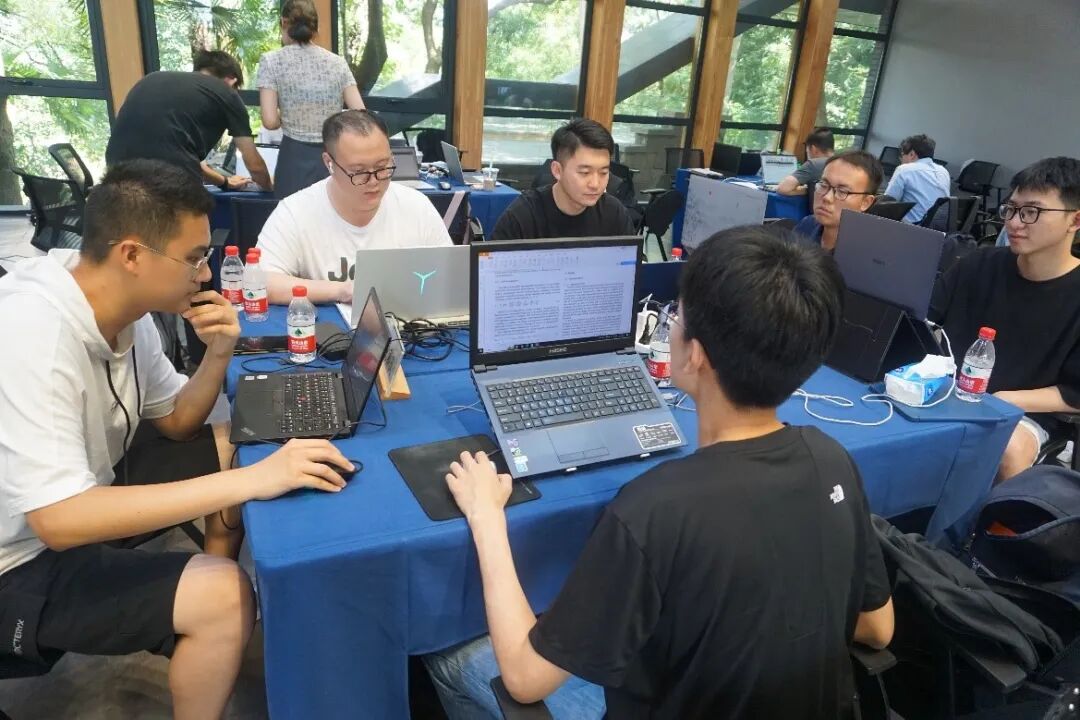
"Anything Goes Team" Group
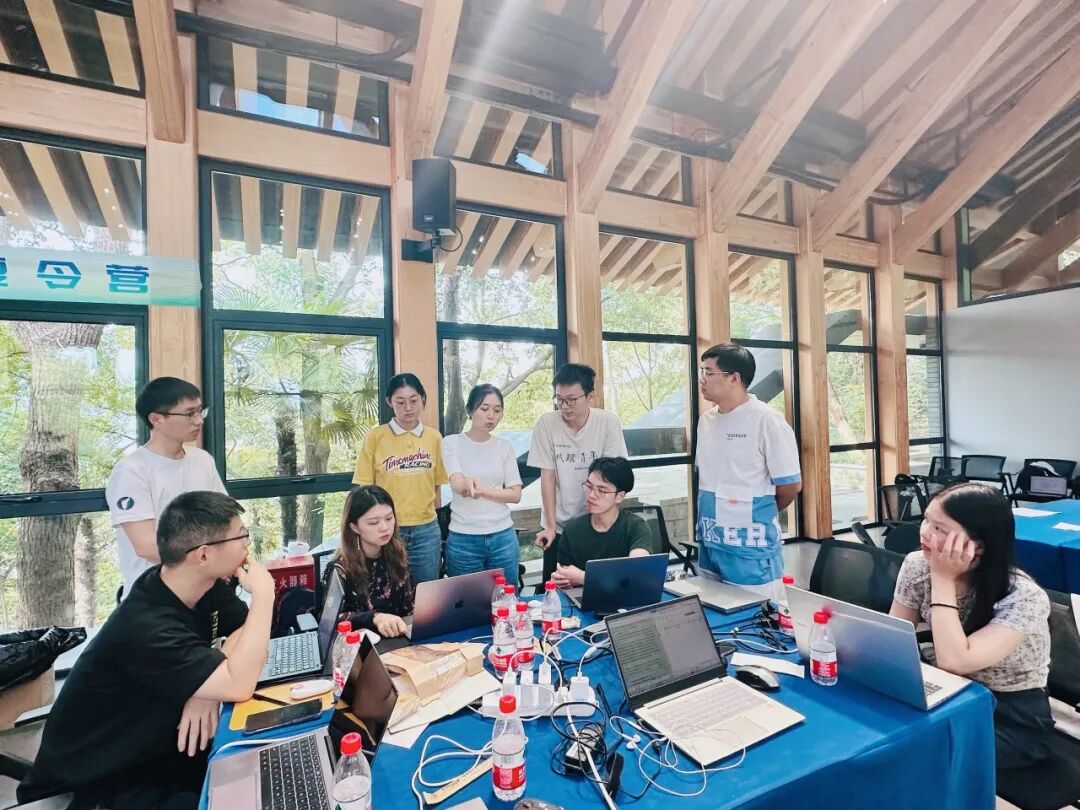
"Young Pioneers" Group
A small bonus: some handsome participants were also actively discussing back at the hotel.
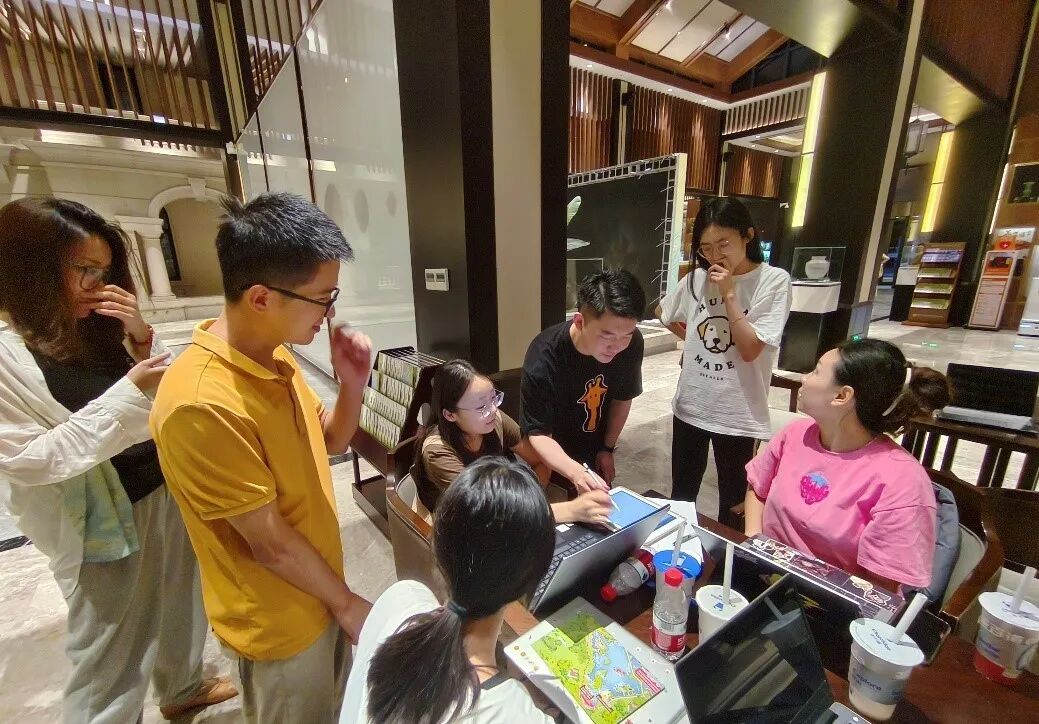
"The Handsome Copenhagen Guys" Group
Learning Without End: Fifth Master Forum
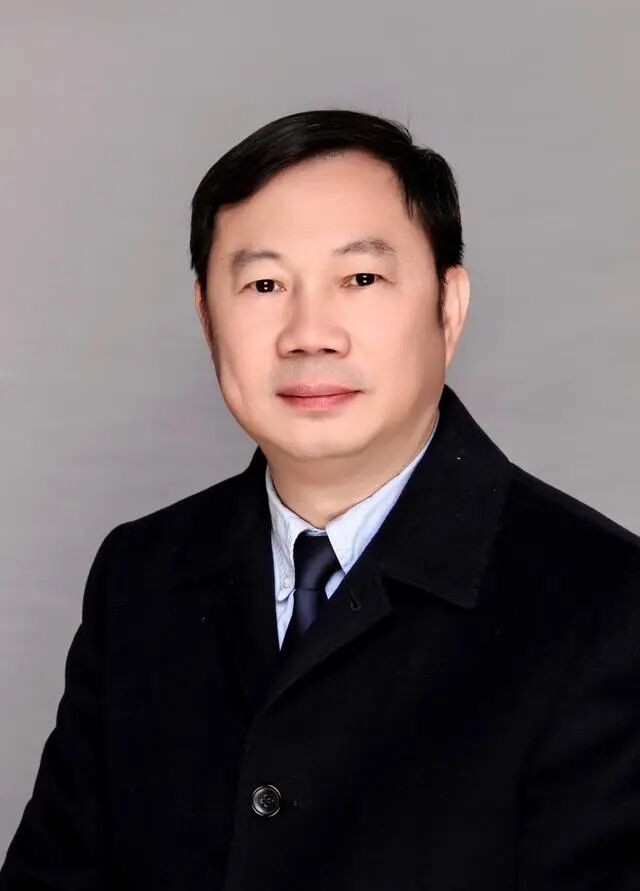
Speaker Profile
Professor Shi Minjun is Director of the Center for Urban Development and Low-Carbon Strategy at Zhejiang University, Chair of the Department of Urban Development and Management, and Director of the Xiongan Development Center at Zhejiang University. He was selected for the Chinese Academy of Sciences Hundred Talents Program for introducing outstanding overseas talent. He also serves as Chair of the Board of Supervisors of the Chinese Association of Regional Science, Director of the Resource Economics Research Committee of the China Society of Natural Resources, and President of the Chinese Association of Environmental and Resource Economists.
Professor Shi works on urban networks and urban systems, spatial economy and regional development, urban carbon-reduction and adaptation strategies for addressing climate change, and the value realization of ecological products. He has led multiple national-level projects, authored 11 monographs, and published more than 100 academic papers.
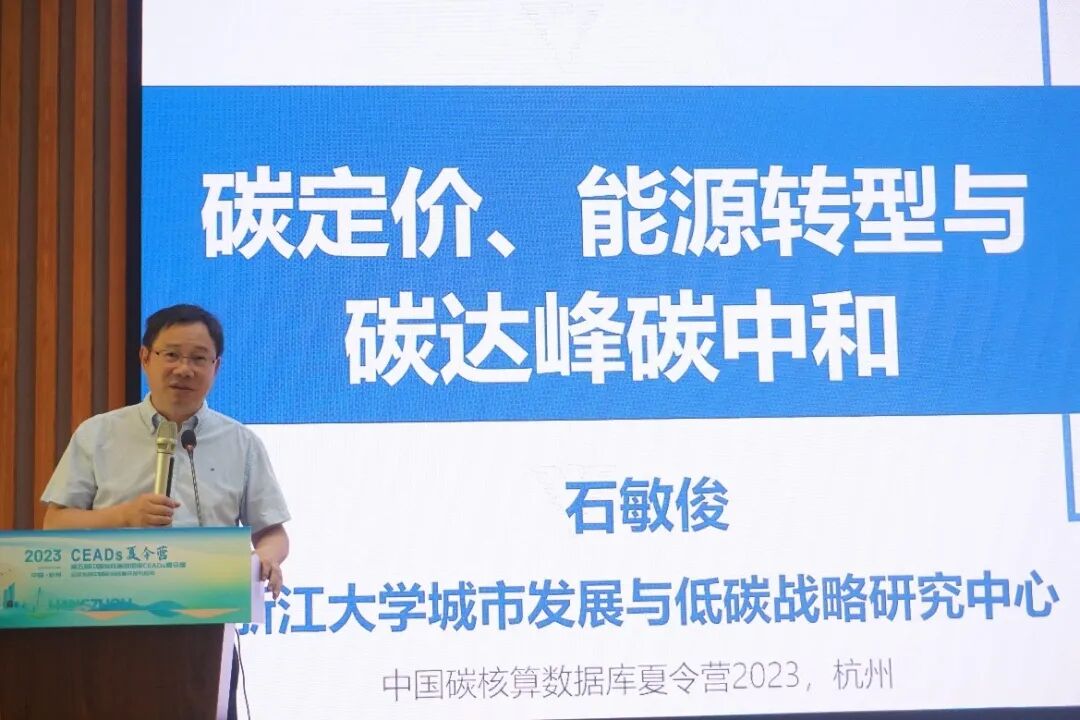
Carbon Pricing, Energy Transition, and Carbon Peaking and Carbon Neutrality
At 9:00 a.m. on the ninth day, the fifth Master Forum began. The CEADs Summer Camp invited Professor Shi Minjun from Zhejiang University to provide a comprehensive analysis and explanation of how China can achieve its dual carbon goals from perspectives including the implementation pathways for the goals, the future path of Chinas energy transition, and the implementation of carbon pricing.
Professor Shi argued that the main pathway for achieving carbon peaking and carbon neutrality is a low-carbon energy transition. During this transition, energy costs are a key constraint. In the future, attention should be paid to addressing rising energy costs and the chain reactions that come with the low-carbon transition, driving the development of renewable energy and its substitution for fossil energy. At the same time, carbon pricing should be combined with endogenous technological progress based on a learning-by-doing mechanism, thereby reducing the costs of wind and photovoltaic power generation and restraining increases in energy costs.
At the end of the report, Professor Shi pointed out that renewable energy in China faces the challenge of high energy storage costs. The development of wind and photovoltaic power is still constrained by these costs, and China should strengthen the development of low-cost energy storage technologies in the future to drive renewable energy development and the achievement of the dual carbon goals.
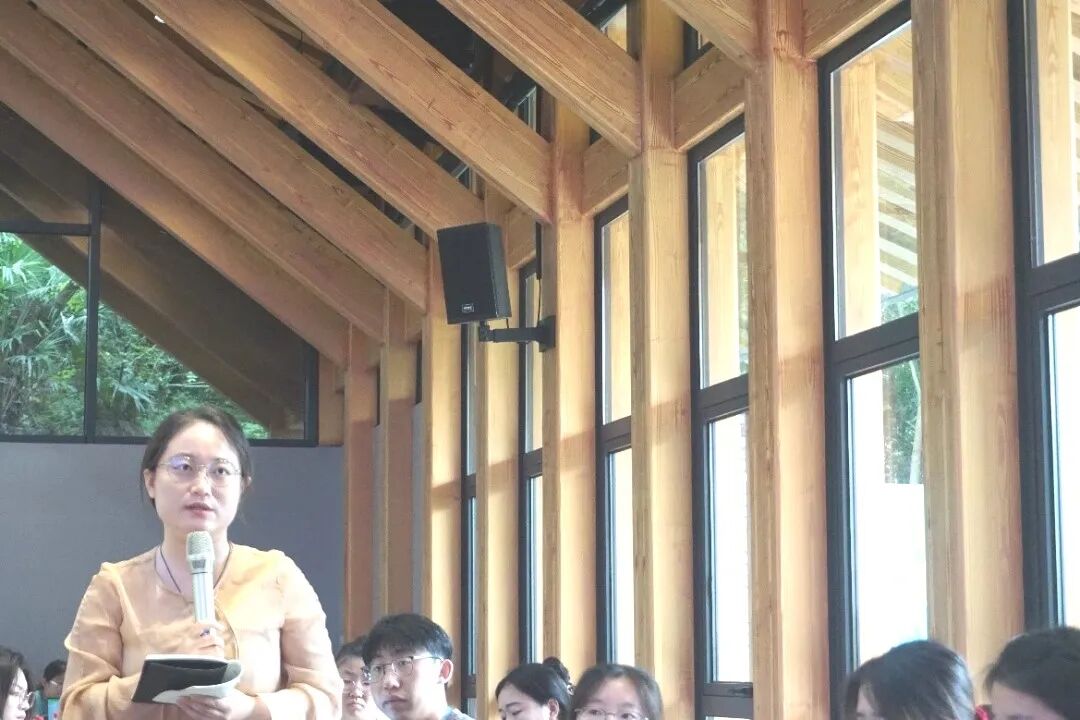
During the Q&A session, participants had in-depth exchanges with Professor Shi on topics including how the construction industry can participate in carbon market trading, how to make Chinas carbon market more active, and how to mitigate the impact of the energy transition on Chinas economic development. Drawing on his research experience, Professor Shi provided detailed answers from both theoretical and policy perspectives.
Learning Without End: Sixth Master Forum
Speaker Profile
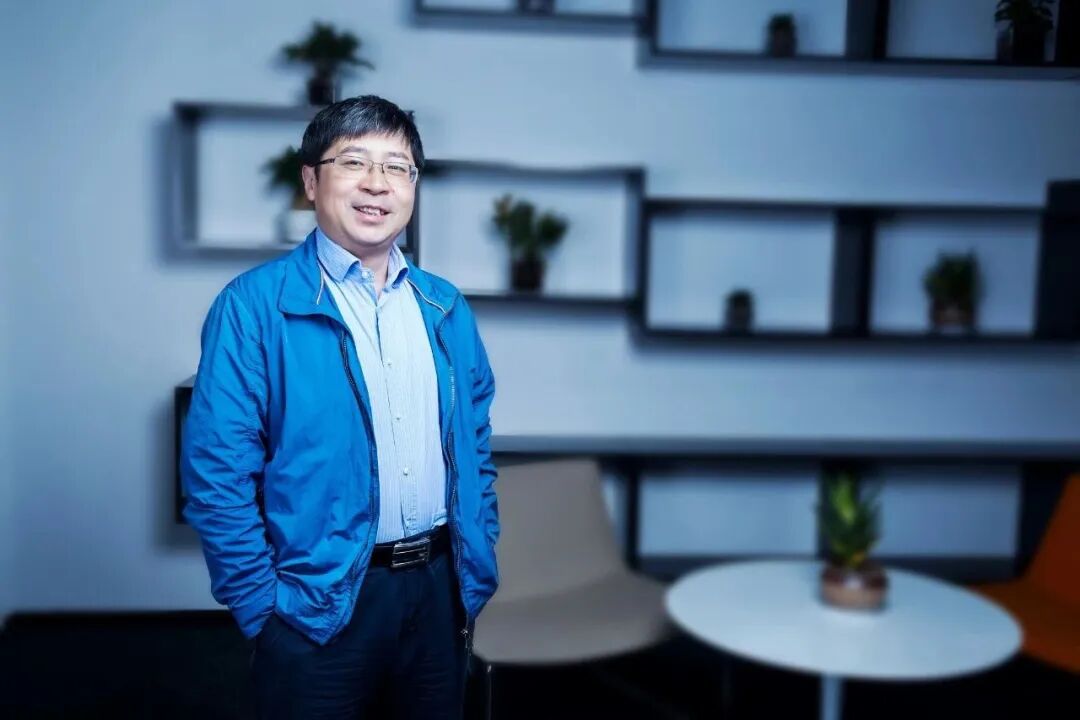
Bi Jun is a professor at the School of Environment, Nanjing University, and a Changjiang Distinguished Professor appointed by the Ministry of Education. He has served as a member of the Environmental, Civil Engineering and Water Conservancy Division of the Science and Technology Commission of the Ministry of Education, a member of the Environmental Science and Engineering Teaching Guidance Committee of the Ministry of Education, a member of the overall expert group for the environmental field in the National Medium- and Long-Term Science and Technology Development Plan from 2020 to 2035, a member of the Ministry of Science and Technology expert groups for environmental science and technology planning during the 12th, 13th, and 14th Five-Year Plan periods, and a member of the United Nations Office for Disaster Risk Reduction global risk assessment expert group.
Professor Bi mainly studies environmental risk control, environmental management, environmental big data, and artificial intelligence. He has published more than 400 papers and works in journals including Nature Communications, Nature Sustainability, and Nature Food.
Understanding and Adaptation of Systemic Risks of Climate Change
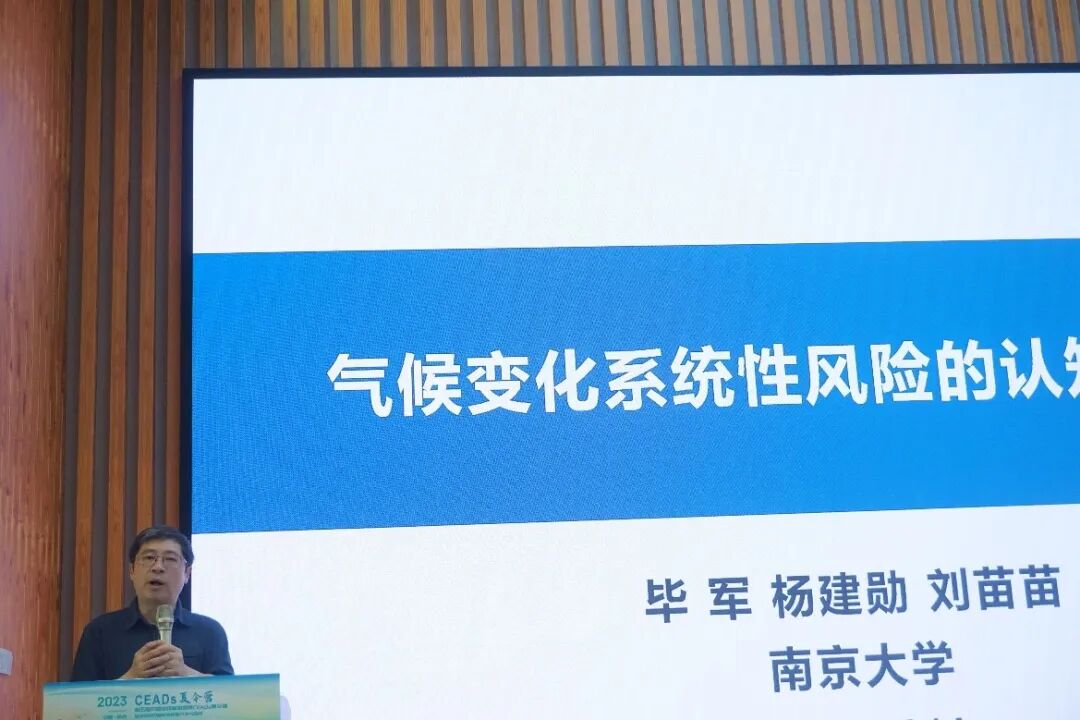
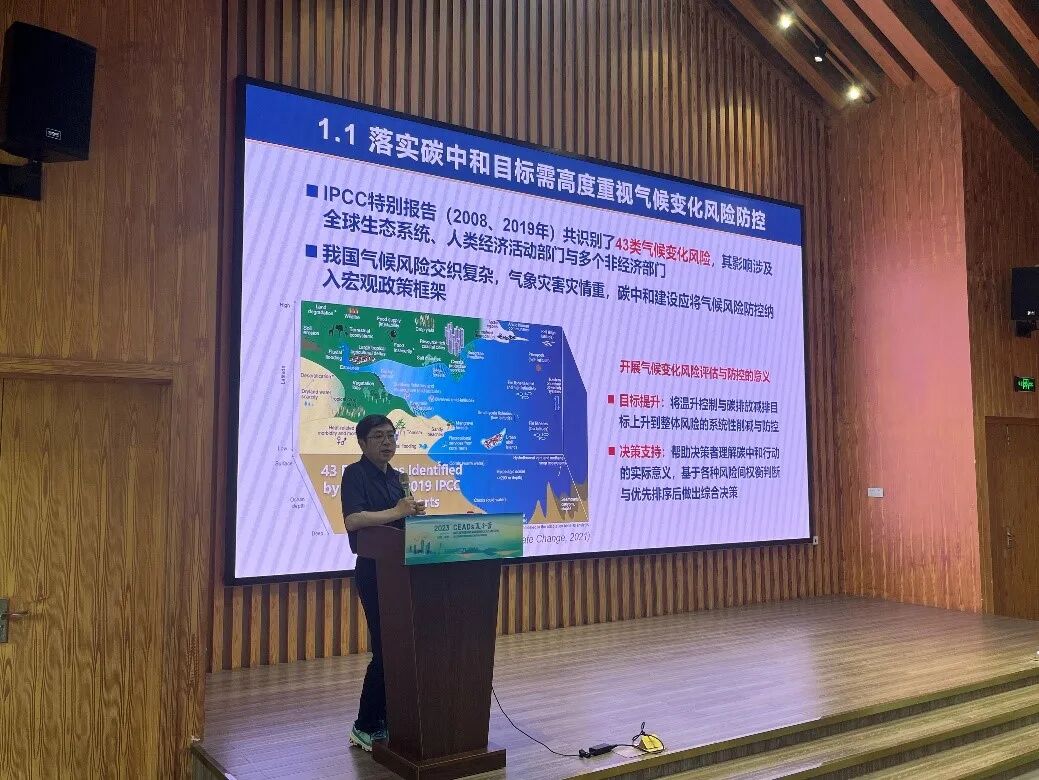
At 14:00 on the ninth day, the CEADs Summer Camp invited Professor Bi from Nanjing University to open the sixth Master Forum. With the theme "Understanding and Adaptation of Systemic Risks of Climate Change," Professor Bi gave a comprehensive introduction covering the meaning of systemic climate change risks, frameworks for assessing compound and cascading climate change risks, and ways to promote equitable, collaborative, and robust adaptation to climate change risks.
Professor Bi argued that climate change has complex risk interconnections with green transition, energy security, industrial and supply chain security, food security, and normal daily life, and therefore requires systemic risk analysis and management. At the watershed level, climate change risks show significant compound and cascading features, including compound risks involving water quantity and water quality, as well as compound risks involving extreme climate and water scarcity. Finally, regarding systemic climate change risks, Professor Bi proposed promoting equitable, collaborative, and robust climate change risk adaptation, with particular attention to optimizing coordinated pathways for pollution reduction and carbon reduction, modeling behavioral feedback among multiple actors, and robust decision-making under deep uncertainty.
During the Q&A session, participants had in-depth exchanges with Professor Bi on topics including how highly polluting industries can respond to climate risks, the relationship between soil evapotranspiration and productivity, and cascading and compound risks. Drawing on his own experience, Professor Bi provided detailed answers from perspectives including enterprises and government.
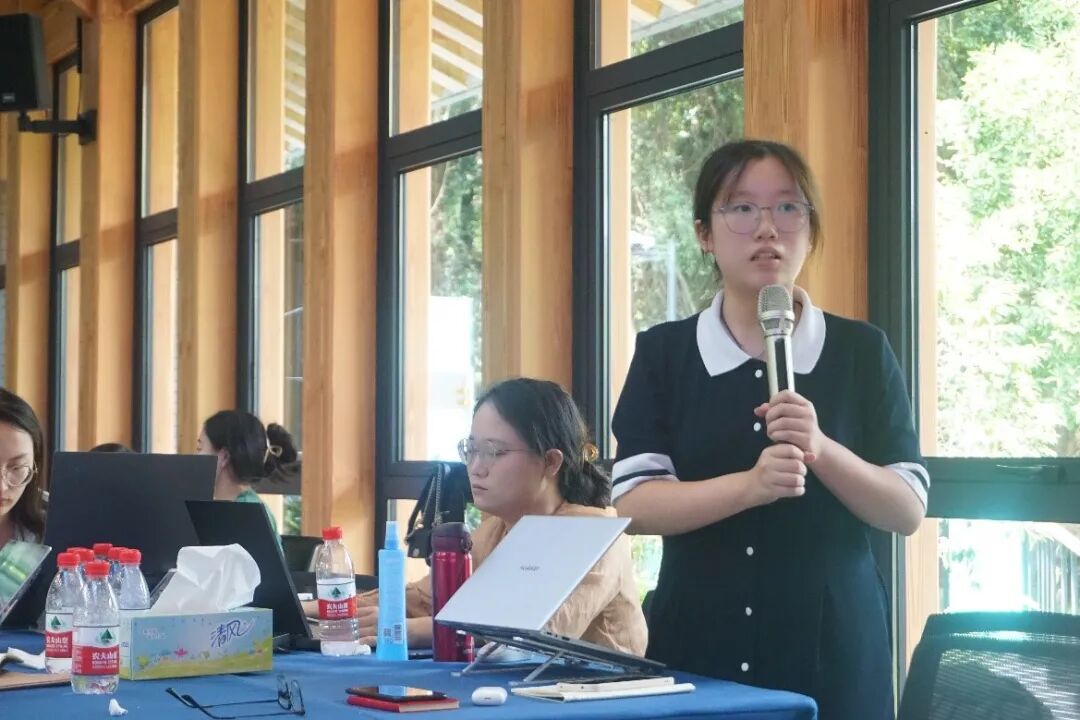
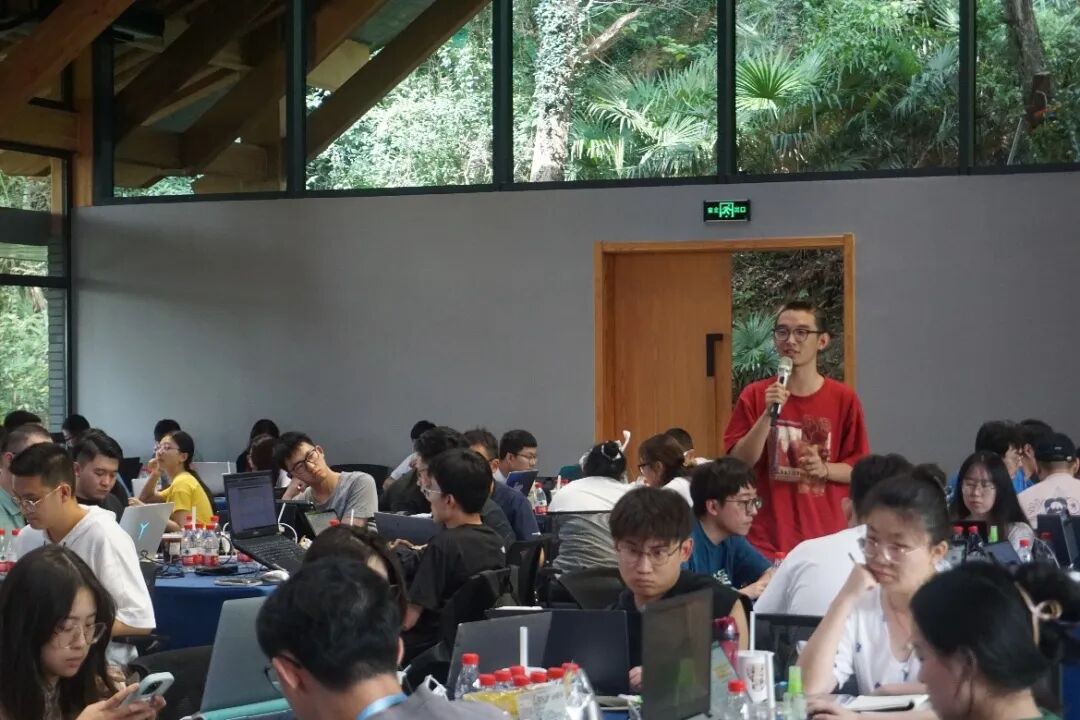
Participants actively asking questions
The beautiful Xianghu Academician Island became a wonderful place for participants to pursue academic aspirations and meet academic friends. As the summer camp approached its conclusion, everyone devoted themselves to their research projects, passionately exploring carbon topics and constantly breaking through their own limits.
Are you also looking forward even more to the final presentations from each group? These young students, full of academic aspirations and tireless curiosity, will present impressive research results on the Carbon Accounting Database WeChat official account. Let us explore with them the "dual carbon" future they envision.
Beautiful Hangzhou: A View of Xianghu Academician Island