The 5th CEADs Summer Camp Day 2&3: Setting Sail with Determination, Embarking on the Carbon Journey
Day 2
After the opening ceremony, ice-breaking games, and keynote lectures by distinguished speakers on the previous day, the participants formed their teams and enjoyed a welcome dinner. On the second day, everyone was energized and ready to begin another exciting day of the summer camp journey.
CEADs Distinguished Lecture
At 9:00 a.m. on July 28, amid great anticipation from the participants, Professor Dabo Guan introduced the special guest of the day: Dr. Yang Xia, Senior Editor at the internationally leading academic journal Nature.
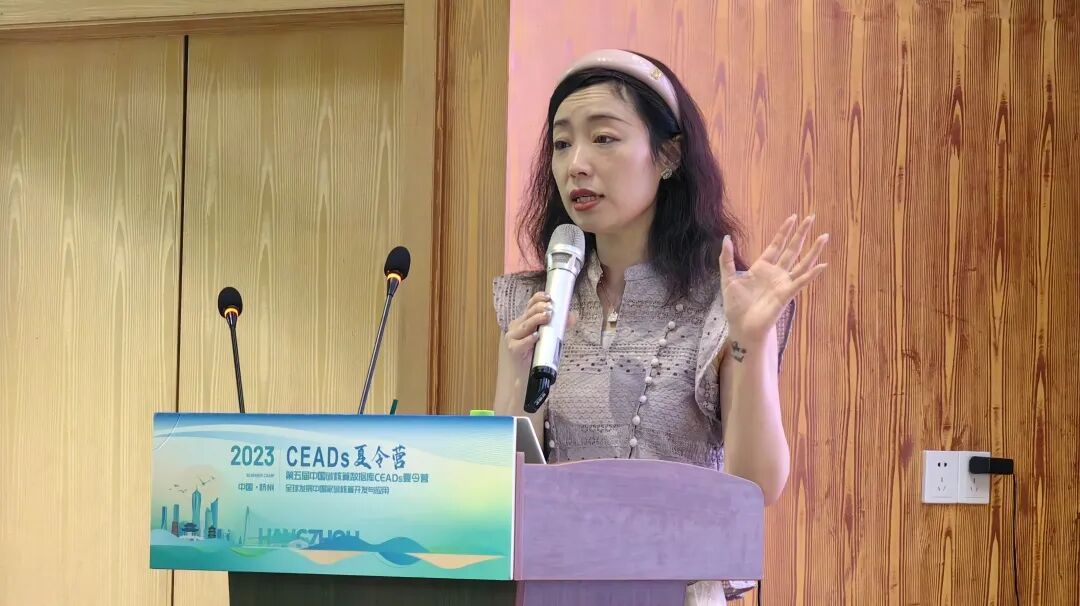
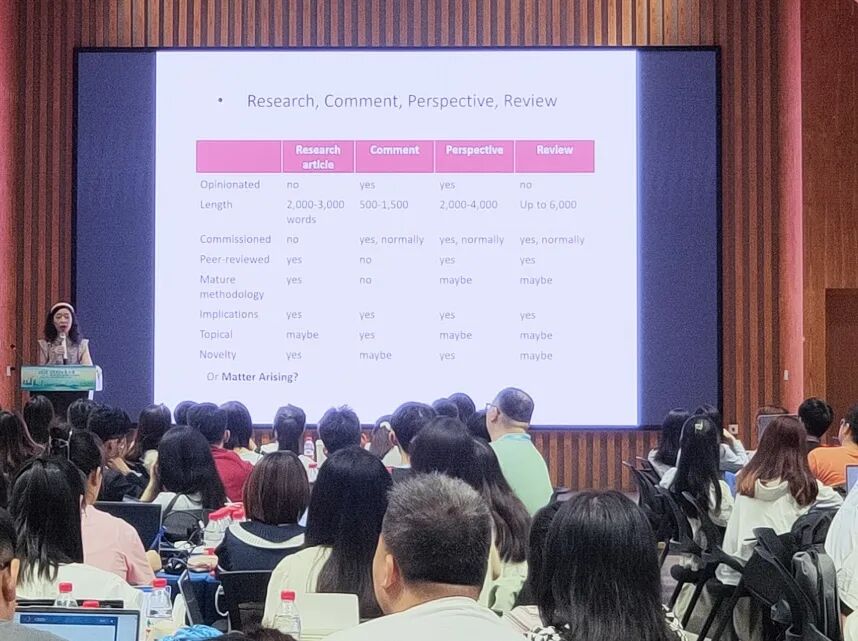
Dr. Yang Xia delivered a high-level academic lecture titled "Demystifying publishing in top-tier journals". In the lecture, Dr. Xia first introduced the vision and key research priorities of Nature and its family journals, and explained the submission requirements of different Nature portfolio journals in detail. She then discussed three major principles often followed in writing for top journals, including the storyline and topic selection, writing points for each section of a paper, and techniques for language expression. Through specific case studies, she also introduced common article structures in Nature, provided practical guidance on the paper-writing process, and explained the academic peer review workflow, including how to respond to editorial revision comments.
Toward the end of the lecture, Dr. Xia interacted with the participants and patiently answered their questions. She also presented prizes to the four teams that performed well in the ice-breaking activities on the previous day. Each team received water guns, water balloons, and other props as rewards, which offered extra encouragement for them to take part actively in the upcoming activities.
Group Work
After lunch, the participants returned to their studies with enthusiasm and high expectations.
Following the intensive explanations delivered the previous afternoon by Associate Professor Yuli Shan and Dr. Shuping Li, Dr. Tianyang Lei, Dr. Jinglei Wang, and Dr. Zhenyu Wang, the participants had gained a preliminary understanding of carbon accounting methods for Chinese cities, emerging economies, key industrial point sources, and enterprises.
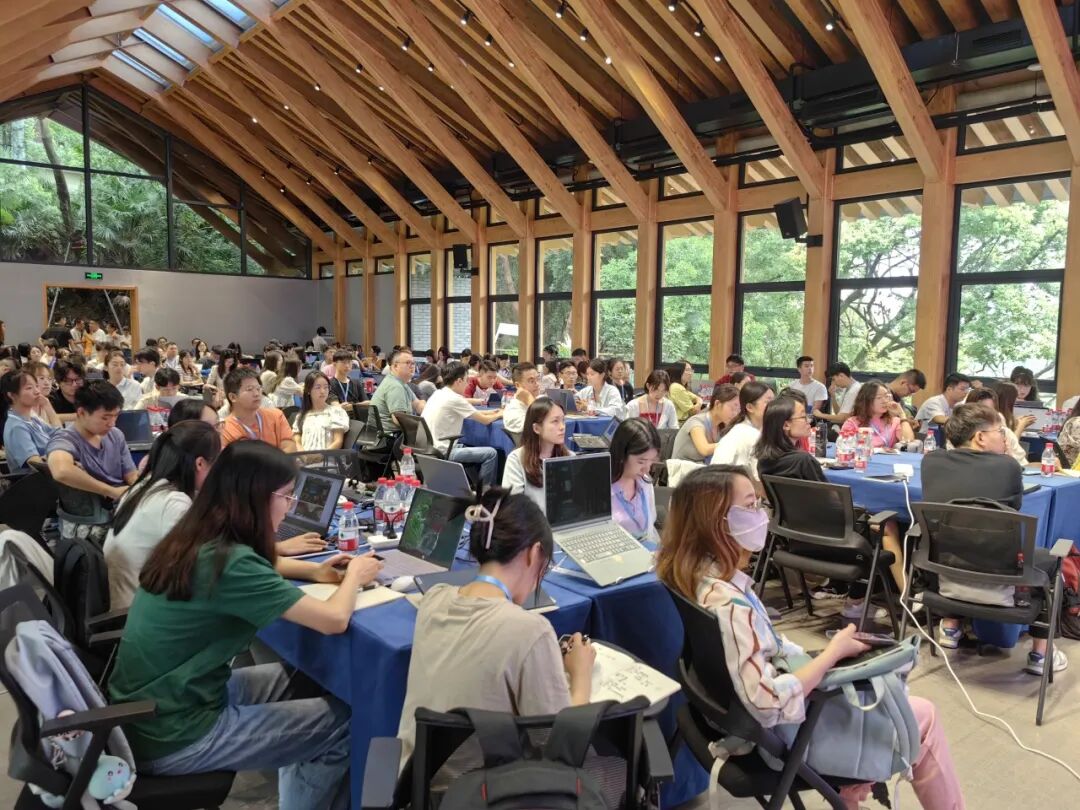
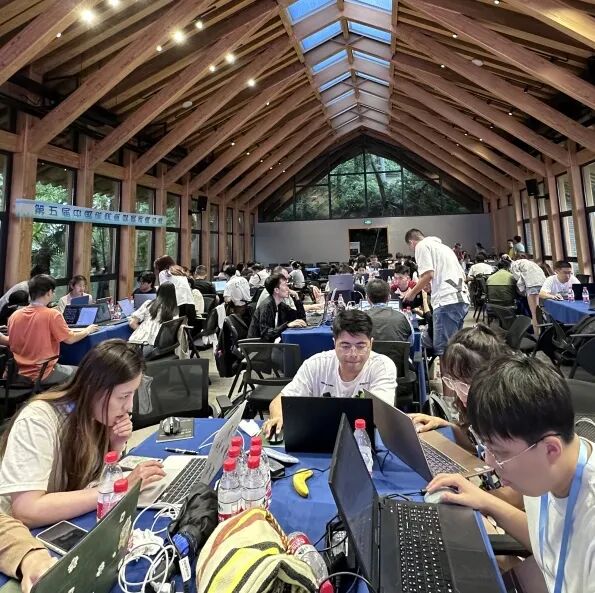
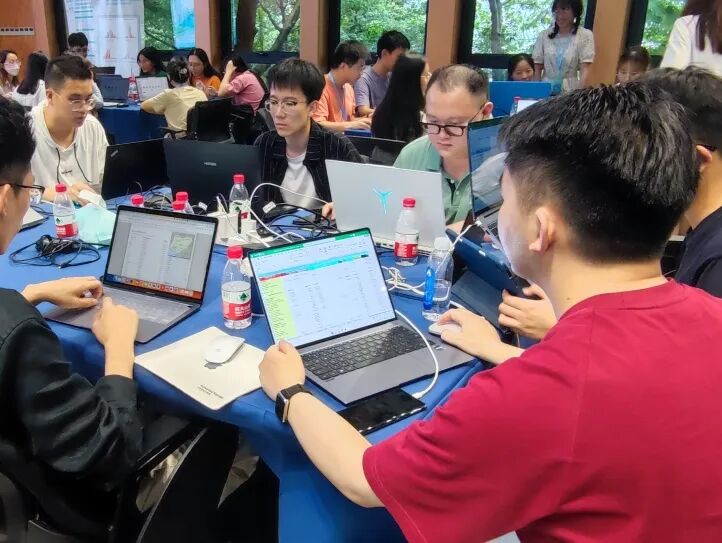
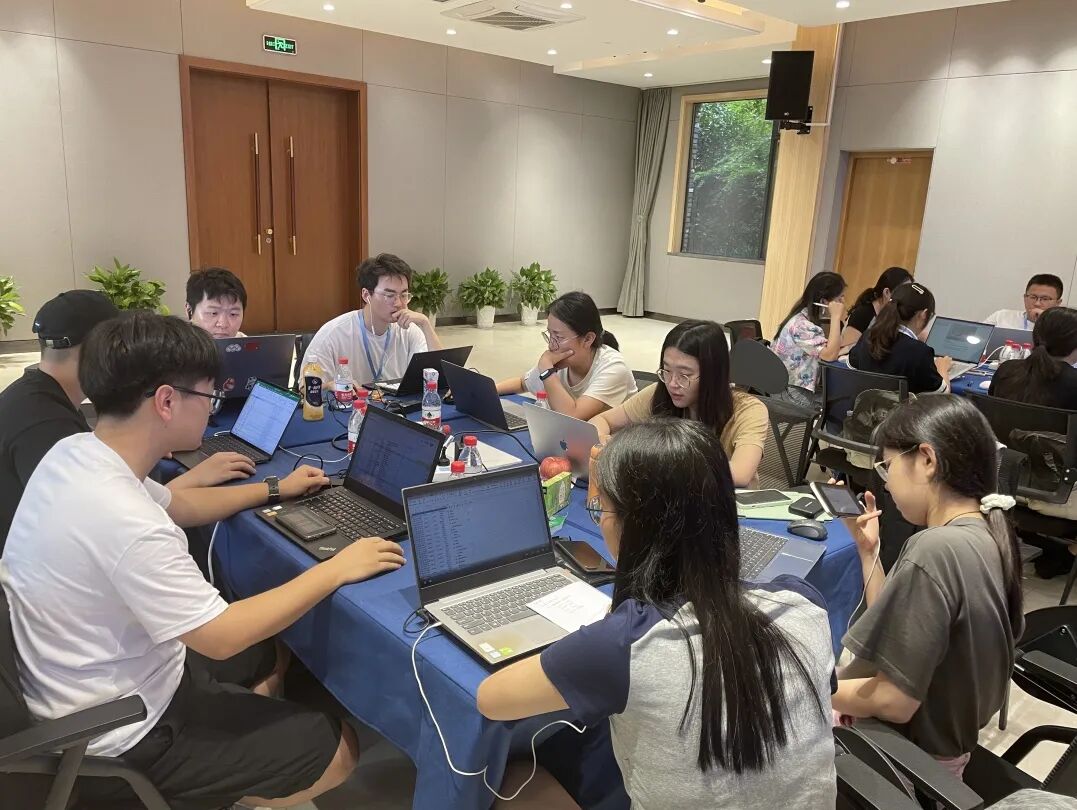
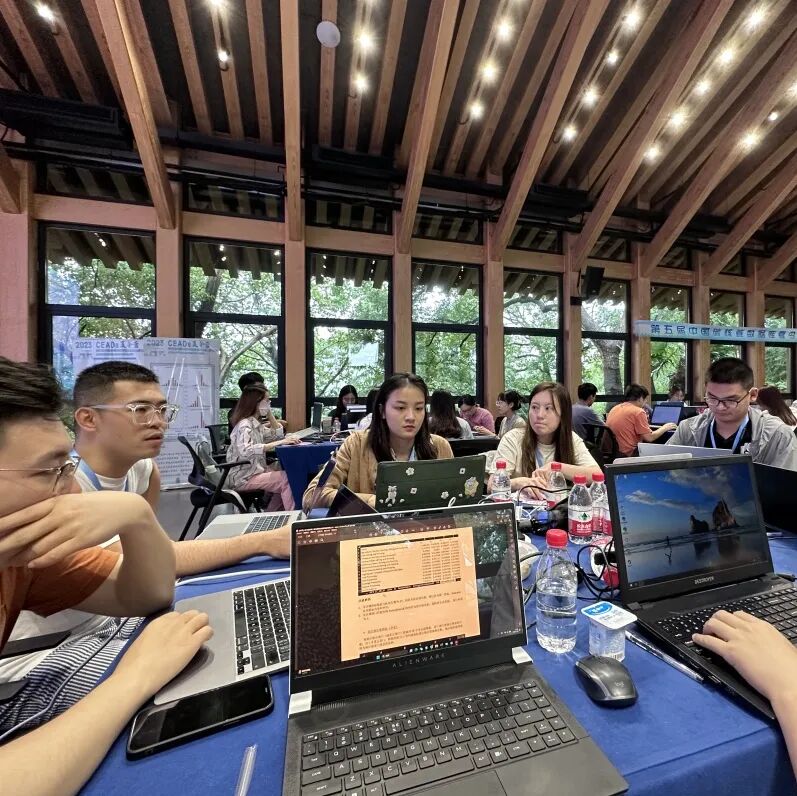
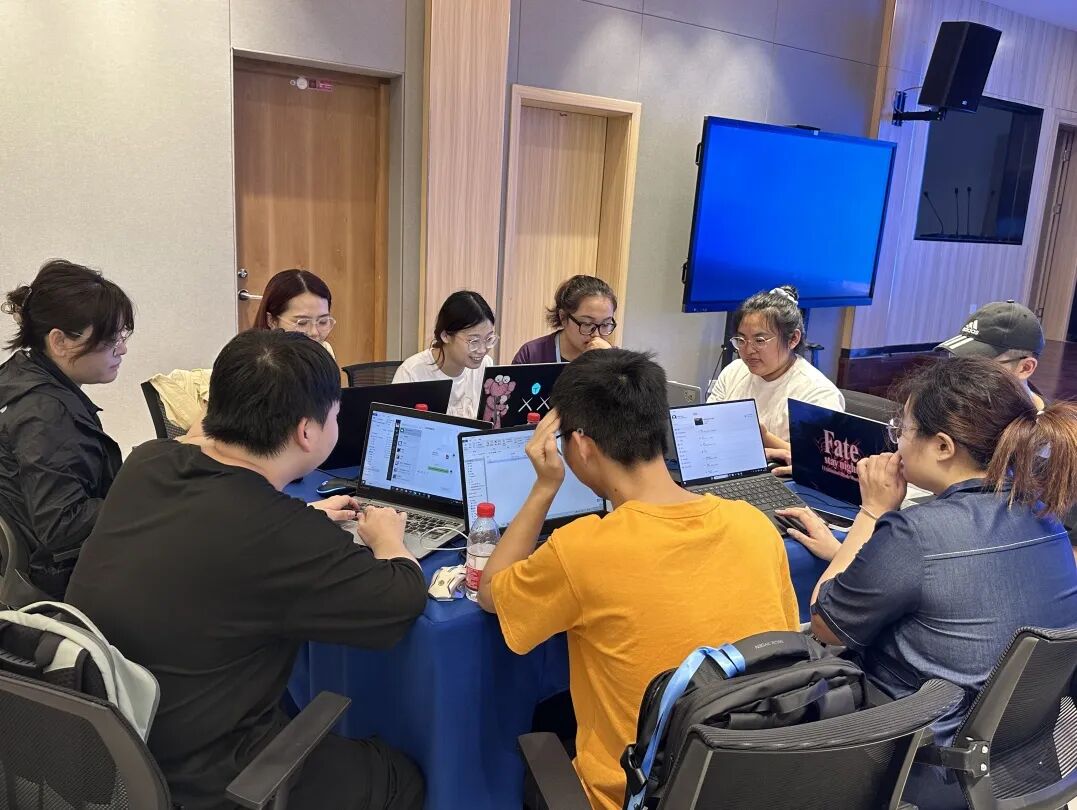
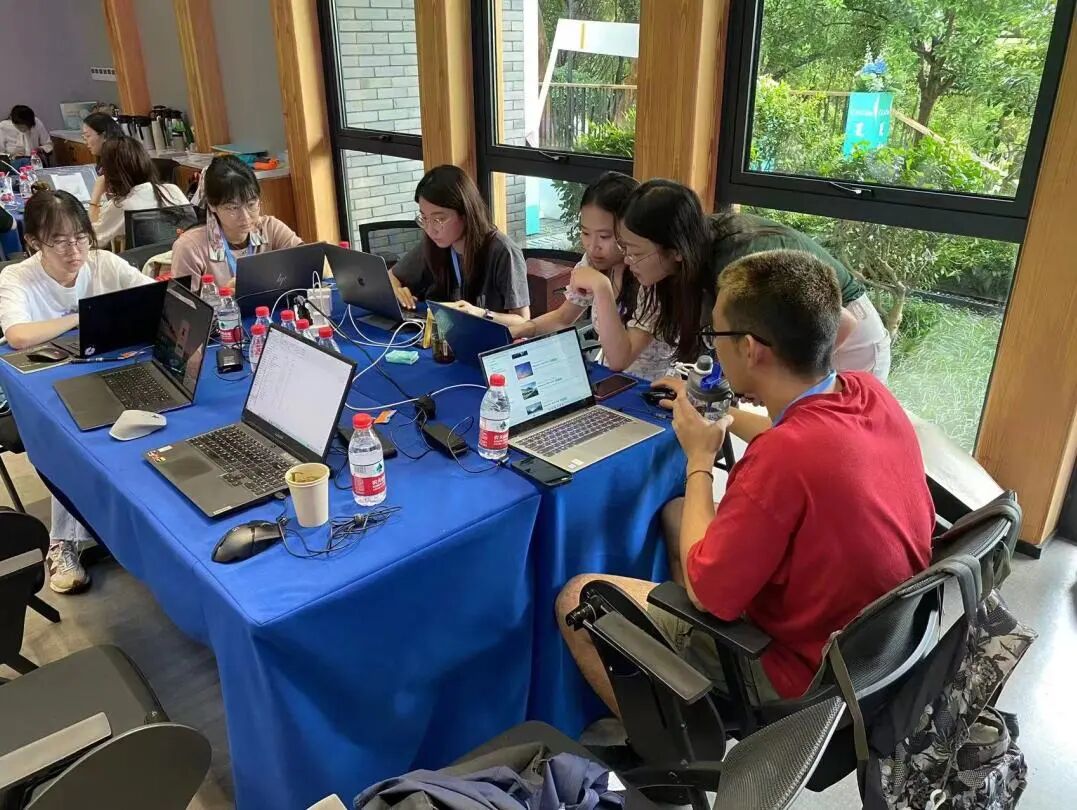
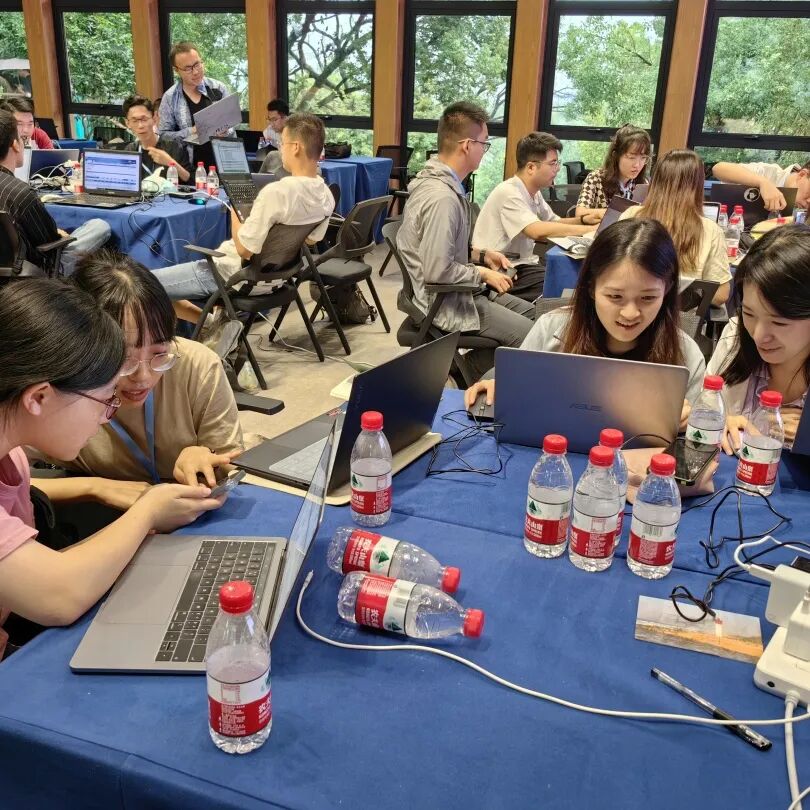
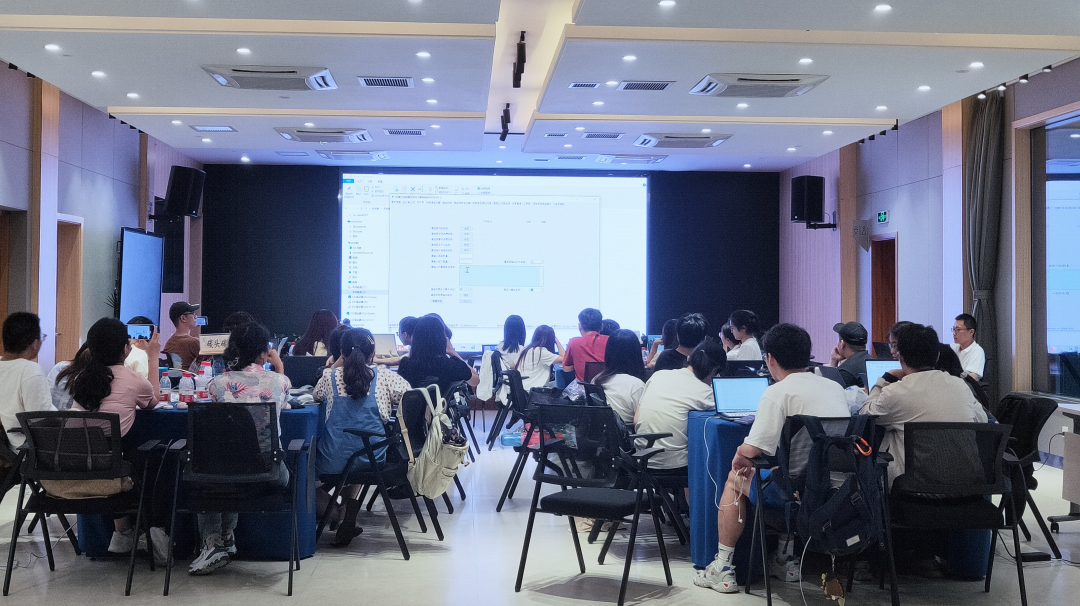
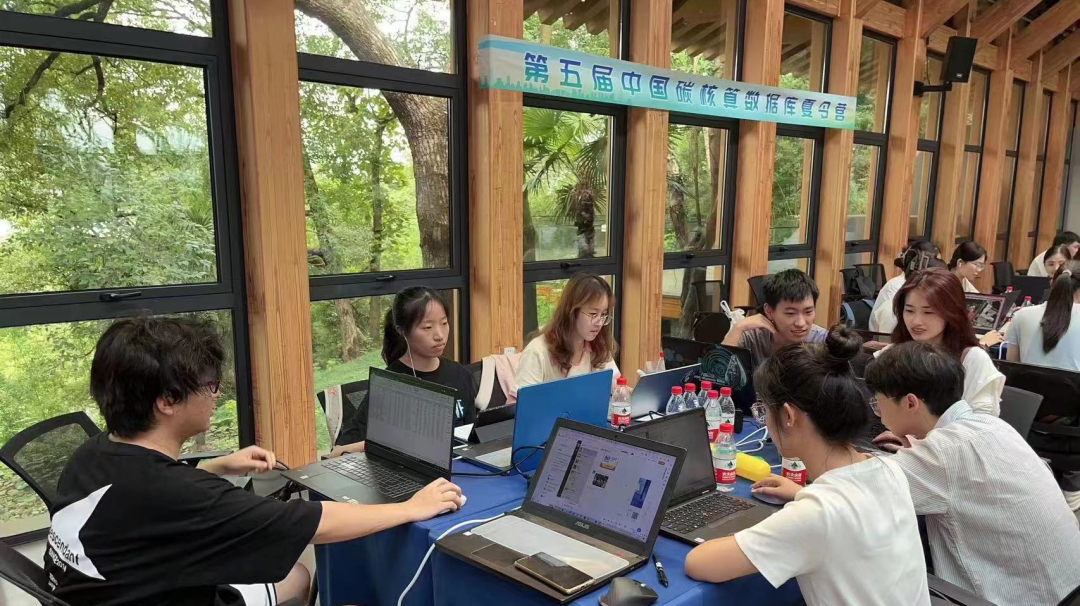
Under the guidance of instructors and team leaders, each group began carefully reading the study materials and breaking down the learning and accounting tasks for carbon emissions in an orderly manner. Every group had a clear work arrangement and proceeded step by step with internal study and task allocation.
Formation of a New Team
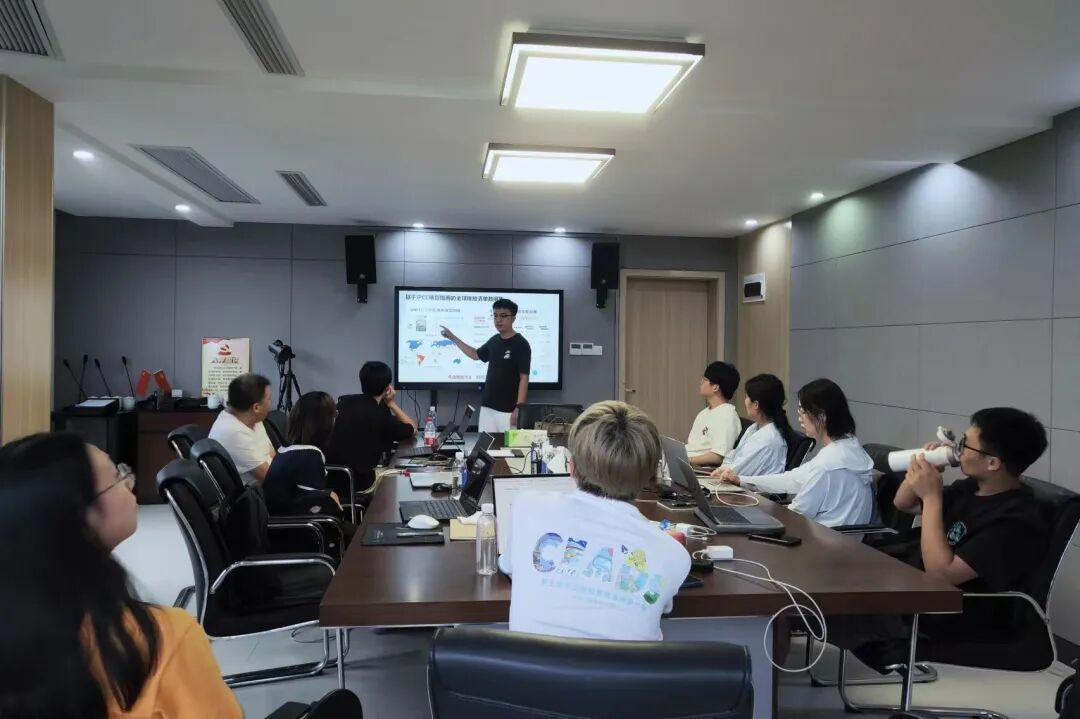
Meanwhile, the "Ali Mama Team", led by Alibaba Cloud Energy Consumption Cloud algorithm engineers Can Yuan, Zhu Deng, and Biao Luo, also launched its practical research project on product carbon footprint construction and analysis.
Instructor Biao Luo gave the participants a detailed introduction to Energy Expert, Alibaba Cloud artificial intelligence sustainability solution and a product carbon footprint modeling tool. He also introduced the practical project on product carbon footprint construction and analysis for key industries under the CBAM policy background.
Instructor Zhu Deng then delivered a lecture titled "UNFCCC National Greenhouse Gas Inventories: Academic Research and Productization Concepts". The lecture introduced the current status of academic research and productization concepts for national greenhouse gas inventory compilation from four perspectives: research background, research directions, existing foundations, and productization possibilities.
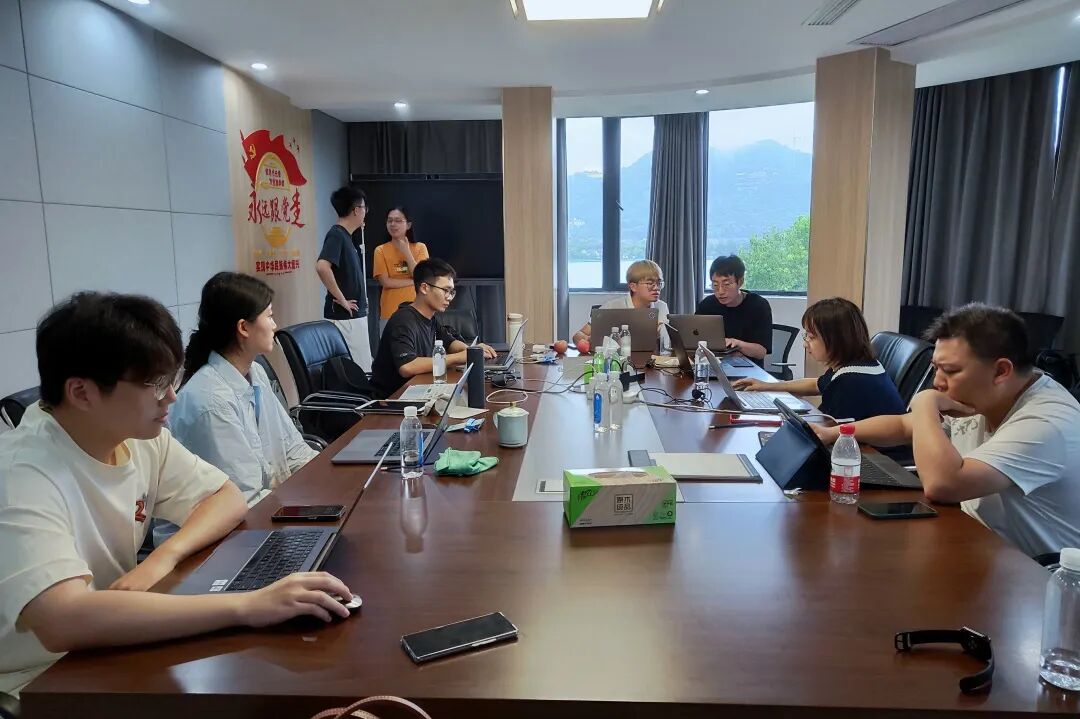
The participants were highly engaged, actively asking questions and sharing ideas. Instructors Deng and Luo answered their questions with patience and enthusiasm. With guidance from the two instructors, the team members successfully arranged their upcoming research tasks and moved forward according to the implementation plan in an orderly way.
With close collaboration and careful guidance, every group began moving toward the stage of practical research, striving to explore deeper content and achieve better outcomes.
Day 3
CEADs Distinguished Lecture
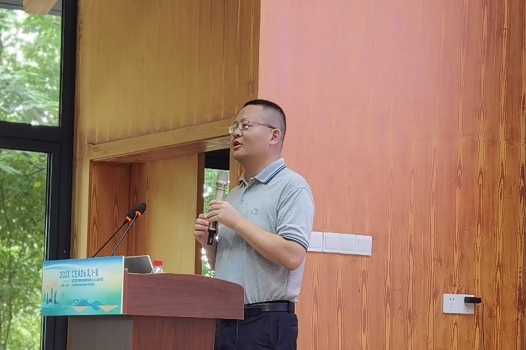
At 9:00 a.m. on July 29, Professor Long Cao, Vice Dean of the School of Earth Sciences at Zhejiang University, delivered an excellent report titled "Climate and carbon cycle response to solar radiation modification: insights from earth system modeling".
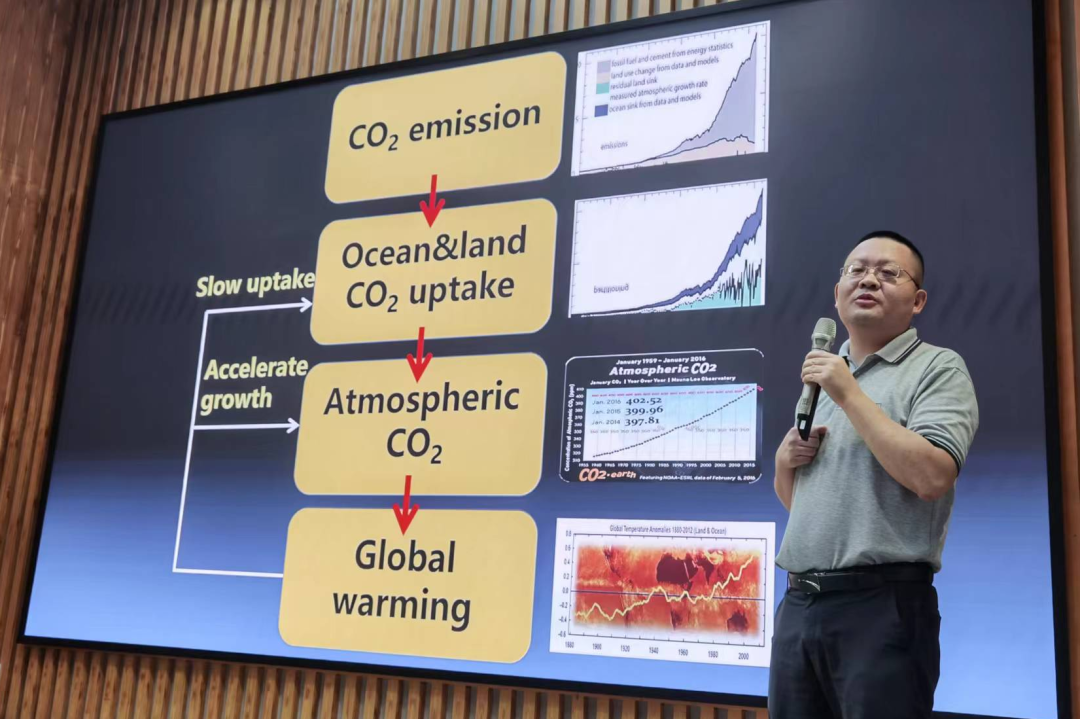
Professor Long Cao first introduced the history and current development of climate change research. He noted that climate change tipping points may occur within a warming range of 1 to 2 deg C, revealing the urgent need to curb global warming. Professor Cao also explained in detail the impacts of CO2 on the environment, including temperature, precipitation, sea level, sea ice, and extreme weather and climate. He gave a detailed explanation of research progress based on climate system models, such as the response of the Earth climate system to CO2 changes under different sensitivity experiment scenarios. Finally, Professor Cao outlined pathways to achieve temperature-control targets and mitigate climate change. The first is to reduce direct emissions of greenhouse gases such as CO2 and achieve substantial reductions at the source. The second is carbon dioxide removal, which increases ocean or terrestrial carbon sinks through human intervention or directly captures and stores CO2 from the atmosphere. The third is solar radiation modification, also known as geoengineering or climate engineering, which cools the Earth by changing the radiative balance of the climate system through human intervention.
Professor Cao report deepened the participants understanding of the current state of climate change and the urgent need to curb carbon emissions. It encouraged them to contribute to protecting the Earth and reminded each participant that they can play an important role in mitigating climate change. The report greatly inspired the participants and motivated them to engage more actively in finding solutions to climate change.
Fun Activities
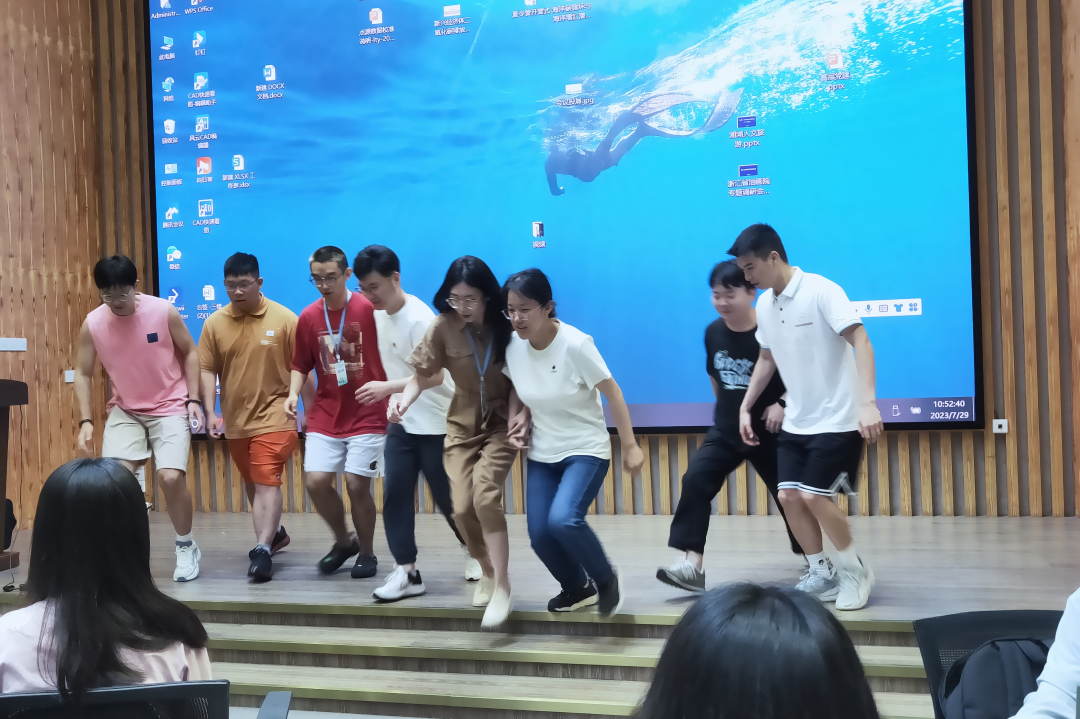
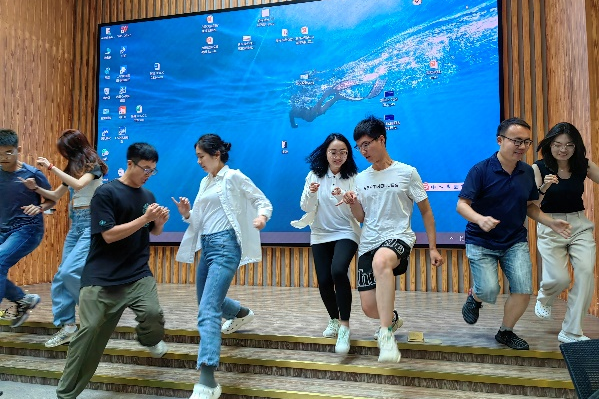
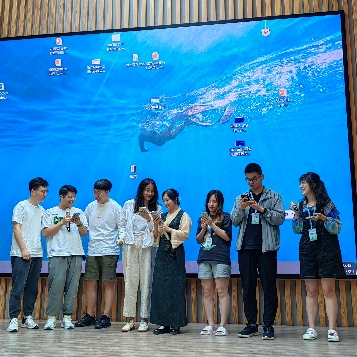
After listening to Professor Long Cao excellent report, the participants took part in a series of fun activities, including the games "Bubble Gum" and "Continue the Lyrics". During the activities, once the host gave the instructions, team members responded quickly, coordinated smoothly, and rushed forward with energy.
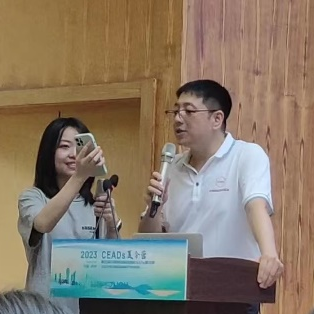
"Continue the Lyrics" drew enthusiastic participation from all participants. Everyone showcased their talents and sang classic songs such as "My Motherland and Me", "Love Even If I Die", and "Distant Her", creating a lively and joyful atmosphere. These wonderful performances drew the attention of the whole audience and brought energy to the venue. At the end of the game, Professor Dabo Guan performance of "Thirty Thousand Feet" brought the atmosphere to a climax.
The activities not only fully showcased the participants talents, but also strengthened their relationships, improved team coordination, and enhanced cohesion.
Group Work
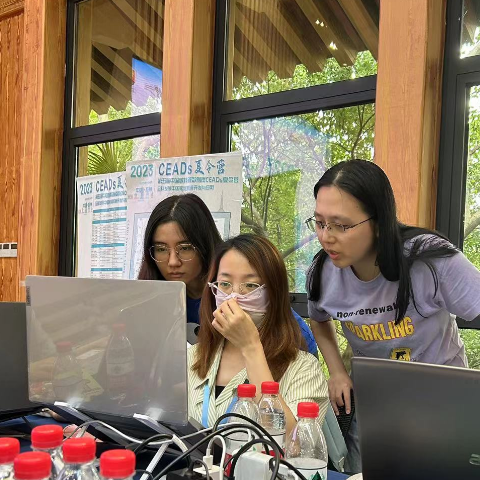
In the afternoon, the campers entered study mode again. Compared with the unfamiliarity and uncertainty of the first day, the participants had developed a clearer and deeper understanding of carbon accounting and related knowledge by the second day. Guided by the instructors, the campers studied actively, exchanged ideas, discussed with one another, and accumulated knowledge and experience. The understanding among team members also continued to grow. Under the leadership of the team leaders, each group clarified its division of work, and the campers used their strengths in group collaboration, supported one another, and worked together to solve problems.
Water Gun Battle
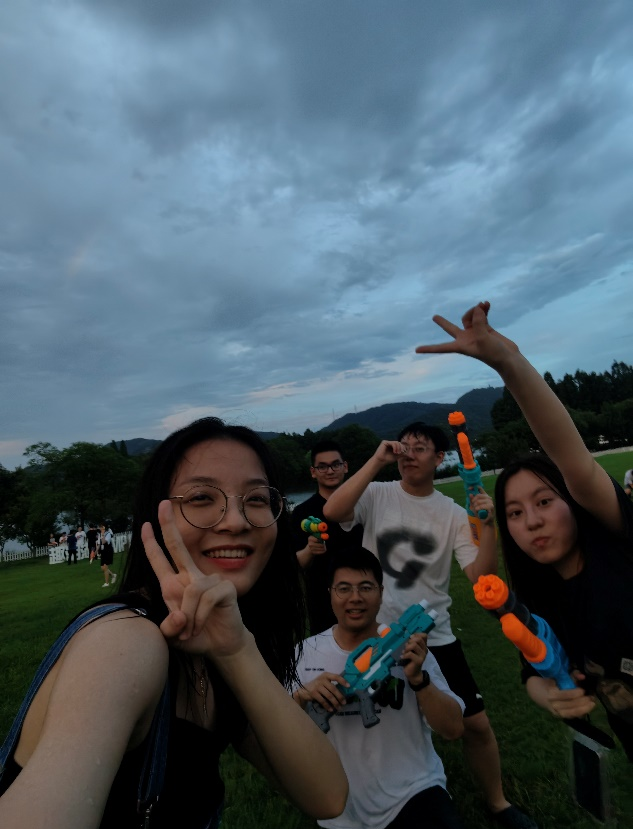
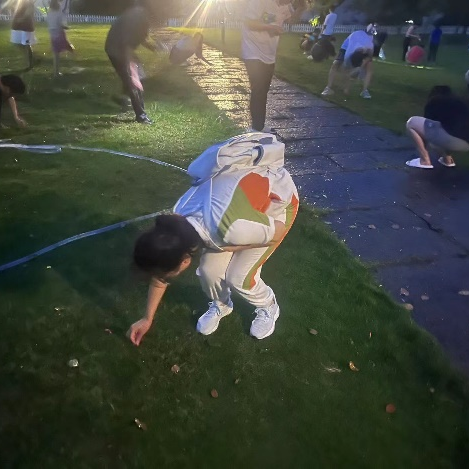
At 5:30 p.m., the long-awaited water gun battle finally began. The prizes won through team-building games, including water guns and water balloons, were finally put to use. Organized and led by Professor Dabo Guan and the staff, the participants arrived at the water battle venue carrying water guns, water balloons, scoops, buckets, and other water battle props, and began a lively fight. Screams and laughter rose one after another, and the entire field was full of energy and joy. Participants used water guns to shoot at one another, water balloons burst, and water splashed everywhere. Everyone threw themselves into the water battle and fully enjoyed the fun of the game. Cool water soaked the campers clothes, but it could not dampen their enthusiasm.
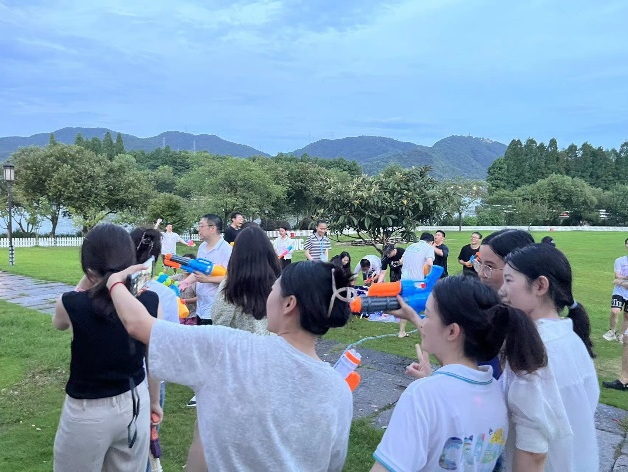
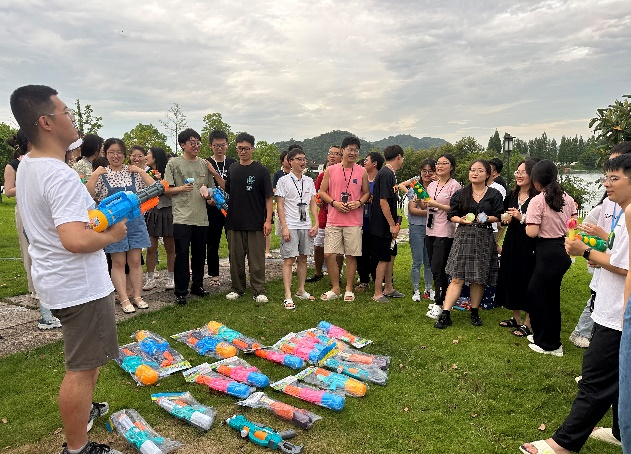

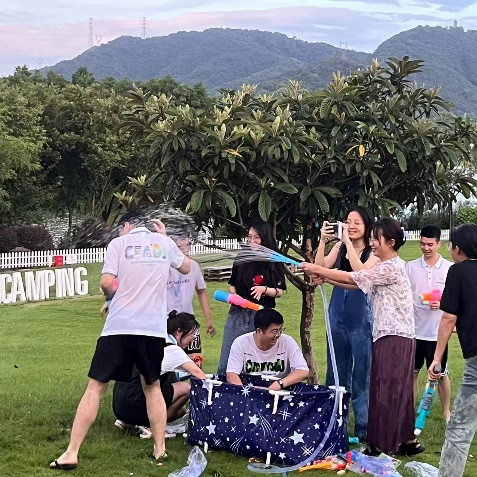
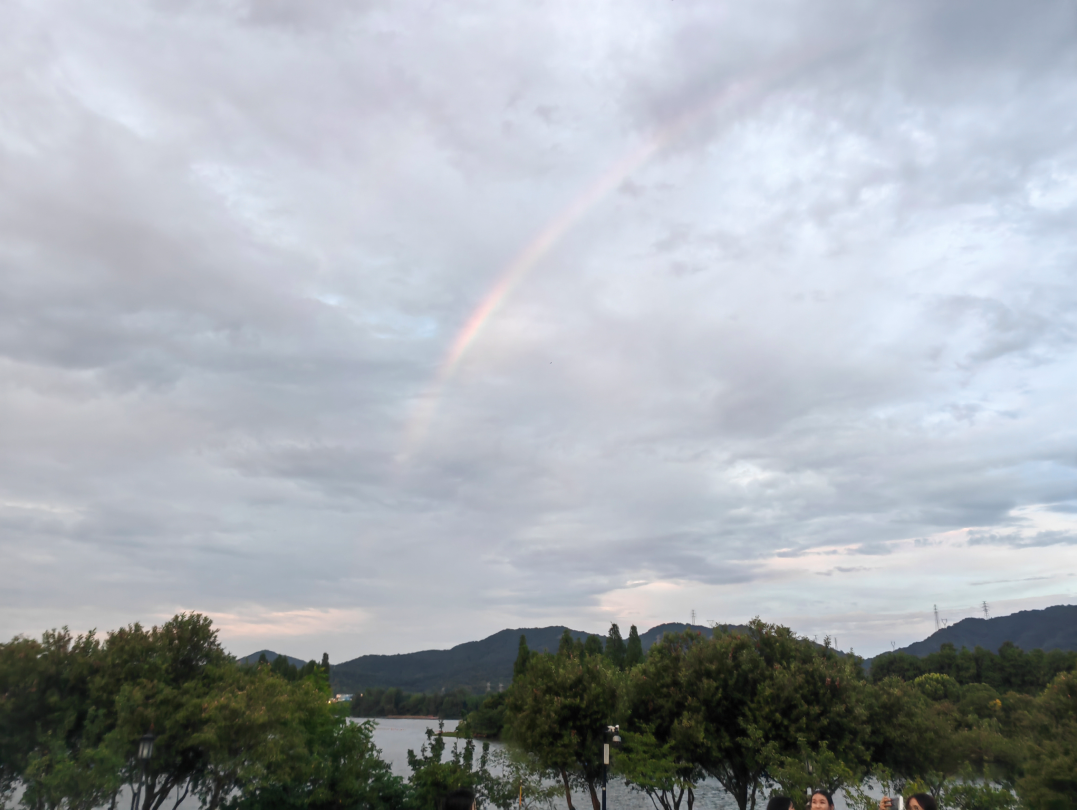
Two hours later, with the glow of sunset and a beautiful rainbow, the water gun battle came to an end amid the participants reluctance to leave. In this intense "contest", the participants not only enjoyed the water gun battle to the fullest, but also further strengthened their mutual understanding. Through this activity, they formed deeper friendships and closer connections, and the joy they shared will become a lasting and precious memory.