First Sino-French Carbon Neutrality Summer School and 2024 CEADs Summer Camp Day 2&3: Broadening Horizons and Exploring New Low-Carbon Pathways
01
DAY2
After the opening ceremony, ice-breaking team formation, and guest lectures on the first day, participants joined a welcome dinner in a warm and lively atmosphere. As the summer camp entered its second day, the students were full of enthusiasm and ready to begin a new round of learning.
CEADs Distinguished Lecture
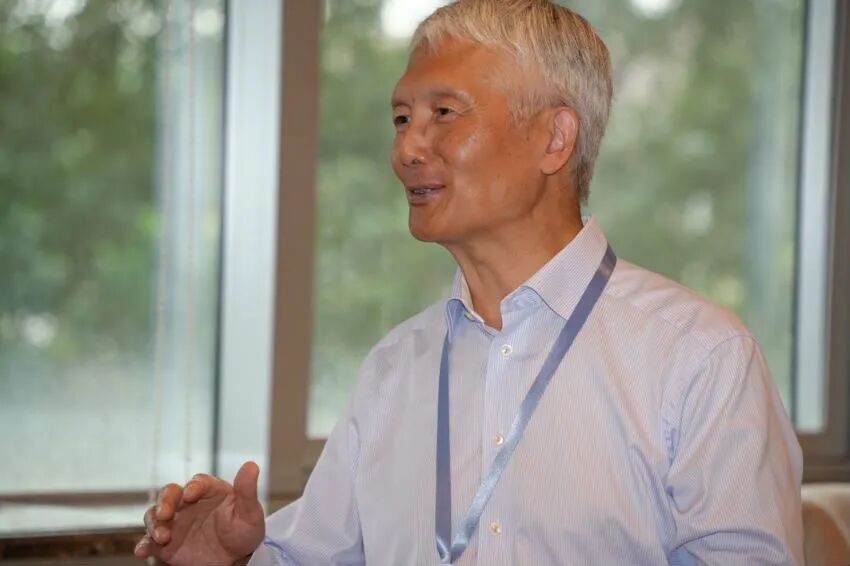
On the morning of the second day, we were honored to welcome Professor Deliang Chen, member of the Royal Swedish Academy of Sciences and foreign member of the Chinese Academy of Sciences. He delivered a high-level academic lecture titled "Evolution of Climate Change Science". The lecture was not only a transfer of knowledge, but also an exchange of ideas, offering every participant deep inspiration.
Professor Chen first drew on Thomas Kuhn's classic theory to unveil the question of "what science is." In an accessible way, he explained the nature of science and guided participants to think about the internal logic and driving forces behind scientific development.
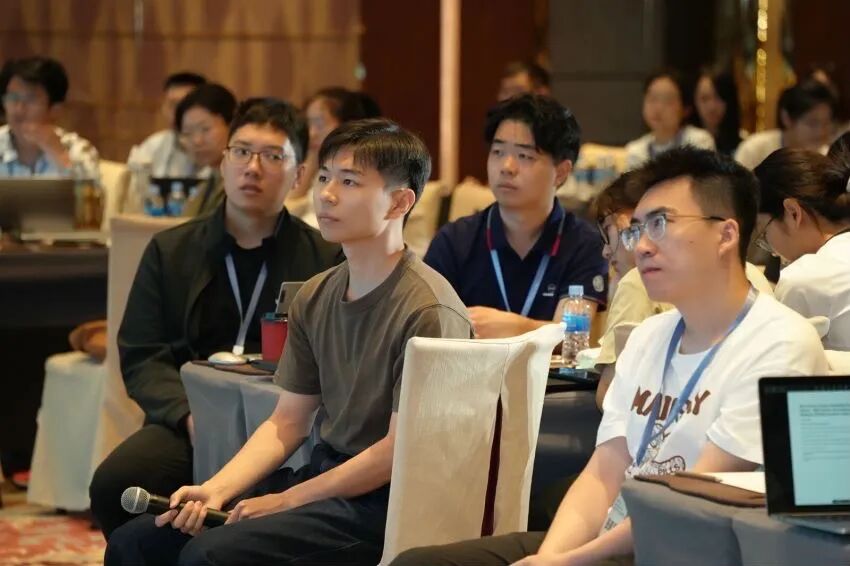
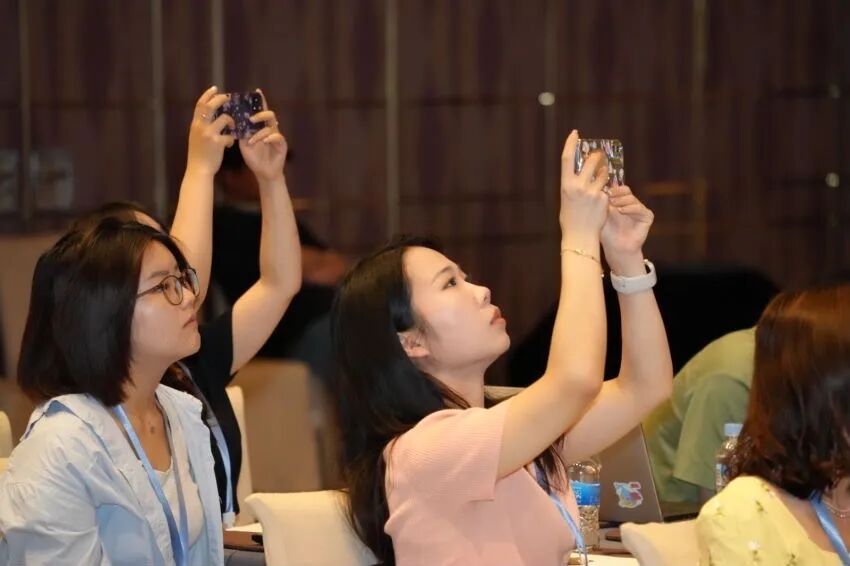
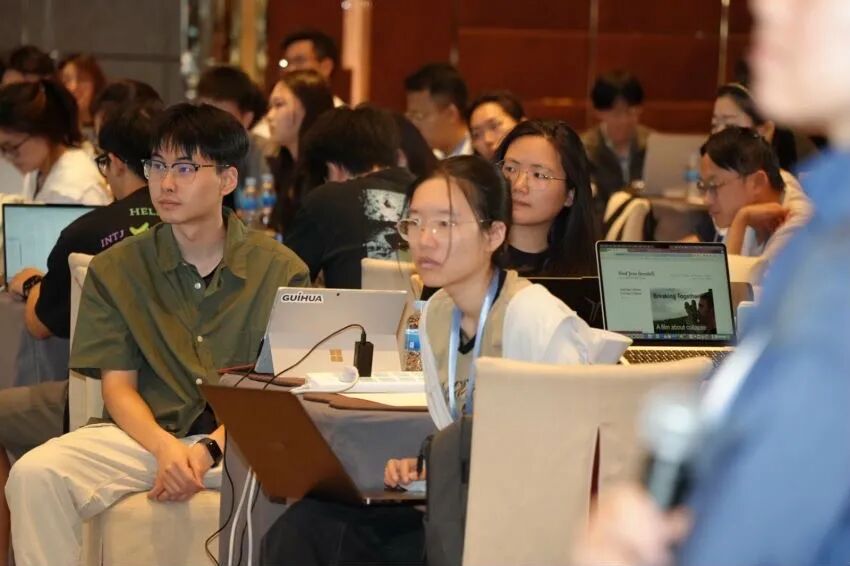
Professor Chen then discussed the differences between climate science and Earth system science, presenting the development, current status, and future prospects of Earth system models. He pointed out the limitations of traditional climate models and emphasized the important role of artificial intelligence in climate research.
During the lecture, Professor Chen also introduced five major challenges facing climate science: Innovating, Forecasting, Observing, Responding, and Thresholds.
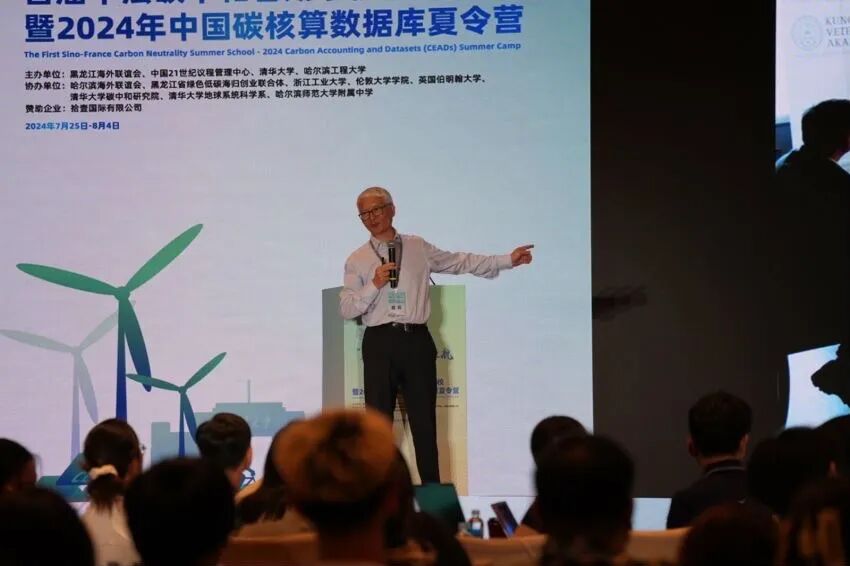
In addition, Professor Chen shared related research achievements from his team, including papers published in leading journals such as Atmospheric Research, Nature Energy, and Global Sustainability.
At the end of the lecture, Professor Chen looked ahead to the future of climate science. He emphasized the importance of improving predictive capacity, refining research models, and adopting more comprehensive approaches to environmental research, outlining a more scientific, systematic, and integrated blueprint for climate science.
After the lecture, Professor Chen engaged with the participants and patiently answered their questions. The lecture was both an academic feast and an intellectual inspiration. Participants said they looked forward to more opportunities in the future to communicate face to face with world-class scientists, explore the mysteries of science together, and contribute wisdom and strength to the goal of carbon neutrality.
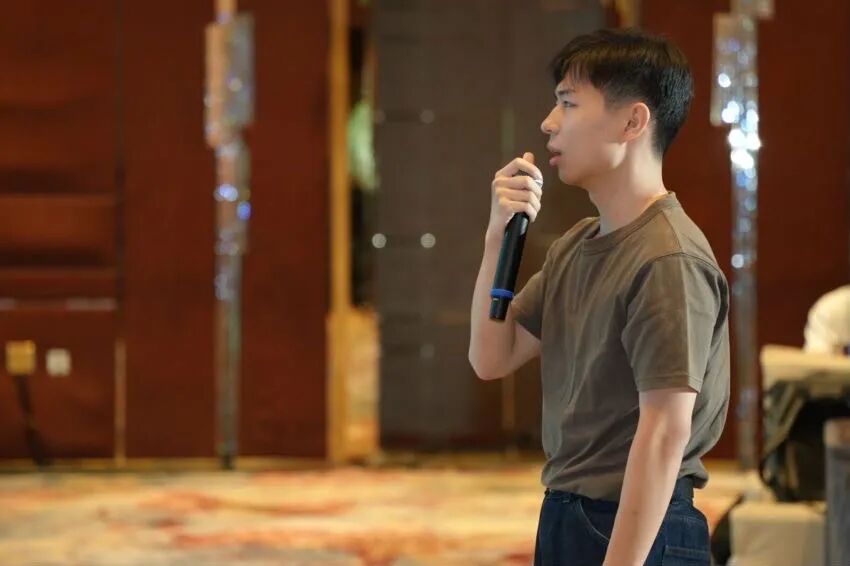
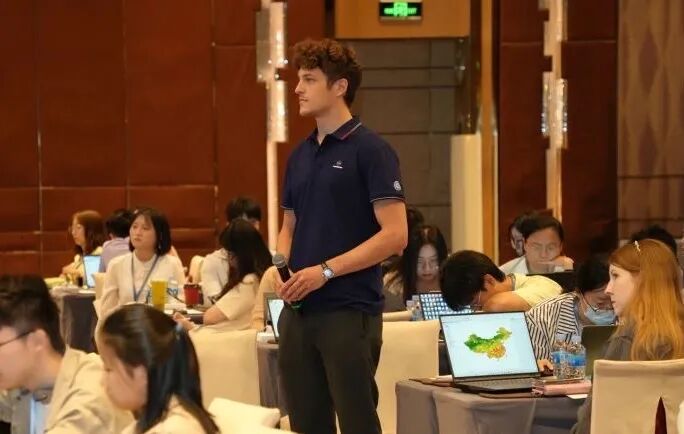
Group Work
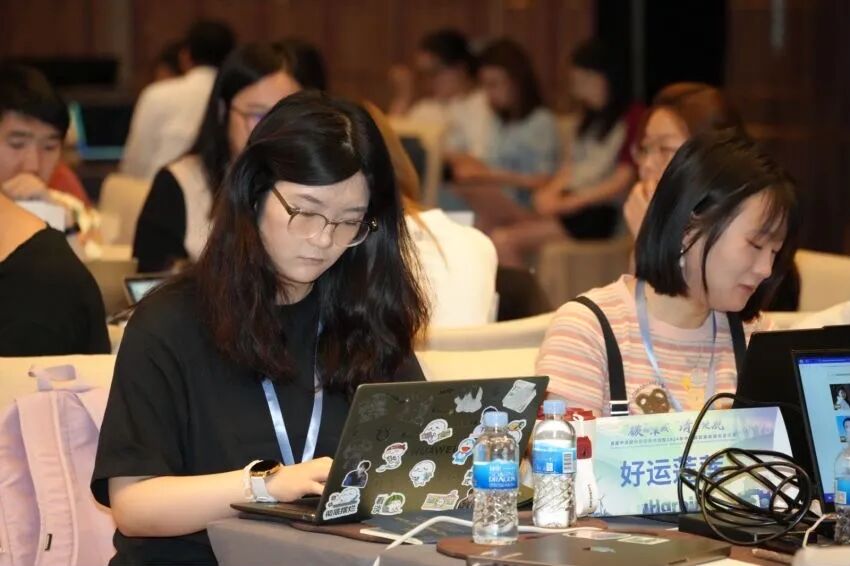
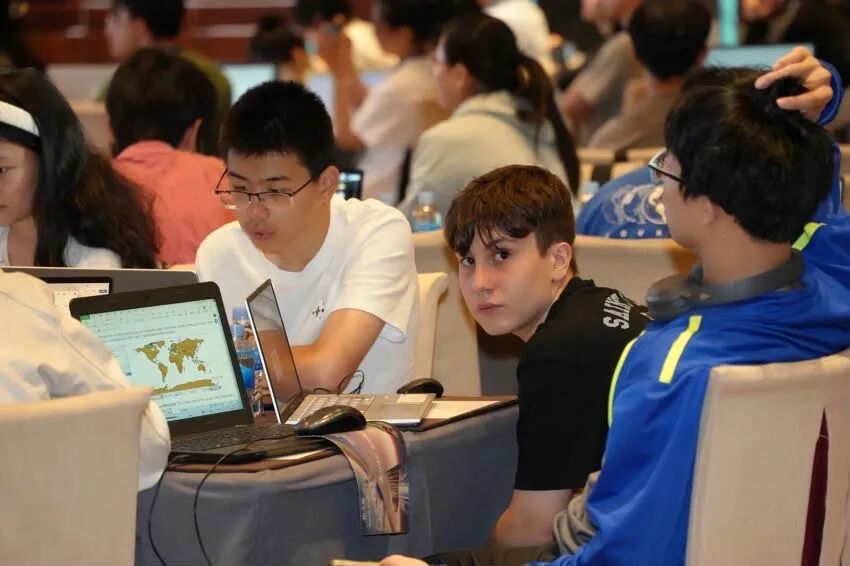
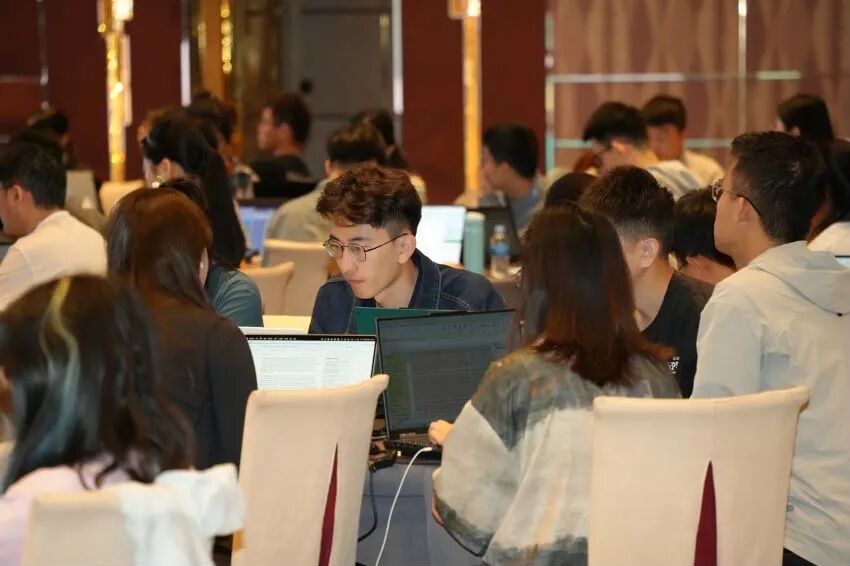
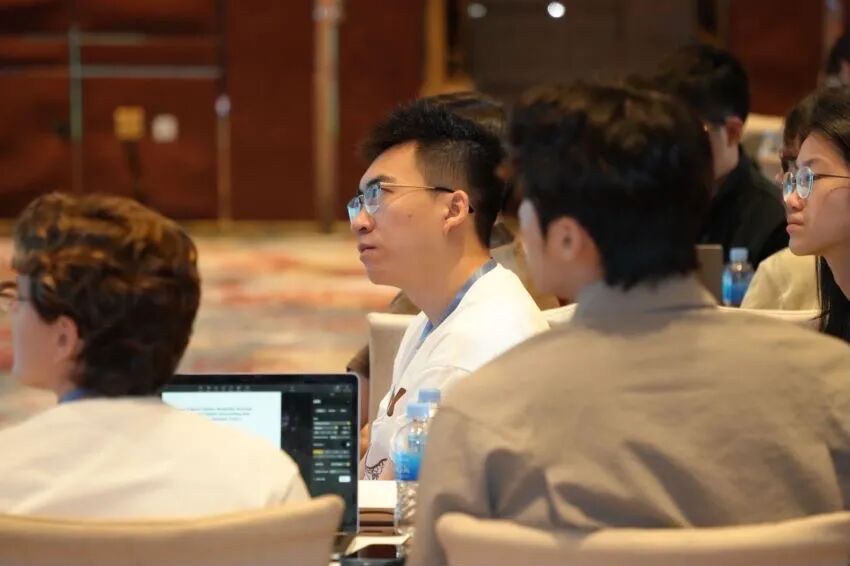
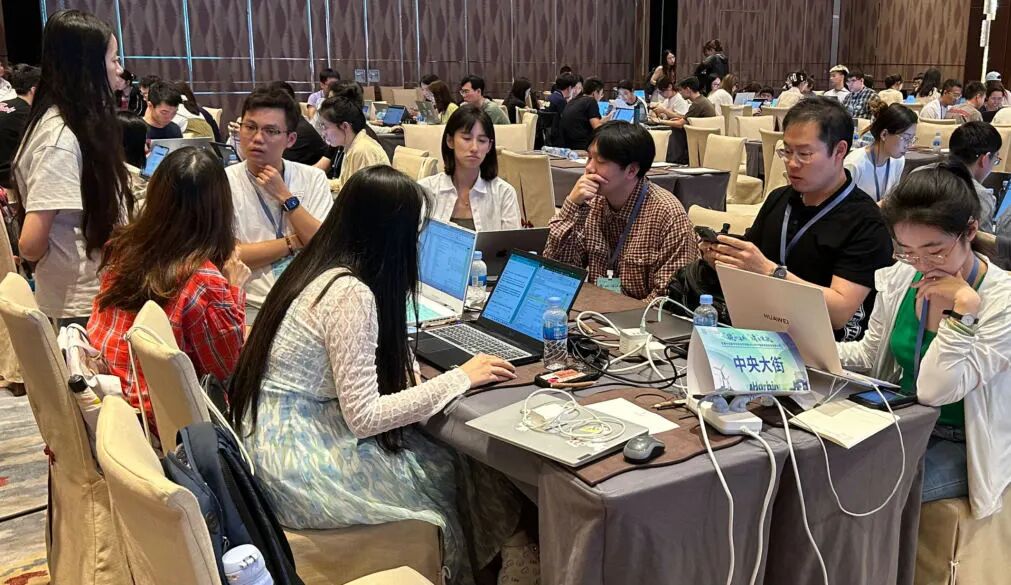
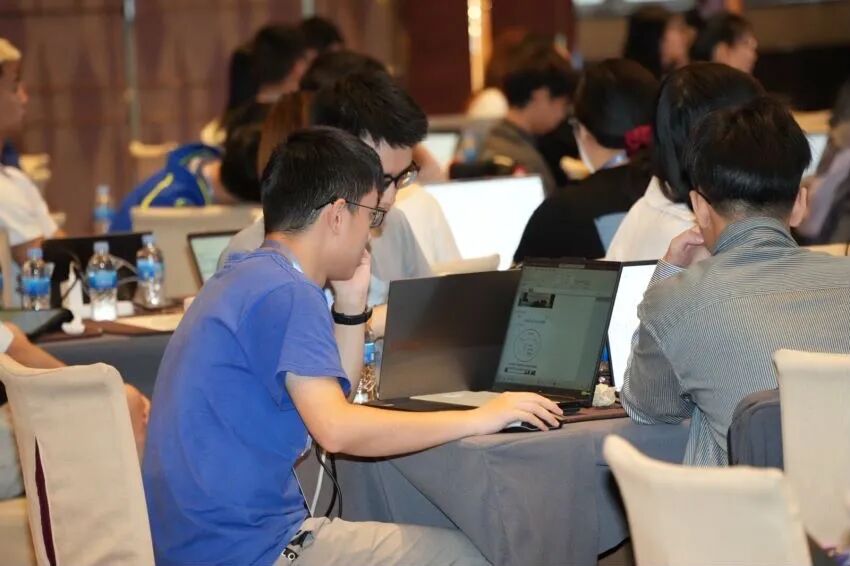
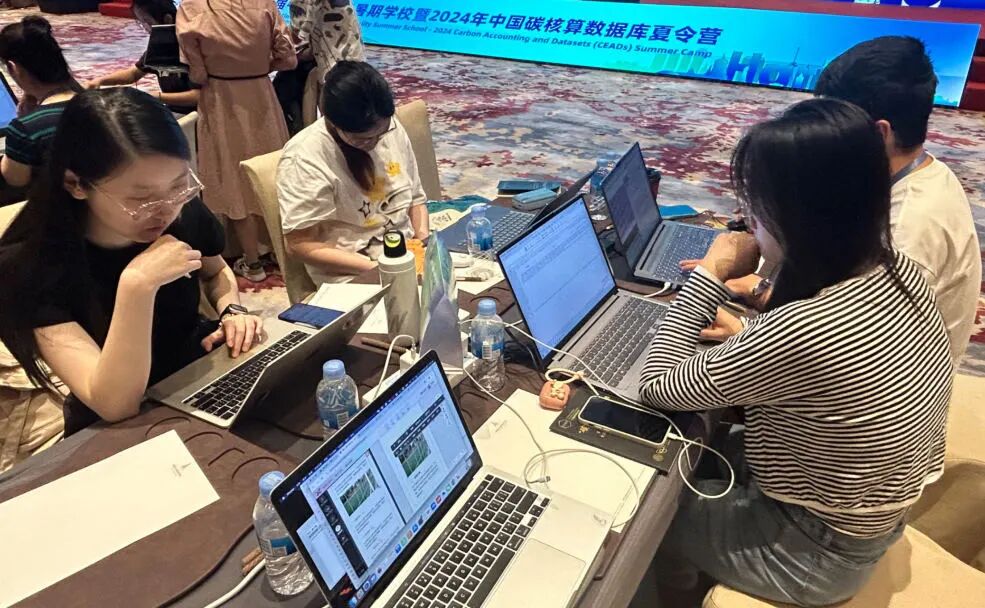
After lunch, once the group tasks for the summer camp had been assigned, the participants quickly threw themselves into the learning process with great energy.
Following the focused lectures by Professor Dabo Guan, Academician Gao Xiang, Director Ke Bing, and others on the previous day, the participants gained a deeper understanding of topics including China-France carbon neutrality, emission reduction and carbon sink enhancement, the systematic layout of technological innovation for the dual-carbon goals, and the development of green hydrogen-based fuels.
Under the guidance of instructors and group leaders, each group began its learning tasks in an orderly manner. The participants carefully studied the materials, broke down the tasks, and allocated responsibilities within their groups, laying a solid foundation for the following stages of study and research.
02
DAY3
CEADs Distinguished Lecture
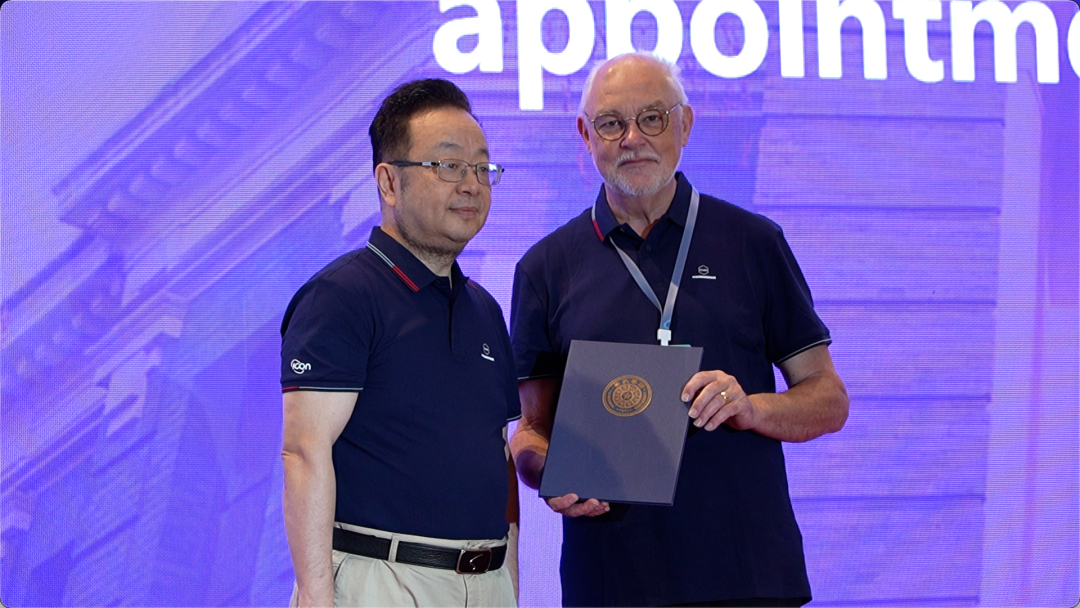
On the morning of July 27, 2024, we were honored to invite Professor Tim Broyd, professor at the Bartlett School of Architecture, University College London; director of the Institute for Digital Innovation in the Built Environment; Fellow of the Royal Academy of Engineering; and former president of the Institution of Civil Engineers, to deliver a lecture in the Distinguished Lecture series. Before the lecture began, we witnessed the appointment ceremony for Professor Broyd as a Distinguished Visiting Scholar of Tsinghua University. The certificate was presented on behalf of Tsinghua University by Professor He Kebin, dean of the Institute for Carbon Neutrality, and Professor Dabo Guan, vice dean of the institute.
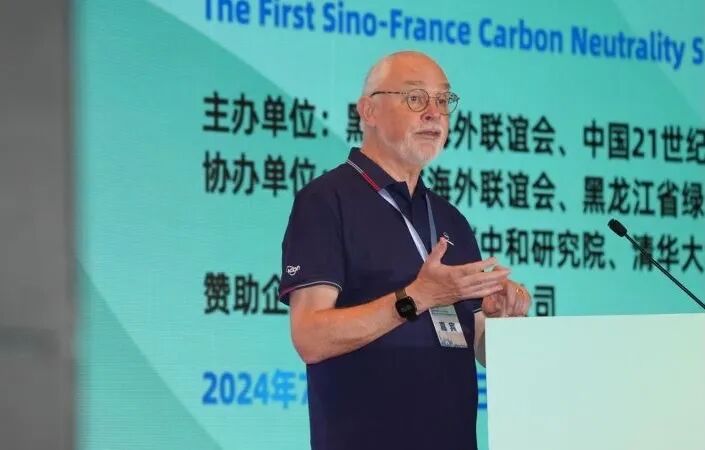
Professor Broyd spoke on "digital transformation and the search for low carbon buildings and infrastructure." Taking the United Kingdom's introduction of innovative technologies into construction procurement projects as a starting point, he explained the application of Building Information Modeling (BIM), giving participants a deeper understanding of information integration throughout the full process of building and infrastructure capital projects, from concept to delivery.
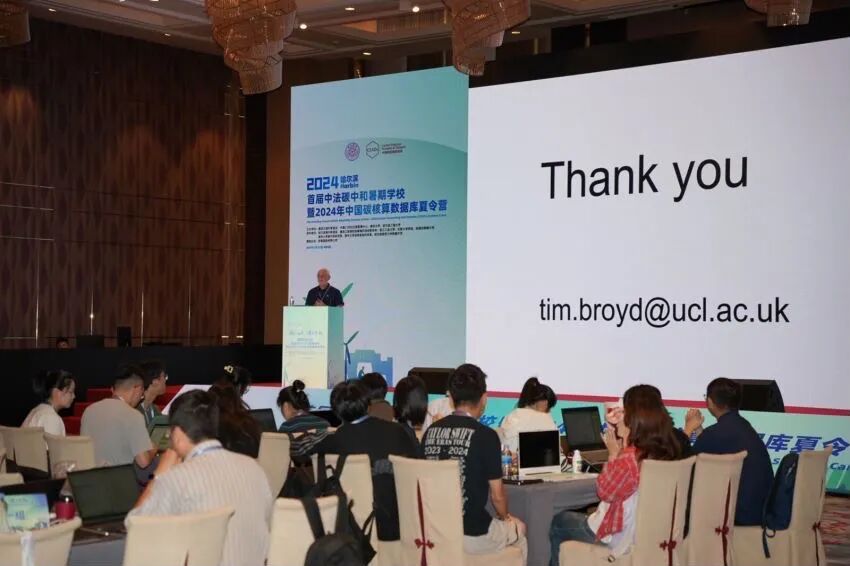
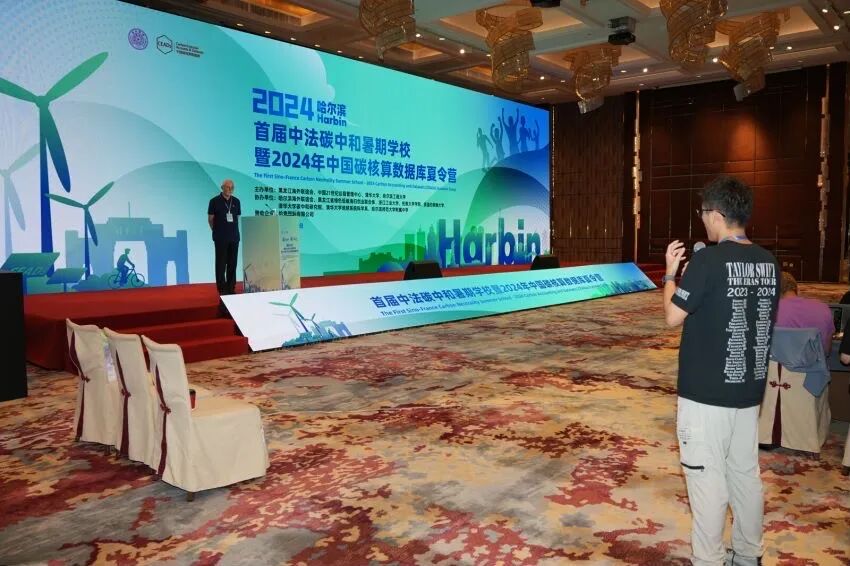
Professor Broyd then discussed the causes of the performance gap between design-stage predictions and actual energy consumption in building projects. He raised a key question: how can operational energy use in building projects be reduced while maintaining high client satisfaction with the workplace? He emphasized the importance of the circular economy, noting that life-cycle management from raw material acquisition to product design, production, use, repair, recovery, and reuse can effectively reduce embodied carbon emissions and energy consumption over a building's life cycle.
In addition, Professor Broyd introduced the concept of the digital twin, showing participants how computer models can reflect and simulate asset systems and their surrounding environments. This offered new perspectives and ideas for the construction, management, and optimization of infrastructure projects, and provided valuable guidance for participants as they explore pathways toward carbon neutrality.
Group Activities
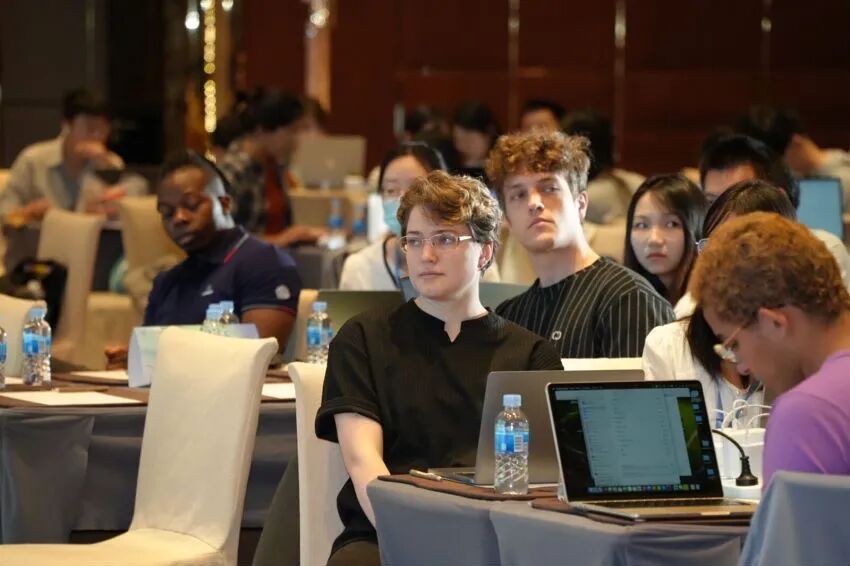
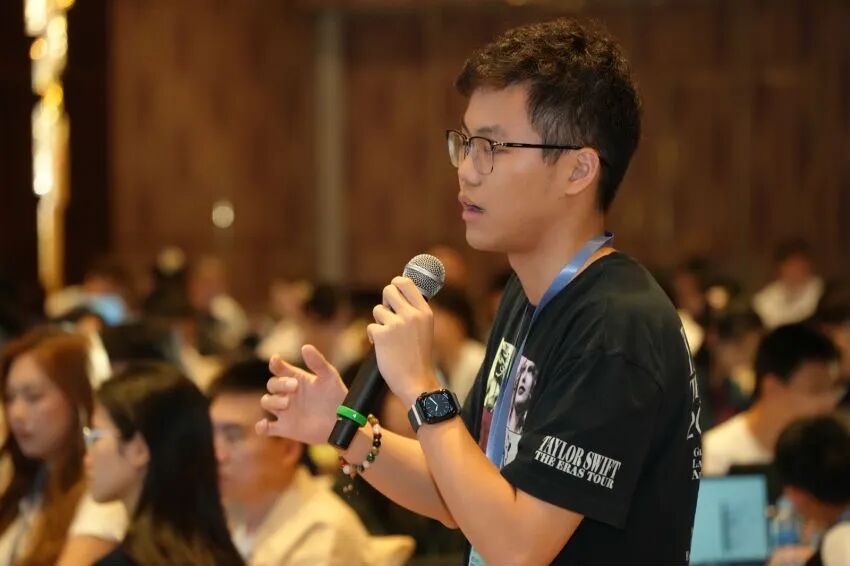
In the afternoon, the participants once again immersed themselves in learning with great enthusiasm. After the practical work on the second day, they had a clearer sense of their task direction and learning approach. Guided by group leaders and instructors, they actively learned, exchanged ideas, and accumulated knowledge and experience while completing their tasks. After two days of interaction, the group members became increasingly familiar with one another and built stronger teamwork, using their respective strengths, collaborating with each other, and jointly overcoming learning challenges.