The 7th CEADs Future Scholars Summer School, Days 2 & 3: The Deer Call, Welcoming Distinguished Guests
On the evening of July 28, 2025, after the opening ceremony, ice-breaking team formation, and guest keynote lectures on the first day, the 7th China Emission Accounts and Datasets (CEADs) Future Scholars Summer School hosted a warm welcome dinner for participants. After the dinner, the summer school officially moved into its regular program. Filled with enthusiasm and ready for what came next, participants quickly entered a new round of learning.
Day 2
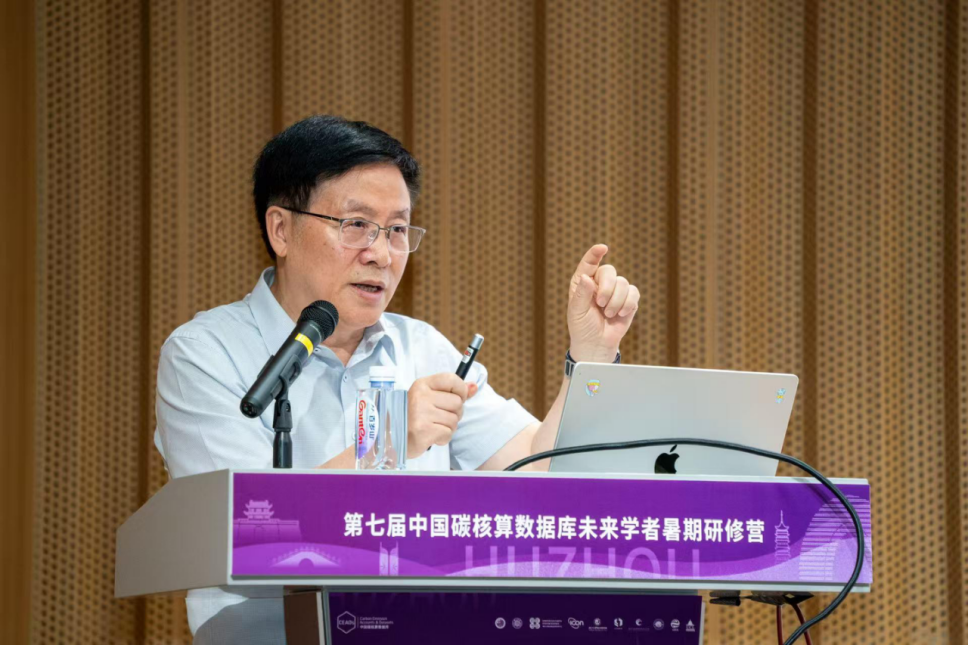
On the morning of July 28, we were honored to welcome Professor Liu Congqiang, geochemist, Academician of the Chinese Academy of Sciences, and founding dean of the School of Earth System Science at Tianjin University. He delivered a high-level academic lecture titled "Global Change, Sustainable Development in the Anthropocene, and Earth System Science."
Academician Liu systematically discussed the qualitative transformation of the Earth system in the Anthropocene: human activities have become a dominant geological force, triggering coupled changes across climate, environmental, social, and other spheres, while the system faces risks from nonlinear thresholds. He emphasized the central role of Earth System Science (ESS), which integrates natural and human dimensions through systems thinking, analyzes mechanisms behind imbalances in key elemental cycles, quantifies the safe operating space of planetary boundaries, and provides a scientific basis for the Sustainable Development Goals. Its evolution deeply integrates multidisciplinary frontiers, linking observation, modeling, and prediction into an integrated toolkit for addressing global change. In the face of scientific uncertainty and cross-scale governance challenges, ESS is driving a shift in thinking from local analysis toward systemic understanding.
01 Participant Q&A
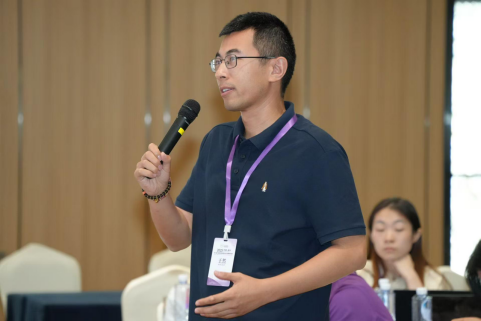
The lecture was not only a transfer of knowledge but also an exchange of ideas, bringing profound inspiration to every participant present. After the lecture, Academician Liu interacted with participants on site and patiently answered their questions. Participants said they looked forward to more opportunities in their future academic journeys to communicate face to face with world-class scientists, explore scientific questions together, and contribute insight and strength to the goal of carbon neutrality.
02 Group Study
After lunch, under the coordination and guidance of instructors and team leaders, participants quickly entered working mode and systematically carried out the assigned learning and research tasks. They first carefully studied the learning materials and gained a deeper understanding of the task requirements; then they broke down specific work items and made a scientific and reasonable division of labor within each group based on members academic backgrounds, skills, and research interests. These solid preparations laid a firm foundation for orderly, rigorous, and efficient learning and research in the following stages.
Day 3
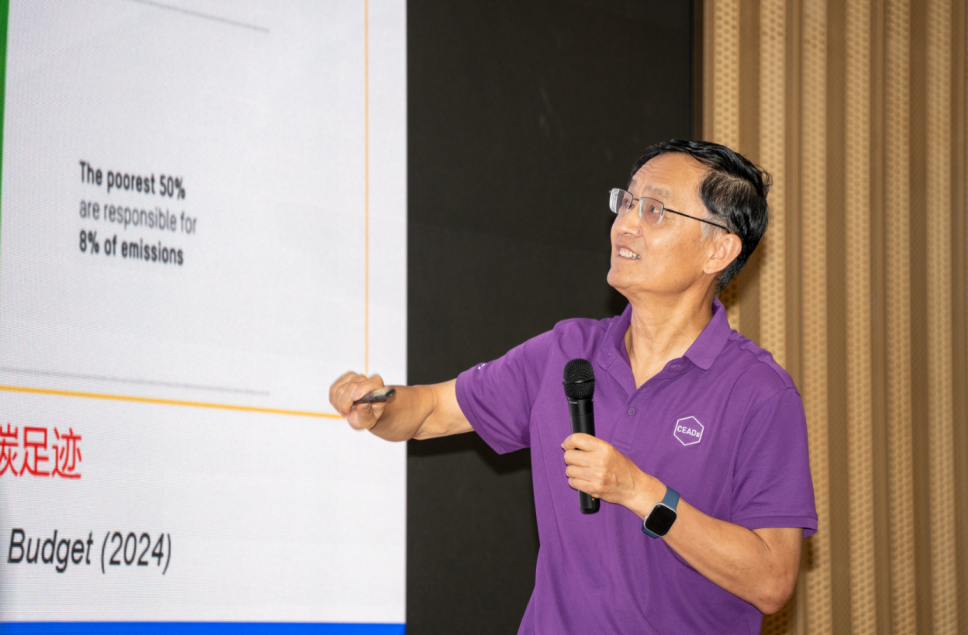
On the morning of July 29, we were honored to welcome Professor Sun Laixiang, Fellow of the Academy of Social Sciences in the UK and Professor of Geographical Economics at the University of Maryland College of Behavioral and Social Sciences. Centering on the current assessment of consumption management, regulatory mechanisms, and response strategies, he delivered an accessible and in-depth academic lecture titled "Sustainable Consumption Assessment and Management."
Focusing on sustainable consumption assessment and management, Professor Sun addressed the fairness of environmental responsibility driven by consumption. He noted that six of the nine core planetary boundaries have already been crossed, and that unsustainable consumption is a primary driver with a highly unequal distribution of responsibility. In response, Professor Sun shared findings from Nature and introduced a macro-micro integrated framework: MRIO is used to quantify supply-chain impacts, while HLS is combined to analyze group heterogeneity, revealing that the environmental footprints of the global top 10% of high consumers are 4 to 27 times those of lower-consuming groups. He further showed that energy burdens among older adults in developed countries are increasing and that low-income groups are significantly more vulnerable; at the policy level, he demonstrated that taxing non-essential goods can alleviate the regressivity of carbon pricing. He ultimately emphasized the need to integrate computational methods to optimize policy and promote a just transition.
01 Participant Q&A
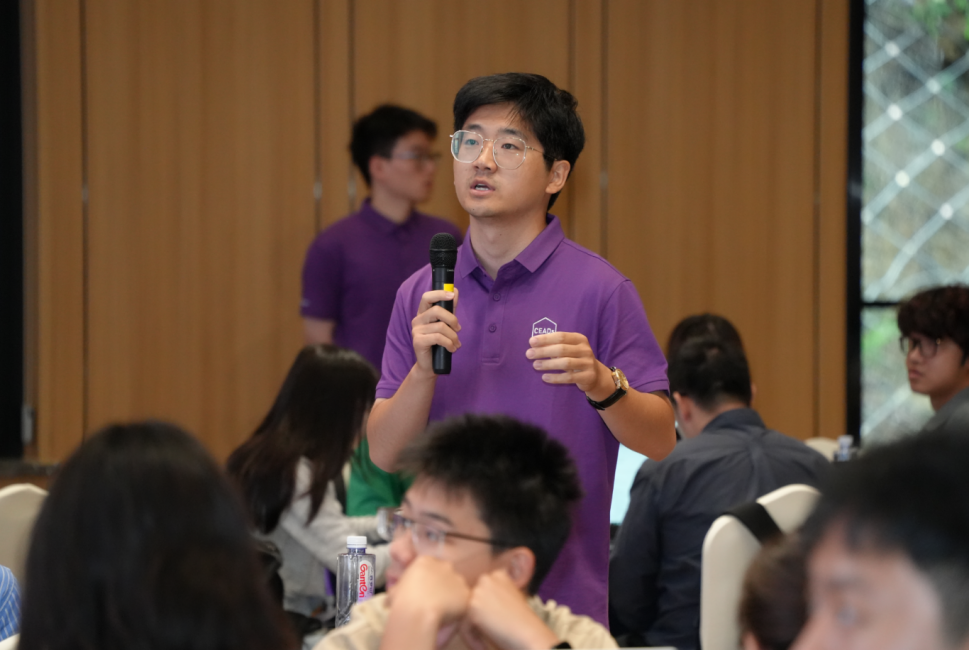
After the lecture, Professor Sun exchanged views with participants on topics such as the effectiveness of policy implementation and response strategies for different actors. He emphasized that future work should improve assessment accuracy, refine management models, and adopt more systematic approaches to address issues such as insufficient capture of consumption mechanisms and opacity in model parameters.
02 Group Collaboration
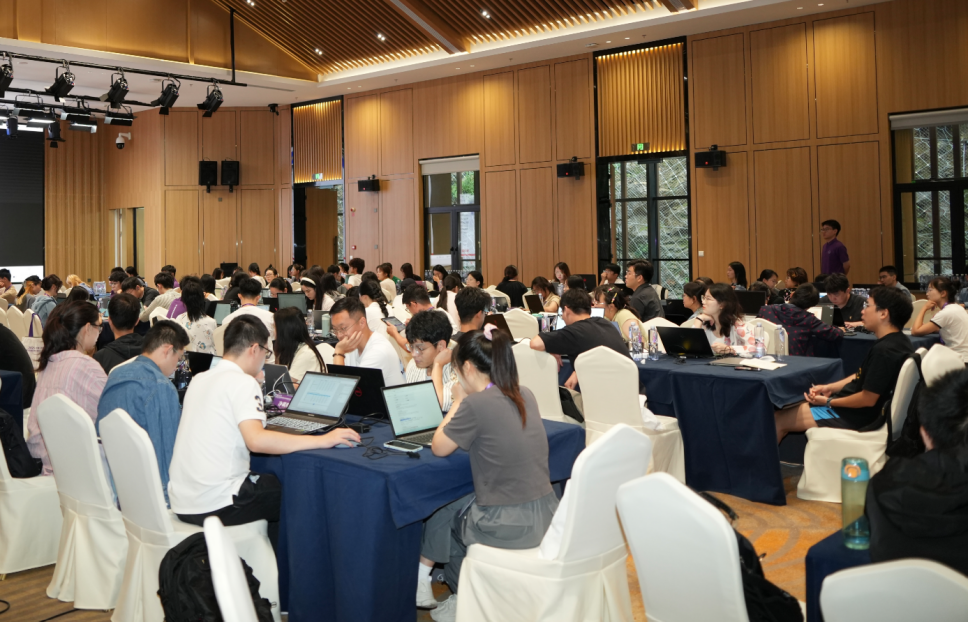
Building on the solid theoretical preparation and careful division of labor from the first day, each research group shifted its focus to the in-depth implementation of standardized processes and concentrated training in handling complex issues. Throughout this process, participants demonstrated strong focus and rigorous academic standards, providing a solid guarantee for the efficient advancement of their research tasks.
Welcome Dinner
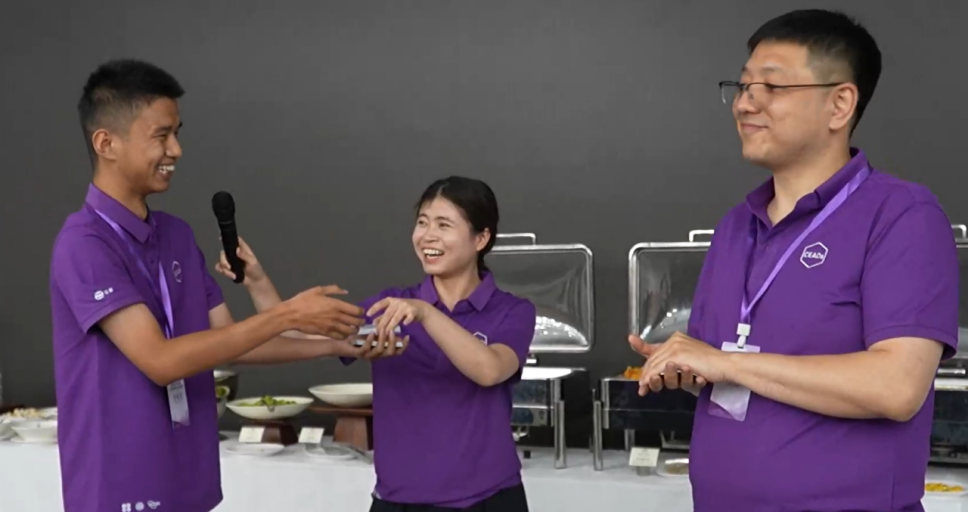
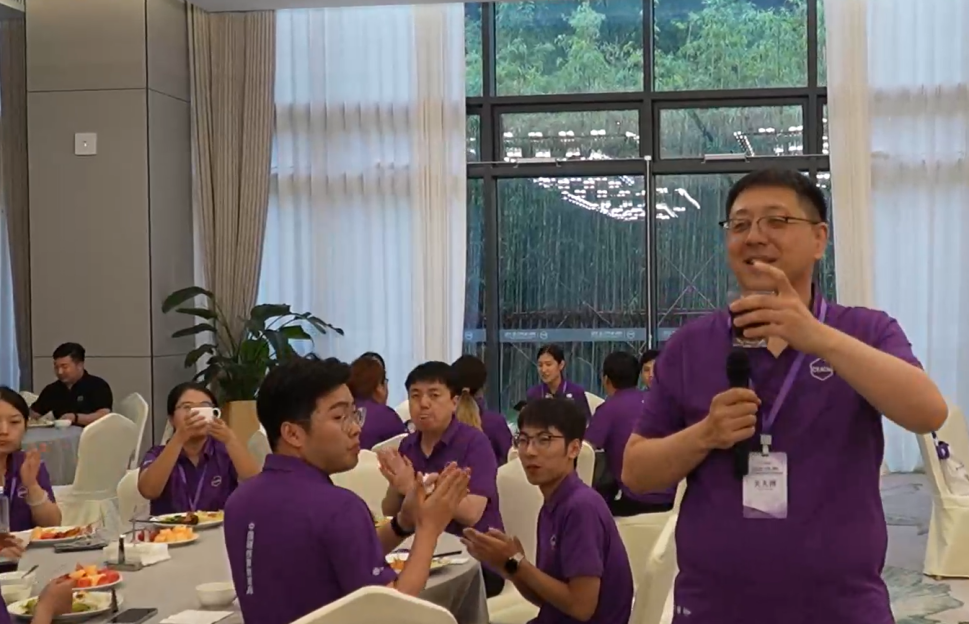
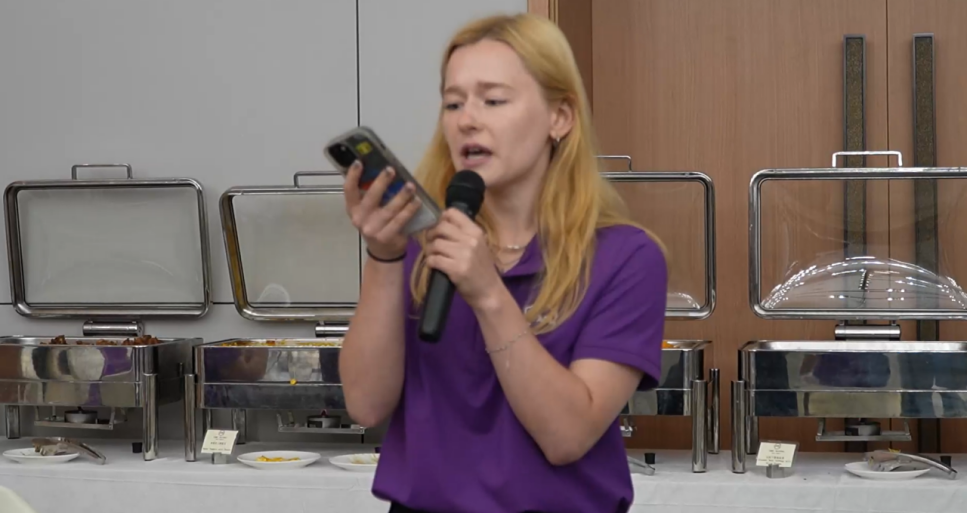
On the evening of July 28, the welcome dinner was held at Deqing Moganshan Edry Fifth Season Hotel. Earlier that day, participants had formed groups through a jigsaw puzzle game so they could take on research projects with different themes. After opening remarks by Professor Guan Dabo, members of each group presented lively and engaging performances, creating a warm and memorable atmosphere.
01 Singing Performance
02 Magic Performance