
Multi-scale Climate Mitigation Pathways
-

CEADs Study: Preliminary Analysis of Climate Attributes Across Sectors in the 2020 Draft Green Bond Cat
Participation in capital markets is crucial to climate action. For private enterprises and public entities that intend to support climate- and environment-related investment projects, green bonds provide a market-based financial instrument that channels funds from capital markets into climate-change-related investments. The purpose of green bonds is to provide financing for projects with positive environmental or climate benefits, and t...
-
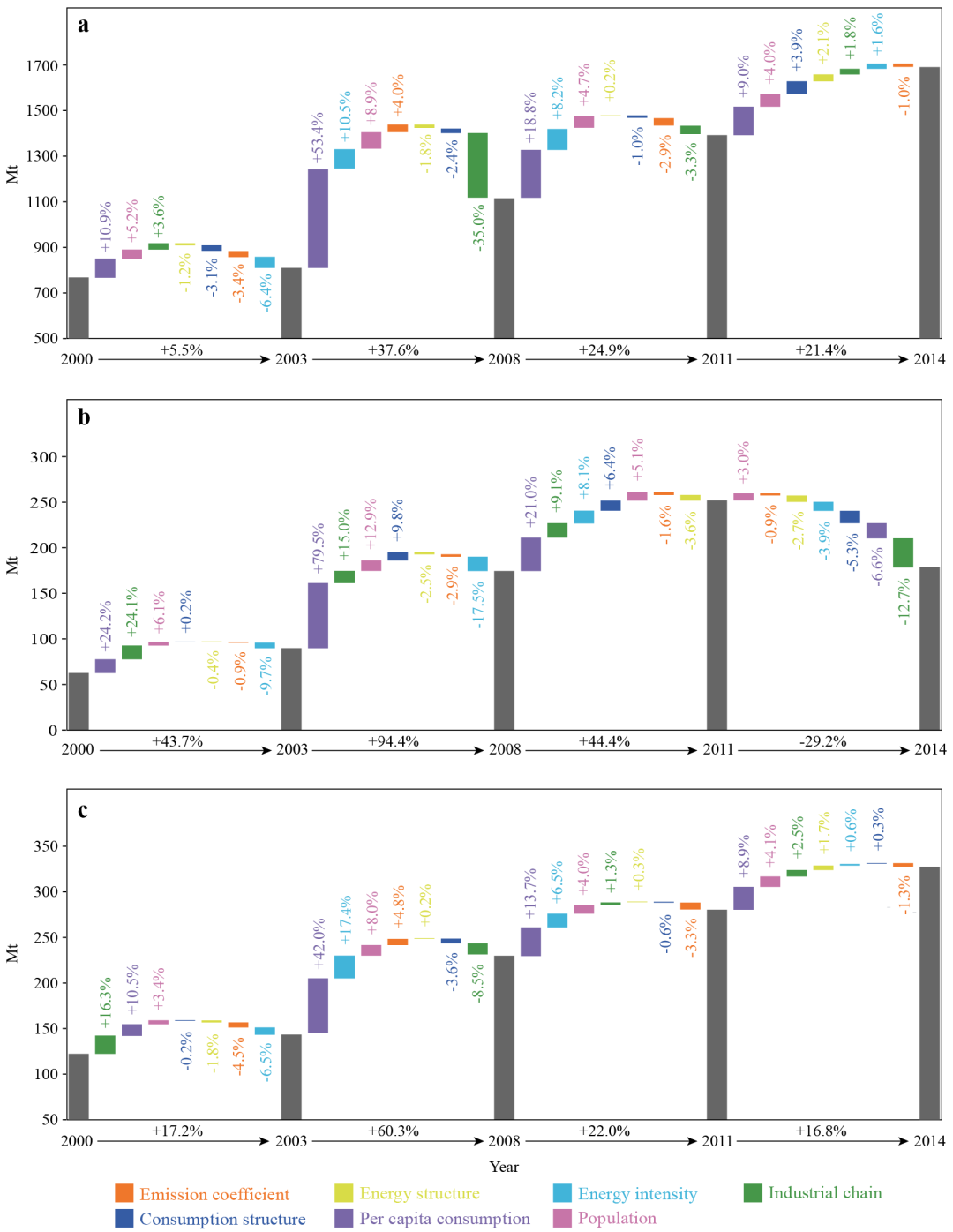
Dynamic Driving Forces of India's Emissions from Production and Consumption Perspectives
While India becomes one of the largest carbon emittersin the world with a high emission growth rate, existing studies fail to capturethe recent trends and the key driving factors behind it. Here, by usingmultiregional input-output analysis and structural decomposition analysis, wemeasure the contribution of factors to the changes of India's domesticconsumption and trade-related emissions. This study finds that India's percapita consumpti...
-

CEADs Research: China's Economic Growth Helps Promote Carbon Footprint Equity
Mitigating climate change, eliminating poverty, and reducing inequality are essential paths toward sustainable development and have received broad attention from governments and international organizations. Among the 17 Sustainable Development Goals proposed by the United Nations, ending poverty, reducing inequality, and mitigating climate change are all explicit goals. These sustainable development goals are interconnected. The CEADs t...
-
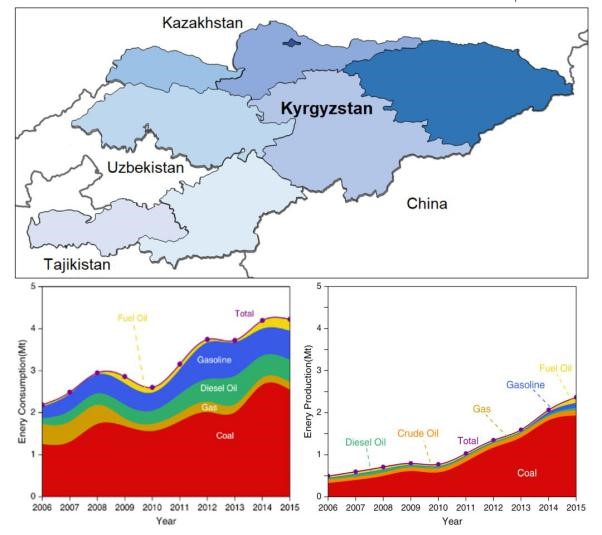
Carbon emissions in countries that failed to ratify the intended nationally determined contributions: A
The Paris Agreement aims to increase globalparticipation in climate change actions, yet attentions are not equally givenamong countries. The knowledge gap remains in understanding the structure anddrivers of the emission in small developing countries. Eighteen countries havefailed to ratify their Intended National Determined Contributions (INDCs) as anofficially recognized emission target. Among these countries, we choseKyrgyzstan as a ...
-
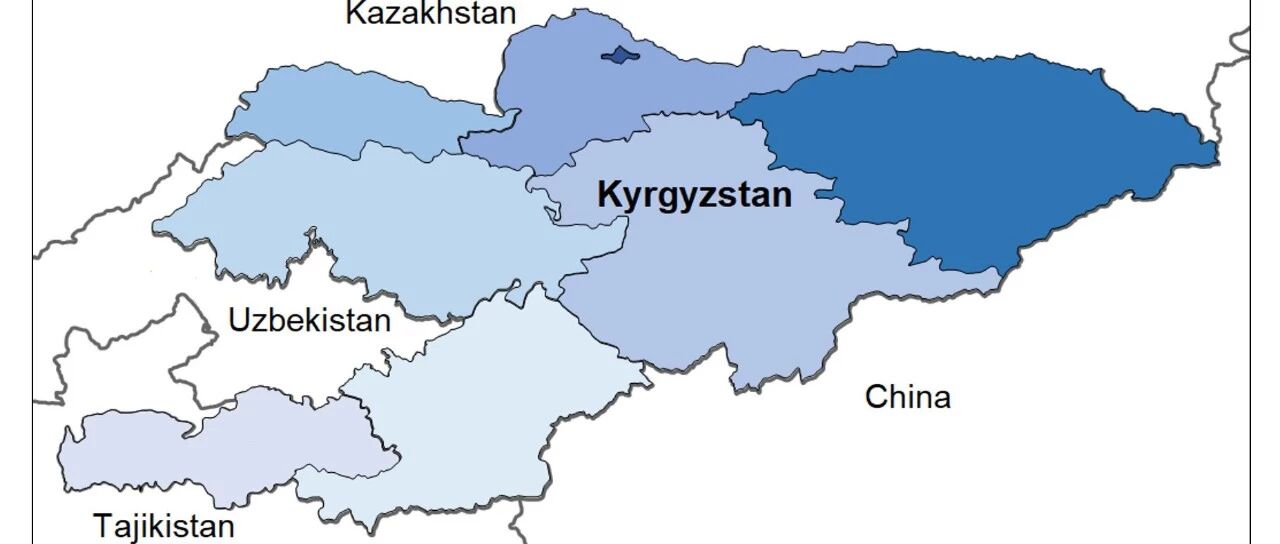
CEADs Study: Spotlighting Countries with Unratified National Emissions Targets under the Paris Agreemen
The Paris Agreement framework is intended to attract more countries to participate in climate action, but emission patterns in small and medium-sized countries still receive insufficient attention. A total of 192 countries submitted Intended Nationally Determined Contributions (INDCs). However, INDCs must be ratified by governments before they can become legally effective Nationally Determined Contributions (NDCs). Eighteen countries su...
-
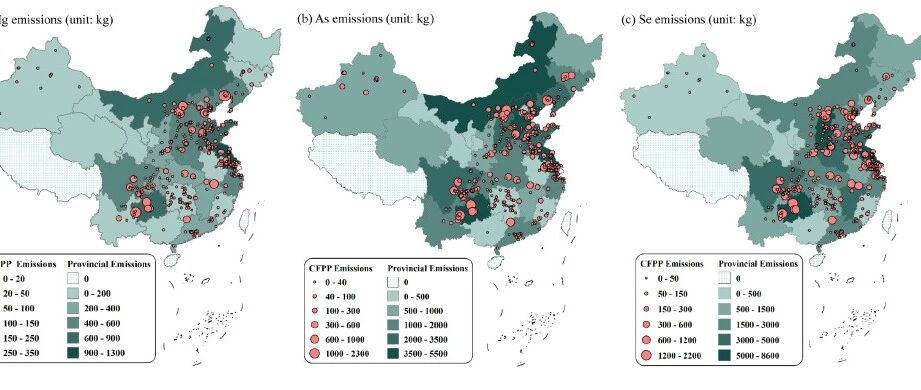
CEADs Collaboration: China's Coal-Fired Power Plant Shutdowns Significantly Reduce Heavy Metal Emission
Heavy metal emissions represented by mercury, arsenic, tin, lead, cadmium, and chromium can seriously harm human health and the ecological environment. Heavy metal emissions can also be transported over long distances in the atmosphere, affecting areas beyond their emission sources. Environmental pollution caused by heavy metal emissions has attracted widespread attention around the world. More than one-third of global heavy metal emiss...
-
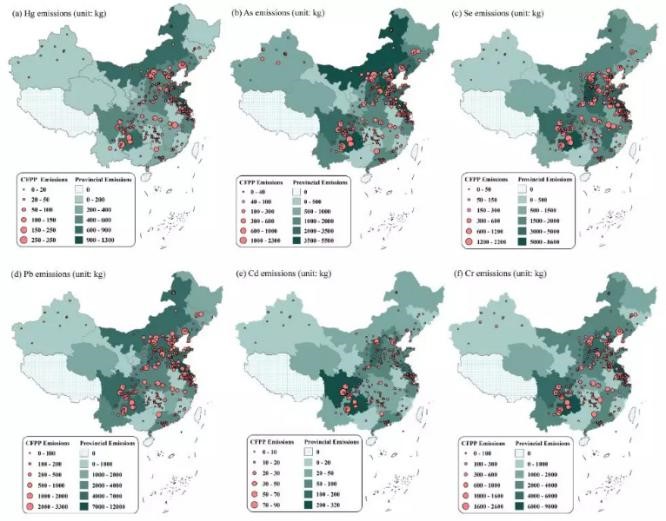
Impact of a coal-fired power plant shutdown campaign on heavy metal emissions in China
Recently, China has committed to decommissioning theheavy metal (HM) intensive coal-fired power plants (CFPPs), small unitsespecially, yet a quantitative assessment for the impact on HM emissionsremains poorly understood. This study, for the first time, compiles aplant-specific inventory for six HMs (Hg,As,Se,Pb,Cd,and Cr) avoided by CFPPsdecommissioned in China during the 12th Five Year Plan period. The reduced HMamounts to 271.58 t (9....
-

CEADs Research: Carbon Emissions Growth Slows under China's New Economic Normal
Economic New Normal, Emissions New Normal Climate change is a global environmental challenge closely linked to economic growth and social development. China, as the world's largest emerging economy and one of the world's largest carbon emitters, has pledged to peak its carbon emissions around 2030 to mitigate global climate change. As China's economic development has entered a new normal phase, shifting from high-speed growth toward mor...
-
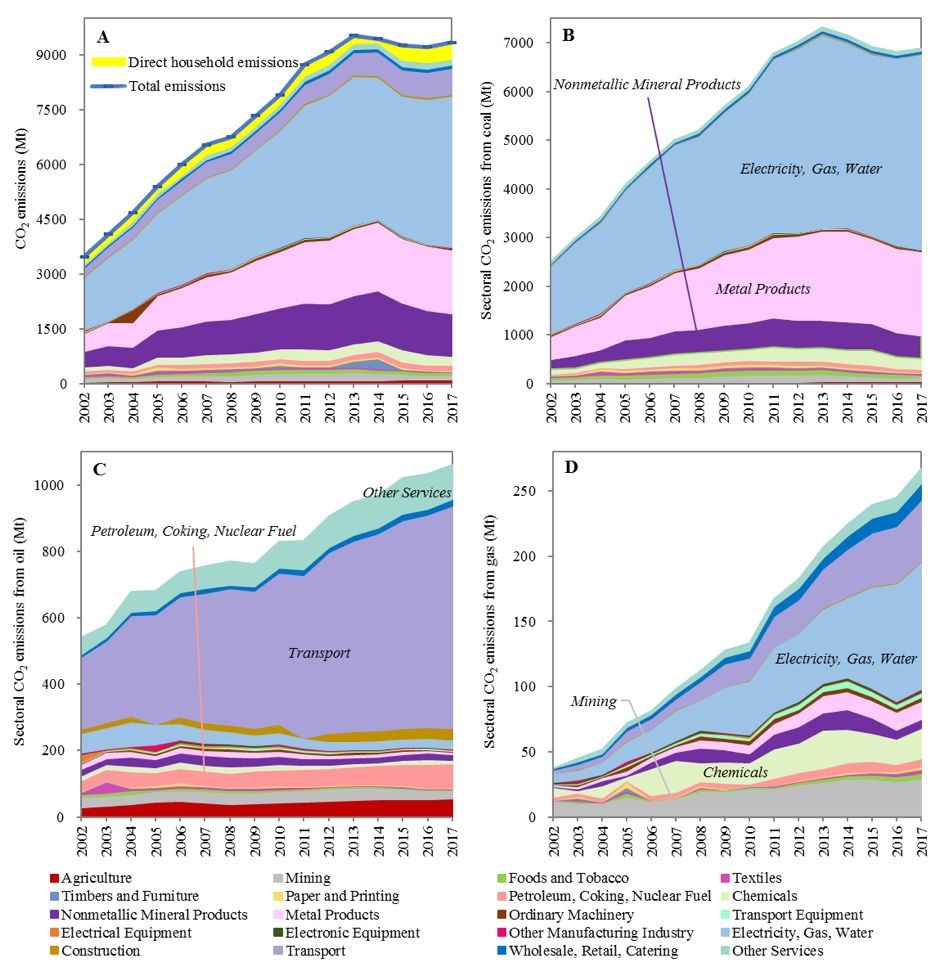
The slowdown in China’s carbon emissions growth in the new phase of economic development
China’s CO2 emissions have plateaued underits commitment to reaching peak carbon emissions before 2030 in order tomitigate global climate change. This commitment is aligned with China’s turn toward more sustainabledevelopment, named“the new normal”phase. This study aims to explore the role of possiblesocioeconomic drivers of China’s CO2 emission changes by using structural decomposition analysis(SDA) for 2002-2017. The results...
-

CEADs Collaboration: Ultra-Low Emission Technology Retrofits Substantially Reduce Emissions from China'
A collaborative paper led by Professor Ling Tang of Beijing University of Chemical Technology and co-authored by CEADs team member Dr. Zhifu Mi, Dr. Xin Bo of the Appraisal Center for Environment and Engineering of the Ministry of Ecology and Environment, Professor Laura Diaz Anadon of the University of Cambridge, Dr. Xiangyu Chang of Xi'an Jiaotong University, Professor Shouyang Wang of the Academy of Mathematics and Systems Science, C...