
Multi-scale Climate Mitigation Pathways
-
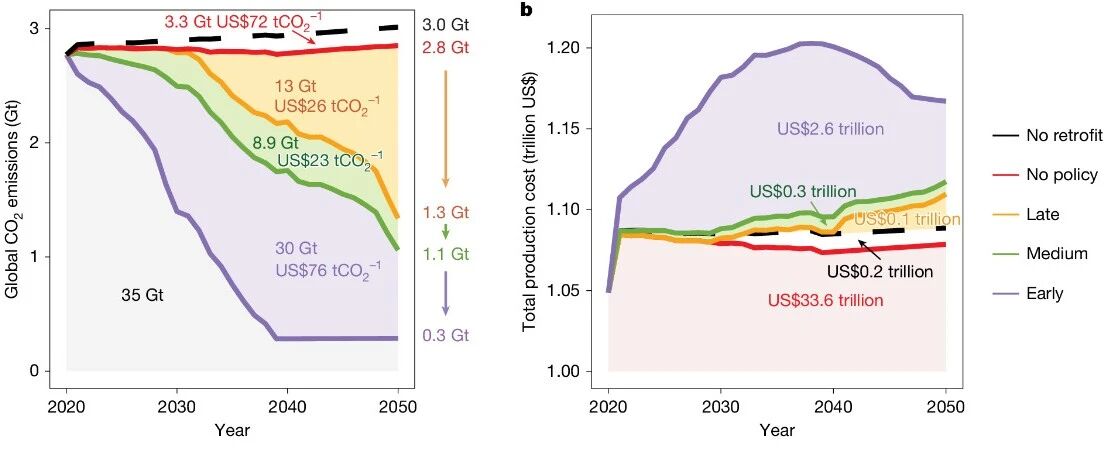
CEADs Study: Mapping Least-Cost Decarbonization Technology Pathways for Global Steel Plants
The steel industry is one of the largest sources of industrial carbon emissions worldwide. Because steelmaking remains highly dependent on fossil fuels, its decarbonization is widely viewed as one of the hardest parts of global emission reduction. Traditional decarbonization roadmaps are often designed at the national or sectoral level and tend to overlook differences among individual plants in technology type, transition cost, location...
-
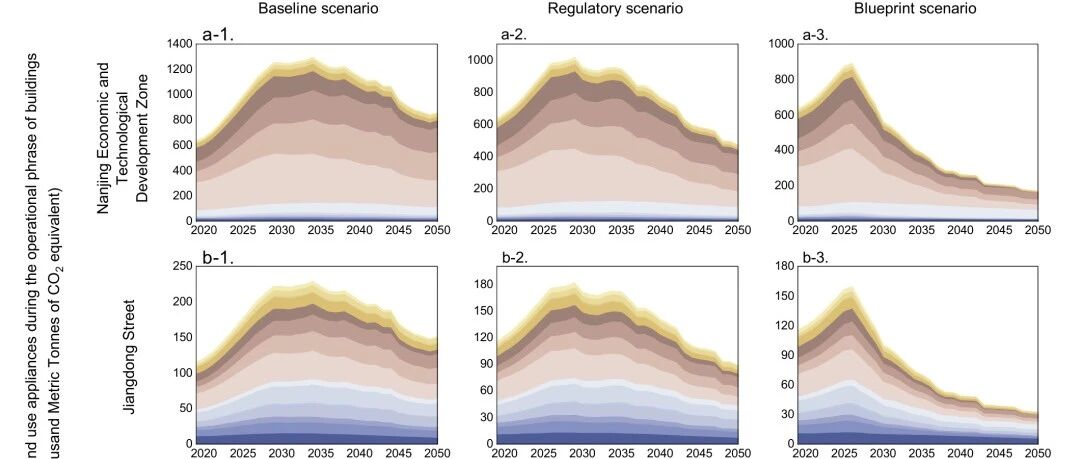
CEADs Study: Building-Scale Urban Carbon Neutrality Pathway Model Provides Targeted Decarbonization Pla
01 Research Background Carbon reduction during the operational phase of urban buildings is a critical part of achieving global carbon neutrality goals, and advancing deep decarbonization in building operations is essential for reaching carbon neutrality. How to achieve building-level, high-resolution carbon emissions accounting at the urban scale, while coupling demand-side and supply-side factors to develop actionable decarbonization p...
-
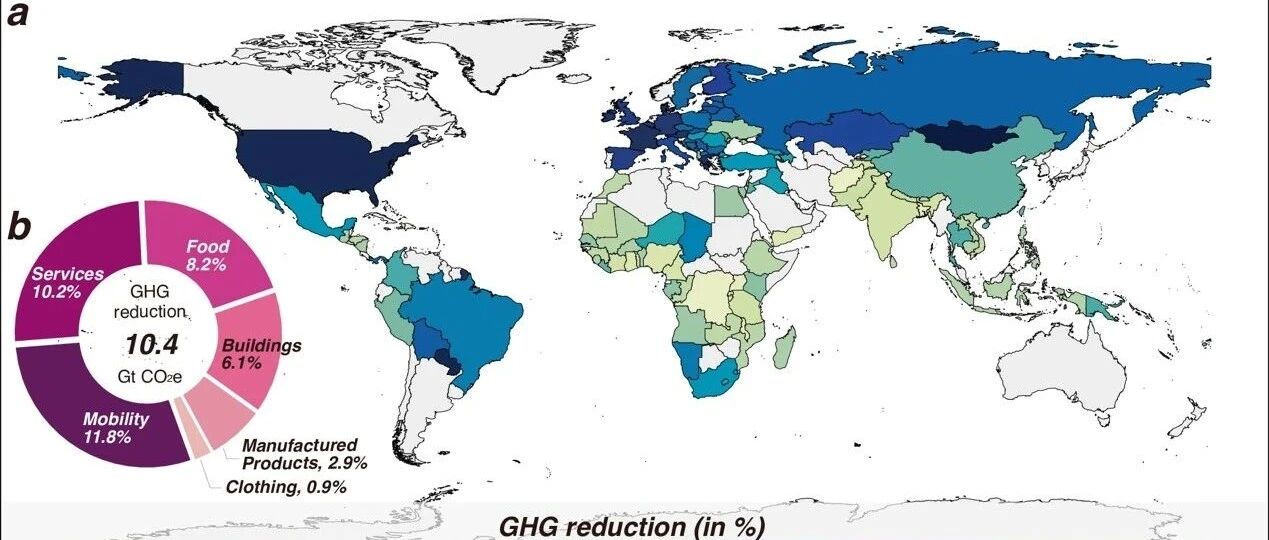
CEADs Research | Embracing Low-Carbon Lifestyles to Unlock Global Carbon Reduction Potential
Research Background Global greenhouse gas emissions continue to rise, while the uncertainty and risks associated with climate change are becoming increasingly severe. Emissions driven by household consumption have become an important source of the global carbon footprint, yet policy interventions on the consumption side remain relatively weak, and the associated mitigation potential has not been systematically identified or quantified. ...
-

CEADs Research | Inclusive Wealth Growth Pathways for Chinese Cities under Carbon Peaking Targets
Research Background The United Nations Sustainable Development Goals (SDGs) emphasize coordinated progress in economic growth, social inclusion, and environmental protection. As an important participant in global sustainable development governance, China has not only incorporated the 2030 Agenda for Sustainable Development into its national development strategy, but has also committed to achieving carbon peaking before 2030, advancing t...
-
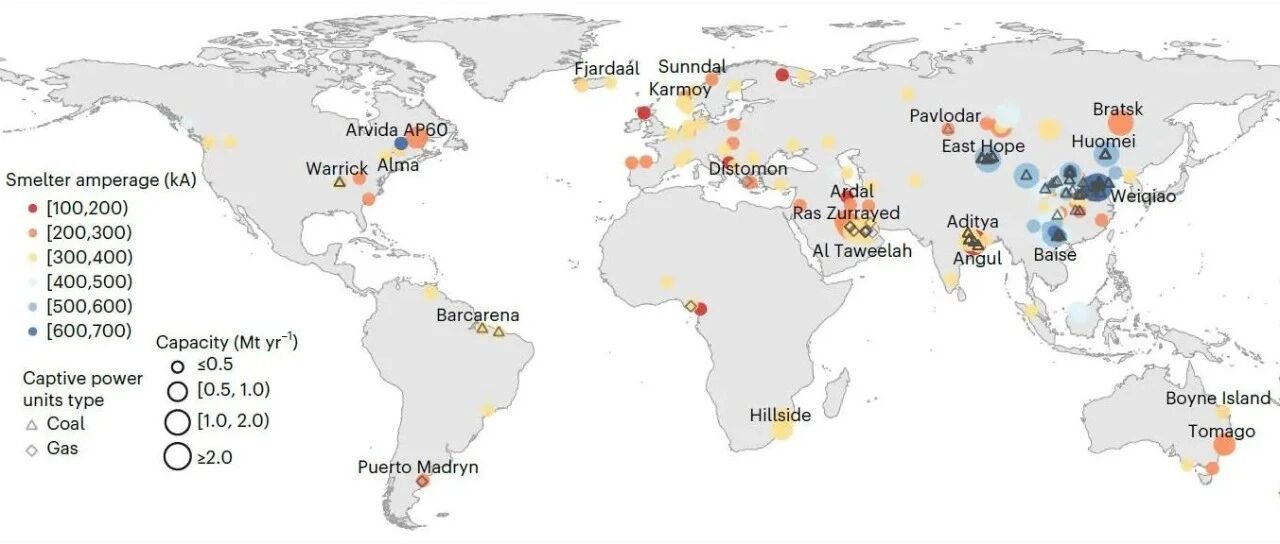
CEADs Research | Differentiated technology packages for achieving the 1.5 °C target in the global alum
The global aluminium smelting industry is an important source of industrial greenhouse gas emissions. As an indispensable industrial material for clean-energy manufacturing and modern infrastructure, demand for aluminium continues to grow, making emission reductions in primary aluminium production a key part of global carbon neutrality. However, primary aluminium smelting requires enormous electricity inputs, involves complex production...
-
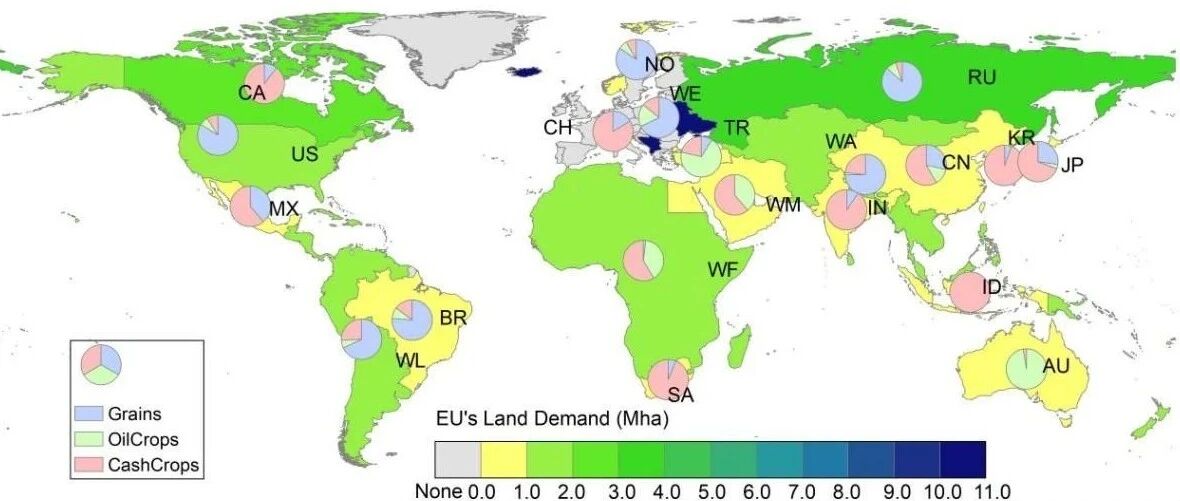
Professor Honglin Zhong Research Group Publishes in Nature Sustainability on Global Spillover Effects o
On September 20, Nature Sustainability, a journal under Nature, published online the research paper by Professor Honglin Zhong research group at the Institute of Blue and Green Development, Shandong University, titled Global spillover effects of the European Green Deal and plausible mitigation options (open-access link: https://www.nature.com/articles/s41893-024-01428-1). Professor Honglin Zhong is the first author. Professor Laixiang S...
-
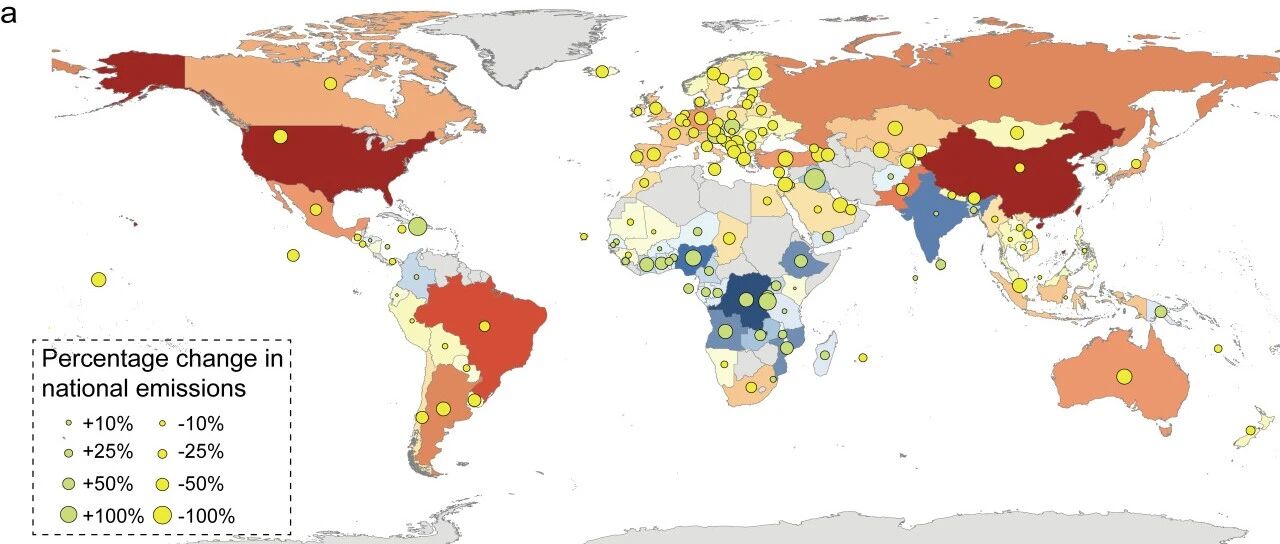
CEADs Research | Dietary Shifts Promote Equitable Emission Reductions in the Global Food System
The food system contributes one third of global anthropogenic greenhouse gas emissions, and reducing food-related emissions is essential for meeting climate goals. Because countries and consumer groups differ in lifestyle, dietary preferences, and economic conditions, food emissions are distributed unequally. At present, 800 million people worldwide still face hunger, and nearly 3.1 billion people cannot afford a healthy diet. In additi...
-
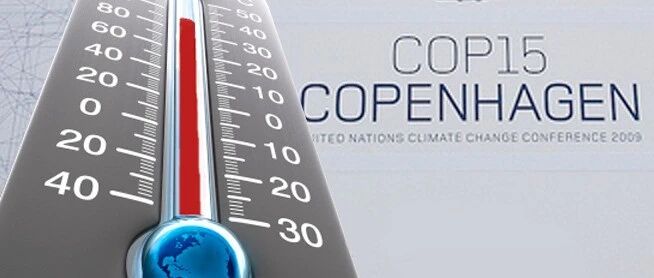
CEADs Study: Taking Stock of Climate Mitigation Pledges by 34 Developed Economies under the Copenhagen
Research Background Research Background At the Fifteenth Conference of the Parties to the United Nations Framework Convention on Climate Change (COP15), held in Copenhagen in 2009, countries collectively put forward emission reduction targets for 2020, marking a major milestone in global climate action. However, despite the ambition behind these climate goals, retrospective stocktaking and quantitative analysis of their actual outcomes ...
-

CEADs Study: Global Plant-Level Carbon Emissions from the Cement Industry and Emission Reduction Strate
Research Background Global Carbon Emissions from the Cement Industry The cement industry is one of the largest consumers of fossil energy and emitters of carbon dioxide worldwide. At present, the cement industry accounts for 5%-8% of total anthropogenic carbon dioxide emissions each year. Its carbon dioxide emissions originate from cement clinker production, during which carbon dioxide is released through fossil fuel combustion and lime...
-

CEADs Research: Achieving Decent Living Standards in Emerging Economies Challenges National Mitigation
Research Background To address the impacts of climate change, the Intergovernmental Panel on Climate Change (IPCC) has stated that the world must halve net anthropogenic carbon dioxide emissions within this decade and achieve carbon neutrality by 2050. Emerging economies, namely low- and middle-income countries with rapidly growing populations and GDP, face the challenge of improving living standards while reducing CO2 emissions to meet...