
Carbon Emissions Accounting
-
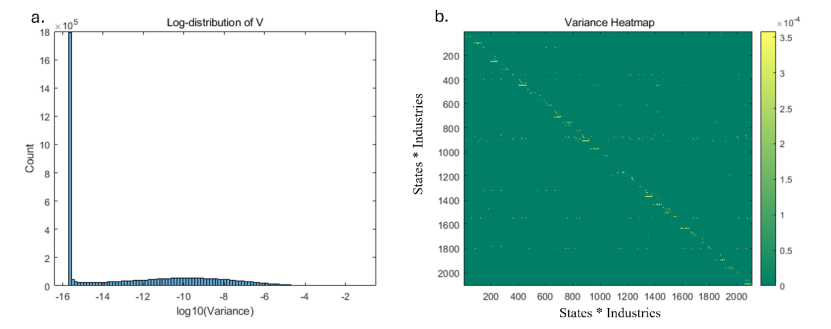
CEADs Research: Multi-Regional Input-Output Tables for 32 Indian States from 2011 to 2019
Multi-regional input-output (MRIO) models reveal economic and technological linkages across regions and sectors. They have been proven to be effective tools for describing and analyzing the linked effects of production, trade, and consumption in supply chains, and in recent years have been widely applied in economics, environment, energy, sustainable development, and related fields. As the world's fifth-largest economy, India has become...
-
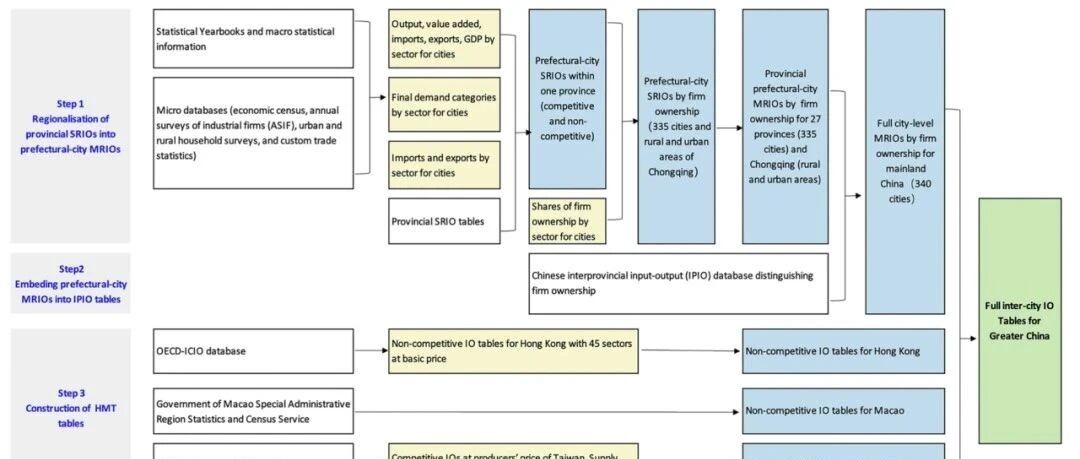
CEADs Research | China 340-City Multi-Regional Input-Output Tables (MRIO) Distinguishing Firm Ownership
01 Data Overview Dr. Heran Zheng from the CEADs team, together with leading input-output research teams from Beijing Normal University, the University of International Business and Economics, Tsinghua University, Shanghai University of International Business and Economics, and other institutions in China and abroad, has successfully developed China 340-city multi-regional input-output tables (MRIO) distinguishing firm ownership for the ...
-
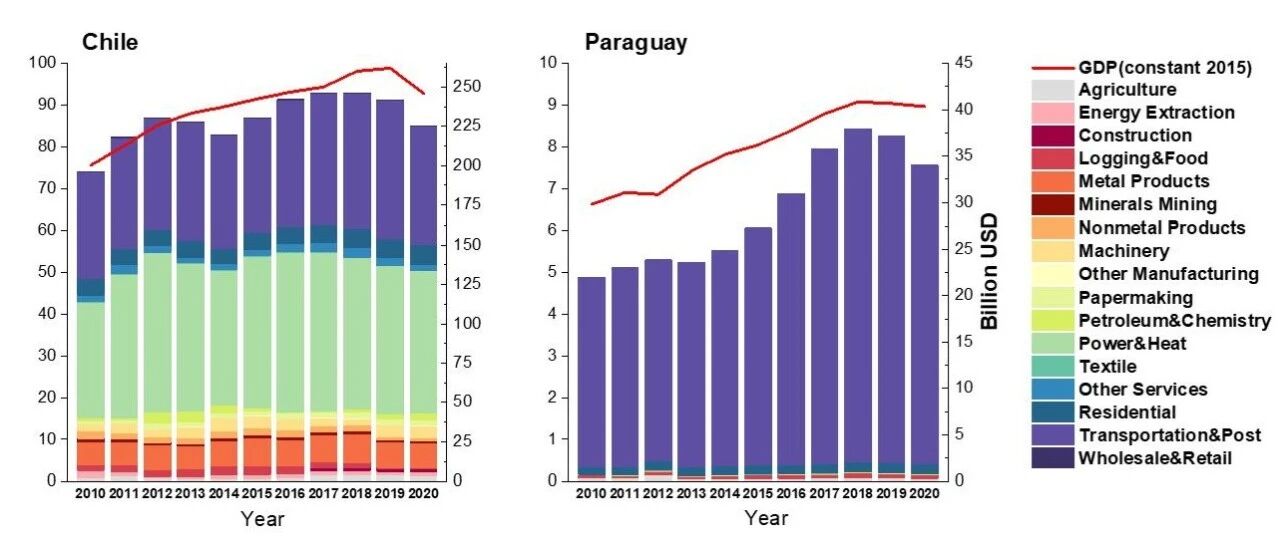
CEADs Research: Carbon Emission Inventory Compilation and Driver Analysis for Ten South American Countr
CEADs Research Output As global efforts to address climate change continue to advance, countries have formulated emissions reduction targets to achieve carbon neutrality. However, rapid industrialization and urbanization in emerging economies have led to fast growth in carbon dioxide emissions in recent years, outpacing the global average and posing serious challenges for global climate mitigation. It is therefore necessary to clarify b...
-
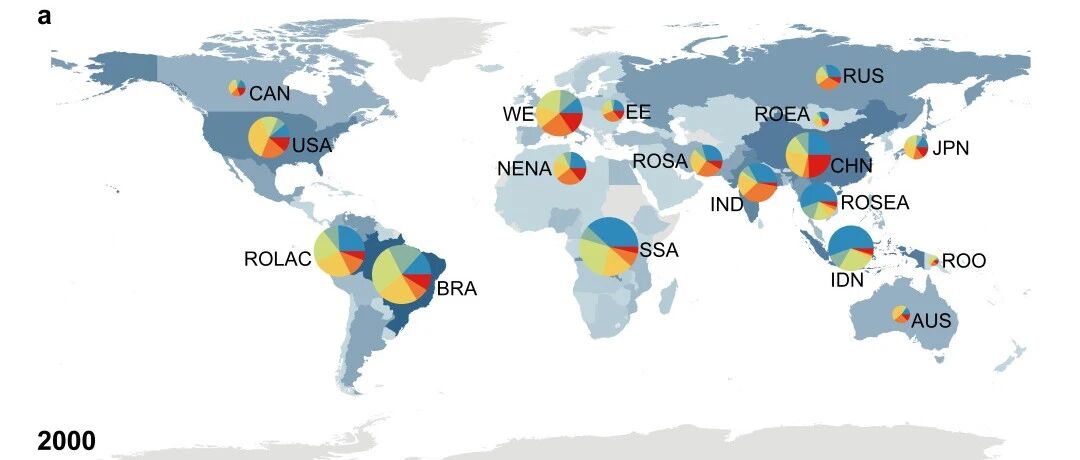
CEADs Research: Food Consumption Intensifies Greenhouse Gas Emissions in Global Supply Chains
CEADs Research Findings Agri-food systems drive a range of activities, including land use and agricultural production, and account for about one third of anthropogenic greenhouse gas emissions. As the global population continues to grow, food production expands, and the share of meat in diets increases, greenhouse gas emissions from food consumption will rise further and put additional pressure on the global carbon budget. Accounting fo...
-
CEADs Research: Accounting and Disclosure of Value Chain (Scope 3) Carbon Footprints of 3,000 Chinese L
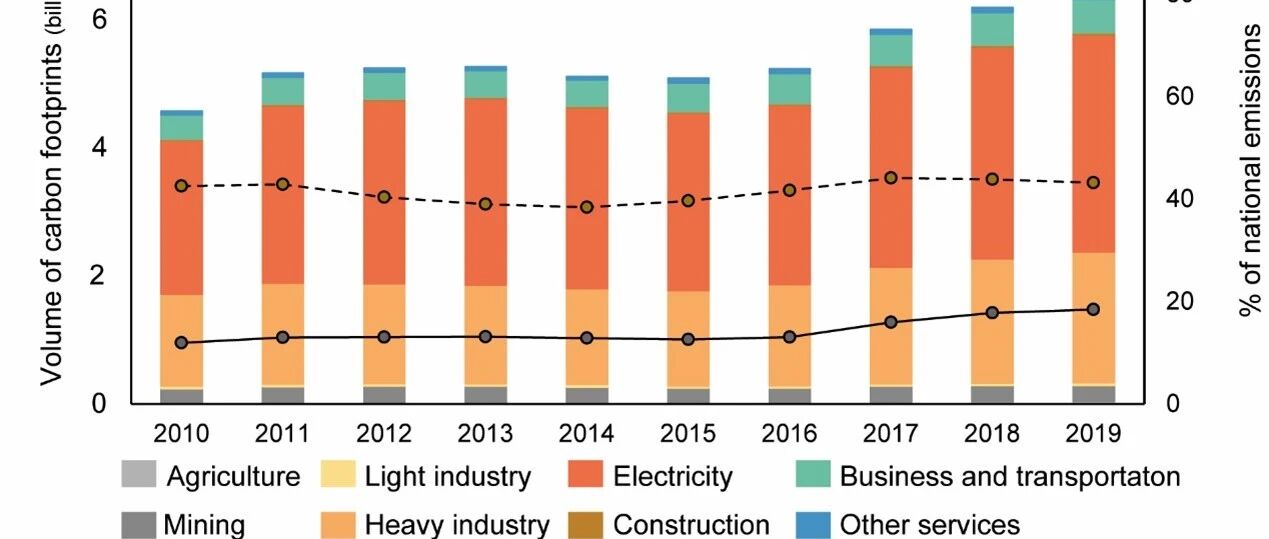
Research Background In recent years, listed companies have faced growing pressure to disclose carbon footprint information, while investors have paid increasing attention to the environmental impacts of their investment activities. However, current carbon footprint disclosure by listed companies is often limited to direct corporate carbon footprints (Scopes 1 and 2), while neglecting value chain (Scope 3) carbon footprints, which accoun...
-
Energy-related CO emission accounts and datasets for 40 emerging economies in 2010–2019
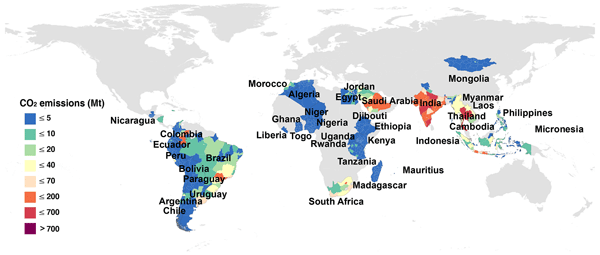
Since 2000, CO2 emissions from emerging economies have outstripped those of developed economies. To limit global warming to under 1.5 ∘C by 2100, over 100 emerging economies have proposed net-zero carbon targets. Yet the supportive data are lacking – no inventory of CO2 emission outlines detailed sources by sector or distribution at the subnational level for these economies. Here, we redress the balance by establishing a dataset fo...
-
Global oil refining's contribution to greenhouse gas emissions from 2000 to 2021
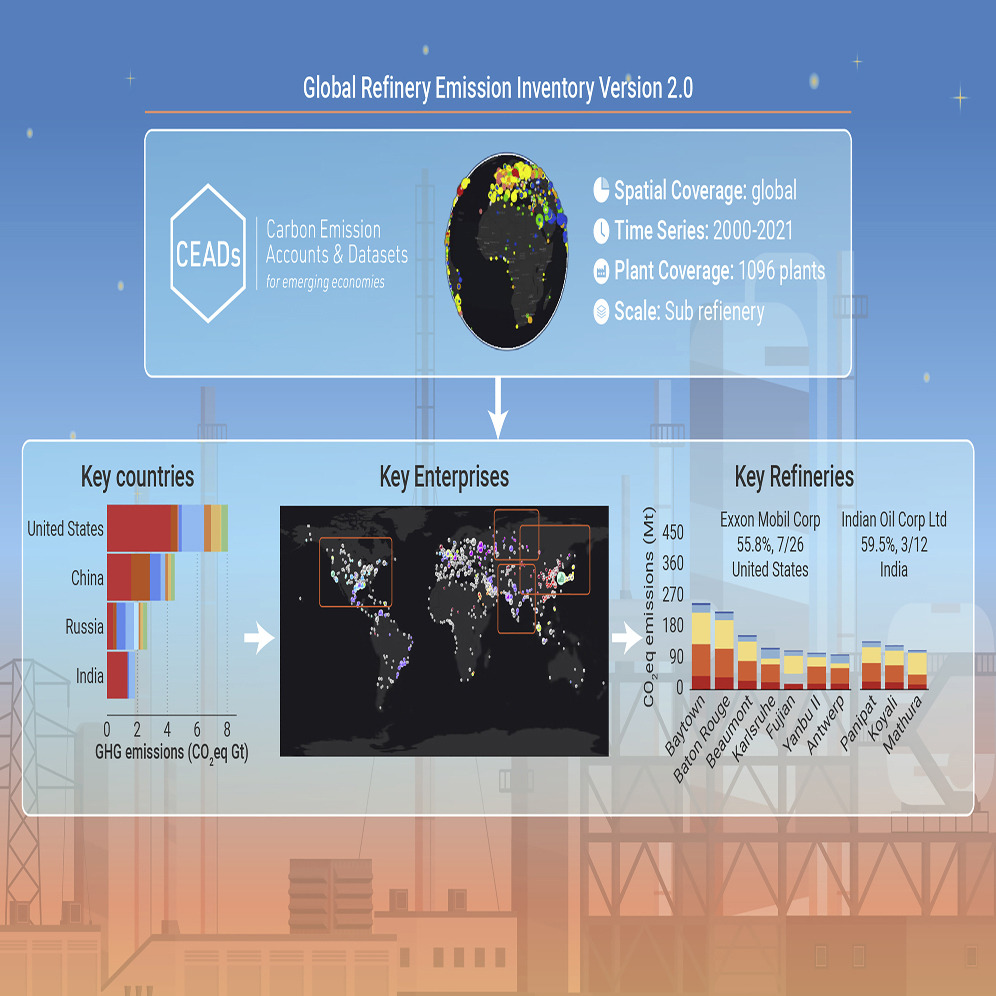
The refining industry is the third-largest source of global greenhouse gas (GHG) emissions from stationary sources, so it is at the forefront of the energy transition and net zero pathways. The dynamics of contributors in this sector such as crucial countries, leading enterprises, and key emission processes are vital to identifying key GHG emitters and supporting targeted emission reduction, yet they are still poorly understood. Here, we...
-
Entropy-based Chinese city-level MRIO table framework
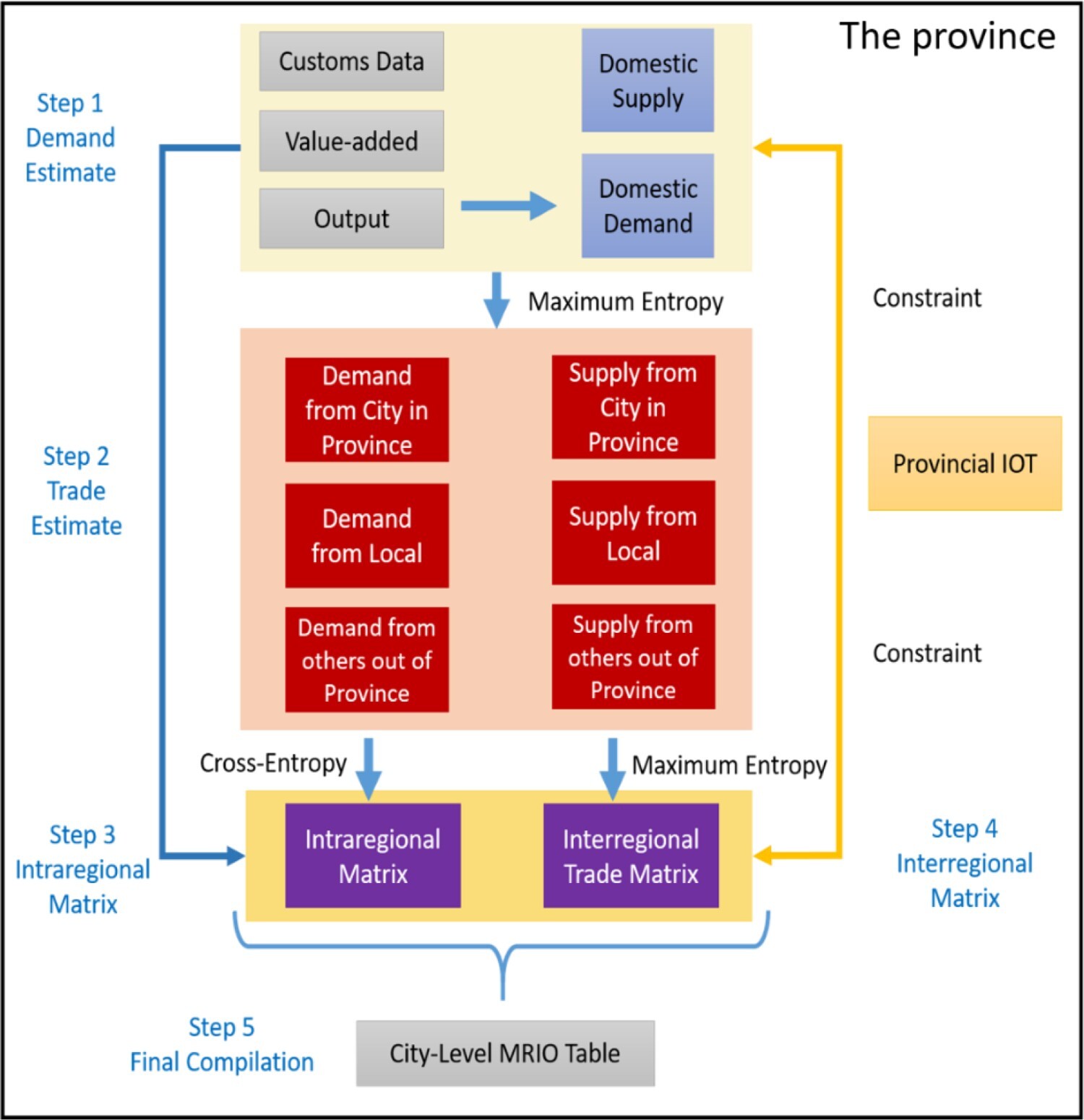
Cities are pivotal hubs of socioeconomic activities, and consumption in cities contributes to global environmental pressures. Compiling city-level multi-regional input-output (MRIO) tables is challenging due to the scarcity of city-level data. Here we propose an entropy-based framework to construct city-level MRIO tables. We demonstrate the new construction method and present an analysis of the carbon footprint of cities in China's Hebei...
-
Full-scale, near real-time multi-regional input–output table for the global emerging economies (EMERG
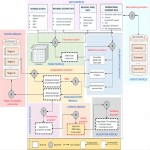
Multi-regional input–output (MRIO) models are widely used to analyze the economic interdependencies between regions in the context of global trade and environmental research. MRIO tables enable us to teleconnect the sectors in different regions along the supply chain and track both direct and indirect impacts of global production. Yet emerging economies—despite reshaping international trade patterns and playing an increasingly import...
-
Emission accounting and drivers in East African countries
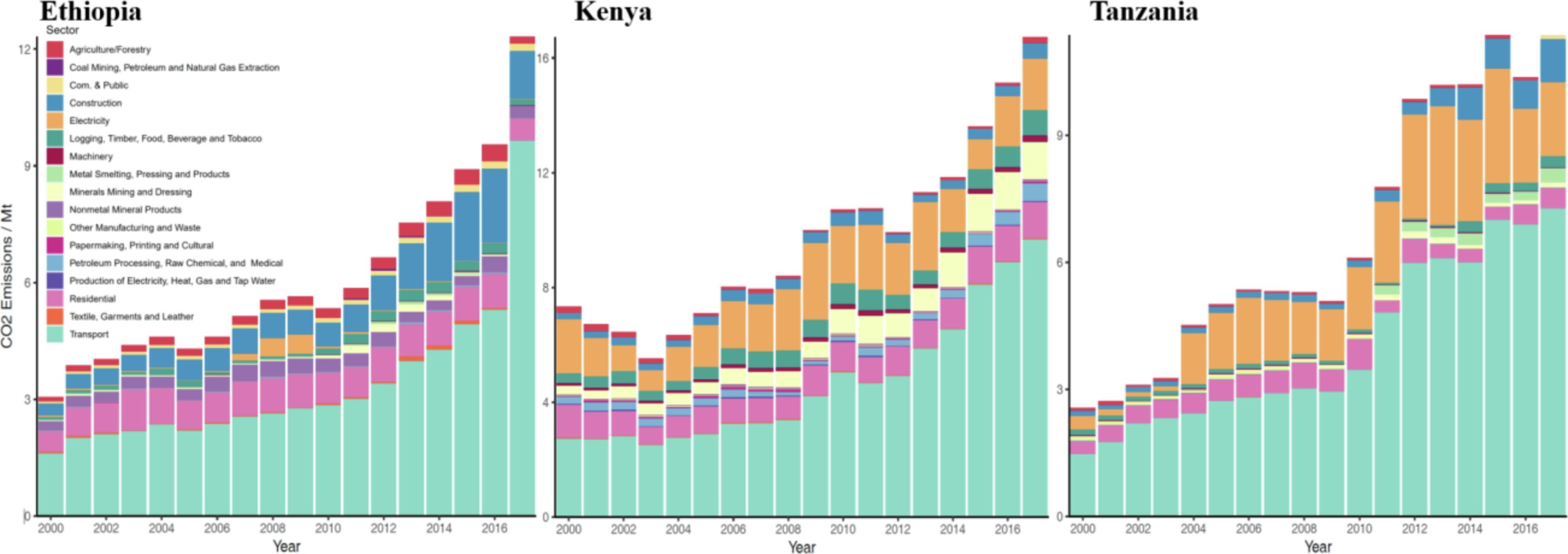
East Africa is typical of the less developed economies that have emerged since the 21st century, whose brilliant economic miracle has also triggered the rapid growth of energy consumption and carbon dioxide emissions. However, previous carbon accounting studies have never focused on the region. Based on multi-source data, this paper rebuilt the 45-sectors carbon emission inventories of eight East African countries from 2000 to 2017, and ...