
Carbon Emissions Accounting
-
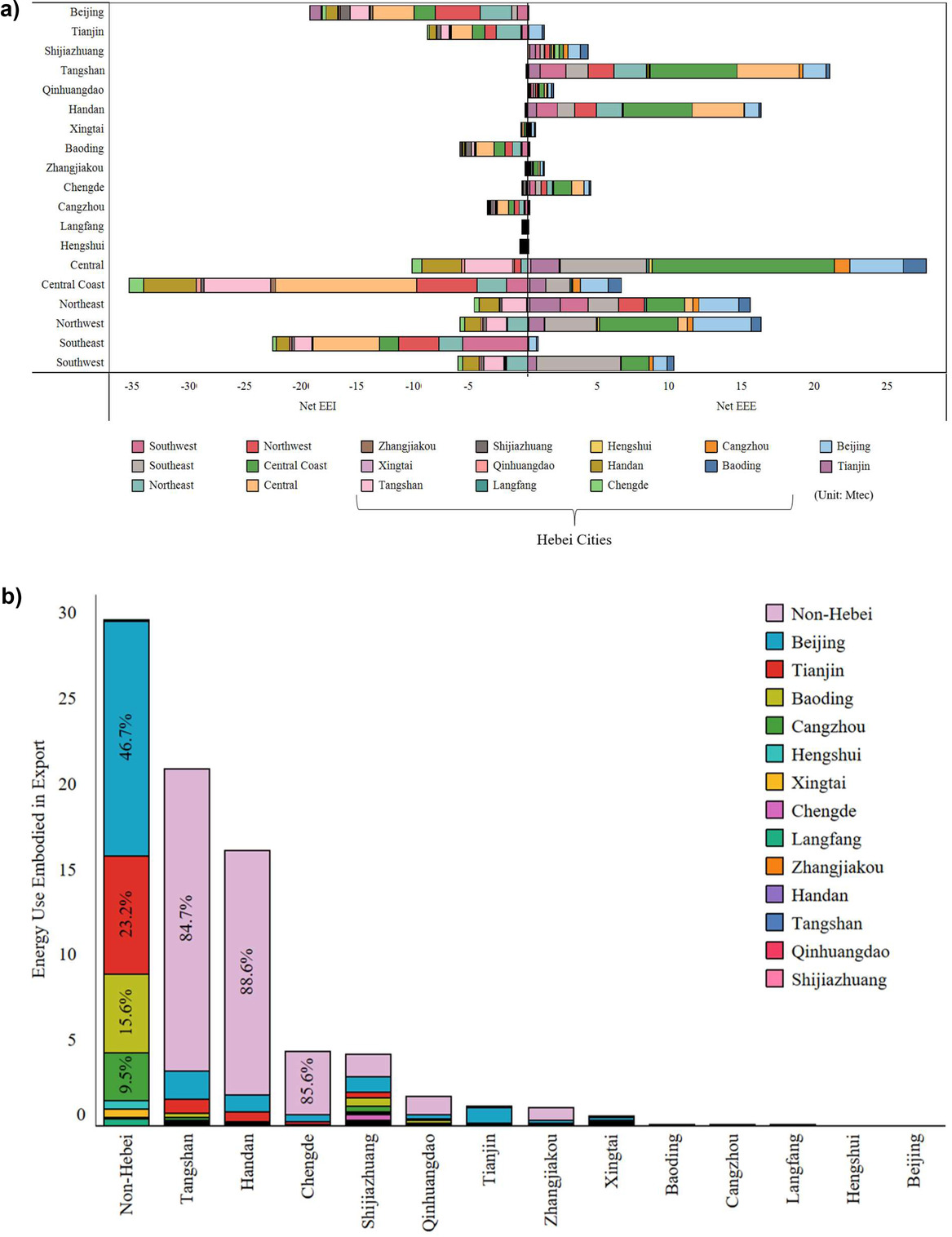
Linking city-level input–output table to urban energy footprint: Construction framework and applicati
Multiregion input–output (MRIO) models have become increasingly important in economic and environmental analysis. However, the current resolution of most MRIO models fails to capture the heterogeneity between subregions, especially in cities. The lack of city-level MRIO tables has impeded the accomplishment of city-level studies and hampered the understanding of the relationship between urban growth and consumption, and teleconnection...
-

CEADs Release: Carbon Emission Inventories and Drivers for Five Mainland Southeast Asian Countries, 201
Research Background Achieving low-carbon development is an unavoidable choice as the world faces climate warming. Current discussions on how to mitigate climate change and effectively reduce carbon emissions have mostly focused on developed economies such as the European Union and the United States, as well as populous countries such as China and India. These countries and regions have also taken the lead in establishing relatively accu...
-

CEADs Releases the first global, multiscale, long-term greenhouse gas emissions inventory for refinerie
Research Background Global Carbon Emissions from the Oil Refining Sector The refining industry is the world's third-largest stationary source of greenhouse gas emissions and accounted for 5% of energy-sector greenhouse gas emissions globally in 2019. As both a supplier and consumer of energy, the refining industry plays a key role in the energy supply chain and in climate change, making it a major sector for global economic development ...
-

CEADs Study: Carbon Emissions Accounting and Driver Analysis in East Africa
Research Background Climate governance in less developed regions The series of emission-reduction policies adopted by the international community to curb climate warming has historically focused on developed economies, including the European Union and the United States, as well as populous countries such as China and India, leaving climate governance in less developed regions insufficiently addressed. As more and more developed countrie...
-

CEADs Research: Accounting for Embodied Carbon Emissions in International Services Trade and Analysis o
Services trade is becoming increasingly important to global economic growth, and its future growth potential is enormous. Its contribution to world trade rose from 9% in 1970 to 20% in 2019. Compared with goods trade, services such as transportation, tourism, and finance are more sensitive to changes in the social and economic environment. For example, during the global outbreak of COVID-19, policies such as lockdowns led to a sharp dro...
-

CEADs Study: Decoding CO2 Emissions from Global Point-Source Refineries, 2000-2050
Research Background Climate change is one of the most fundamental challenges facing humanity today. Although energy-related carbon dioxide emissions fell by 5.8% globally in 2021 because of the impact of the COVID-19 pandemic, global carbon dioxide emissions may rebound to 2019 levels or higher as population and GDP continue to grow. The still-increasing fossil-fuel-based energy infrastructure could become one of the key obstacles to ac...
-

CEADs Research: Compiling Multi-Regional Input-Output Tables for 309 Prefecture-Level Cities in China
Research Background Multi-regional input-output models can quantitatively describe industrial linkage effects within and between regions, and reflect the production-technology relationships among related sectors and the overall supply-demand balance within a region. In recent years, they have been widely applied in economic, environmental, social, and related fields. However, most studies focus on international or interprovincial scales...
-

CEADs research: Accounting for embodied carbon emissions in trade patterns across 32 Indian states
No.1 Research Background As the world's third-largest energy consumer and carbon emitter, India accounted for about 7% of global carbon emissions in 2018. India's emissions increased from 1,750.56 Mt in 2010 to 2,621.29 Mt in 2018, representing 21.5% of the global increase over the same period. This sharp rise in emissions is mainly driven by economic growth, especially rapid industrialization. It suggests that India will become the nex...
-
CEADs Research: Embodied greenhouse gas emissions from China's large-scale power grid infrastructure
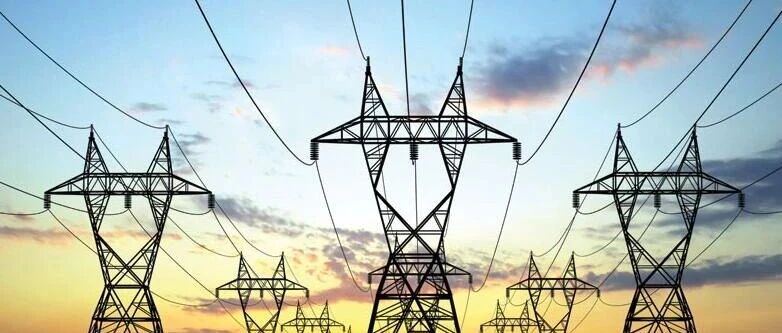
Background Because electricity generation and load centers are severely mismatched in space, China has built large-scale power grid infrastructure to connect electricity production and consumption centers. China now has the world's largest transmission network. In 2017, transmission lines above 220 kV in China extended for 687,000 km, about twice the size of Europe's grid. Building power grids requires large amounts of greenhouse gas (G...
-
CEADs Collaboration: Satellite Remote Sensing Reveals the Decline and Rebound of China's CO2 Emissions
On December 2, the internationally renowned journal Science Advances published online a research article titled “Satellite-based estimates of decline and rebound in China's CO2 emissions during the COVID-19 pandemic.” The paper was jointly led by Zheng Bo, a postdoctoral researcher at the French Environmental and Climate Sciences Laboratory and now an assistant professor at Tsinghua Shenzhen International Graduate School, and Geng G...